
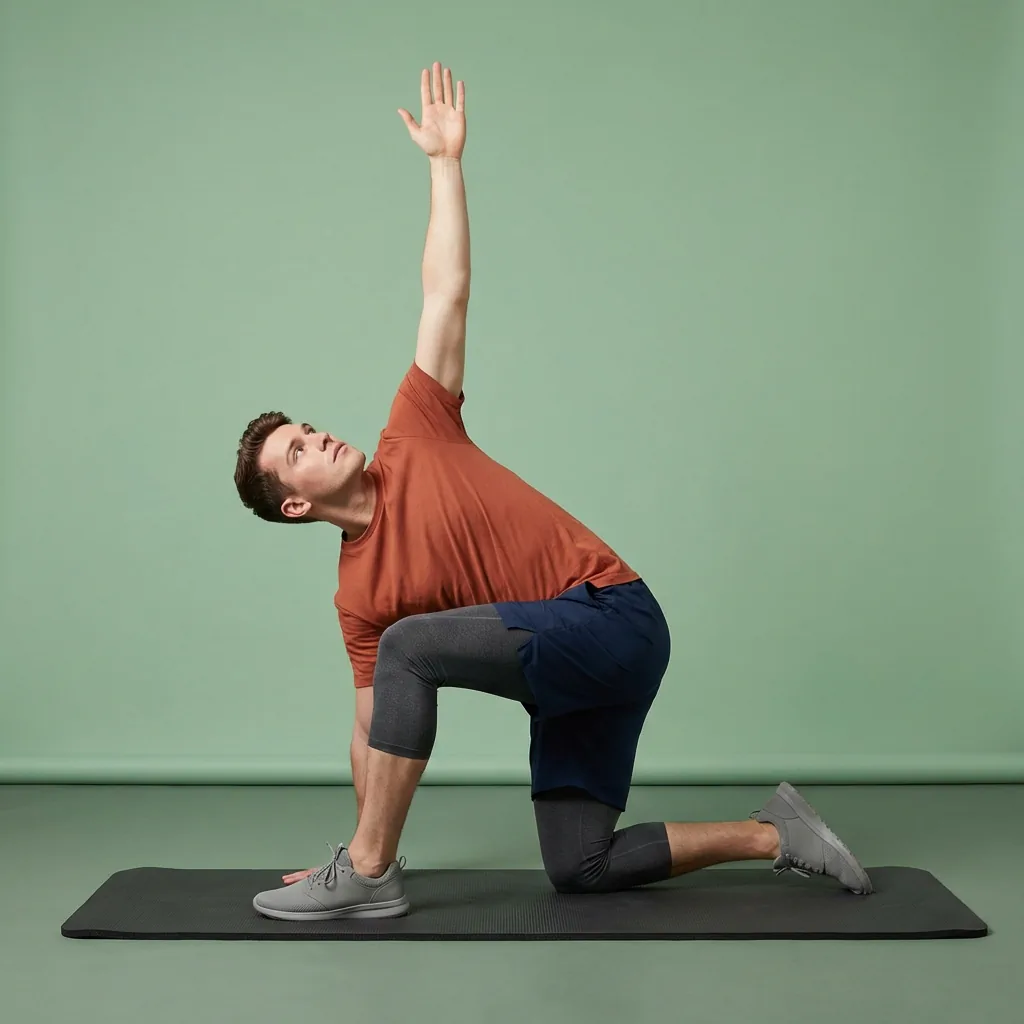
Balance your focus
Stop training the same three areas by default.
Left to our own habits, we all repeat our favourites. Try Something Different is a Flexor carousel that notices which body areas you have been working recently and gently points you toward the ones you have been skipping—so your week stays balanced instead of lopsided.
Notices your habits
Reads the body areas your recent sessions have covered.
Suggests the gaps
Surfaces routines for under-trained areas you have been skipping.
Easy to act on
A simple carousel of alternatives, tap one to start it.
Always optional
A nudge toward balance, never a rule you have to follow.
Why balance matters
It is natural to gravitate to the stretches that already feel good, but repeating the same two or three areas leaves the rest of your body under-served. Over weeks, that imbalance is usually the reason a routine stops feeling as useful as it did at the start.
Try Something Different is Flexor's answer to that drift. It appears alongside your daily recommendations and suggests sessions for areas your recent activity has neglected, so keeping a rounded routine takes no extra planning on your part.
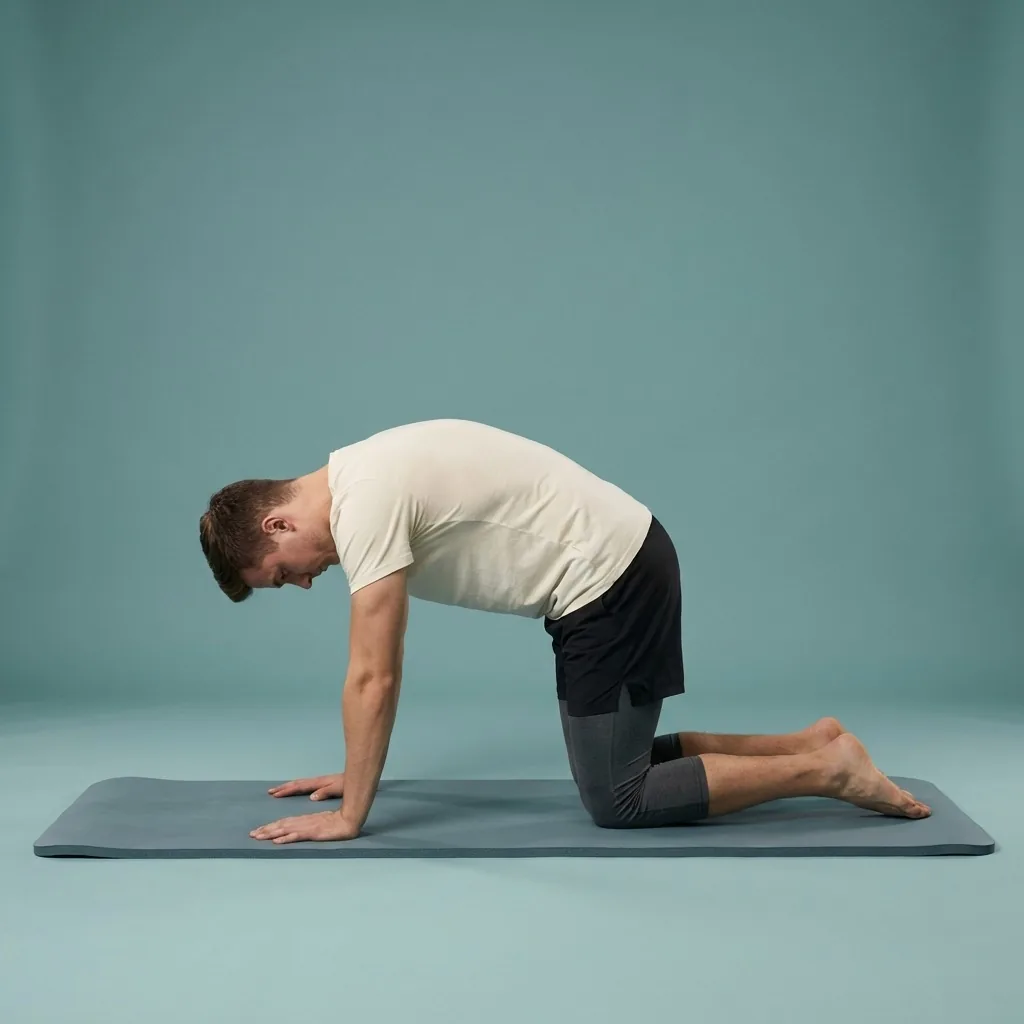
How Flexor works it out
Flexor looks at the body areas covered by the routines you have recently completed and compares them with the wider set of areas the library covers. Where it sees a gap, it offers a short carousel of routines that target the under-trained areas instead.
The suggestion is framed clearly: it tells you which areas you have been working and which one it is nudging you toward, so the reason is always transparent rather than a mystery pick.
- Reads the areas your recent completed sessions covered.
- Compares them against the areas Flexor's library can train.
- Highlights routines for the areas you have been skipping.
- Explains the worked areas and the suggested one in plain language.
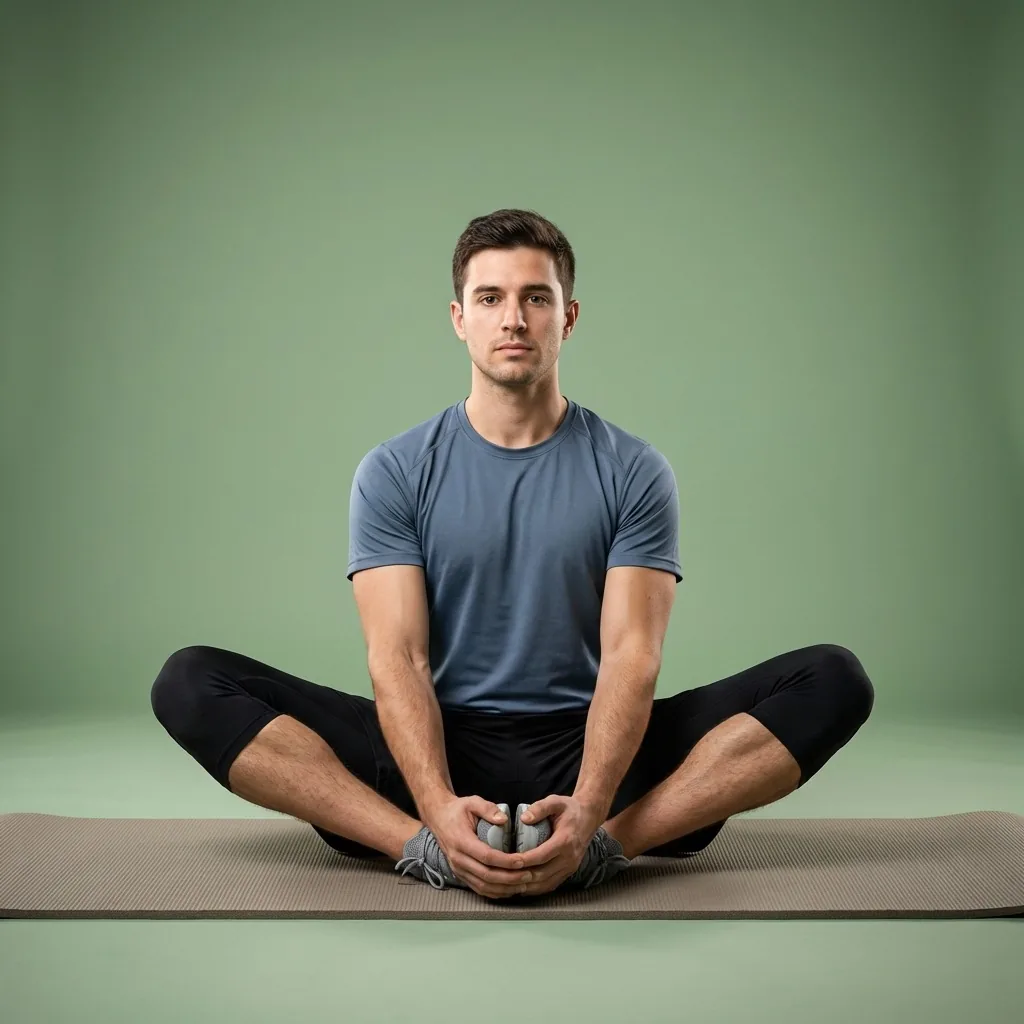
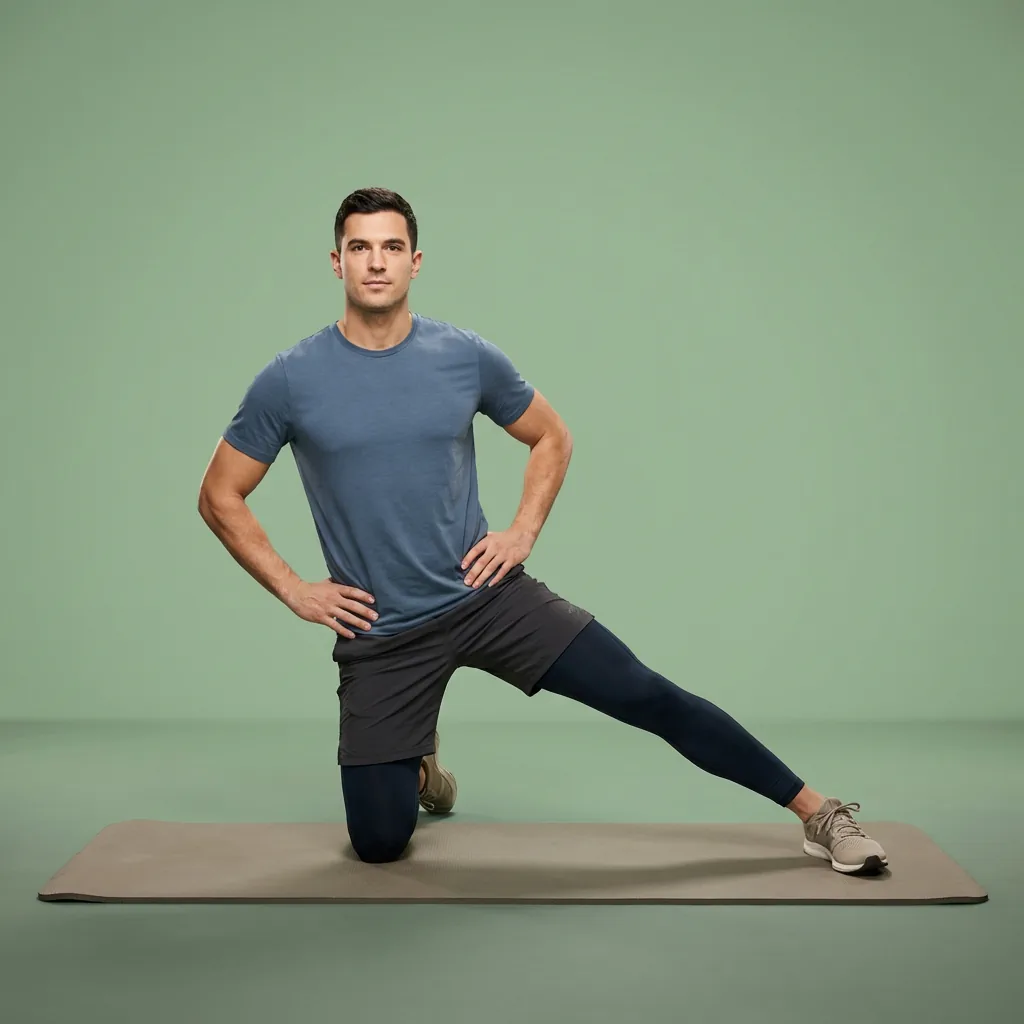
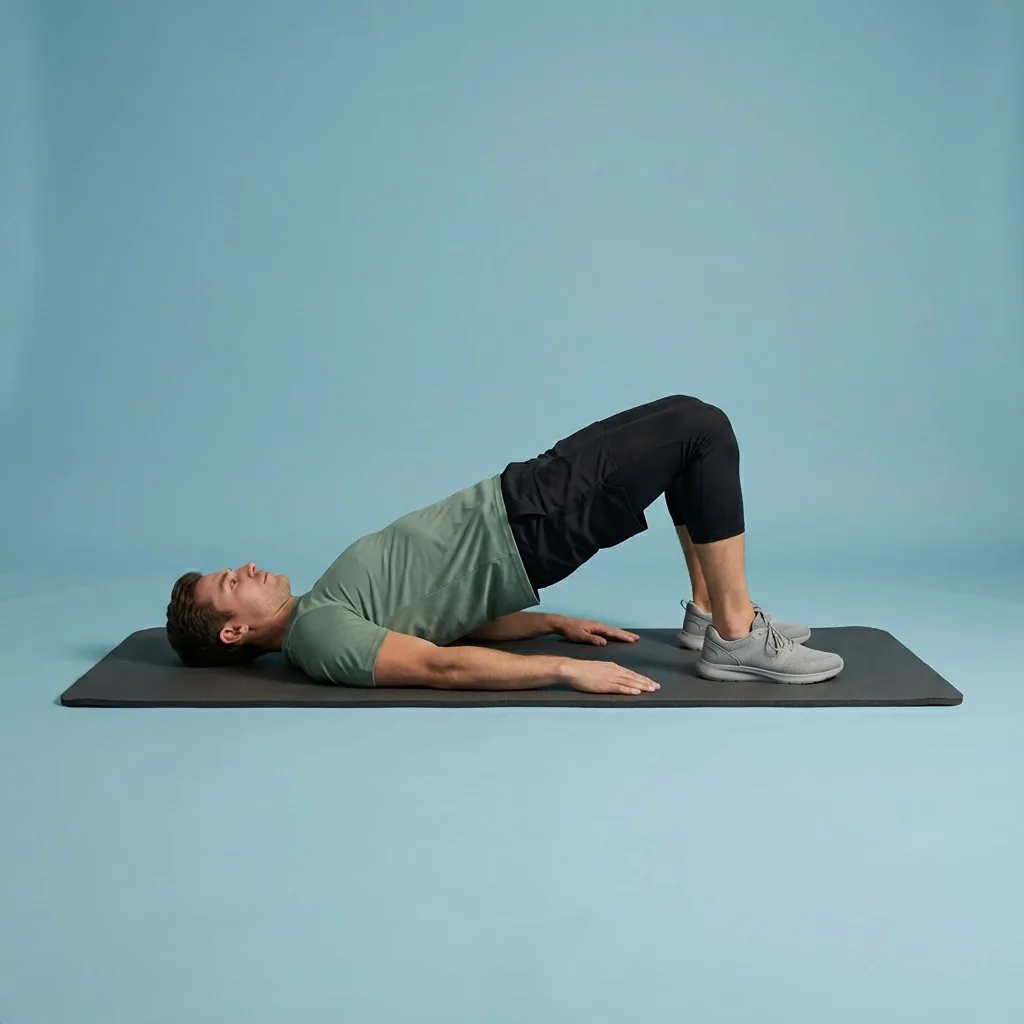
In Flexor: Floor-based stretches for hips and inner thighs.
The areas you keep skipping.
After you repeat the same focus, Flexor can suggest an under-trained area. It is always optional.
A nudge, not a rule
This is a suggestion for variety, not a corrective or medical instruction. Flexor is not telling you that a neglected area is weak, tight, or a problem—only that your recent sessions have not covered it, and that adding it would keep your routine balanced.
You are always free to skip it and carry on with what you planned. As with everything in Flexor, work within a comfortable range and stop if a movement causes pain or concerning symptoms; this is general fitness and wellness guidance, not treatment.
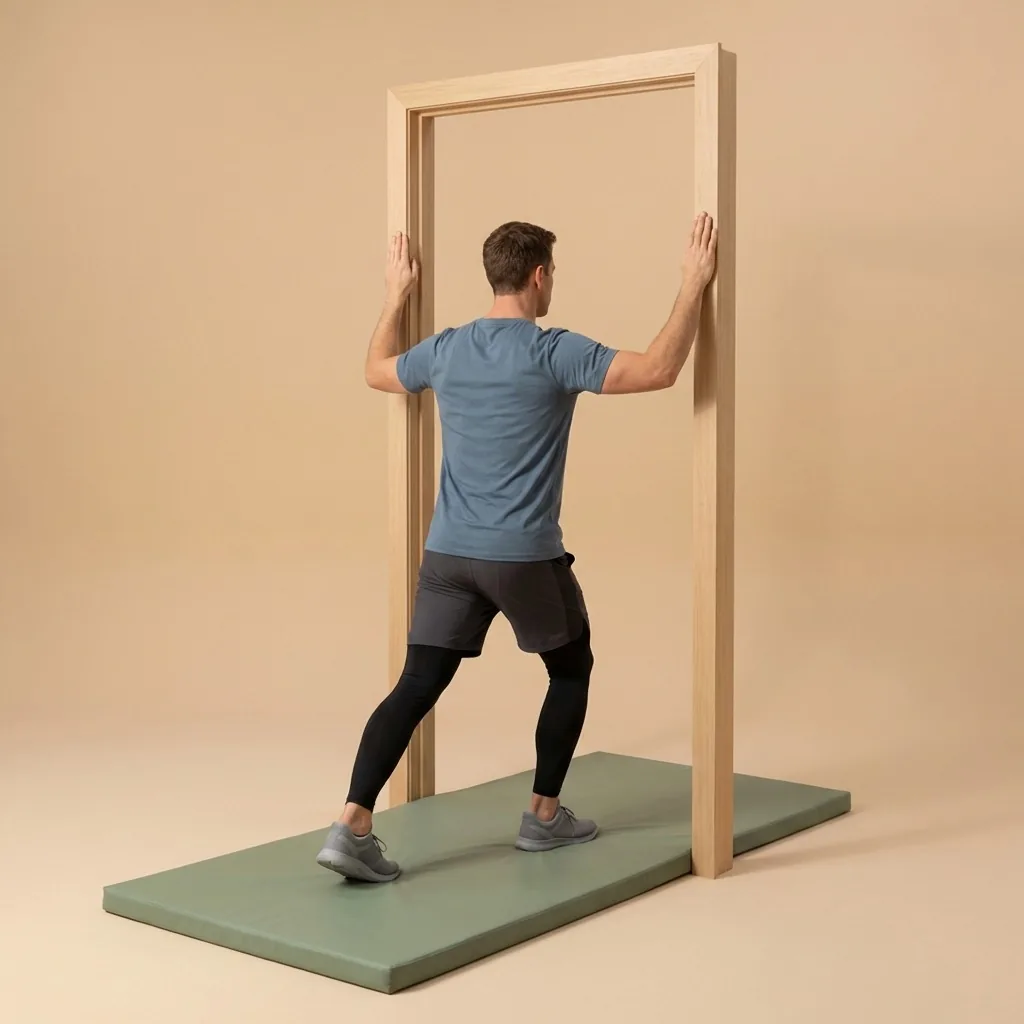
Quick facts
- Feature
- Balance nudge carousel
- Reads
- Body areas your recent sessions covered
- Suggests
- Routines for areas you have skipped
- Nature
- An optional nudge, never a rule
- Assessment
- Not a weakness or injury judgement
How the balance nudge works
-
Flexor reads recent sessions
It notes which body areas your completed routines have covered.
-
It compares against the library
Your covered areas are matched against the full range Flexor can train.
-
It surfaces the gaps
A short carousel offers routines for the under-trained areas.
-
You choose whether to follow it
Tap a suggestion to start it, or keep to what you had planned.
Where to start
Your week feels lopsided
Follow a suggested routine for an area you have skipped.
You are mid-way through a plan
Stick with your plan; balance evens out across its days.
You just want today's best pick
Open Today for You for a single relevant recommendation.
How Flexor personalises this
The nudge is based only on the body areas your recent completed sessions covered, compared with what the library can train. It names the worked areas and the suggested one, so the reason is always transparent. No body scanning is involved.
See daily recommendationsSafety and limits
- A suggestion means an area is under-trained, not weak, tight, or injured.
- It is a variety nudge, not an assessment or diagnosis.
- Move within a comfortable range and stop if a movement causes pain or concerning symptoms.
Try Something Different is general fitness and wellness guidance, not a mobility assessment or medical advice.
Read the full wellness disclaimerRelated routines
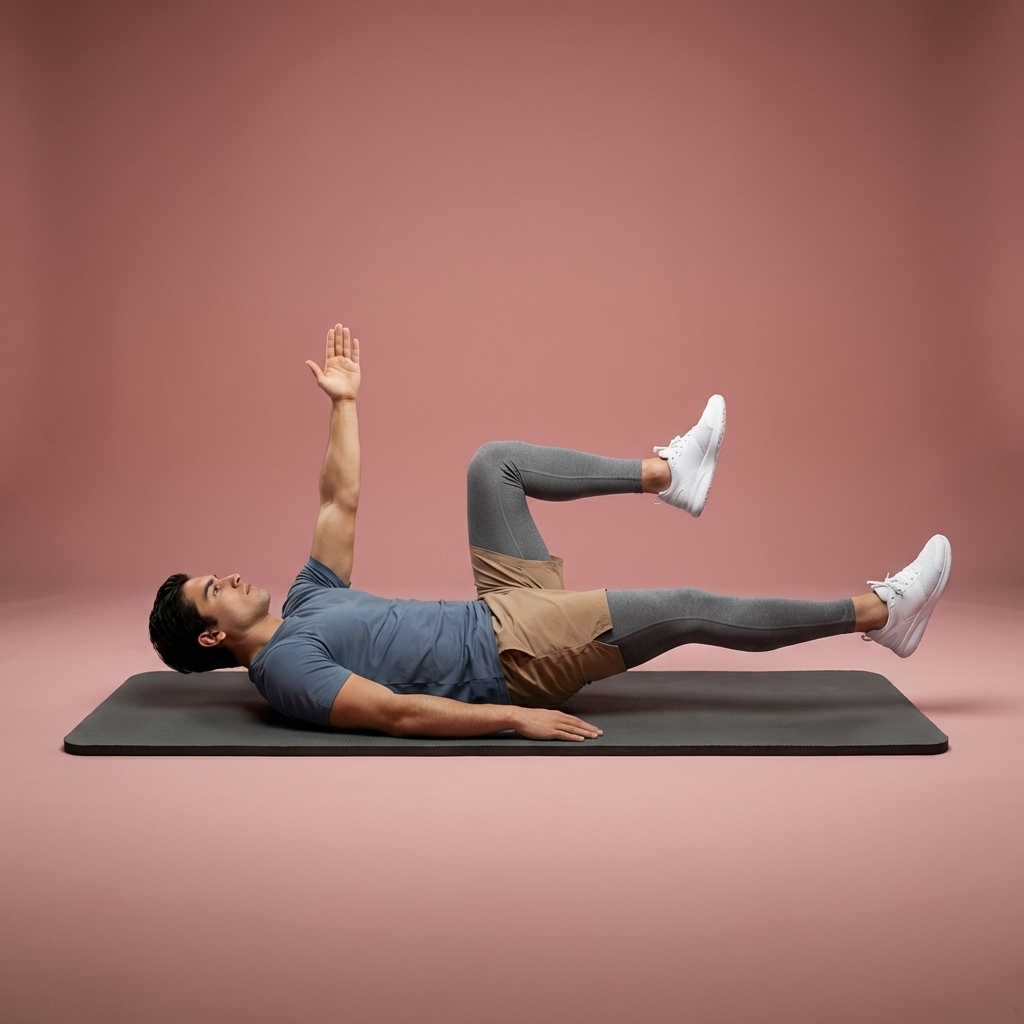
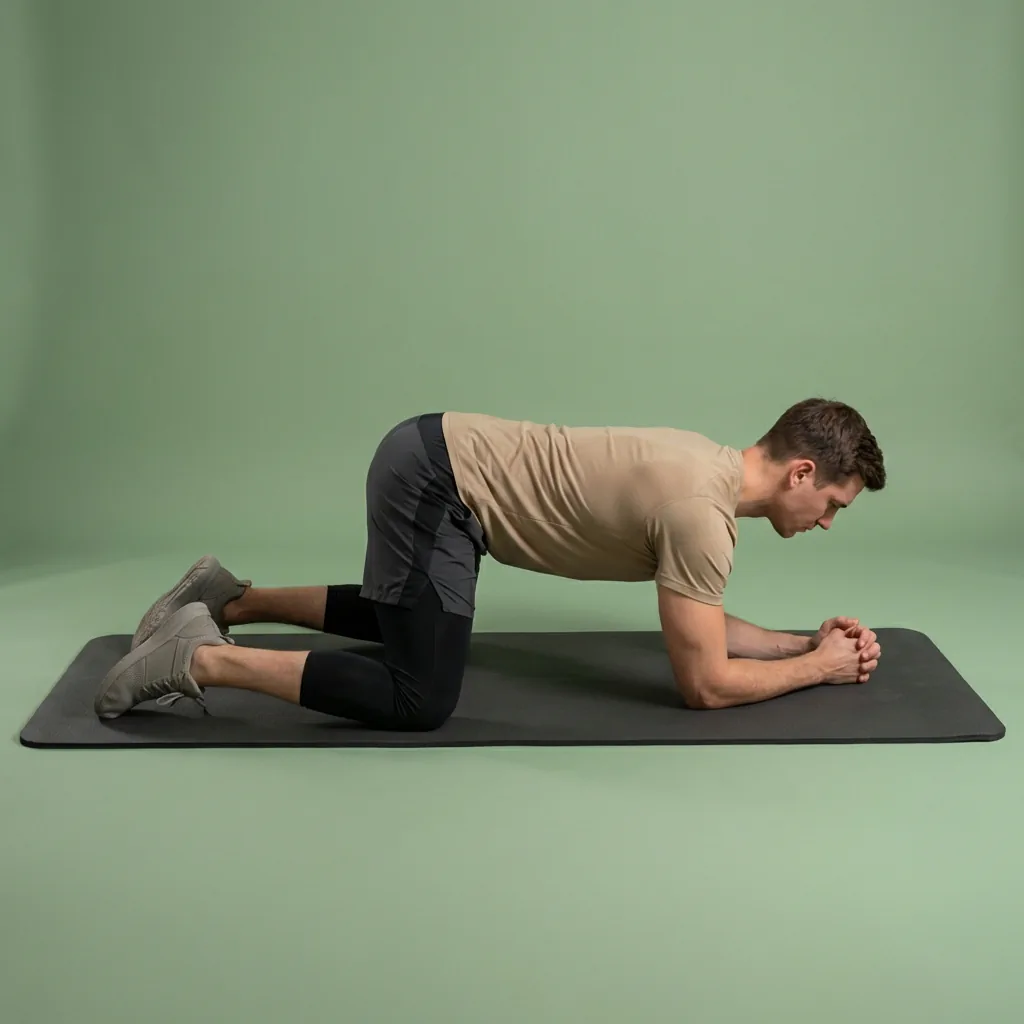
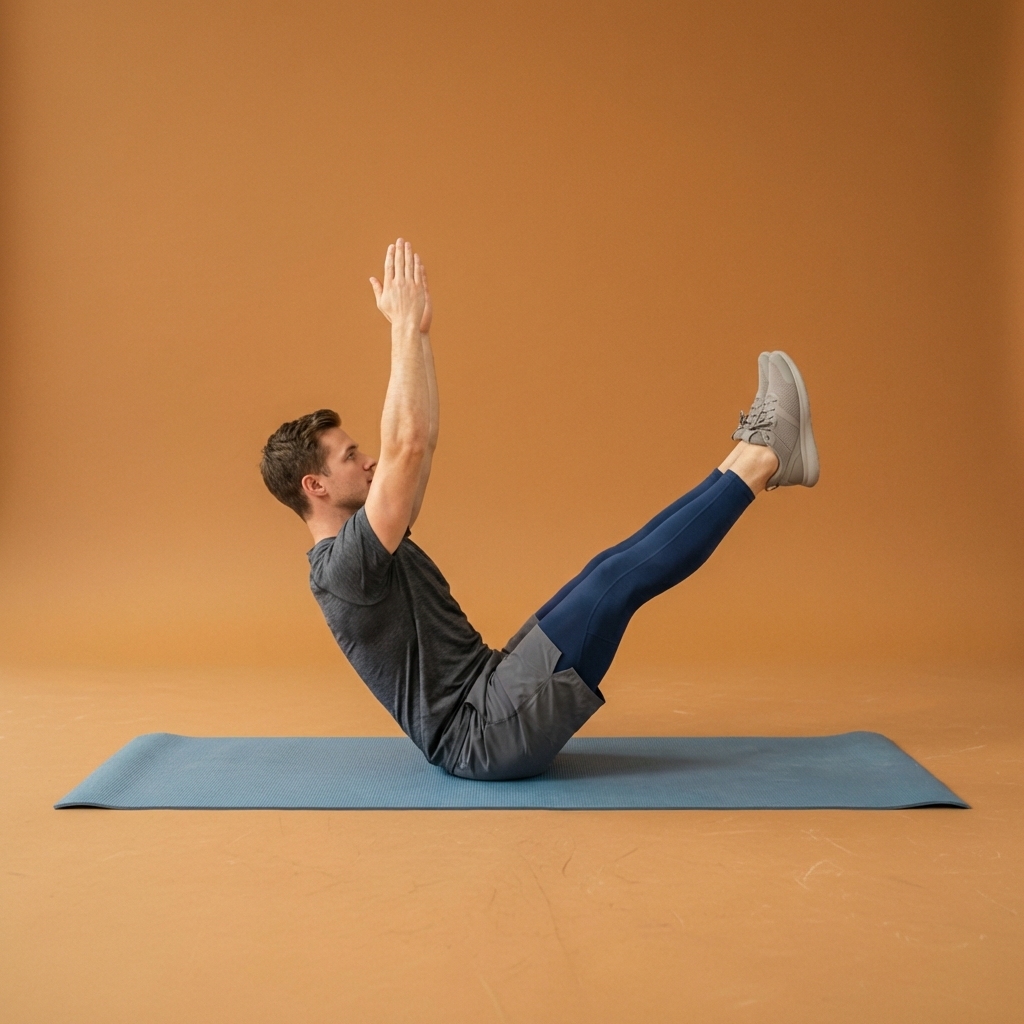
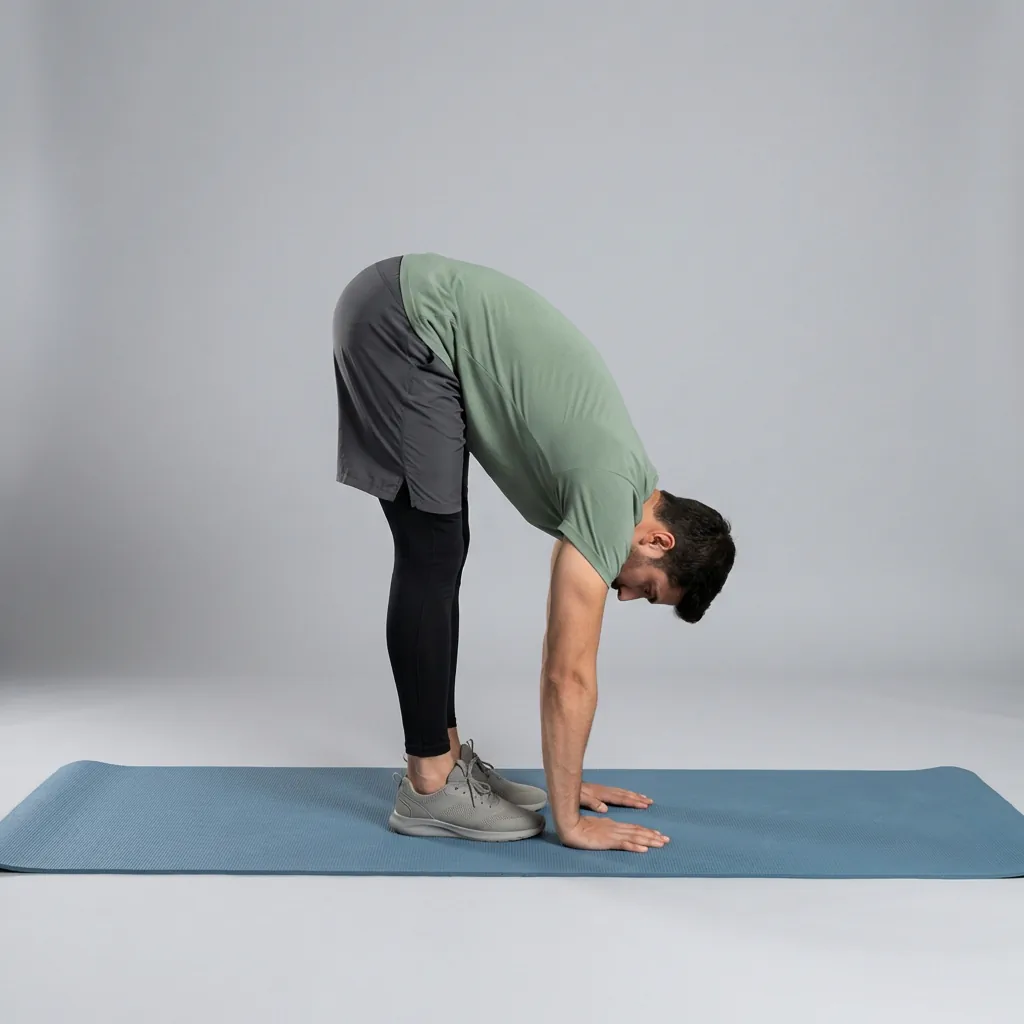
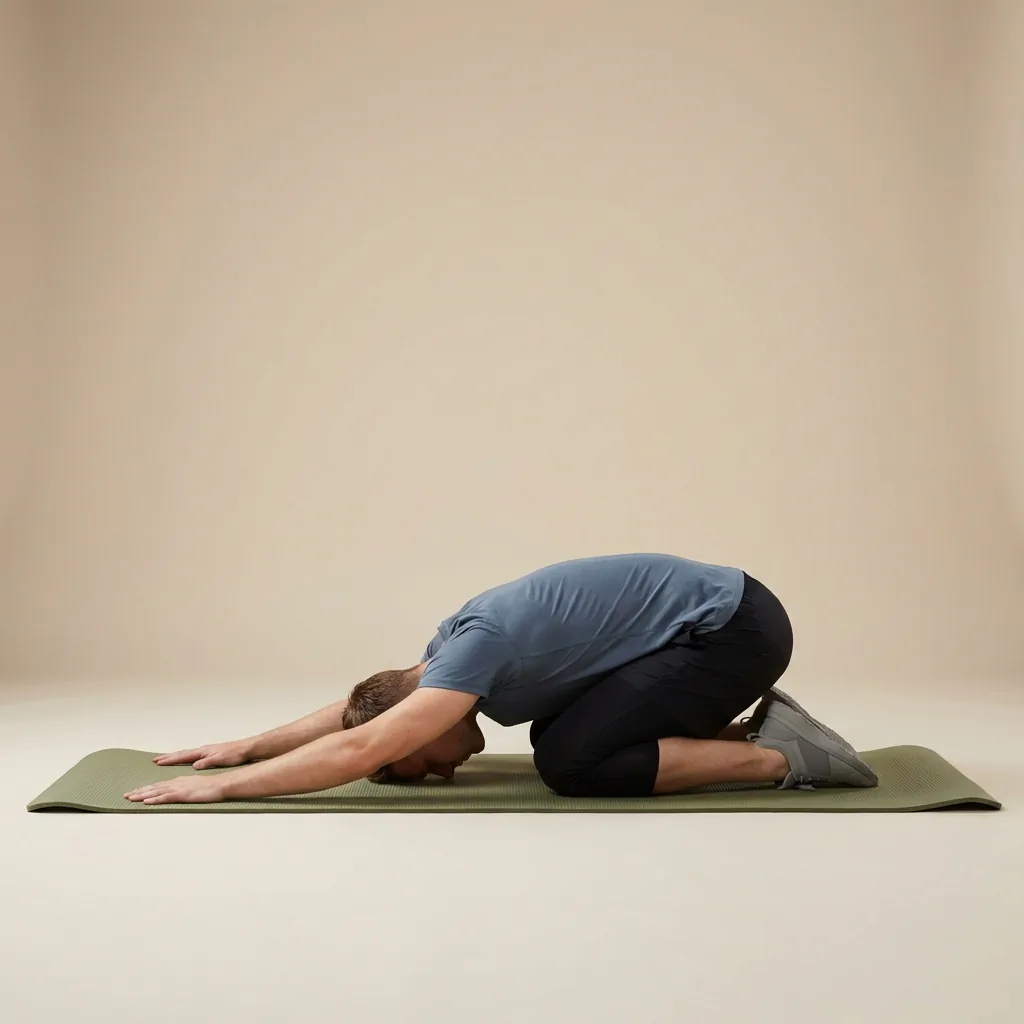
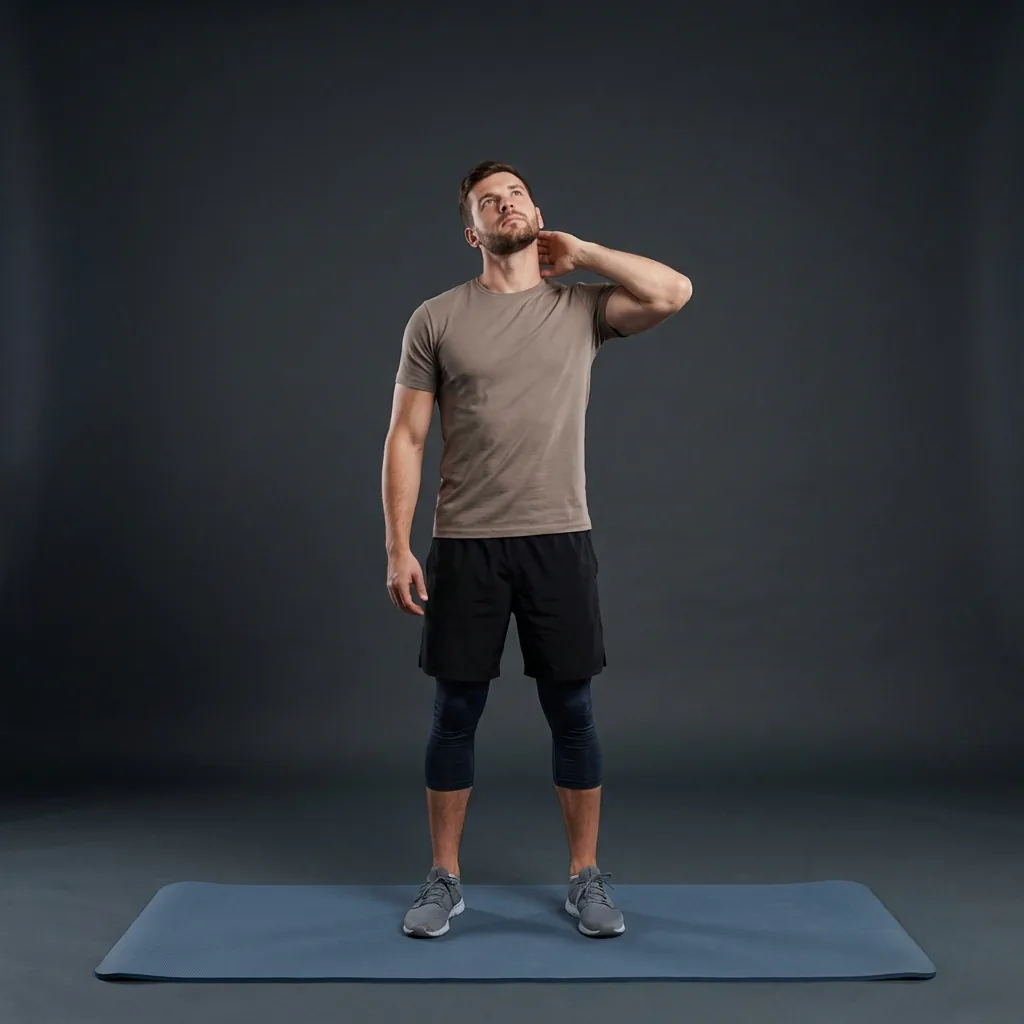
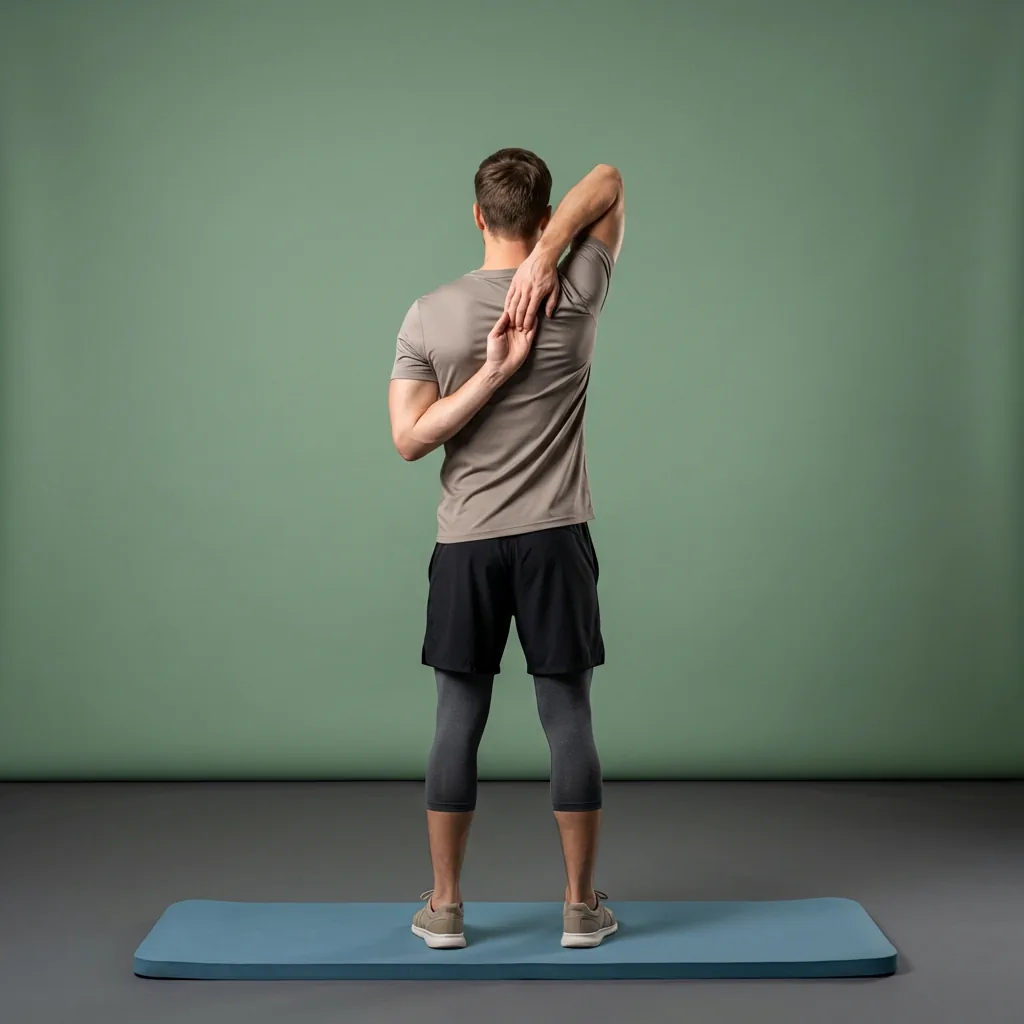
Browse guided Flexor sessions that match this page, then open any routine for steps and cues.



































Common questions
Frequently asked questions
How does Flexor know which areas I have been skipping?
Flexor looks at the body areas covered by the routines you have recently completed and compares them with the wider range of areas its library can train. Where it spots a gap—an area your recent sessions have not touched—it offers a short carousel of routines that target it. The suggestion names the areas you have been working and the one it is nudging you toward, so the reason is always clear rather than a hidden algorithm you have to trust blindly.
Is Try Something Different telling me an area is weak or injured?
No. It is a variety nudge, not an assessment or a diagnosis. Flexor is only pointing out that your recent sessions have not covered a particular area, and that adding it would keep your routine balanced over time. It does not measure your body, judge how strong or mobile an area is, or flag anything as a problem. Treat it as a helpful prompt to broaden your week, and always work within a comfortable range.
Do I have to follow the suggestion?
Not at all. Try Something Different is entirely optional and sits alongside your daily recommendations as one more idea, not a requirement. You can tap a suggested routine to start it, or ignore the carousel completely and continue with whatever you had planned. It exists to make a balanced routine easier to keep up without extra planning, so the choice of whether to broaden your focus on any given day always stays with you.
Keep exploring
More guides on stretching, mobility, routines, and Flexor features.
Personalised to how you move
A stretching app that adapts to you—not the other way around.
Flexor adapts what you see to your goals, experience, available time, focus areas and recent sessions for genuinely pers...
Read more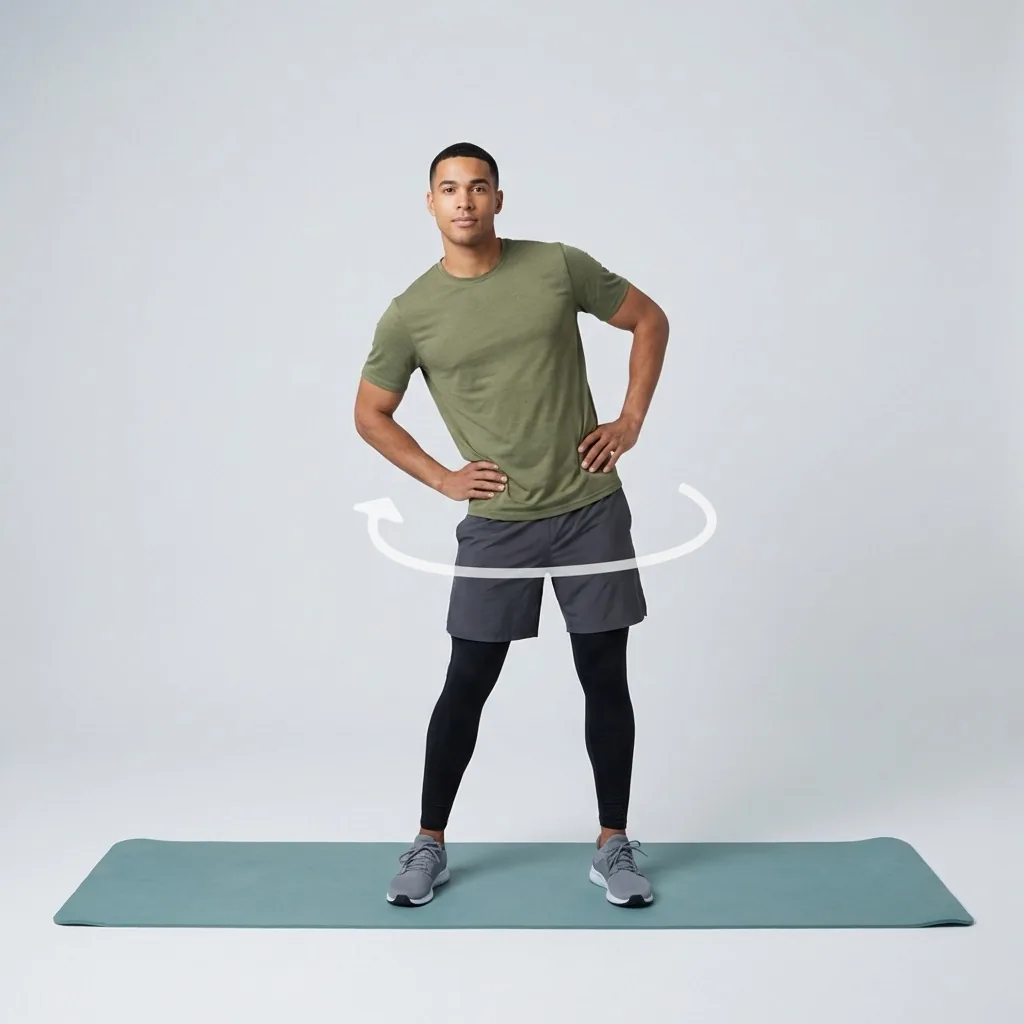
Mobility for fitness and everyday movement
Build controlled, usable movement—one short guided session at a time.
Improve mobility with guided routines, progress tracking and personalised daily recommendations designed around how you...
Read more Flexor features
Everything the Flexor app does, in one place.
See how the Flexor app works: AI routines, personalised daily recommendations, a custom library, plans, progress, remind...
Read more