
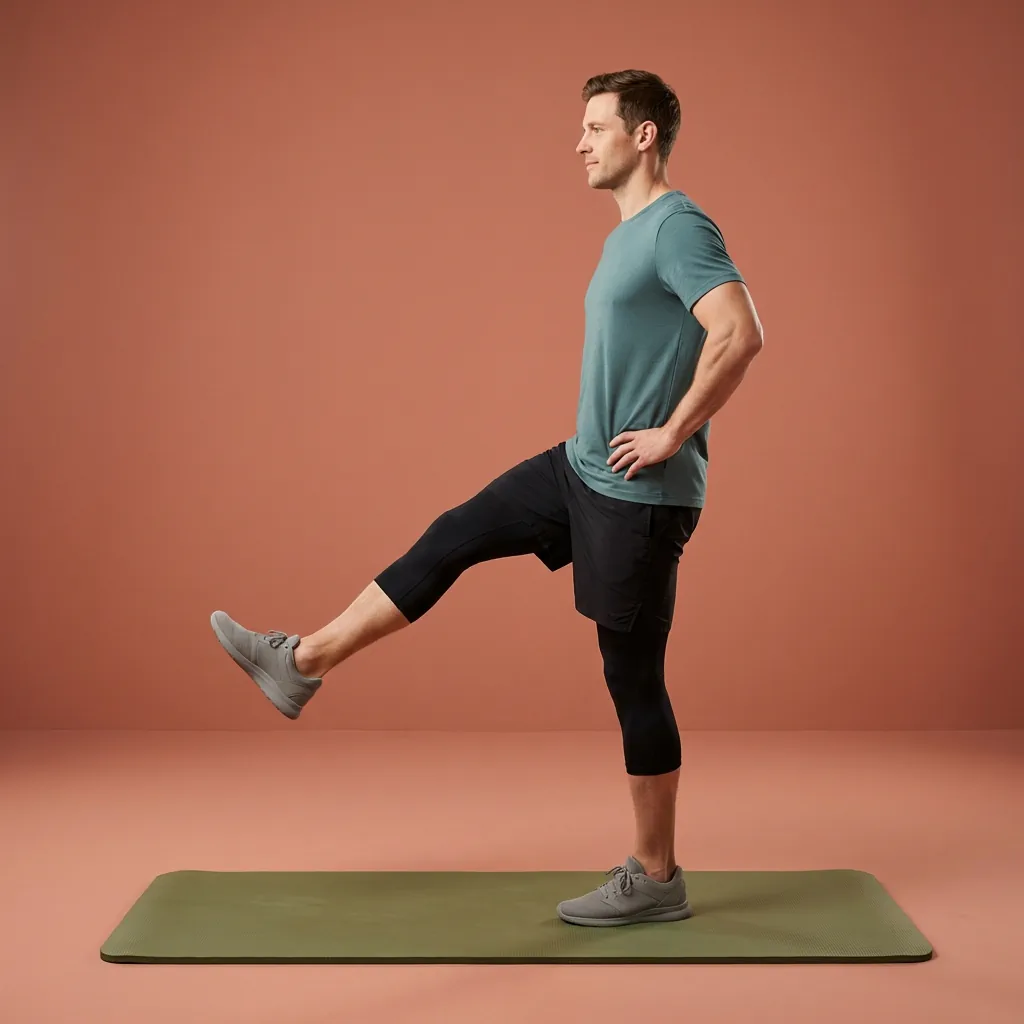
Pre-workout mobility
Prime your body before training with guided pre-workout mobility.
A good warm-up raises your movement, mobilises the areas you are about to use, and rehearses the patterns of the session ahead. Pre-workout mobility does exactly that. Flexor gathers dynamic warm-up and mobility routines organised by activity, duration, and movement focus, so you can prepare properly in a few minutes rather than jumping straight into the hard work cold.
Dynamic, not static
Movement that raises readiness rather than long held stretches.
By activity
Warm-ups for running, lifting, cycling, sport, and full-body work.
Movement focus
Prime the patterns and areas the session ahead will use.
Quick to fit in
Short primers so a warm-up is never the reason you skip it.
What a pre-workout warm-up is for
The point of warming up is to arrive at your first working effort feeling ready: movement raised, the relevant joints mobilised, and the key patterns rehearsed. That is why pre-workout mobility is dynamic—gradual, moving preparation—rather than long static holds, which suit a cool-down better. A few focused minutes matched to what you are about to do beats a generic sequence.
This is general fitness and wellness preparation, not coaching on technique or loading. It complements sensible programming and, where you have one, a coach's advice rather than replacing them.
Match the warm-up to the session
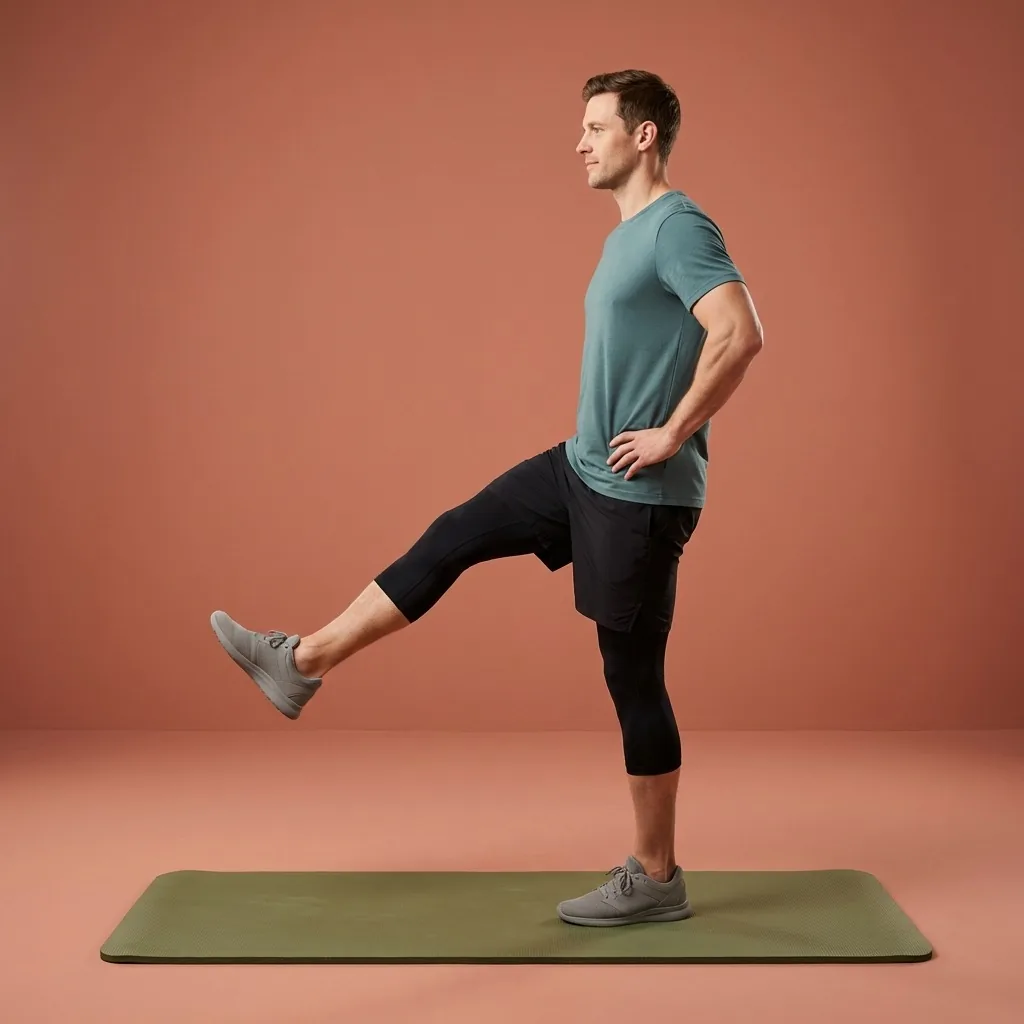
The best warm-up prepares the specific demands ahead. Flexor keeps pre-workout mobility organised by activity and movement focus, so you prime the right areas rather than everything.
- Before running: ankles, calves, and hips with a run-ready primer.
- Before lifting: hips and ankles for squats, shoulders and upper back for pressing.
- Before sport: a full-body dynamic warm-up for quick, varied movement.
- Short on time: a compact full-body primer to raise movement quickly.

In Flexor: Dynamic warm-ups before training or sport.
Warm up for what you are about to do.
Dynamic preparation matched to the session ahead, not a long static stretch before lifting.
How Flexor gets you ready
Filter by warm-up, choose the activity or movement focus and the minutes you have, and follow the ordered steps with timing and cues. Core warm-up routines and the player work offline, so a gym floor with no signal or a trailhead with no connection will not stop your preparation. Daily recommendations can point you to a warm-up that suits your planned session.
Build movement gradually and stay within a comfortable range before you load a pattern. Flexor guides the sequence; you decide how far to move and stop if a movement causes pain or concerning symptoms.
Pre-workout mobility and where to go deeper
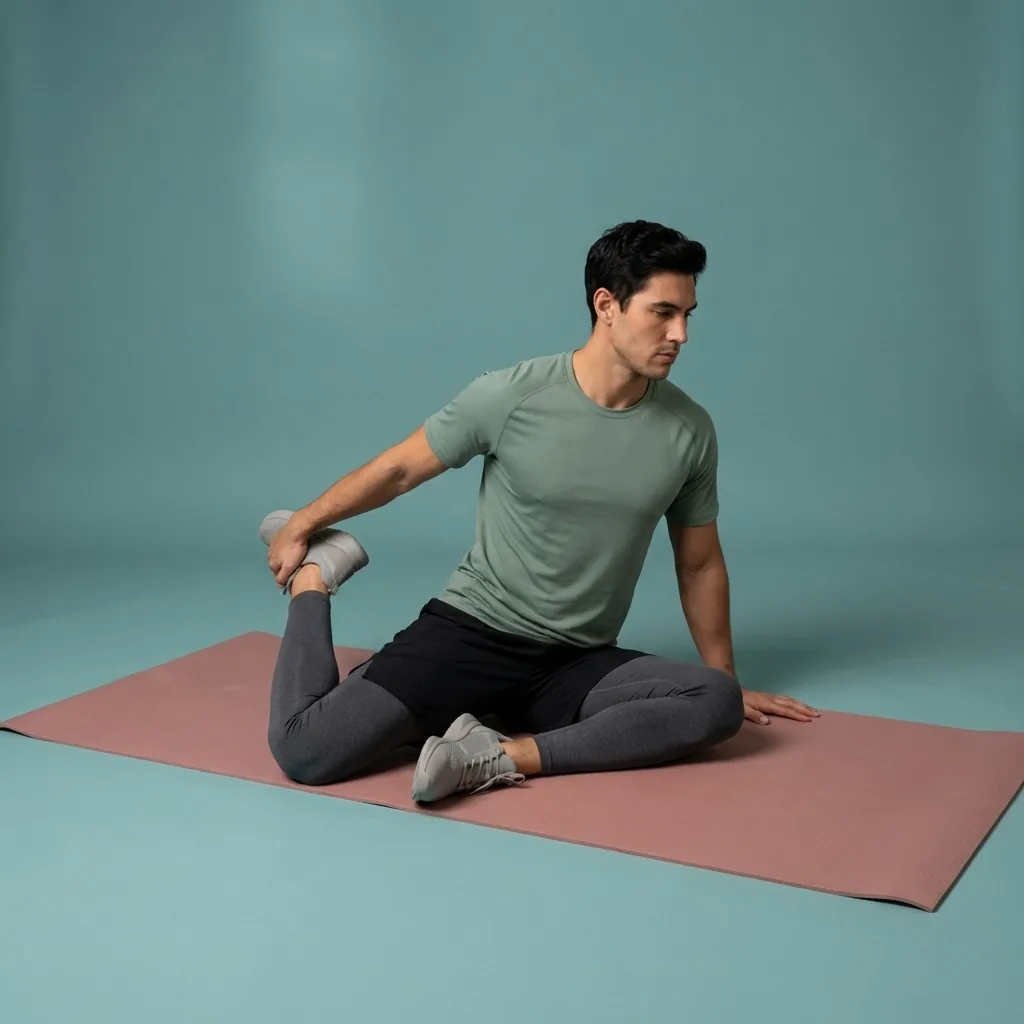
A warm-up touches several areas quickly. When you want to prepare one area more thoroughly, the body-area guides go further, and the activity pages curate warm-up, mobility, and recovery around a specific sport. Use these pre-workout routines to prime a session, then an activity or body-area guide for focused preparation.
Sources and further reading
These independent sources support the general guidance on this page. They do not endorse Flexor.
Quick facts
- Goal
- Prime the body before training
- Style
- Dynamic, not long static holds
- By activity
- Running, lifting, sport, full-body
- Length
- A few minutes, scaled to the session
A simple warm-up order
-
Raise movement
Start easy to gradually raise your general movement.
-
Mobilise the areas
Move the joints the session ahead will use.
-
Rehearse the patterns
Practise the movements at a lower intensity.
-
Start when ready
Begin the workout when you feel prepared, not when a timer expires.
Where to start
You are about to run
Prime ankles, calves and hips with a run-ready warm-up.
You are about to lift
Mobilise hips and ankles, or shoulders and upper back.
You are short on time
Run a compact full-body primer.
A warm-up matched to your session
You want to prime the right areas rather than everything. Flexor uses the activity, movement focus and available time you set to suggest a warm-up for the session ahead. It never scans your body or assesses your movement.
See how daily recommendations workSafety and limits
- General fitness and wellness preparation, not coaching on technique or loading.
- Build movement gradually and stay within a comfortable range before you load a pattern.
- Stop and seek assessment for pain that is sharp, persistent or worsening.
Flexor does not assess your movement, makes no injury-prevention claims, and is not a substitute for a qualified coach.
Read the full wellness disclaimerRelated routines
Browse guided Flexor sessions that match this page, then open any routine for steps and cues.














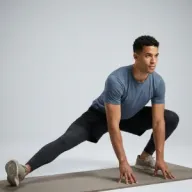
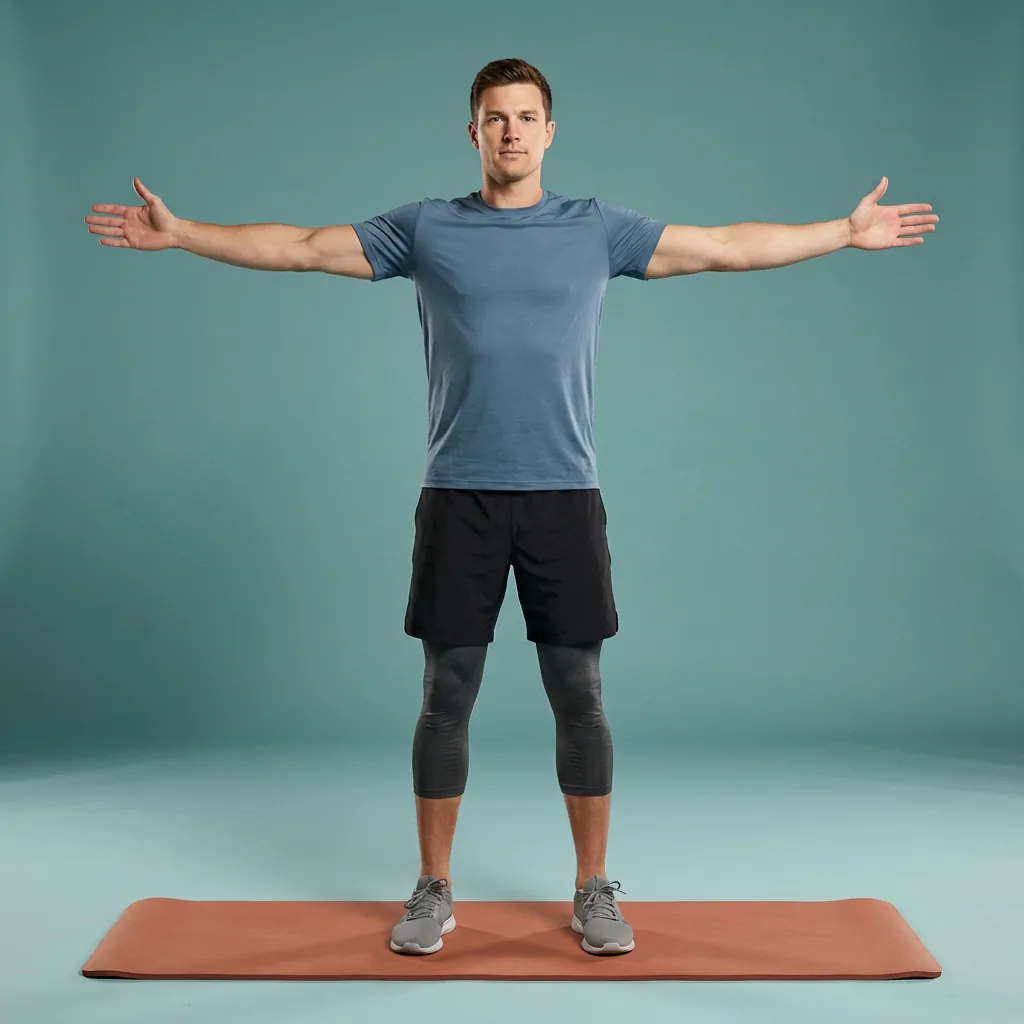




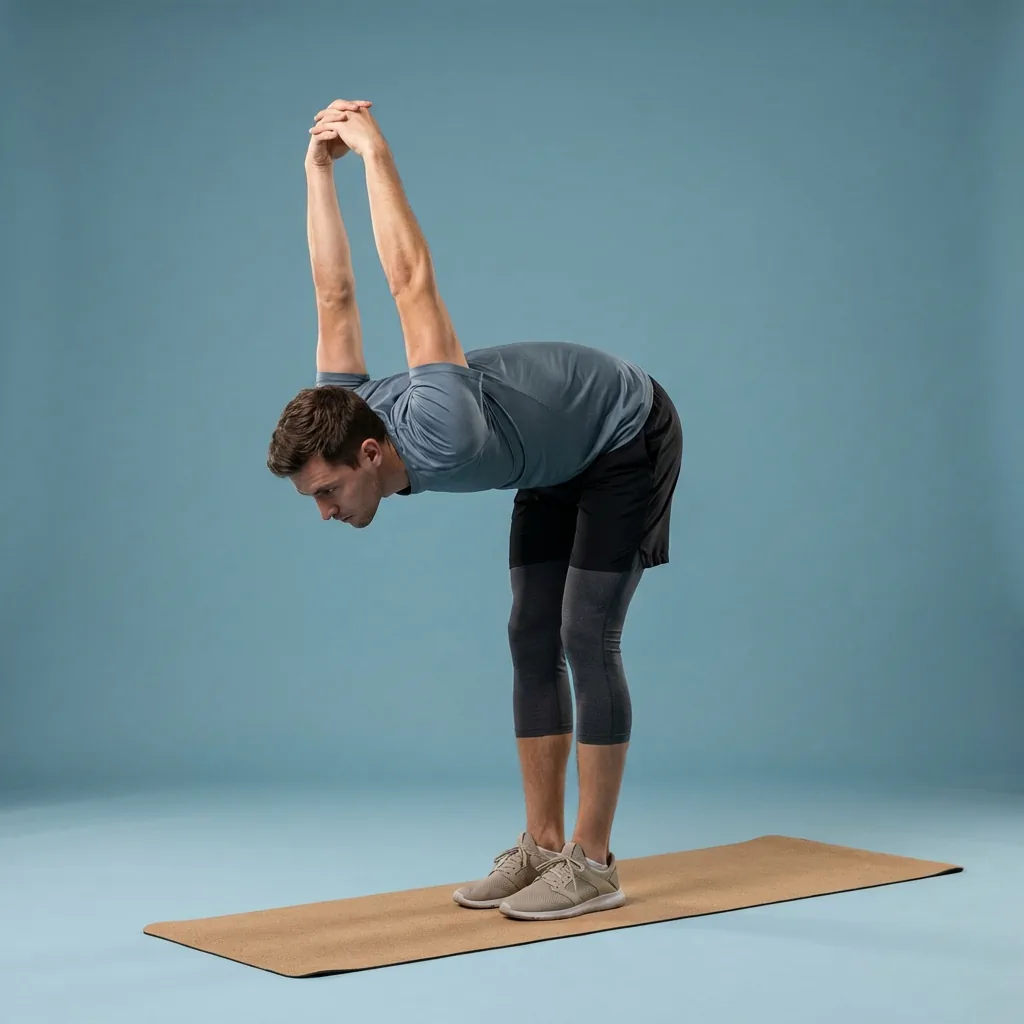





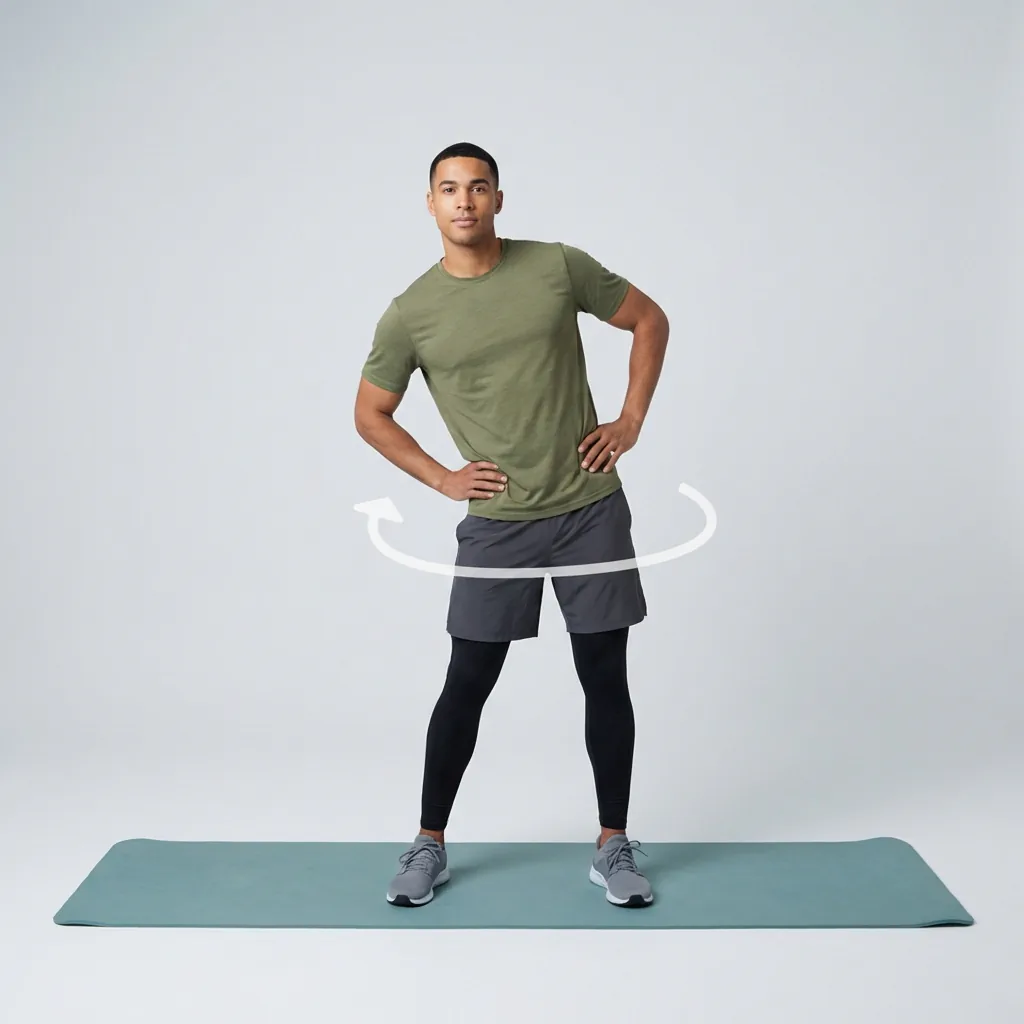



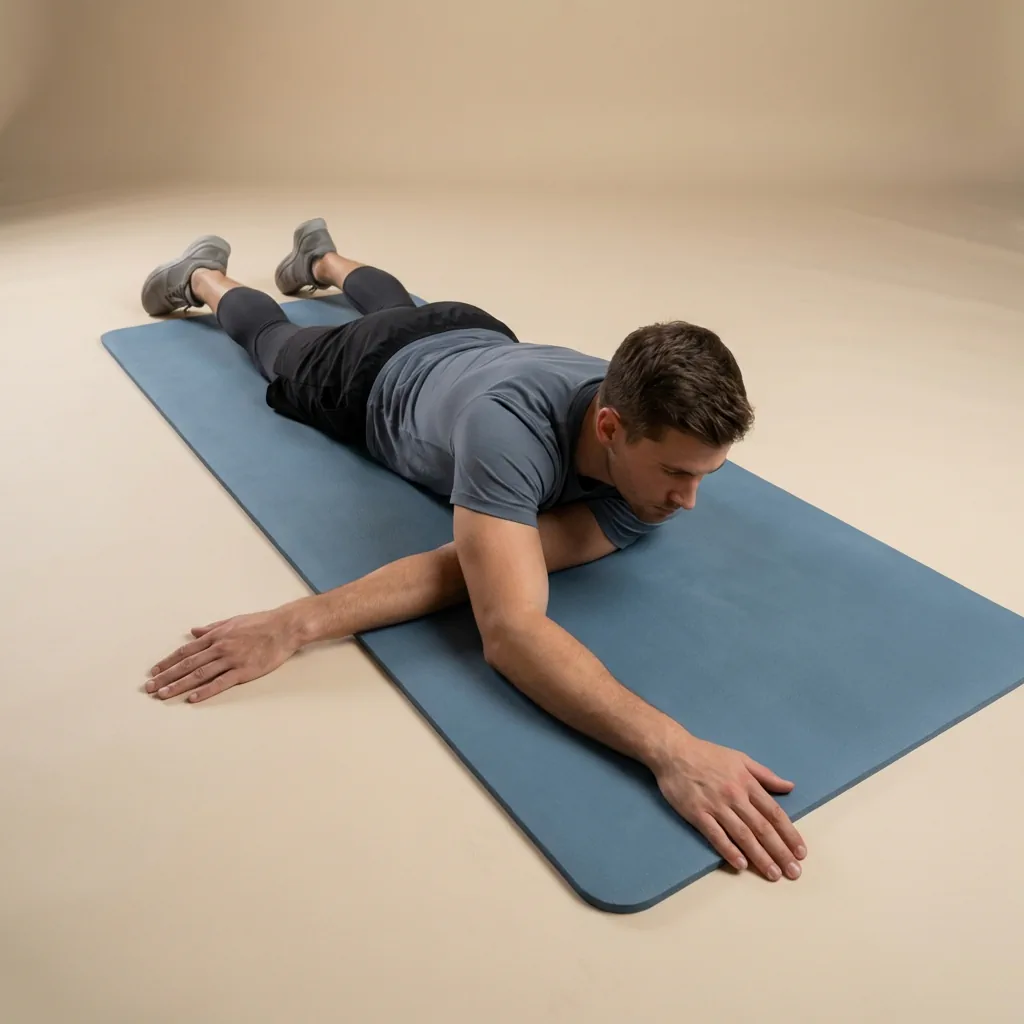




Explore related body areas
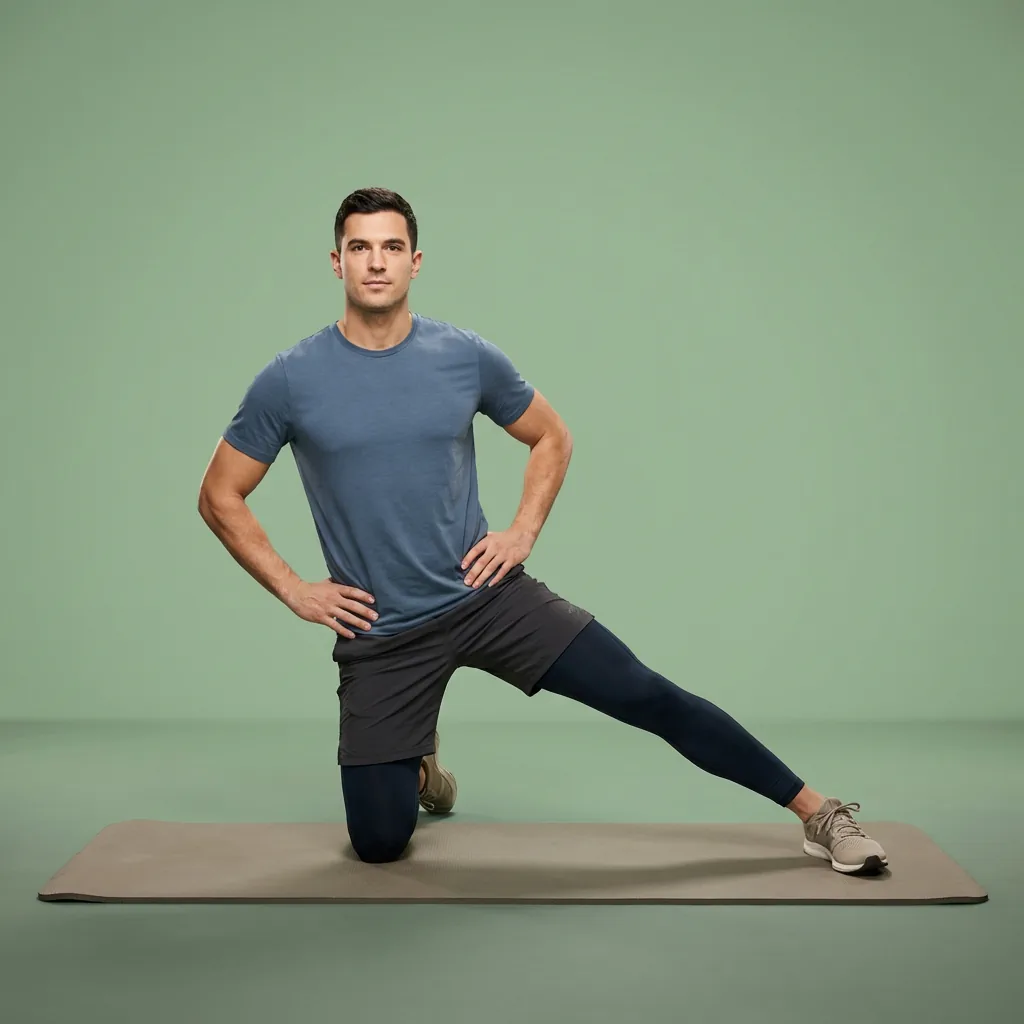
Go deeper on a single area with its own exercises, routines, and guidance.
Common questions
Frequently asked questions
Should I stretch or do mobility work before a workout?
Before training, dynamic mobility that raises movement and rehearses the patterns you are about to use generally fits better than long static holds, which suit a cool-down. A short dynamic warm-up prepares the relevant joints and gets you moving without tiring you out. Flexor separates warm-up routines from cool-downs so you can pick one designed for the right point in your session, organised by activity and movement focus, and keep the preparation within a comfortable range before you load up.
How long should a pre-workout warm-up be?
Often just a few minutes is enough, scaled to the session ahead: a light session needs less preparation than heavy lifting or fast, varied sport. The aim is to feel ready rather than fatigued, so keep it purposeful and matched to what you are about to do. Flexor lets you filter warm-ups by the minutes you have, so you can prime the right areas quickly. A short, relevant warm-up you actually do beats a long one you skip.
What should I warm up before lifting or running?
Match the warm-up to the demands. Before running, focus on ankles, calves, and hips with a dynamic run-ready primer. Before lifting, mobilise hips and ankles for squats and hinges, and shoulders and the upper back for pressing, while rehearsing the patterns you will train. Flexor organises pre-workout mobility by activity and movement focus so you can prime the right areas, and the activity pages curate warm-up, mobility, and recovery routines around specific sports in more depth.
Does a warm-up prevent injuries?
A sensible warm-up can help you feel prepared and move better into a session, but no routine guarantees injury prevention, and Flexor makes no such claim. Injury risk depends on many factors, including training load, technique, fatigue, and individual history. Warm up gradually, build intensity sensibly, and pair this with a well-structured programme and, where you use one, a qualified coach's advice. Seek proper assessment for any pain that is sharp, persistent, or worsening rather than warming up around it.
Keep exploring
More guides on stretching, mobility, routines, and Flexor features.
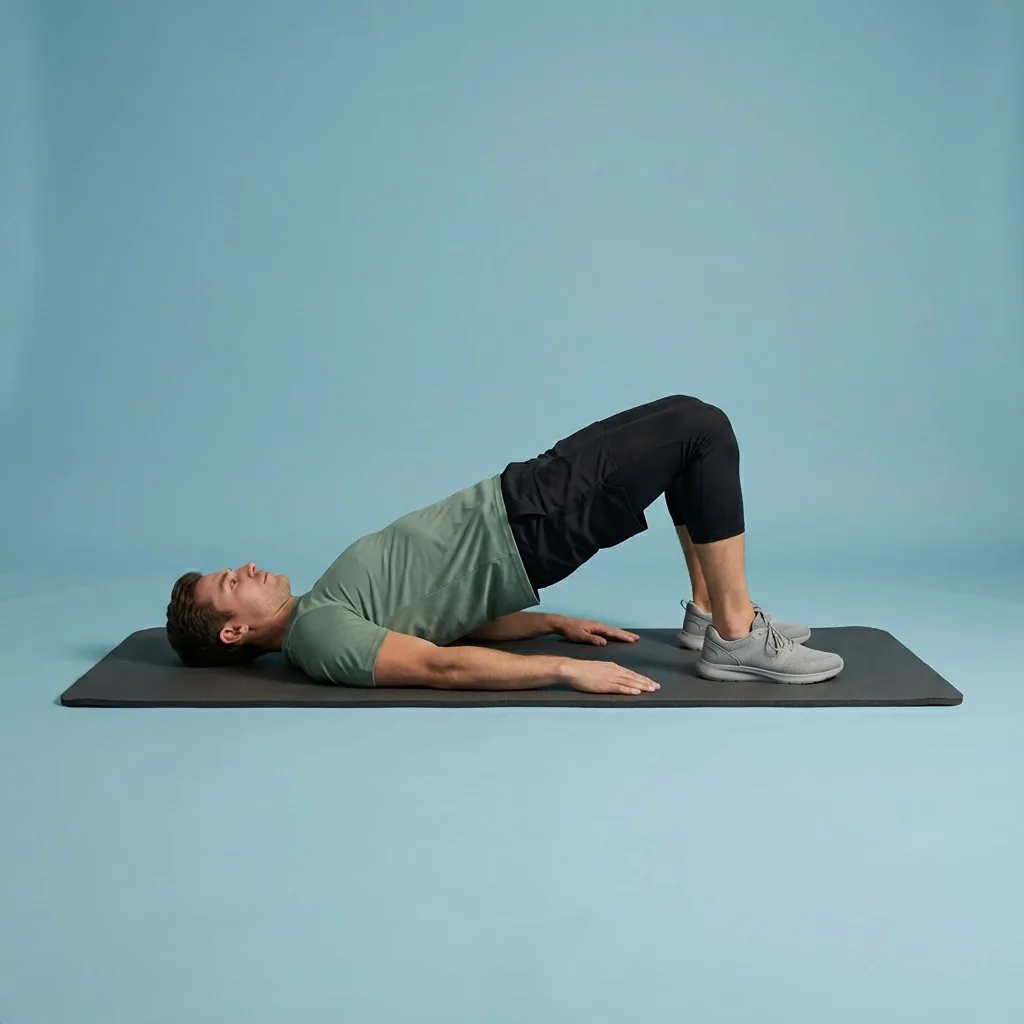
Post-workout recovery
Cool down and recover with guided post-workout stretches.
Cool down with guided post-workout stretches and recovery-focused routines matched to your activity, time and focus area...
Read more Range of motion
Work on range of motion with controlled, comfortable movement.
Explore controlled mobility and stretching routines designed to support comfortable movement and gradual range-of-motion...
Read more Stretching by activity
Stretching and mobility, matched to your activity.
Find guided Flexor warm-up, mobility and recovery routines organised by activity, from running and weightlifting to cycl...
Read more Workout preparation and wind-down
Warm-up and cool-down routines have different jobs.
Learn the difference between a dynamic warm-up and a gentler cool-down, with simple routine frameworks and guided Flexor...
Read more