
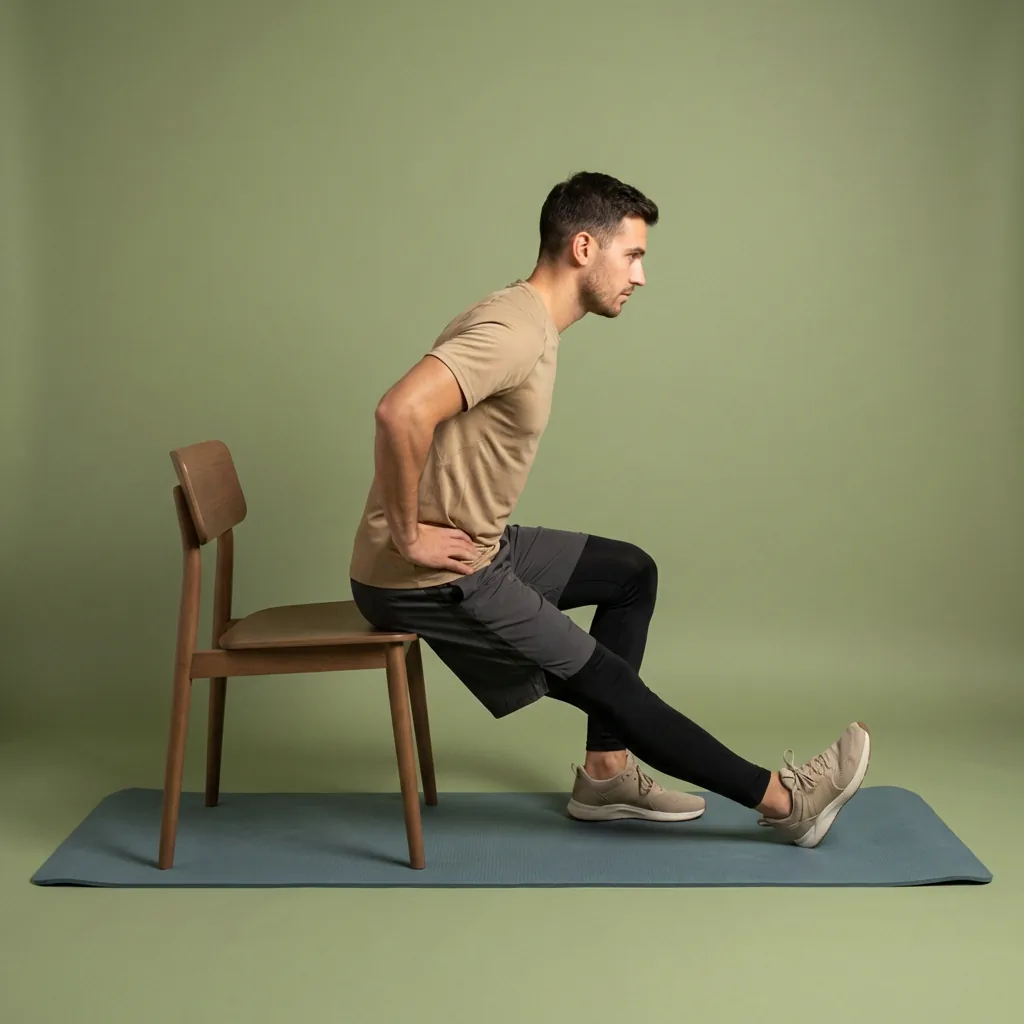
Flexor for seniors
Gentle, guided stretching and mobility for everyday movement.
Staying comfortable and mobile in daily life does not need intense workouts. Flexor offers beginner-friendly guided routines with clear instructions, flexible durations and calm cues, so older adults can move within a comfortable range at their own pace. This is general fitness and wellness movement—not physiotherapy, rehabilitation, or medical treatment.
Gentle and guided
Clear, unhurried instructions with calm audio and video cues.
Move at your pace
Flexible durations and a comfortable range you choose.
Seated options
Routines and steps that can use a chair for support.
Check first if unsure
Speak to a professional before starting if a condition applies.
A gentle, unhurried starting point
Flexor is designed so you can begin gently: shorter sessions, clear step-by-step guidance, and the freedom to move only as far as is comfortable. There is no pressure to reach a particular position shown in a demonstration, and you can slow down, use support, or stop at any time.
The aim is comfortable everyday movement—reaching, turning, standing and walking with a little more ease—rather than performance. Keeping the range gentle and the pace relaxed matters far more than how far you can stretch.
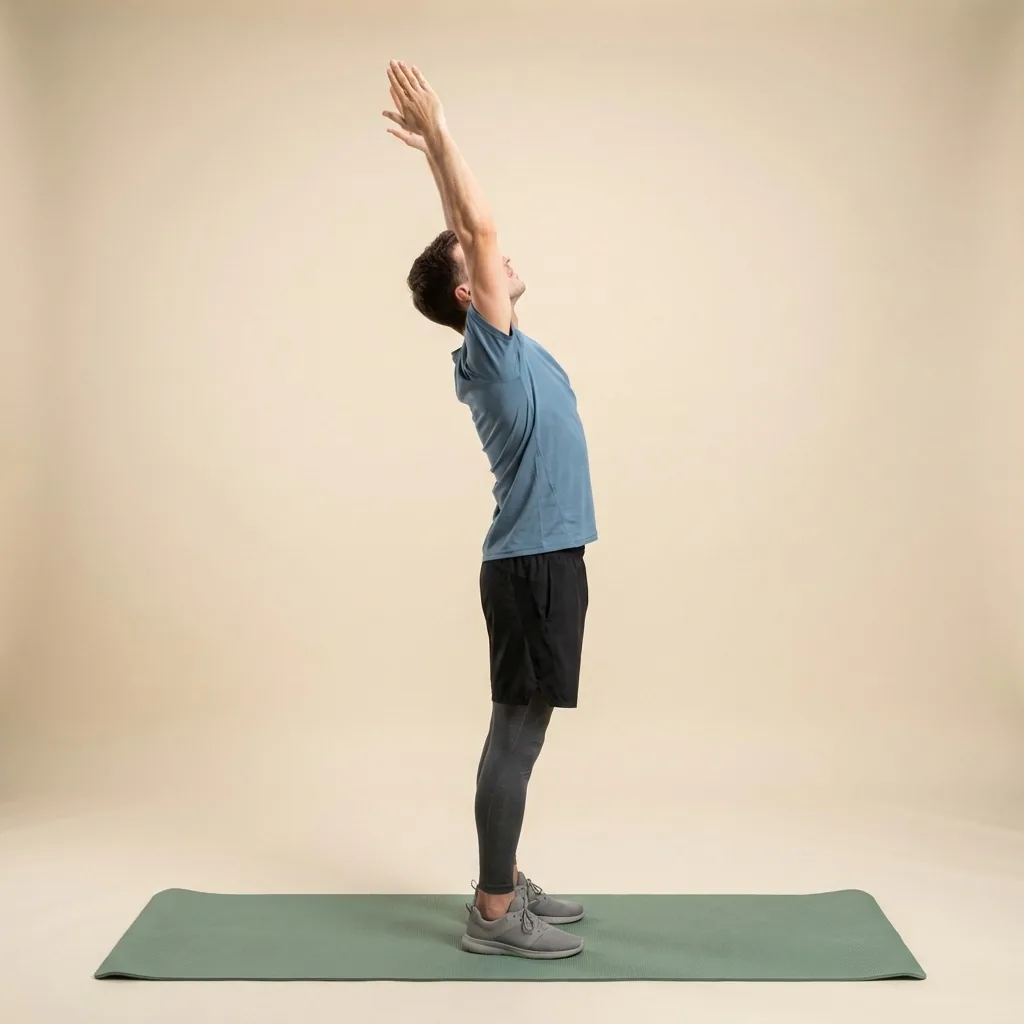
Safety comes first
Gentle movement suits many people, but everyone's situation is different. Flexor provides general wellness routines and cannot know your health history, so a few sensible precautions matter before and during a session.
- Ask a qualified professional what movement is appropriate if you have a health condition, injury, recent surgery, or take medication that affects balance.
- Use a stable chair or wall for support, and keep the floor clear of trip hazards.
- Move slowly within a comfortable range and never force a position.
- Stop and seek advice for pain, dizziness, breathlessness, chest pain, or other concerning symptoms.
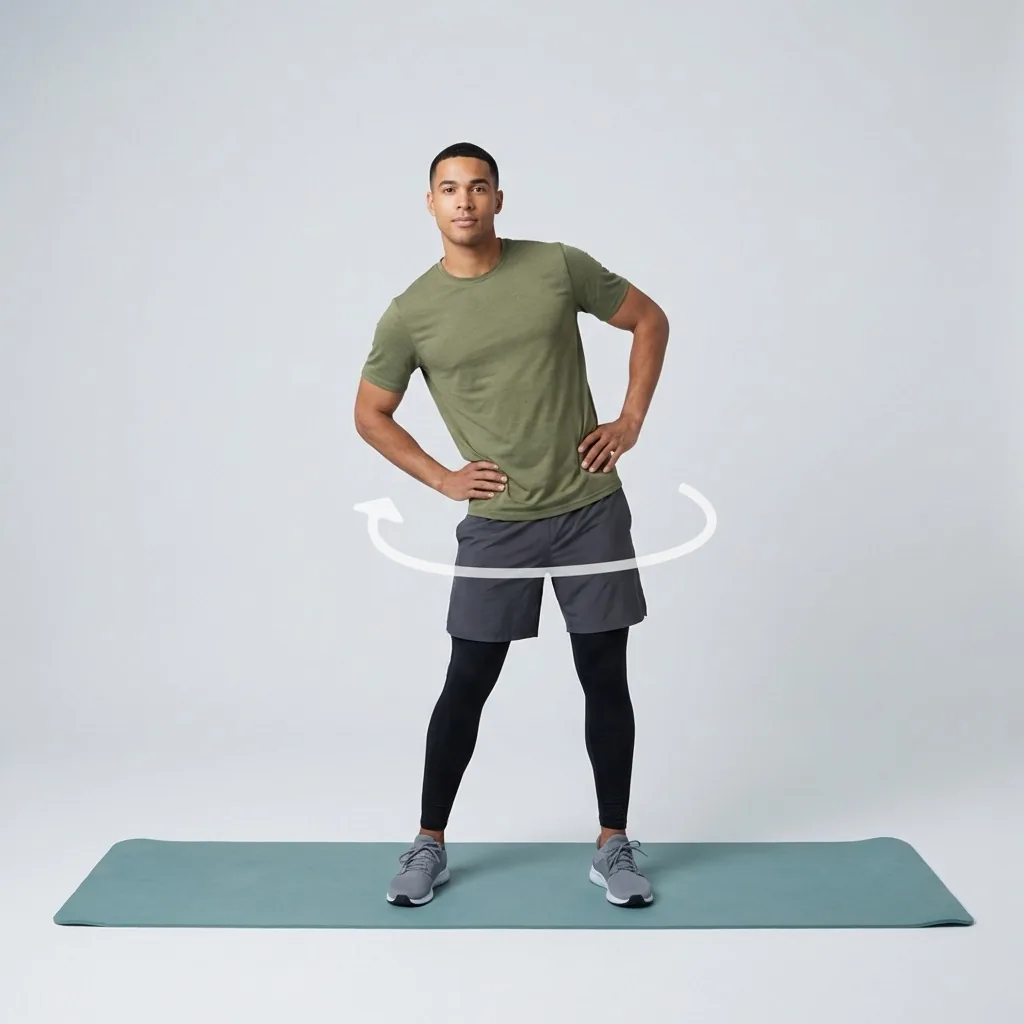
In Flexor: Mobility work that stays smooth and controlled.
How Flexor supports gentle practice
Filter routines by beginner difficulty, a comfortable duration, and the areas you want to move, then follow the ordered steps with clear cues. Reminders can help make movement a regular, low-pressure part of the day, and progress and streaks offer quiet encouragement without turning it into a competition.
Recommendations use only what you tell the app—your goals, experience, focus areas and recent sessions. Flexor does not scan your body, assess your movement, or make medical judgements, so you always stay in control of what feels right.
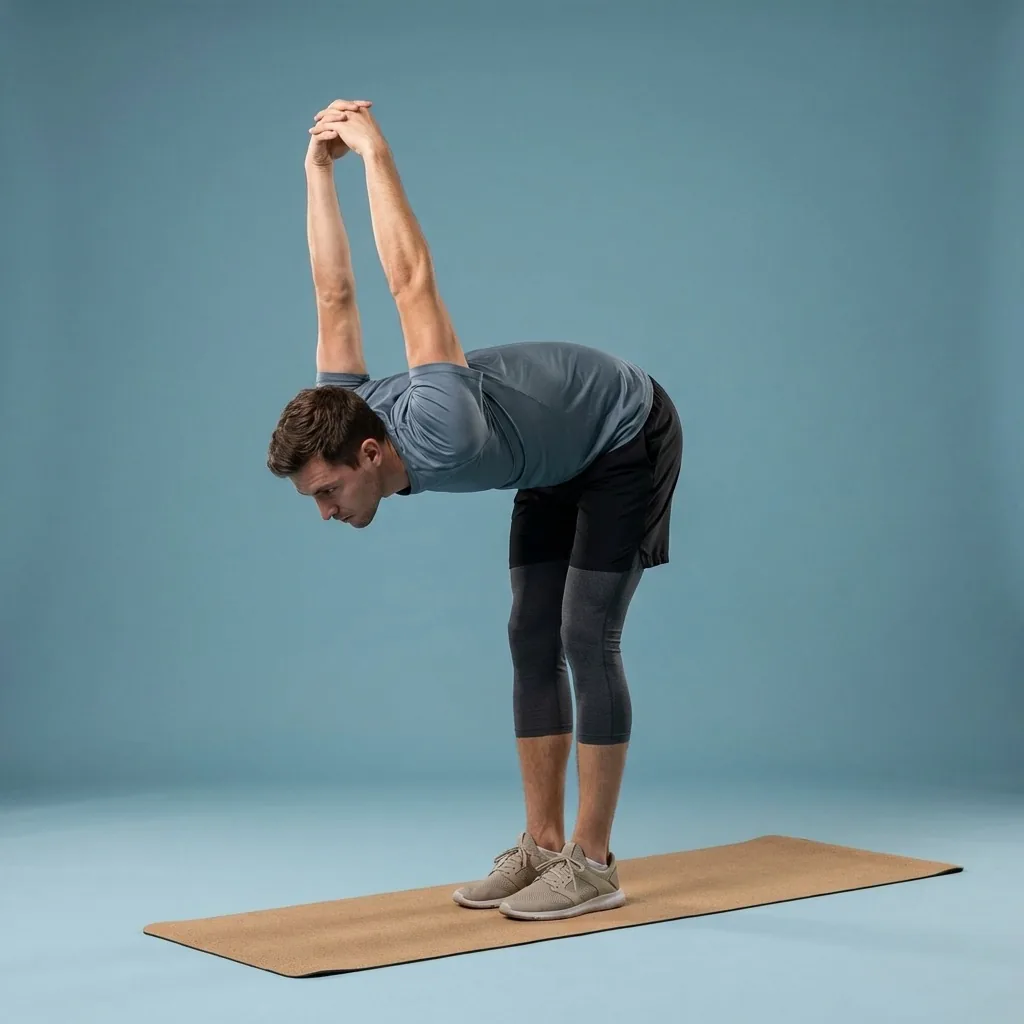
Everyday areas to move gently
Comfortable daily movement often comes back to a few areas. The hips and lower back support standing and walking; the shoulders and neck help with reaching and turning; the ankles matter for steady, confident steps. The body-area guides explain each in more depth when you want to focus, while the routines here keep things gentle and general.
Gentle movement, at your own pace.
Beginner-friendly guided routines with clear cues and comfortable durations.
How to choose the right routine today
Start with context rather than choosing the longest session. For seniors, the useful question is whether today calls for preparation, focused mobility, recovery, or a short consistency session.
Match the routine to the time available, the areas that feel most relevant, and what you did recently. Keep the range comfortable and avoid using a general stretching app to work through sharp, persistent, or worsening pain.
A simple weekly pattern
Use short routines on busy days, a more focused session when time allows, and recovery-led movement after demanding activity. The goal is a repeatable pattern rather than doing every body area every day.
Daily recommendations can vary the focus using your stated goals, available time, experience, focus areas and recent sessions. They do not assess movement quality or replace professional advice.
Common mistakes to avoid
Avoid forcing range, repeating the same area every day, treating discomfort as proof that a stretch is working, or choosing a routine only because it is popular. A suitable session should fit the day and leave you able to continue normal activity comfortably.
Progress comes from sensible repetition and appropriate exercise selection, not from chasing the deepest position. Stop when symptoms are sharp, unusual, worsening, or associated with numbness, weakness, swelling, trauma, or illness.
Sources and further reading
These independent sources support the general guidance on this page. They do not endorse Flexor.
Quick facts
- Best for
- Older adults wanting comfortable everyday movement
- Approach
- Gentle, unhurried and beginner-friendly
- Support
- Seated and chair-supported options
- Personalises from
- Goals, experience, focus areas and recent sessions
Where to start
You are new to stretching or returning after a break
Start with a beginner routine and keep the range gentle.
Standing balance feels unsteady today
Choose a seated routine and keep a chair for support.
You have a health condition or recent surgery
Ask a qualified professional what movement is appropriate first.
Gentle picks at your own pace
You want to move a little without pushing into anything strenuous. Flexor draws on the beginner level, comfortable duration and focus areas you set to suggest an unhurried routine, and quiet progress marks the days you show up. It never scans your body, grades your movement, or makes any medical judgement.
See beginner-friendly guidanceSafety and limits
- General wellness movement, not physiotherapy, rehabilitation or treatment.
- Use a stable chair or wall for support and keep the floor clear of hazards.
- Stop for pain, dizziness, breathlessness or chest pain and seek advice.
Flexor does not assess your movement or health and is not a substitute for advice from a qualified healthcare professional.
Read the full wellness disclaimerRelated routines
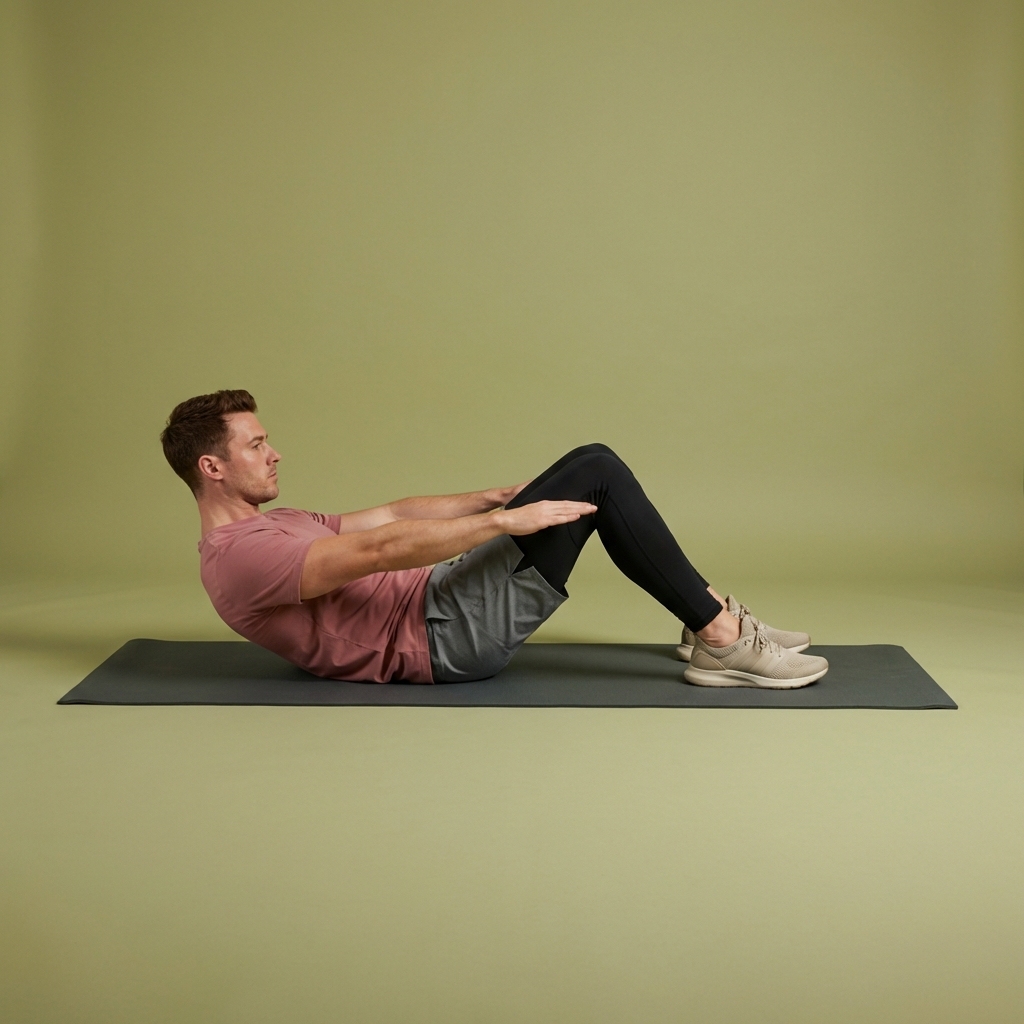
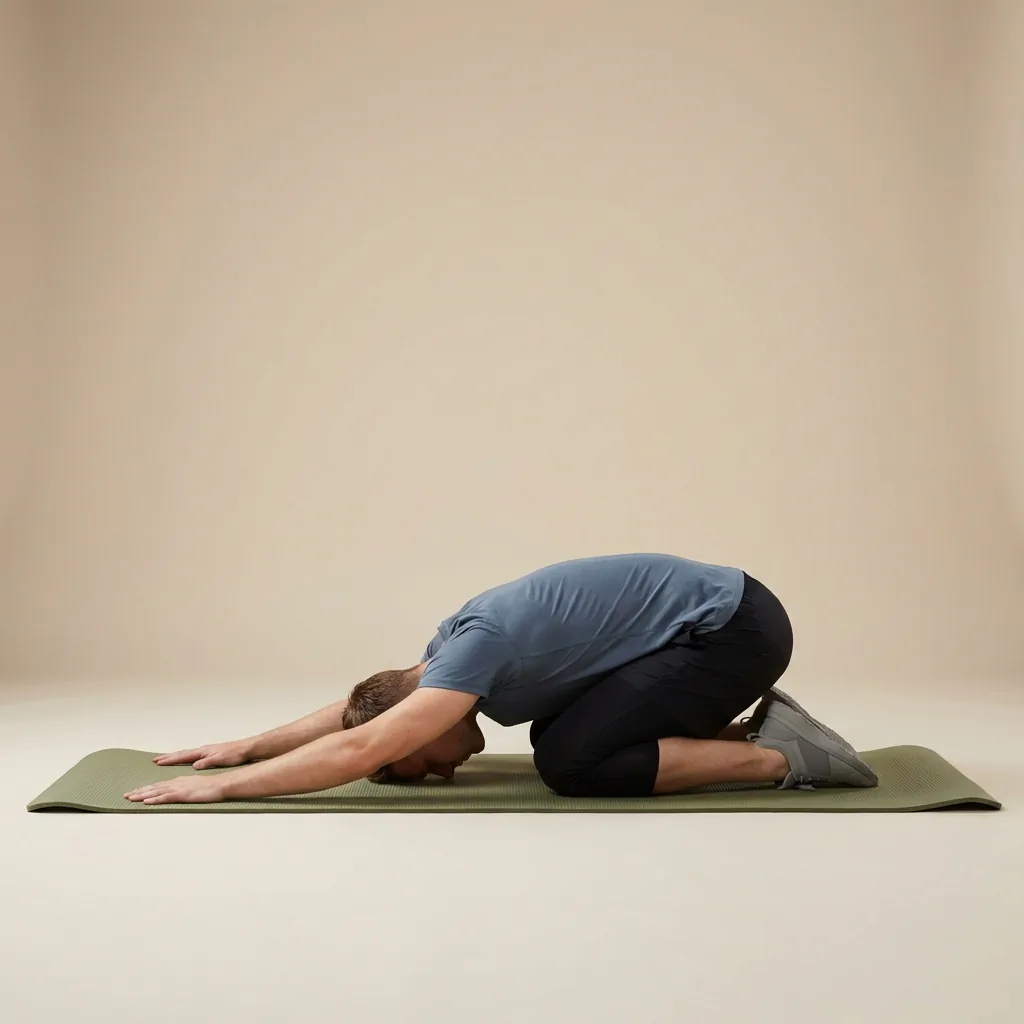
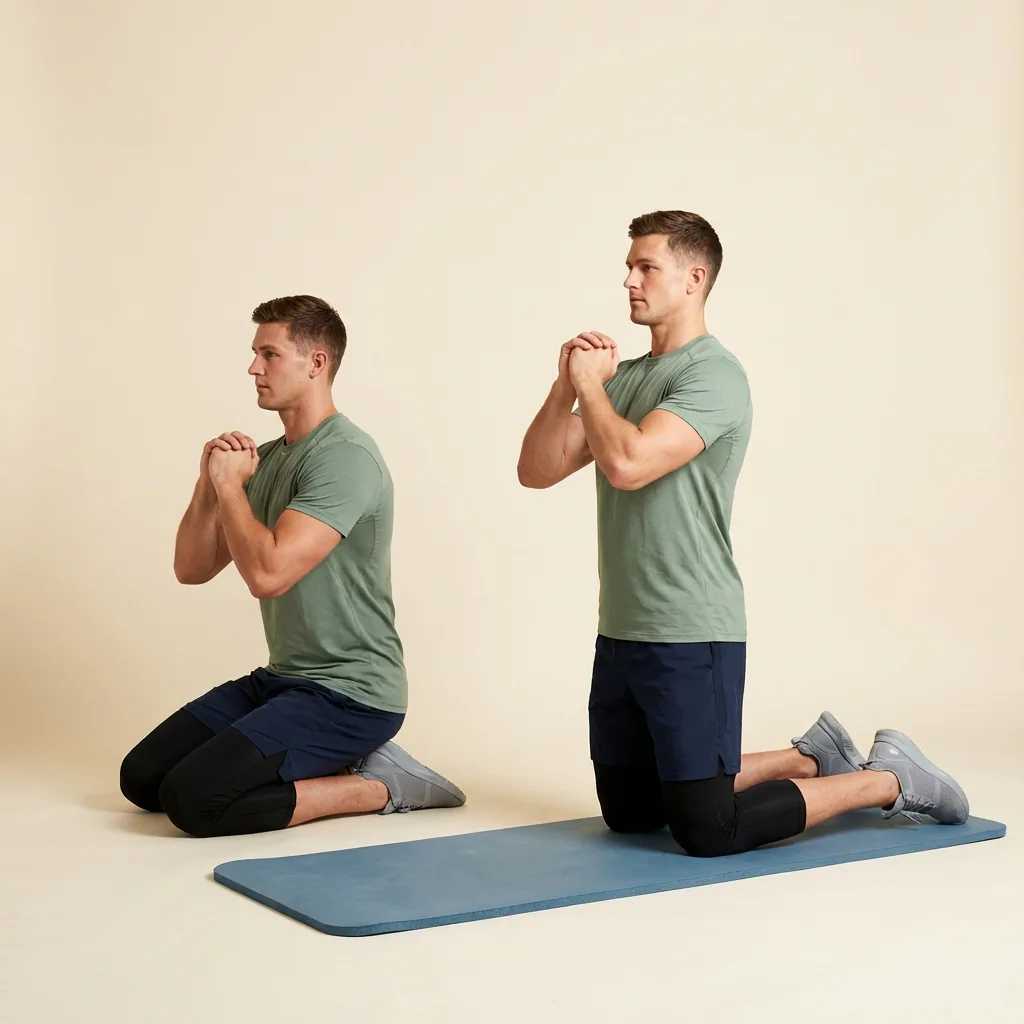
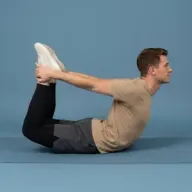
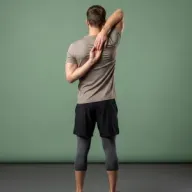
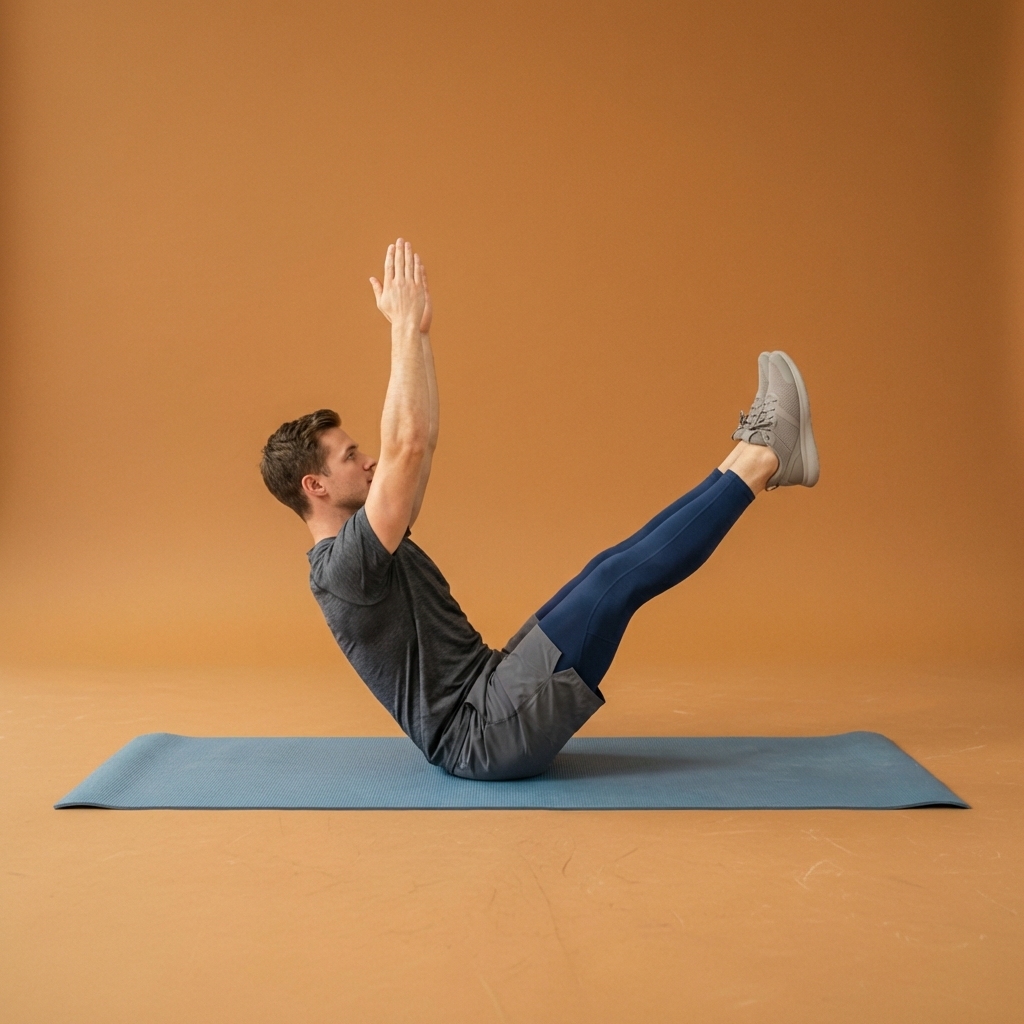
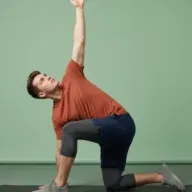
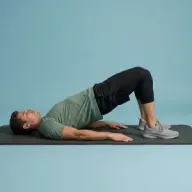
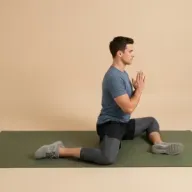
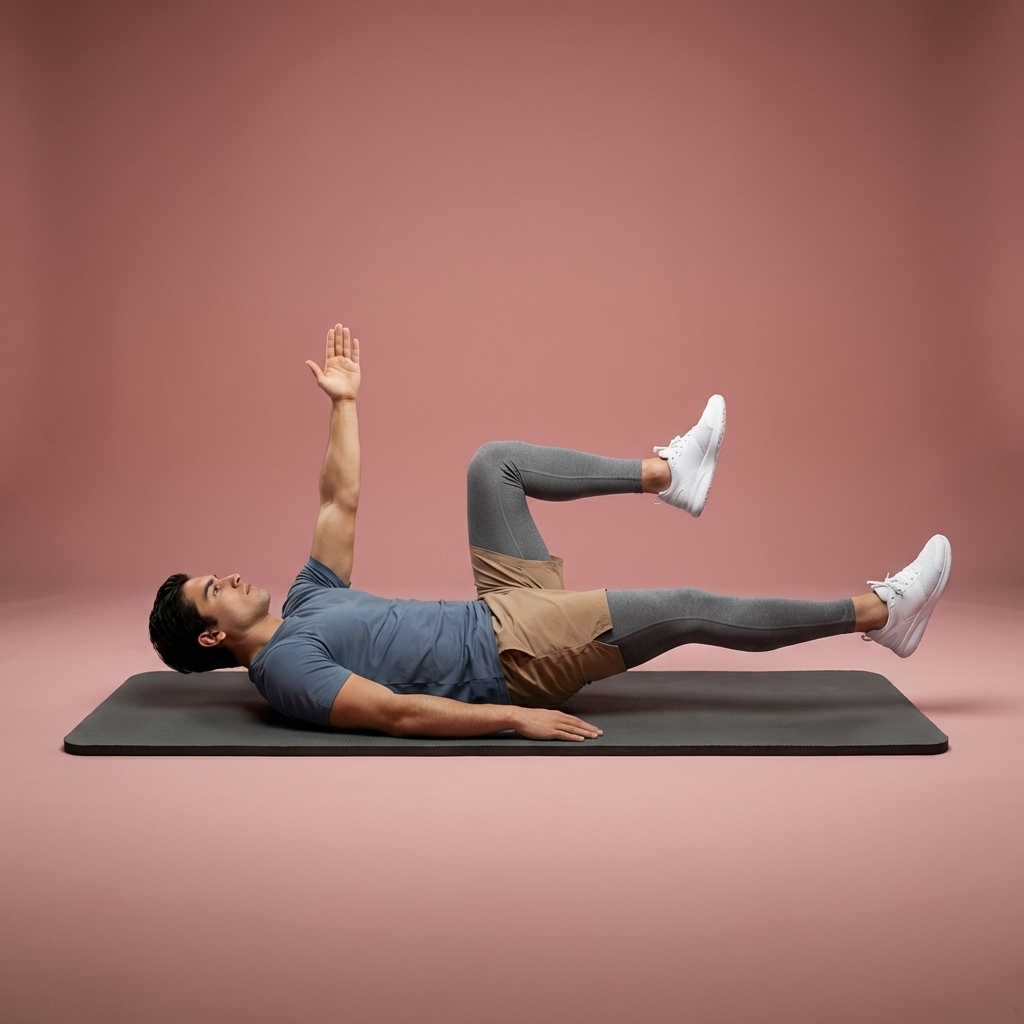
Browse guided Flexor sessions that match this page, then open any routine for steps and cues.



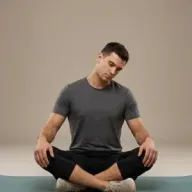
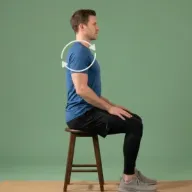


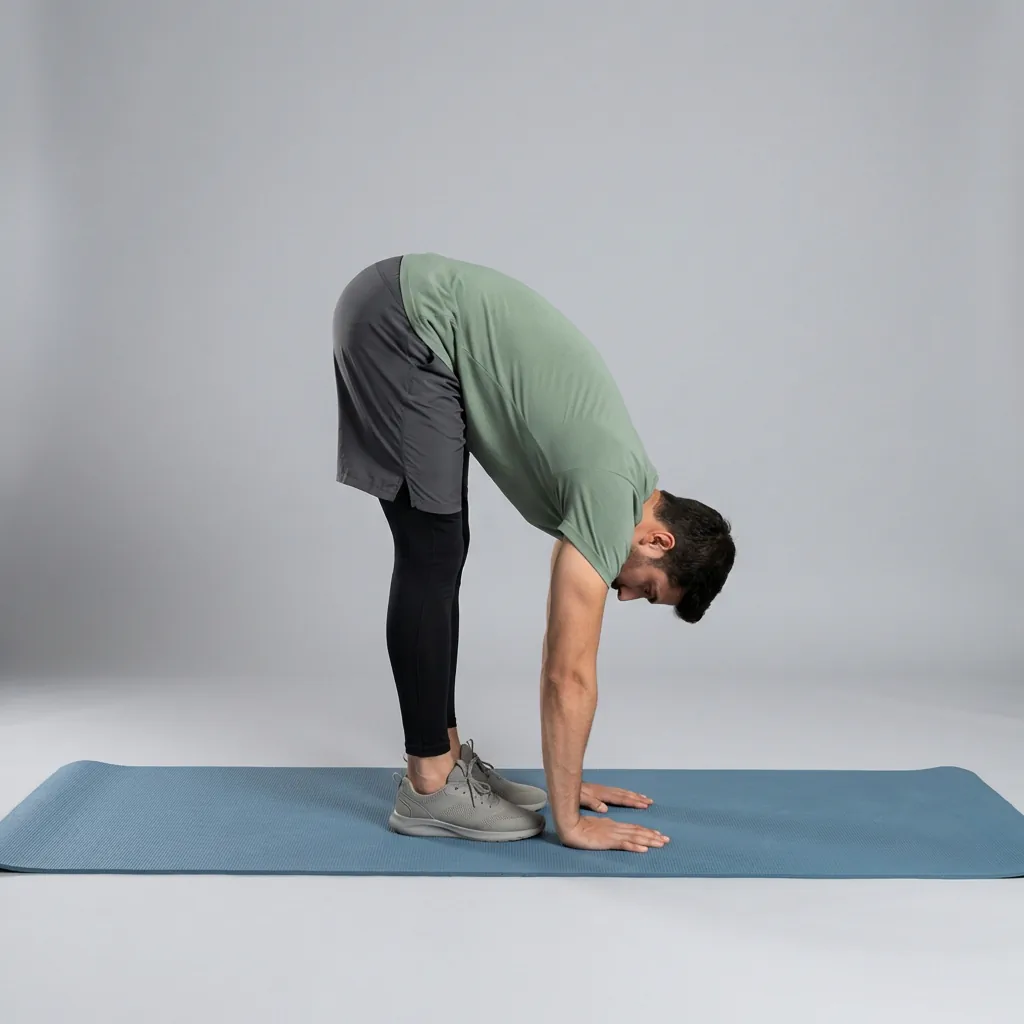
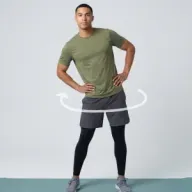



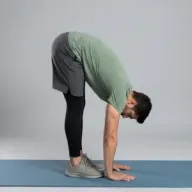
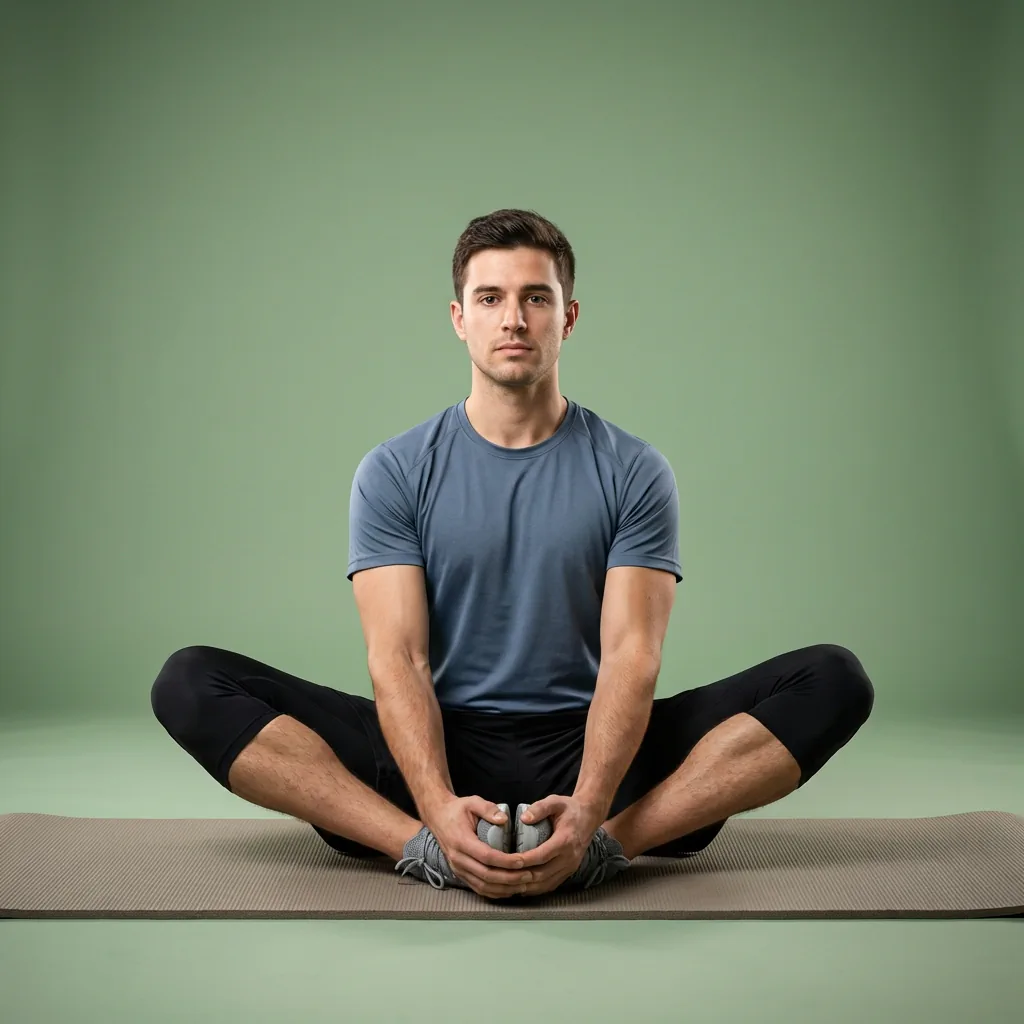

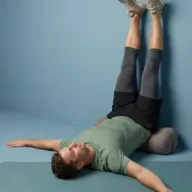


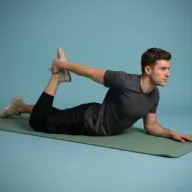
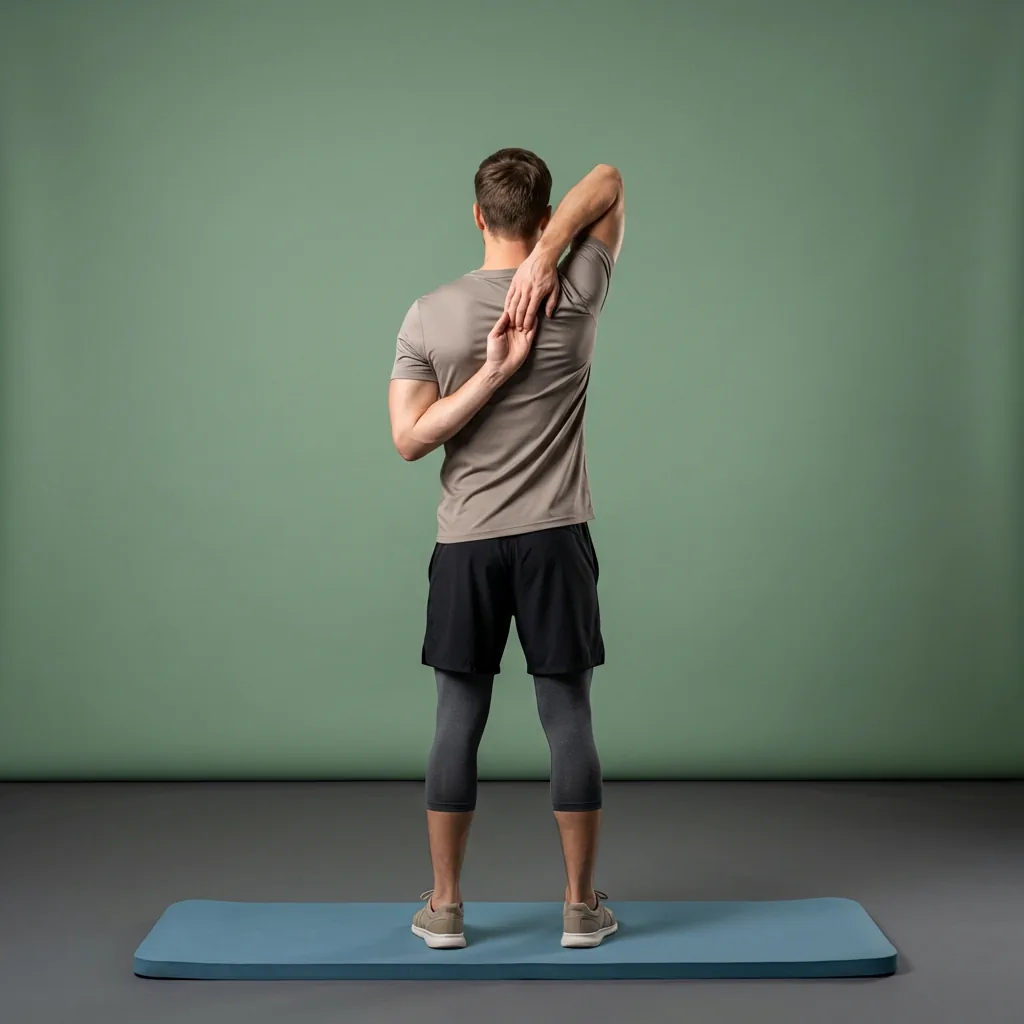
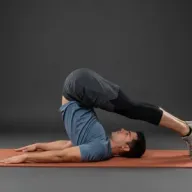


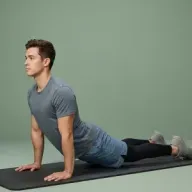
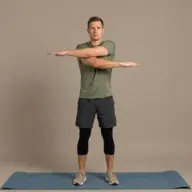

Explore related body areas
Go deeper on a single area with its own exercises, routines, and guidance.
Common questions
Frequently asked questions
Is Flexor suitable for older beginners?
Flexor includes beginner-friendly routines with clear instructions, flexible durations and calm cues, which many older adults find approachable. It is general fitness and wellness movement rather than a programme tailored to any medical need. If you have a health condition, a recent injury or surgery, balance concerns, or take medication that affects how you move, ask a qualified professional what is appropriate before you begin, and always work within a comfortable range.
Can I use these routines while seated?
Yes—Flexor includes routines and steps that can be done seated, using a stable chair for support. Not every standing movement has a safe seated version, so choose a routine designed to stay seated rather than improvising. Keep the chair steady, allow space around you, and move only as far as is comfortable. If standing steps appear in a session and are not appropriate for you, skip them or pick a fully seated alternative.
Does Flexor treat conditions like arthritis?
No. Flexor does not diagnose, treat, or manage any medical condition, and it is not physiotherapy or rehabilitation. It offers general gentle movement that some people find comfortable as part of an active daily routine. If you have a diagnosed condition, the right guidance on what movement suits you comes from a qualified healthcare professional. Use Flexor within any advice they give, keep the range gentle, and stop if something causes pain or concern.
What should I do if a movement hurts?
Stop that movement. Gentle stretching should feel comfortable, not painful, and you should never push through pain or force a joint toward a shown position. Reduce the range, use support, or skip the step and choose something easier. Seek advice from a qualified professional for pain that is severe, persistent, or worsening, or for dizziness, breathlessness, chest pain, numbness, or other concerning symptoms, which need proper assessment rather than another routine.
How often should seniors use Flexor?
Use a frequency that is realistic and comfortable. Short sessions several times a week may be easier to sustain than occasional long sessions. Match preparation, mobility and recovery work to your schedule, vary the focus, and reduce or stop if a movement aggravates symptoms.
How do I choose between a short and long routine?
Choose by purpose and available time. A short routine can prepare you for activity, break up sitting, or preserve consistency. A longer routine is more suitable when you have time for several areas and can move without rushing. Longer is not automatically better.
What should I do if a recommended routine does not feel right?
Skip it, reduce the range, or choose another focus. Flexor recommendations use the information you provide and cannot see your movement or symptoms. Stop for sharp, persistent, worsening, or unusual pain and seek appropriate professional advice when needed.
More in Flexor for you
See allKeep exploring
More guides on stretching, mobility, routines, and Flexor features.
Flexor for you
Stretching and mobility, matched to how you live.
Find guided Flexor stretching and mobility routines shaped for desk workers, seniors, athletes, gym-goers, travellers an...
Read more Mobility for fitness and everyday movement
Build controlled, usable movement—one short guided session at a time.
Improve mobility with guided routines, progress tracking and personalised daily recommendations designed around how you...
Read more Start gently, stay consistent
New to stretching? Start gently, and let it become a habit.
Start with beginner-friendly guided routines, simple instructions and personalised recommendations that help you build a...
Read more
Wellness and exercise safety
General movement guidance—not medical care.
Flexor provides general fitness and wellness guidance, not diagnosis or treatment. Review when to stop exercise and when...
Read more