

Pain Relief
Neck Tension Relief: gentle guided routines for everyday neck tension.
Neck Tension Relief is one of the eight comfort-focused collections in Flexor's Pain Relief library. It gathers gentle guided routines for the neck and upper body so you can move those areas through a comfortable range after screen time, driving or a long day. It is general fitness and wellness movement—not a diagnosis, treatment, or a substitute for advice from a qualified healthcare professional.
In Flexor
Part of the Pain Relief library available in the Flexor app.
Neck-focused routines
Gentle sessions for the neck and upper body, some designed to stay seated.
You set the range
Follow ordered timing and cues, and move only as far as feels comfortable.
Wellness only
Comfort-focused movement with no medical, diagnosis, or cure claims.
What the Neck Tension Relief collection is—and is not
Neck Tension Relief groups gentle guided routines for the neck and the upper body around it. The name describes everyday tension and the area the routines move, not an assessment of why your neck feels tight. Flexor does not scan your body, grade your movement, or identify the cause of any symptom.
This is general fitness and wellness content. It is not a diagnosis, a treatment, physiotherapy, or rehabilitation, and it does not replace advice from a qualified healthcare professional. For general education about the region, the neck body-area guide covers the area and its movement in more depth.
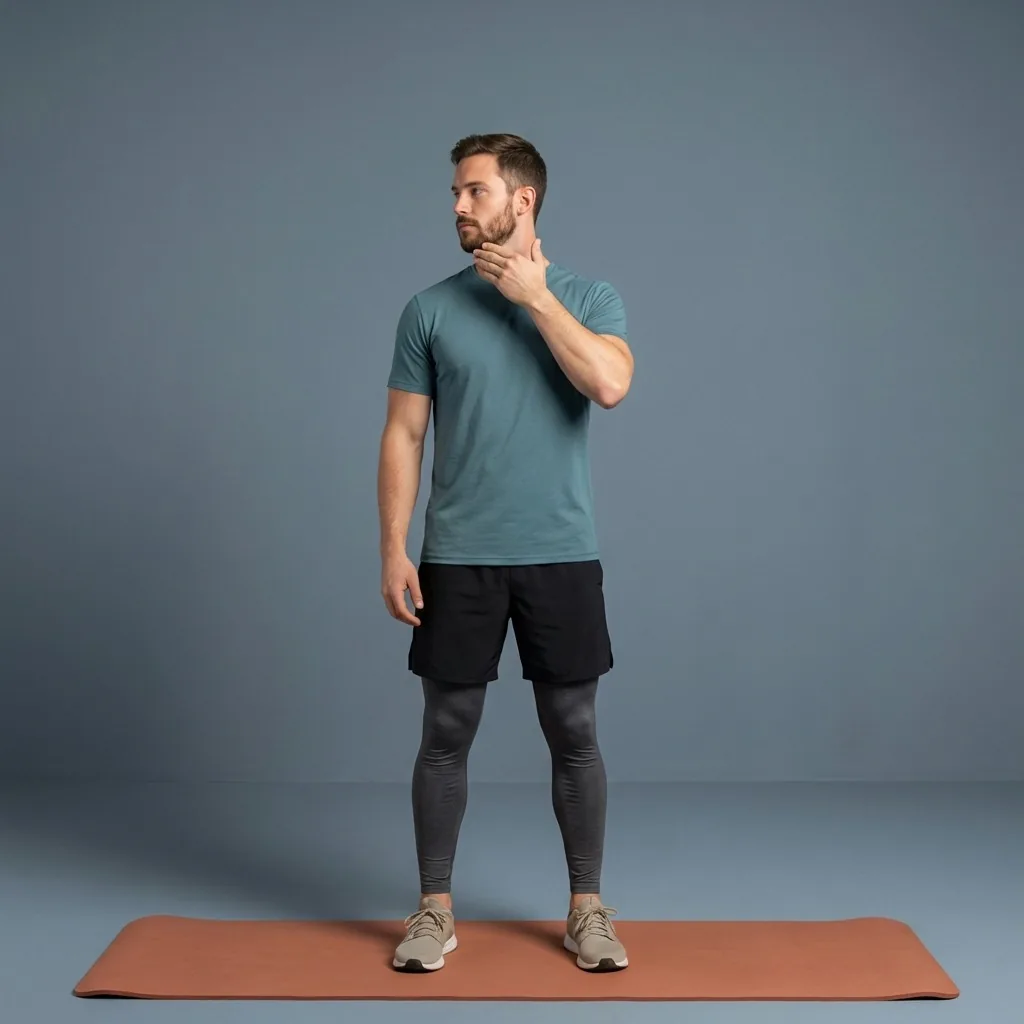
Who a gentle neck routine may suit
These routines may suit people who spend long periods at a screen or wheel, feel generally tight through the neck and shoulders after a busy day, or want a short, repeatable reset within a comfortable range. Slow, controlled movement usually helps more than forcing the neck to its end range.
- You want a gentle, guided way to ease everyday neck and shoulder tightness.
- You are cleared for general exercise and have no concerning symptoms.
- You prefer small, controlled neck movements over aggressive stretching.
- You are comfortable choosing your own range and stopping when needed.
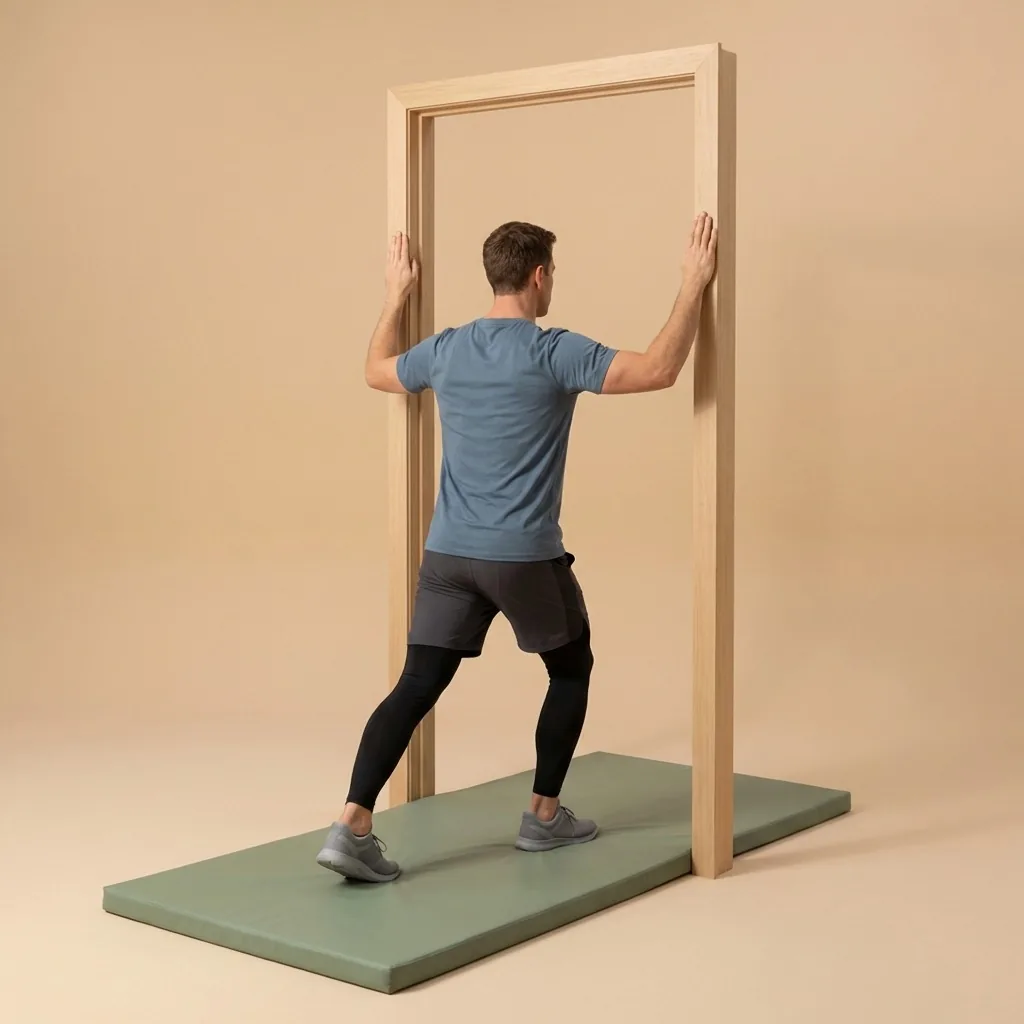
In Flexor: Upper-body openers that fit a small office space.
Where a screen day settles.
Neck and upper-body routines for everyday tension, with clear guidance on when to stop.
When a general routine is not the right next step
Do not use these routines to self-manage persistent, severe, rapidly worsening, or traumatic neck symptoms. Seek urgent medical help for warning signs such as neck pain after a significant fall or accident, a severe or sudden headache, arm numbness, tingling or weakness, dizziness, fainting, or difficulty with vision or speech. Stop any movement that causes pain, worsens symptoms, or produces those responses.
Ask a qualified healthcare professional what movement is appropriate if you have an injury, a diagnosed condition, recent surgery, are pregnant, or have symptoms that affect safe participation. An app routine is not a substitute for individual clinical assessment.
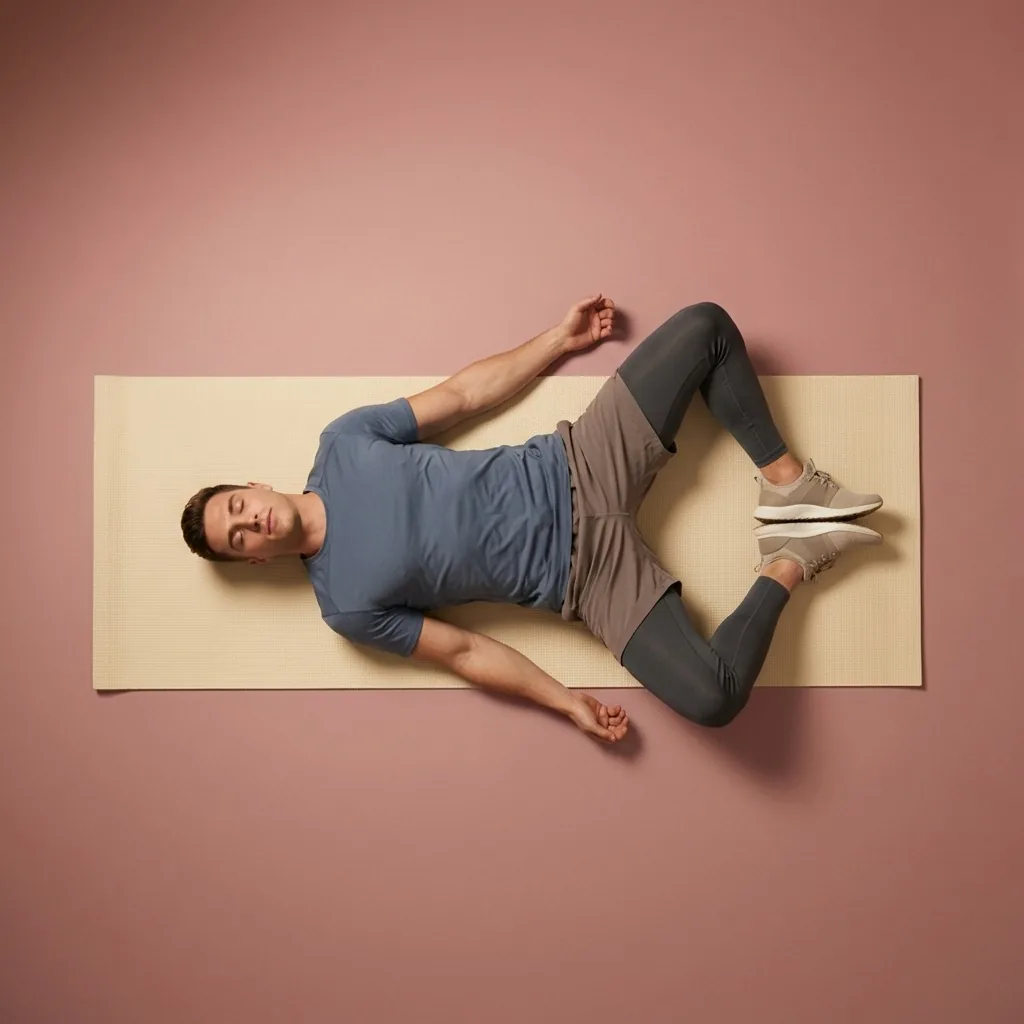
How the routines work in Flexor
Each routine supplies an ordered sequence, timing, spoken audio guidance, and visual demonstrations, and duration and difficulty vary between them. Keep neck movements slow and small, check the routine details and choose a comfortable level before you start, and use a smaller range whenever that feels better.
Neck Tension Relief is available in Flexor as part of the Pain Relief library with 35 unique guided routines across eight collections. The wider free catalogue still includes general stretching and mobility routines, and the educational neck body-area guide remains open to everyone.
Sources and further reading
These independent sources support the general guidance on this page. They do not endorse Flexor.
Quick facts
- Collection
- Neck Tension Relief
- Focus
- Neck and upper body; some seated options
- You control
- Small, slow range and when to stop
- Scope
- General wellness movement, not medical care
Where to start
You feel tight after screens or driving
Try a short, seated neck reset and keep every movement slow and small.
You notice any warning sign below
Stop and seek medical advice before any stretching.
You have an injury, recent surgery, or a diagnosed condition
Ask a qualified healthcare professional what movement suits you.
How Flexor personalises this
Flexor suggests gentle neck and upper-body routines from what you tell it—your goals, focus areas, available time and recent sessions. It does not scan your body or identify the cause of any symptom, so guidance stays general fitness and wellness support.
Back to the Pain Relief hubSafety and limits
- Neck Tension Relief is general fitness and wellness movement, not diagnosis, treatment, or rehabilitation.
- Seek urgent help for a severe or sudden headache, arm numbness, tingling or weakness, dizziness, fainting, or trouble with vision or speech.
- Keep neck movements slow and small, and stop if a movement causes pain or spreading symptoms.
- Get proper advice for symptoms after a fall or accident, or that are severe or worsening.
This collection is not a substitute for individual clinical assessment.
Read the full wellness disclaimerWritten by Flexor editorial Last reviewed July 2026
Related routines
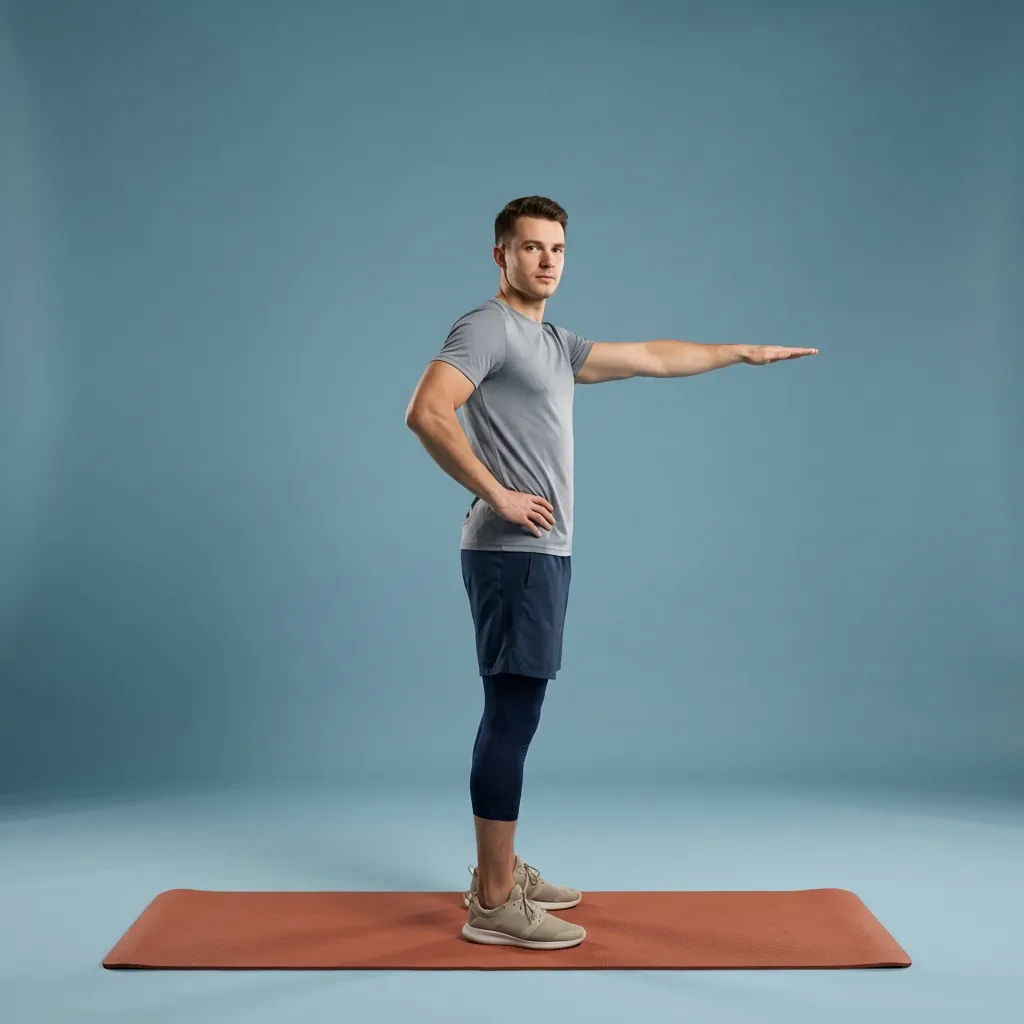
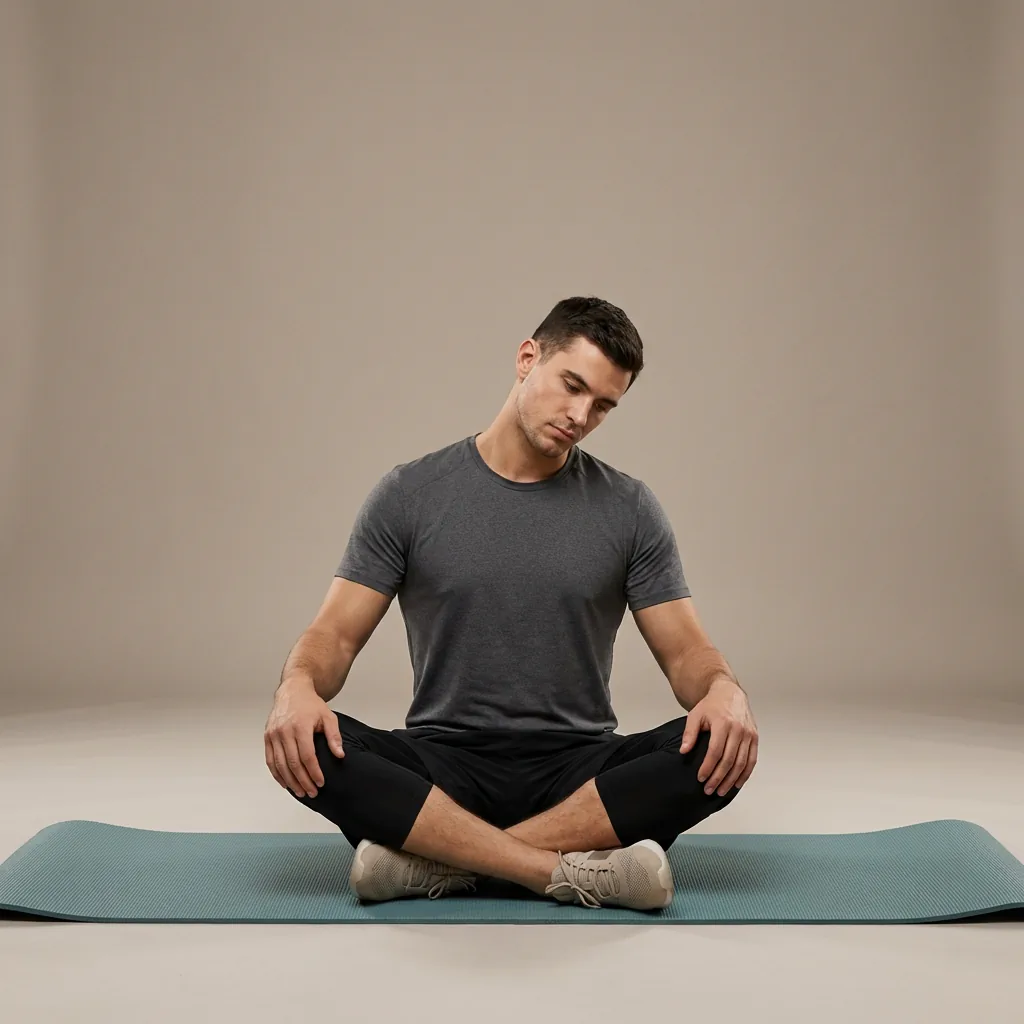
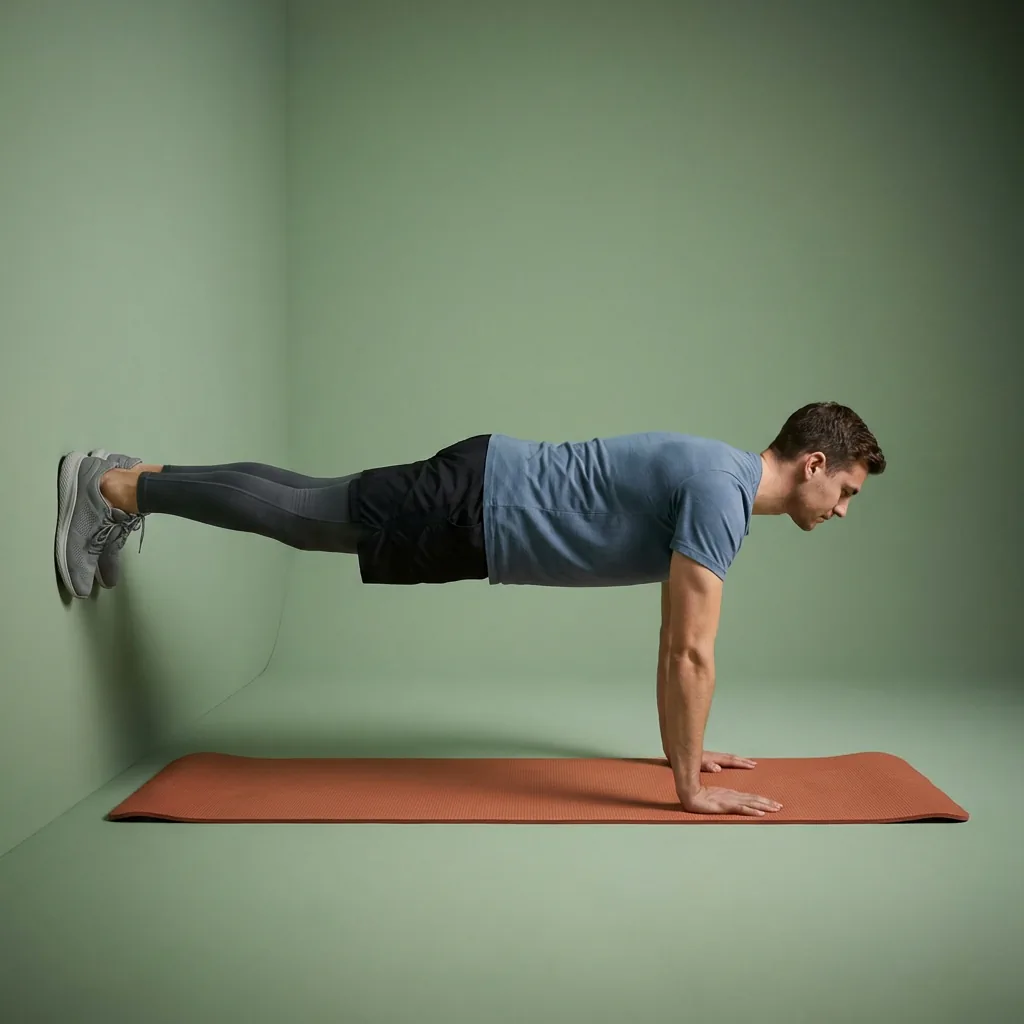
Browse guided Flexor sessions that match this page, then open any routine for steps and cues.
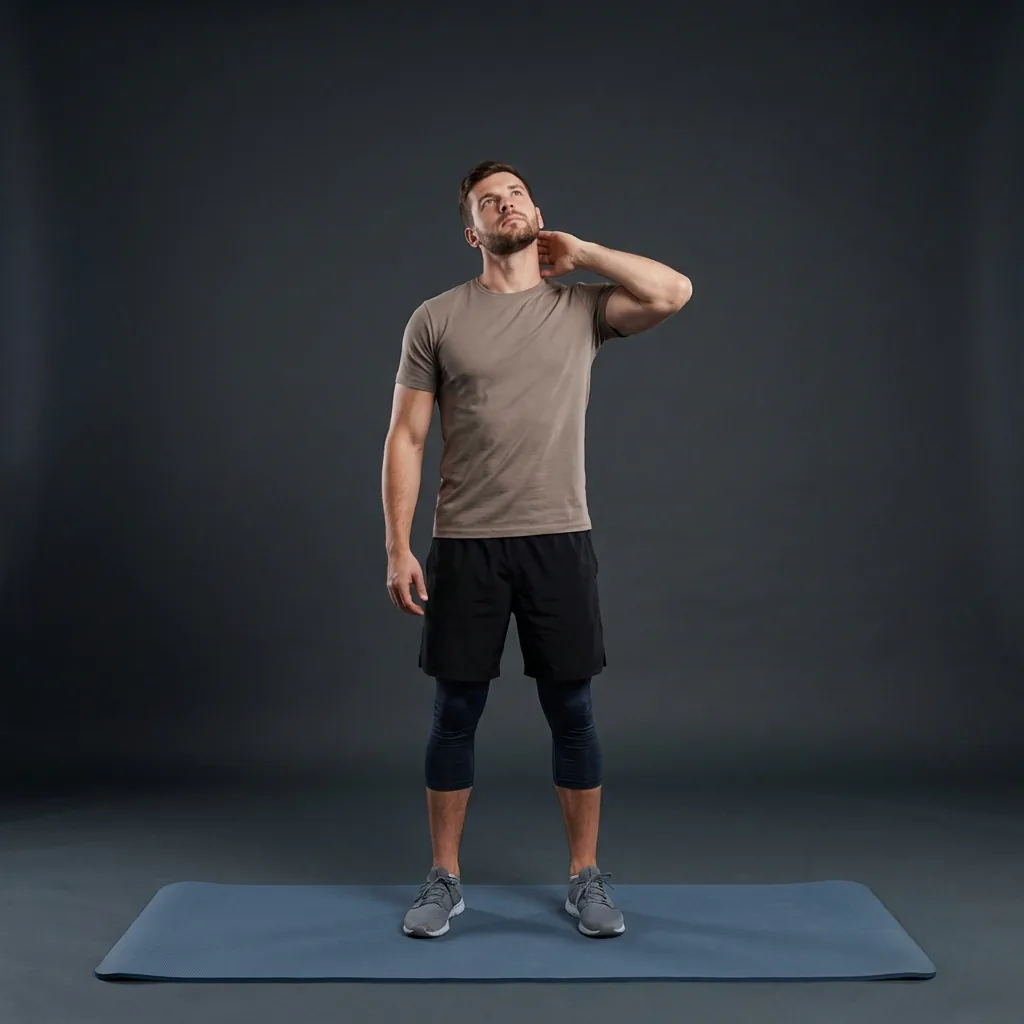
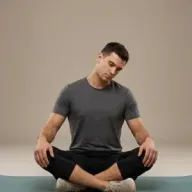




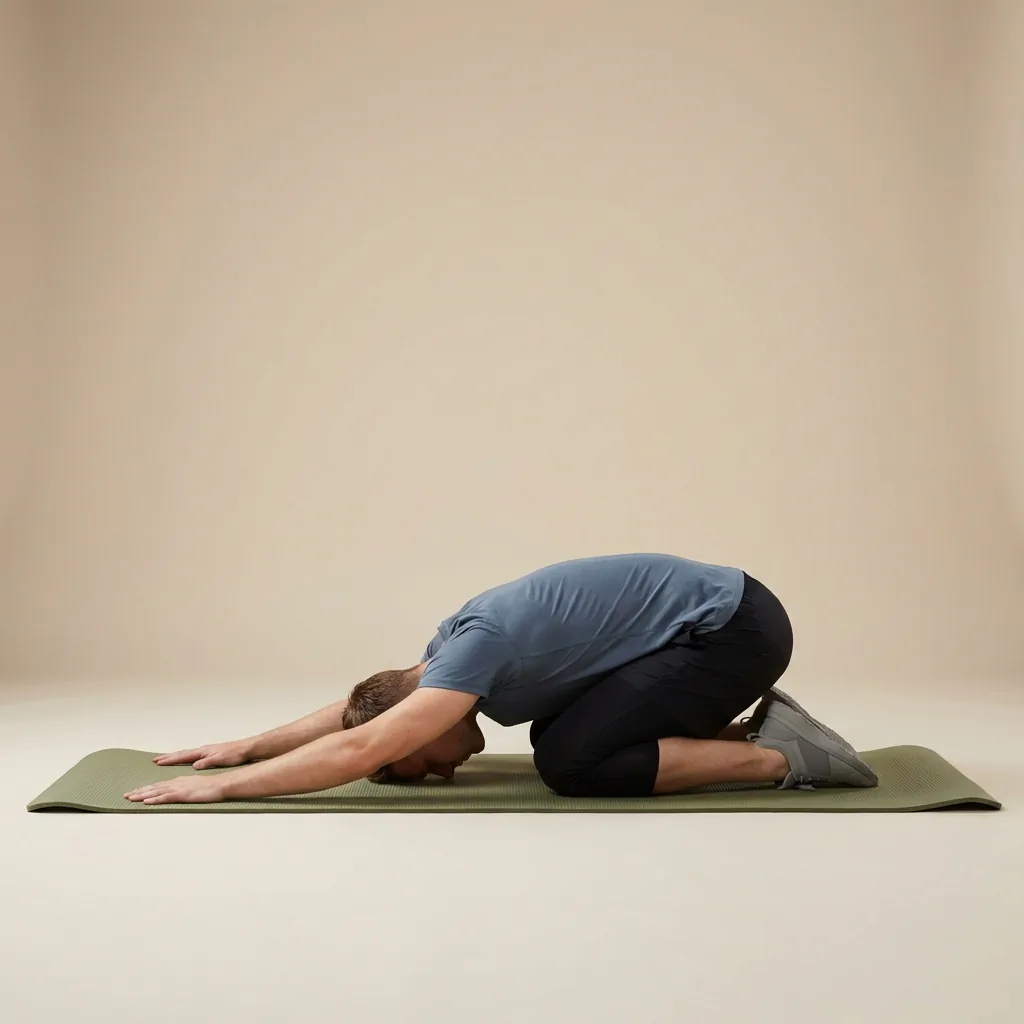


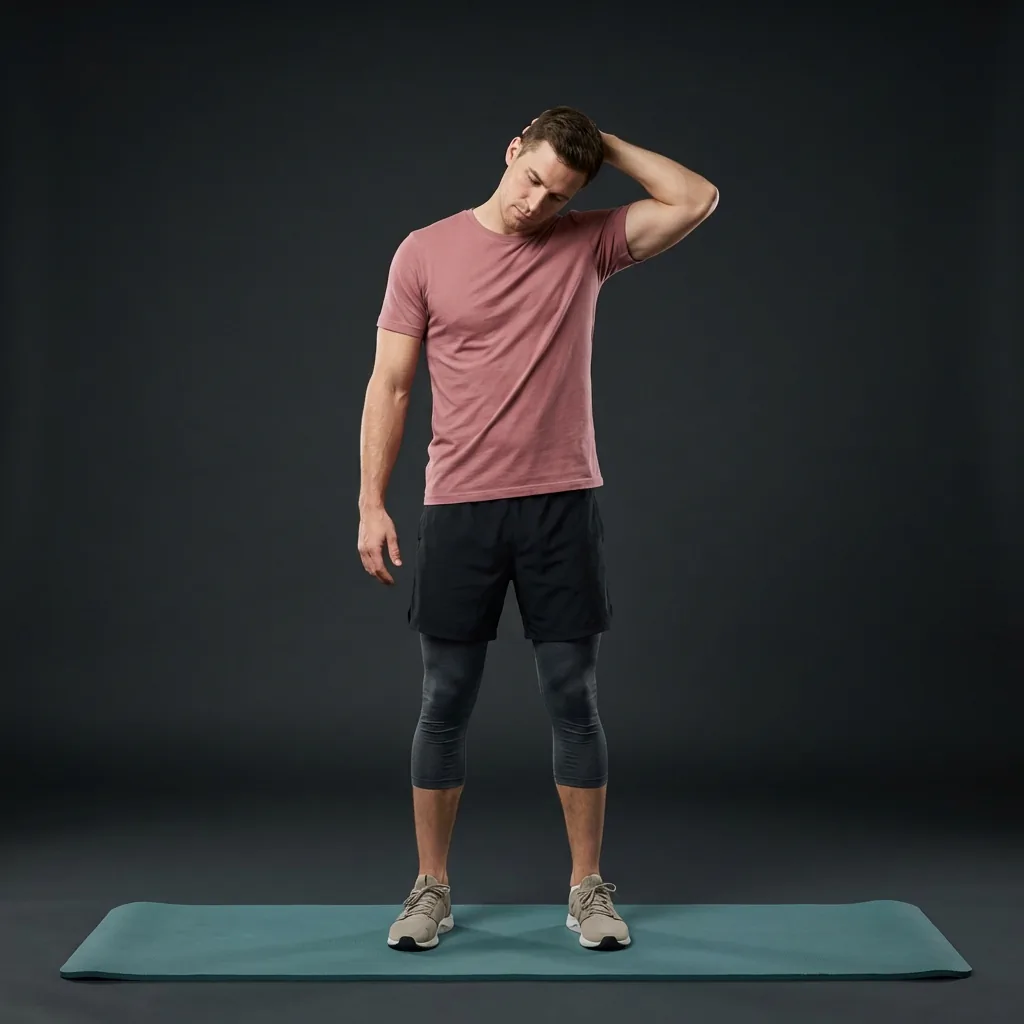


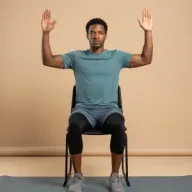
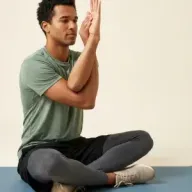
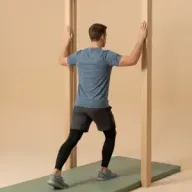
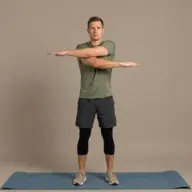
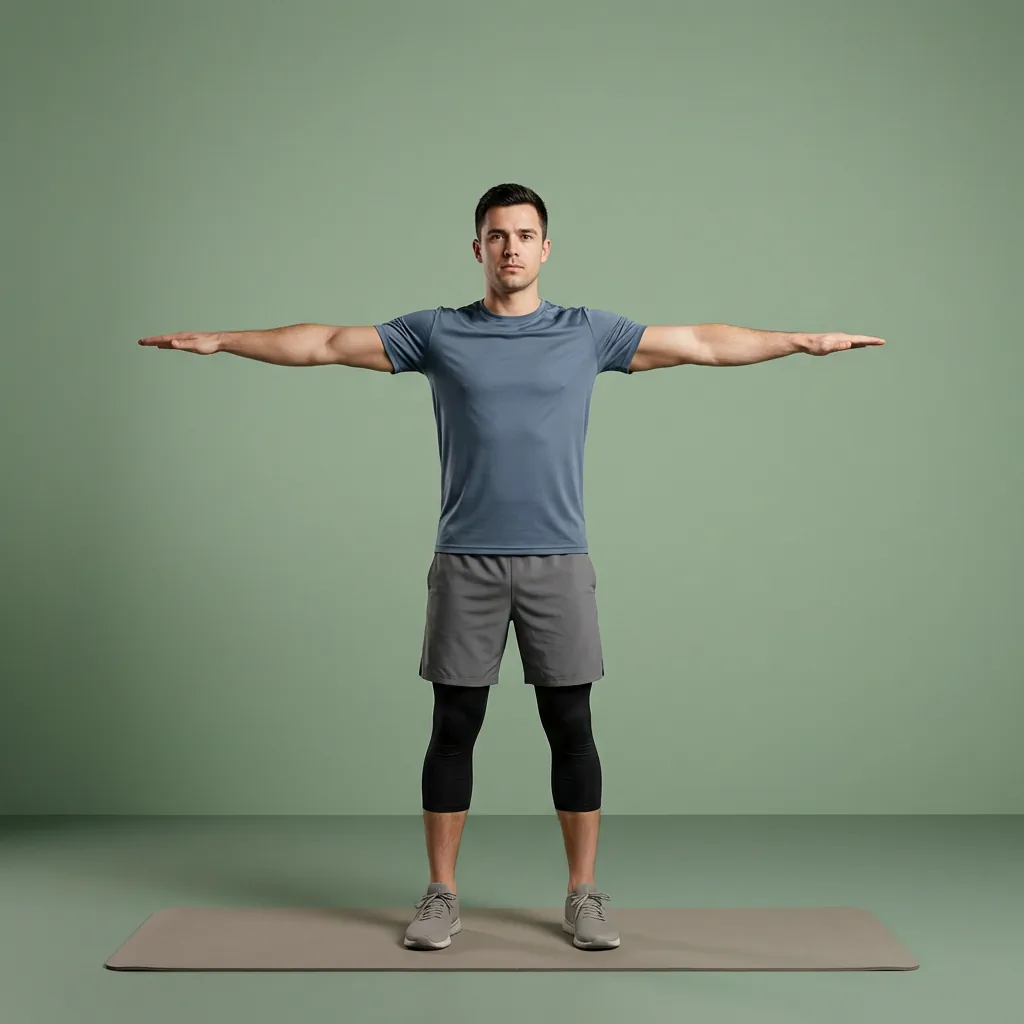


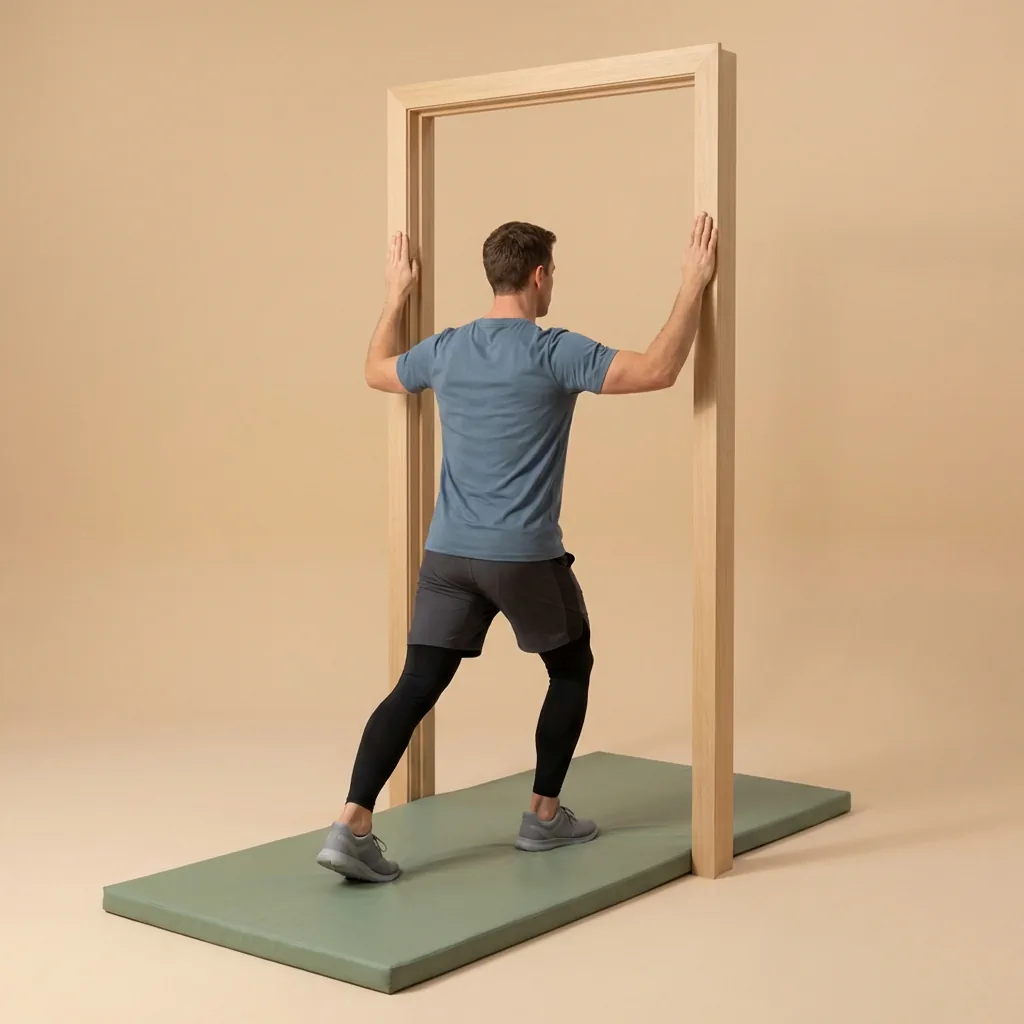

Explore related body areas
Go deeper on a single area with its own exercises, routines, and guidance.
Common questions
Frequently asked questions
Can the Neck Tension Relief collection diagnose or treat my neck?
No. Neck Tension Relief supplies general fitness and wellness routines, and the collection name does not mean Flexor can identify why your neck feels tense. It does not provide diagnosis, treatment, physiotherapy, or rehabilitation. Persistent, severe, worsening, or traumatic neck symptoms, or any warning signs, need assessment by a qualified healthcare professional rather than an app-selected routine, so treat these sessions as gentle movement and seek proper advice when something feels wrong.
What neck warning signs mean I should stop and seek help?
Stop and seek urgent medical advice if neck symptoms follow a significant fall or accident, or if you notice a severe or sudden headache, arm numbness, tingling or weakness, dizziness, fainting, or difficulty with vision, speech or swallowing. Also stop any routine that causes sharp pain or spreading symptoms. These routines are for general comfort only and are never a substitute for individual clinical assessment when concerning symptoms appear.
Can I do these neck routines while seated?
Many neck movements work seated, and the collection includes sessions designed to stay in a chair for the neck, shoulders and upper body. Some sequences add standing steps, so do not assume every movement has a safe seated version. If standing is not appropriate, choose a routine built to remain seated, keep the chair stable, move slowly through a small range, and stop if any movement causes pain or concerning symptoms.
How is this different from the neck body-area guide?
This page is a Pain Relief collection: a curated set of gentle guided routines for everyday neck tension inside Flexor. The neck body-area guide is educational and open to everyone, explaining the region and general movement rather than selling access to routines. Use the body-area guide to understand the neck, and use the Neck Tension Relief collection when you want ordered, guided sessions to follow with timing, cues and demonstrations.
Keep exploring
More guides on stretching, mobility, routines, and Flexor features.
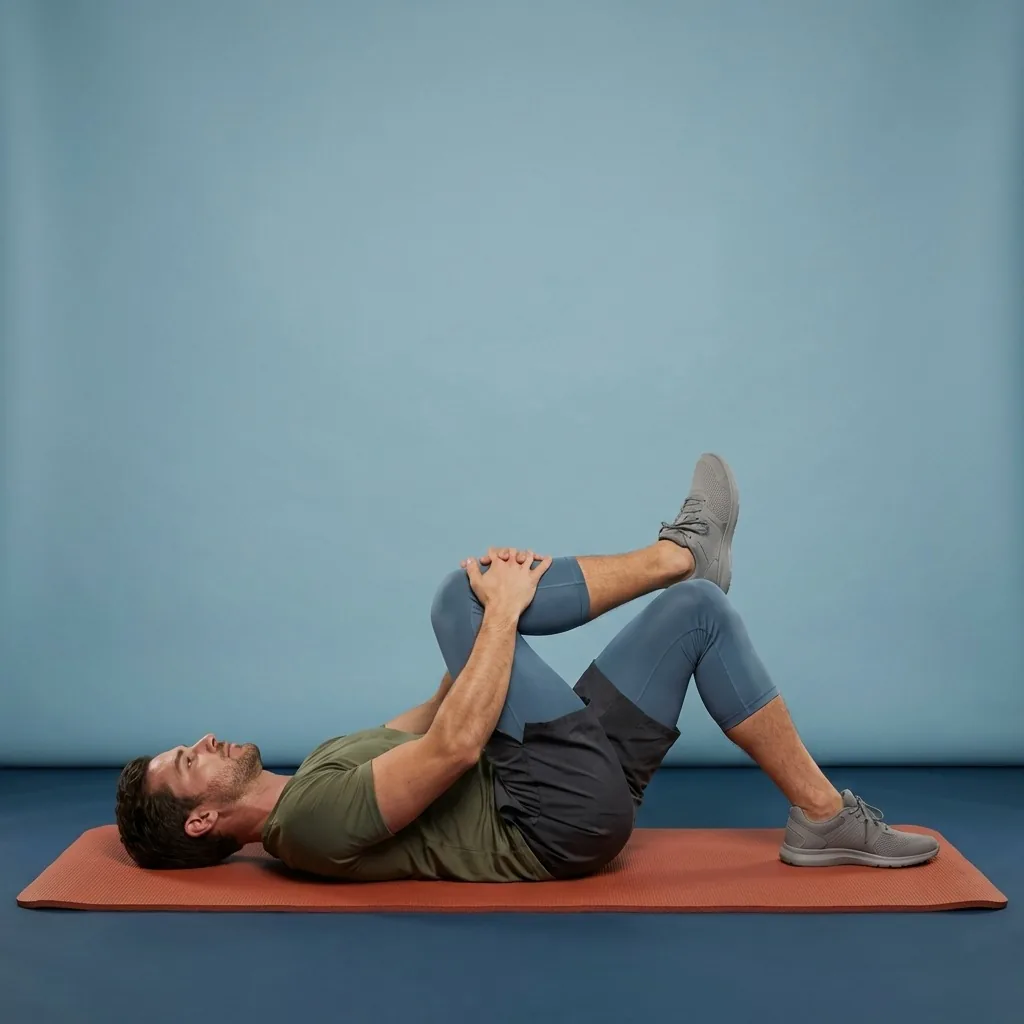
Pain Relief
Gentle stretching and mobility for everyday body comfort.
Pain Relief in Flexor: 35 unique guided routines across eight collections for everyday comfort. General wellness only, n...
Read more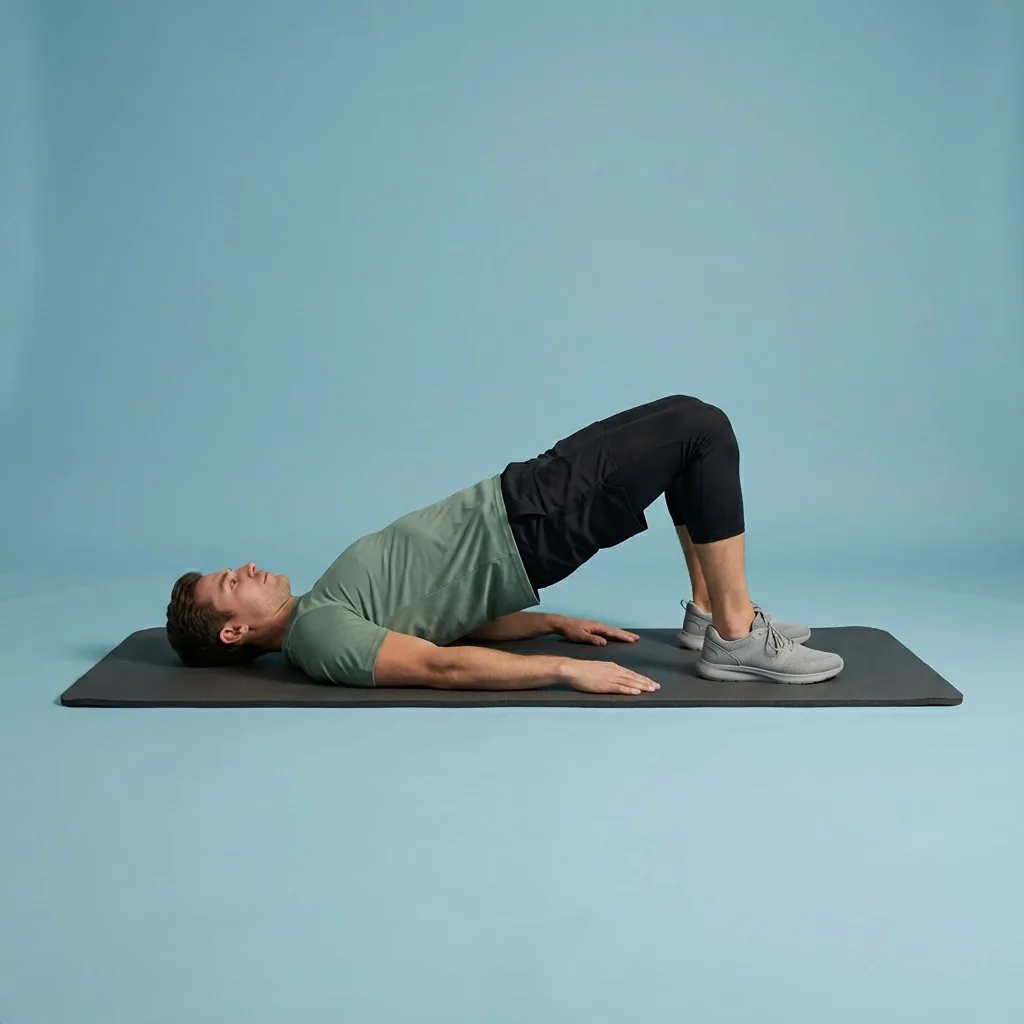
Desk stretching
Break up the workday with short, guided desk stretches.
Use quick guided stretches and mobility breaks for the neck, shoulders, back, hips and wrists during long periods of des...
Read more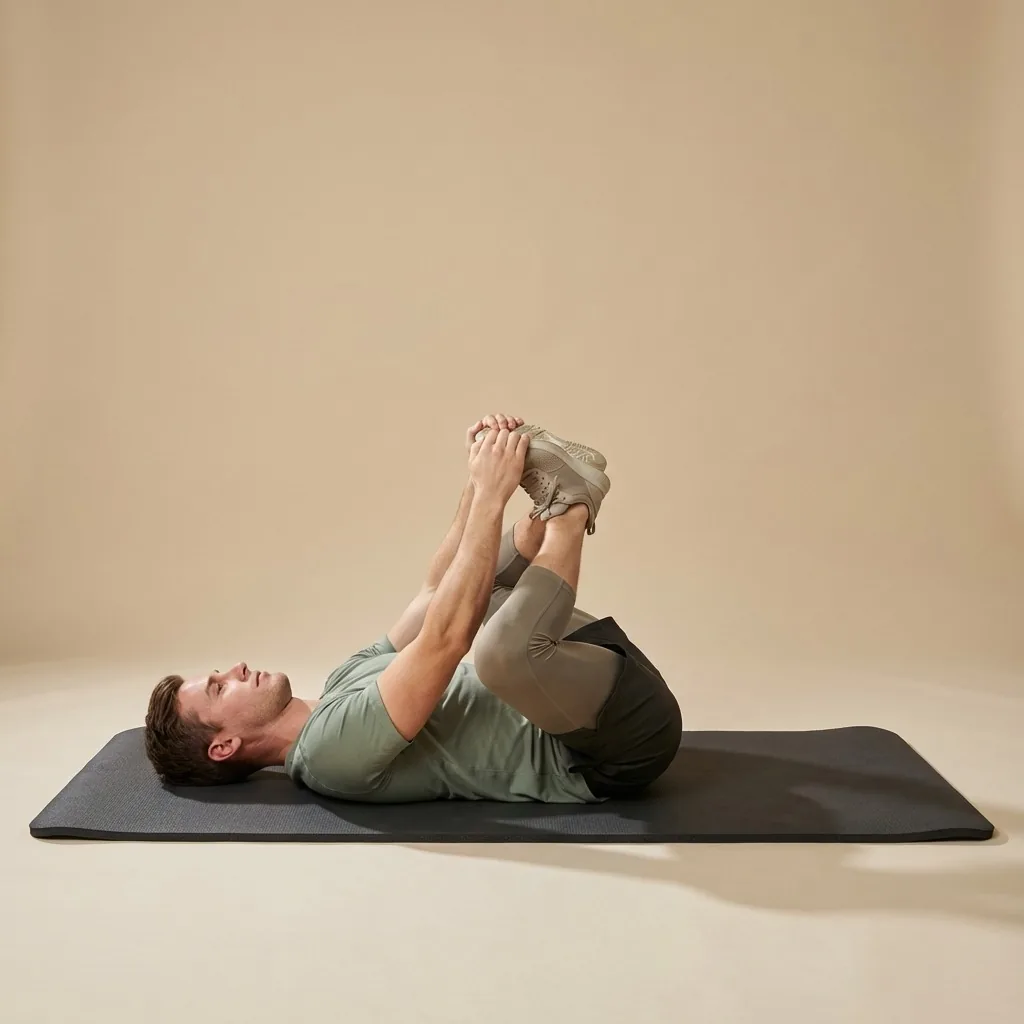
Wellness and exercise safety
General movement guidance—not medical care.
Flexor provides general fitness and wellness guidance, not diagnosis or treatment. Review when to stop exercise and when...
Read more