
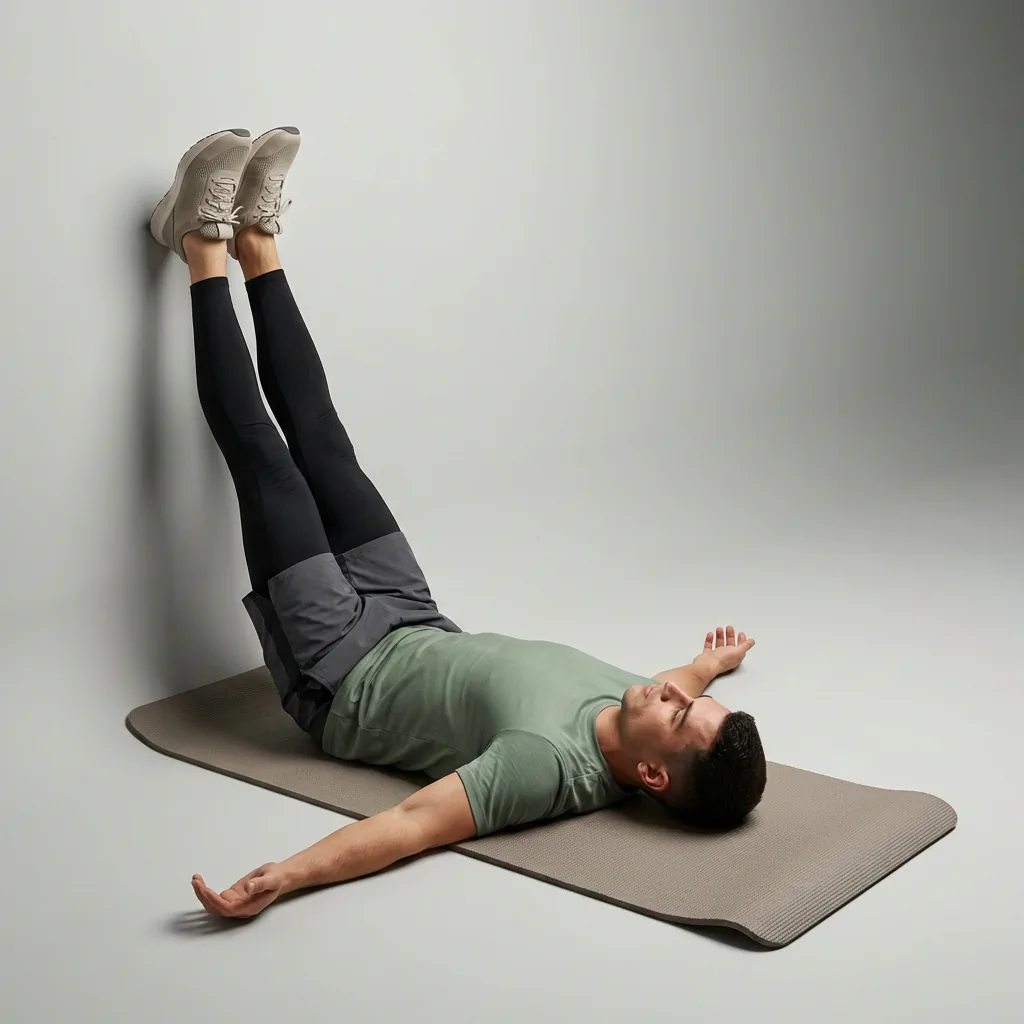
Post-workout recovery
Cool down and recover with guided post-workout stretches.
The minutes after training are a good time to lower the intensity gradually and move the areas you just worked through a calmer range. Flexor gathers cool-down and recovery routines you can match to your activity, the time you have, and how your session felt, so finishing well becomes part of the workout rather than an afterthought.
Wind down gradually
Lower intensity first, then slower stretches to finish.
Match the session
Lower-body, upper-body, or full-body recovery options.
Any time frame
A quick reset or a longer recovery-day flow.
Guided throughout
Ordered steps, timing, and cues so you can relax into it.
What a cool-down is for
A cool-down is a gradual step down from effort: you lower the pace, let breathing settle, and move the areas you trained through a comfortable range. It is a calmer counterpart to a warm-up rather than a hard workout of its own, and it is a natural moment to spend a few minutes stretching while you are still warm.
Recovery is general wellness movement, not a cure for soreness or a medical treatment. It can feel good and help you finish a session calmly; it does not repair injuries or replace rest, sleep and sensible training.
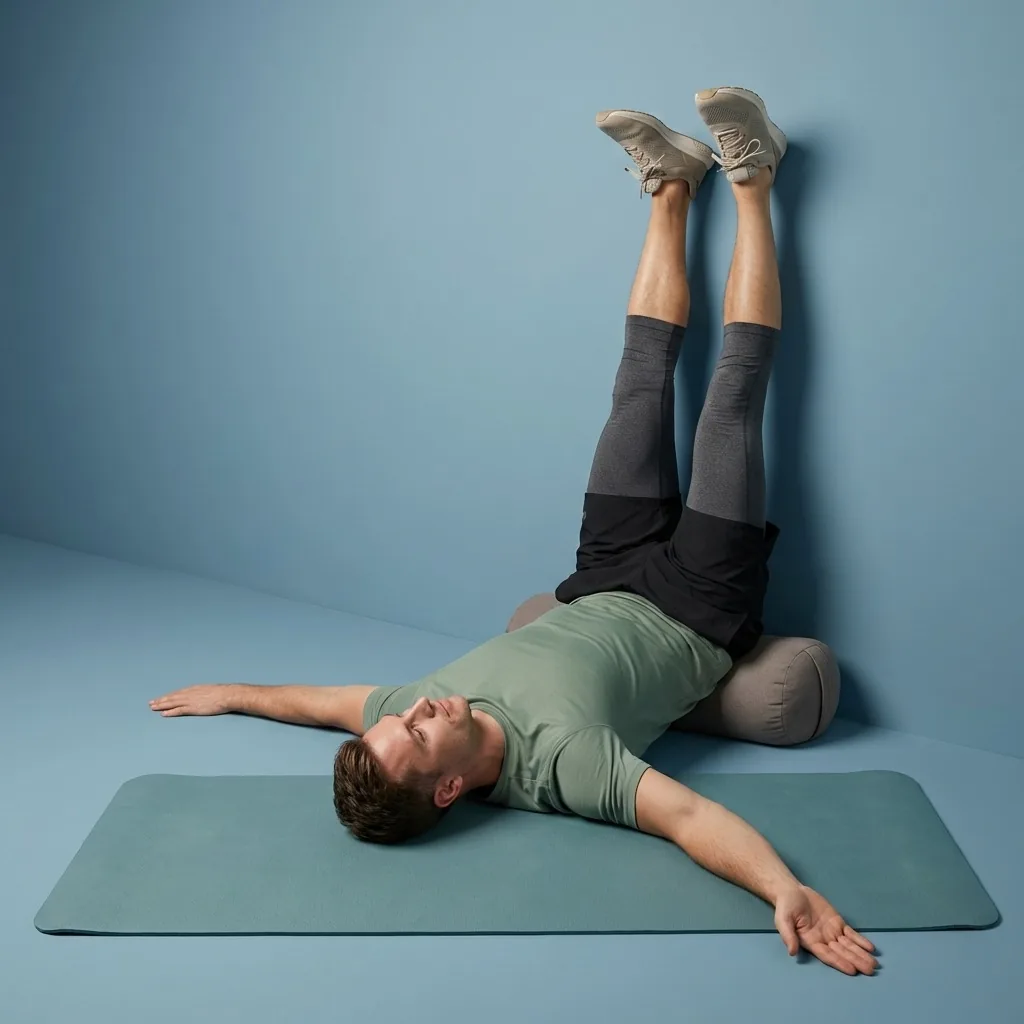
Choose a recovery session that fits the workout
The most useful cool-down reflects what you just did. Flexor keeps cool-down and recovery routines distinct from warm-ups so you can pick something genuinely slower for afterwards, focused on the areas that worked hardest.
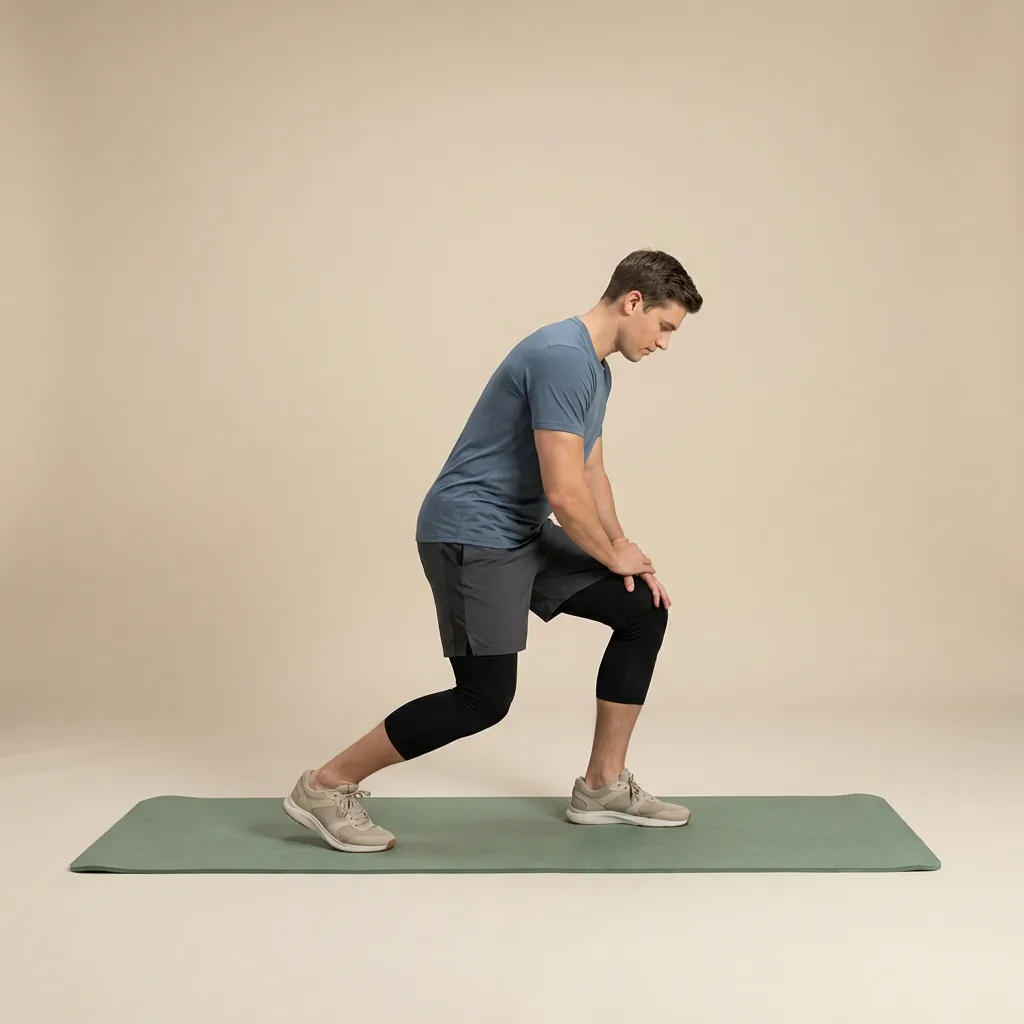
- After legs or running: a lower-body flush for hips, hamstrings and calves.
- After upper-body training: shoulders, chest and upper back.
- After a full-body session: a whole-body release to finish.
- On a rest day: a gentle mobility-day flow to keep moving.
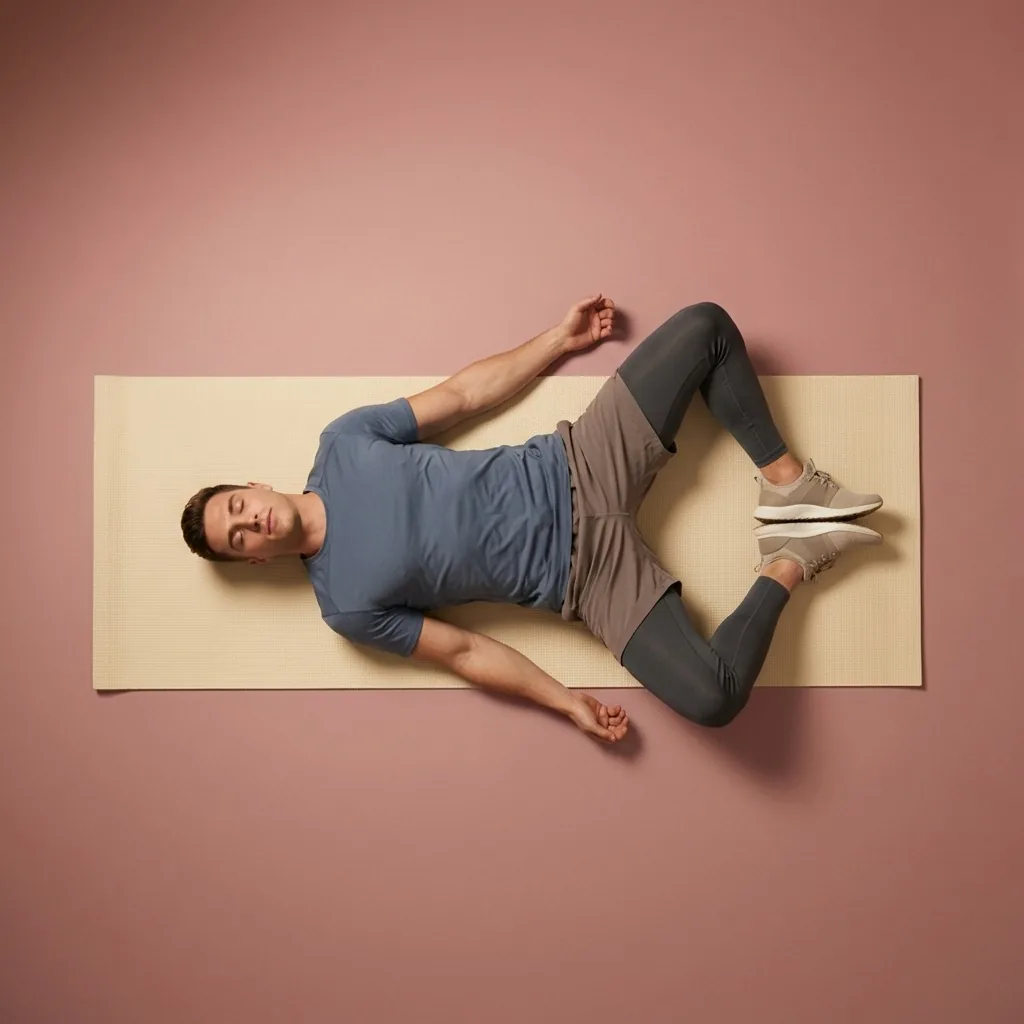
In Flexor: Recovery-oriented sessions after activity.
Finish the session calmly.
Guided cool-downs and recovery routines for the areas you just worked.
How Flexor supports recovery
Filter by cool-down or recovery, choose the area and the minutes you have, and follow the ordered steps with timing and calm cues. Because core routines, the library and the player work offline, you can cool down at the gym or a park without a connection. Daily recommendations can suggest a recovery session when your recent activity has been intense.
Keep everything within a comfortable range, especially when tired. Flexor guides the sequence; you decide how far to move and stop if anything causes pain or concerning symptoms.
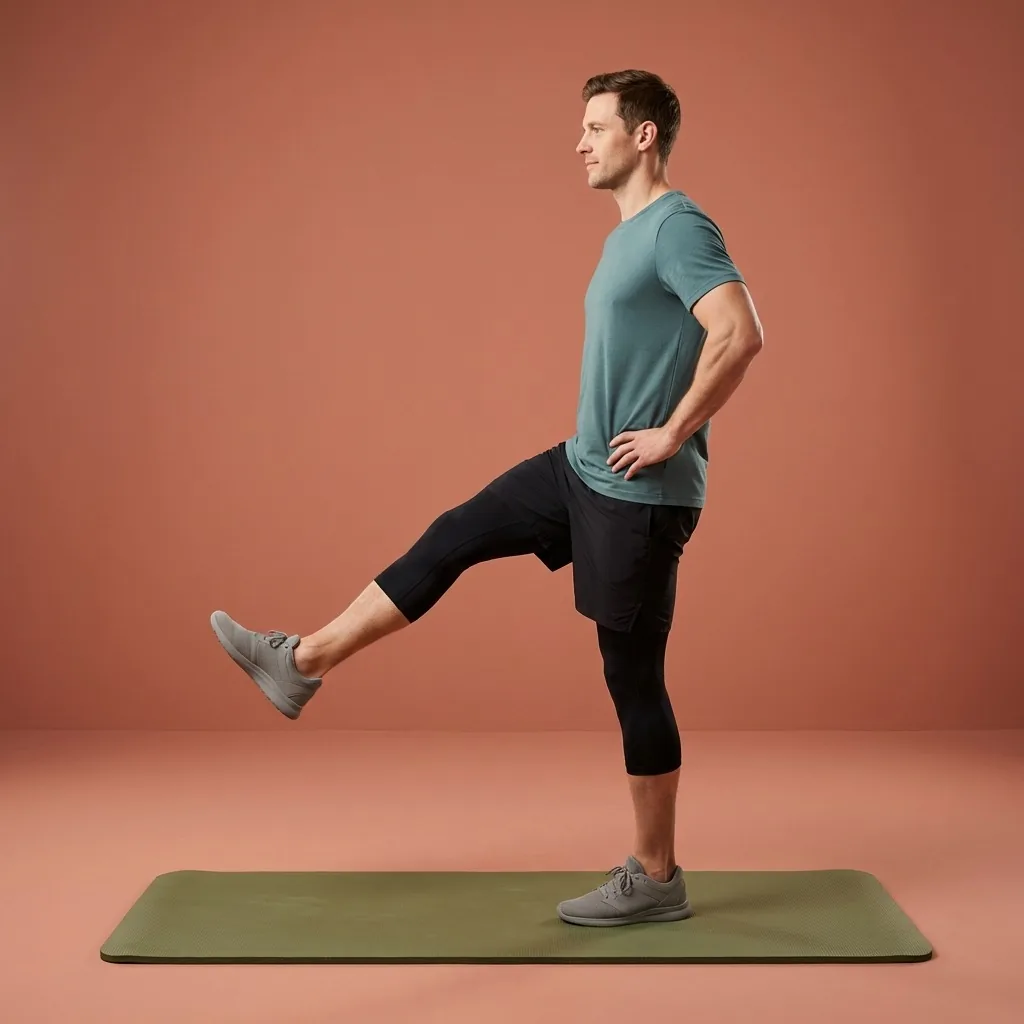
Recovery and the areas you trained
When you want to focus on a region after training, the body-area guides go deeper than a general cool-down. The hips, hamstrings and calves often need attention after leg or running sessions, while the shoulders and upper back respond to pressing and pulling work. Use a recovery routine to finish the session, then a body-area guide when a specific area needs more.
Sources and further reading
These independent sources support the general guidance on this page. They do not endorse Flexor.
Quick facts
- Goal
- Cool down and recover after training
- Timing
- After the hardest effort, while still warm
- Match
- Lower-body, upper-body or full-body
- Not for
- Curing soreness or replacing rest
Where to start
You have just trained legs or run
Run a lower-body flush for hips, hamstrings and calves.
You have just done upper-body work
Cool down the shoulders, chest and upper back.
It is a rest day
Choose a gentle mobility-day flow instead.
A recovery nudge after intense training
Your recent sessions have been demanding. Flexor uses your goals, focus areas, available time and recent activity to suggest a calmer recovery session when your training has been intense. It never scans your body or assesses how you moved.
See how daily recommendations workSafety and limits
- General wellness movement, not a cure for soreness or a medical treatment.
- Keep everything within a comfortable range, especially when tired.
- Stop and seek advice if a movement causes pain or concerning symptoms.
Flexor does not assess your movement or repair injuries and is not a substitute for advice from a qualified professional.
Read the full wellness disclaimerRelated routines
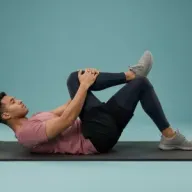
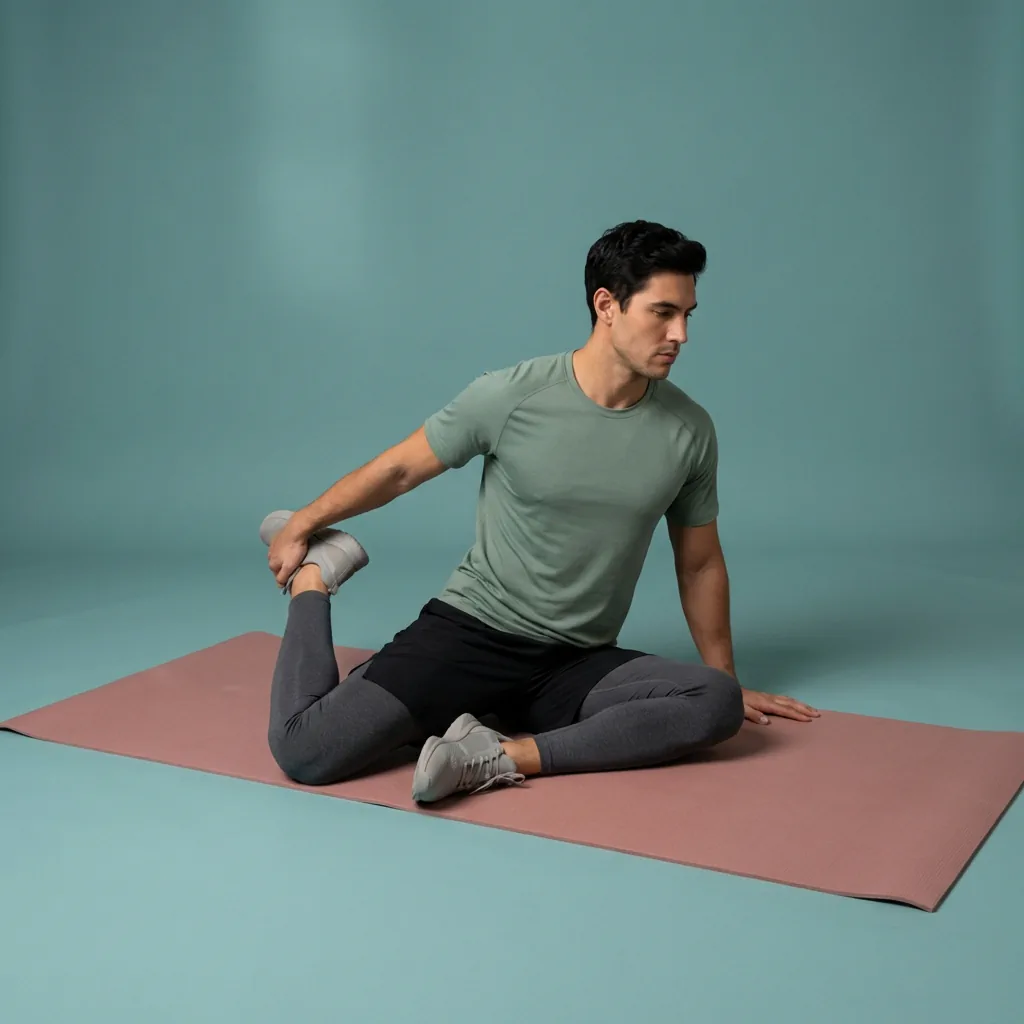
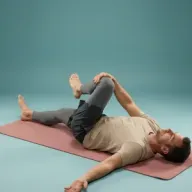
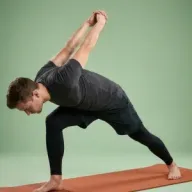
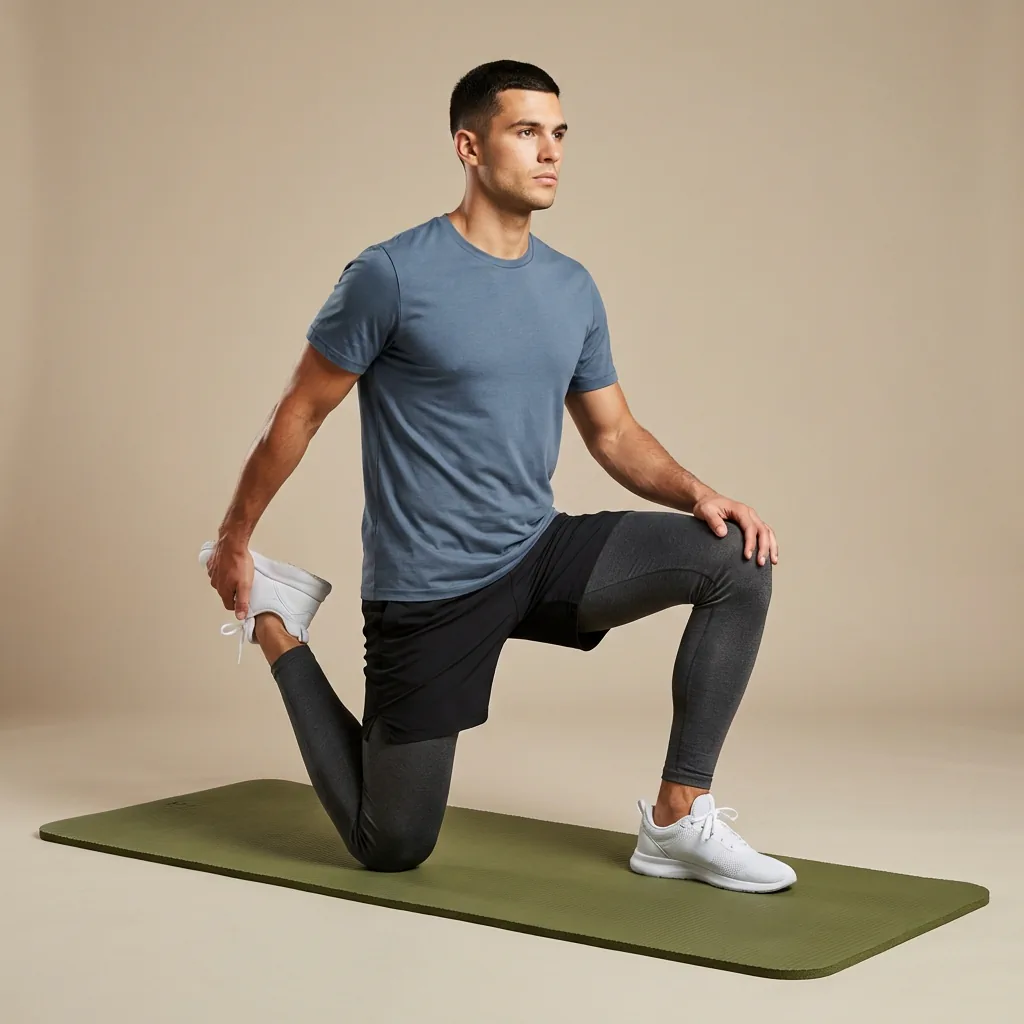
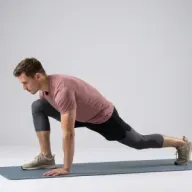
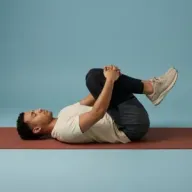
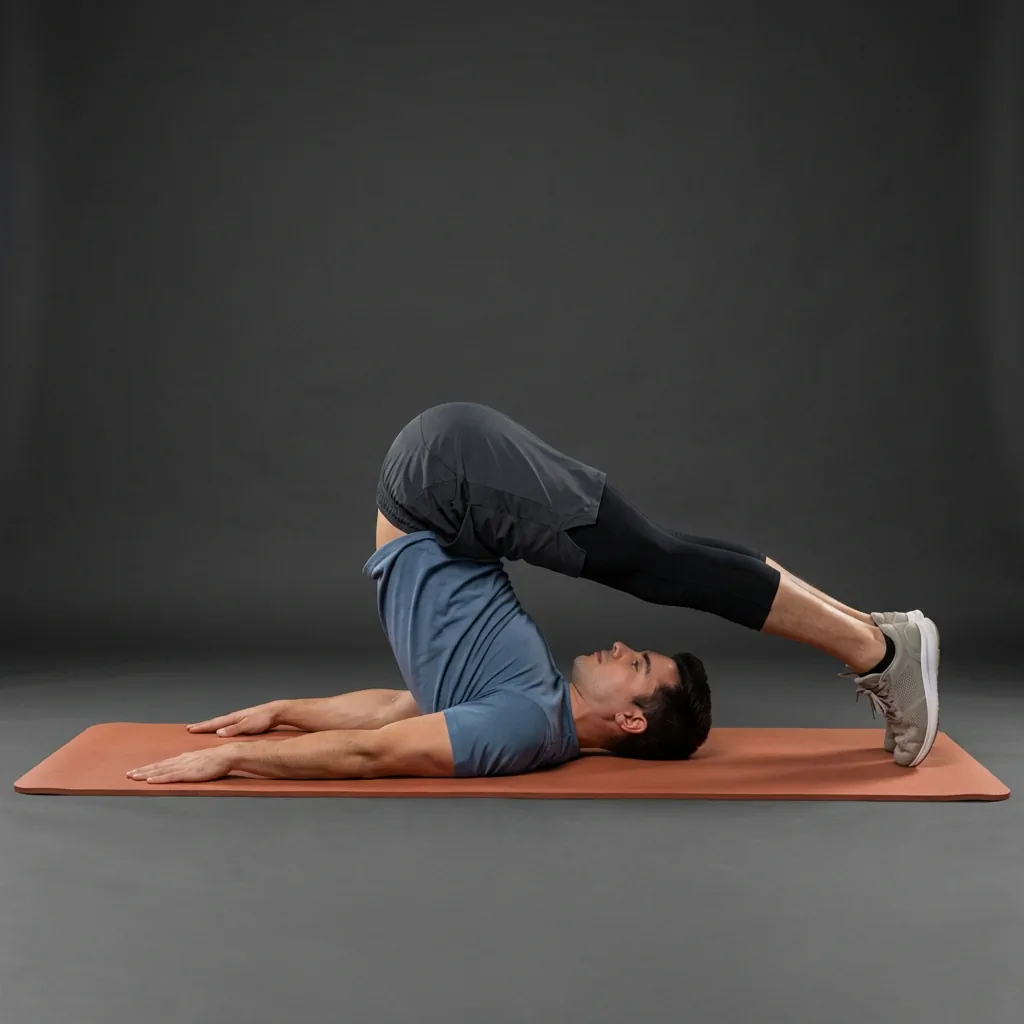
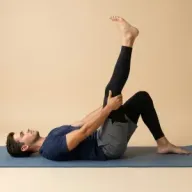
Browse guided Flexor sessions that match this page, then open any routine for steps and cues.
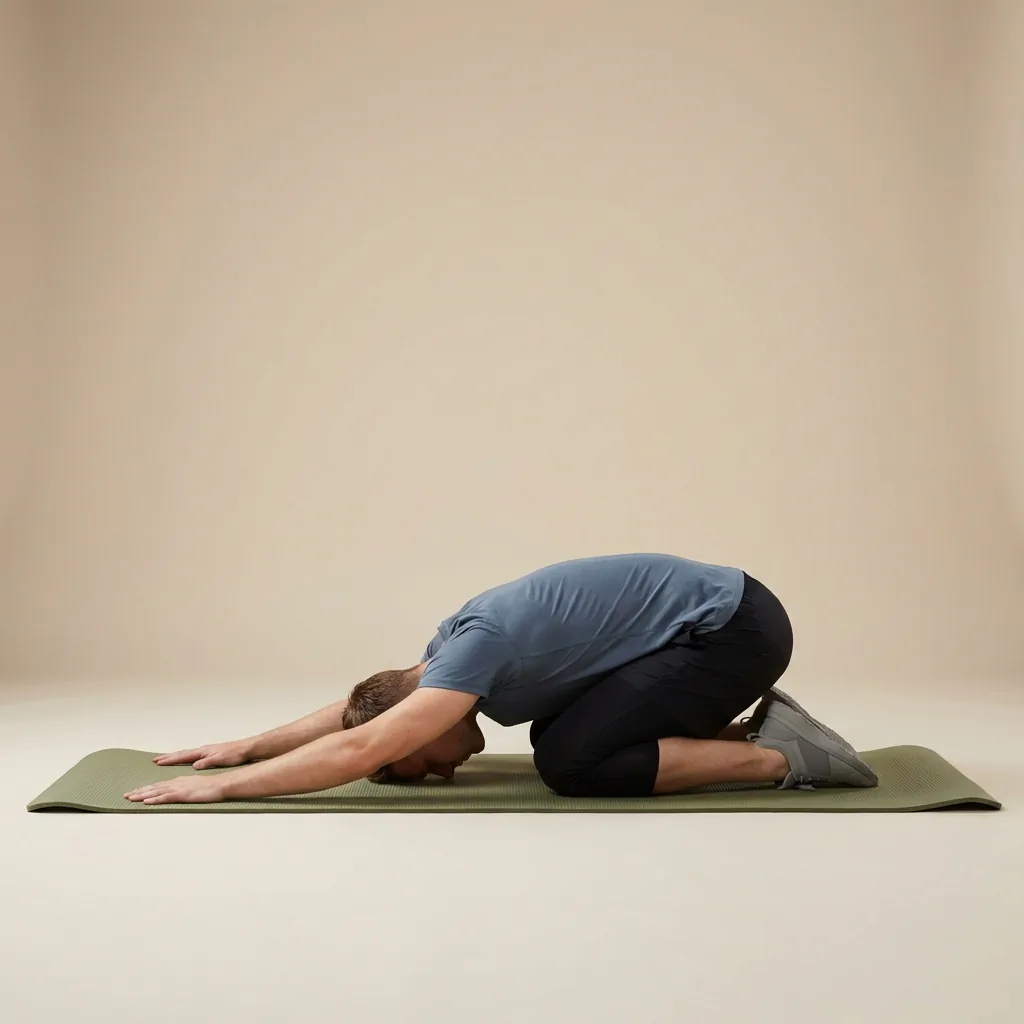



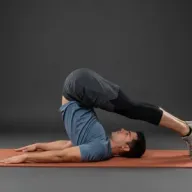
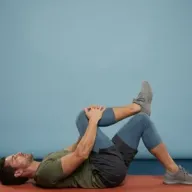



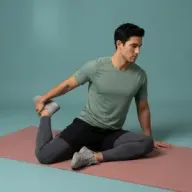
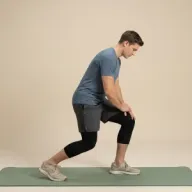
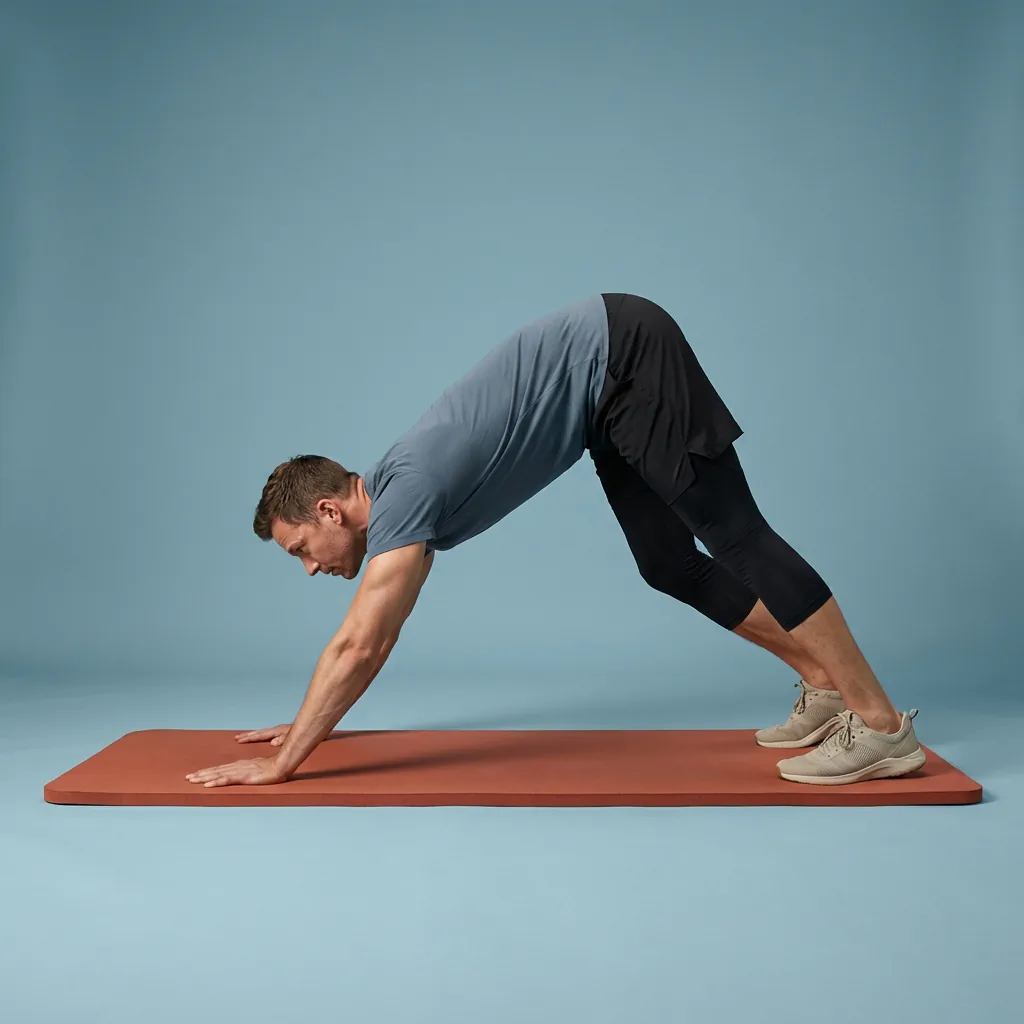
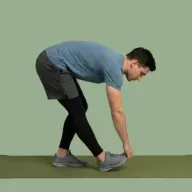
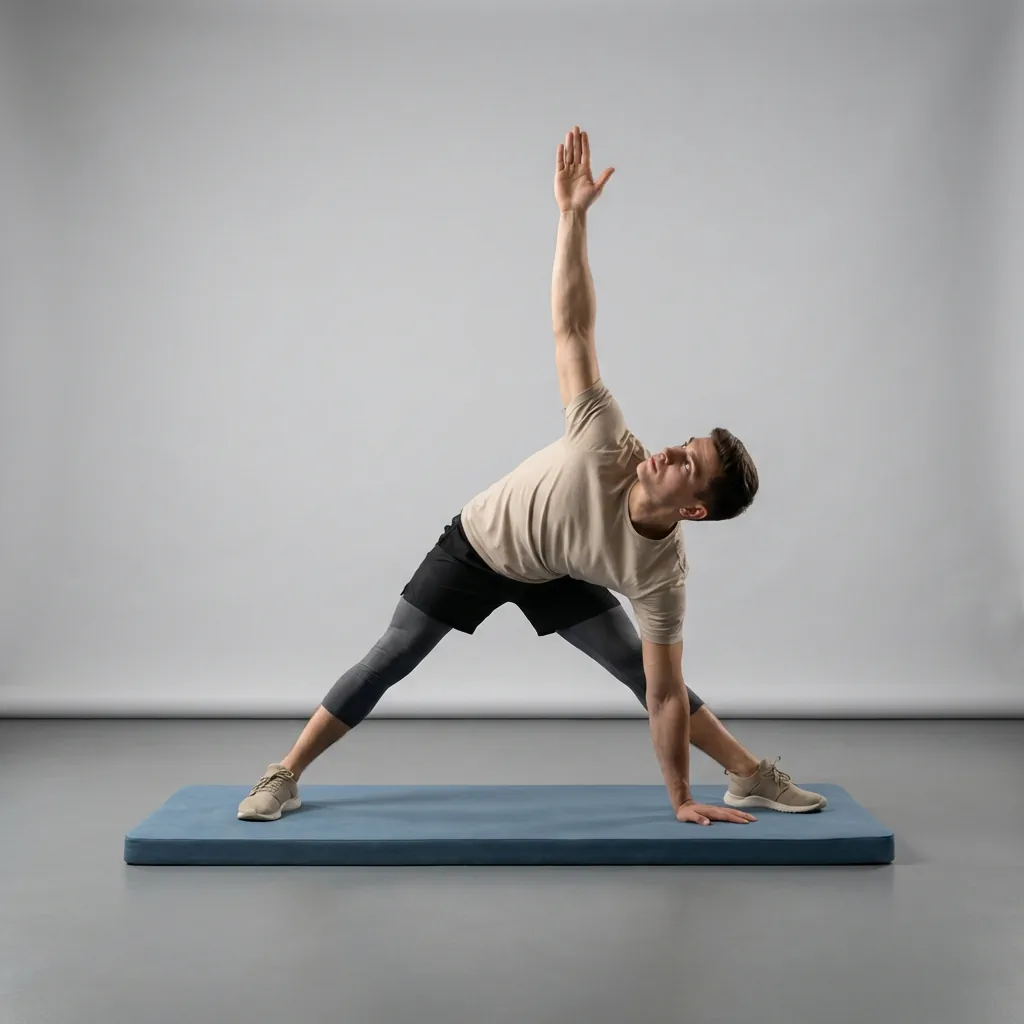



Explore related body areas
Go deeper on a single area with its own exercises, routines, and guidance.
Common questions
Frequently asked questions
Should I stretch immediately after a workout?
A cool-down usually works best once the hardest effort is over and your pace has come down, while the muscles are still warm. Lower the intensity first, let your breathing settle, then move the areas you trained through a comfortable range. Keep it calmer than the session itself and avoid forcing end ranges when you are tired. Flexor separates cool-down and recovery routines from warm-ups so you can pick one designed for afterwards.
Does stretching prevent muscle soreness?
Stretching after exercise can feel good and help you finish a session calmly, but it does not reliably remove soreness, and Flexor makes no such claim. Delayed muscle soreness is a normal response to training that eases with time, gentle movement, rest and sensible progression. Treat recovery routines as pleasant, low-intensity movement rather than a fix, and adjust your training load if soreness is frequent, severe, or interfering with everyday activity.
What is the difference between a cool-down and recovery?
A cool-down is the gradual wind-down right after a session: lowering intensity and stretching the areas you worked while still warm. Recovery is broader and can happen later or on rest days, using gentle mobility to keep moving between harder sessions. Flexor offers both, so you can finish a workout with a focused cool-down and use a lighter recovery flow on days when you want to move without training hard.
Can I recover on a rest day with Flexor?
Yes. Rest days are a good time for gentle, low-intensity movement, and Flexor includes recovery and mobility-day routines built for exactly that. Choose a calmer session, keep the range comfortable, and let it be genuinely easy rather than a hidden workout. Daily recommendations can suggest a lighter option after intense training. As always, this is general wellness movement, so stop if anything causes pain or concerning symptoms.
Keep exploring
More guides on stretching, mobility, routines, and Flexor features.
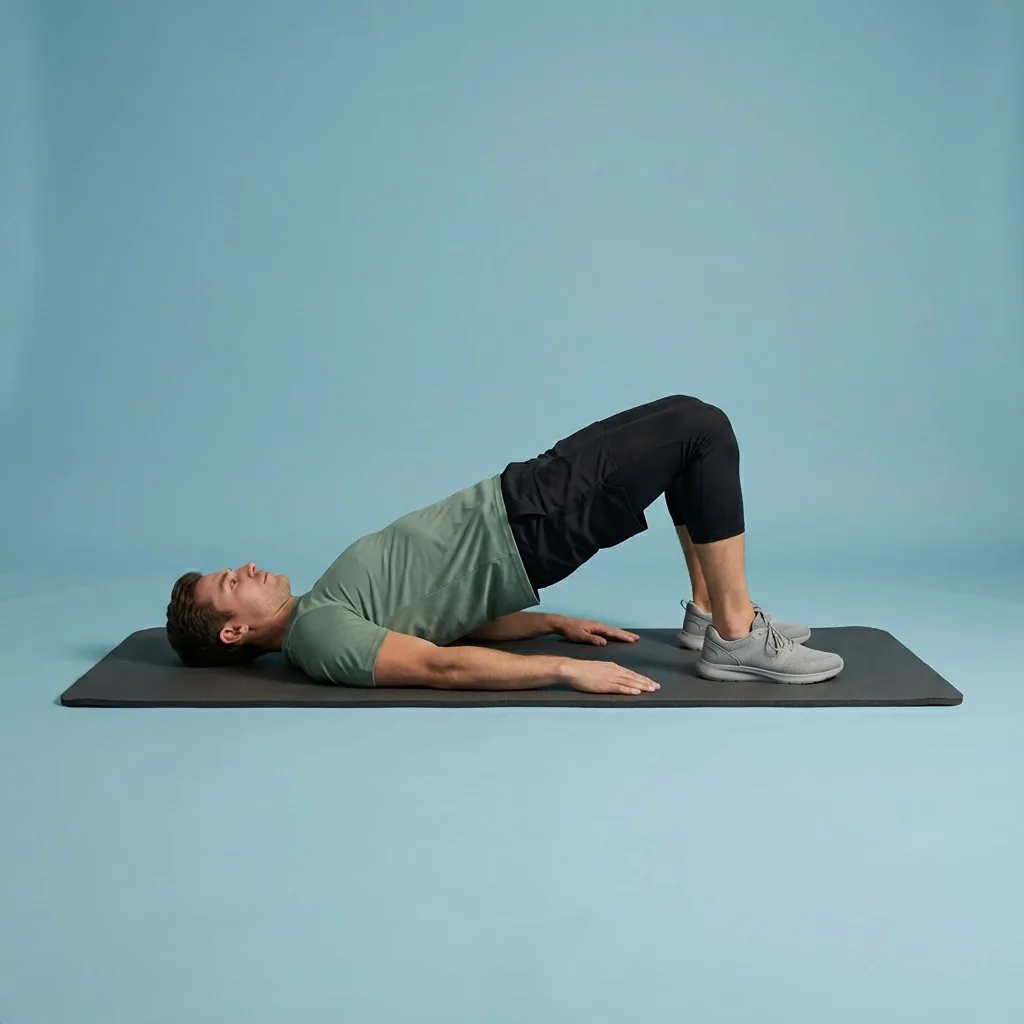
Stretching by activity
Stretching and mobility, matched to your activity.
Find guided Flexor warm-up, mobility and recovery routines organised by activity, from running and weightlifting to cycl...
Read more
Mobility for fitness and everyday movement
Build controlled, usable movement—one short guided session at a time.
Improve mobility with guided routines, progress tracking and personalised daily recommendations designed around how you...
Read more Flexor for you
Stretching and mobility, matched to how you live.
Find guided Flexor stretching and mobility routines shaped for desk workers, seniors, athletes, gym-goers, travellers an...
Read more Routine chooser
Choose a stretching or mobility routine by what you need now.
Choose a Flexor routine for mornings, desk breaks, workout warm-ups, cool-downs, flexibility, mobility, recovery, and ev...
Read more