
Morning routine guide
A gentle morning stretch to start moving without rushing.
Morning movement does not need to be intense. Begin with a small, comfortable range, breathe normally, and let the routine become more fluid as you feel ready. Use the short sequence as an easy starting point, not a flexibility test, and choose a longer guided routine only when it suits your time and how you feel that morning.
Time
About 5–7 minutes at an unhurried pace.
Equipment
None; keep a wall or chair nearby for balance.
Approach
Controlled movement rather than forced end ranges.
Best for
A simple general-wellness start to the day.
Try it now
A simple web preview
This sample is general information, not a personalised prescription. Skip any step that is not comfortable.
-
Settle your stance
Stand tall with support nearby. Take three relaxed breaths and gently shift your weight from side to side.
-
Roll the shoulders
Make five slow circles forwards and five backwards, keeping the neck relaxed.
-
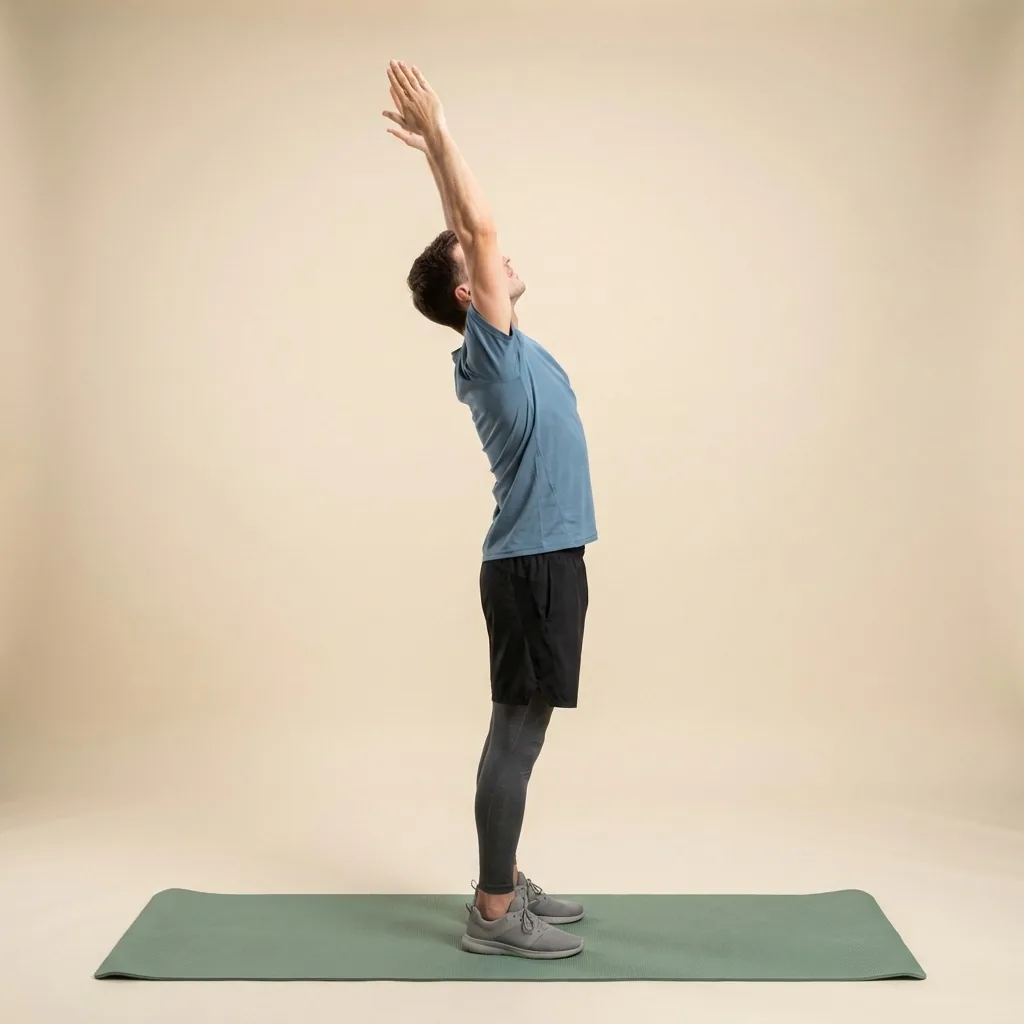
Reach and side bend
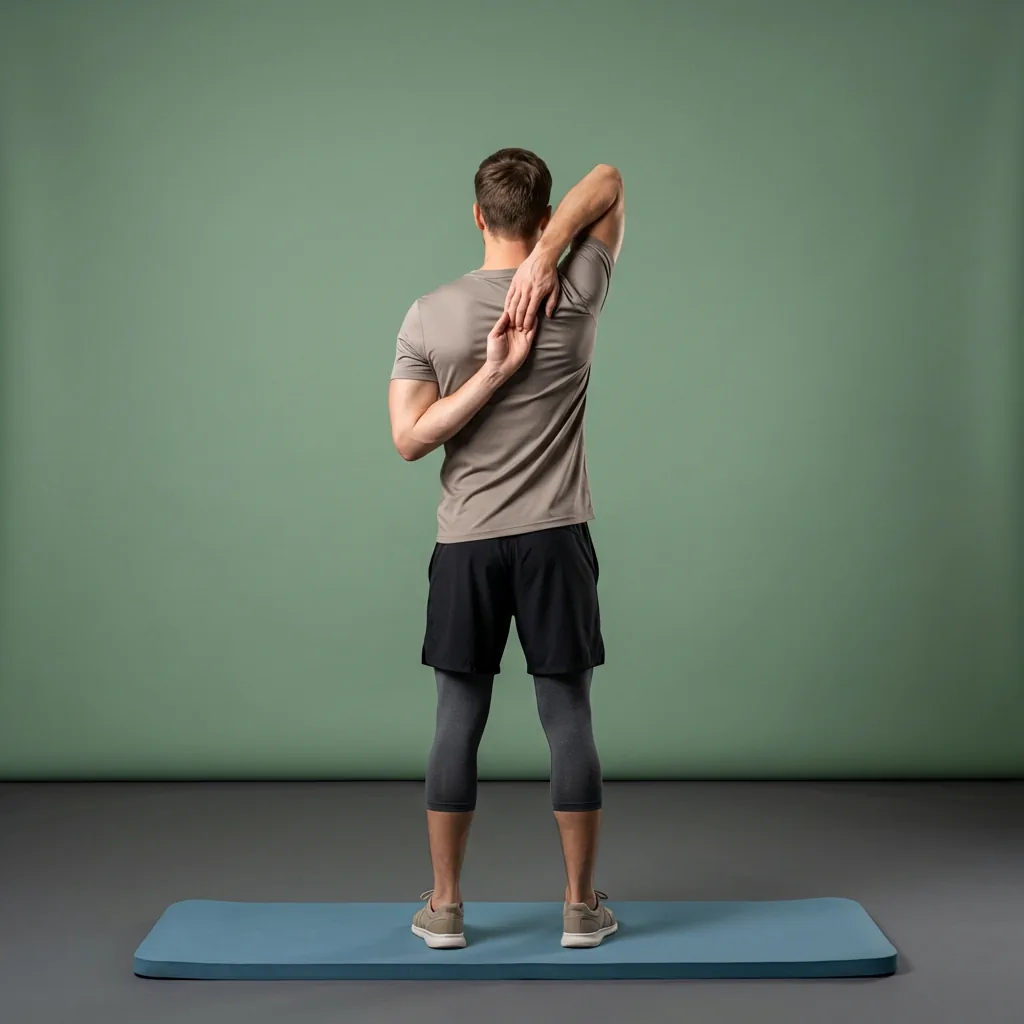
Reach one arm overhead and lean slightly away. Return to centre and repeat on the other side without twisting.
-
Turn through the upper body
With arms relaxed, rotate gently left and right through a comfortable range while the hips stay mostly forward.
-
March in place
March slowly, then let the arms swing naturally. Increase the pace only if it feels comfortable.
-
Finish with calf movement
Hold a wall or chair and alternate between gentle heel raises and placing the heels back down with control.
How to adjust the routine
Make the range smaller if you feel stiff. Use support for balance, slow the pace, or complete the sequence seated where a comparable seated movement is comfortable. The objective is to begin moving—not to measure flexibility first thing in the morning.
Choose the version that fits this morning
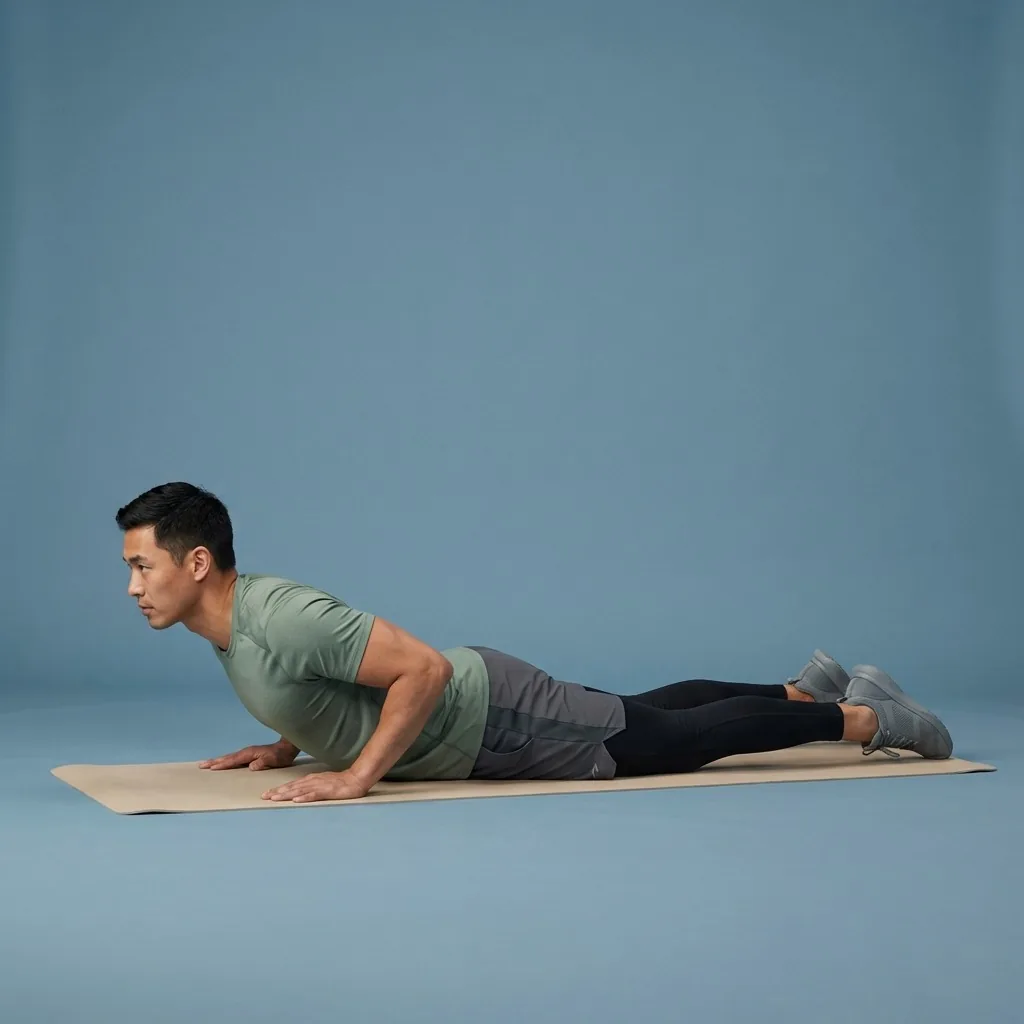
Use the short standing sample when you want a simple start and feel comfortable moving without a full guided session. Choose a longer Flexor routine when you have more time or want the app to manage exercise order, timing, audio, and demonstrations. On a day when balance, pain, fatigue, or unusual symptoms make the sample unsuitable, reduce the range, switch to an appropriate seated option, or skip the session rather than forcing the same routine every morning.
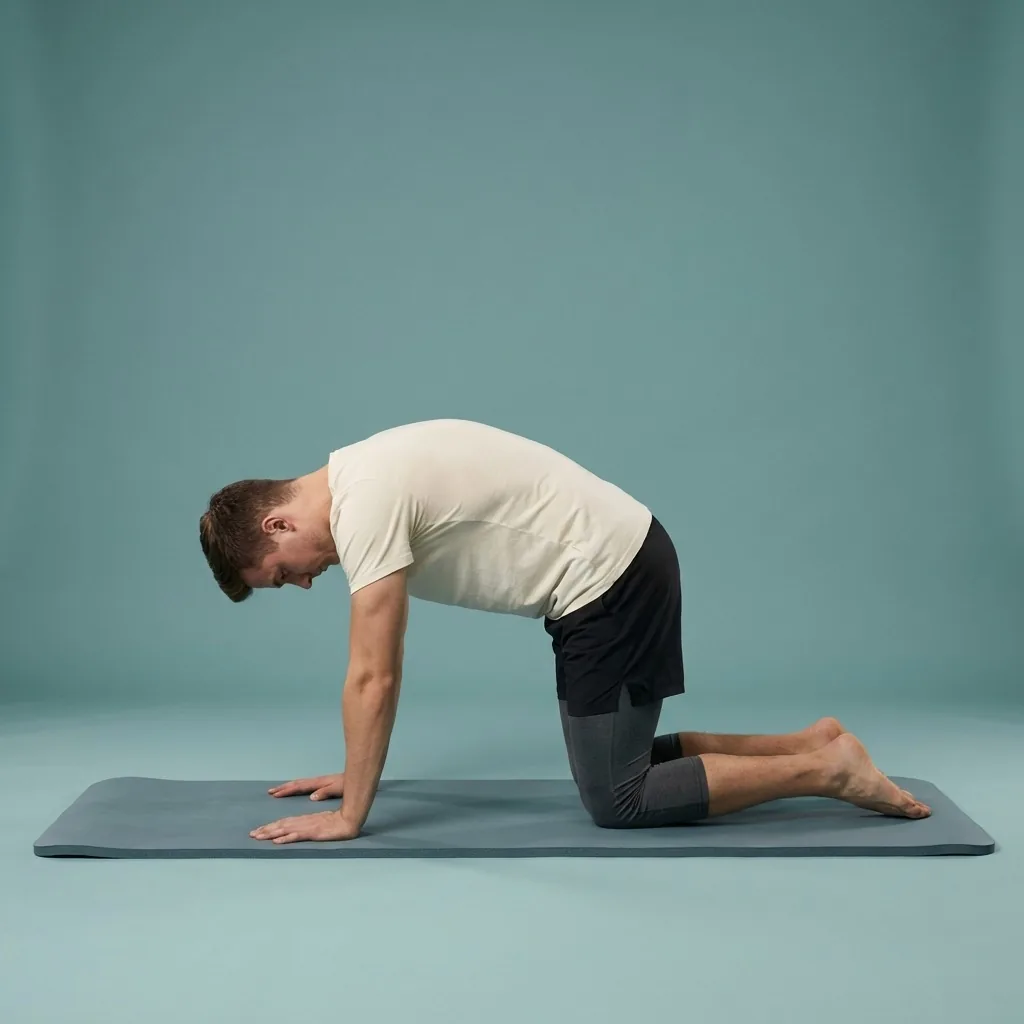
In Flexor: Spinal mobility to counter long periods of sitting.
A calmer start to the day.
Gentle morning sessions help you wake up with control—not a rush.
Continue in Flexor
In the app, choose a morning, daily mobility, beginner, or full-body routine, then set the time and focus that suit the day. Flexor provides the sequence, timing, audio, and visual cues for the complete session.
Sources and further reading
These independent sources support the general guidance on this page. They do not endorse Flexor.
Quick facts
- Goal
- A gentle start to the day
- Time
- About 5–7 minutes, unhurried
- Equipment
- None; wall or chair for balance
- Approach
- Controlled movement, not forced ranges
Where to start
You feel stiff on waking
Use a smaller range and slow the pace.
Standing balance feels off today
Do a comparable seated version with support.
You wake with pain or unusual symptoms
Skip the routine and seek appropriate advice.
Continue in the app
Once you have eased in, you can carry on with a longer guided session. In the app, Flexor uses the goal, focus and time you choose to suggest a morning, daily mobility, beginner or full-body routine. It never scans your body or grades your movement.
Explore guided routinesSafety and limits
- Begin gently, breathe normally, and avoid bouncing or forcing a joint.
- Keep a stable wall or chair nearby for balance.
- Stop for pain, dizziness or unusual symptoms and seek appropriate advice.
This is general information, not a personalised prescription; Flexor does not assess your movement and is not a substitute for advice from a qualified professional.
Read the full wellness disclaimerRelated routines
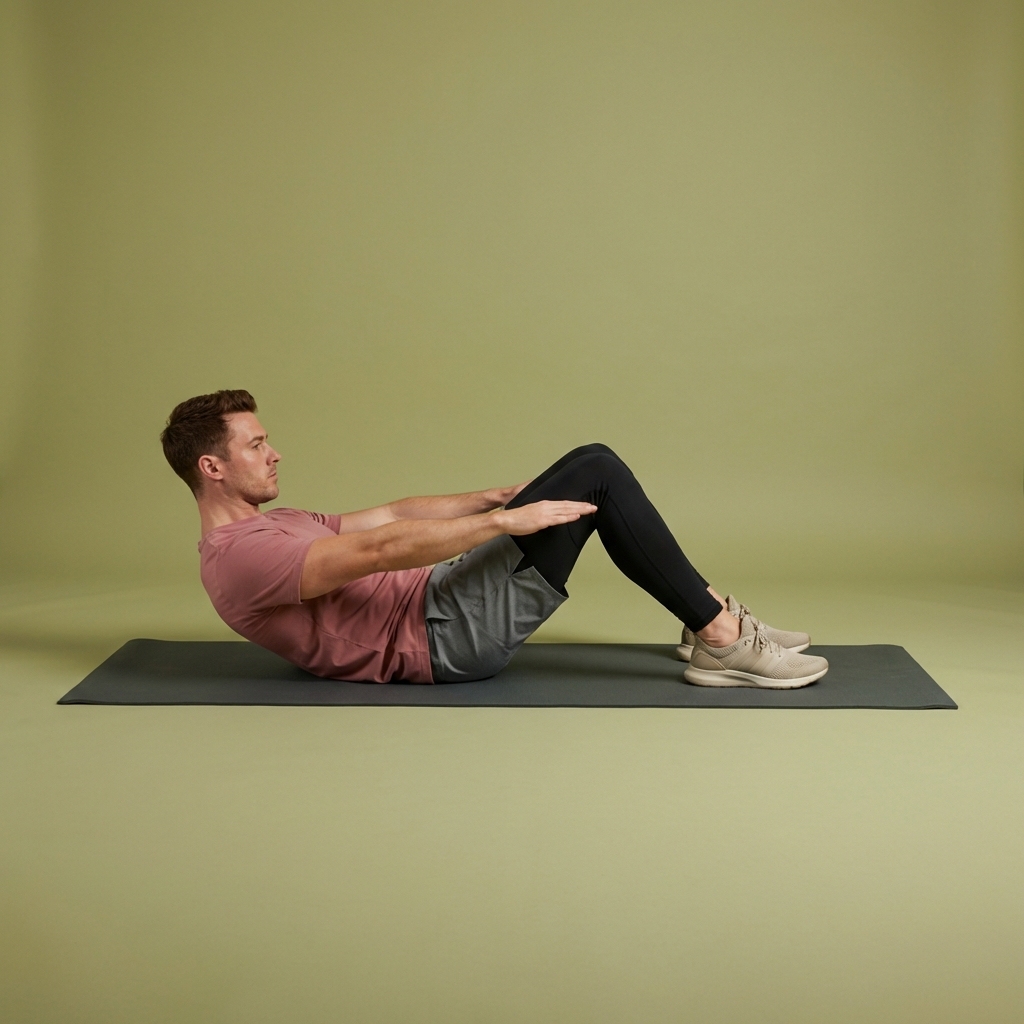
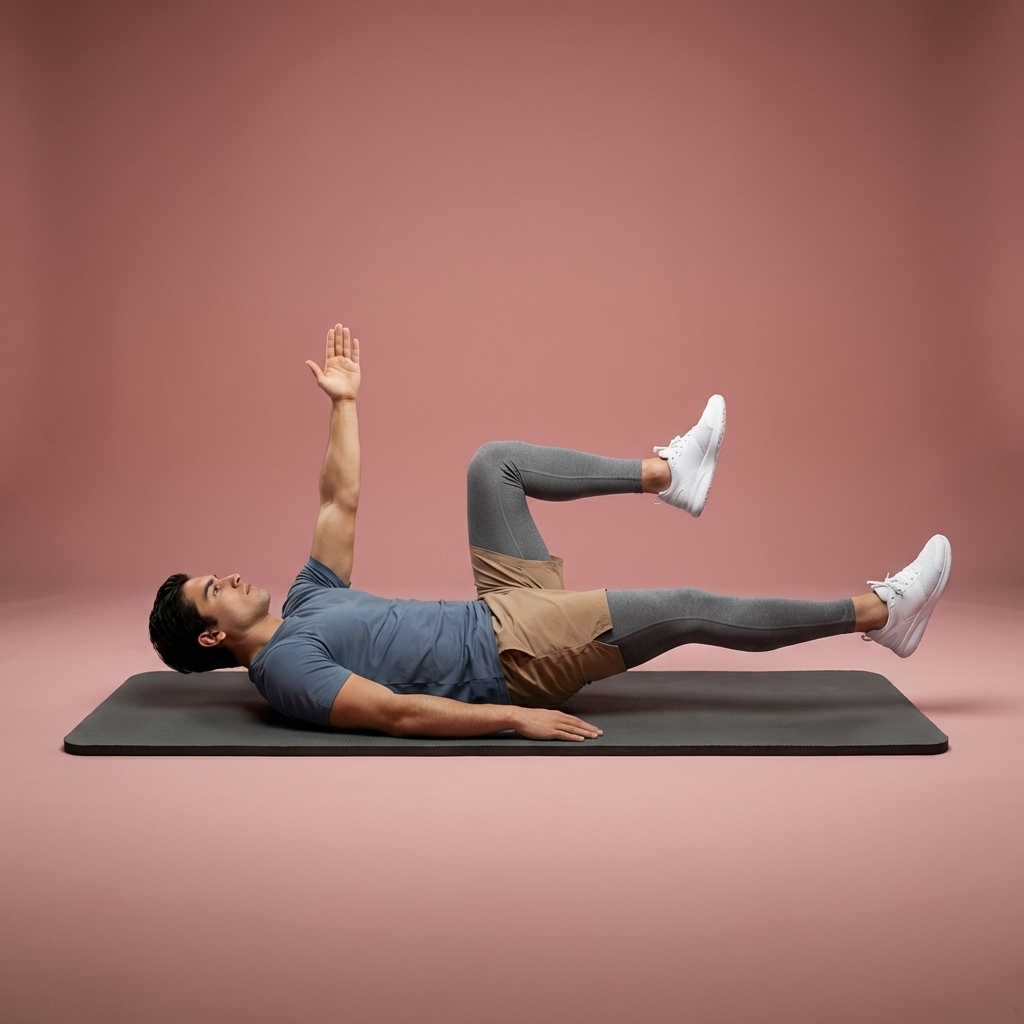
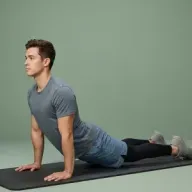
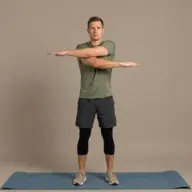
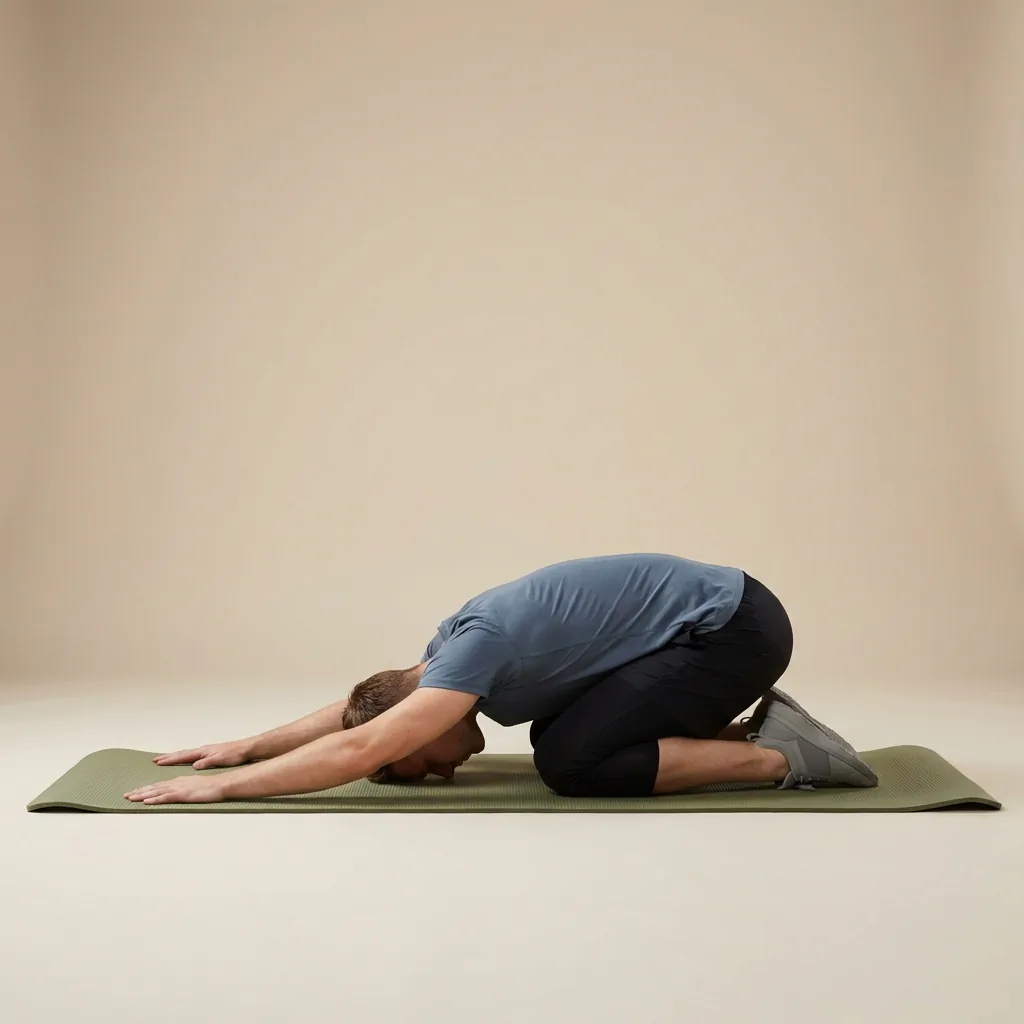
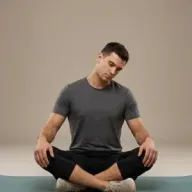
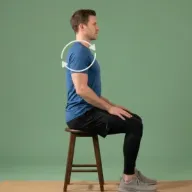
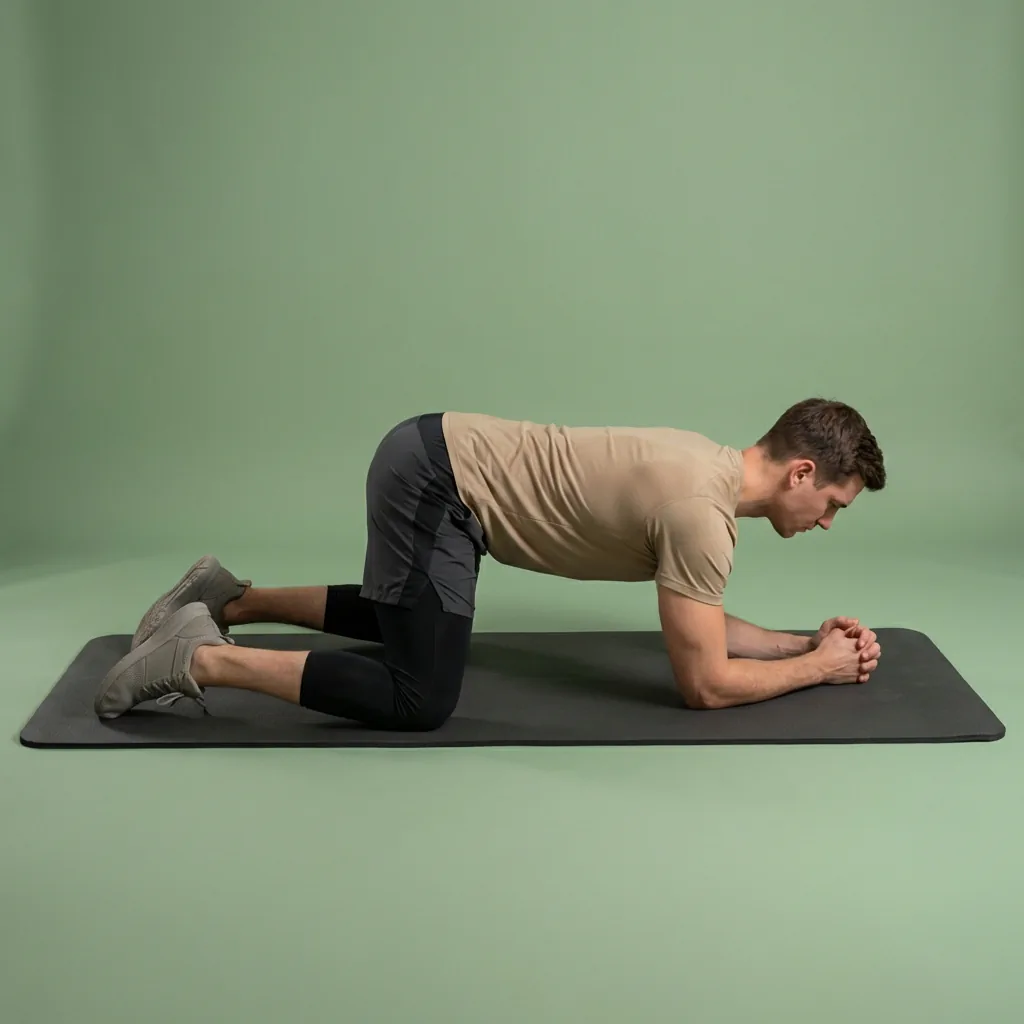
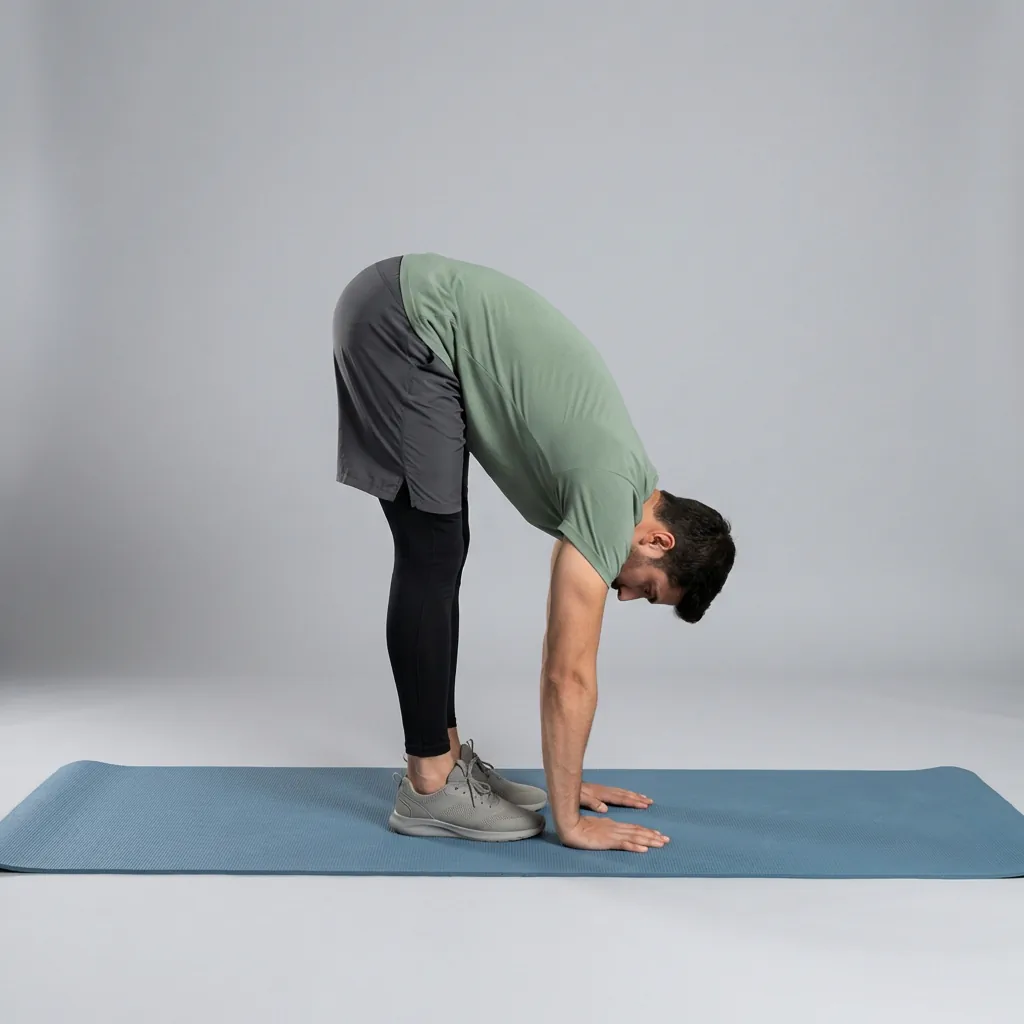
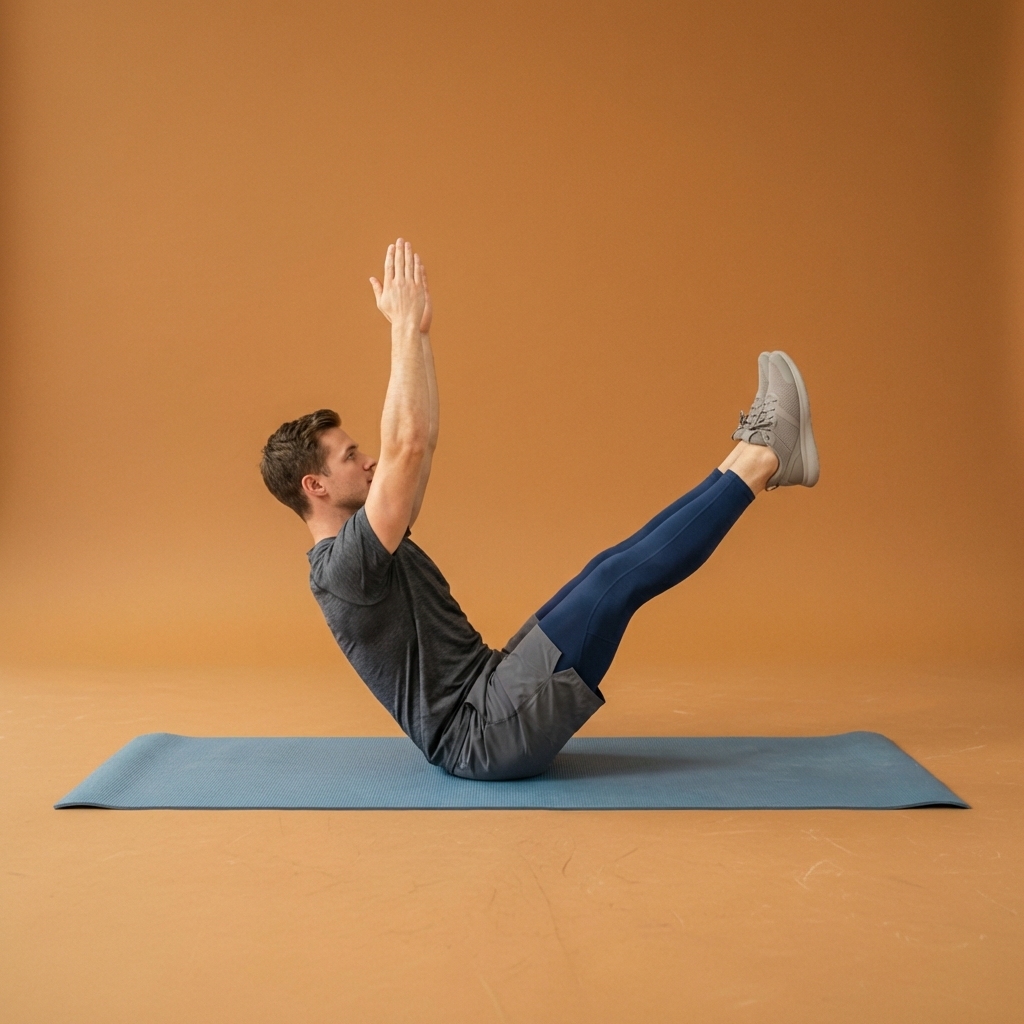
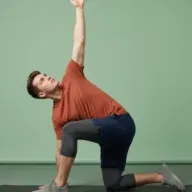
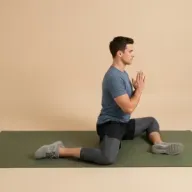
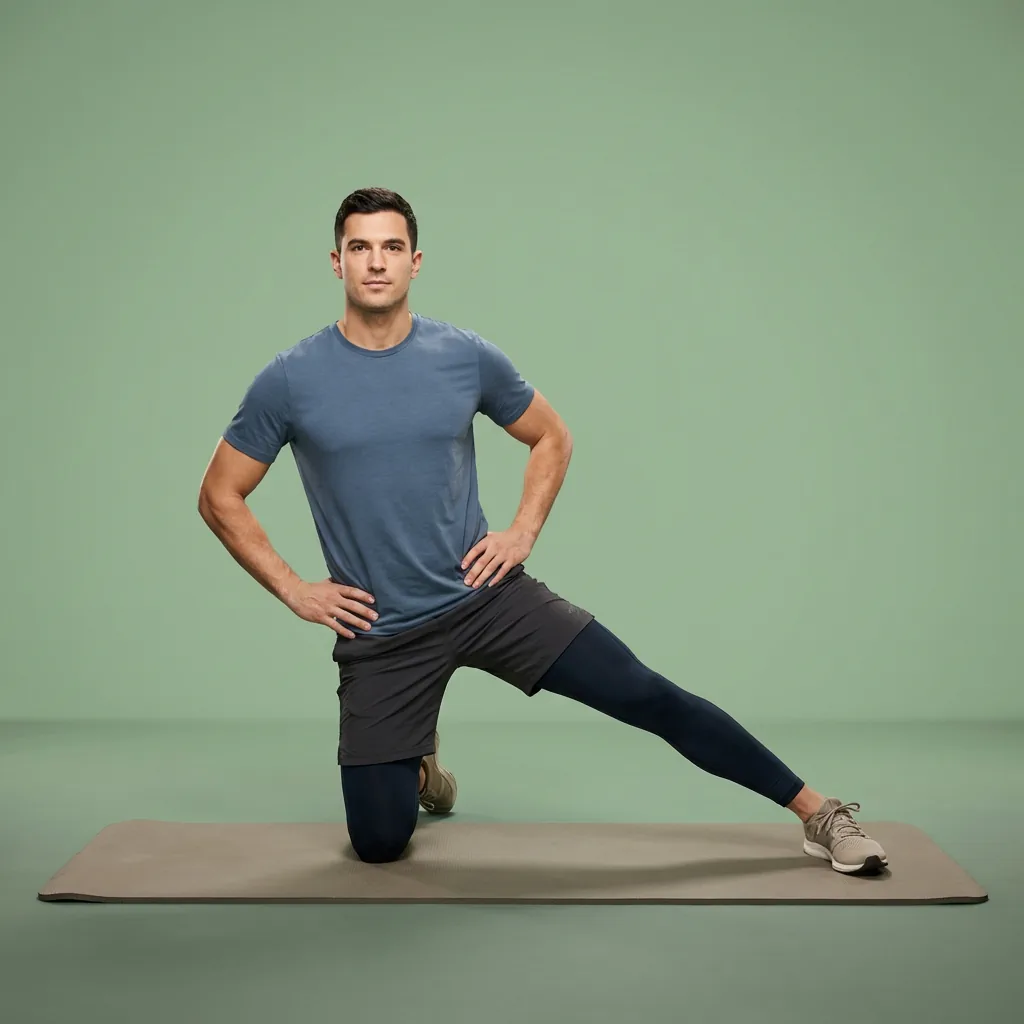
Browse guided Flexor sessions that match this page, then open any routine for steps and cues.
















Common questions
Frequently asked questions
Should a morning stretch feel intense?
No. A morning routine can begin with a small, comfortable range and an unhurried pace, then become more fluid only if you feel ready. Breathe normally, avoid bouncing, and do not force a joint toward a position shown in a demonstration. Stiffness can vary from day to day, so reduce the range, use stable support, skip a movement, or choose an easier routine when needed.
Can I do this routine in bed?
The sample on this page is written for standing movement with optional support from a stable wall or chair, so it should not be assumed to work safely on a soft or unstable bed. Choose a routine specifically designed for the position and environment you plan to use. If standing is not appropriate, select a suitable seated or floor-based option rather than improvising a different setup.
What if I wake with pain or unusual symptoms?
Do not use a general morning routine to test, diagnose, or push through unexplained symptoms. Skip the session and seek appropriate advice when pain is severe, persistent, worsening, follows trauma, or comes with numbness, tingling, weakness, dizziness, breathing difficulty, or other concerning changes. A qualified healthcare professional can advise whether movement is appropriate for your specific situation.
More in Routine chooser
See allKeep exploring
More guides on stretching, mobility, routines, and Flexor features.
Routine chooser
Choose a stretching or mobility routine by what you need now.
Choose a Flexor routine for mornings, desk breaks, workout warm-ups, cool-downs, flexibility, mobility, recovery, and ev...
Read more
Mobility for fitness and everyday movement
Build controlled, usable movement—one short guided session at a time.
Improve mobility with guided routines, progress tracking and personalised daily recommendations designed around how you...
Read more Desk stretching
Break up the workday with short, guided desk stretches.
Use quick guided stretches and mobility breaks for the neck, shoulders, back, hips and wrists during long periods of des...
Read more
Wellness and exercise safety
General movement guidance—not medical care.
Flexor provides general fitness and wellness guidance, not diagnosis or treatment. Review when to stop exercise and when...
Read more