Flexor for you
Stretching and mobility, matched to how you live.
Different routines and constraints suit different lives. This hub gathers Flexor guidance by audience—desk workers, seniors, athletes, gym-goers, travellers and more—so you can start from the situations and focus areas that fit your day rather than a generic list of moves.
Built around constraints
Routines chosen for your time, space, and typical focus areas.
Beginner-friendly
Gentle, clearly explained options when you are starting out.
Practical scenarios
Guidance framed around real situations, not abstract advice.
One app, many needs
The same guided routines, plans, and reminders adapt to you.
In this section
Pick the guide closest to what you need.
- Athletes Build warm-up, mobility and recovery routines around your sport, training schedule and movement priorities, matched to the time you have that day. Read the guide
- Busy people Choose short guided stretching and mobility routines that fit a busy day, with recommendations based on the time you have, your goals and recent sessions. Read the guide
- Desk workers Use short guided sessions for common desk-work focus areas, with reminders and recommendations based on your time and recent routines. Read the guide
- Drivers Follow short guided routines for areas commonly affected by prolonged driving—hips, lower back, shoulders and neck—with no equipment and offline access. Read the guide
- Gym-goers Use guided warm-ups, cool-downs and mobility routines alongside your strength or cardio sessions, matched to your training focus and available time. Read the guide
- Seniors Explore beginner-friendly guided routines with clear instructions, flexible durations and options for comfortable everyday movement. Read the guide
- Travellers Use short guided mobility routines after flights, car journeys or long periods of sitting, with no specialist equipment and offline access on the go. Read the guide
Why an audience hub
A desk worker, a senior new to stretching, and an athlete chasing recovery all need different starting points, even inside the same app. An audience page focuses on the constraints and situations that matter to a group—how much time they have, where they feel tight, and what they are trying to achieve—then points to the routines and features that fit.
Audience pages are about the whole product for a group of people. They differ from goal pages, which cover a single outcome such as desk stretching or improving mobility, and from activity pages, which prepare you for a specific sport.
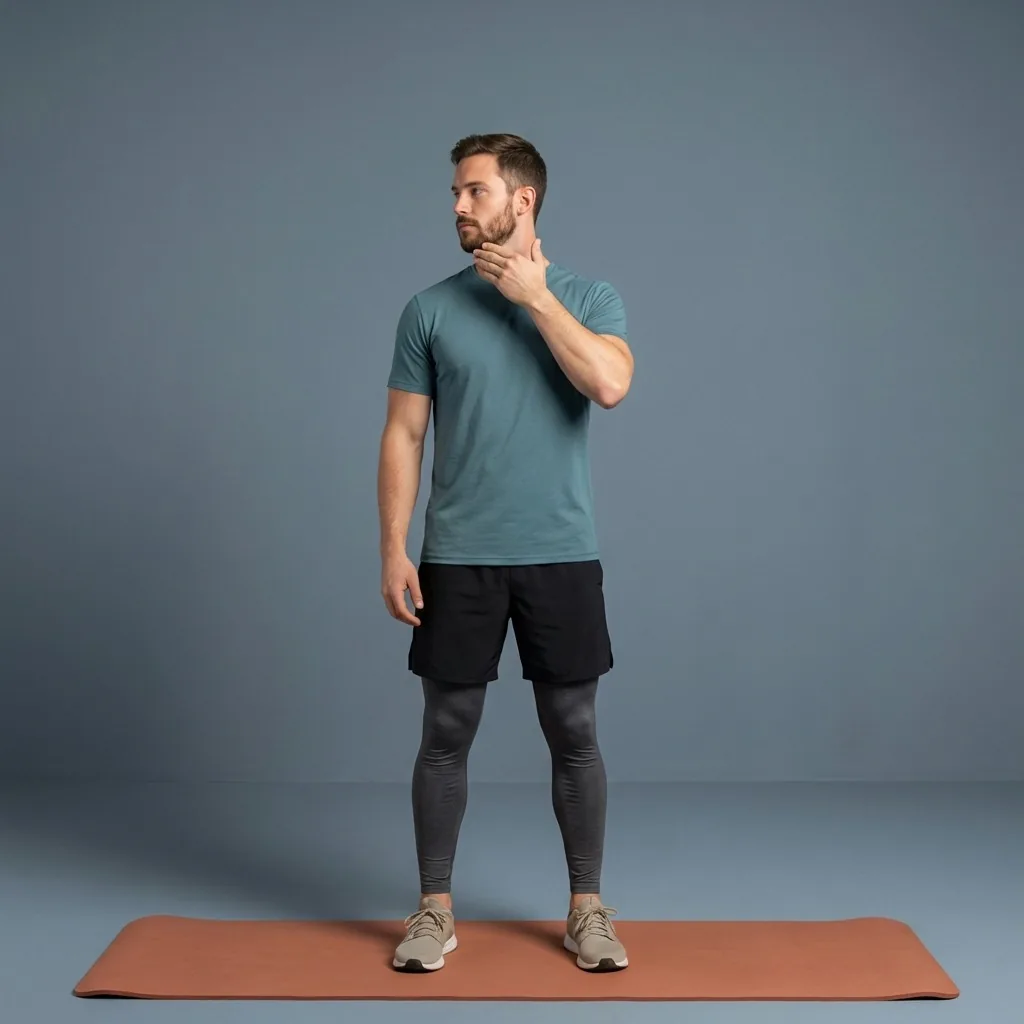
The seven audience guides
Desk workers and drivers share a seated day but not the same constraints—one can stand up every hour, the other cannot. Seniors get gentle, clearly explained progressions and seated options. Athletes and gym-goers both train, but one builds routines around a sport's demands and the other around a lifting or cardio session. Travellers work in hotel rooms and airports; busy people work in the ten minutes they actually have.
Each guide is written from its own scenarios, routines, and questions rather than the same page with a new title, which is why there are seven and not twenty. Office and remote worker guides stay unwritten for exactly that reason: their days are close enough to a desk worker's that a separate page would repeat it.
- Seated days: desk workers, drivers.
- Training days: athletes, gym-goers.
- Time and place constraints: busy people, travellers.
- Starting gently: seniors.
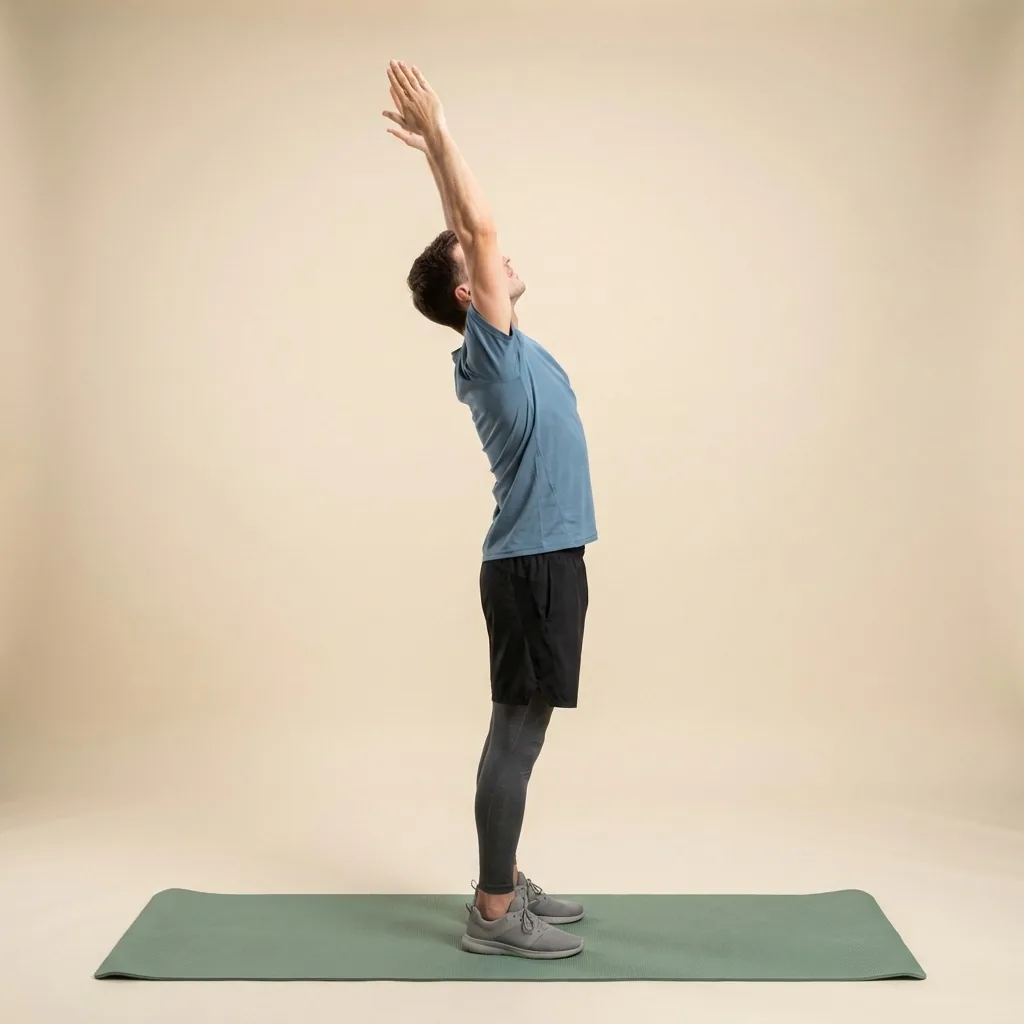
In Flexor: Gentle morning movement to wake up with control.
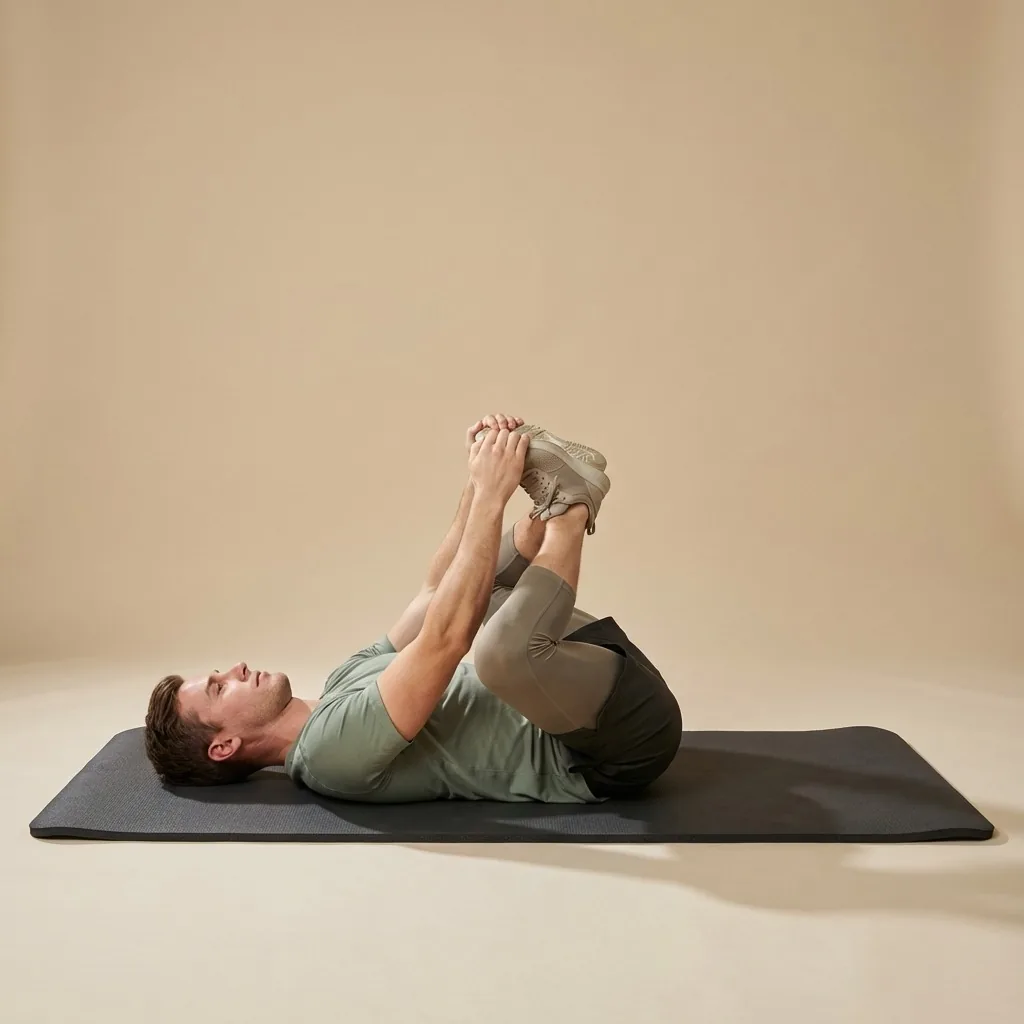
Same app, different starting points.
A desk worker, a senior, and an athlete each need a different first session. These guides choose it.
If none of them is quite you
Most people fit more than one guide, and some fit none exactly. Start from what you want to work on and how long you have instead: Flexor's library filters routines by body area, goal, difficulty, and available time, and its daily recommendations adapt to the sessions you actually complete. A goal page such as desk stretching or improve mobility is often the better entry point when the outcome matters more than the label.
Everything here is general fitness and wellness guidance rather than personalised medical advice. Move within a comfortable range, and stop if a movement causes pain or concerning symptoms.
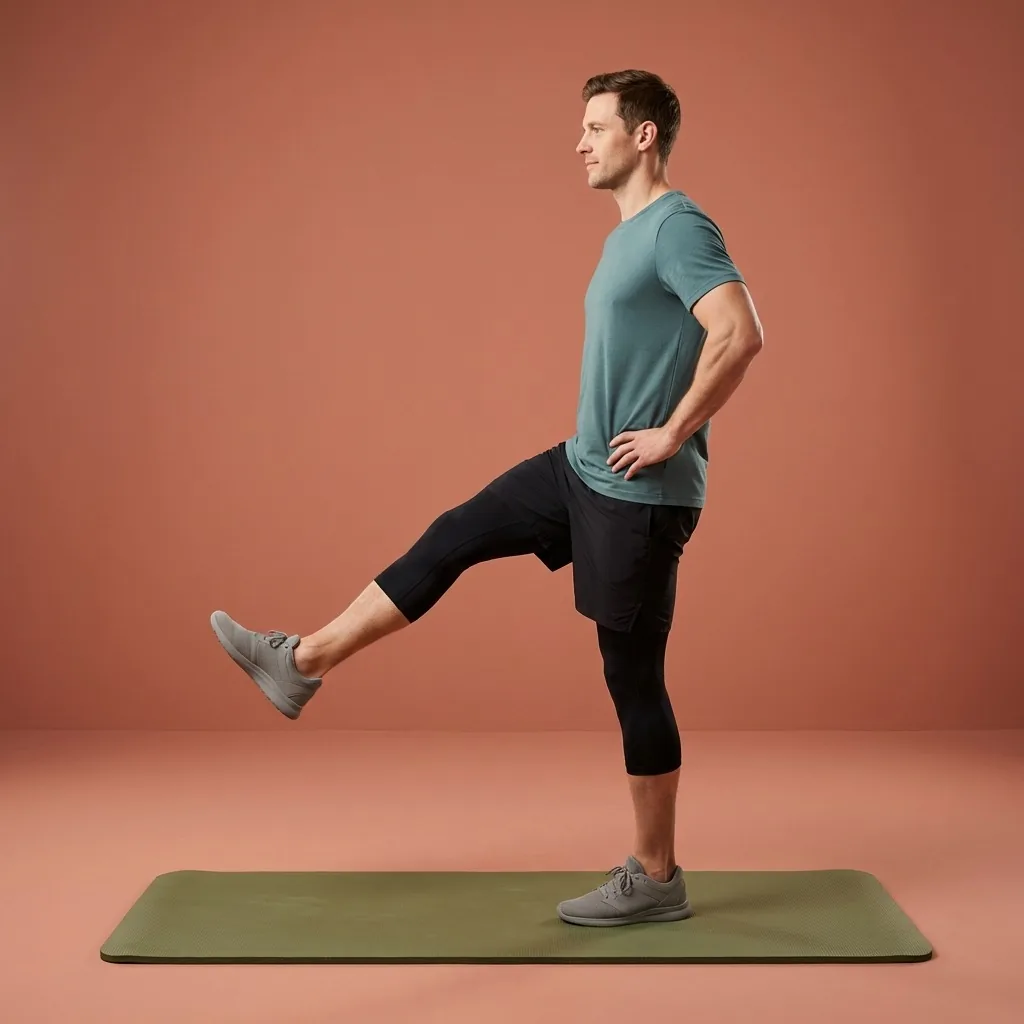
Quick facts
- Type
- Audience hub
- Live guides
- Desk workers, seniors, athletes, gym-goers, travellers, busy people, drivers
- Distinction
- Who you are, versus a goal page's what you want
- Personalises from
- Your goals, time, focus areas and recent sessions
Where to start
You know your lifestyle group
Open the matching audience guide above.
You care more about an outcome than a group
Start from a goal page such as desk stretching or improve mobility.
You want routines for a specific sport
Use the activity hub instead.
One app that adapts to your life
A desk worker, a senior and an athlete all open the same app but need different starting points. Flexor uses the goals, focus areas, available time and recent sessions you give it to suggest something relevant, whatever your lifestyle. It never scans your body or assesses your movement.
See how daily recommendations workSafety and limits
- General fitness and wellness guidance, not personalised medical advice.
- Move within a comfortable range and stop for pain or concerning symptoms.
- Seek professional guidance where a health condition applies.
Flexor does not assess your movement and is not a substitute for advice from a qualified healthcare professional.
Read the full wellness disclaimerRelated routines
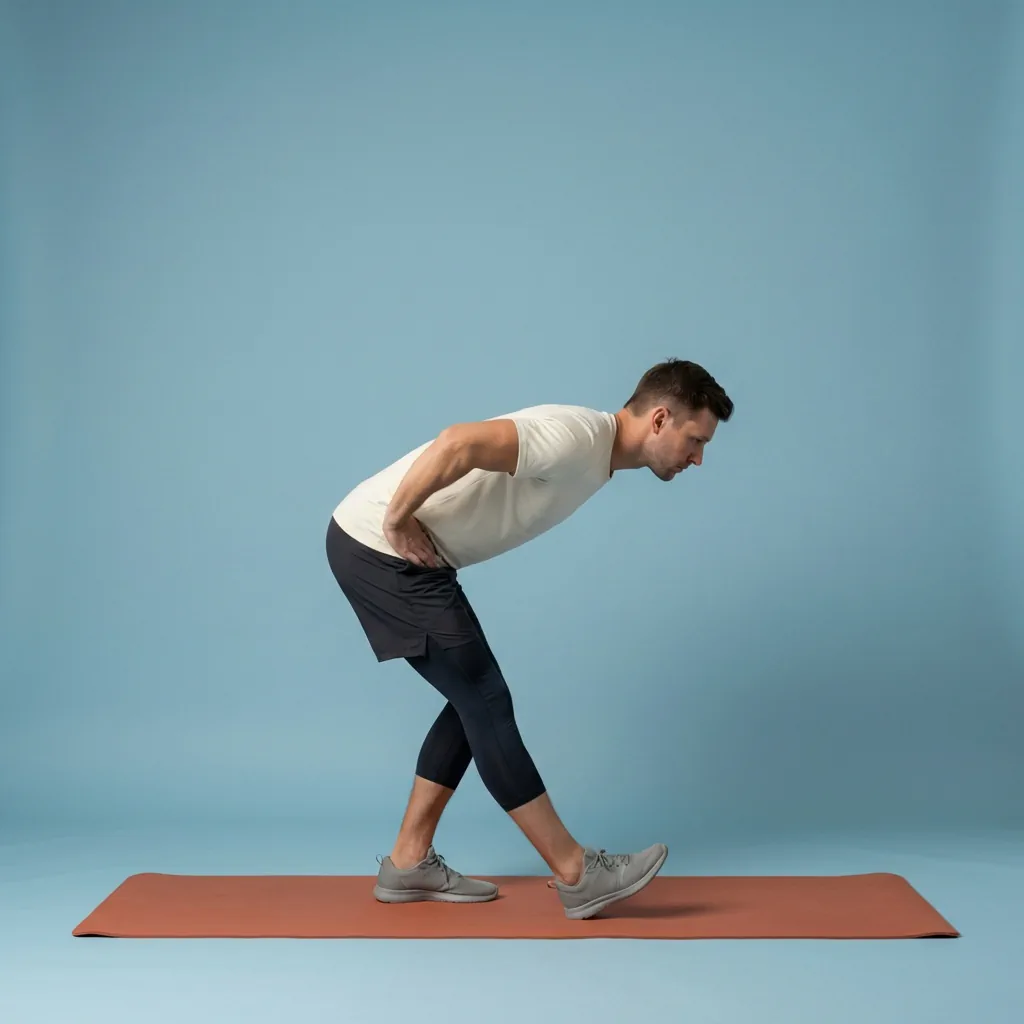
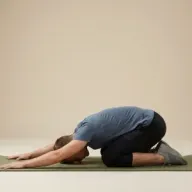
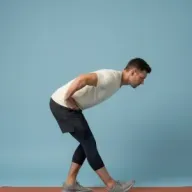
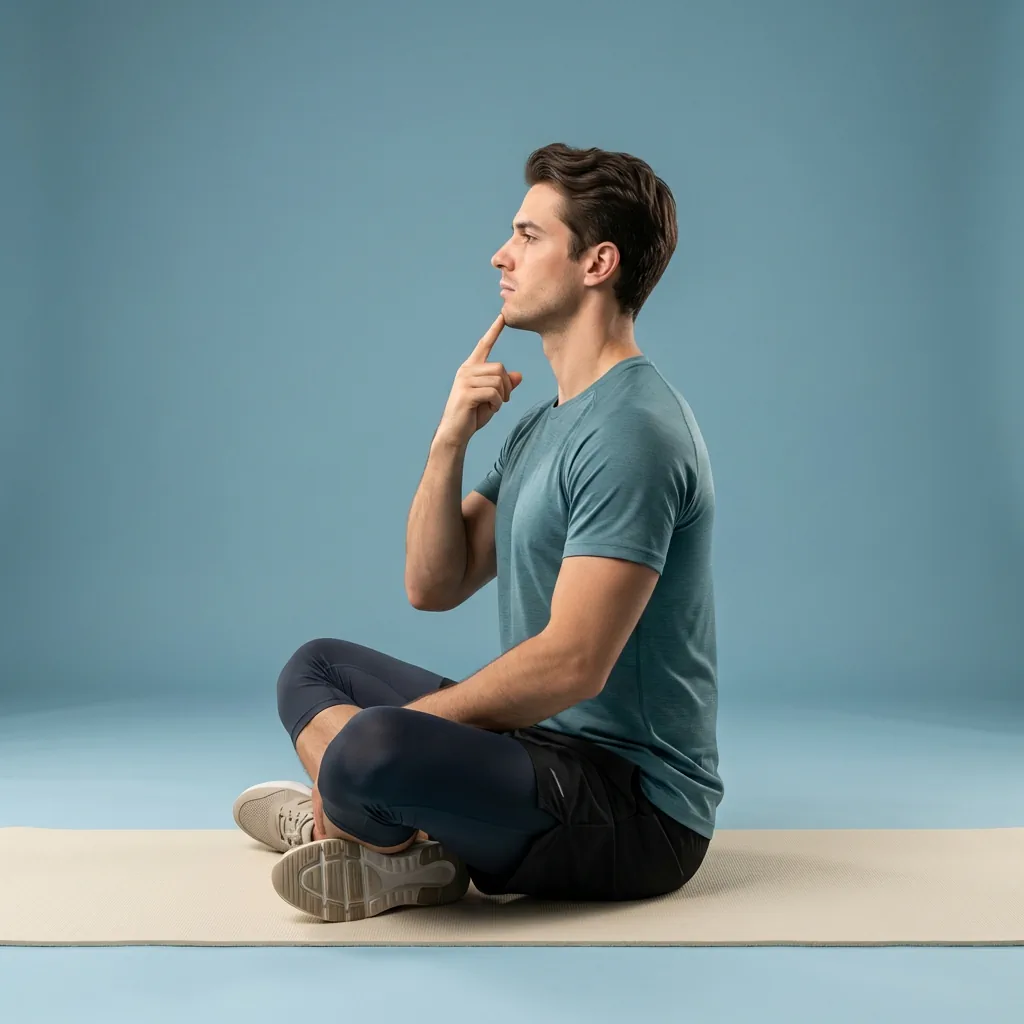
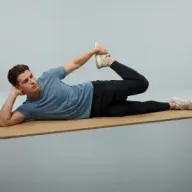
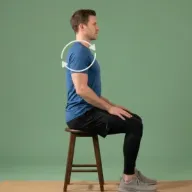
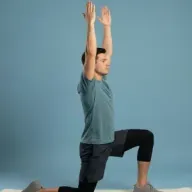
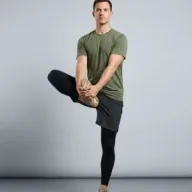
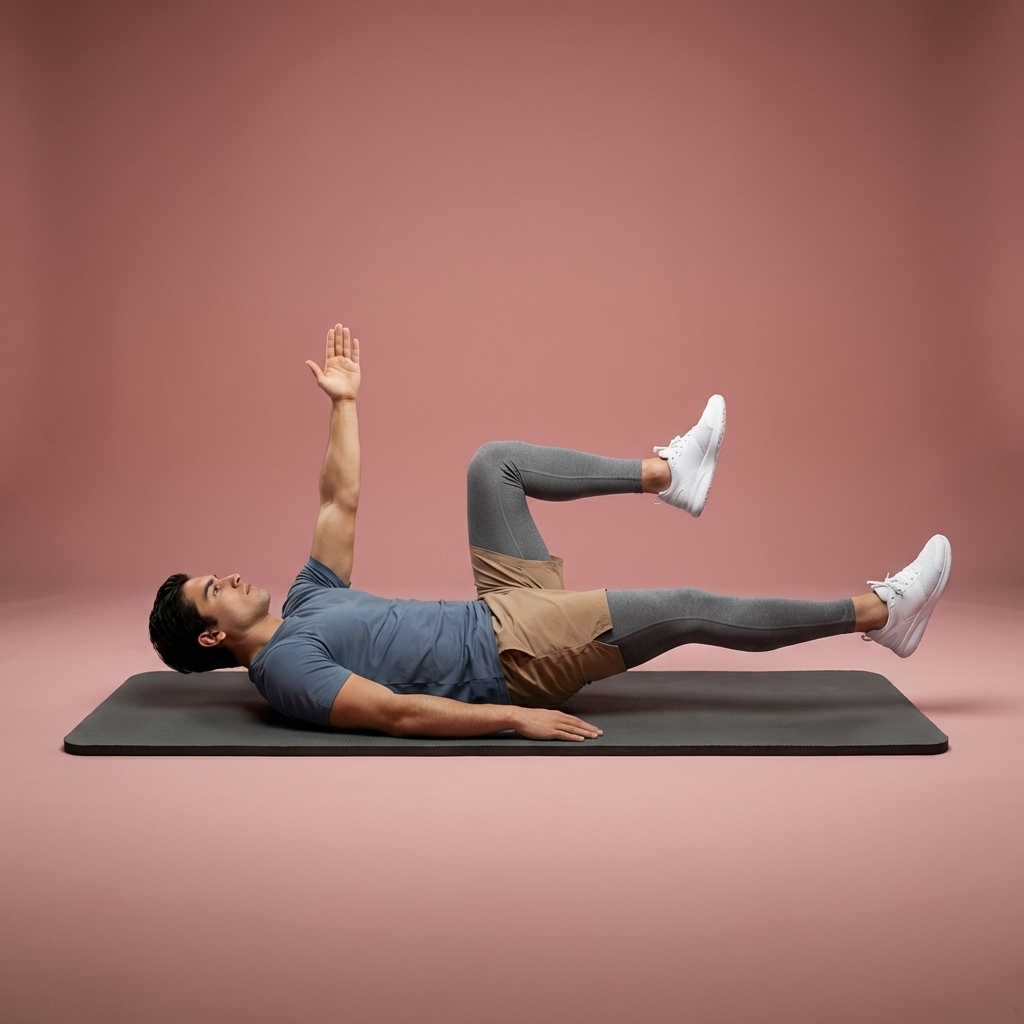
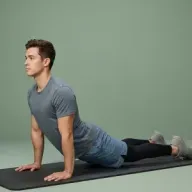
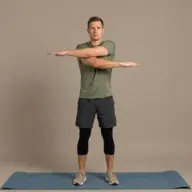
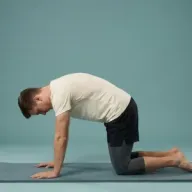
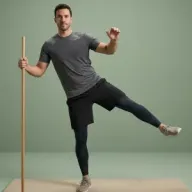
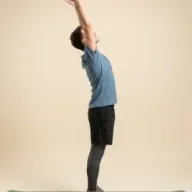
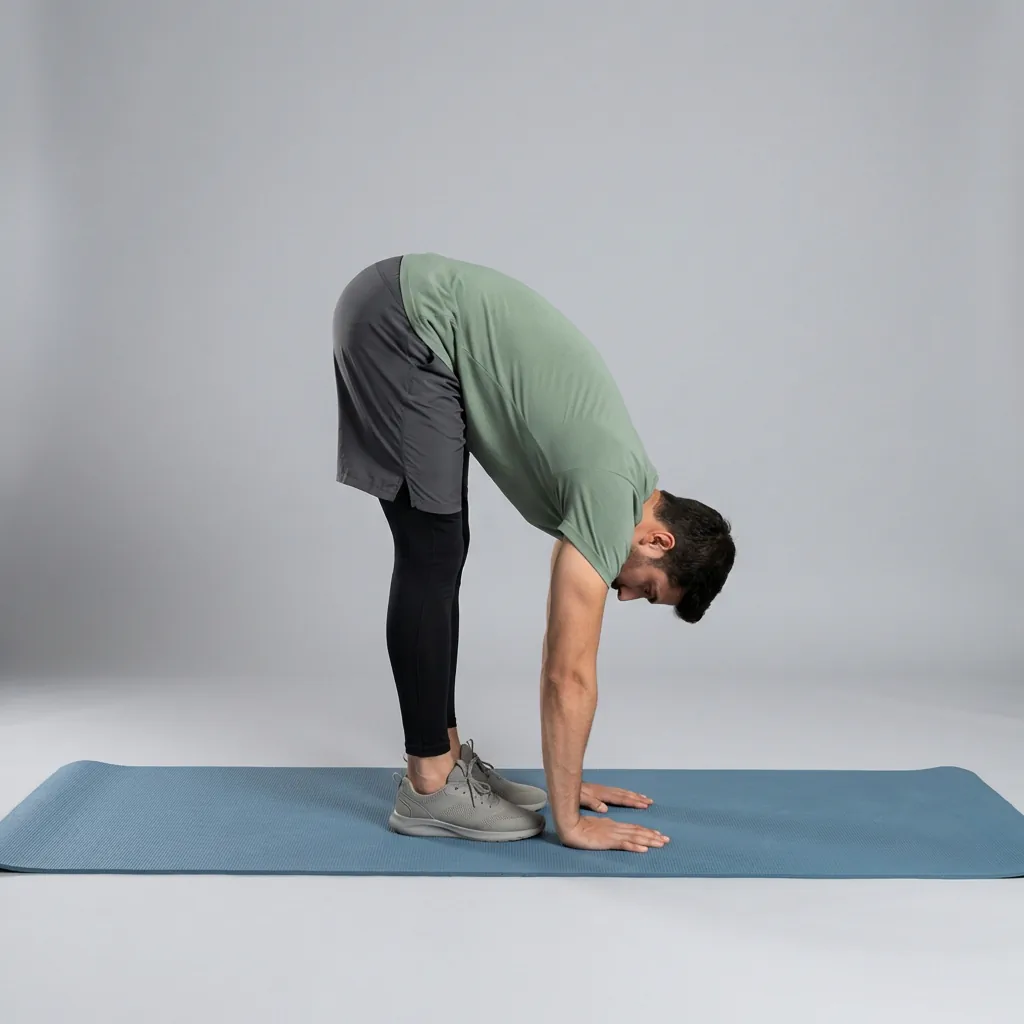
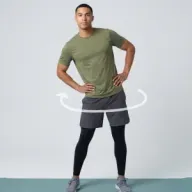
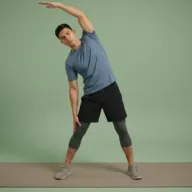
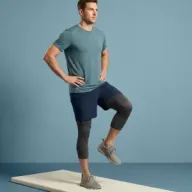
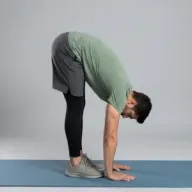
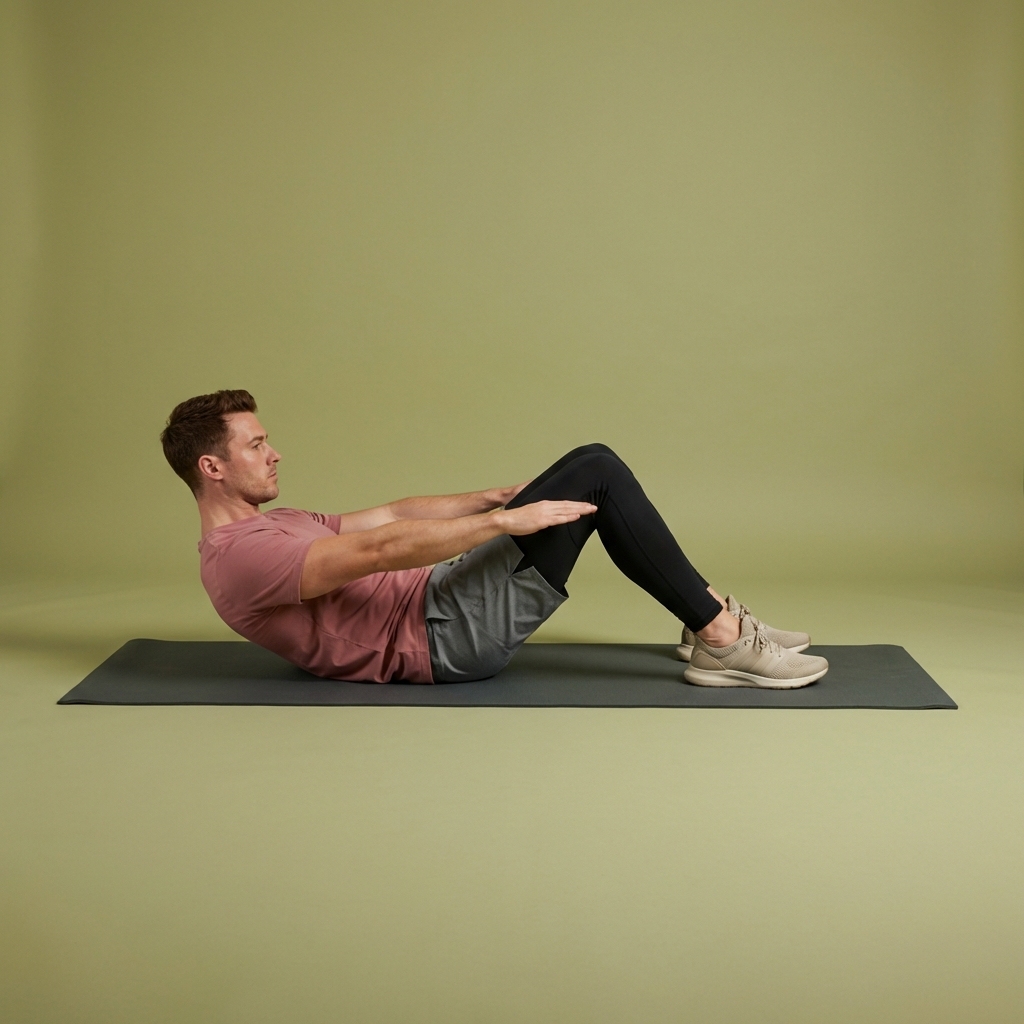
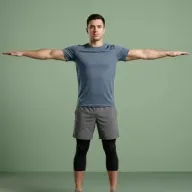
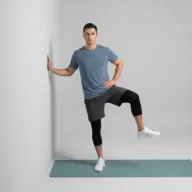
Browse guided Flexor sessions that match this page, then open any routine for steps and cues.

Common questions
Frequently asked questions
How are audience pages different from goal pages?
An audience page covers the whole Flexor product for a group of people—such as desk workers or seniors—focusing on their typical constraints, focus areas, and situations, then linking to routines and features that suit them. A goal page instead covers a single outcome, like desk stretching or improving mobility, for anyone pursuing it. The two overlap deliberately but answer different questions: who you are versus what you want to achieve today.
Which audience guides are available?
Seven: desk workers, seniors, athletes, gym-goers, travellers, busy people, and drivers. Each is listed at the top of this page with its own routines, examples, and questions. There is deliberately no office worker or remote worker guide, because those days are close enough to a desk worker's that a separate page would only repeat it under a new title. If none of the seven describes you, start from a goal page or filter the routines library by body area, time, and difficulty instead.
How should I choose the most relevant Flexor audience guide?
Choose the guide that best describes the context in which you expect to use Flexor, such as desk work, travel, sport, a busy schedule, or later-life mobility. Audience pages organise relevant routines and product features around that situation, but they do not assess your body or replace individual advice. You can still browse any routine or body-area guide regardless of the audience page you begin with.
Keep exploring
More guides on stretching, mobility, routines, and Flexor features.
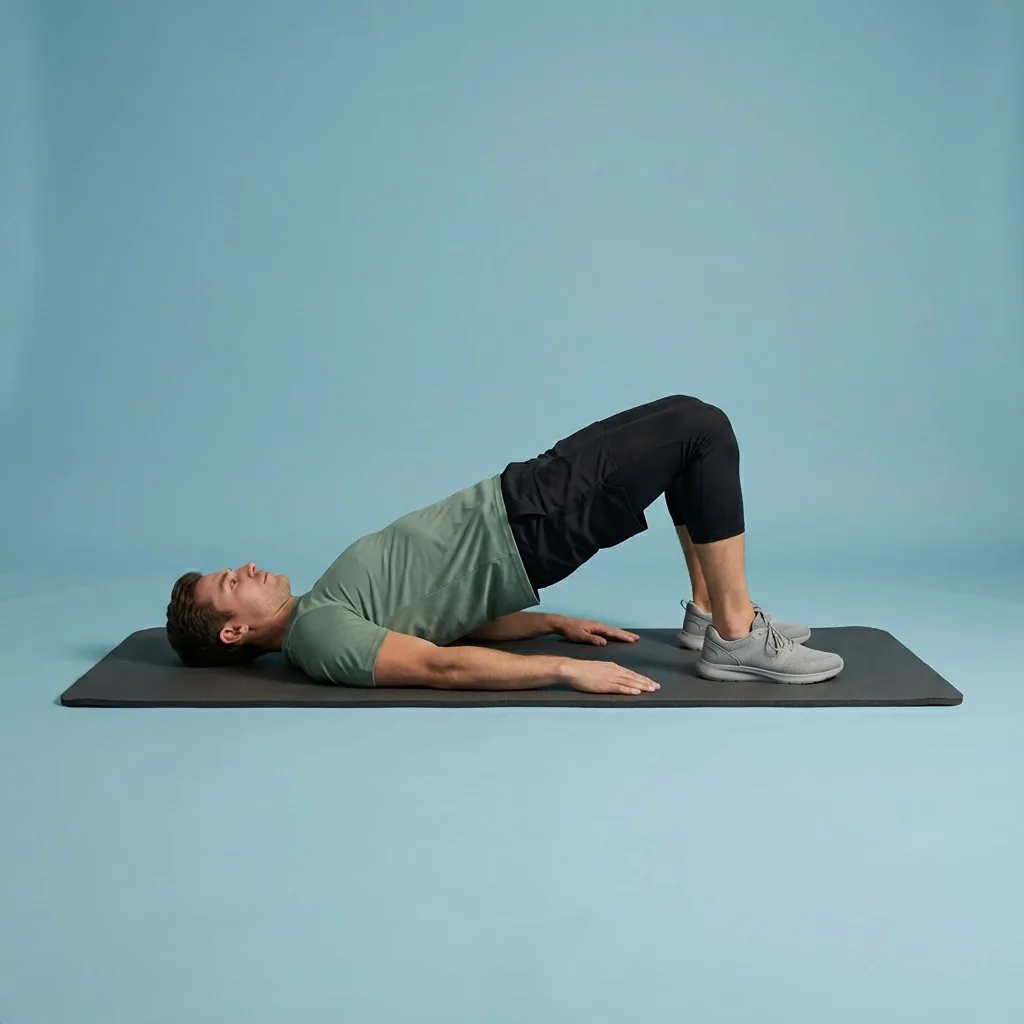
Desk stretching
Break up the workday with short, guided desk stretches.
Use quick guided stretches and mobility breaks for the neck, shoulders, back, hips and wrists during long periods of des...
Read more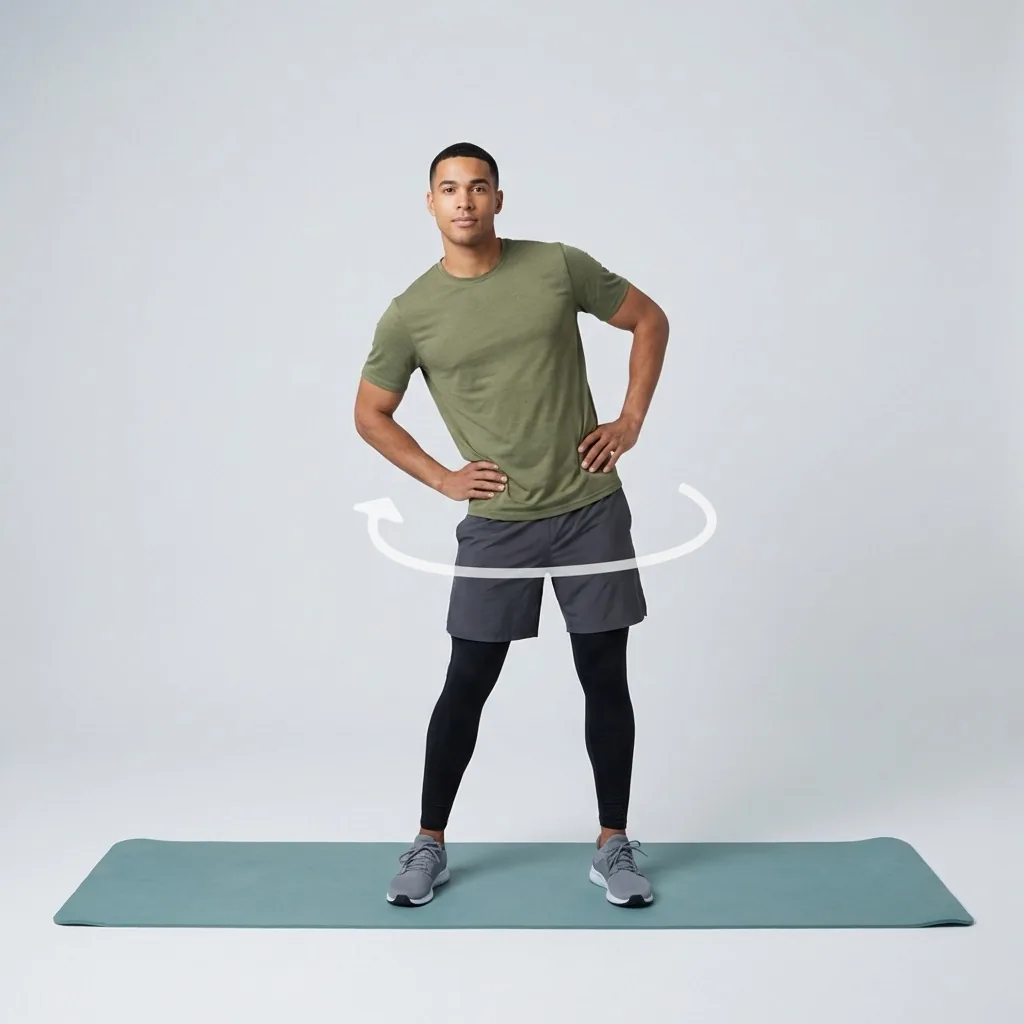
Mobility for fitness and everyday movement
Build controlled, usable movement—one short guided session at a time.
Improve mobility with guided routines, progress tracking and personalised daily recommendations designed around how you...
Read more
Pain Relief
Gentle stretching and mobility for everyday body comfort.
Pain Relief in Flexor: 35 unique guided routines across eight collections for everyday comfort. General wellness only, n...
Read more