
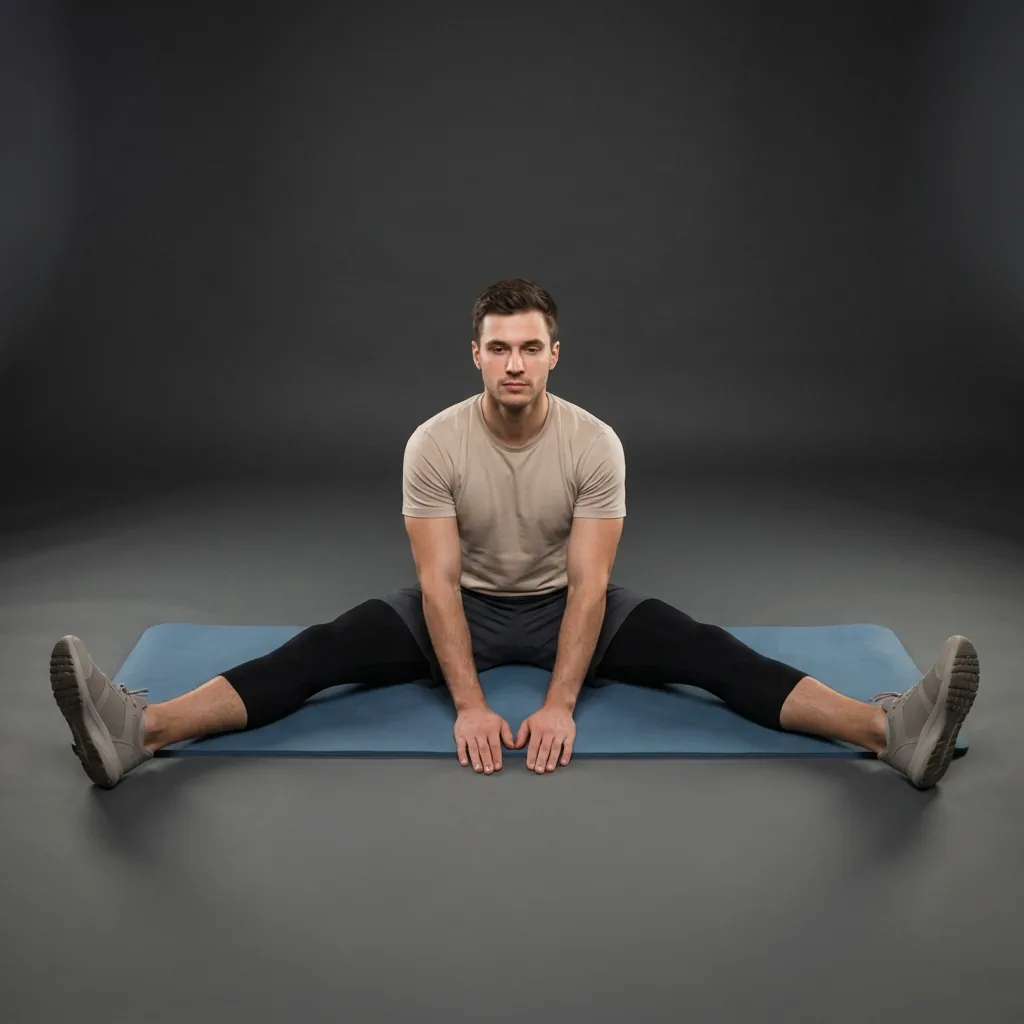
Improve flexibility
Improve your flexibility gradually, with routines that fit your level.
Flexibility improves with patient, regular stretching rather than forcing a position on a single ambitious day. Improving flexibility is the outcome of showing up often and letting range build over time. Flexor supports that with guided routines, sensible progressions, and recommendations matched to your ability and goals—so you work within a comfortable range and let progress come steadily.
Gradual progress
Range builds through consistent, comfortable practice over time.
Matched to you
Routines chosen for your ability, goals, and available time.
Whole-body or focused
Work everything or target the areas you most want to open.
Never forced
Stay within a comfortable range; progress is not about pain.
How flexibility actually improves
Flexibility is how far a muscle or joint can be lengthened, and it tends to respond to regular, comfortable stretching held with relaxed breathing—not to bouncing, forcing, or a single heroic session. Improvement is gradual and specific: the areas you stretch consistently are the ones that change. Patience and repetition matter more than reaching a shape quickly.
This is general fitness and wellness movement. It will not transform range overnight, and it is not a treatment for a specific problem. Ease off and seek advice for pain rather than stiffness, which is a signal to stop rather than push.
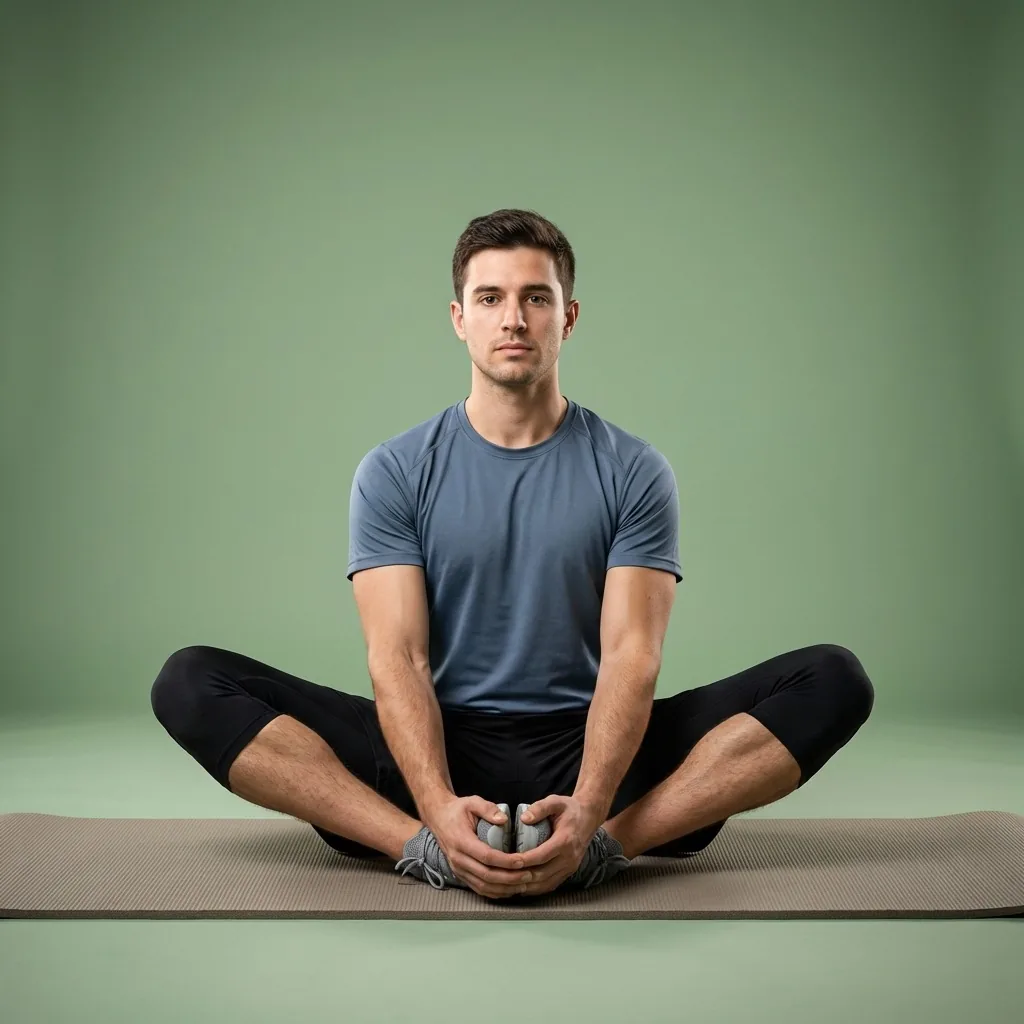
A sensible way to build range
Steady progress comes from a repeatable approach rather than occasional intensity. Warm up a little first, work within a comfortable range, and return to the same areas regularly so change has a chance to accumulate.
- Move or warm up briefly before deeper stretches, especially when cold.
- Ease into each position and hold with relaxed breathing—no bouncing or forcing.
- Return to the same focus areas consistently rather than chasing novelty.
- Progress the range slowly as a position becomes comfortable, not before.
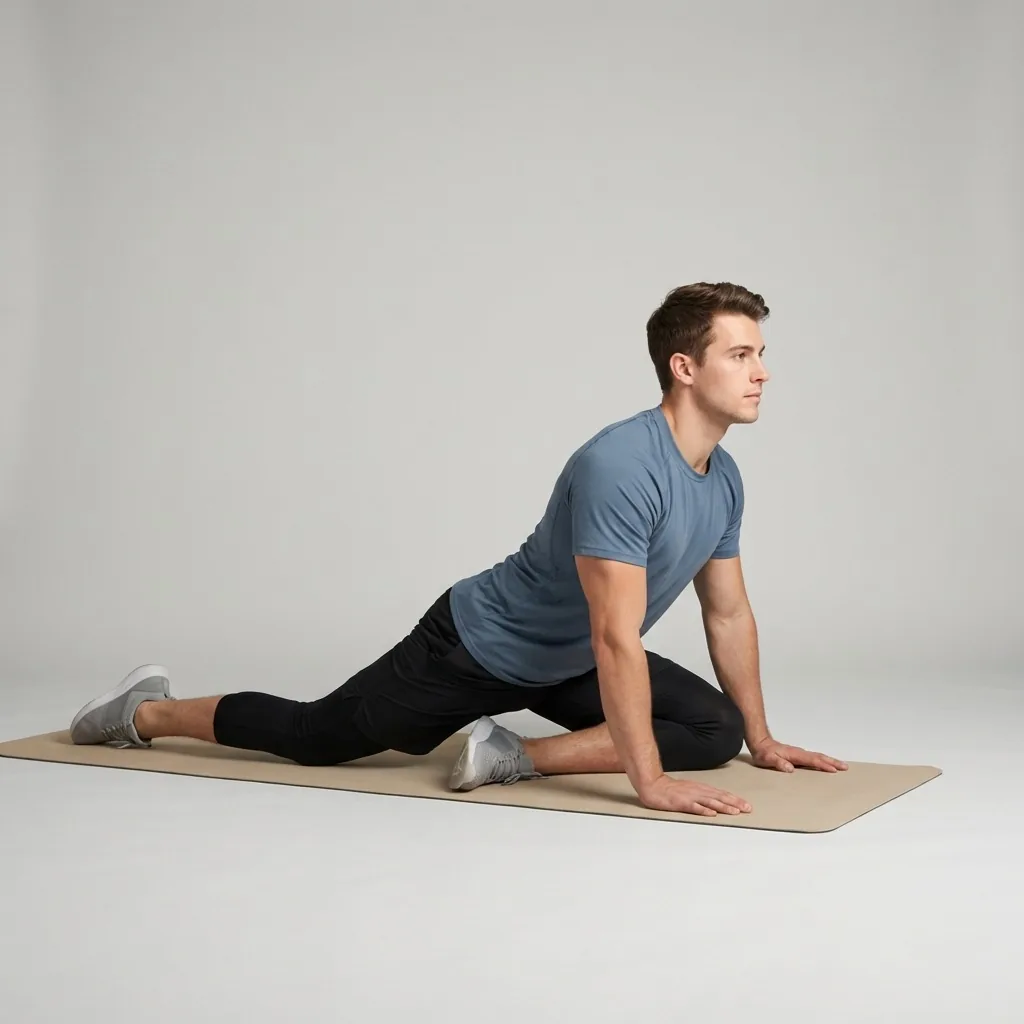
In Flexor: Deeper stretch options when you want more range.
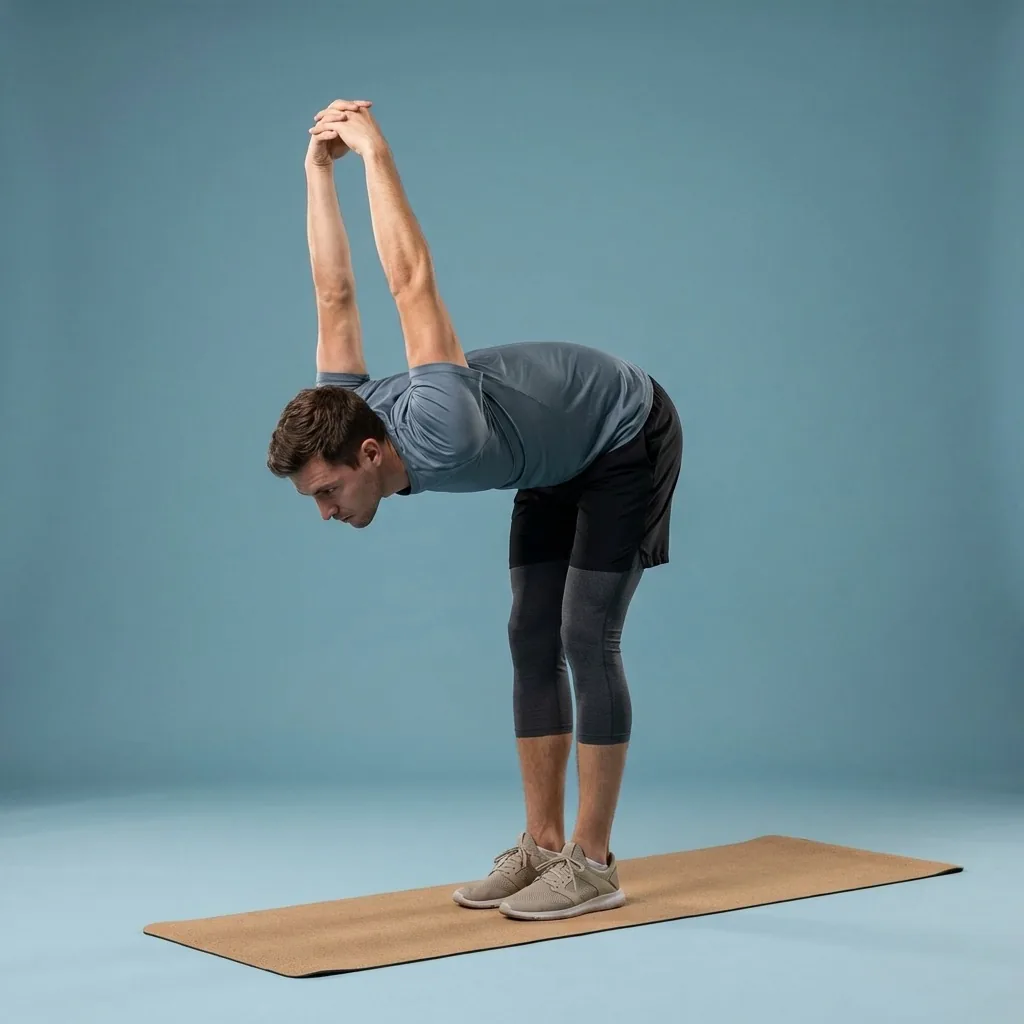
Range returns gradually.
Progressions that respect where you are today, revisited often enough for the change to hold.
How Flexor helps you progress
Filter by flexibility, pick your focus areas, difficulty, and the minutes you have, then follow the ordered steps with timing and cues. Recommendations are matched to your goals, experience, and recent sessions, so routines suit your current level rather than overreaching, and progress and streaks help you keep the consistency that flexibility rewards.
Everything is built from what you tell the app—your goals, ability, focus areas, and time. Flexor does not scan your body or measure your range, so you judge what is comfortable and progress only when a position genuinely feels ready.
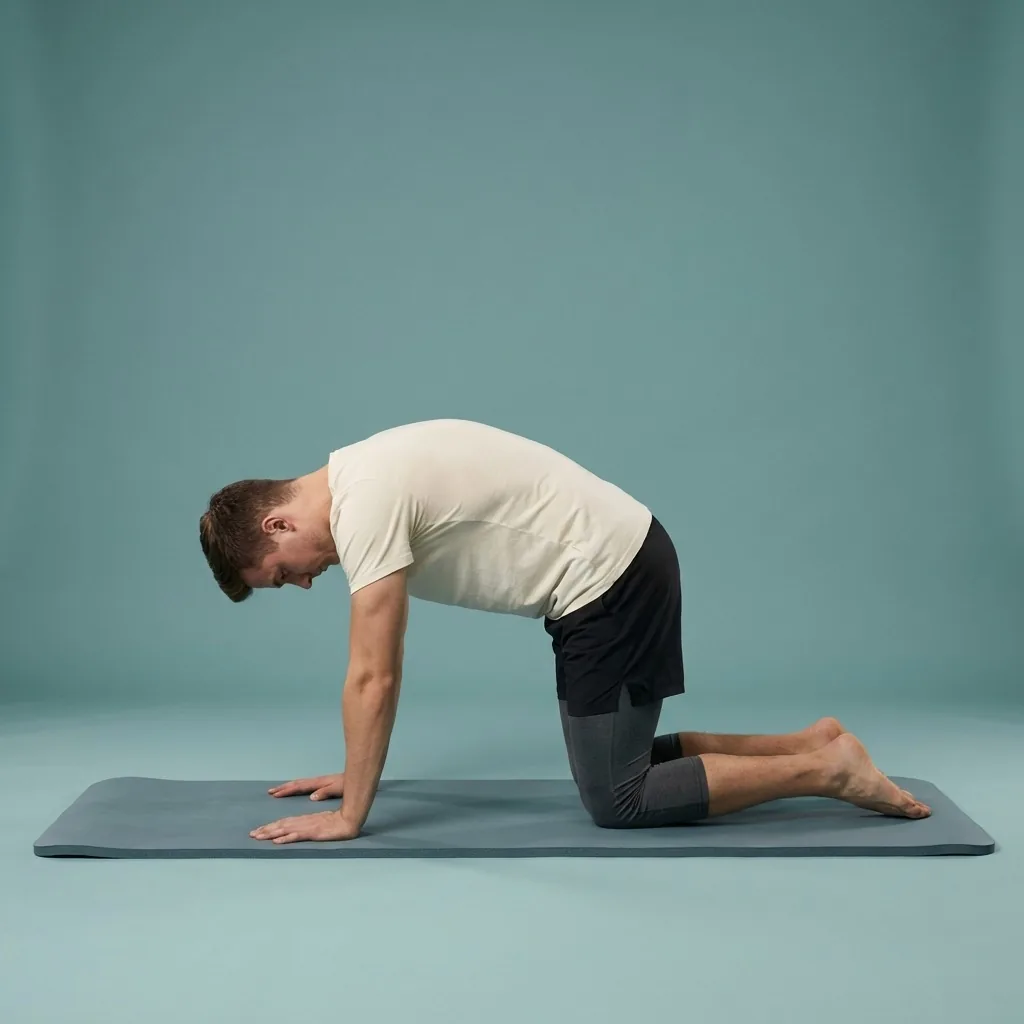
Flexibility and where to go deeper
A flexibility habit touches many areas, but you will often want to focus. The body-area guides go further on the hips, hamstrings, shoulders, and back that people most want to open, and the mobility goal page covers active, controlled movement. Use the flexibility routines to build range gradually, then a body-area guide when one area needs attention.
Sources and further reading
These independent sources support the general guidance on this page. They do not endorse Flexor.
Quick facts
- Goal
- Build range gradually
- Approach
- Regular, comfortable stretching — no bouncing
- Focus
- Whole-body or targeted areas
- Timeline
- Gradual, over weeks and months
Where to start
Your muscles are cold
Do brief movement first, then ease into deeper stretches.
A position has become easy
Progress the range slowly, not all at once.
You want active control, not just length
See the improve-mobility page.
Routines matched to your level
You want to open the hamstrings and shoulders without overreaching. Flexor uses your goals, ability, focus areas and available time to suggest routines that suit your current level, and plans give a clear next step. It never scans your body or measures your range.
See how plans workSafety and limits
- General fitness and wellness movement, not treatment for a specific problem.
- Ease into each position with relaxed breathing — no bouncing or forcing.
- Stop for pain rather than stiffness, which is a signal to ease off.
Flexor does not measure or assess your range and is not a substitute for advice from a qualified professional.
Read the full wellness disclaimerRelated routines
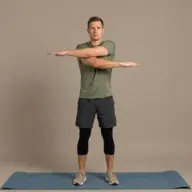
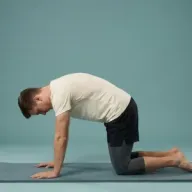
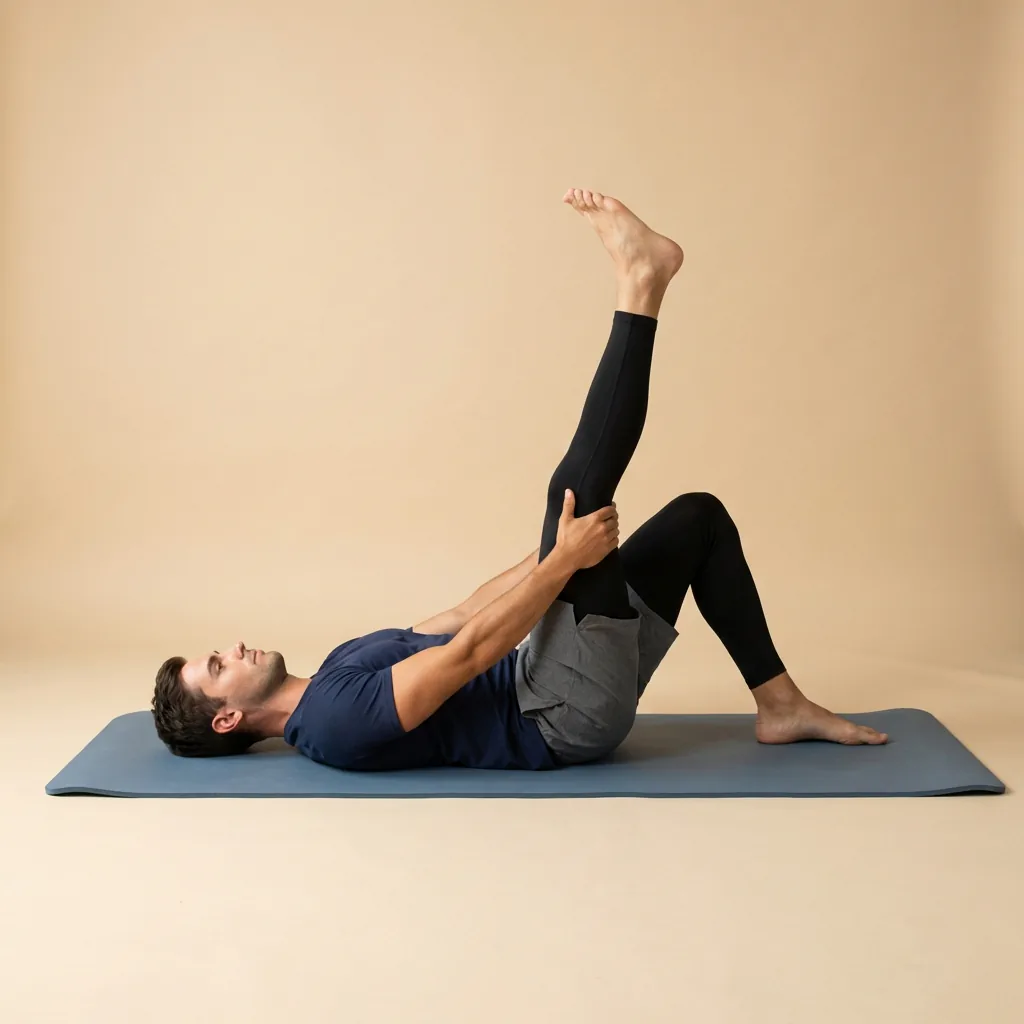
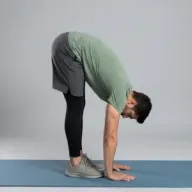
Browse guided Flexor sessions that match this page, then open any routine for steps and cues.
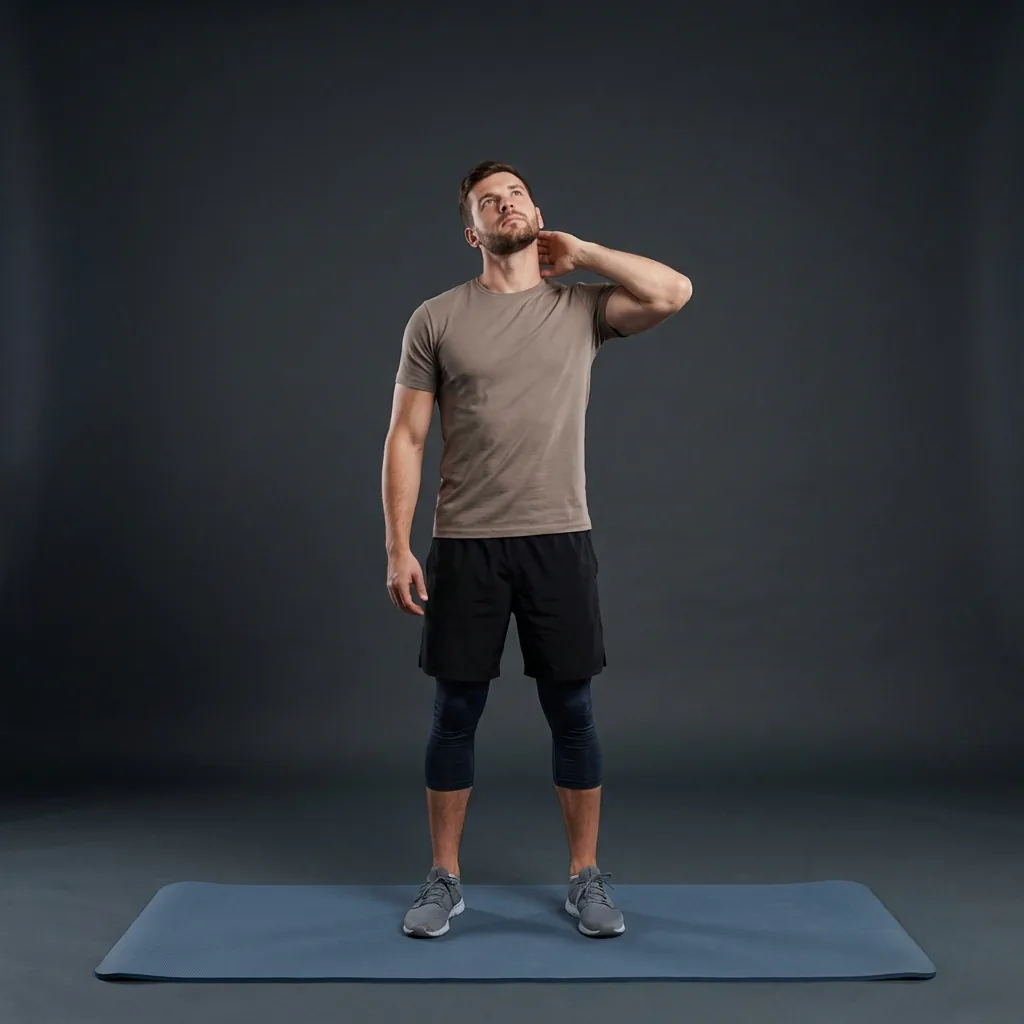
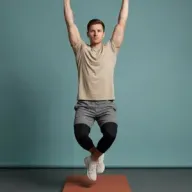
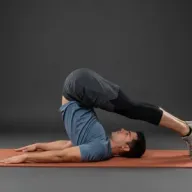

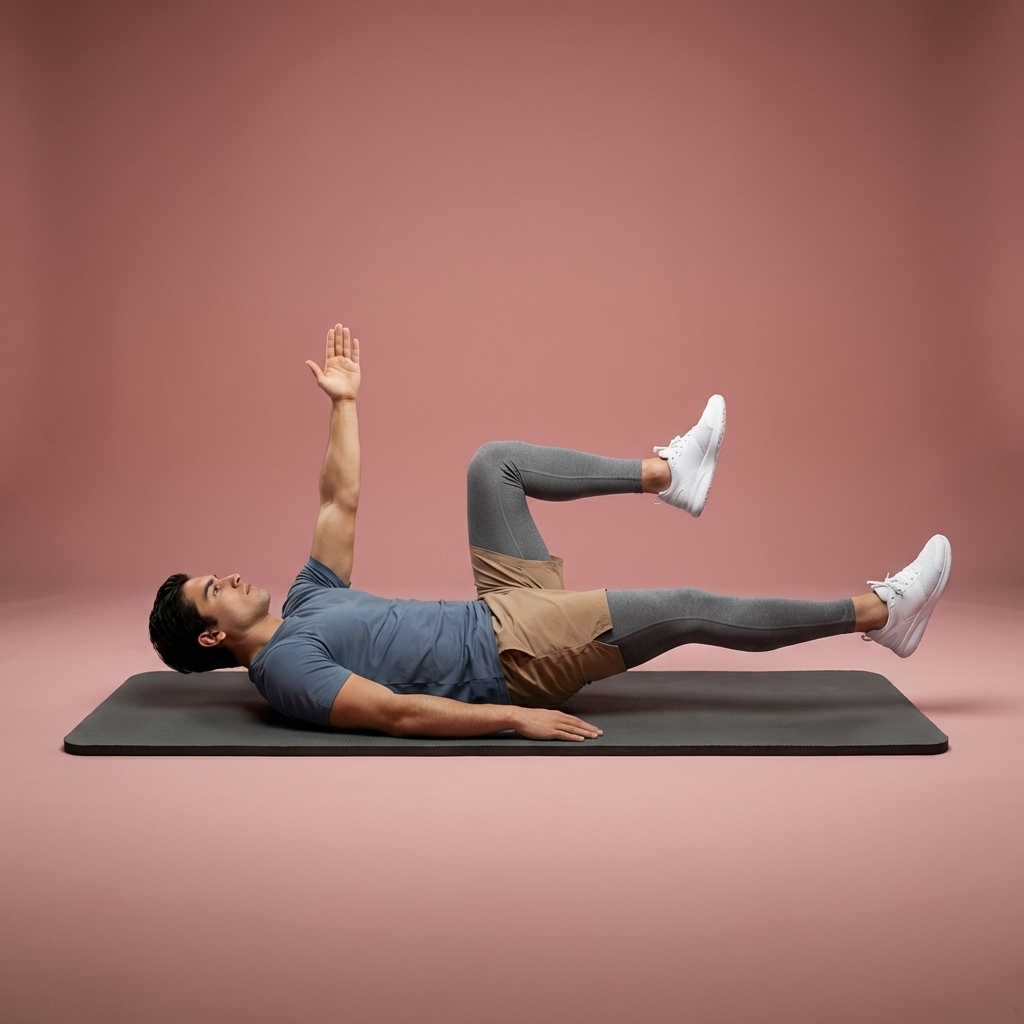
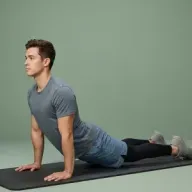




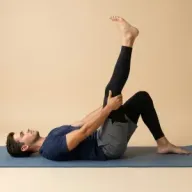

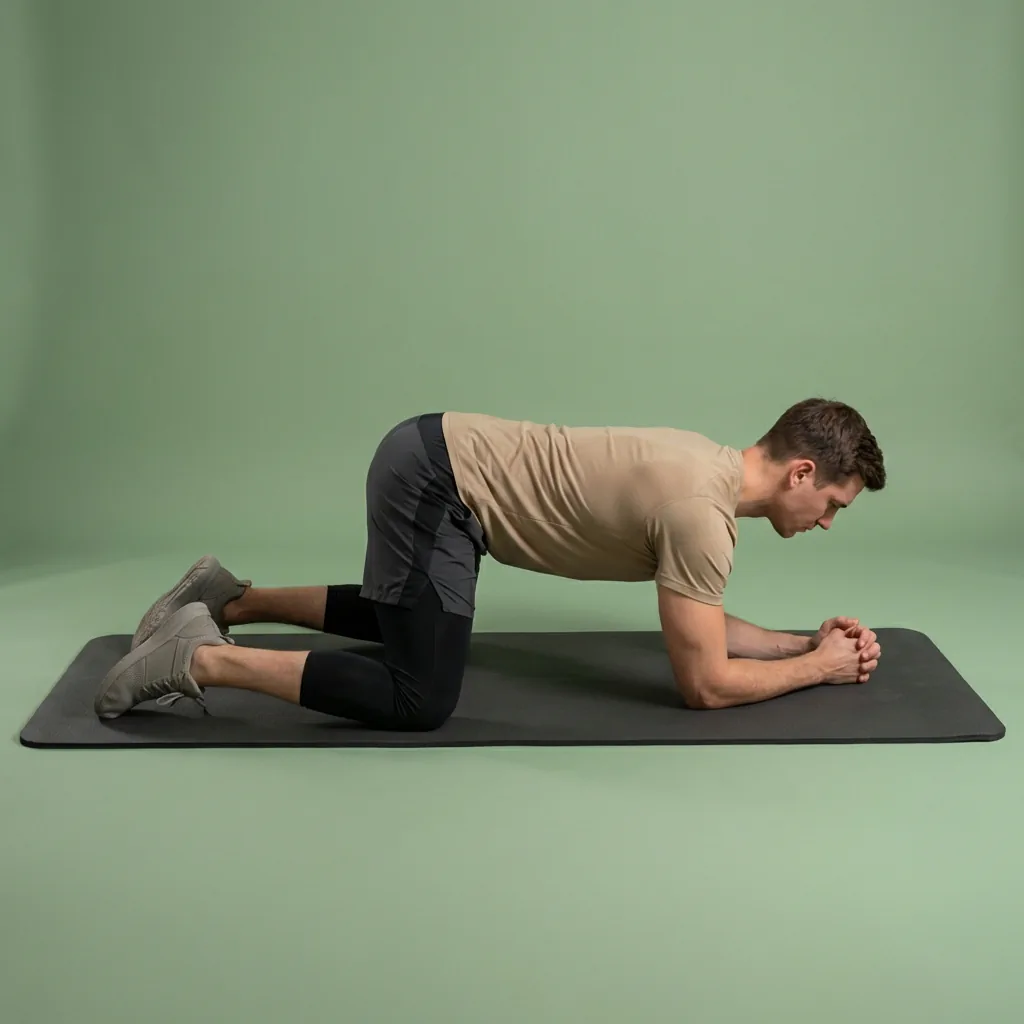
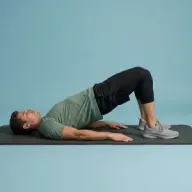


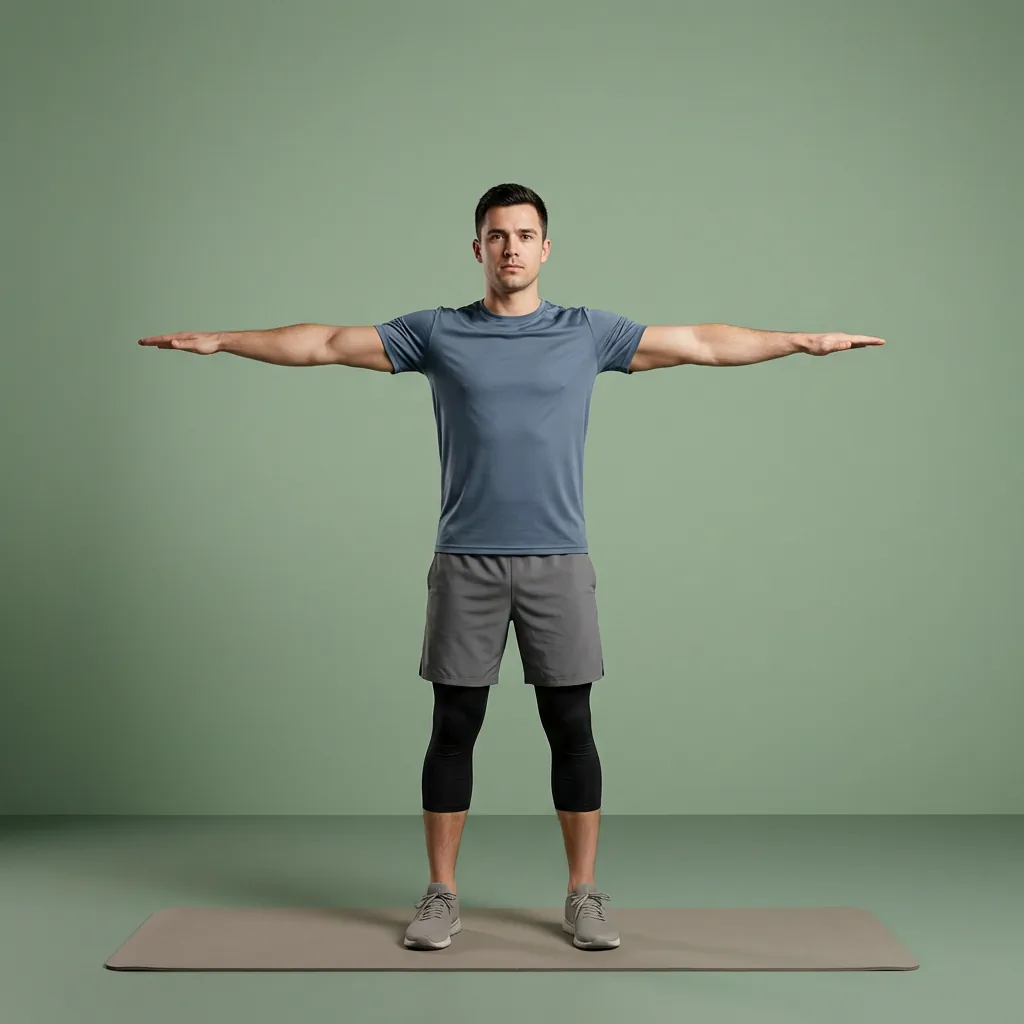
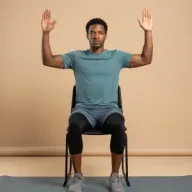

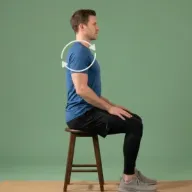



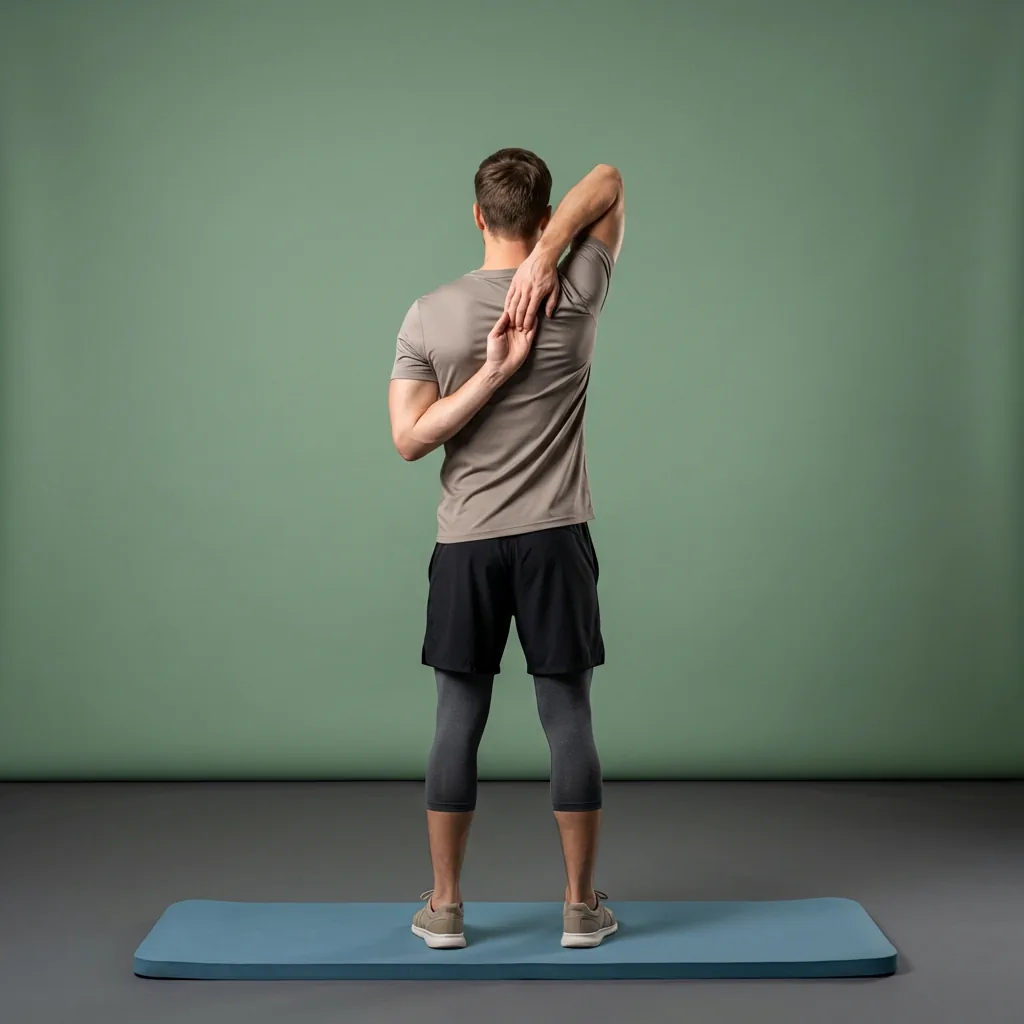



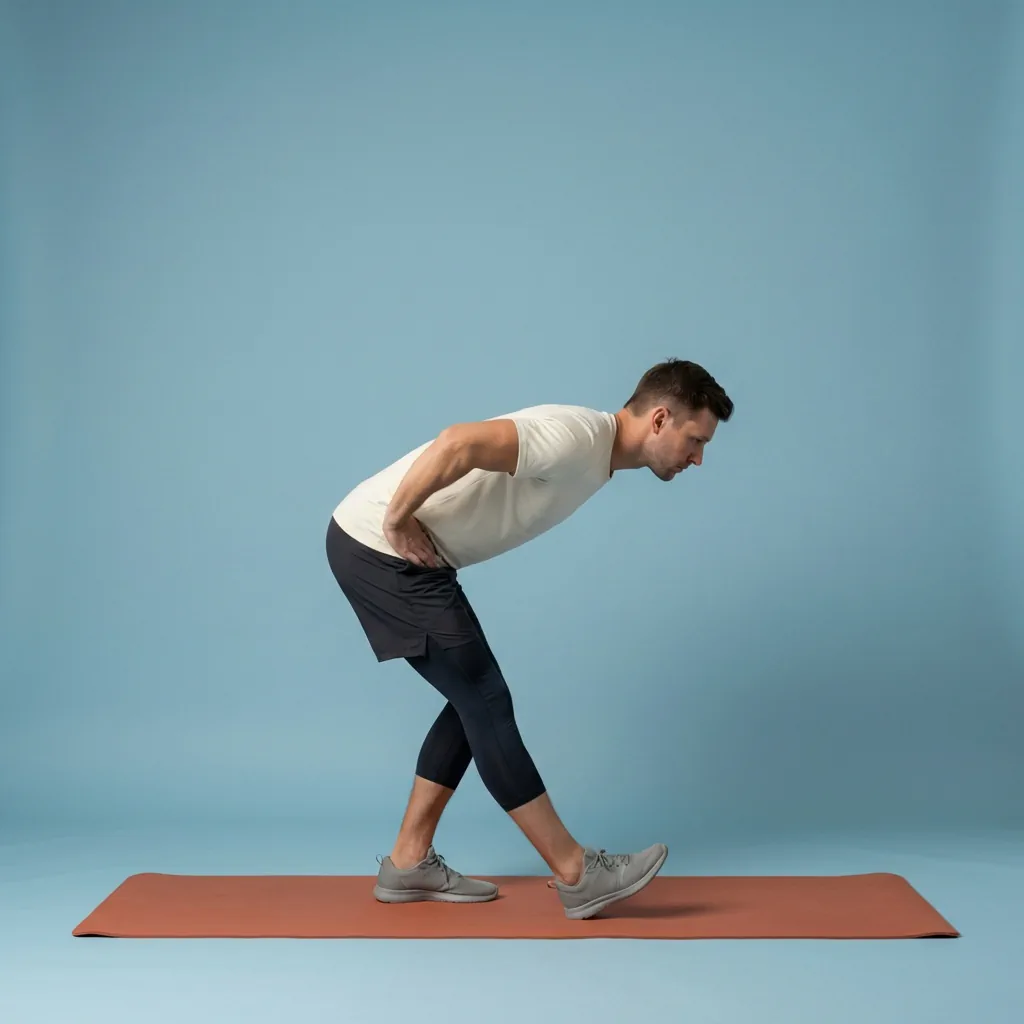

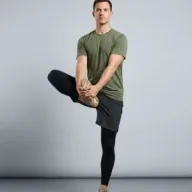
Explore related body areas
Go deeper on a single area with its own exercises, routines, and guidance.
Common questions
Frequently asked questions
How long does it take to improve flexibility?
It varies with your starting point, the areas involved, how consistently you stretch, and your individual makeup, so no honest timeline fits everyone. Flexibility tends to improve gradually over weeks and months of regular, comfortable practice rather than in a few sessions. Focus on consistency and staying within a comfortable range rather than chasing a shape quickly. Flexor makes the habit easier to keep, but it cannot promise a specific result by a specific date.
Should I stretch when my muscles are cold?
Easing gently into stretches is sensible any time, but deeper flexibility work usually feels better and more productive once you are a little warm, for example after light movement or later in the day. A brief warm-up before deeper holds is a reasonable habit. Whenever you stretch, move into each position slowly, avoid bouncing or forcing, and stay within a comfortable range. Sharp pain is a signal to stop, not a sign that a stretch is working.
Is bouncing a good way to stretch further?
No. Bouncing into a stretch, sometimes called ballistic stretching, can push a muscle past a comfortable range quickly and is not the approach these routines use. Flexor's flexibility sessions favour easing into a position and holding it with relaxed breathing, which is generally more comfortable for building range over time. Progress the range slowly as a position becomes easy, rather than forcing depth in a single session, and stop if anything becomes painful.
What is the difference between flexibility and mobility?
Flexibility is how far a muscle or joint can be lengthened, often measured in a fairly passive position, while mobility is how well you can actively control a joint through its range. Improving flexibility leans on slower stretches held comfortably, whereas mobility work emphasises controlled movement. The two support each other, and many people benefit from combining them. Flexor covers both, so you can weight your routine toward whichever matches your goals for a given area.
Keep exploring
More guides on stretching, mobility, routines, and Flexor features.
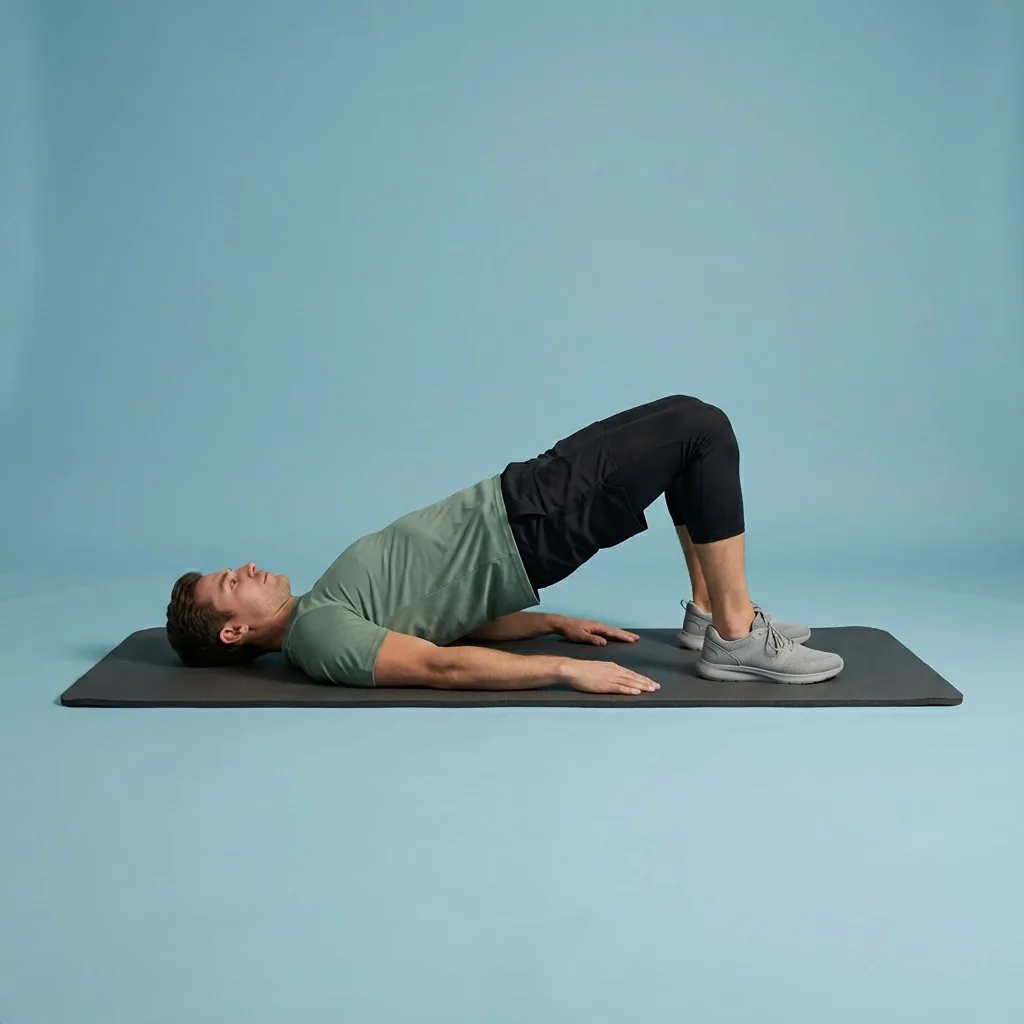
Flexibility, built gradually
Lengthen, open, and hold—flexibility that improves because you keep showing up.
Build flexibility with guided routines, clear exercise demonstrations, progress tracking and recommendations matched to...
Read more Daily stretching
Stretch a little every day, without it becoming a chore.
Make stretching easier to maintain with short guided sessions, reminders, progress tracking and personalised recommendat...
Read more Improve mobility
Improve mobility with short, controlled daily sessions.
Use guided mobility routines and progress tracking to work on controlled, usable movement across the hips, spine, should...
Read more Routine chooser
Choose a stretching or mobility routine by what you need now.
Choose a Flexor routine for mornings, desk breaks, workout warm-ups, cool-downs, flexibility, mobility, recovery, and ev...
Read more