
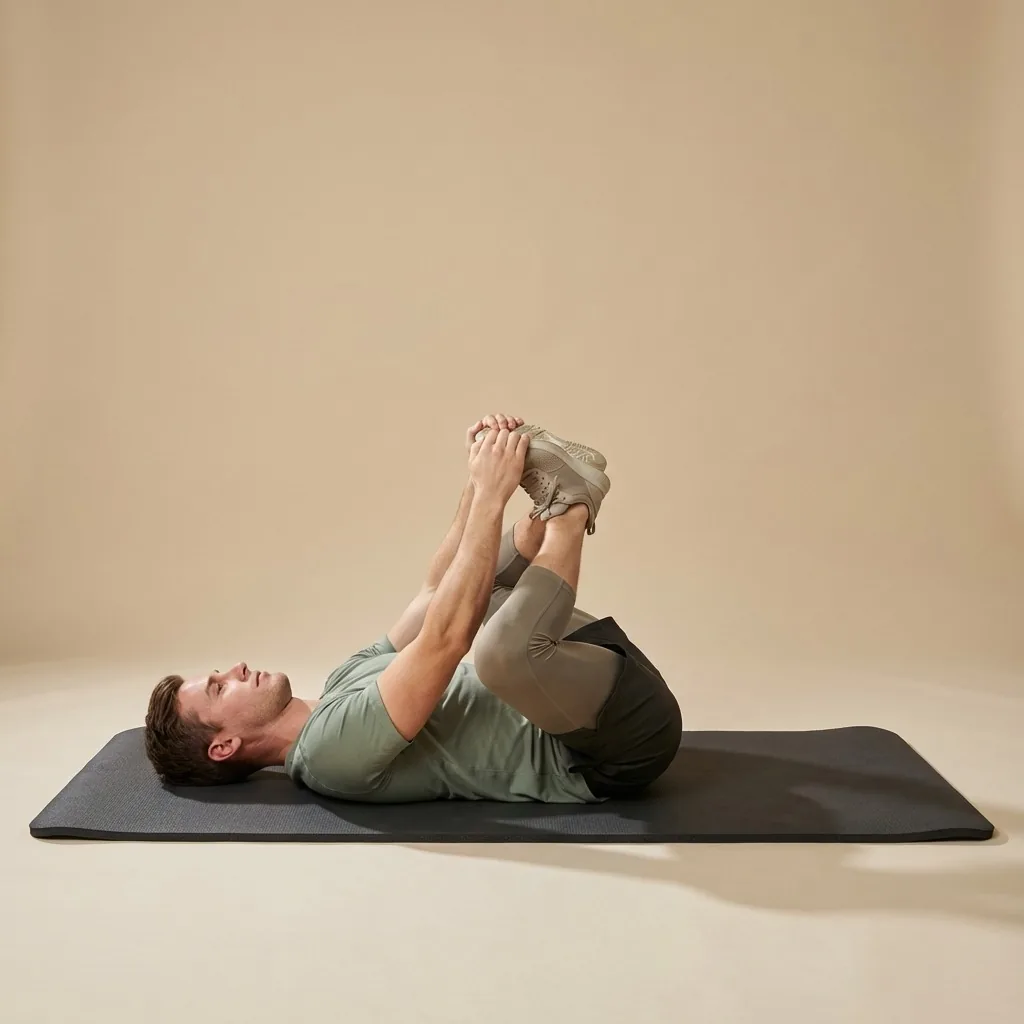
Wellness and exercise safety
General movement guidance—not medical care.
Flexor supports stretching, mobility, flexibility, workout preparation, cool-downs, recovery, and general body comfort. It does not diagnose symptoms, prescribe treatment, provide physiotherapy, or replace a doctor or other qualified healthcare professional.
Choose your range
Move with control and never force a position.
Stop for pain
Do not continue a movement that causes pain or makes symptoms worse.
Get advice
Health conditions and injuries can change what is appropriate.
Use urgent care
Do not rely on an app for severe or concerning symptoms.
Before starting
Speak to a qualified healthcare professional if you are unsure whether exercise is suitable, or if you have an injury, medical condition, current symptoms, recent surgery or other recent health event, pregnancy, or a mobility restriction that affects safe participation.

When to stop
Stop the exercise if you feel pain, become unwell, or develop worsening or unusual symptoms. Do not stretch through sharp pain, dizziness, numbness, tingling, weakness, radiating symptoms, chest pain, or difficulty breathing.
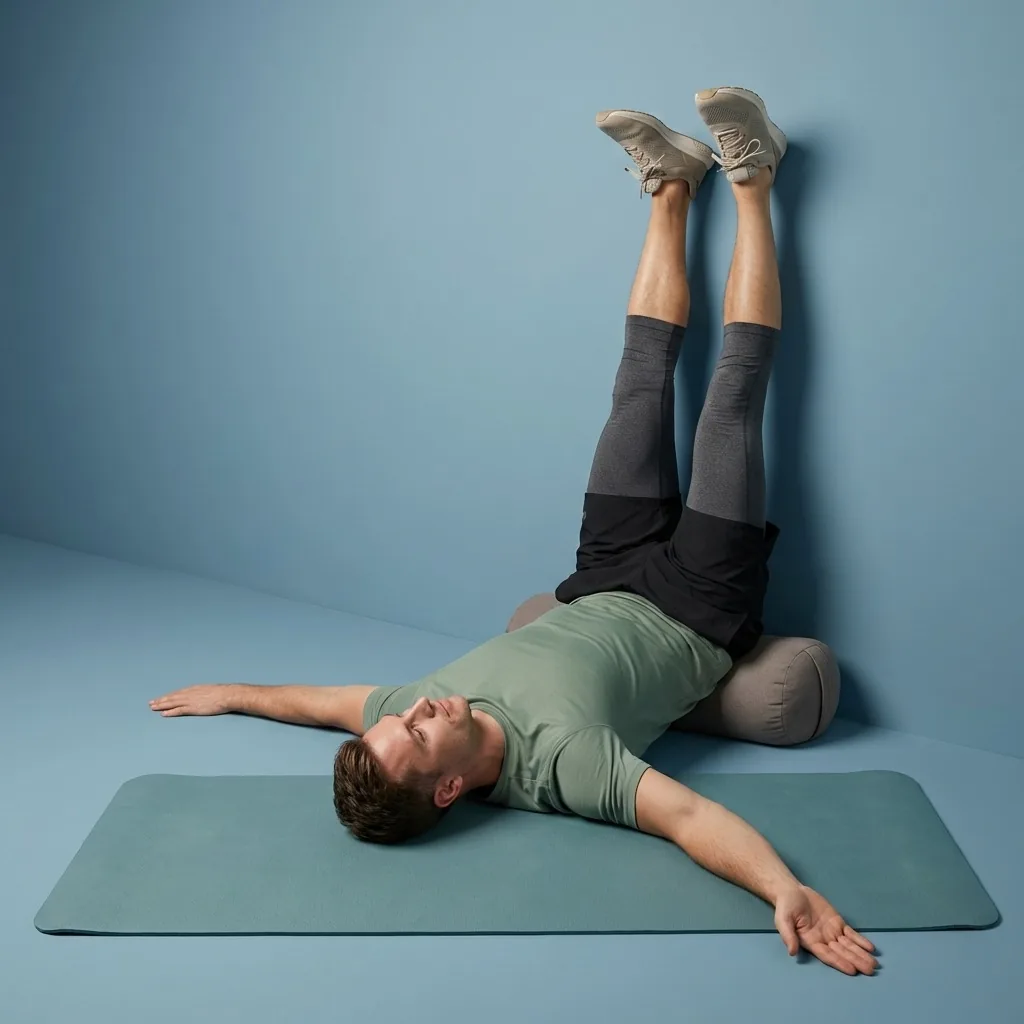
In Flexor: Slower cool-downs after training or a long day.
General wellness—not medical care.
Flexor supports everyday movement. It does not diagnose, treat, or replace professional advice.
When an app is not the right next step
Seek appropriate medical help for severe or rapidly worsening symptoms, symptoms after trauma, new neurological symptoms, loss of bladder or bowel control, chest pain, breathing difficulty, or any situation that may be urgent. Use local emergency or urgent-care services where appropriate.
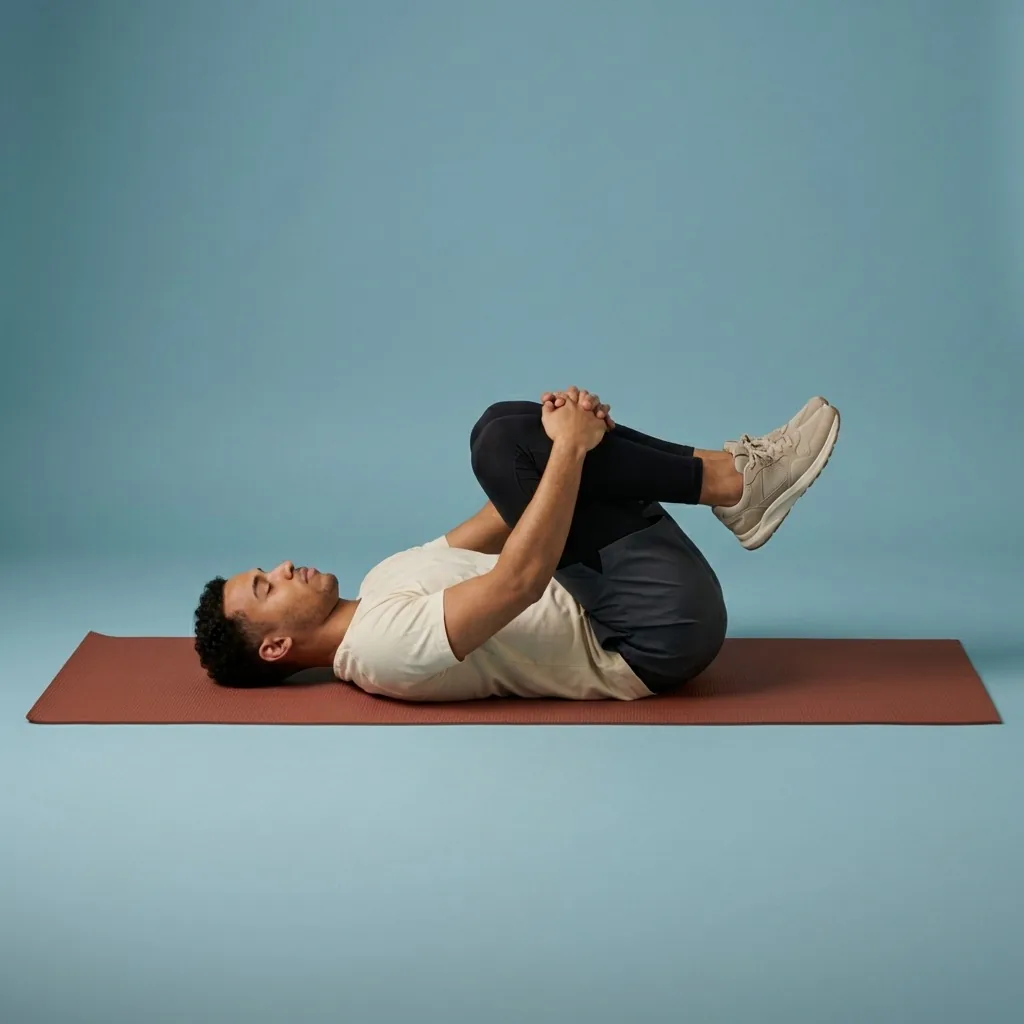
No promised outcome
Responses to movement vary. Flexor makes no promise that movement will relieve pain, increase flexibility, change posture, improve performance, prevent injury, or produce a particular recovery outcome. App recommendations remain general and cannot account for every individual health factor.
Sources and further reading
These independent sources support the general guidance on this page. They do not endorse Flexor.
Common questions
Frequently asked questions
Is Flexor a medical or physiotherapy app?
Flexor is a fitness and wellness app designed to support general mobility and warm-ups. It is not a substitute for medical advice, diagnosis, or treatment. If you have injuries, persistent pain, or health concerns, speak to a qualified professional.
Should I use Flexor for an injury?
Do not use a general Flexor routine as a substitute for an individual injury assessment or rehabilitation plan. The appropriate movement can depend on the injury, symptoms, stage of recovery, other health conditions, and advice already provided by a clinician. Ask a qualified professional what is suitable, follow any restrictions you have been given, and do not use an app routine to test whether an injury has healed.
What should I do if a movement hurts?
Stop the movement rather than pushing through pain or trying to match the demonstration. Seek appropriate advice when pain is severe, persistent, worsening, follows trauma, or comes with numbness, tingling, weakness, radiating symptoms, dizziness, chest pain, breathing difficulty, or another concerning change. Use urgent or emergency services where the situation may be serious; a general app routine is not the right next step for urgent symptoms.
Keep exploring
More guides on stretching, mobility, routines, and Flexor features.

How we publish
Editorial standards built around accuracy, usefulness, and clear limits.
Read how Flexor separates product facts from general wellness guidance, reviews sensitive claims, cites sources, and han...
Read more
Routine chooser
Choose a stretching or mobility routine by what you need now.
Choose a Flexor routine for mornings, desk breaks, workout warm-ups, cool-downs, flexibility, mobility, recovery, and ev...
Read more Contact
Contact Flexor
Ask a product, support, privacy, or editorial question.
Read more