Choose a stretching or mobility routine by what you need now.
The best starting point is the context: preparing to move, taking a break from sitting, working on flexibility, or winding down. Flexor organises guided sessions by purpose, body area, difficulty, sport, and duration—so instead of scrolling endless exercises, you pick a complete routine that fits the moment and follow it with timing, audio, and visual cues.
Showing 1–24 of 100 routines
Page 1 of 5
-
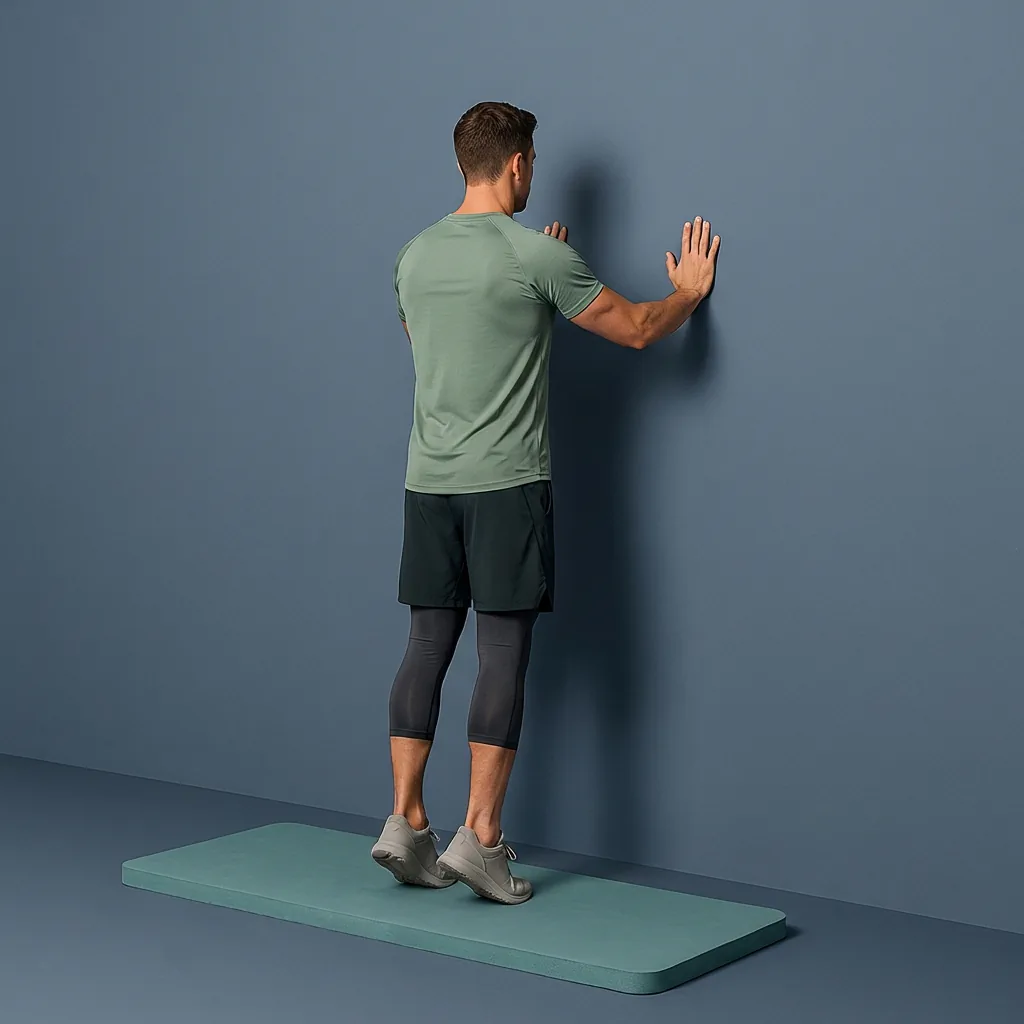 13 min Intermediate
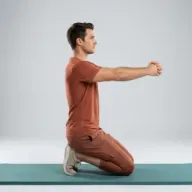
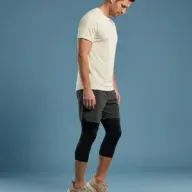
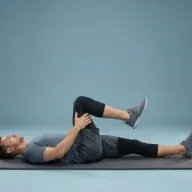
Ankle Strength and Mobility
A controlled ankle routine combining mobility, balance, and lower-leg strength for steadier everyday and sport movement.
-
-
-
-
-
- +9
-
-
 10 min Beginner
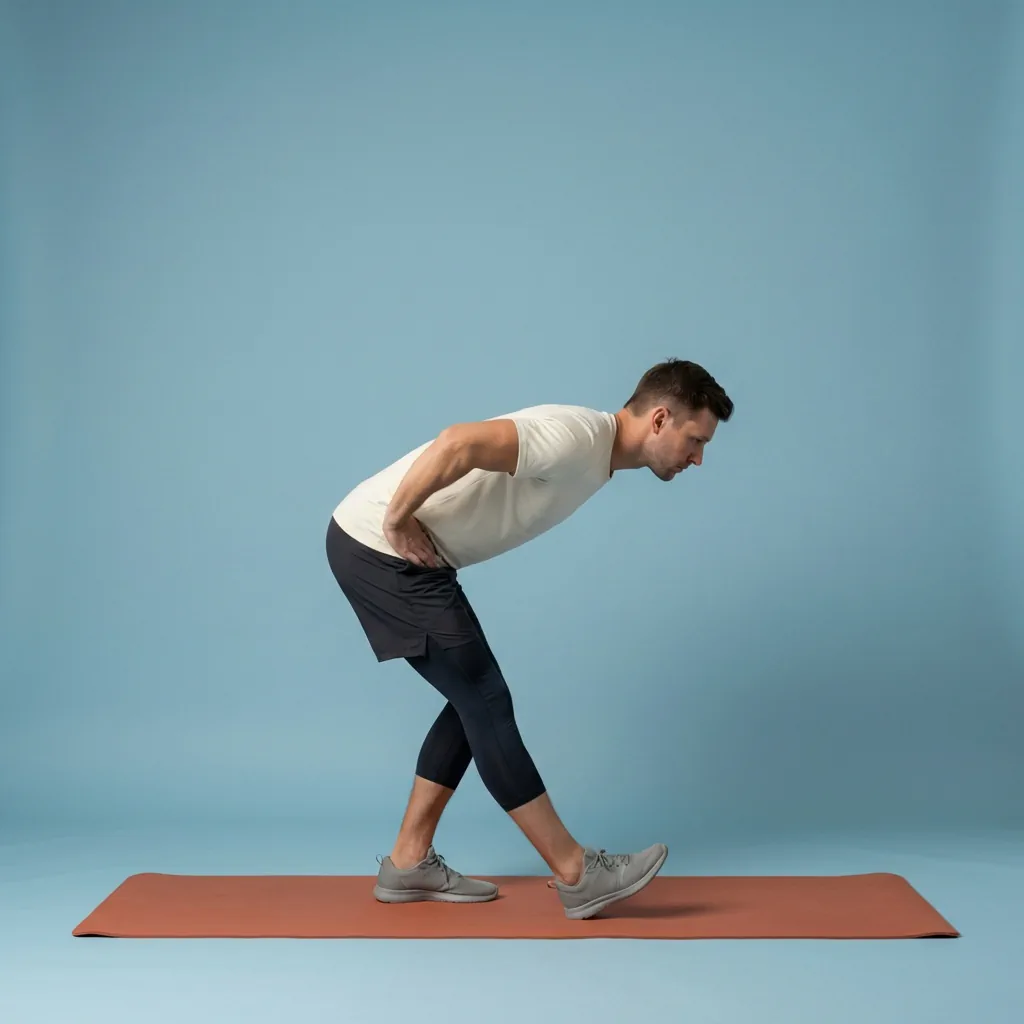
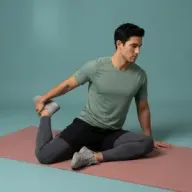
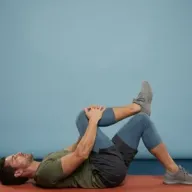
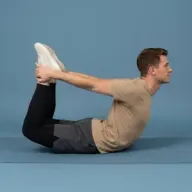
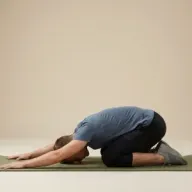
Anti-Sitting Routine
A 10-move desk-break counterbalance — chin retractions, figure four, and down-dog split reversing hip flexor and spinal strain from sitting.
-
-
-
-
-
- +5
-
-
 16 min Beginner
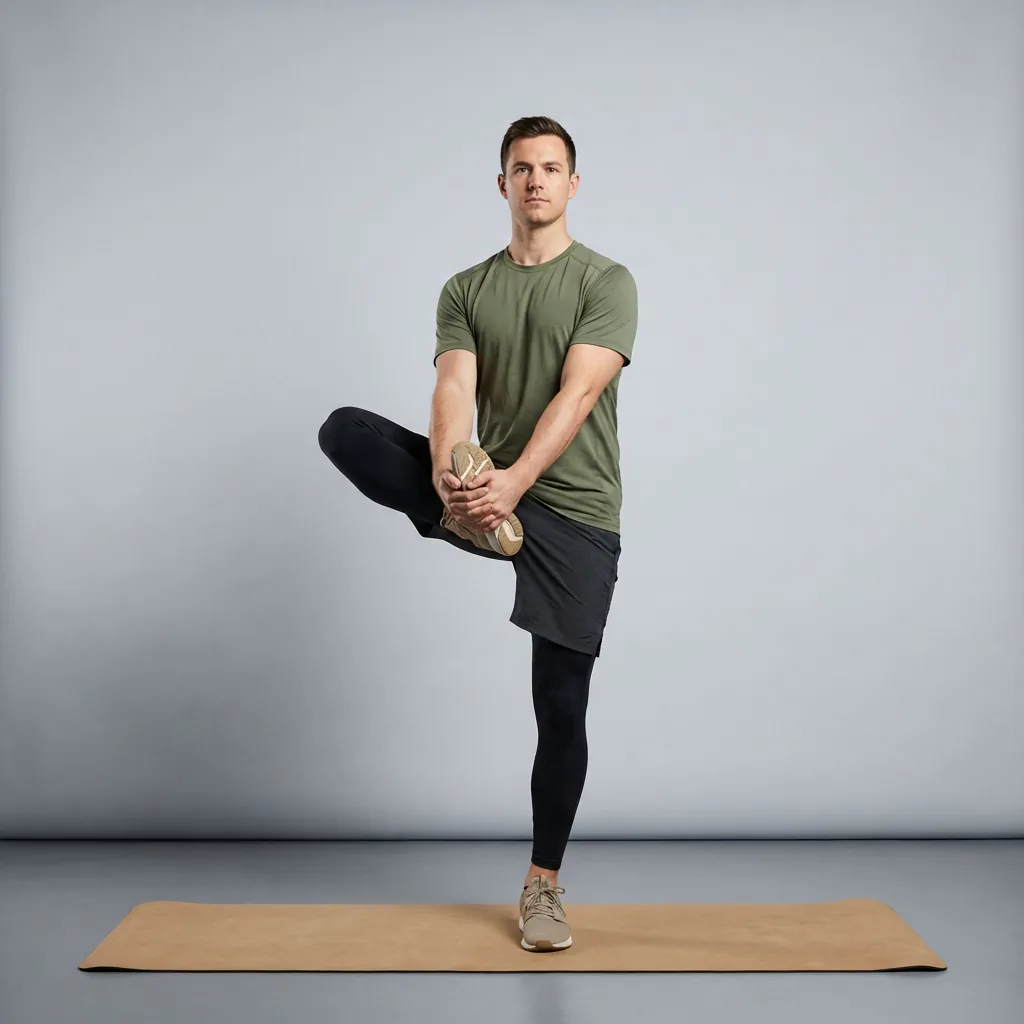
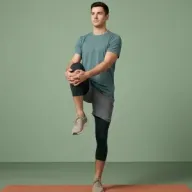
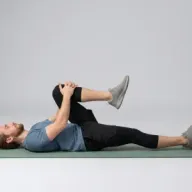
Back-to-Hip Comfort Routine
A 15-move spine-and-hip sync — 90/90, kneeling psoas, and spinal twist linking lumbar ease with hip mobility.
-
-
-
-
-
- +10
-
-
 8 min Beginner
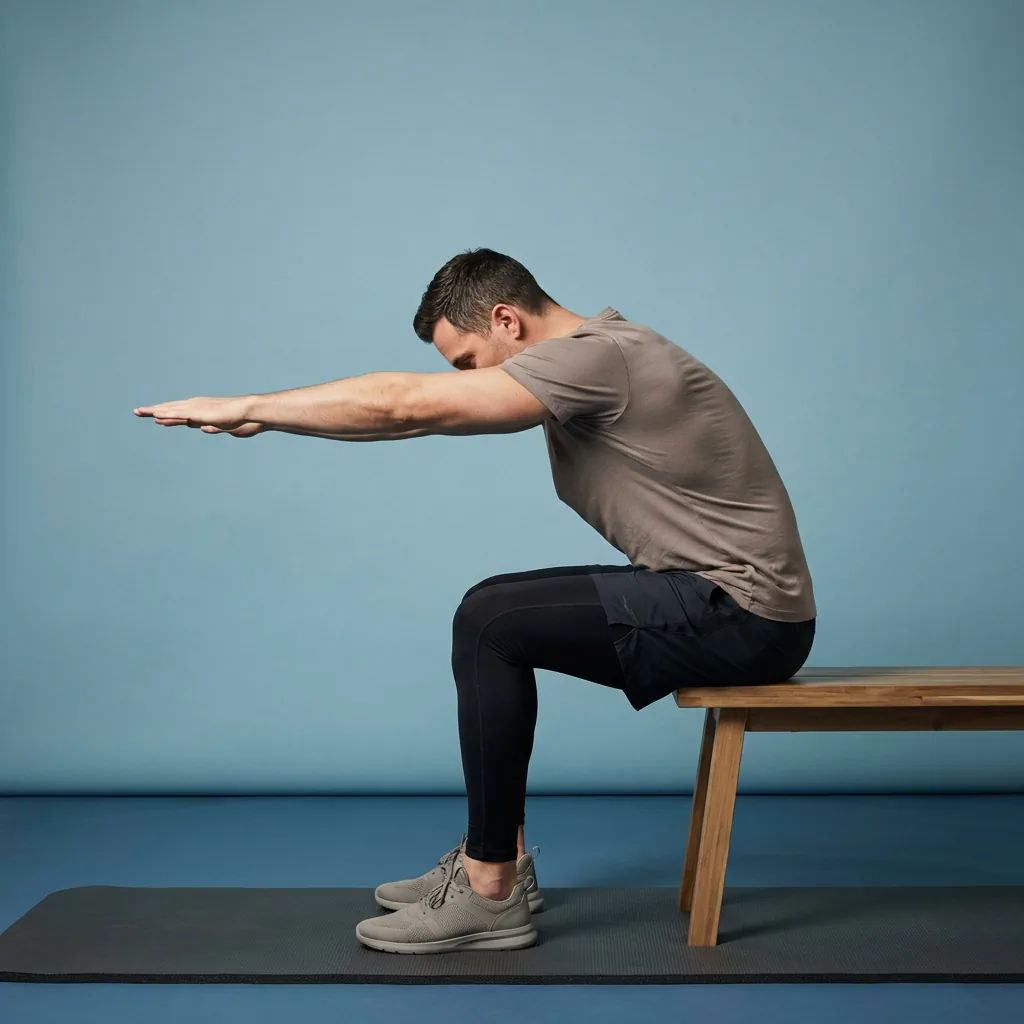
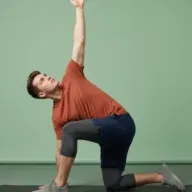
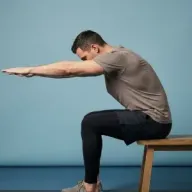
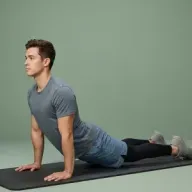
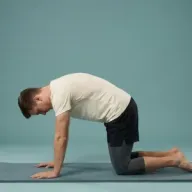
Cool-Down: Back and Shoulders
An 8-move post-training back release — thread the needle, spinal twist, and cobra to settle the spine and open shoulders.
-
-
-
-
-
- +3
-
-
 11 min Intermediate
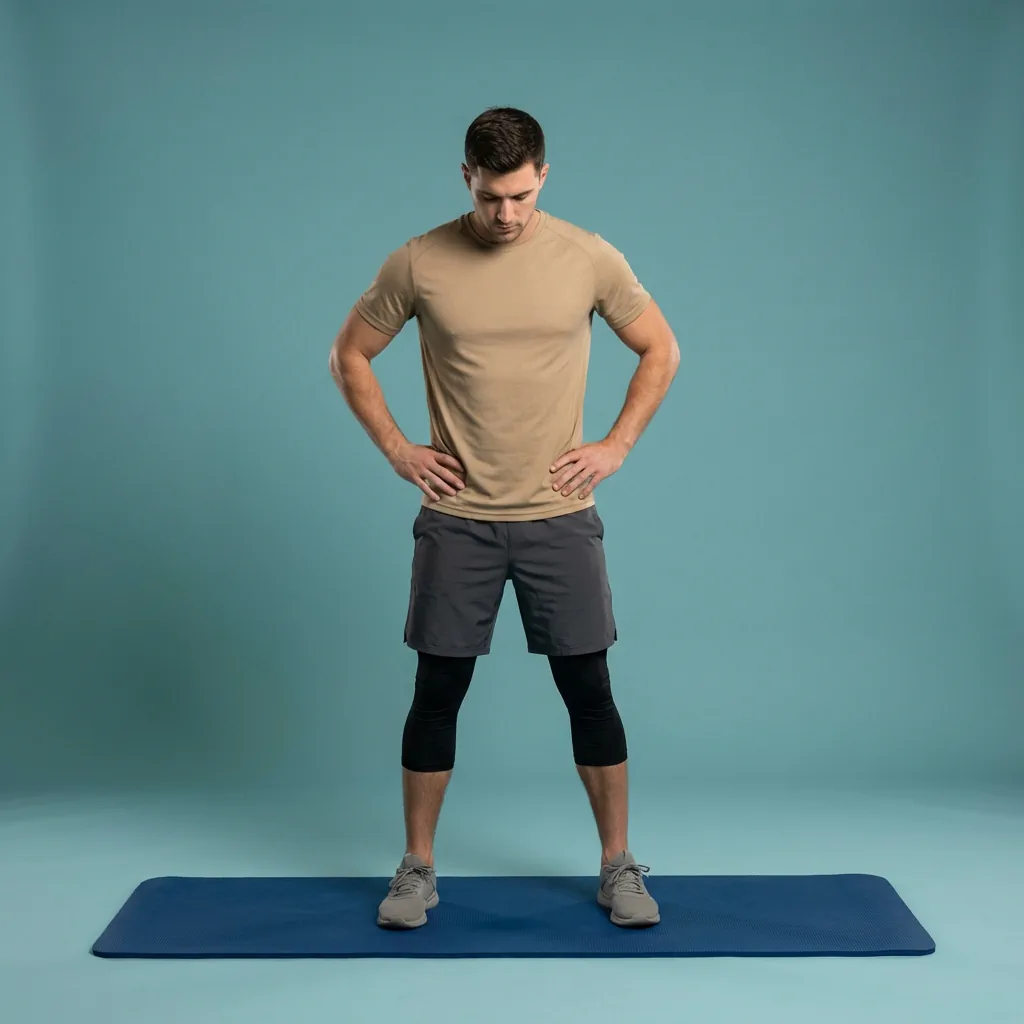
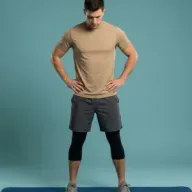
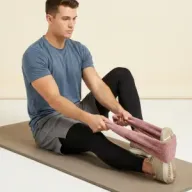
Cool-Down: Calves and Feet
A 9-move lower-leg release — soleus stretch, toe squat, and legs-up-wall for calves, ankles, and plantar fascia after impact.
-
-
-
-
-
- +4
-
-
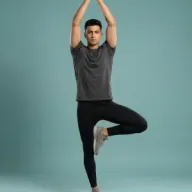
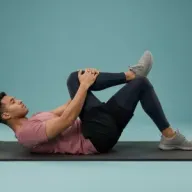
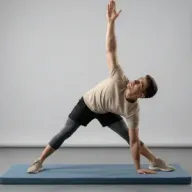
 13 min Intermediate
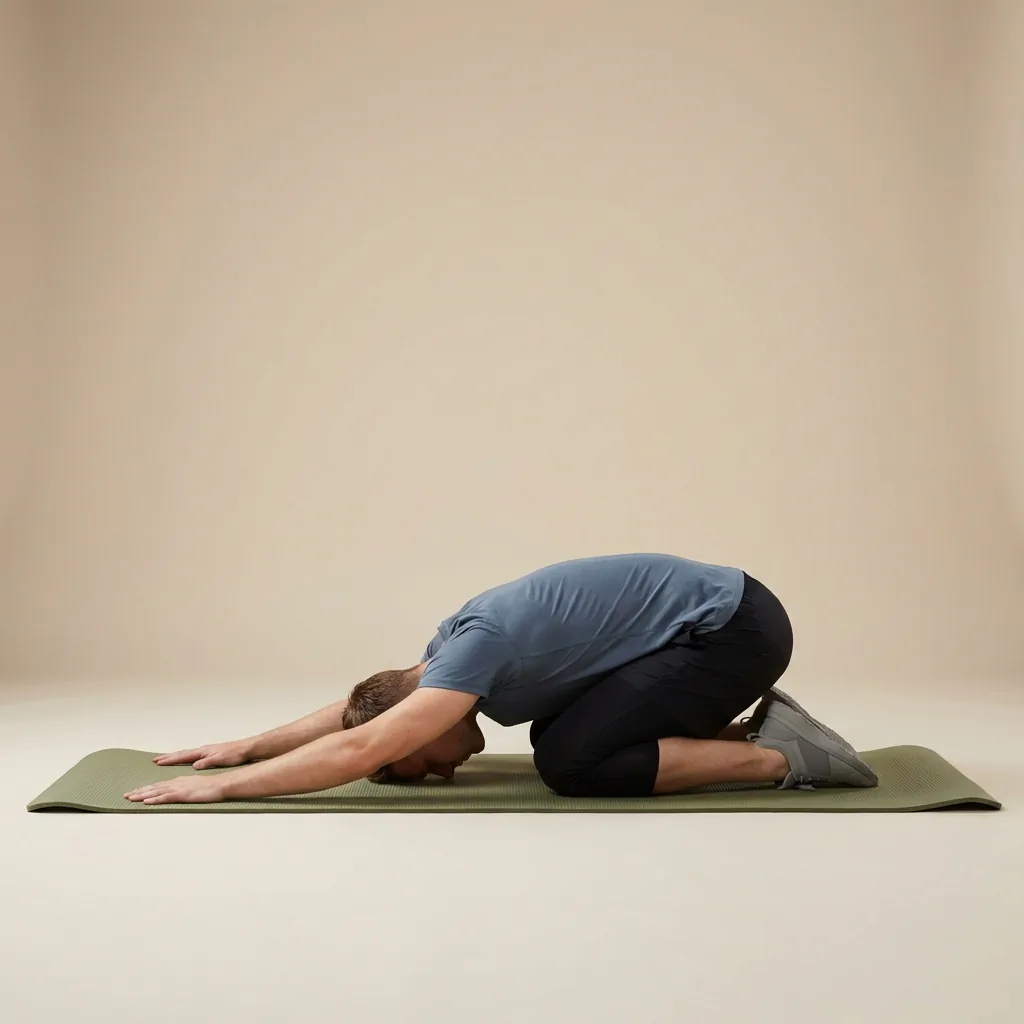
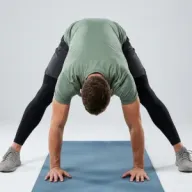
Cool-Down: Full-Body Release
A 13-move head-to-toe cool-down — butterfly, rag doll, spinal twist, and child's pose with timed holds after any session.
-
-
-
-
-
- +8
-
-
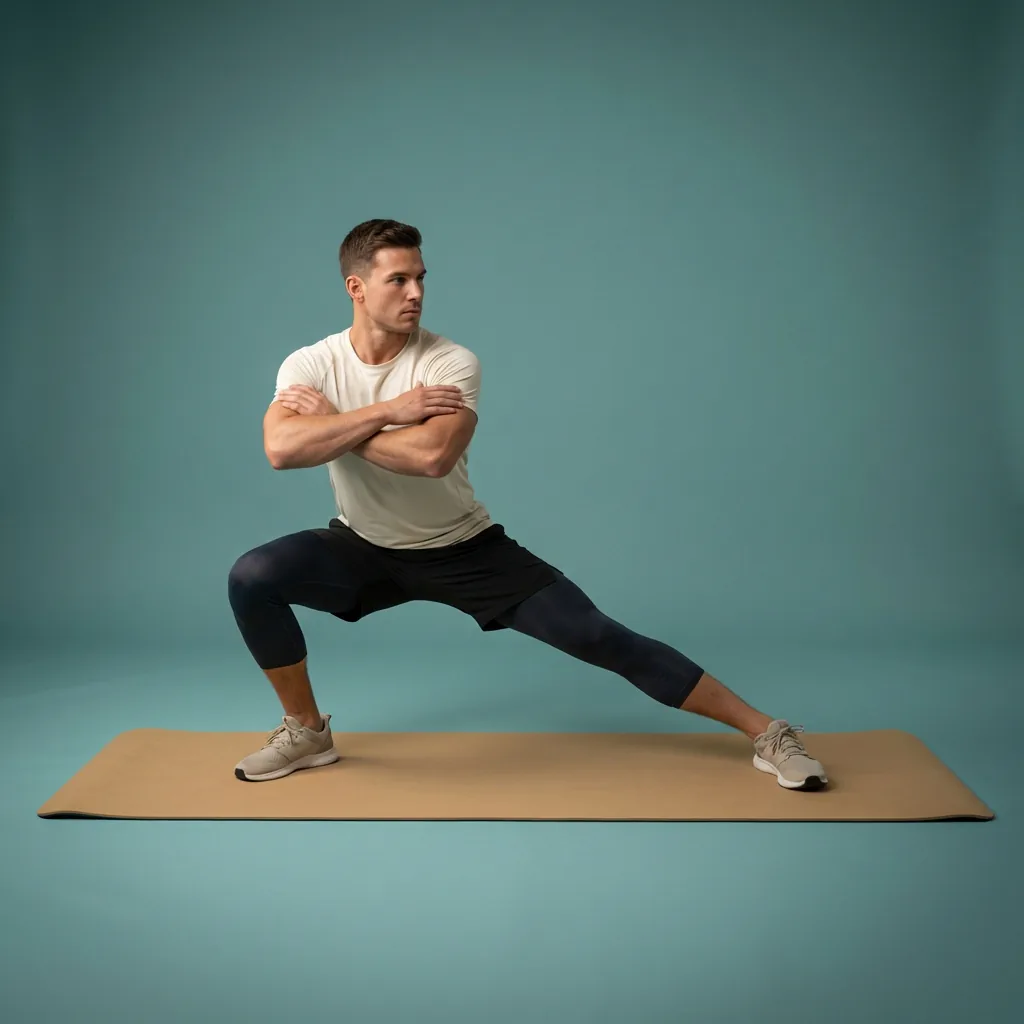 9 min Advanced
Cool-Down: Hip Flexor Unwind
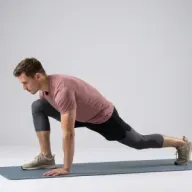
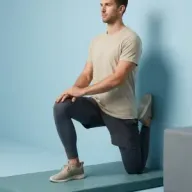
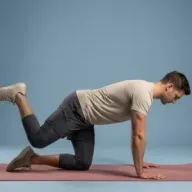
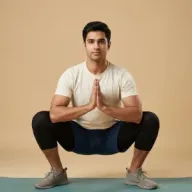
An 8-move advanced hip flexor cool-down — couch stretch, lizard pose, and pancake for psoas length after hard training.
-
-
-
-
-

- +3
-
-
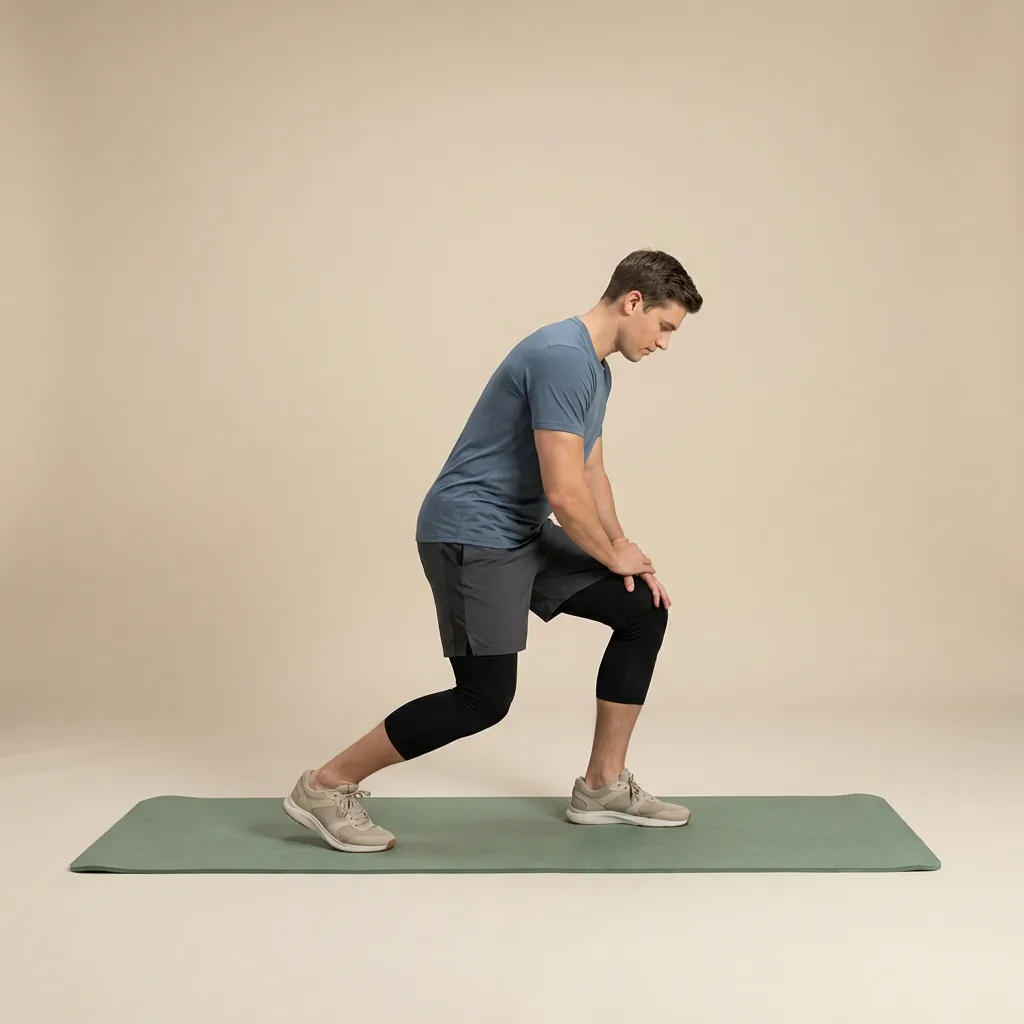 10 min Beginner
Cool-Down: Legs and Hips
A 9-move leg-day cool-down — butterfly, figure four, quad stretch, and soleus stretch with gentle passive holds.
-

-
-
-
-
- +4
-
-
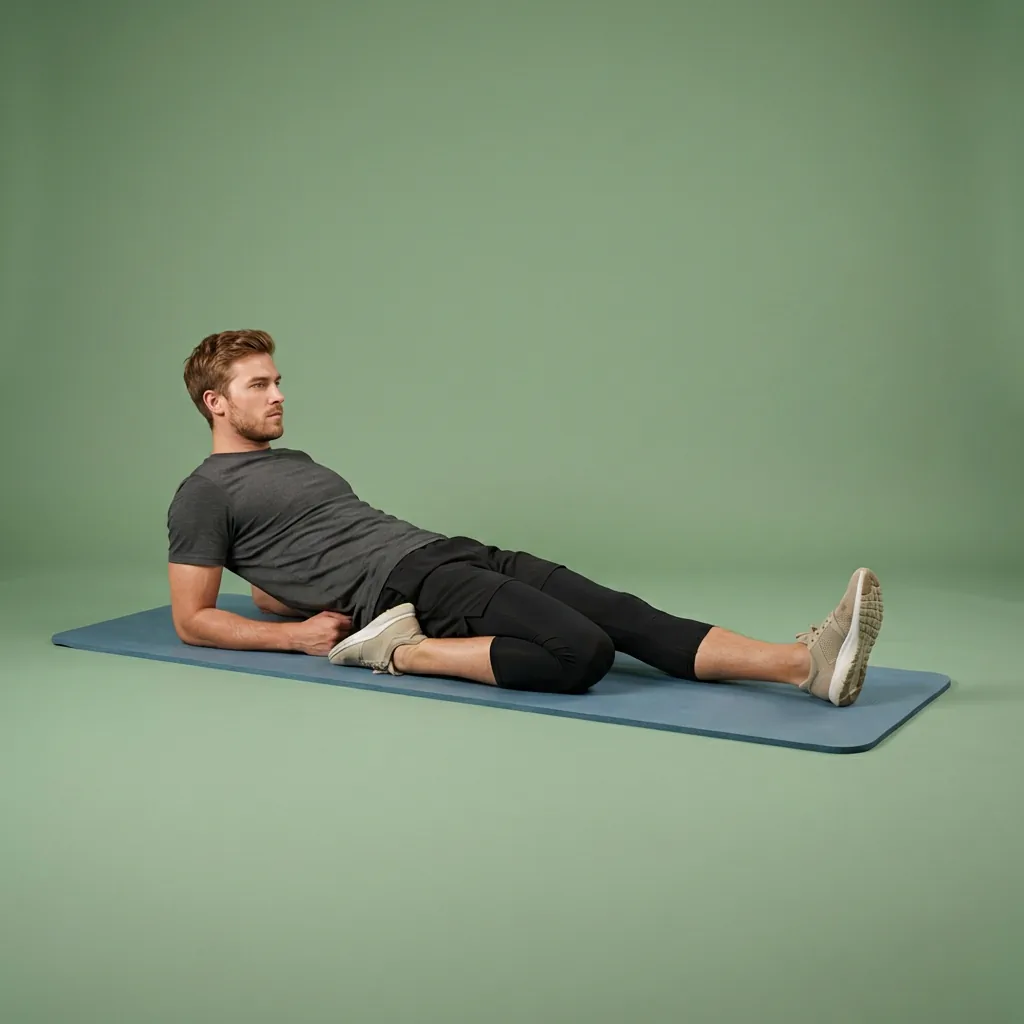 11 min Beginner
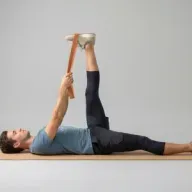
Cool-Down: Post-Run Stretch
An 11-move runner's cool-down — hip flexor stretch, calf stretches, and figure four targeting calves, IT band area, and hamstrings.
-
-
-
-
-
- +6
-
-
 14 min Intermediate
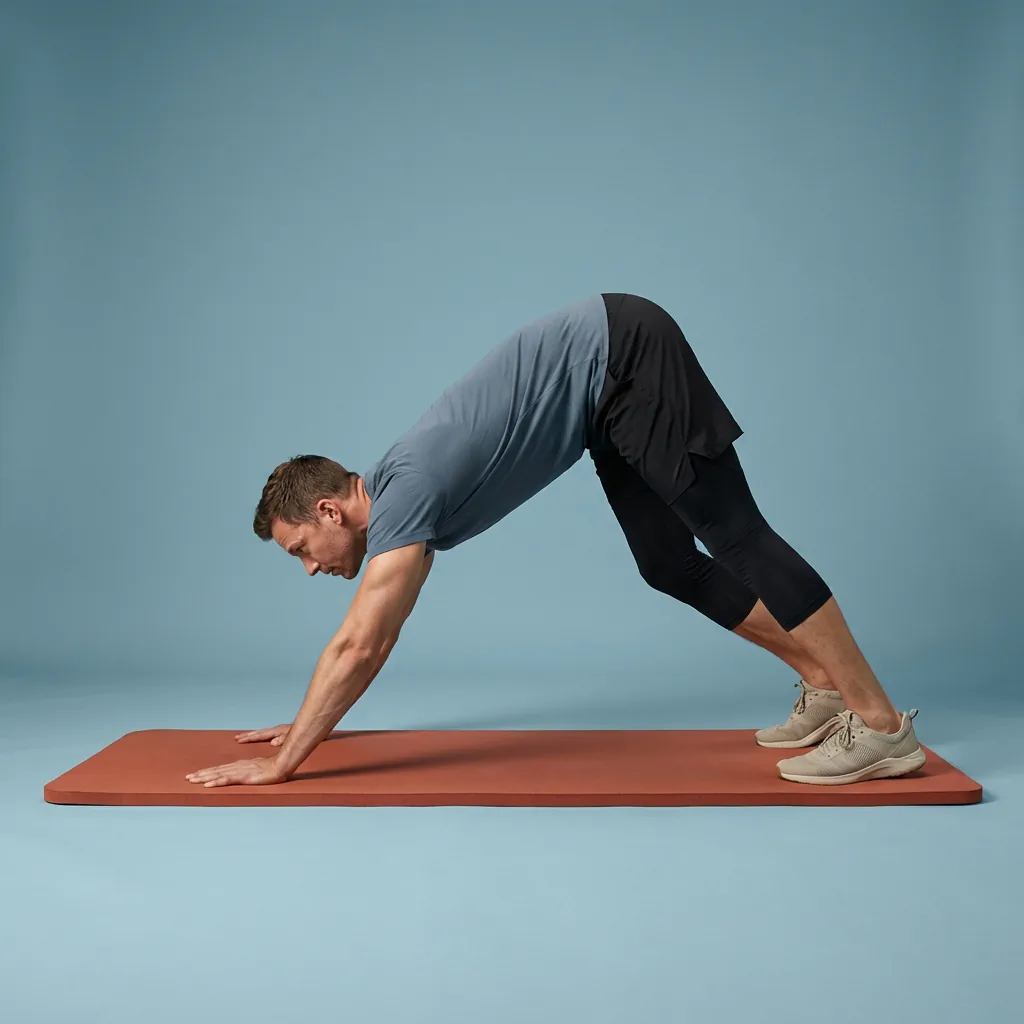
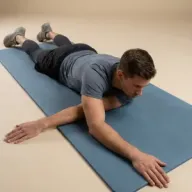
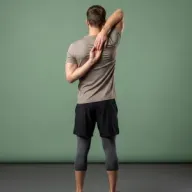
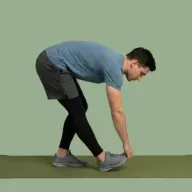
Cool-Down: Post-Strength Stretch
A 13-move post-lift stretch — long holds for forearms, hips, hamstrings, and spine after heavy resistance training.
-
-
-
-
-
- +8
-
-
 11 min Intermediate
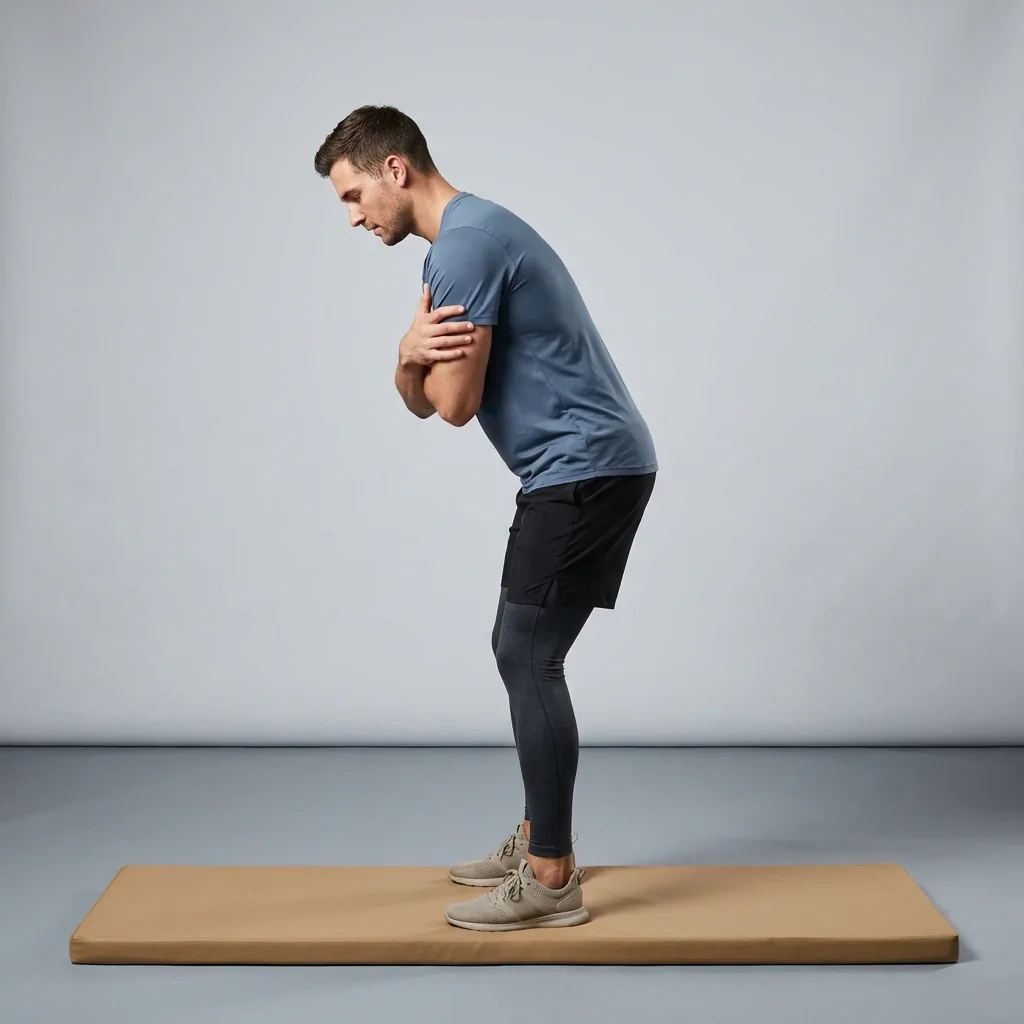
Cool-Down: Upper Back Unknot
An 11-move mid-back cool-down — eagle arm, thread the needle, and forward fold for rhomboid, trap, and thoracic tension.
-
-
-
-
-
- +6
-
-
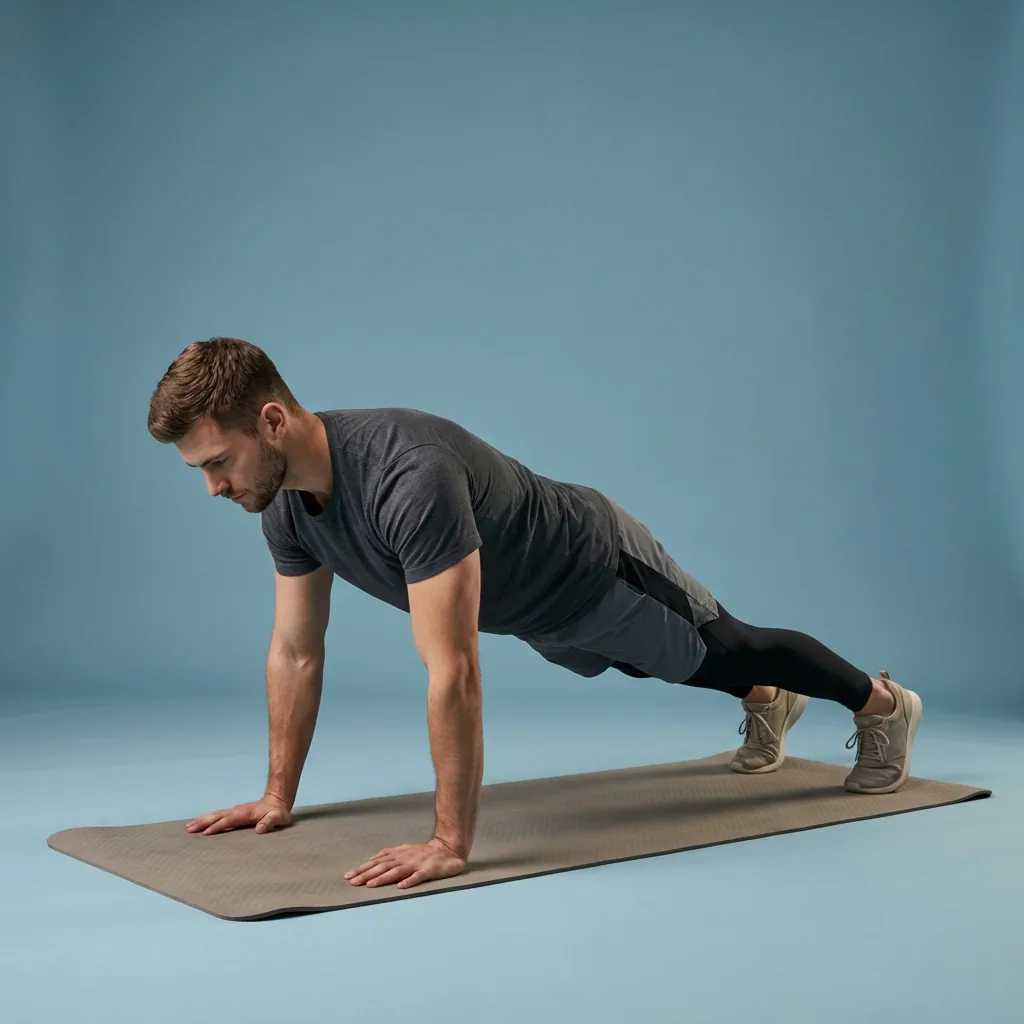 12 min Advanced
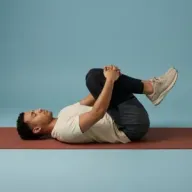
Core & Stability Light-up
A controlled core-stability sequence for bracing, balance, and trunk endurance, with clear progressions and no equipment.
-
-
-
-
-
- +8
-
-
7 min Beginner
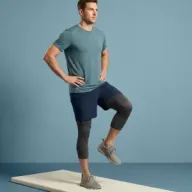
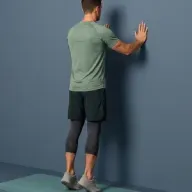
Deep Squat Routine
An 8-move ankle mobility session — talocrural joint drills and calf stretches to support deeper squat depth and stride comfort.
-
-
-
-

-
- +3
-
-
 13 min Intermediate
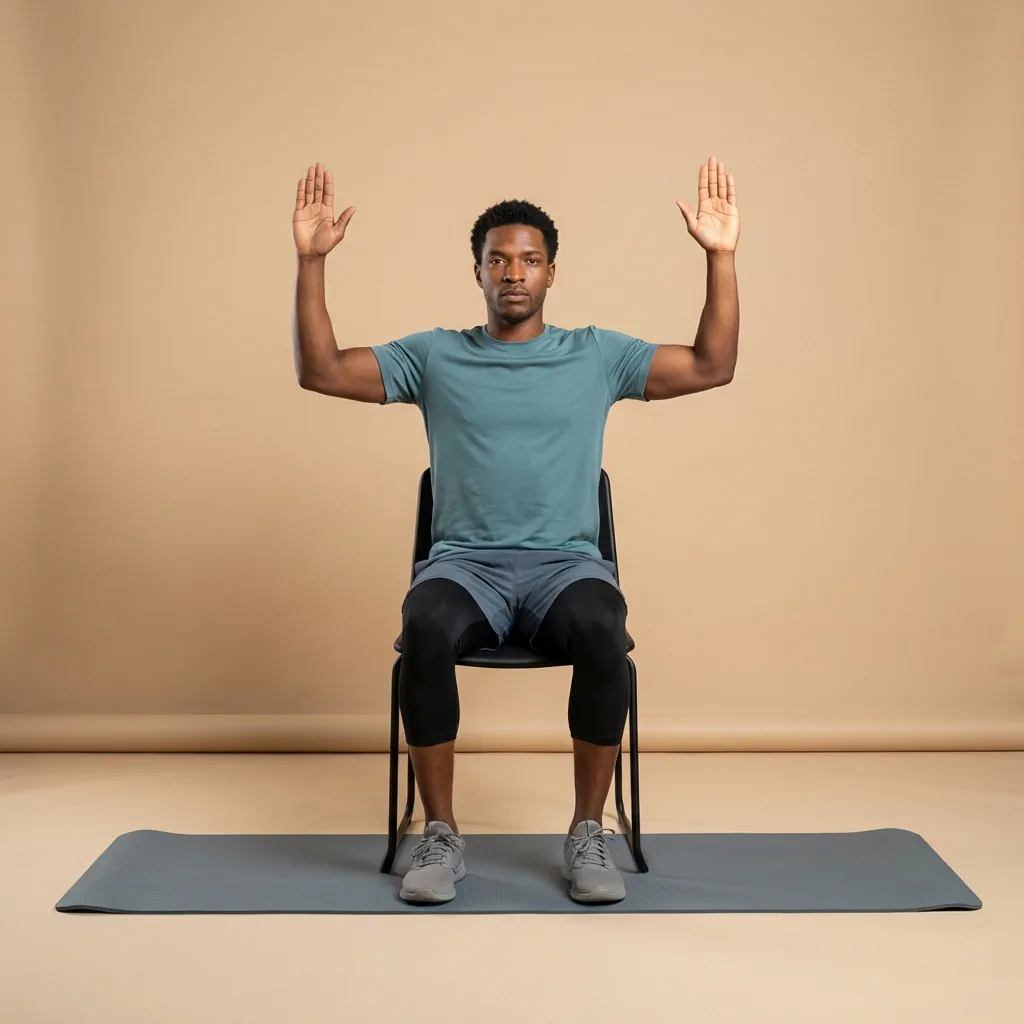
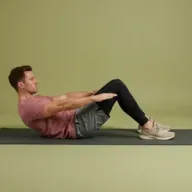
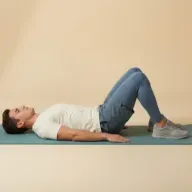
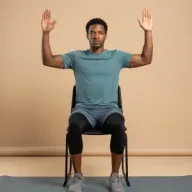
Desk Posture Reset
A desk-worker posture reset — chin retractions, bird dog, doorway pecs, and thread the needle to open the chest and reconnect core support.
-
-

-

-
-
- +9
-
-
 12 min Intermediate
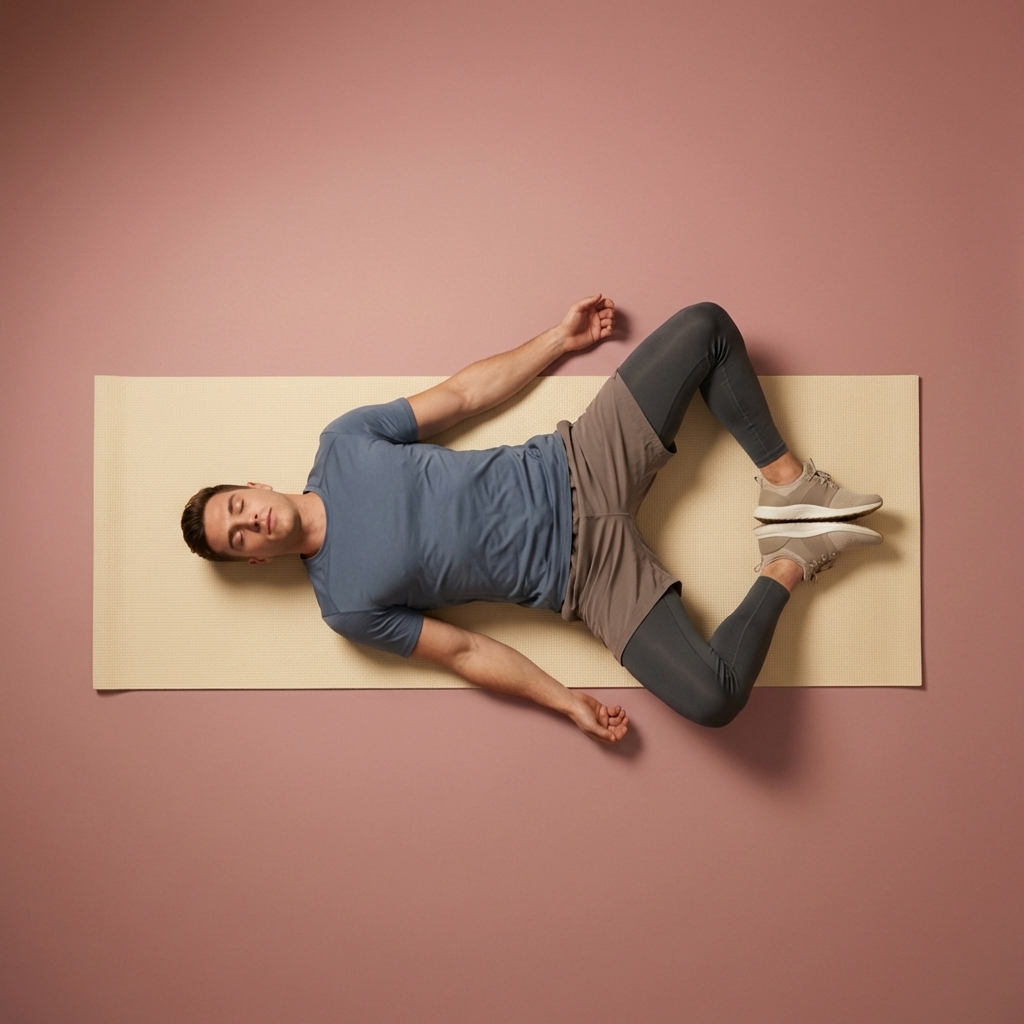
Drift to Sleep
A floor-based bedtime sequence — figure four, reclined butterfly, and legs-up-wall with long holds to downshift before sleep.
-
-
-
-
-
- +4
-
-
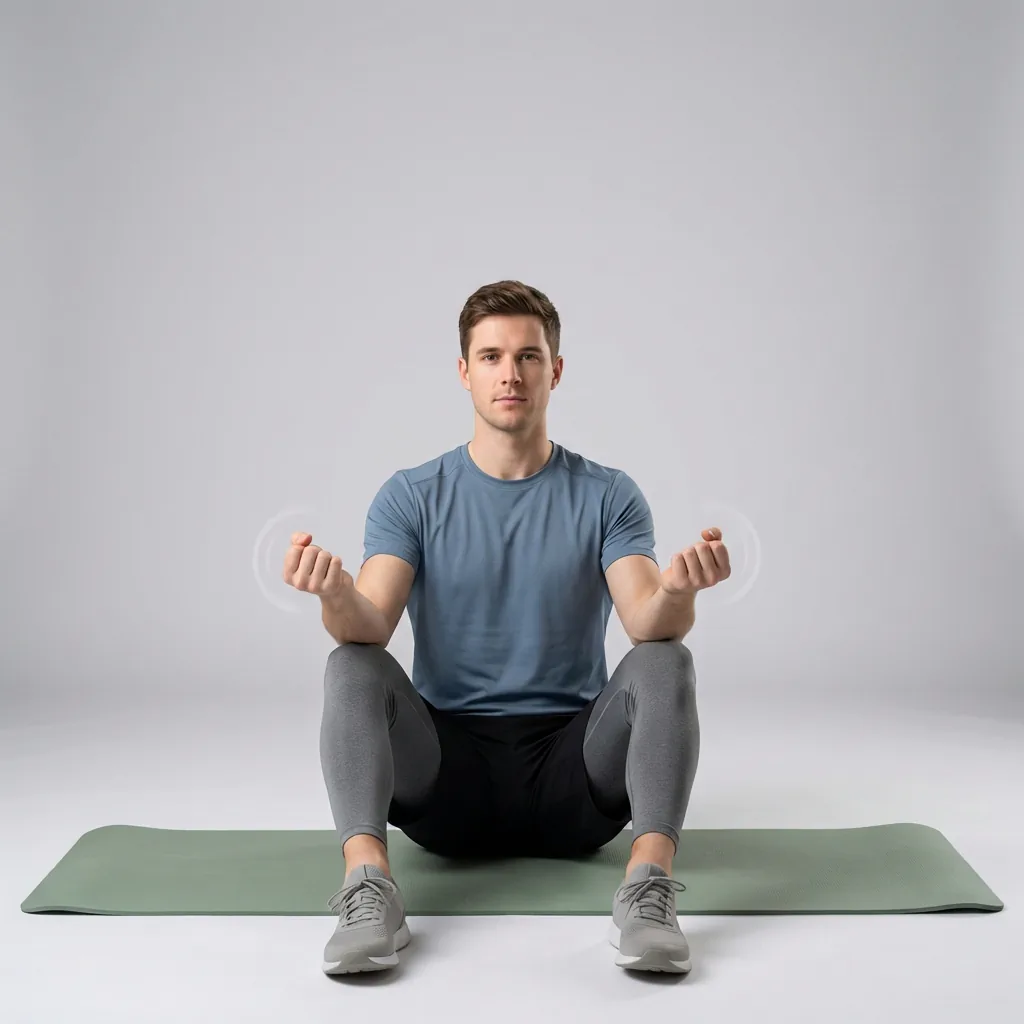 11 min Beginner
Elbow & Hand Comfort Flow
An 11-move arm comfort flow — nerve gliding and soft tissue mobility from elbows through fingers.
-
-
-
-
-
- +6
-
-
 8 min Intermediate
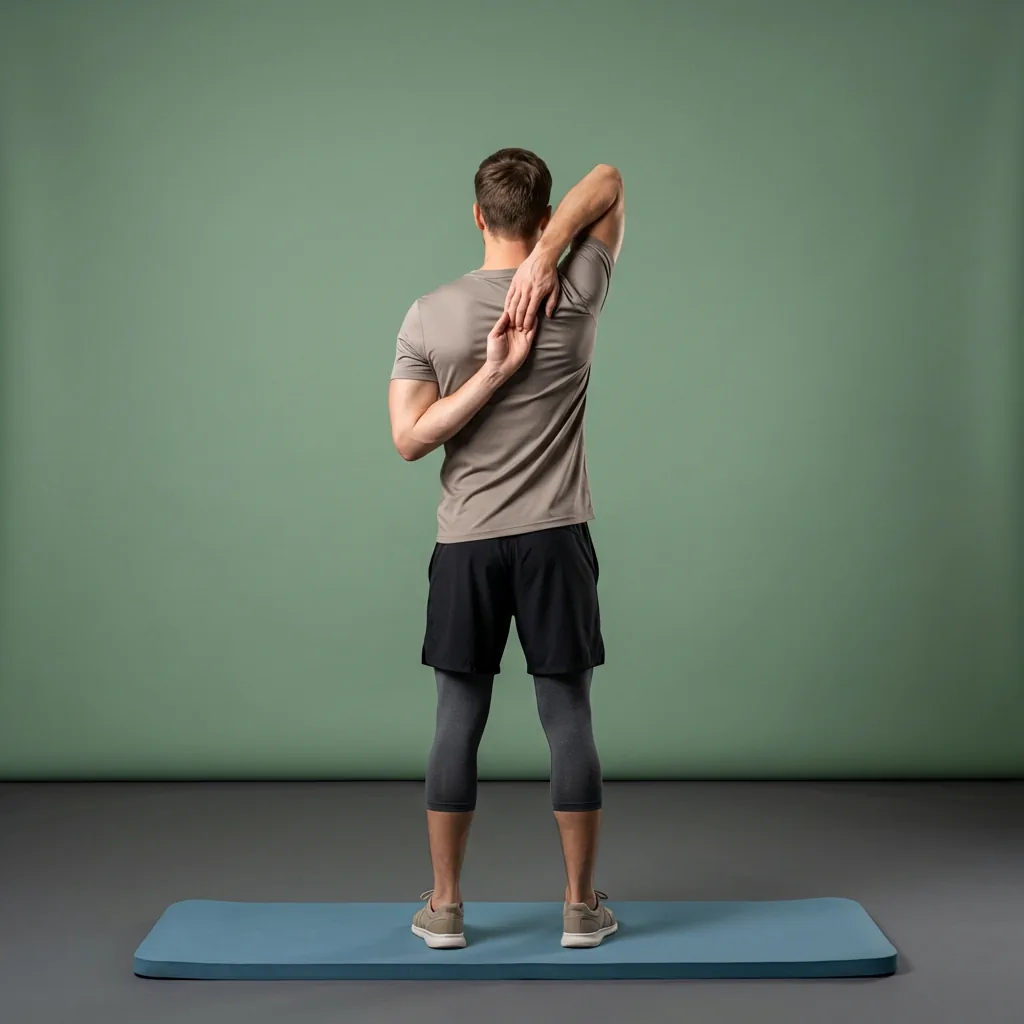
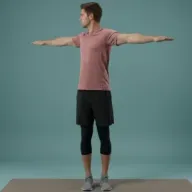
Evening Mobility Unwind
An 8-move evening unwind with chest flys, trunk twist, cow face, frog pose, and plow for a slower pre-bed mobility downshift.
-
-
-
-
-
- +3
-
-
 10 min Beginner
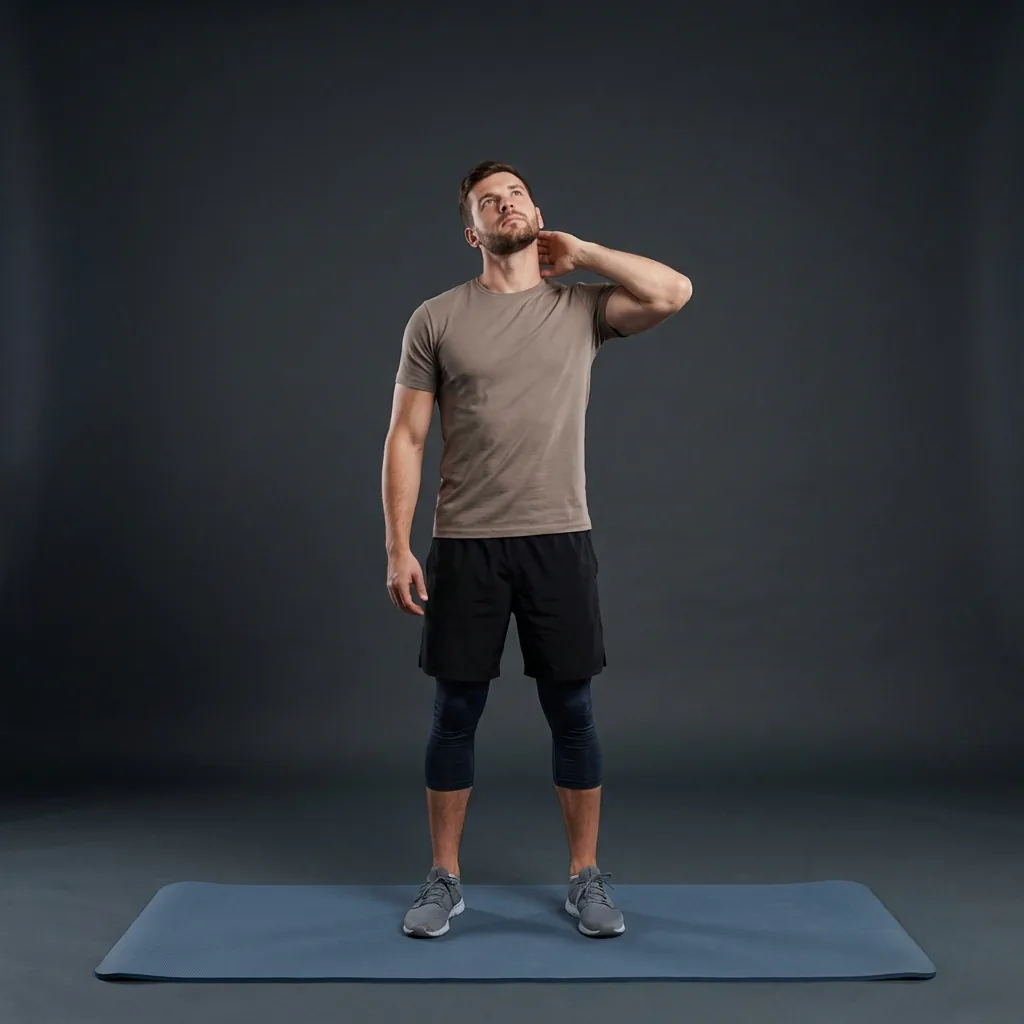
Express Neck Release
A fast 10-move neck routine — chin retractions, neck circles, and scalene stretches for when cervical stiffness hits mid-day.
-
-
-
-

-
- +5
-
-
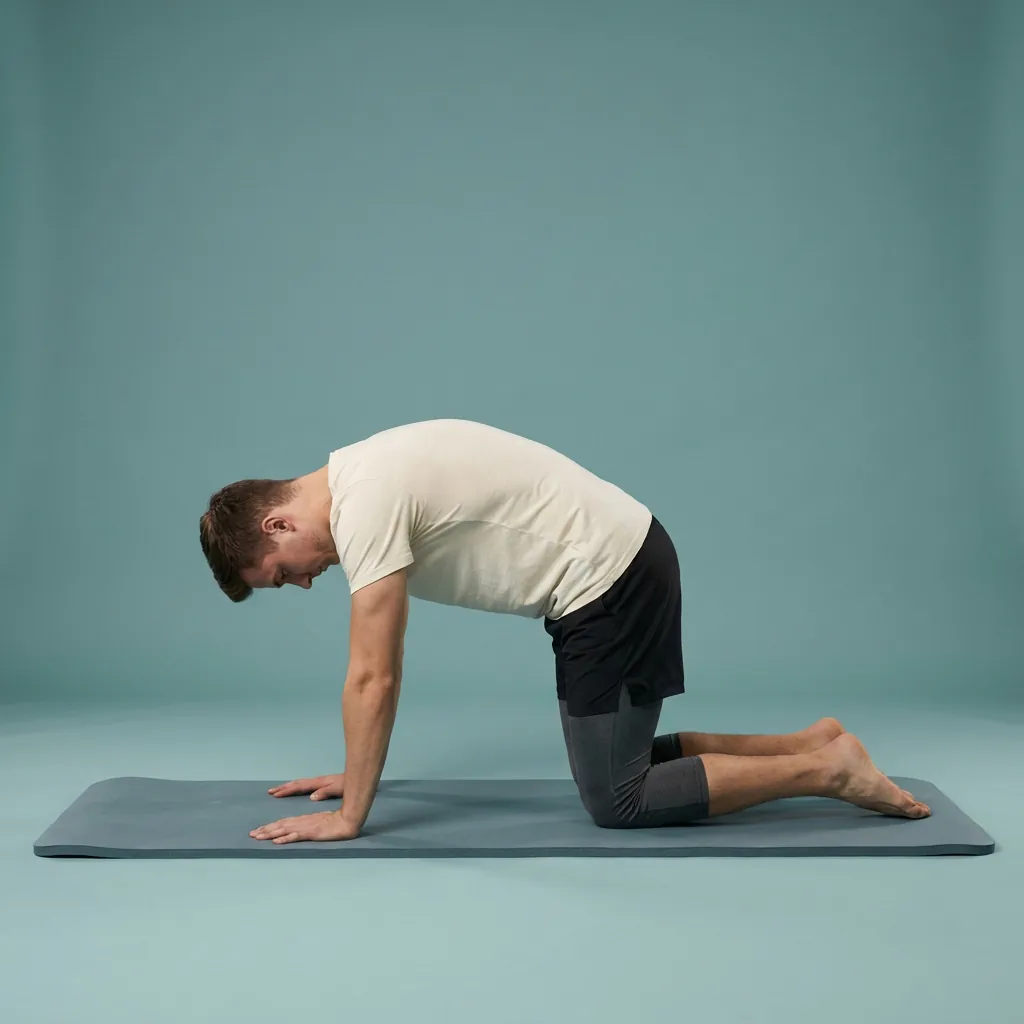 6 min Beginner
Fasting-Friendly Ease Level 1
A 7-move fasting-friendly ease flow for spine, hips, and core with cat-cow, baby cobra, bulldog, light holds, and child's pose.
-
-
-
-
-
- +2
-
-
9 min Intermediate
Fasting-Friendly Ease Level 2
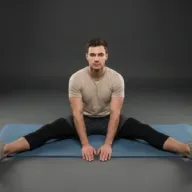
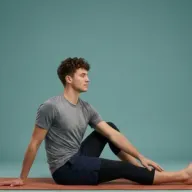
A 9-move fasting-friendly stretch for hips, spine, and hamstrings with cat-cow, butterfly, spinal twist, upward frog, seated straddle, and puppy pose.
-
-
-
-
-
- +4
-
-
 10 min Intermediate
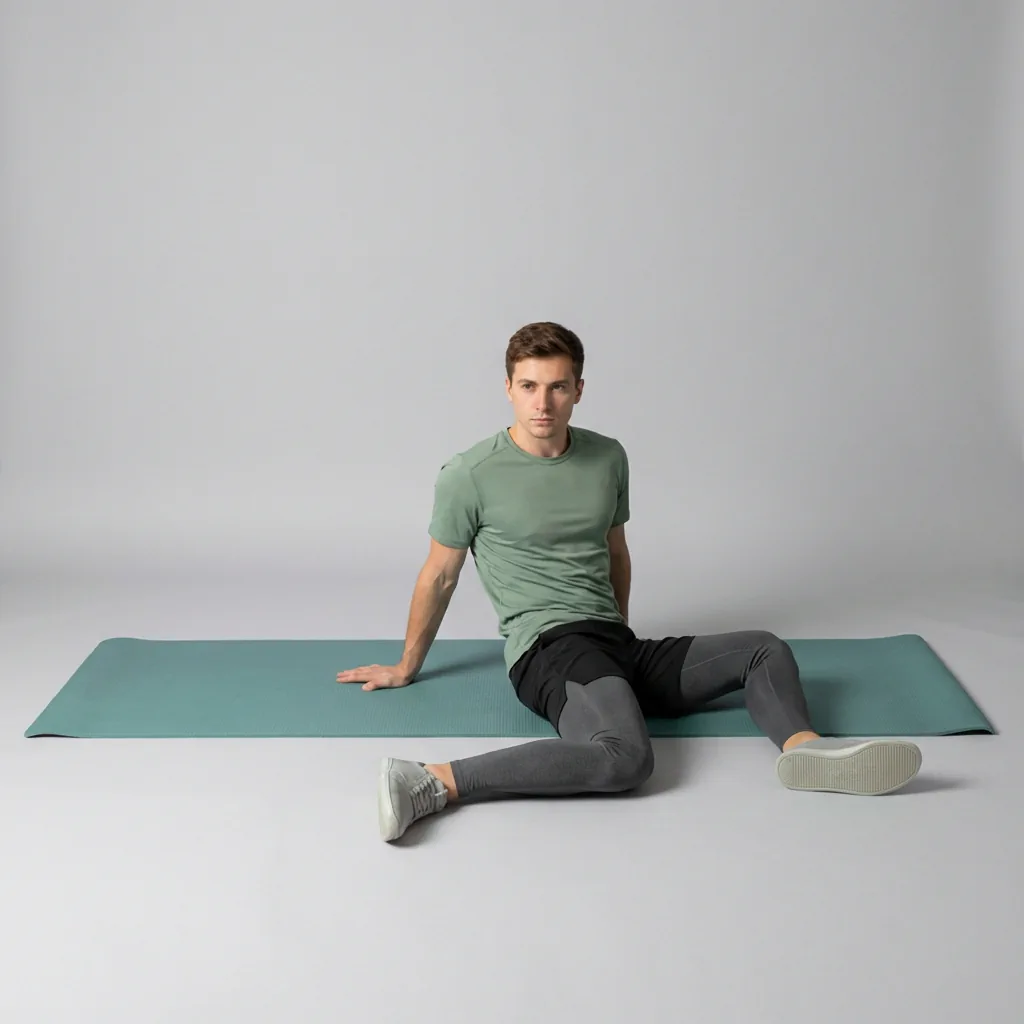
Fasting-Friendly Ease Level 3
Level 3 fasting flow — 10 intermediate moves including 90/90 hip switch and downward dog at low physical exertion.
-
-
-
-
-
- +5
-
-
 10 min Beginner
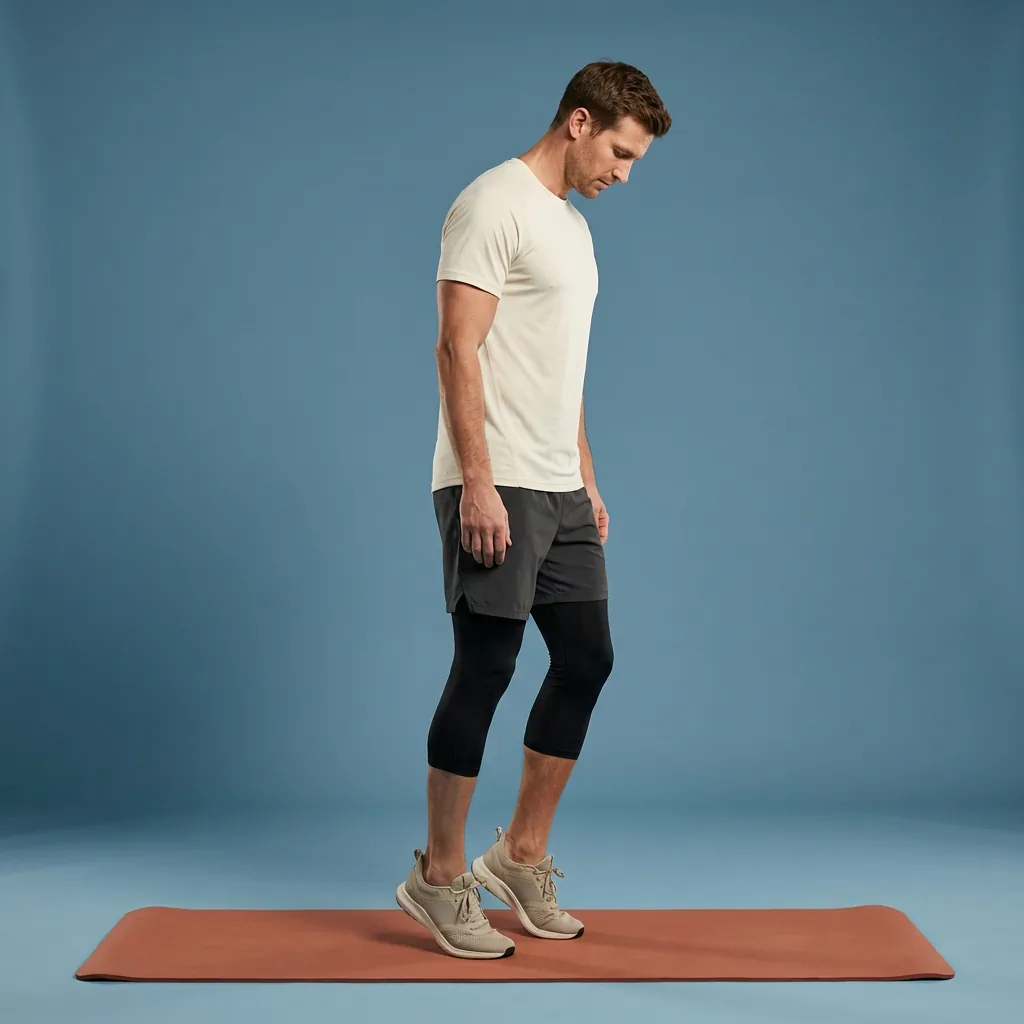
Foot & Ankle Ease
An 11-move foot and ankle foundation — toe stretch, toe squat, and intrinsic foot work for stiff, tired feet and ankles.
-
-
-
-
-
- +6
-
-
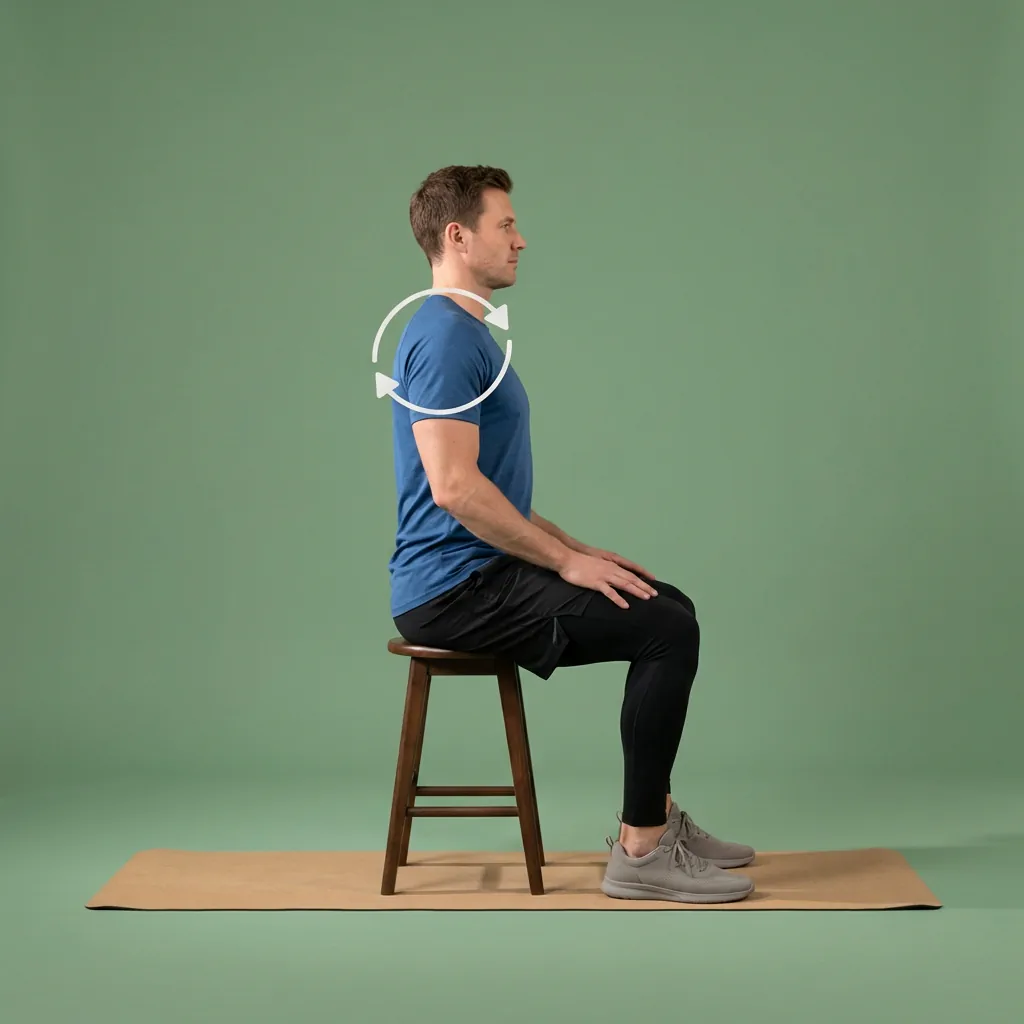 11 min Beginner
Forearm Release
An 11-move forearm and wrist release — wrist flexion, extension, and forearm stretch for typing and gripping fatigue.
-
-
-
-
-
- +6
-
-
 17 min Intermediate
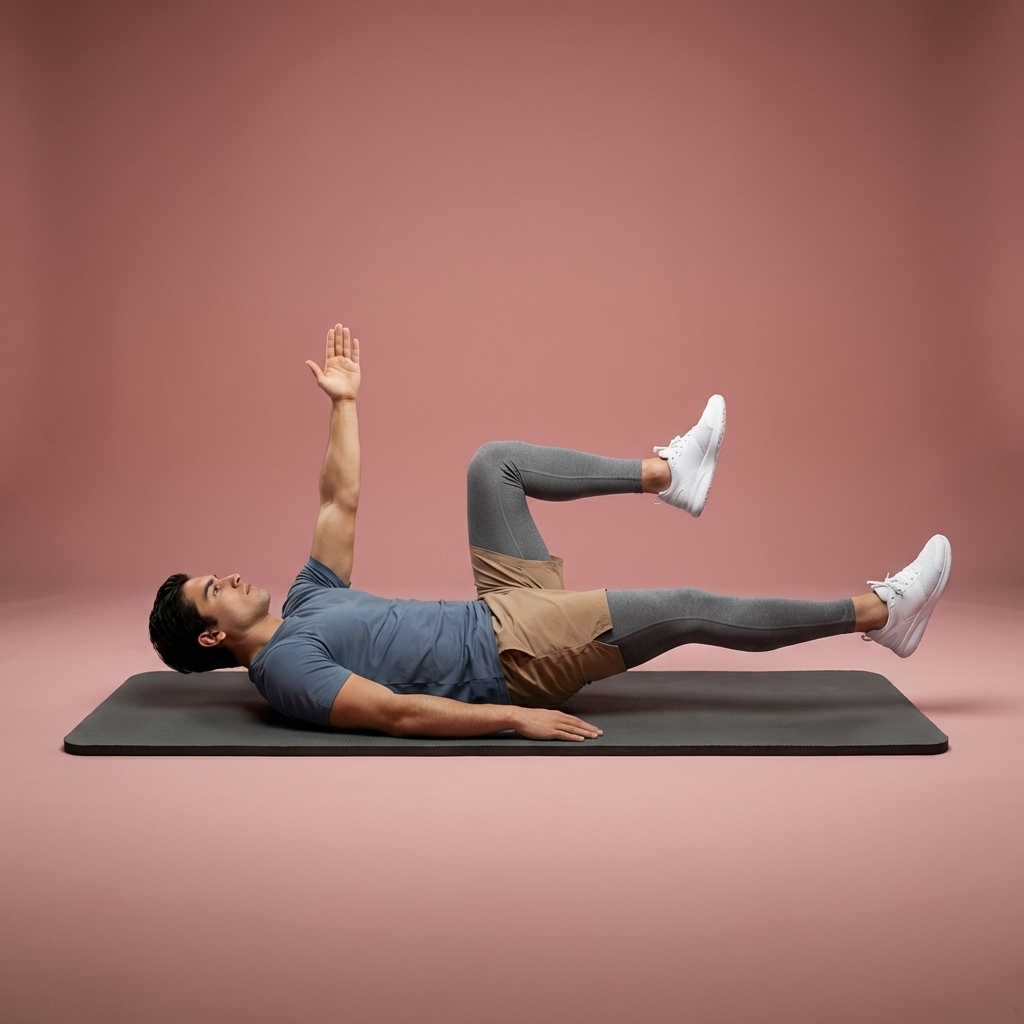
Full Body Flow
An 18-move head-to-toe mobility sequence with hip switches, downward dog, and child's pose for days you need more than a quick shake-out.
-
-
-
-

-
- +13
-
Browse routines by goal and activity
Start from an outcome, a lifestyle, or a sport—each guide points back to matching guided routines.
Start with purpose
A routine name is less important than matching the session to the moment. Use these broad categories to choose intentionally, then narrow by body area and time.
- Daily mobility: controlled movement through a comfortable range.
- Flexibility: slower stretches with relaxed breathing and no bouncing or forcing.
- Warm-up: gradually increase movement and use patterns relevant to your activity.
- Cool-down and recovery: lower the intensity and choose calmer movement after activity.
- Comfort-focused movement: gentle general-wellness routines, with clear medical boundaries.
Then choose a realistic level and duration
Pick a level that lets you move with control. A shorter routine you can complete comfortably is a sound starting point. Duration labels are a planning aid, not a target to rush through, and you can stop early whenever needed. If a session feels too hard, drop to an easier one rather than forcing the range.
Browse by goal, audience, and activity
Routines also connect to the wider guides on this site. If you have a specific outcome in mind, a goal page such as desk stretching, improving mobility, or post-workout recovery gathers the most relevant sessions. Audience pages collect routines around a lifestyle, and activity pages prepare you for a sport before and after training.
These guides all point back to the same library, so you can start from a goal, a lifestyle, or an activity and still land on guided routines you can follow straight away.
What the app adds
Flexor turns the choice into a guided session with an ordered sequence, timer, audio and visual cues, and progress features. You can browse ready-made routines, save favourites, make custom routines, or use AI-assisted discovery. Core routines, the library, and the player work offline, so a dropped connection does not stop a session.
Choosing a routine
How do I choose a Flexor routine?
Start with the purpose: daily mobility, flexibility, a desk break, workout preparation, a cool-down, recovery, or general body comfort. Then narrow the choice by focus area, available time, difficulty, and any equipment shown in the details. Select a level that lets you move with control, preview unfamiliar exercises, and change or stop any movement that does not feel suitable.
Are all routines equipment-free?
Many Flexor routines require no specialist equipment and can be followed with enough clear space to move. Some exercises may use optional support such as a stable wall or chair, or simple items such as a towel or block. Check the routine and exercise details before starting so you can prepare the space, avoid unstable substitutes, and choose another session if the listed setup is not appropriate.
How long should a routine be?
There is no single right length; the best routine is one you will actually finish and repeat. A short session done with control is a strong starting point, and you can build up gradually as it becomes familiar. Duration labels help you plan around the time you have rather than set a target to rush through. Filter by minutes available, and stop early any time you need to.
Can I follow routines without an internet connection?
Yes. Flexor's ready-made routines, exercise guidance, plans, the library, and the guided player work offline once content is on your device, so you can follow a session on a commute or in a gym with no signal. An internet connection is needed for Flexor AI discovery and for app-store subscription actions, but the core routine experience does not depend on staying connected.
Are these rehabilitation routines?
No. Flexor routines provide general fitness and wellness guidance for stretching, mobility, workout preparation, cool-downs, recovery, and everyday movement. They are not physiotherapy, injury rehabilitation, diagnosis, or medical treatment, and they are not tailored from an individual clinical assessment. Ask a qualified professional what exercise is appropriate when an injury, surgery, health condition, or persistent symptom changes what you can safely do.