
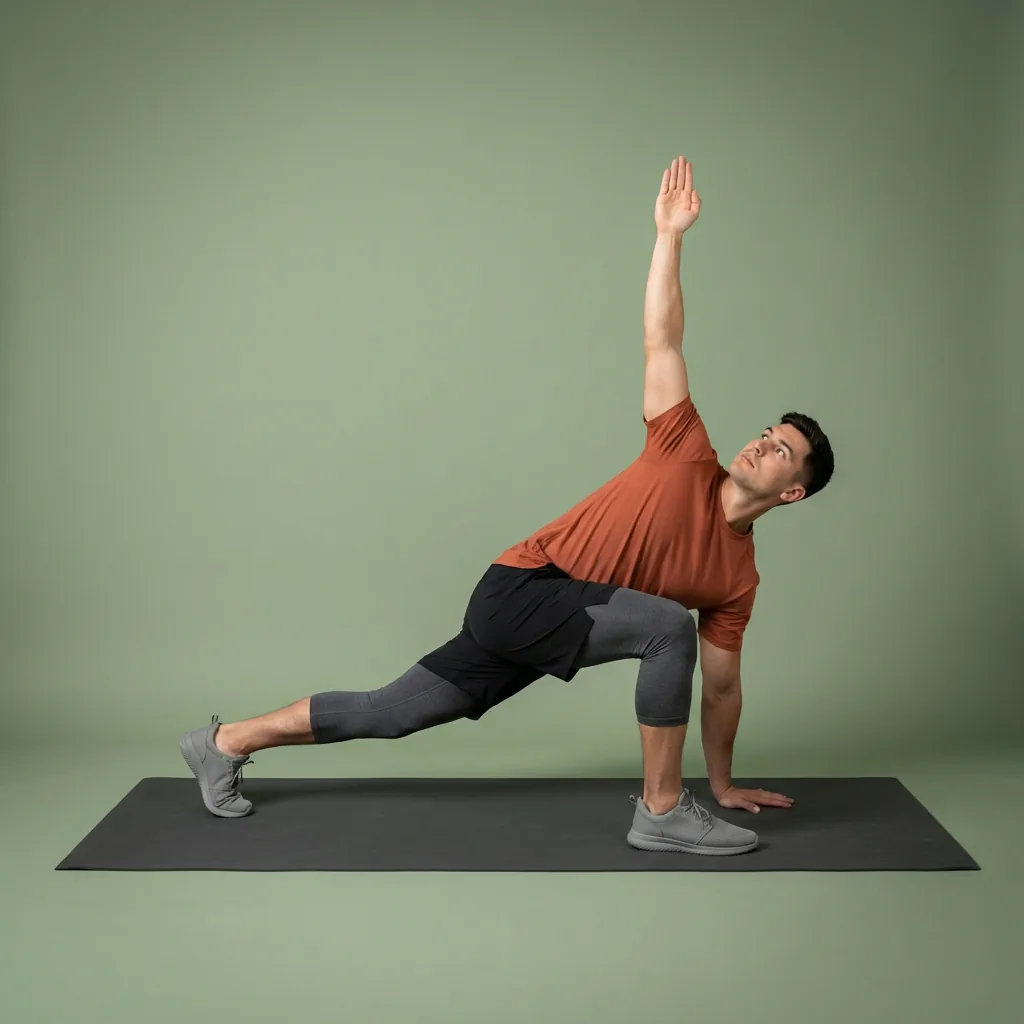
Stretching by activity
Stretching and mobility, matched to your activity.
Warming up for a run asks for something different from recovering after a heavy lift. This hub organises Flexor guidance by activity—running, weightlifting, cycling, golf and more—so you can prepare, move, and recover around the demands of what you actually do.
Before and after
Dynamic warm-ups to prepare and slower routines to recover.
Sport-aware focus
Routines built around the areas each activity tends to load.
Time-flexible
Short or longer sessions depending on how much time you have.
Guided throughout
Clear demonstrations and cues so you can focus on moving well.
In this section
Pick the guide closest to what you need.
- Cyclists Use guided warm-up, mobility and recovery routines for the hips, hip flexors, back, shoulders and legs before or after cycling, matched to your ride. Read the guide
- Football Guided warm-up, mobility and recovery routines for football's demands—hips, groin, hamstrings, calves and quick changes of direction—matched to your time. Read the guide
- Golfers Use guided mobility routines for rotation, hips, shoulders and upper back before practice, during a round or afterwards for recovery, matched to your time. Read the guide
- Runners Use guided warm-ups, post-run stretches and mobility routines selected around common running demands and your available time. Read the guide
- Tennis Prepare and recover with guided routines for rotation, shoulders, hips, calves and lower-body mobility, matched to tennis demands and the time you have. Read the guide
- Weightlifting Prepare for lifting and recover afterwards with guided mobility, warm-up and stretching routines organised by movement focus. Read the guide
Why organise stretching by activity
Each activity places its own demands on the body. Runners often want ankle, calf, and hip preparation before a session and a calmer stretch afterwards; lifters tend to warm up movement patterns and mobilise hips, shoulders, and the thoracic spine. Grouping routines by activity makes it easier to pick something relevant instead of a generic full-body sequence.
Activity pages sit alongside body-area pages rather than replacing them. An activity page curates warm-up, mobility, and recovery routines for a sport; a body-area page teaches a single region in depth. Use activity pages to plan a session and body-area pages to understand a specific area.
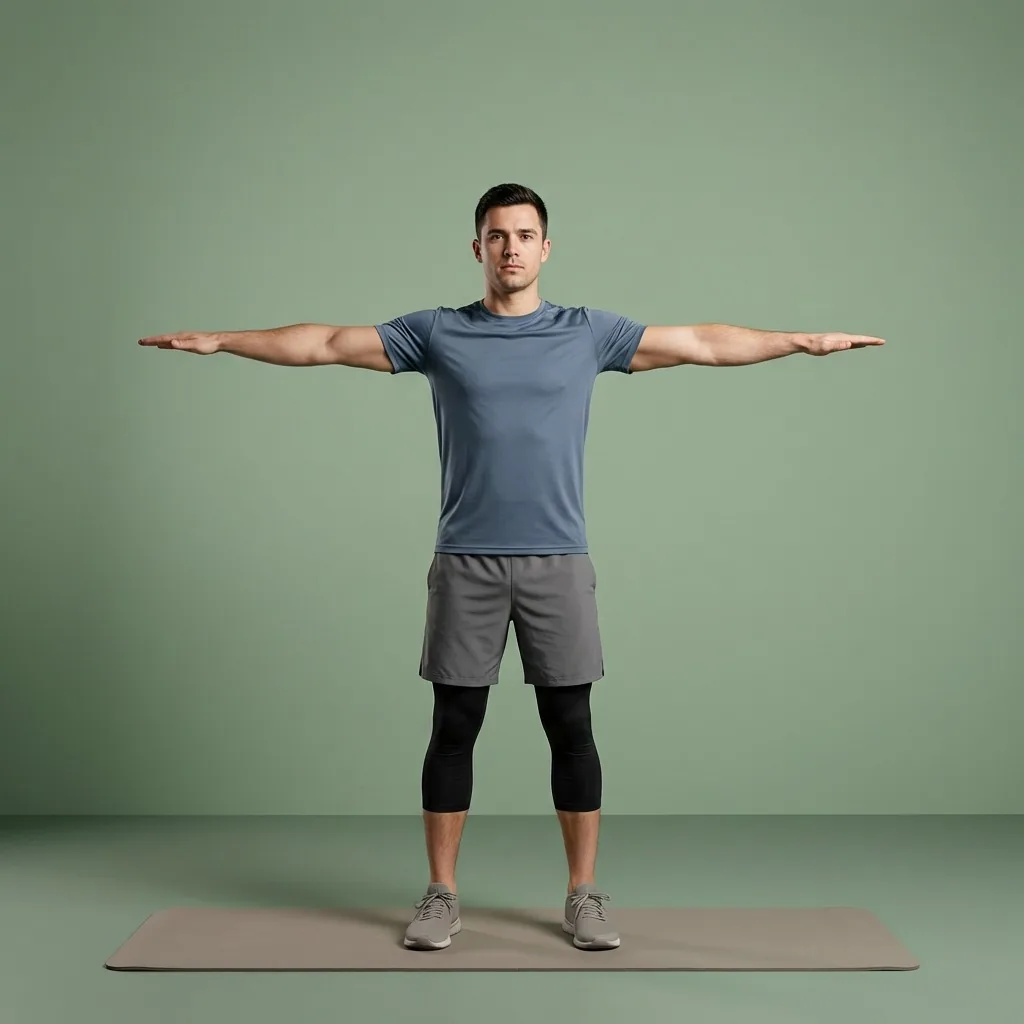
The six activity guides
Running and cycling both load the lower body, but a runner absorbs impact through ankles and calves while a cyclist spends an hour folded at the hips. Weightlifting warms up movement patterns and mobilises hips, shoulders, and the thoracic spine. Golf and tennis are both rotational, yet one is a controlled swing from a stable base and the other is repeated overhead loading with sudden direction changes. Football combines sprinting, kicking, and cutting, so its guide leans on hips, groin, hamstrings, and calves.
Each guide has its own curated routines, sport-specific notes, and questions rather than a template with the sport's name swapped in—which is why six sports are covered rather than every sport we could name.
- Endurance and repetition: running, cycling.
- Rotation and overhead load: golf, tennis.
- Sprint, kick, and change of direction: football.
- Loaded movement patterns: weightlifting.
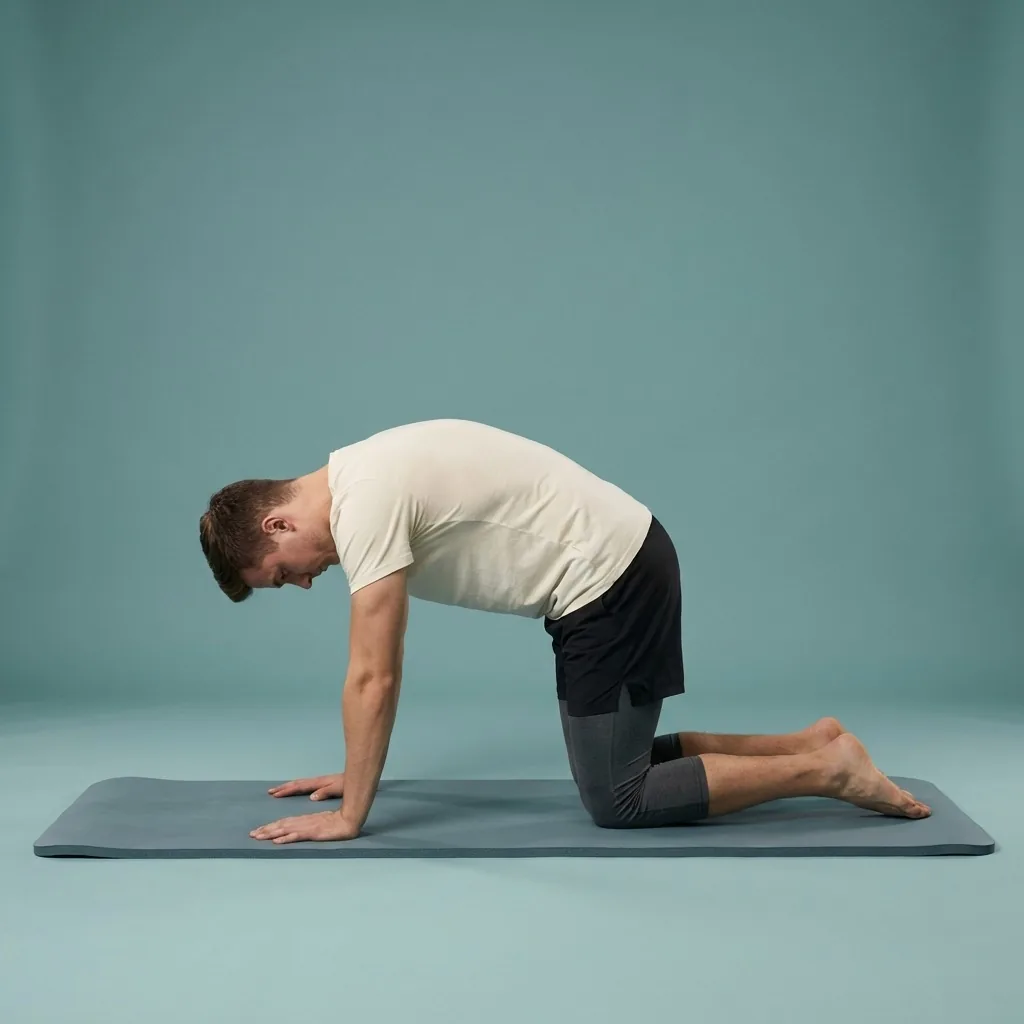
In Flexor: Spinal mobility to counter long periods of sitting.
Prepare for the sport you actually do.
Warm-up, mobility, and recovery routines curated around each sport’s demands.
Using warm-ups and cool-downs well
Flexor keeps warm-ups and cool-downs distinct on purpose. Warm-ups are more dynamic to prepare you for effort; cool-downs and recovery routines are slower and calmer for afterwards. Choosing the right one for the moment matters more than the total time you spend.
This is general fitness and wellness guidance, not sport-specific medical advice. Build intensity gradually, stay within a comfortable range, and stop if a movement causes pain or concerning symptoms.
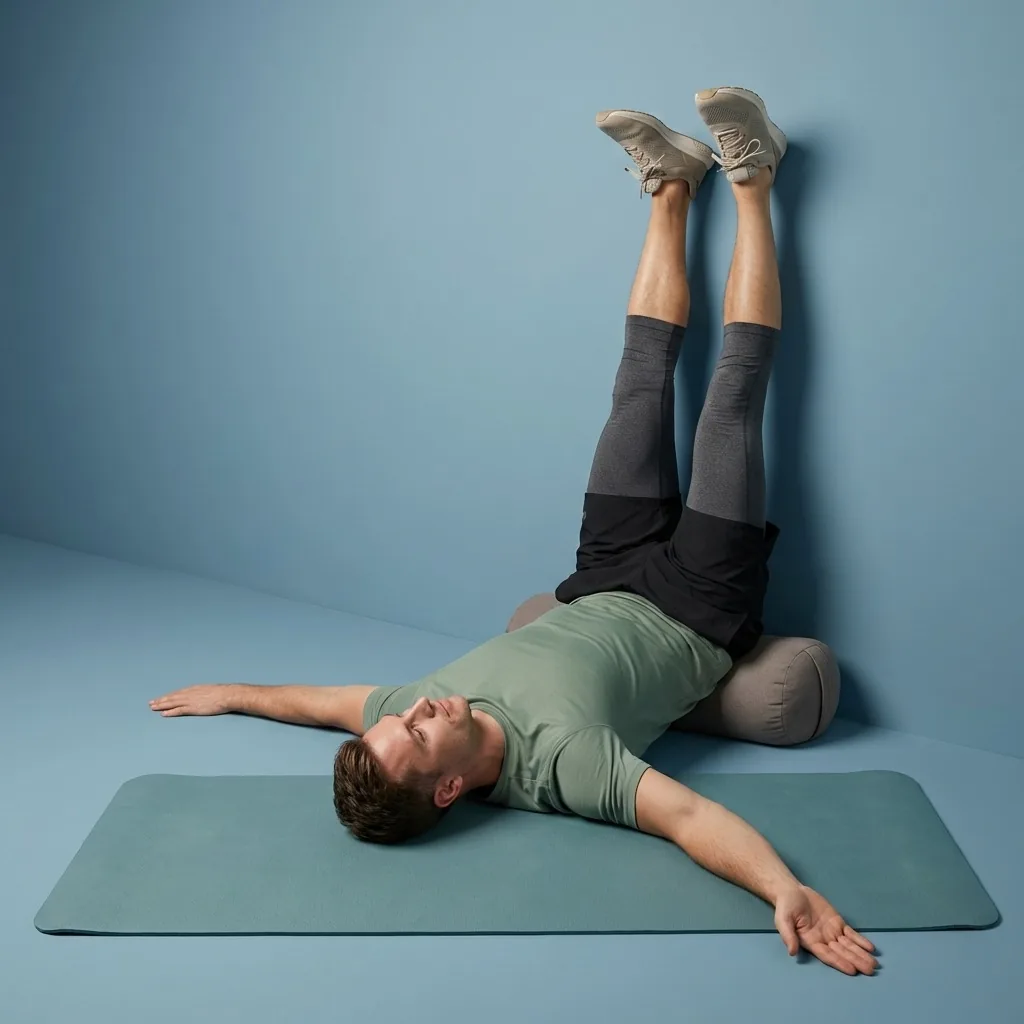
Quick facts
- Type
- Activity hub
- Live guides
- Running, weightlifting, cycling, golf, football, tennis
- Structure
- Warm-up before, cool-down and recovery after
- Distinction
- Sport demands, versus body-area depth
Where to start
You know your sport
Open the matching activity guide above.
You want to prepare for a session
Choose a warm-up; save the stretching for a cool-down.
You want to understand one area
Open a body-area guide instead.
Recommendations around what you do
Whatever sport you train for, the right movement work depends on the day. Flexor uses your goals, focus areas, available time and recent sessions to suggest a warm-up before or a recovery session after your activity. It never scans your body or assesses your movement.
See how daily recommendations workSafety and limits
- General fitness and wellness guidance, not sport-specific medical advice.
- Build intensity gradually and stay within a comfortable range.
- Stop and seek advice if a movement causes pain or concerning symptoms.
Flexor does not assess your movement, makes no injury-prevention claims, and is not a substitute for advice from a qualified professional.
Read the full wellness disclaimerRelated routines
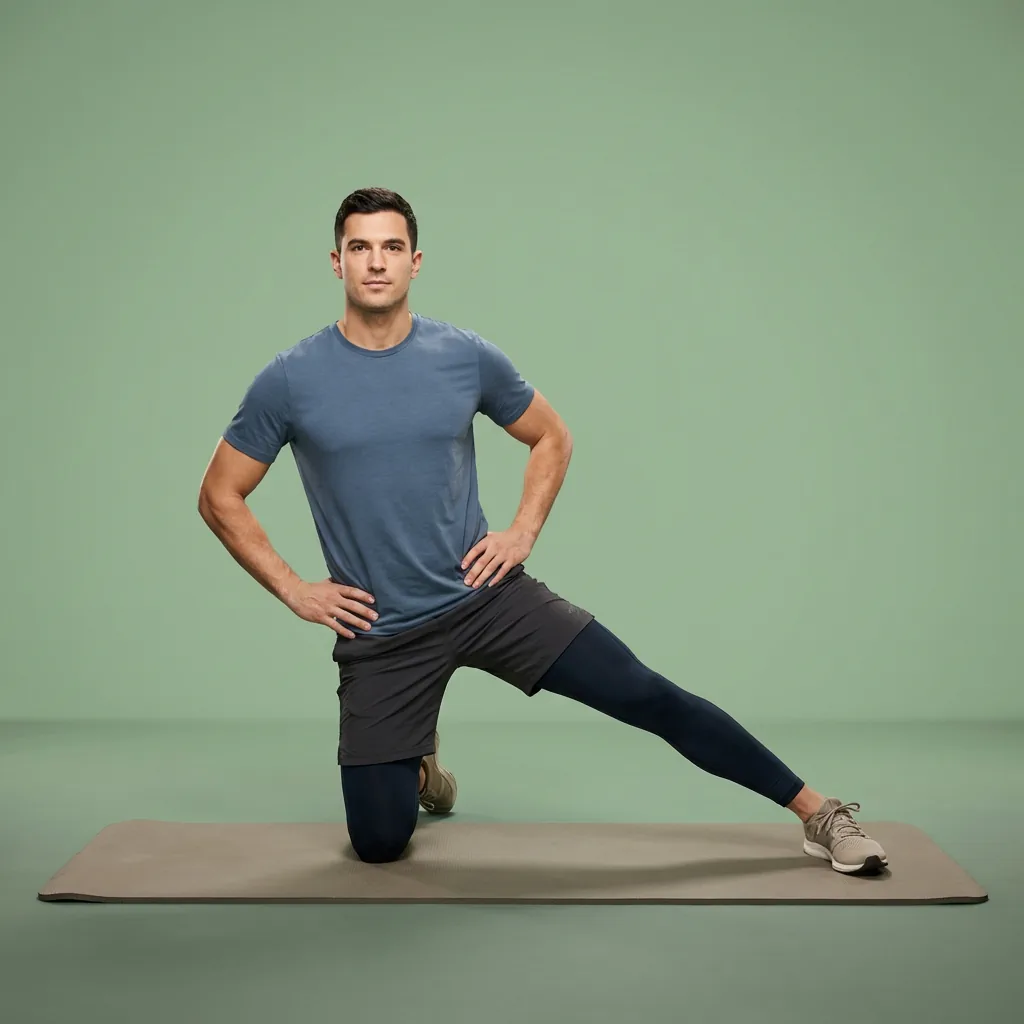
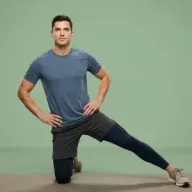
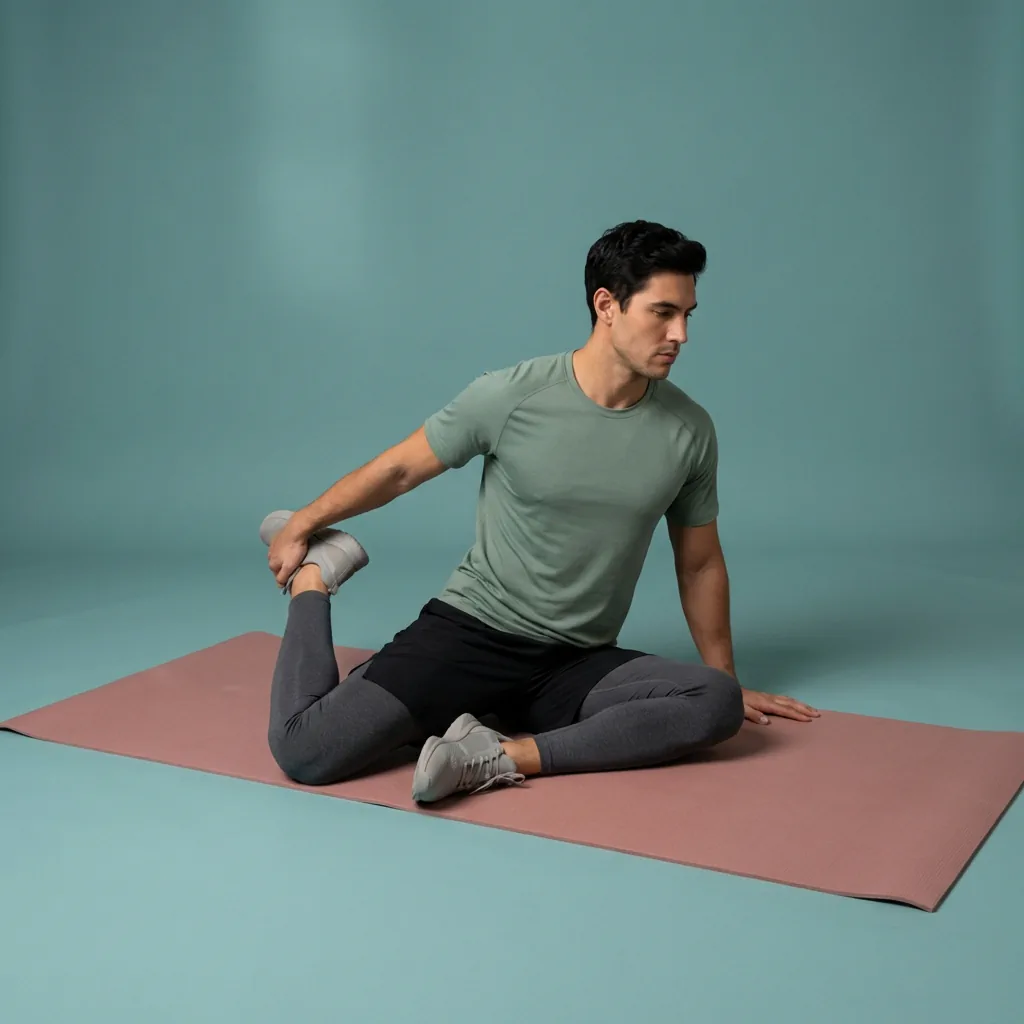
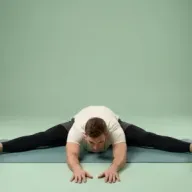
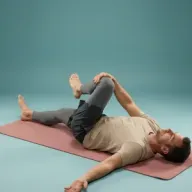
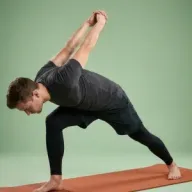
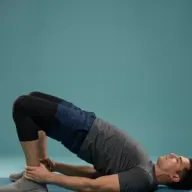
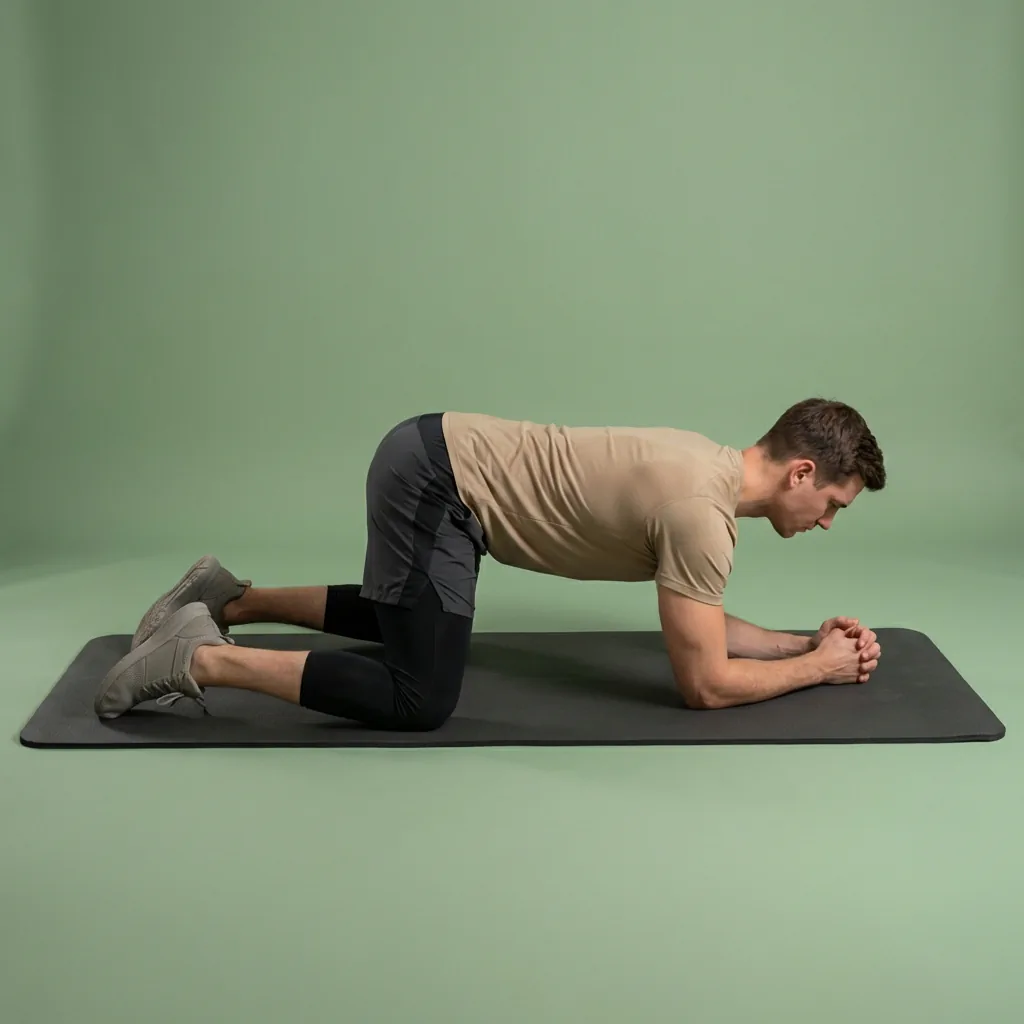
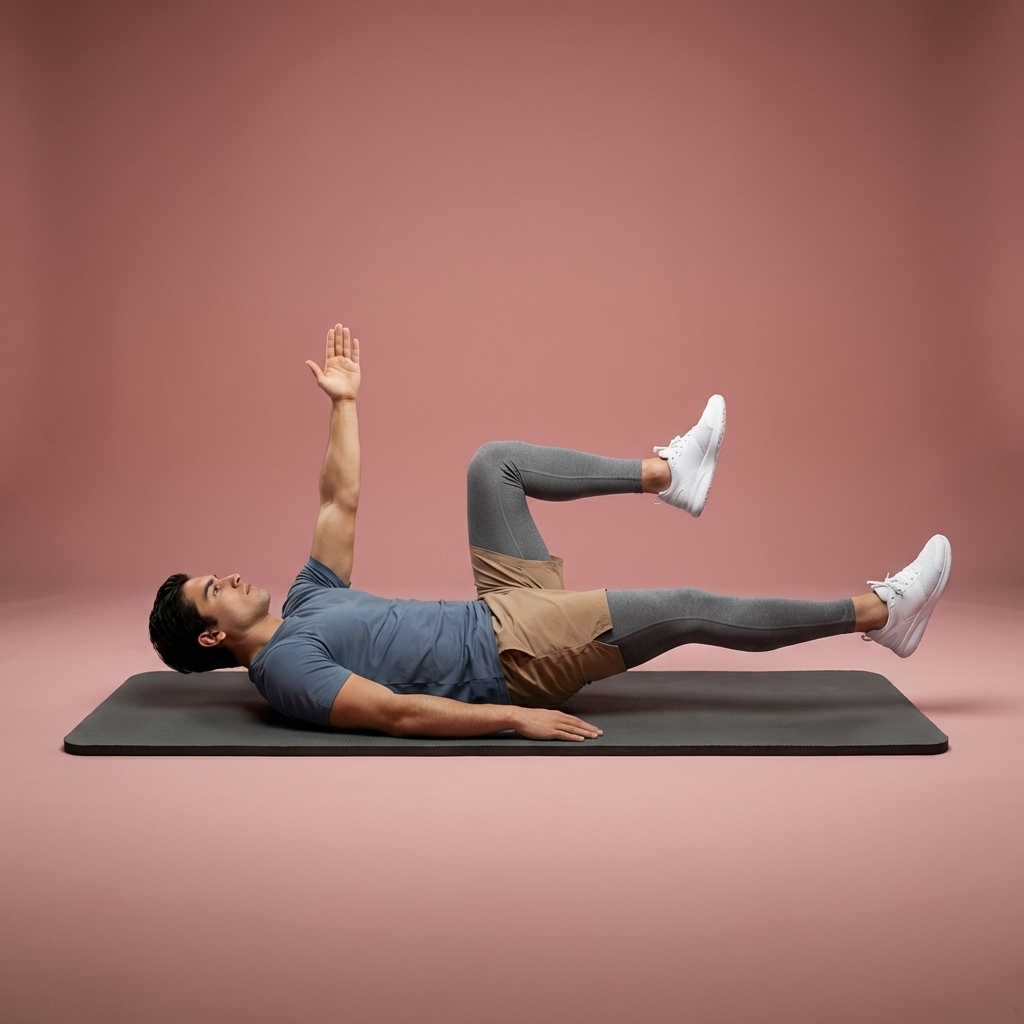
Browse guided Flexor sessions that match this page, then open any routine for steps and cues.
Common questions
Frequently asked questions
How is an activity page different from a body-area page?
An activity page curates warm-up, mobility, and recovery routines around a sport's demands—so a running page might prioritise ankles, calves, and hips before and after a session. A body-area page instead teaches one region, such as the calves, in depth with its own exercises and routines. Use an activity page to plan a whole session for what you do, and a body-area page when you want to understand or focus on a single area.
Which activity guides can I use today?
Six: running, weightlifting, cycling, golf, football, and tennis. Each is listed at the top of this page with its own curated routines and sport-specific notes. If your sport is not among them, pick the guide whose demands are closest—rotational sports overlap with golf and tennis, field sports with football—or filter the routines library directly by warm-up, mobility, and recovery for the body areas your sport loads most.
How are activity guides different from body-area guides?
Activity guides organise warm-up, mobility, and recovery options around the demands of an activity such as running, cycling, football, tennis, golf, or weightlifting. Body-area guides focus more deeply on one region and its relevant exercises and routines. Use an activity page when planning around a sport or workout, and a body-area page when one region needs more focused attention.
Keep exploring
More guides on stretching, mobility, routines, and Flexor features.
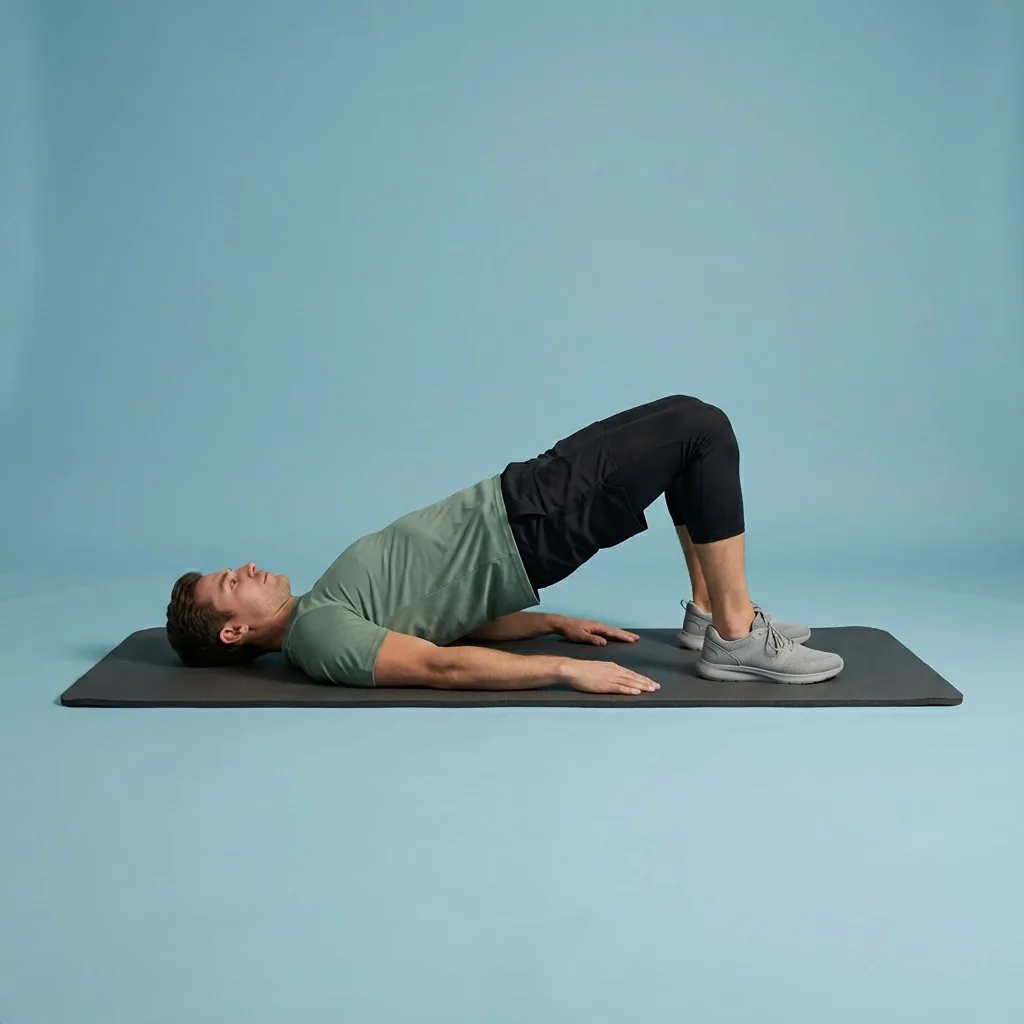
Post-workout recovery
Cool down and recover with guided post-workout stretches.
Cool down with guided post-workout stretches and recovery-focused routines matched to your activity, time and focus area...
Read more Workout preparation and wind-down
Warm-up and cool-down routines have different jobs.
Learn the difference between a dynamic warm-up and a gentler cool-down, with simple routine frameworks and guided Flexor...
Read more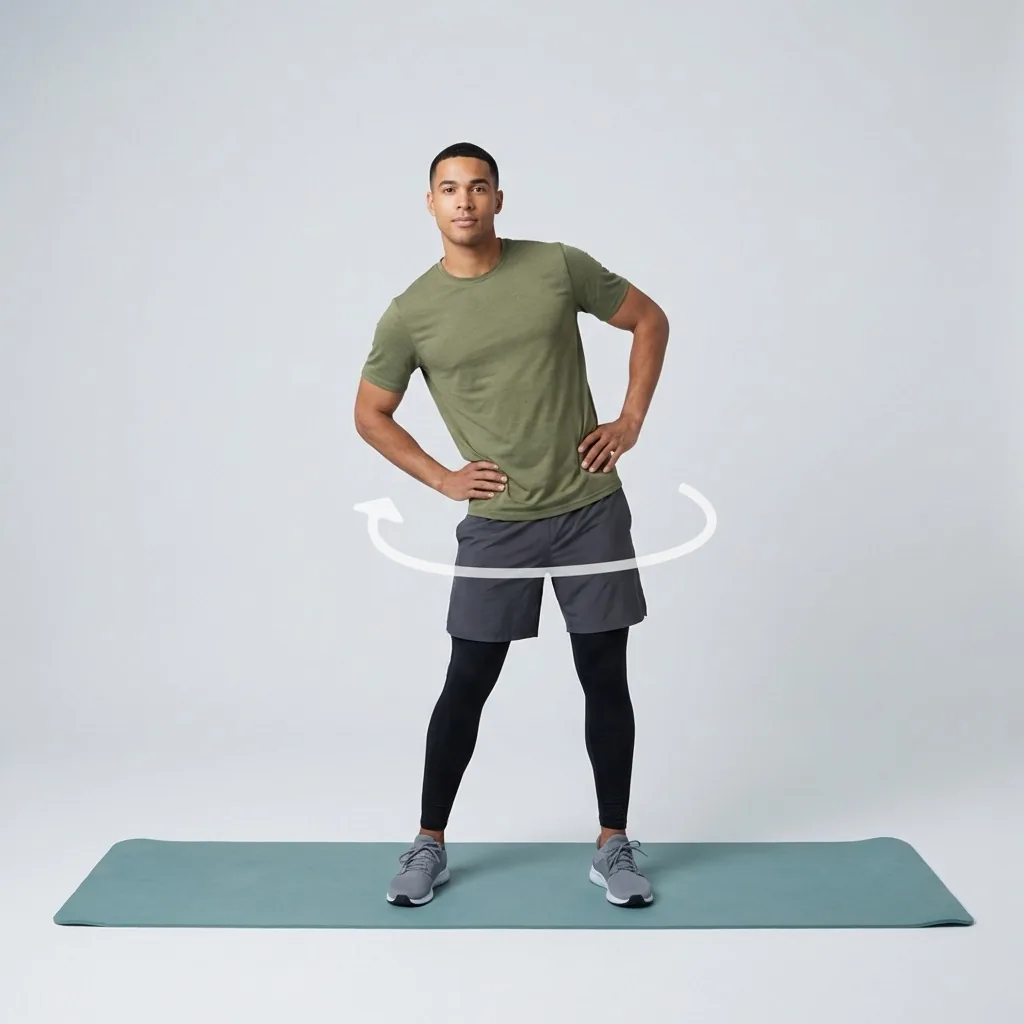
Mobility for fitness and everyday movement
Build controlled, usable movement—one short guided session at a time.
Improve mobility with guided routines, progress tracking and personalised daily recommendations designed around how you...
Read more