Improve mobility
Improve mobility with short, controlled daily sessions.
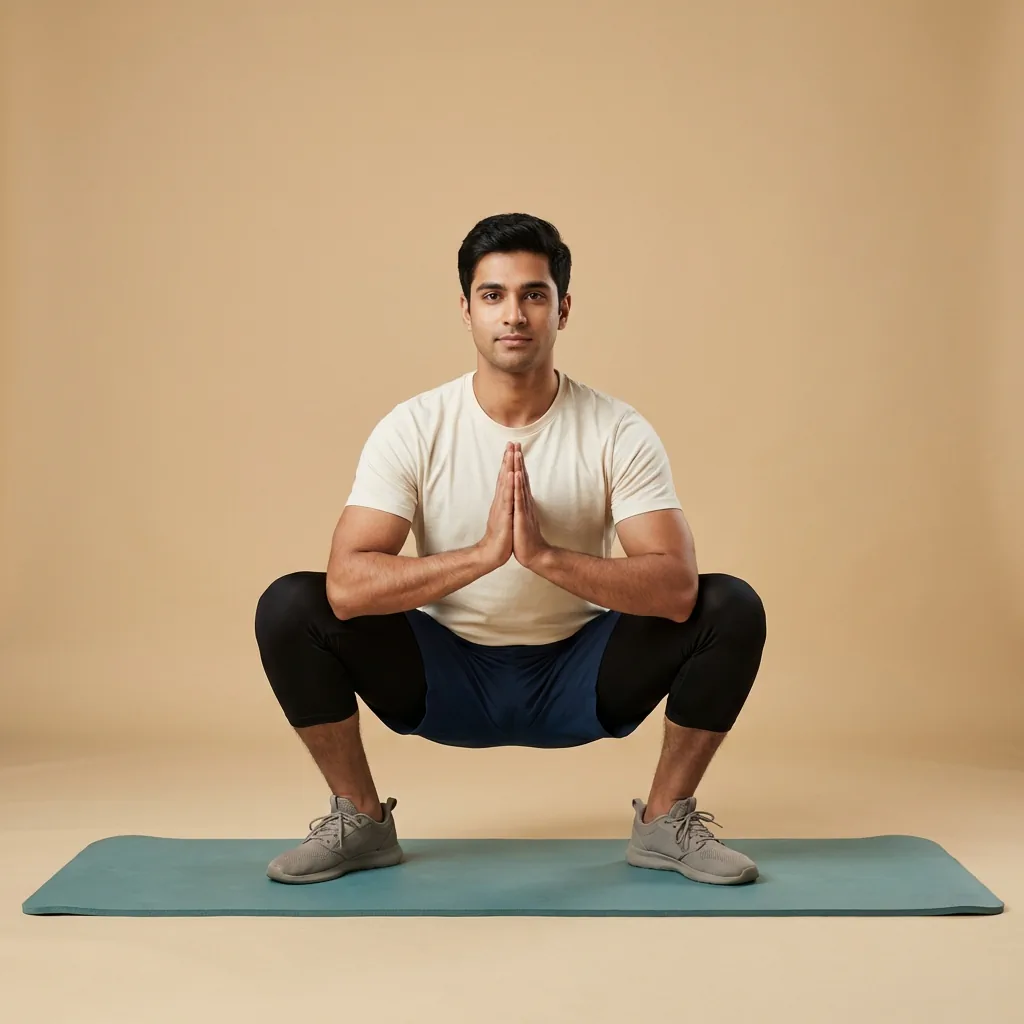
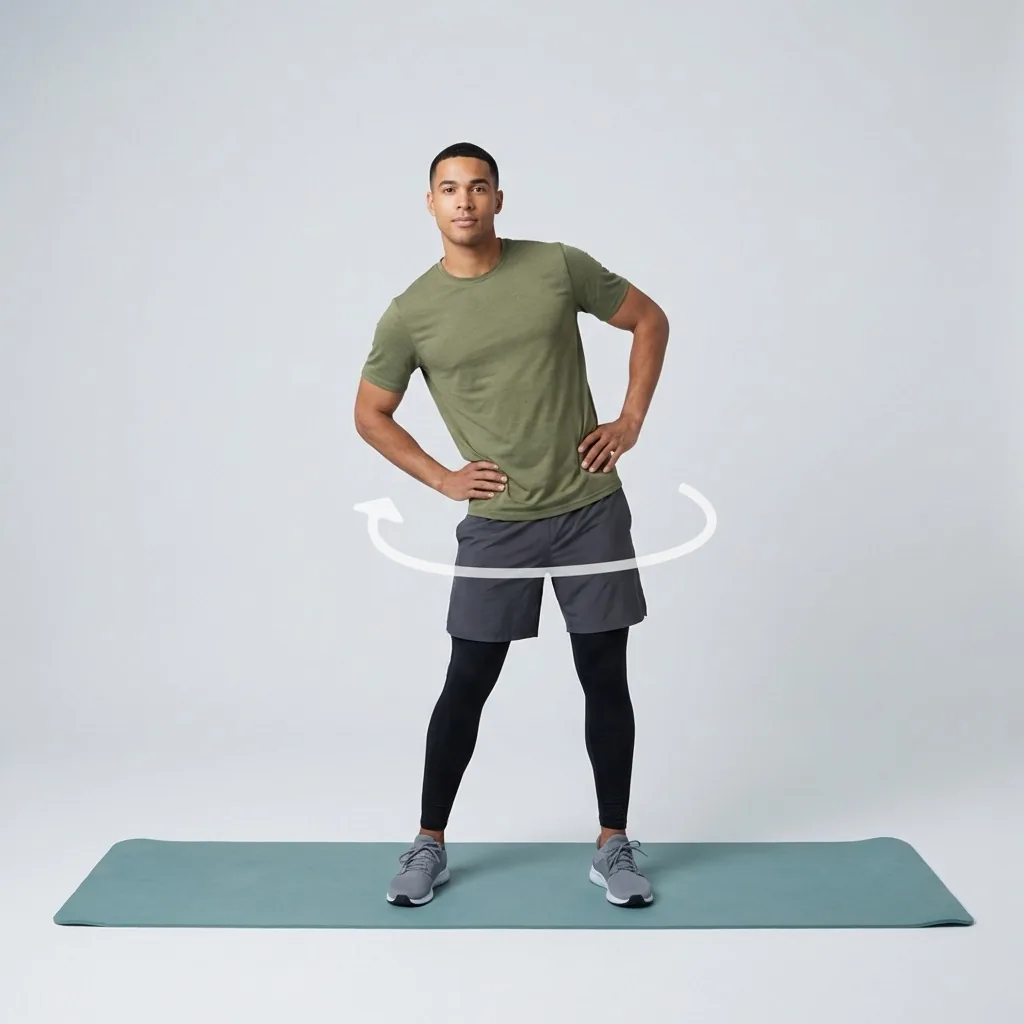
Improving mobility means building movement you can control—hips that lower into a squat, shoulders that travel overhead, a spine that rotates without bracing. It responds to consistency more than intensity, so Flexor turns the goal into short guided sessions you can repeat, with recommendations that keep the work relevant to how you actually move.
Active control
Guided drills that build usable range, not just passive stretch.
Focus by area
Hips, spine, shoulders, ankles—choose where to work today.
Repeatable
Short sessions that fit a consistent daily habit.
Progress you can see
Streaks and focus history show where you have been consistent.
Mobility is the range you can control
Flexibility is how far a joint can be moved; mobility is how much of that range you can reach and control under your own power. Both matter, but it is controlled range that carries over into training and everyday tasks. That is why Flexor mobility sessions blend controlled movement with stretching rather than long passive holds alone.
Progress here is gradual and personal. Working a little most days, staying within a comfortable range, tends to help more than occasional intense sessions that leave you sore.
How to choose today's mobility session
Rather than hunting for a perfect exercise, start from context. A few questions narrow the choice in seconds without pretending an app can assess your body or grade how a movement feels.
- What comes next—waking up, desk work, training, or winding down?
- Do you want dynamic preparation or slower controlled mobility?
- Which area needs attention, and what range feels comfortable today?
- How many minutes can you realistically repeat this week?
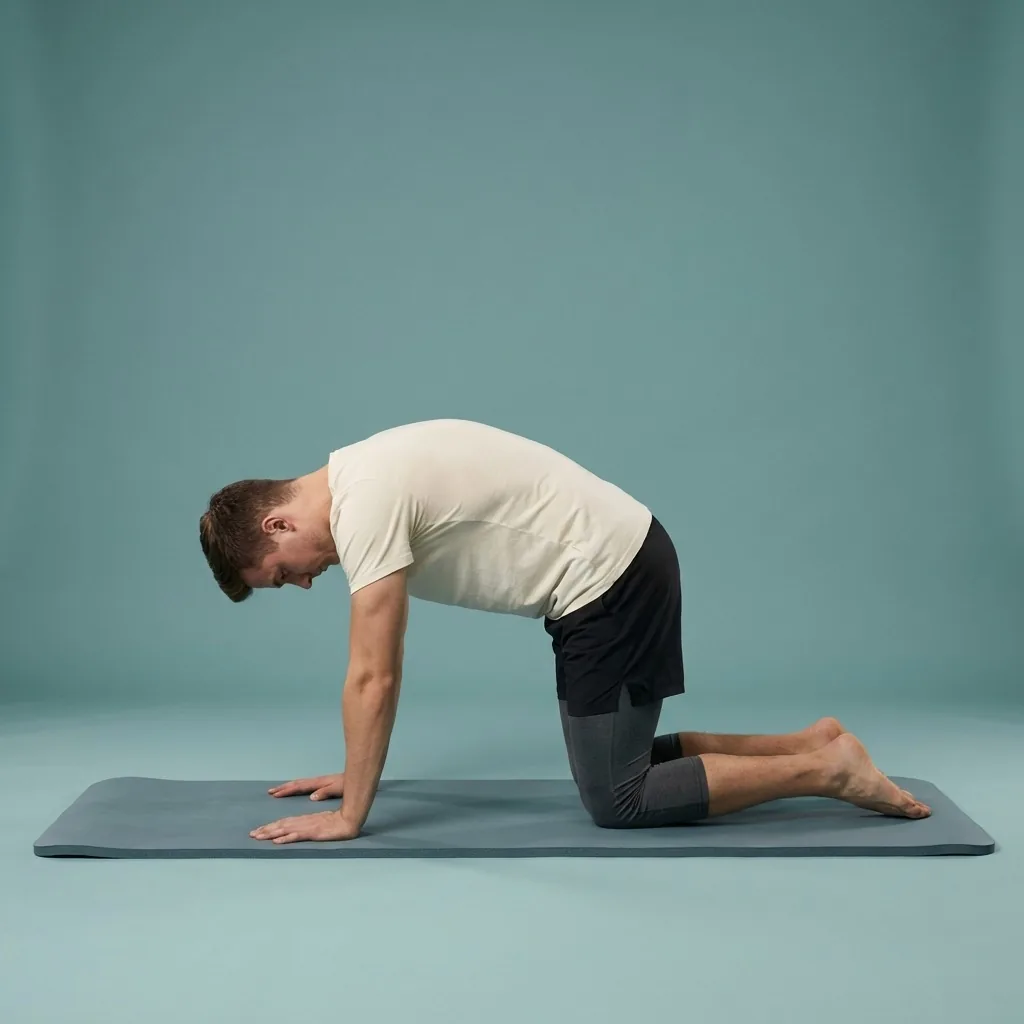
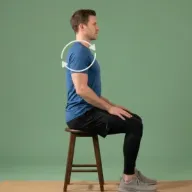
In Flexor: Spinal mobility to counter long periods of sitting.
Build range you can actually control.
Short, repeatable mobility sessions matched to how you move today.
Recommendations and progress that keep it relevant
Open Flexor and it suggests something worth doing today, drawn from your goals, experience level, focus areas, the time you have and the sessions you have recently completed. If you have worked hips three days running, it can steer you toward something more balanced.
Recommendations are built only from the information you give the app. Flexor does not scan your body, judge posture, or run a mobility assessment, so you stay in control of range and intensity. Basic progress and streaks are free; Premium adds more detailed statistics for those who want a closer look.
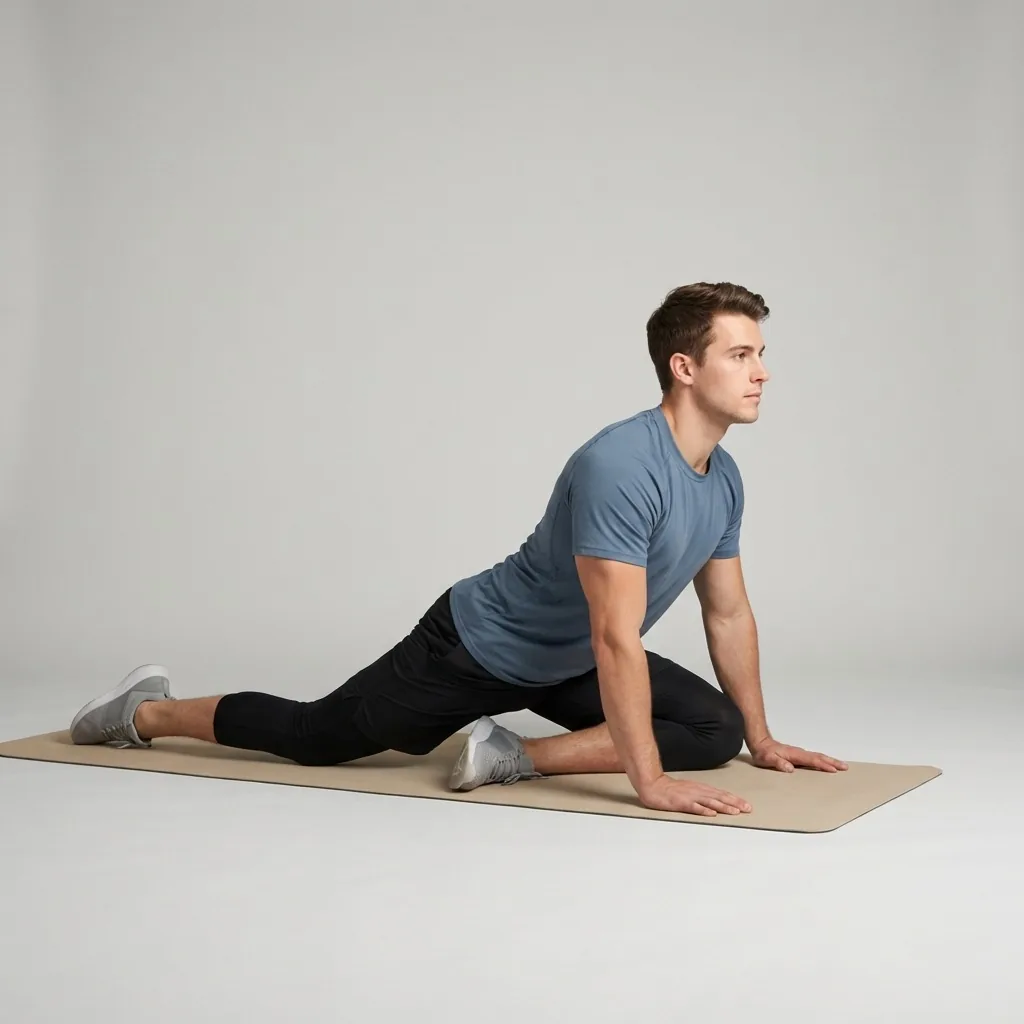
Build gradually and stay comfortable
A short session done with control beats forcing a range you cannot own yet. The NHS advises building flexibility and mobility work up gradually and moving only as far as is comfortable. Flexor supplies the structure, timing and cues; you decide the range and stop if a movement causes pain or concerning symptoms. This is general fitness and wellness guidance, not a diagnosis or treatment plan.
Sources and further reading
These independent sources support the general guidance on this page. They do not endorse Flexor.
Quick facts
- Goal
- Build controlled, usable range
- Approach
- Short controlled sessions, most days
- Focus areas
- Hips, spine, shoulders, ankles
- Progress
- Streaks and focus history; Premium adds detail
Where to start
You are not sure what to work on
Start from what comes next in your day and pick one area.
You want active control, not passive stretch
Choose a mobility routine over a long static hold.
You want to track consistency
Use progress and streaks to see where you have shown up.
A relevant pick for today
You have worked hips three days running and are unsure what to do next. Flexor uses your goals, experience, focus areas, available time and recent sessions to steer you toward a more balanced choice today. It never scans your body, judges posture or runs a mobility assessment.
See how daily recommendations workSafety and limits
- General fitness and wellness guidance, not a diagnosis or treatment plan.
- Build range gradually and move only as far as is comfortable.
- Stop and seek advice if a movement causes pain or concerning symptoms.
Flexor does not measure or assess your mobility and is not a substitute for advice from a qualified professional.
Read the full wellness disclaimerRelated routines
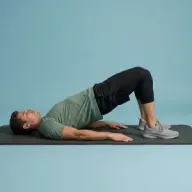
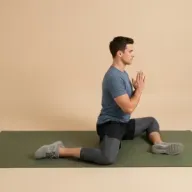
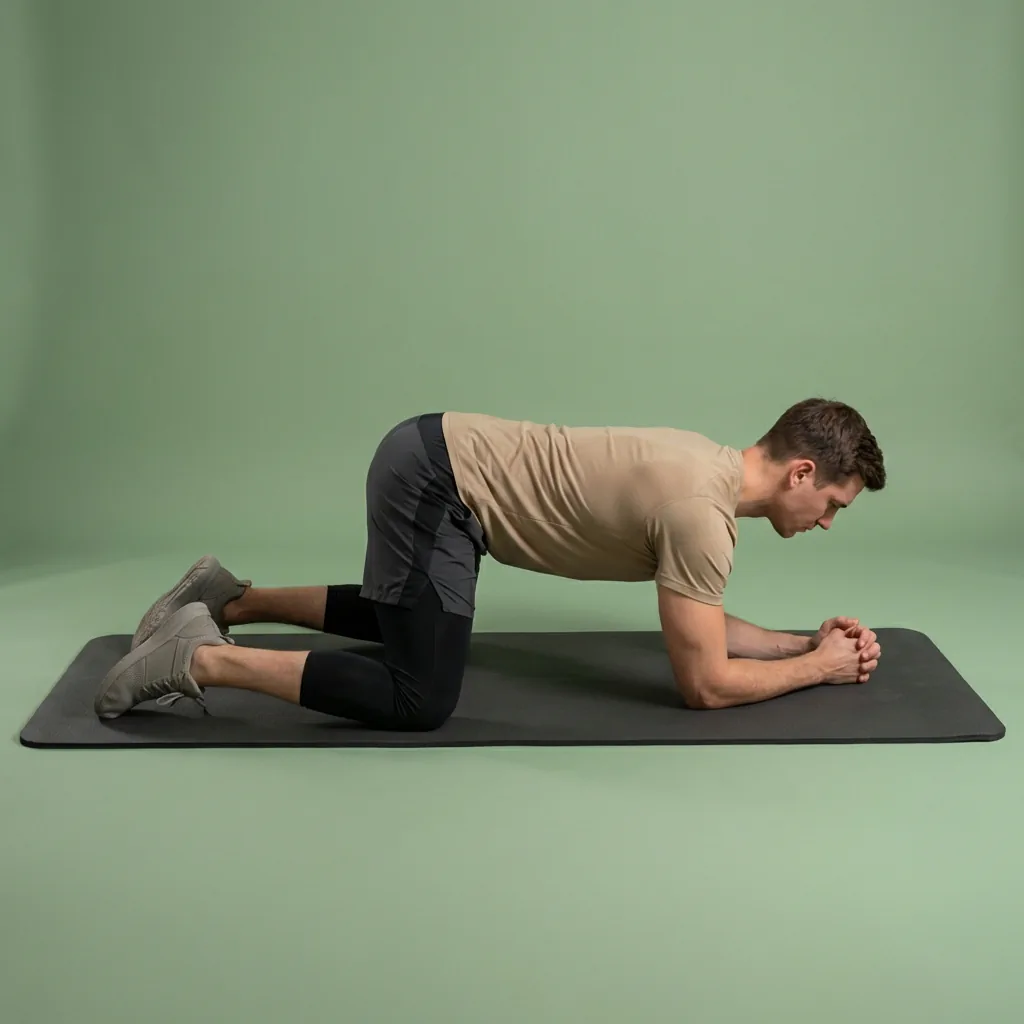
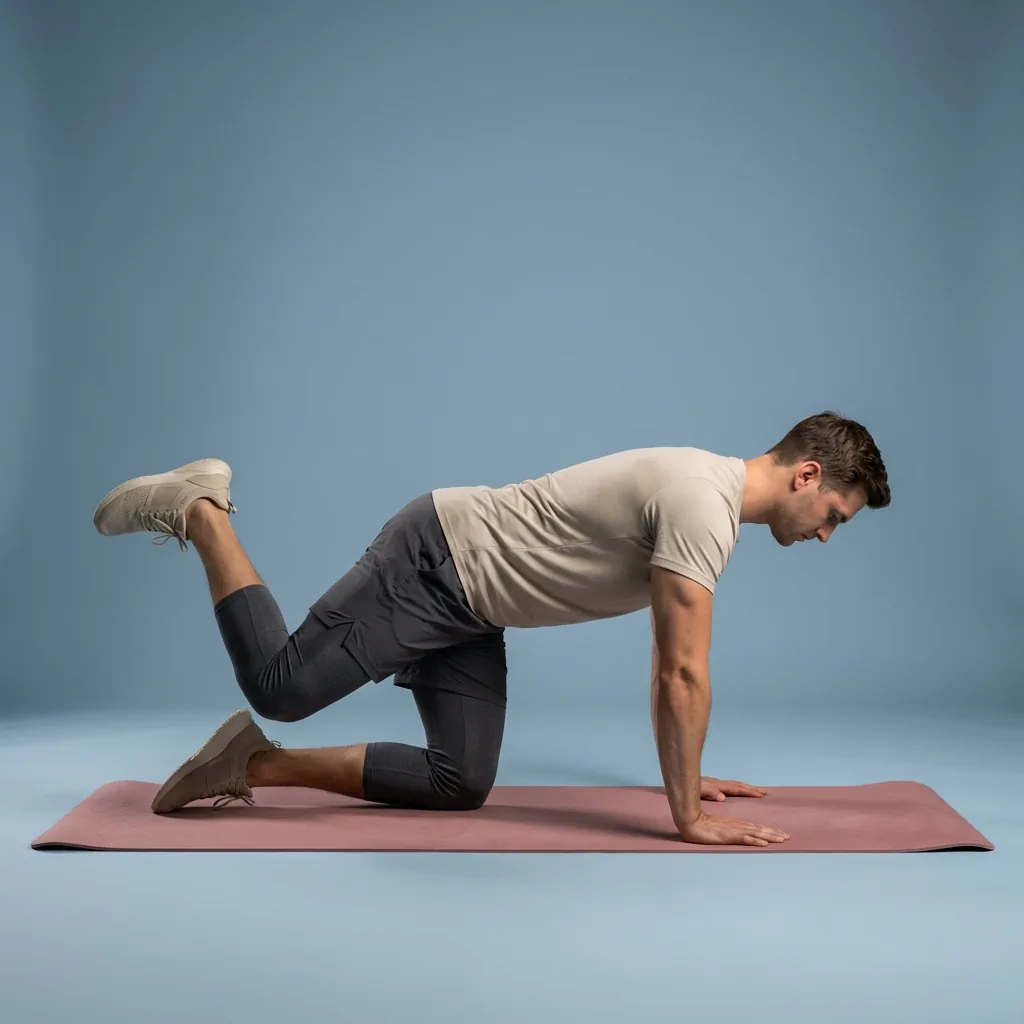
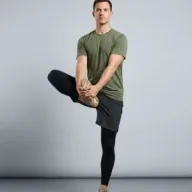
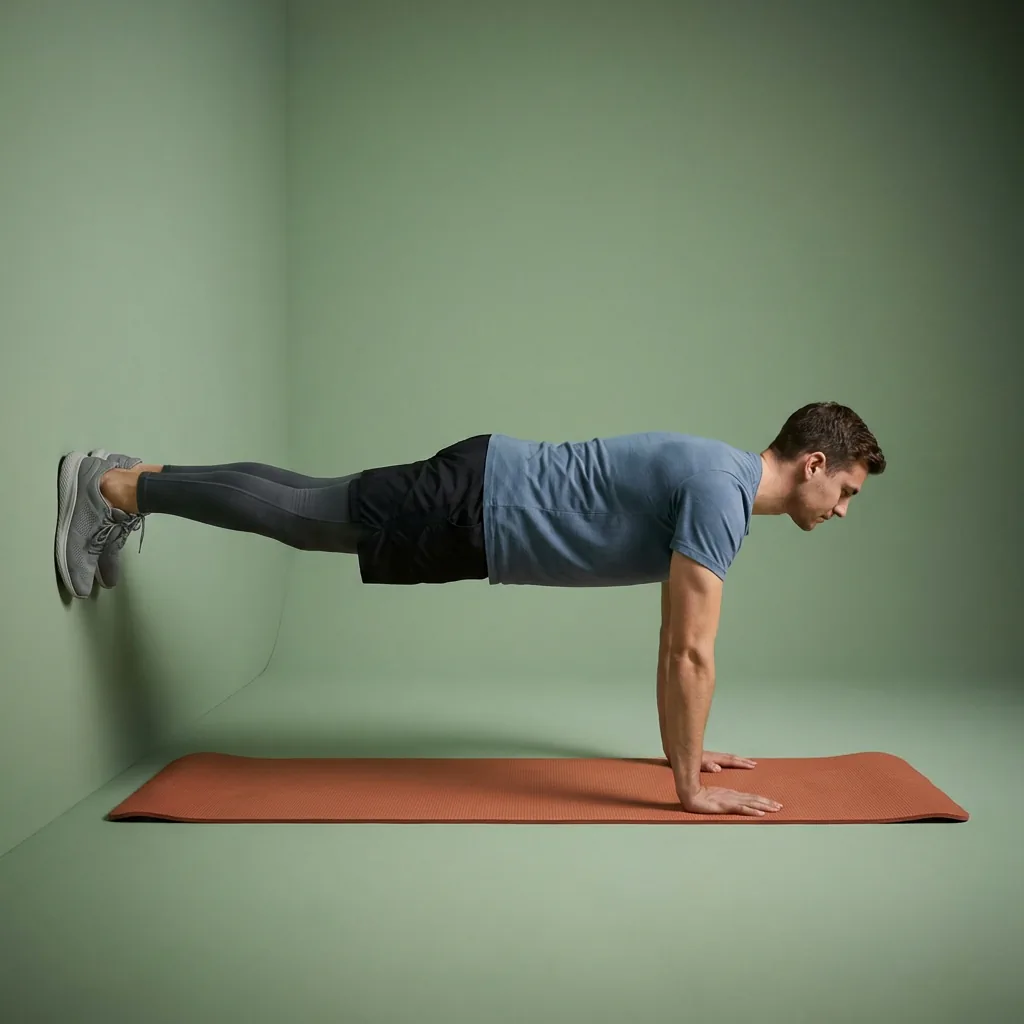
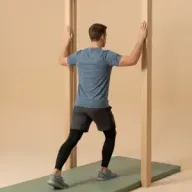
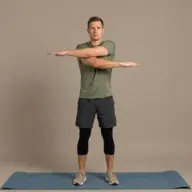
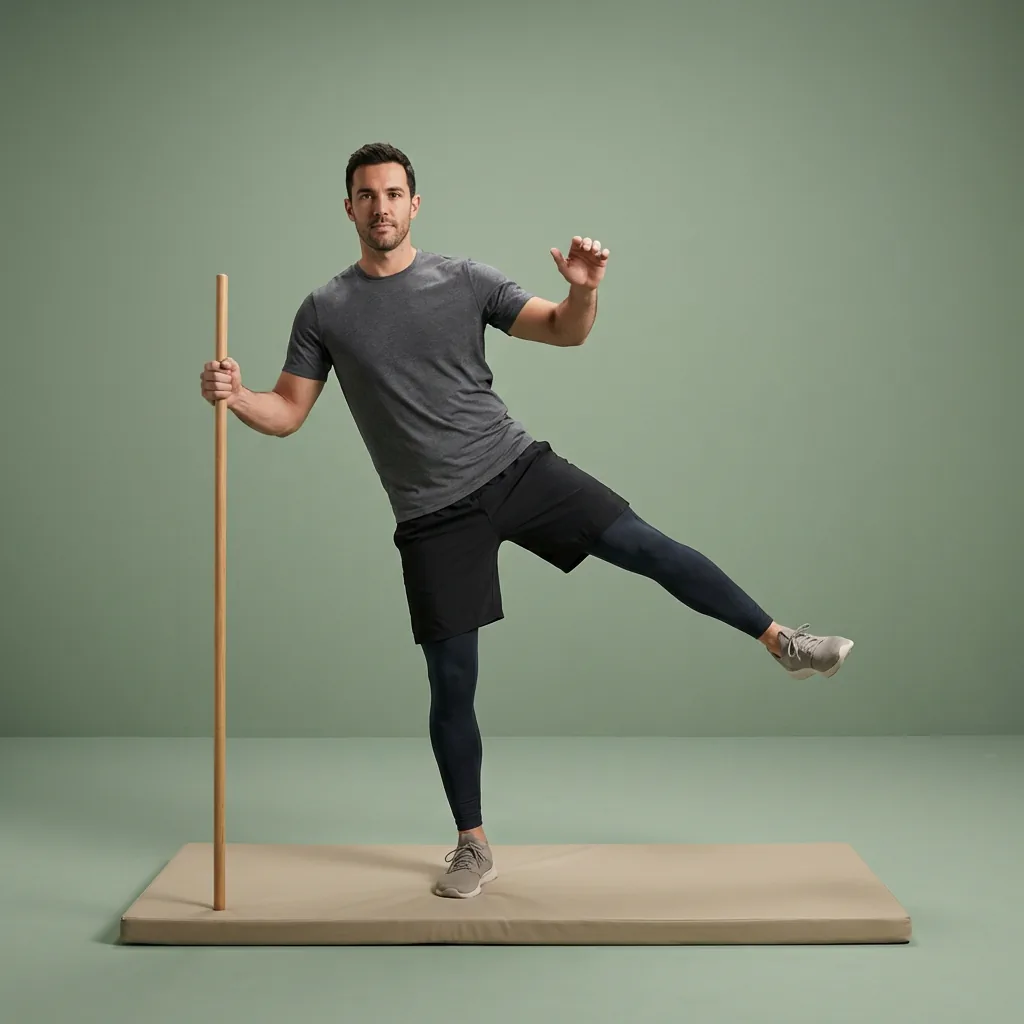
Browse guided Flexor sessions that match this page, then open any routine for steps and cues.
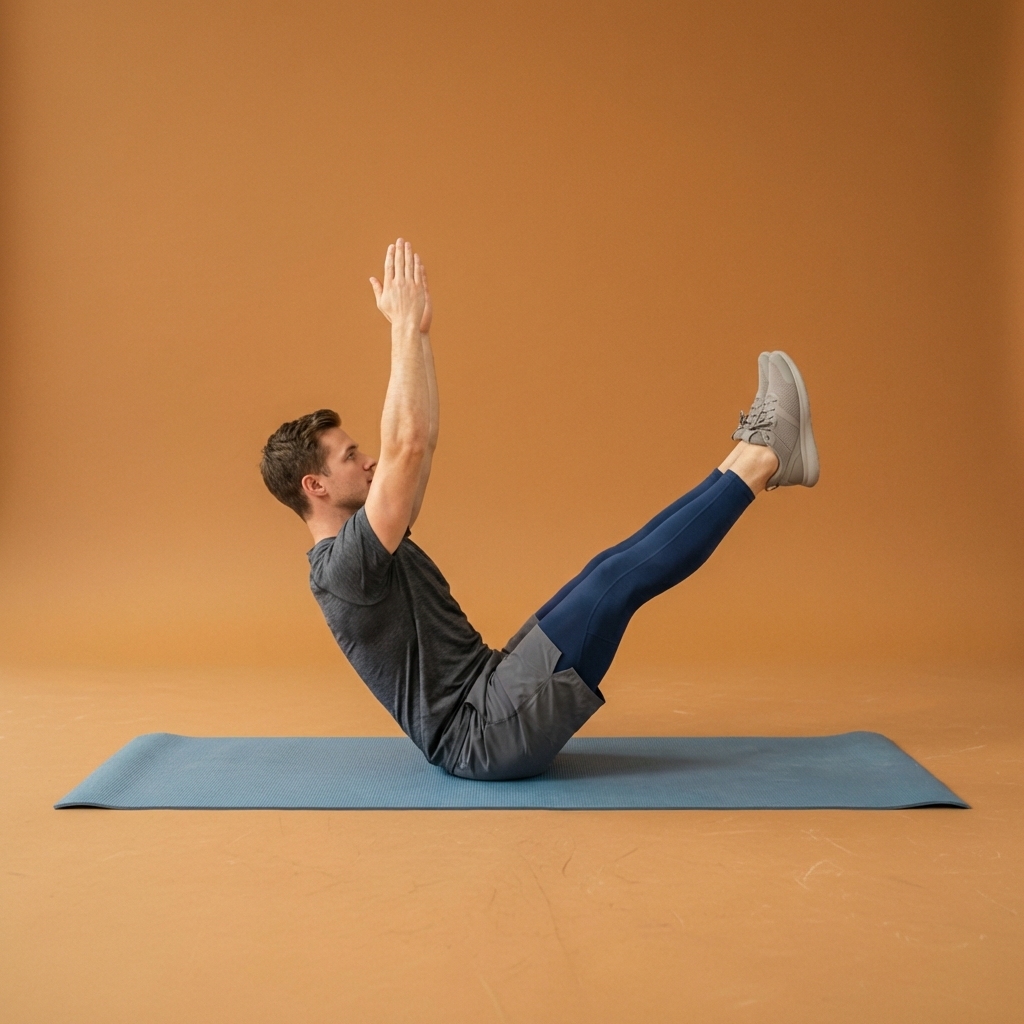
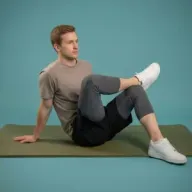
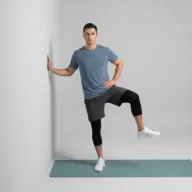
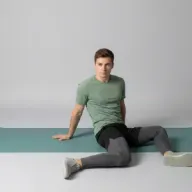

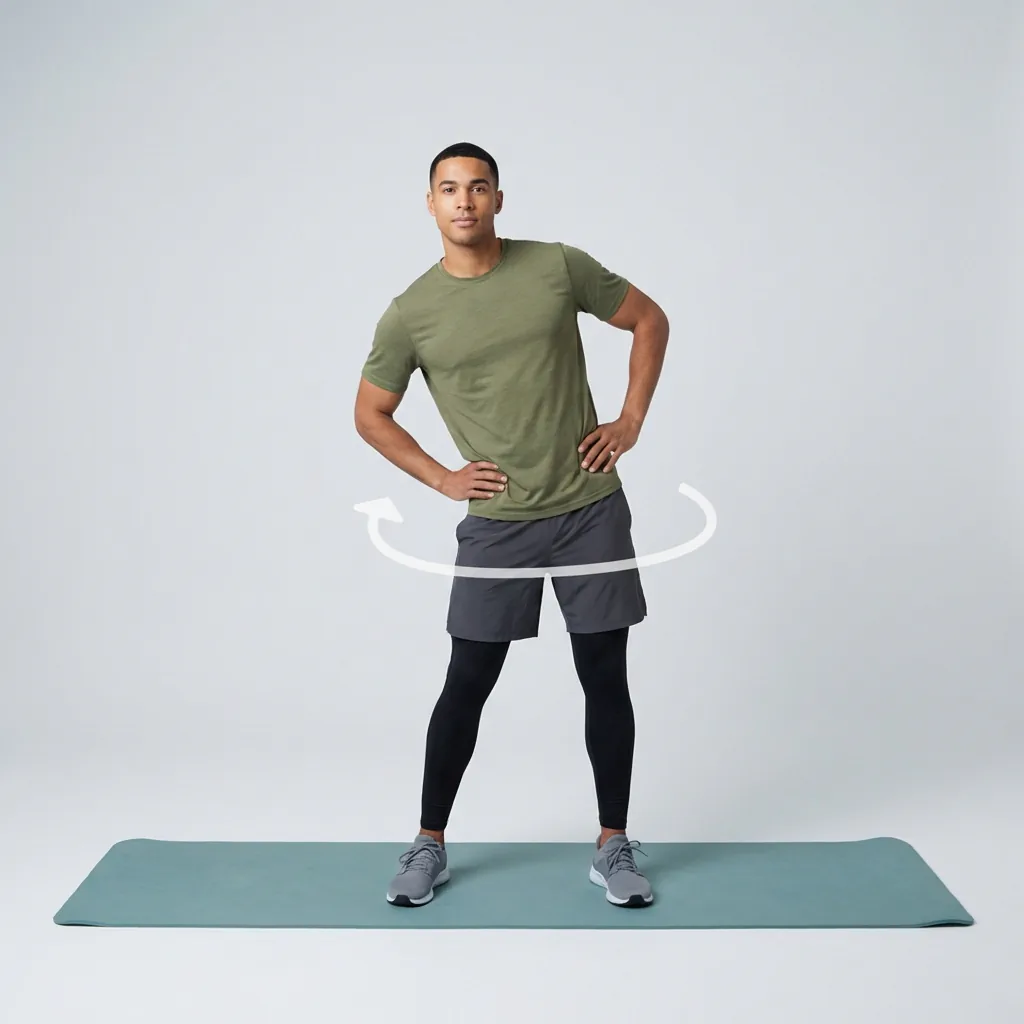

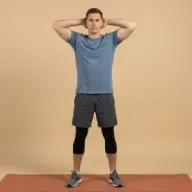



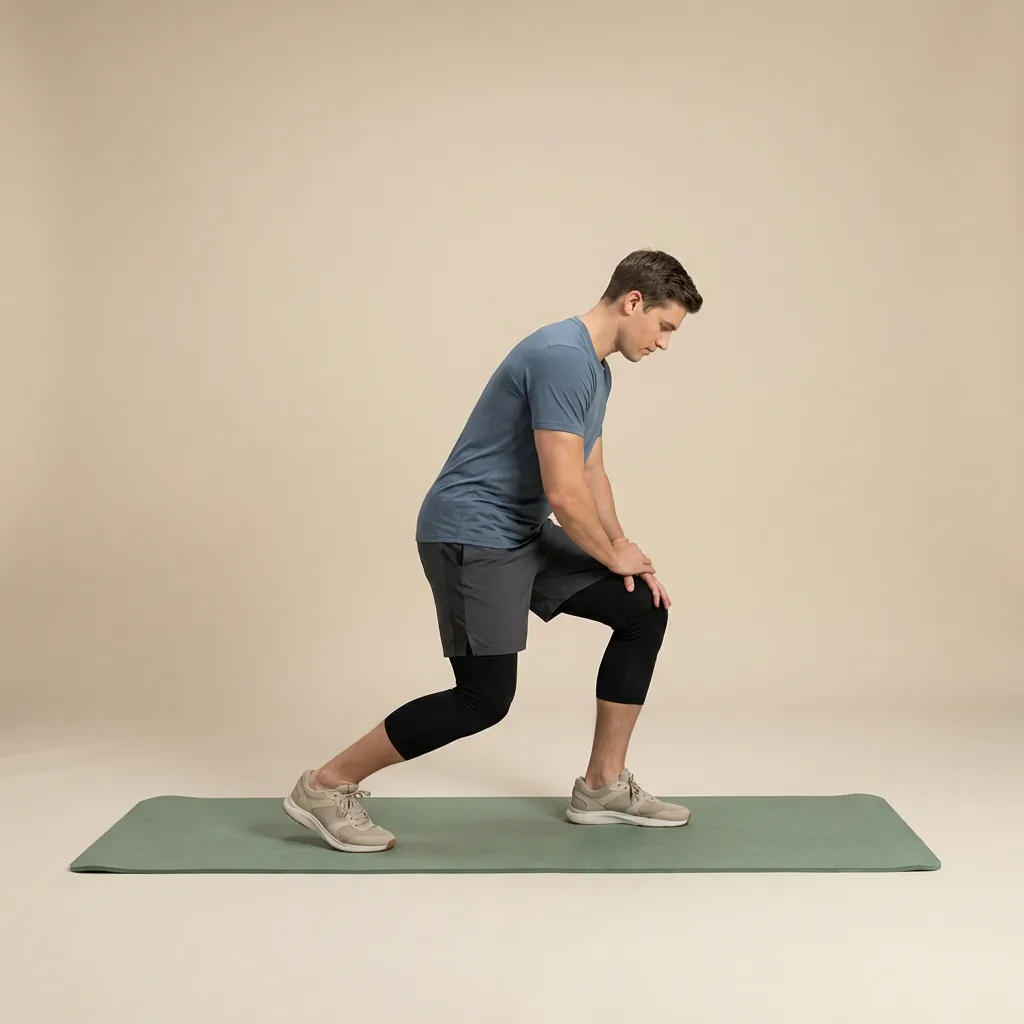
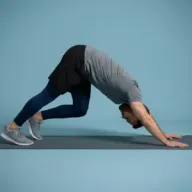

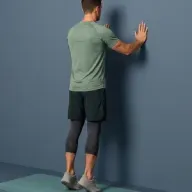
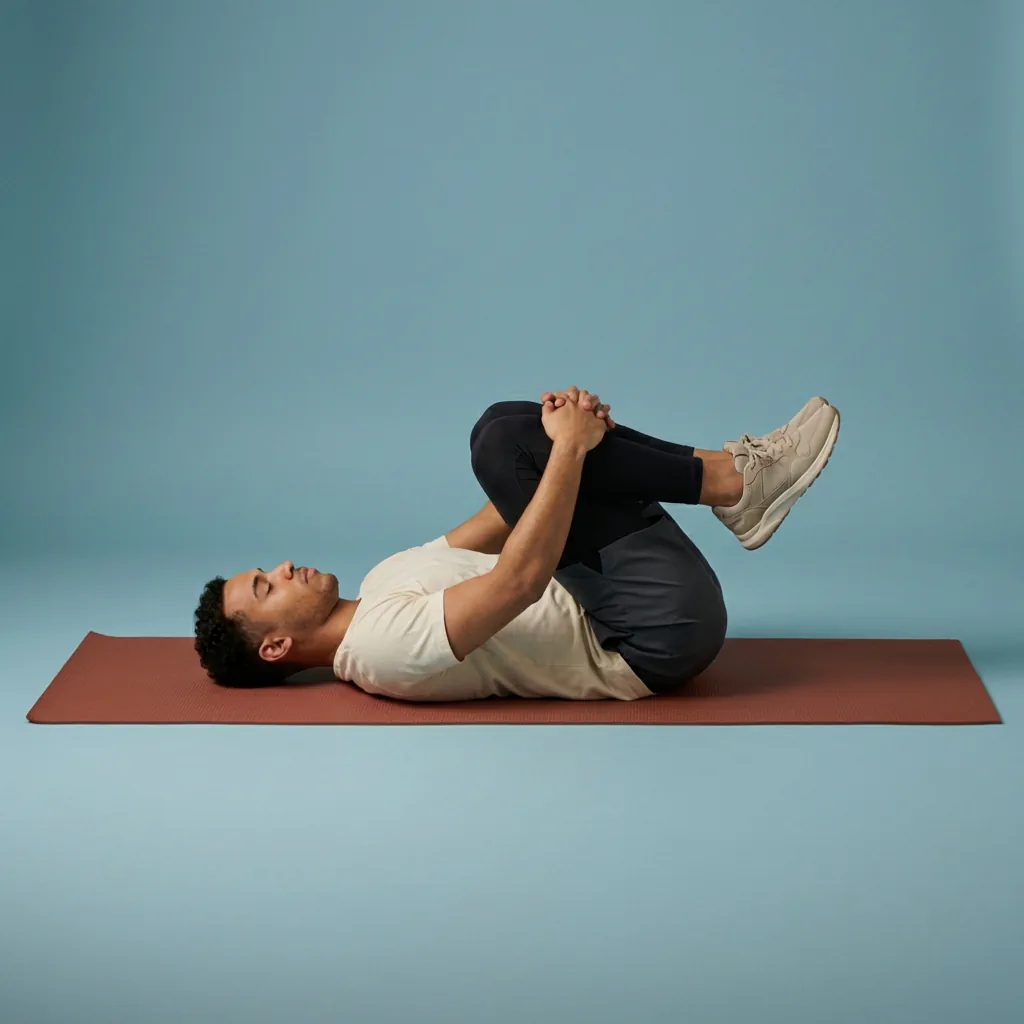


Explore related body areas
Go deeper on a single area with its own exercises, routines, and guidance.
Common questions
Frequently asked questions
How long does it take to improve mobility?
There is no fixed timeline, because it depends on where you start, which areas you work, and how consistently you practise. Most people notice easier movement sooner when they train a little most days rather than occasionally and intensely. Increase range, frequency or difficulty gradually instead of all at once, and treat comfortable, repeatable sessions as the goal. Your health, training load and any current symptoms all affect how quickly progress feels noticeable.
What is the difference between mobility and flexibility?
Flexibility is the range available around a joint when something else moves you into it, often with longer holds. Mobility is the range you can reach and control actively, such as lowering into a deep squat or driving an arm overhead with intent. Most people want a mix of both, so Flexor lets you filter by goal and body area and blends controlled movement with stretching inside a single guided session.
Do I need equipment to improve mobility?
Many Flexor mobility routines need no specialist equipment and only enough clear space to move. Some drills use optional support such as a stable wall or chair, or simple items like a towel. Check each routine's details before starting so you can prepare the space and avoid unstable substitutes. If a listed setup is not appropriate for you, choose another session designed for the space and support you have available.
Can Flexor assess my mobility?
No. Flexor does not measure your body, scan your movement, or grade your range, and it makes no mobility-assessment claims. It organises guided sessions and recommends what to do today using only the information you provide: your goals, experience, focus areas, available time and recent sessions. Judging how a movement feels stays with you, and a qualified professional can advise when an injury, condition or persistent symptom affects what is safe to do.
Keep exploring
More guides on stretching, mobility, routines, and Flexor features.
Mobility for fitness and everyday movement
Build controlled, usable movement—one short guided session at a time.
Improve mobility with guided routines, progress tracking and personalised daily recommendations designed around how you...
Read more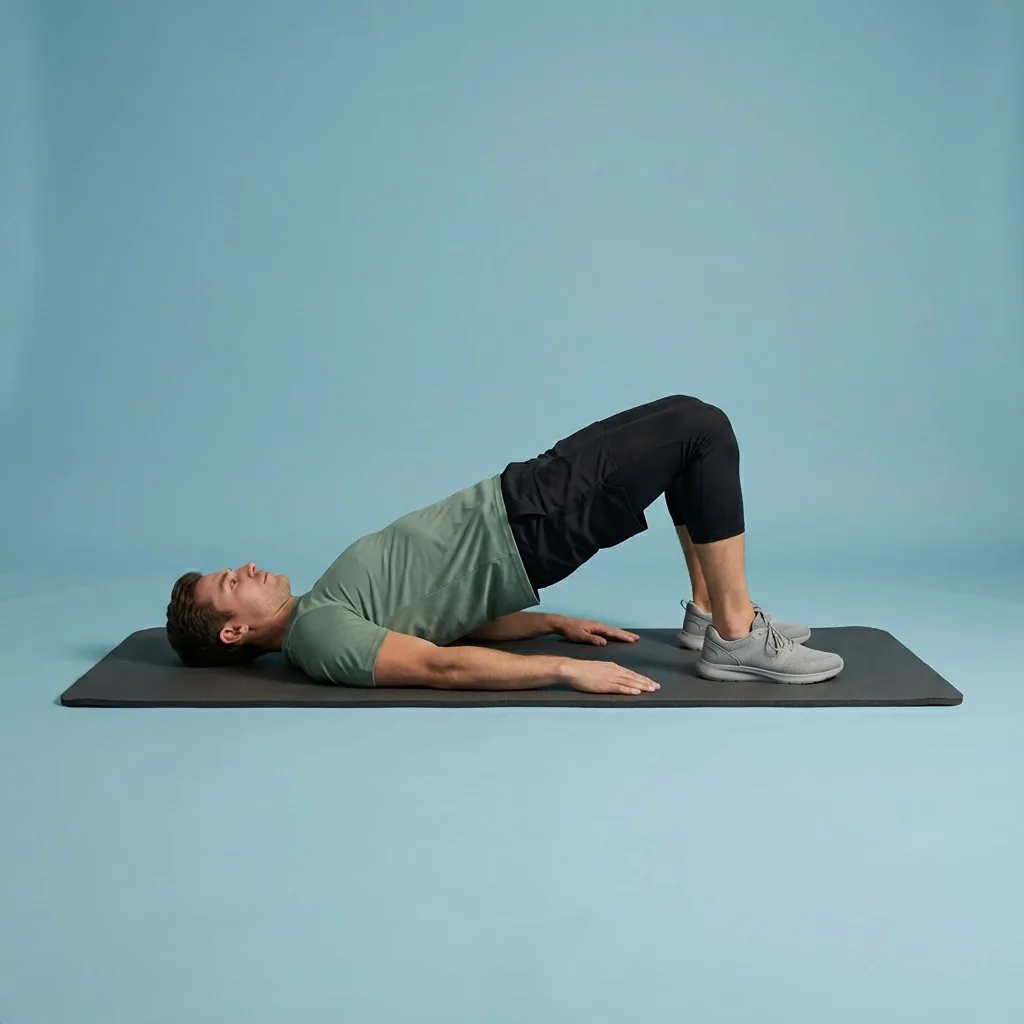
Flexibility, built gradually
Lengthen, open, and hold—flexibility that improves because you keep showing up.
Build flexibility with guided routines, clear exercise demonstrations, progress tracking and recommendations matched to...
Read more Stretching by activity
Stretching and mobility, matched to your activity.
Find guided Flexor warm-up, mobility and recovery routines organised by activity, from running and weightlifting to cycl...
Read more Routine chooser
Choose a stretching or mobility routine by what you need now.
Choose a Flexor routine for mornings, desk breaks, workout warm-ups, cool-downs, flexibility, mobility, recovery, and ev...
Read more