
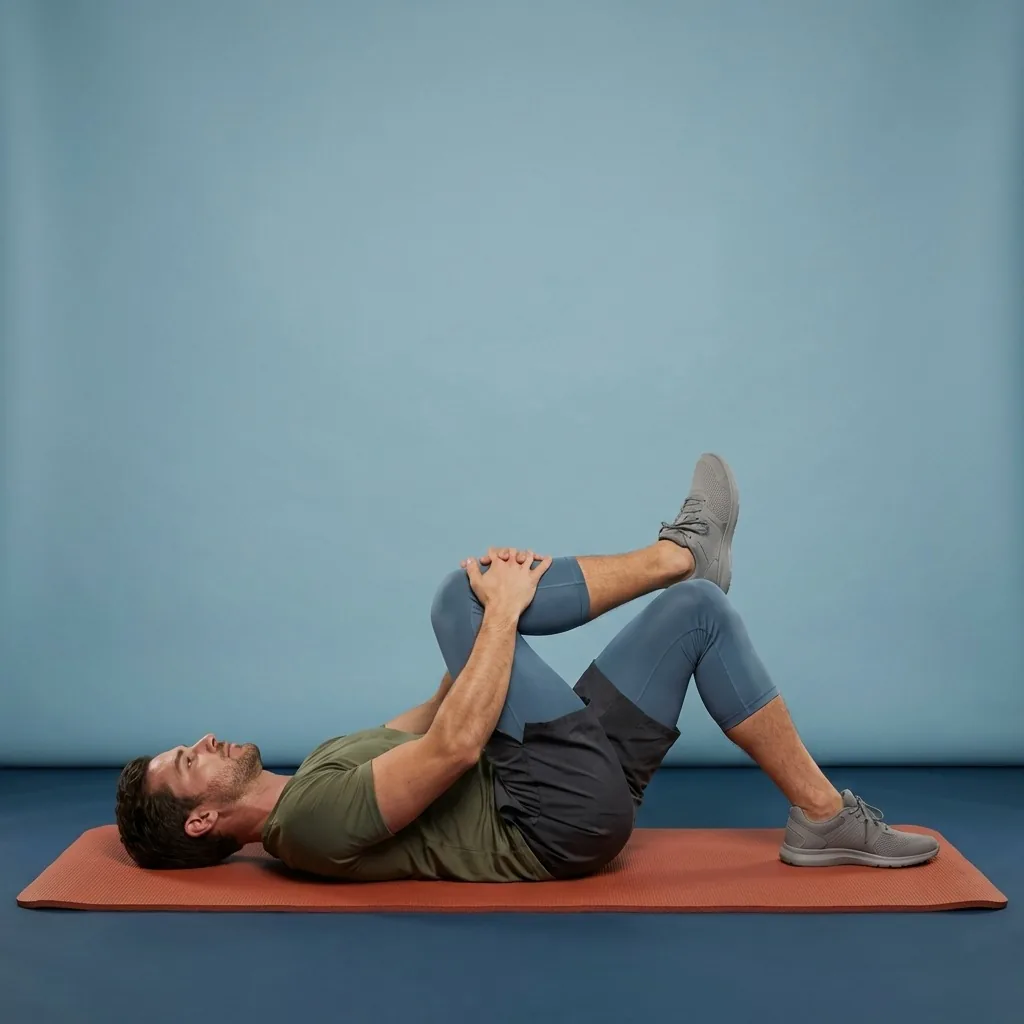
Pain Relief
Gentle stretching and mobility for everyday body comfort.
Pain Relief in Flexor brings together 35 unique guided routines across eight collections—comfort-focused sessions for neck, shoulders, hips, knees, ankles, lower back, elbows and wrists, and sciatica-symptom support. Use them for general body comfort and controlled movement; they do not diagnose symptoms, treat a condition, or replace advice from a qualified healthcare professional.
35 routines
Unique guided routines across the current Pain Relief library.
Eight collections
Browse by a body area or a comfort-focused movement goal.
Guided sessions
Follow ordered timing with audio and video movement cues.
In the Flexor app
Browse Pain Relief collections on iPhone and Android—the same catalogue on both platforms.
In this section
Pick the guide closest to what you need.
- Ankle & Achilles Comfort Gentle guided mobility routines for the ankles, calves and Achilles area, with clear wellness boundaries and no medical, diagnosis or cure claims. Read the guide
- Elbow & Wrist Comfort Gentle guided routines for the wrists, hands, forearms and elbows for desk and post-activity breaks, with no medical, diagnosis or cure claims. Read the guide
- Hip Comfort Gentle guided routines for the hips, glutes and hip flexors, with clear wellness boundaries and no medical, diagnosis or cure claims. Read the guide
- Knee Comfort Gentle guided routines for the knees and surrounding muscles—general wellness movement, not injury rehab, with no medical, diagnosis or cure claims. Read the guide
- Lower Back Comfort Gentle guided routines for lower-back comfort, built around breathing, hips and controlled spinal movement. Wellness only, no medical claims. Read the guide
- Neck Tension Relief Gentle guided routines for everyday neck and upper-body tension, with clear safety guidance and no diagnosis or treatment claims. Read the guide
- Sciatica Symptoms Support Carefully framed guided routines with strong safety guidance and no treatment, cure or diagnosis claims. Read the warning signs before you start. Read the guide
- Shoulder Comfort Gentle guided routines for shoulder comfort and upper-body control, with clear wellness boundaries and no medical, diagnosis or cure claims. Read the guide
Eight comfort-focused collections
The current release groups 35 unique routines into eight visible collections. A routine can appear in more than one collection when it is relevant to several areas, so Flexor reports the unique library total rather than adding every collection count together.
Collection names help with browsing; they are not a diagnosis or an assessment of why you have symptoms. Dedicated web guides are now live for all eight collections—Neck Tension Relief, Shoulder Comfort, Hip Comfort, Knee Comfort, Ankle & Achilles Comfort, Lower Back Comfort, Sciatica Symptoms Support and Elbow & Wrist Comfort—and you can browse every collection inside Flexor, while general educational content for each region stays on its body-area page.
- Neck Tension Relief
- Shoulder Comfort
- Hip Comfort
- Knee Comfort
- Ankle & Achilles Comfort
- Lower Back Comfort
- Sciatica Symptoms Support
- Elbow & Wrist Comfort
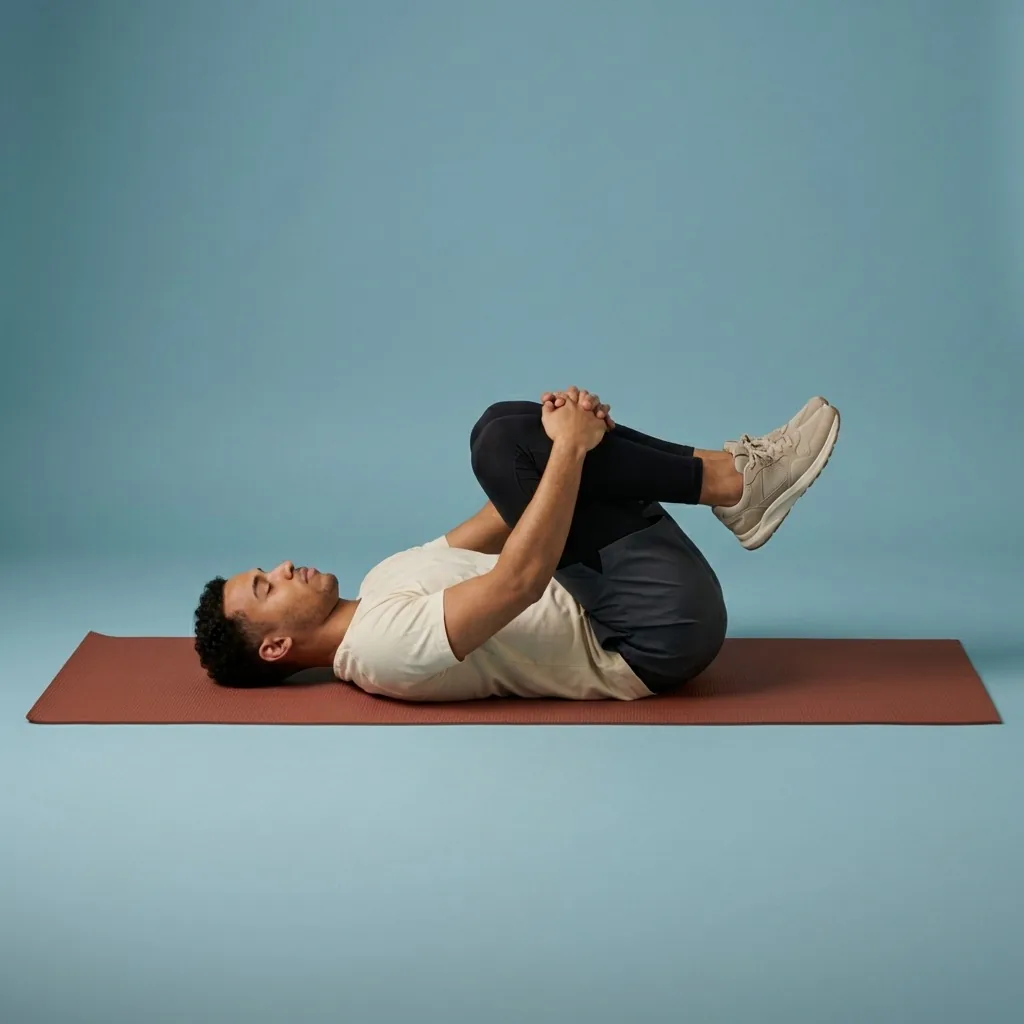
Guidance that keeps you in control
Each routine supplies an ordered sequence, timing, audio guidance, and visual demonstrations. Duration and difficulty vary, so check the routine details and choose a comfortable level before starting.
Ready-made routines, exercise guidance, plans, the library, reminders, session recording, basic progress, and streaks work offline. Internet is needed for Flexor AI and app-store subscription actions.

In Flexor: Recovery-oriented sessions after activity.
Comfort-focused movement, clearly framed.
Premium collections support everyday wellness goals without medical claims.
When a general routine is not the right next step
Do not use Flexor to self-diagnose persistent, severe, rapidly worsening, traumatic, neurological, or otherwise concerning symptoms. Stop a movement if it causes pain, makes symptoms worse, or produces numbness, tingling, weakness, dizziness, breathing difficulty, or another concerning response.
Ask a qualified healthcare professional what movement is appropriate if you have an injury, health condition, recent surgery, pregnancy, or symptoms that affect safe participation. Urgent symptoms need appropriate medical help rather than an app routine.
Sources and further reading
These independent sources support the general guidance on this page. They do not endorse Flexor.
Quick facts
- Page type
- Pain Relief hub
- Routines
- 35 unique across eight collections
- Access
- In the Flexor app on iPhone and Android
- Scope
- General wellness movement, not medical care
Where to start
Your neck or shoulders feel tight after screens
Try Neck Tension Relief or Shoulder Comfort.
You sit for long spells and feel stiff hips or back
See Hip Comfort or Lower Back Comfort.
Your knees, ankles or wrists feel stiff
Explore Knee Comfort, Ankle & Achilles Comfort, or Elbow & Wrist Comfort.
You have gentle, settled sciatica-like discomfort
Read Sciatica Symptoms Support and its safety guidance first.
How Flexor personalises this
Flexor helps you pick a comfort-focused collection from what you tell it—your goals, focus areas, available time and recent sessions. It never scans or assesses your body and never identifies the cause of a symptom, so every suggestion stays general fitness and wellness support.
See daily recommendationsSafety and limits
- Pain Relief routines are general fitness and wellness movement, not medical care.
- Flexor does not diagnose, treat, or cure any condition, and it does not scan or assess your body.
- Stop if a movement causes pain or produces numbness, tingling, weakness, dizziness, or another concerning response.
- Seek professional advice for persistent, severe, worsening, traumatic, or unexplained symptoms.
Pain Relief is not a substitute for advice from a qualified healthcare professional.
Read the full wellness disclaimerWritten by Flexor editorial Last reviewed July 2026
Related routines
Browse guided Flexor sessions that match this page, then open any routine for steps and cues.
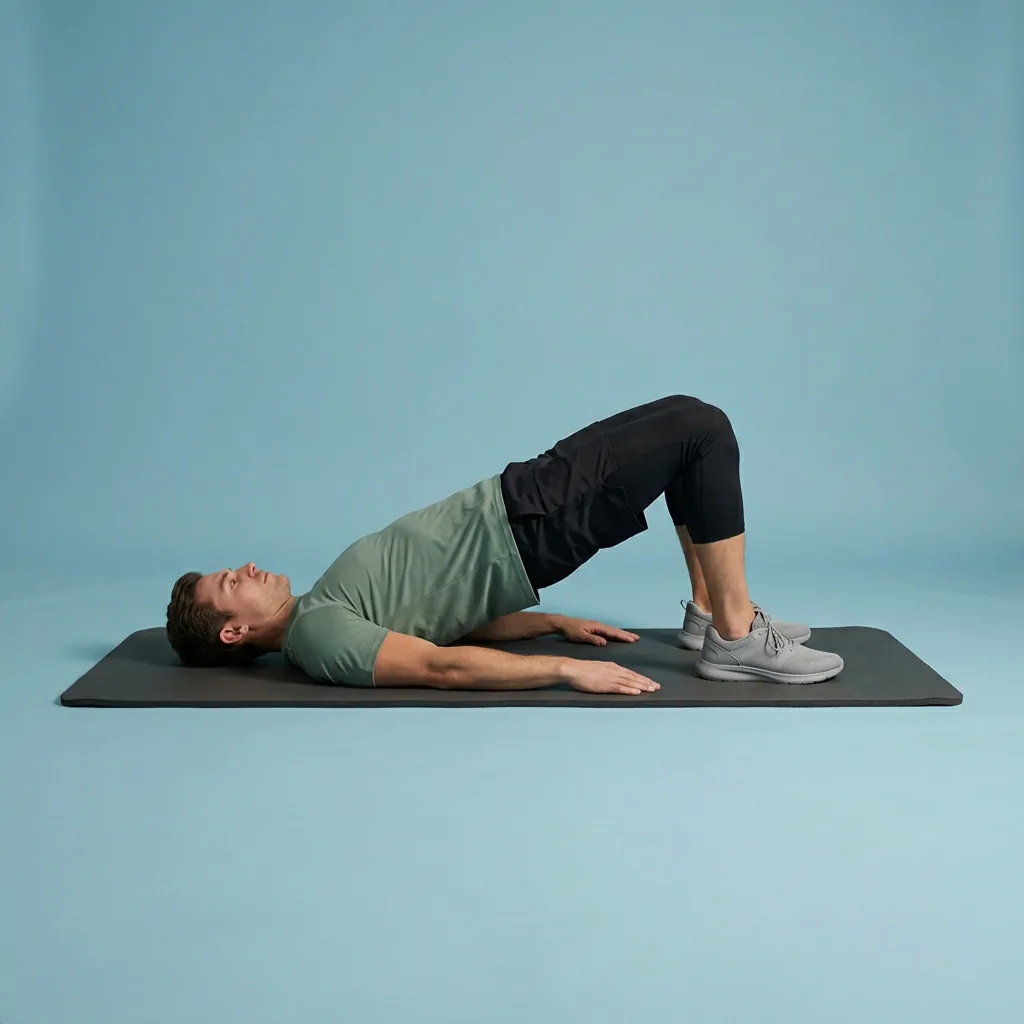


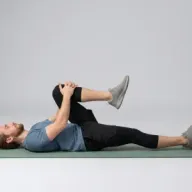


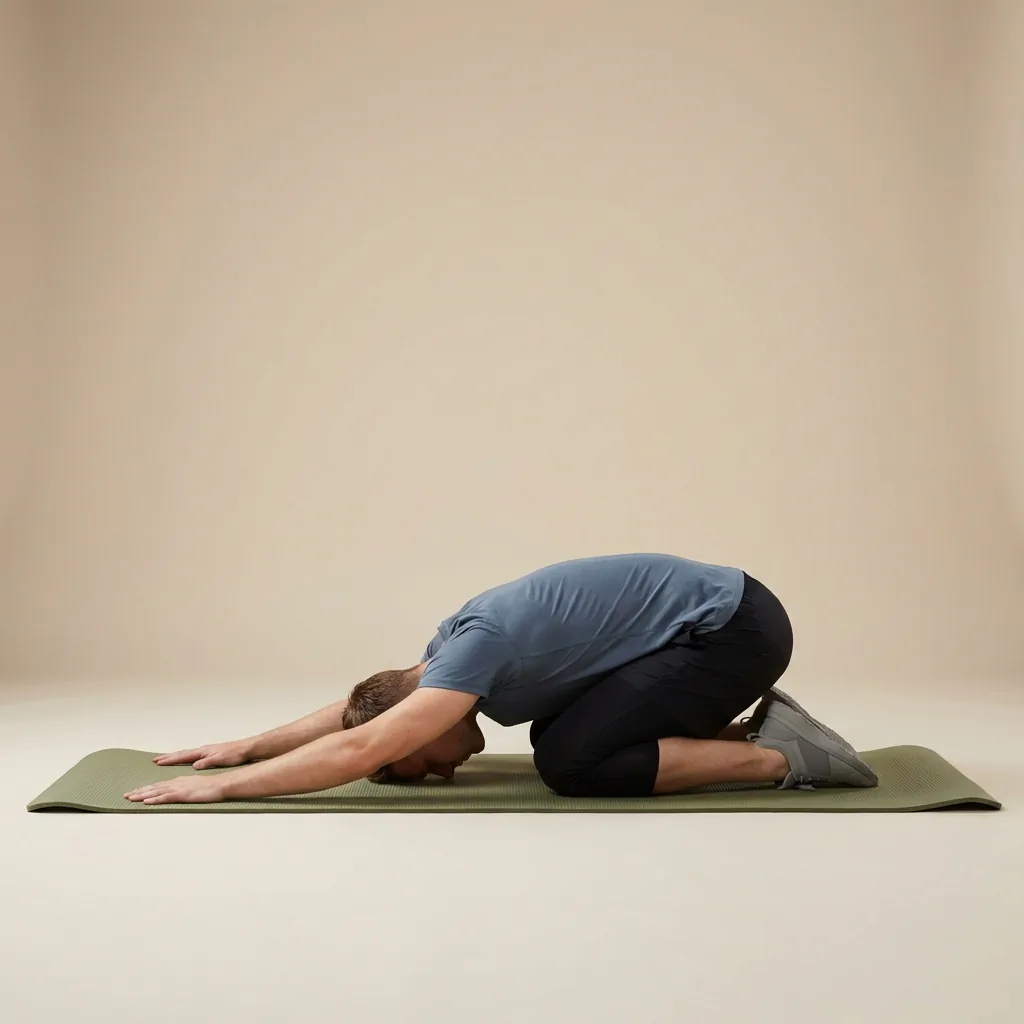




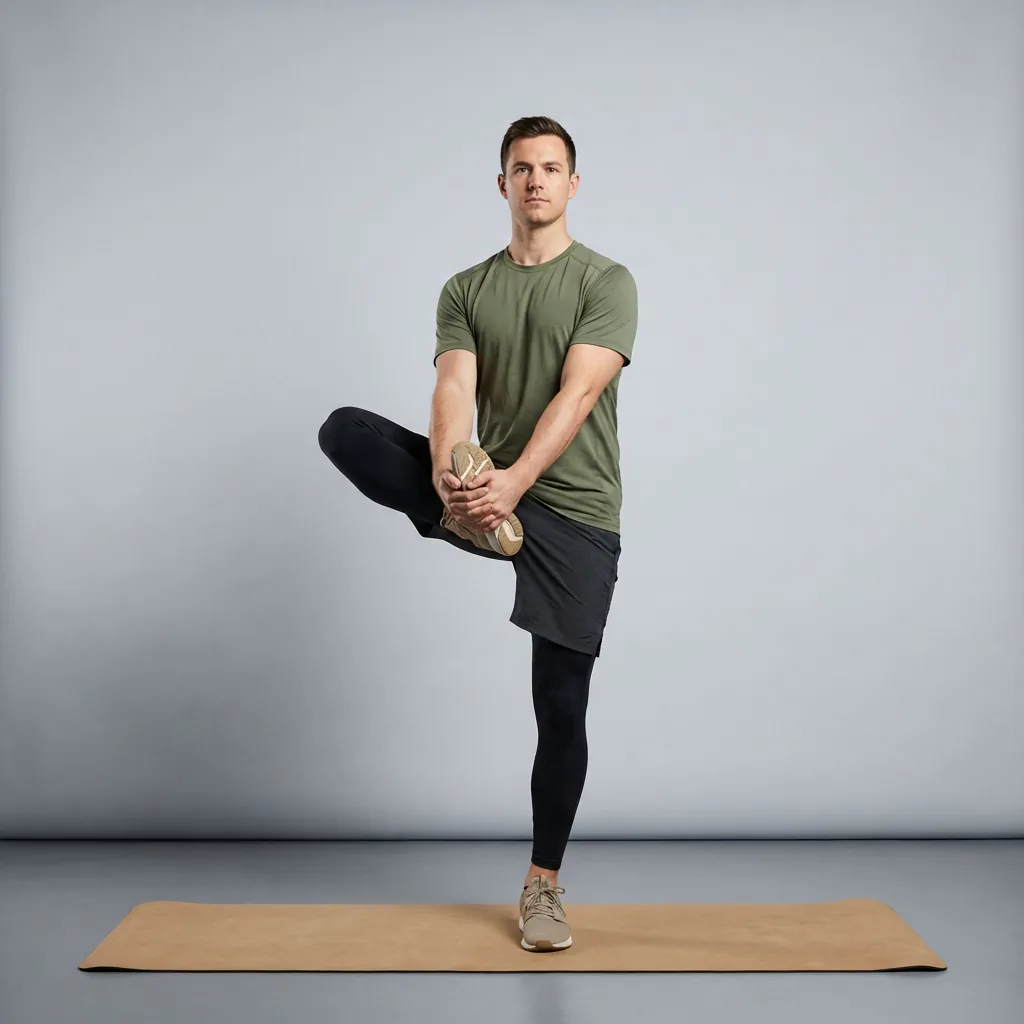
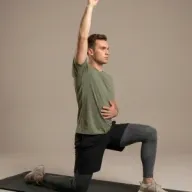




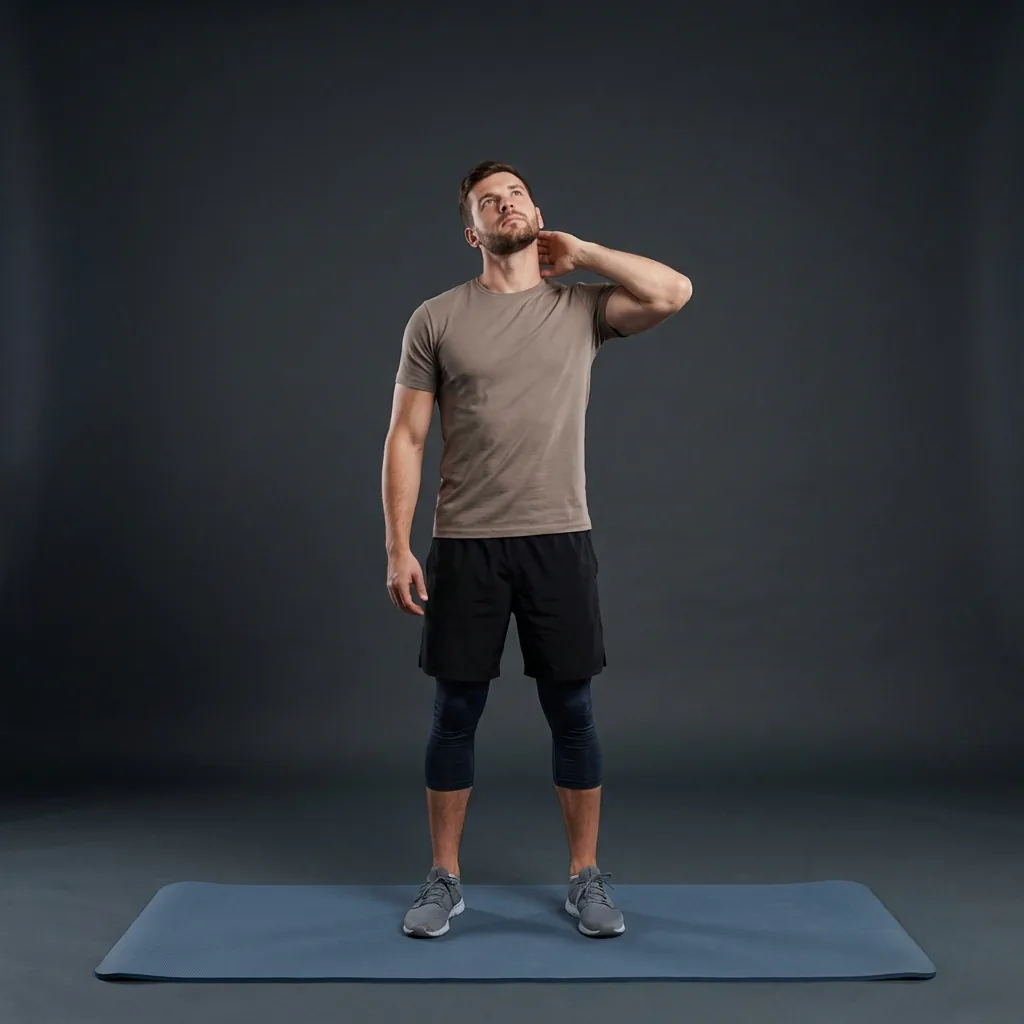







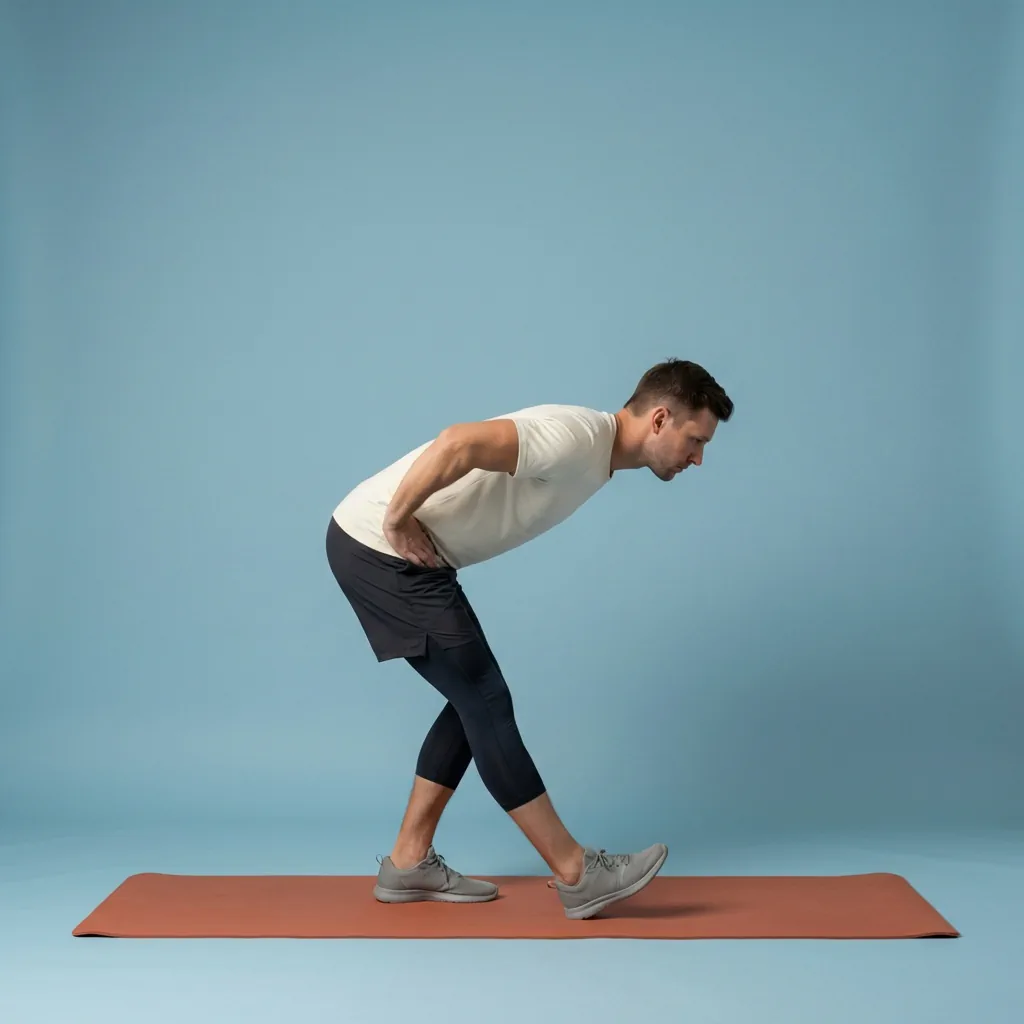



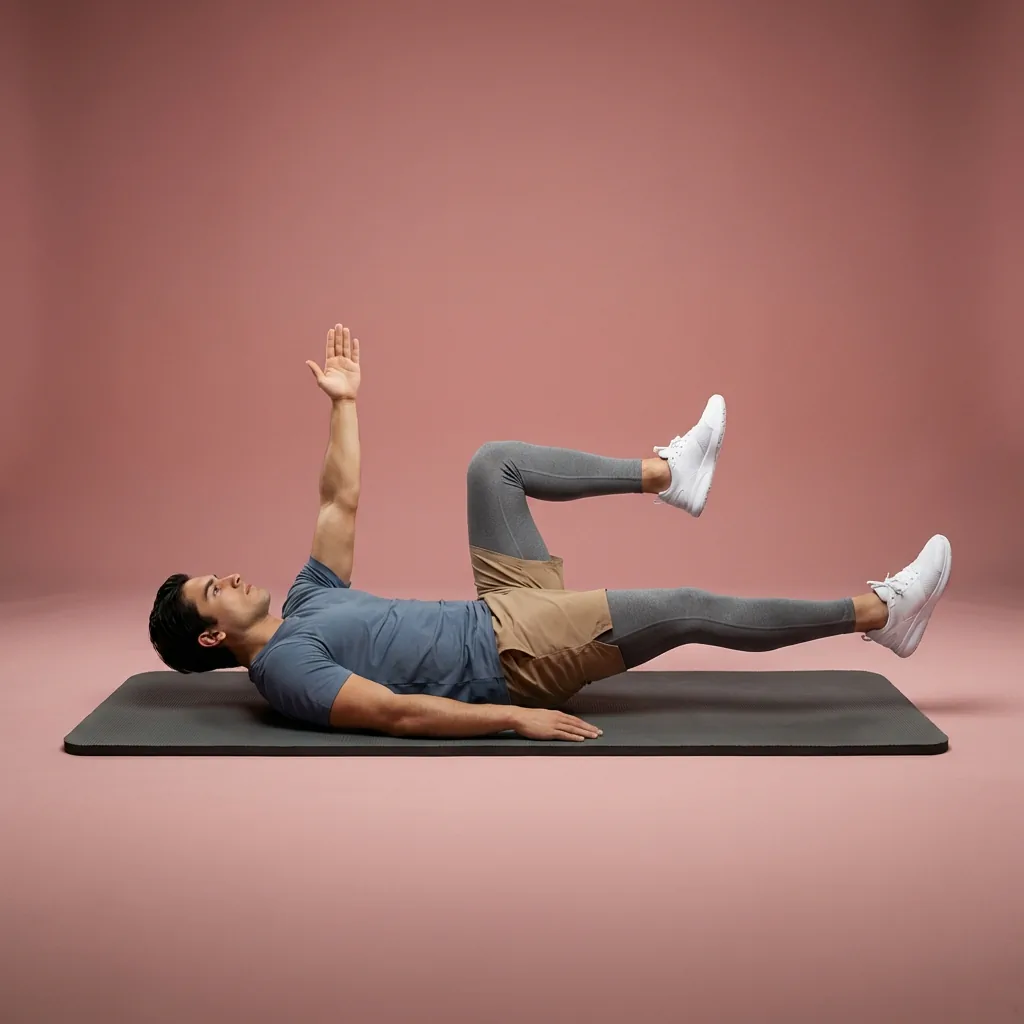
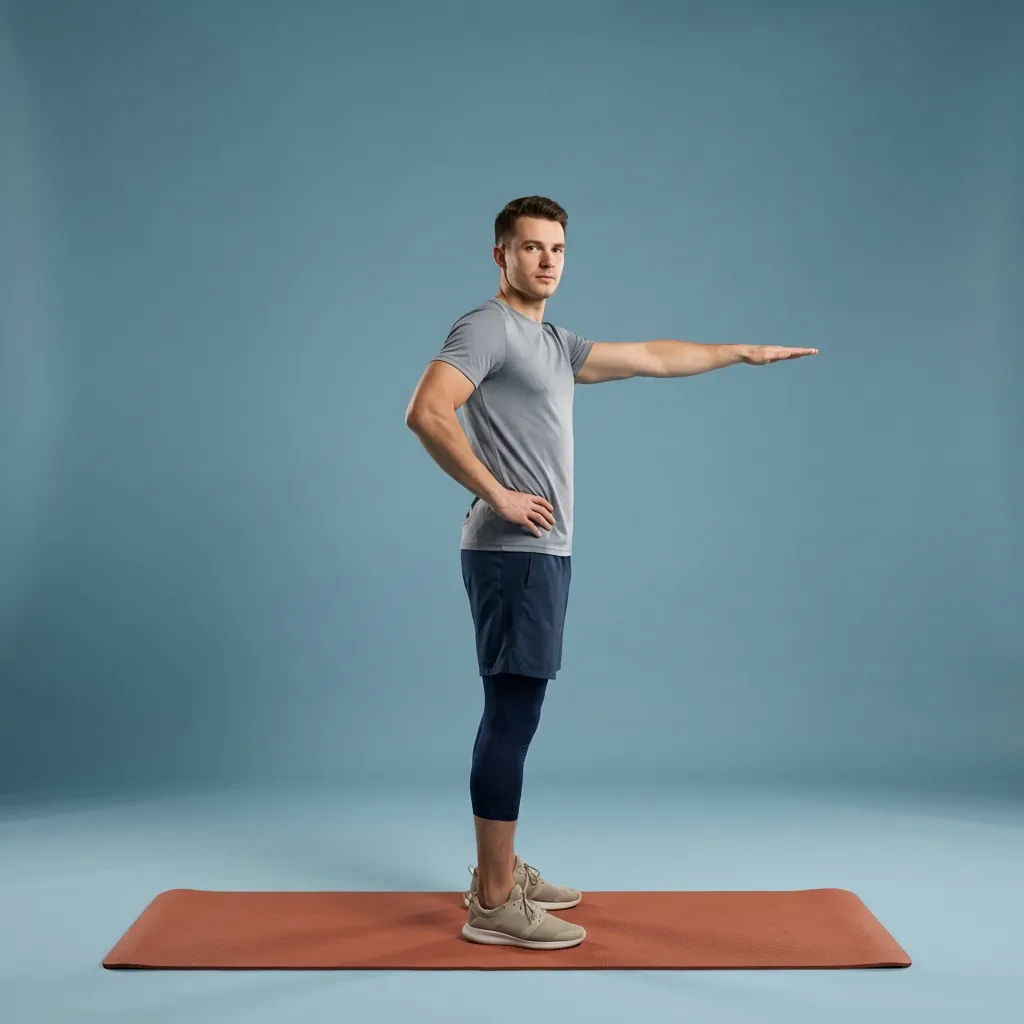
Explore related body areas
Go deeper on a single area with its own exercises, routines, and guidance.
Common questions
Frequently asked questions
Is Pain Relief available in Flexor?
Yes. Pain Relief is available in Flexor with 35 unique guided routines across eight comfort-focused collections. The free catalogue also includes stretching, mobility, comfort, and general relief-focused routines throughout the app. Pain Relief collections sit alongside those routines as a dedicated comfort-focused library for everyday body comfort.
How many Pain Relief routines are in Flexor?
Flexor contains 35 unique Pain Relief routines across eight visible collections covering neck, shoulders, hips, knees, ankles and Achilles, lower back, elbow and wrist, and sciatica-symptom support. A relevant routine can appear in more than one collection, so adding every collection total would count some routines more than once. The published figure therefore describes unique routines across the complete library.
Can Flexor diagnose or treat the cause of pain?
No. Flexor provides general fitness and wellness routines, and the Pain Relief collection name does not mean the app can identify the cause of symptoms. It does not provide diagnosis, treatment, physiotherapy, or rehabilitation. Persistent, severe, worsening, traumatic, neurological, or otherwise concerning symptoms need appropriate professional assessment rather than an app-selected routine.
Do all Pain Relief routines have the same duration or difficulty?
No. Duration, difficulty, exercise sequence, focus area, pace, and optional equipment can vary between routines. Review the routine details before starting, select a level that allows controlled movement, and use a smaller range when appropriate. Stop if a movement causes pain, worsens symptoms, or produces numbness, tingling, weakness, dizziness, or another concerning response.
Keep exploring
More guides on stretching, mobility, routines, and Flexor features.
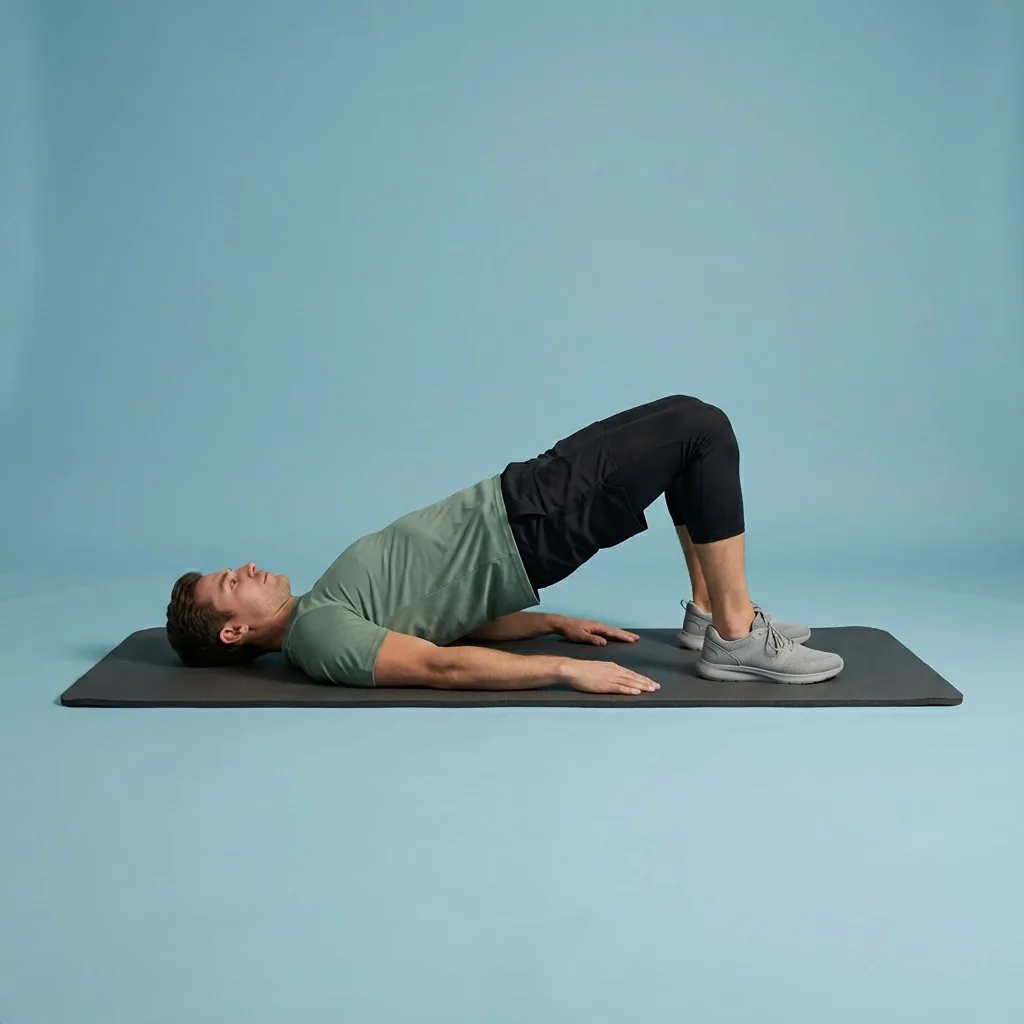
Free guided stretching exercises app
A full stretching and mobility app—free to download, ready to use.
Download Flexor free—guided stretching routines, multi-day plans, daily recommendations, reminders, and offline access....
Read more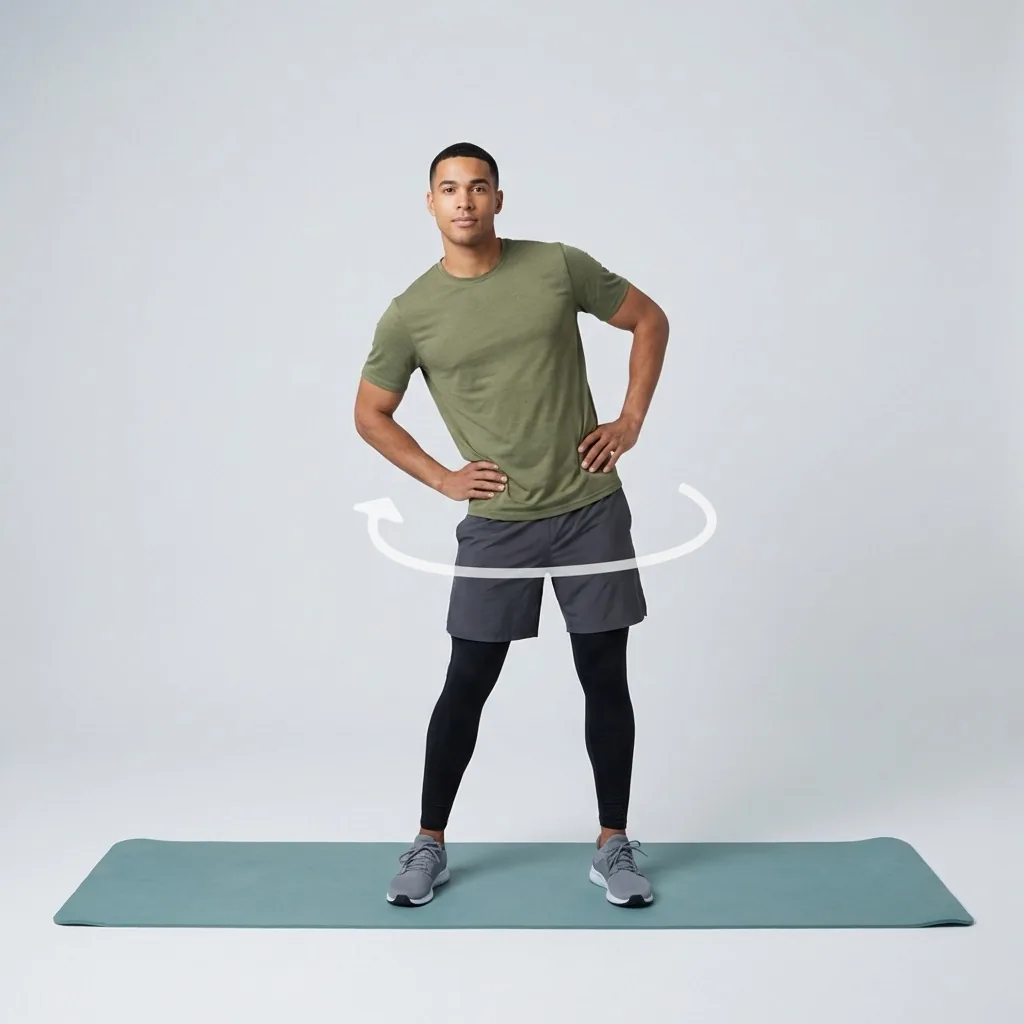
Mobility for fitness and everyday movement
Build controlled, usable movement—one short guided session at a time.
Improve mobility with guided routines, progress tracking and personalised daily recommendations designed around how you...
Read more Routine chooser
Choose a stretching or mobility routine by what you need now.
Choose a Flexor routine for mornings, desk breaks, workout warm-ups, cool-downs, flexibility, mobility, recovery, and ev...
Read more
Wellness and exercise safety
General movement guidance—not medical care.
Flexor provides general fitness and wellness guidance, not diagnosis or treatment. Review when to stop exercise and when...
Read more