
Lower body
Hip mobility and stretching for freer movement.
The hip is a ball-and-socket joint that flexes, extends, rotates and swings out to the side, so it sits at the centre of nearly everything you do on your feet — walking, squatting, climbing stairs and getting up off the floor.
Because the hip works in so many directions, well-rounded hip sessions mix openers for rotation with controlled range and a little strength, so the mobility you build is range you can actually use.
Start here
A short, guided starting point for Hips — begin gently and stay within a comfortable range.
warm-up
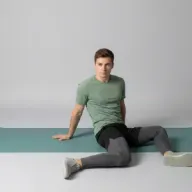
90/90 Hip Switch
rotation control
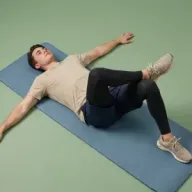
Figure Four Twist
gentle rotation
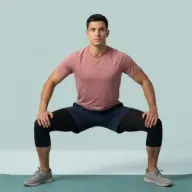
Standing Frog
adductor opener
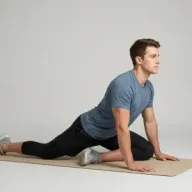
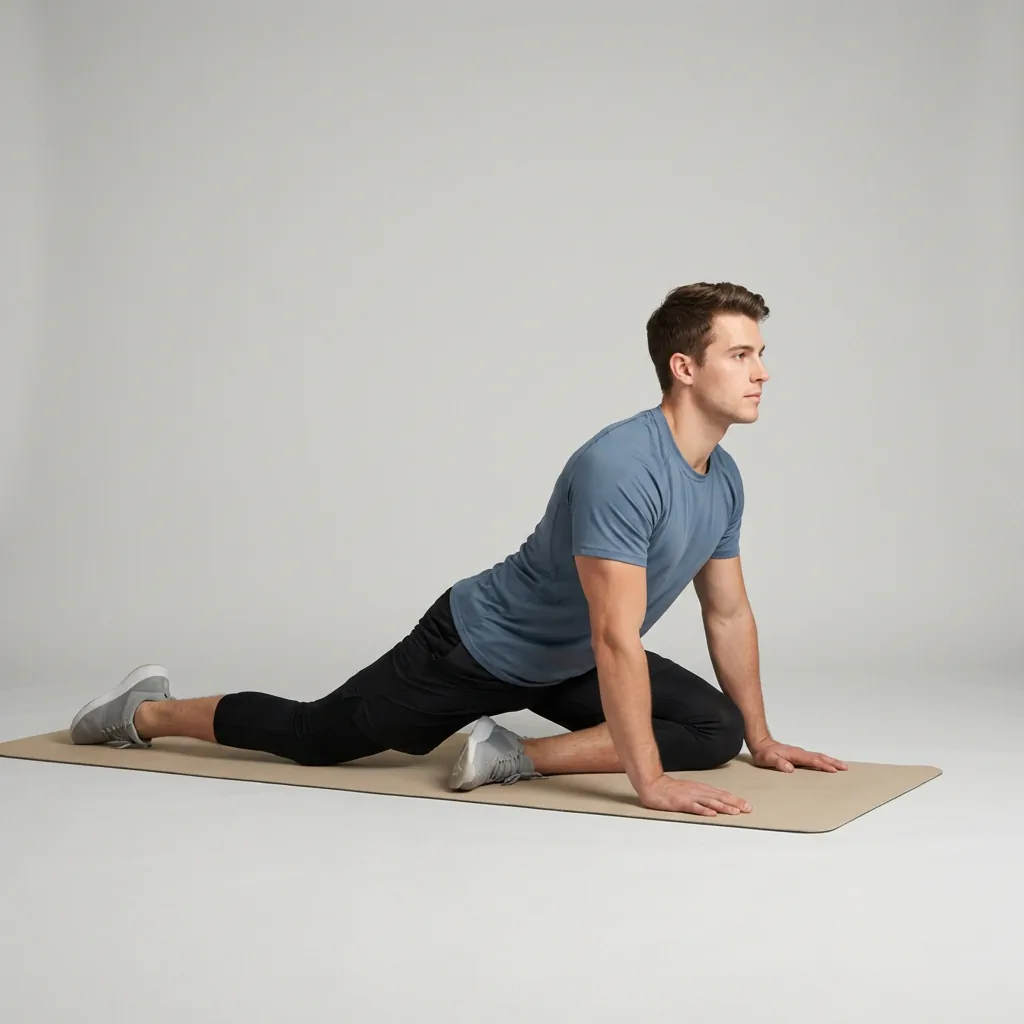
Pigeon
deep opener
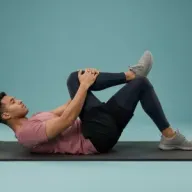
Lying Figure Four
supported release
Guided routines to start with
-
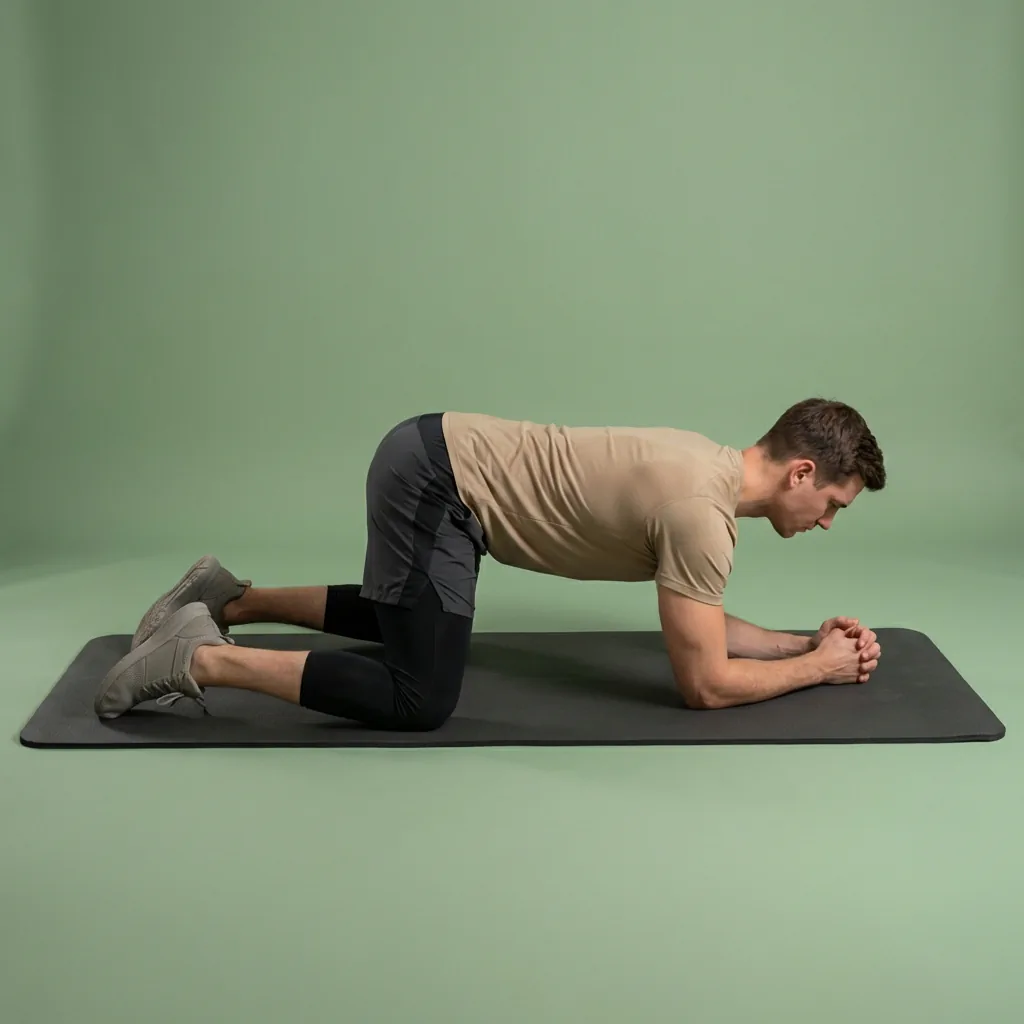 16 min Intermediate
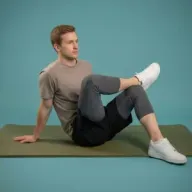
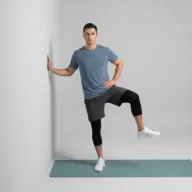
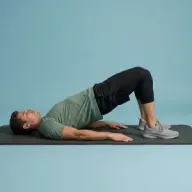
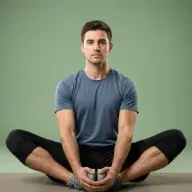
Hip Opener Flow
A 16-move hip rotation flow — 90/90 switches, frog pose, and lizard pose targeting internal and external hip range.
-
-
-
-
-
- +11
-
-
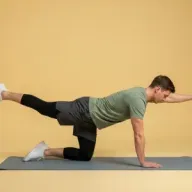
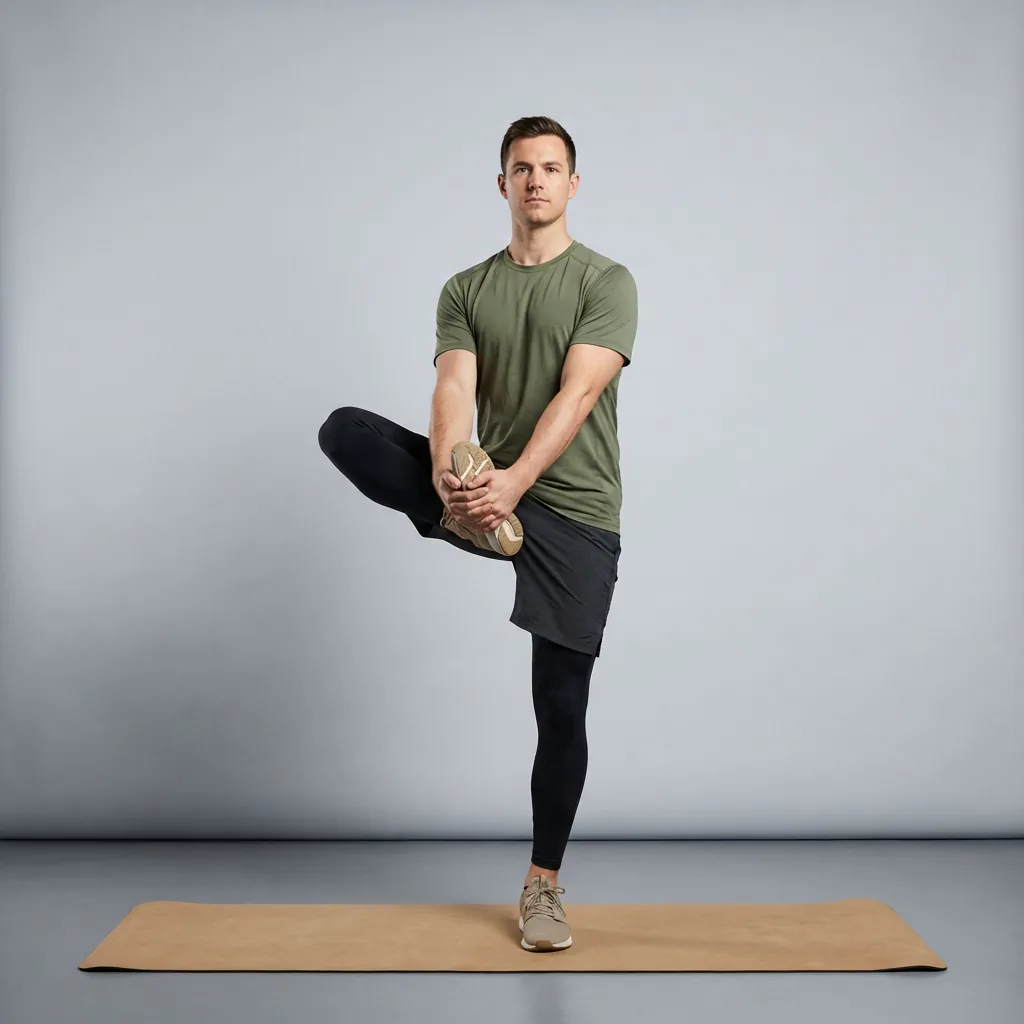 12 min Intermediate
Hip Comfort
A gentle hip mobility routine using controlled range, breathing, and light activation for days your hips feel restricted.
-
-
-
-
-
- +7
-
-
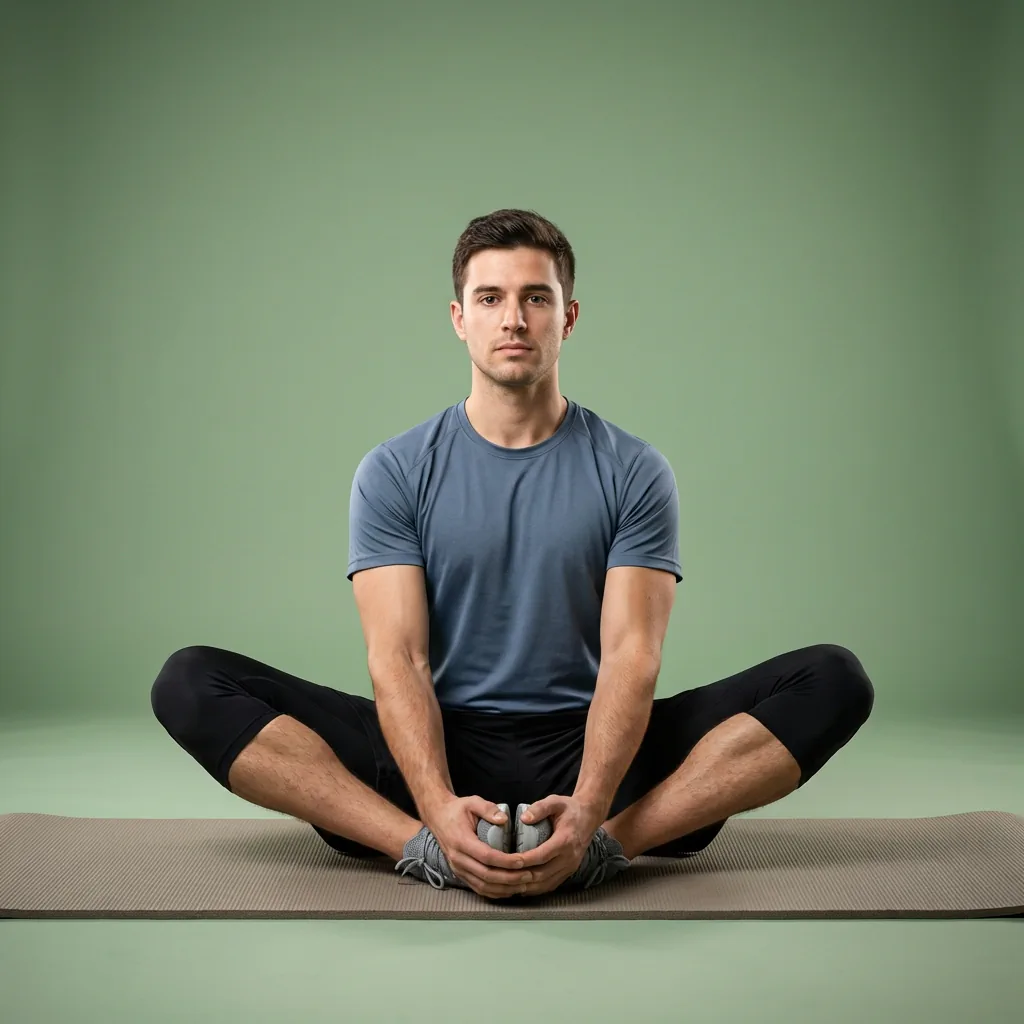 10 min Beginner
Seated Hip Routine
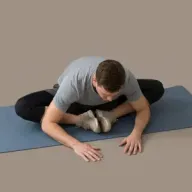
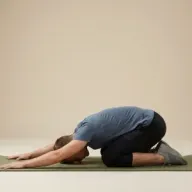
An 11-move floor-based hip opener — 90/90, butterfly, and happy baby for tight hips when space is limited.
-
-
-
-
-
- +6
-
About the Hips
The hip joins the head of the femur to the pelvis, wrapped by a deep capsule and moved by the glutes, deep rotators, hip flexors and adductors working together.
It transfers force between the legs and the trunk, so hips that move well take pressure off the knees and lower back when you hinge, lunge or carry a load.
Hip work overlaps closely with the glutes behind you, the hip flexors at the front and the inner-thigh adductors, which is why hip sessions often touch all three.
Ways to work this area
Stretching
Openers such as pigeon and figure-four lengthen the deep glutes and rotators that limit how far the hip turns.
Mobility
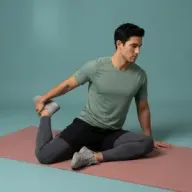
Circles and 90/90 switches take the joint through its full arc so rotation and extension stay available.
Control
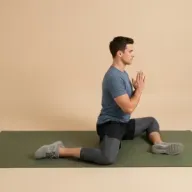
Slow, deliberate 90/90 transitions teach you to own end range rather than just fall into it.
Activation
Light glute and adductor work wakes up the muscles that keep the hip stable under load.
When people reach for this
After long hours seated
Sitting keeps the hips folded for hours, so a few openers and rotations help them feel less locked when you stand.
Desk WorkersWarming up to run or squat
Dynamic circles and switches prime rotation and extension before the hips take repeated load.
RunnersEasing lower-body tightness
When the glutes and rotators feel gripped, gentle figure-four and 90/90 work restores comfortable range.
Improve MobilityExercises for Hips
90/90
90/90 Hip Switch (No Hands)
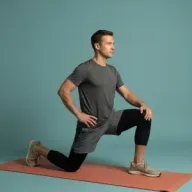
90/90 Hip Switch Extension
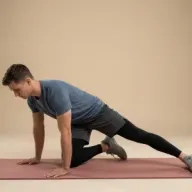
Adductor Rocks
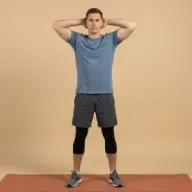
Air Squats
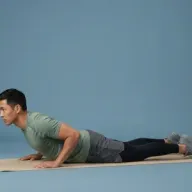
Baby Cobra
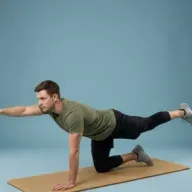
Back Leg Raise
Bird Dog
Bridge
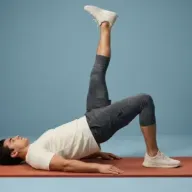
Bridge Leg Lift
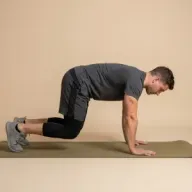
Bulldog
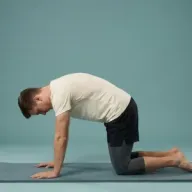
Cat Cow
Child’s Pose
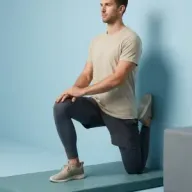
Couch Stretch
Cross Leg Fold
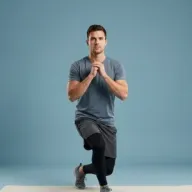
Curtsy Lunge Hold
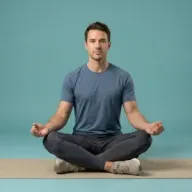
Double Pigeon
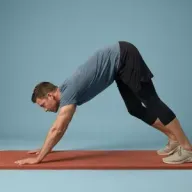
Down Dog Split
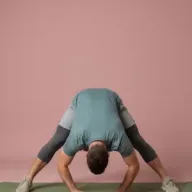
Dynamic Wide Leg Forward Fold
Figure Four Stretch
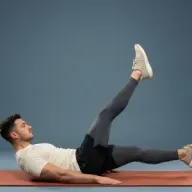
Flutter Kicks
Folded Butterfly
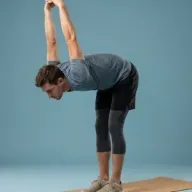
Forward Fold
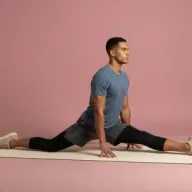
Front Split
A five-minute hip opener
A gentle sequence that warms the joint, works rotation, then opens the deep hip. · about 5 min
- 1 Hip Circles — loosen the joint in both directions 40 sec
- 2 90/90 Hip Switch — controlled rotation both sides 60 sec
- 3 Figure Four Twist — ease into the deep glute 45 sec
- 4 Standing Frog — open the inner thigh 45 sec
- 5 Pigeon — settle into the opener 60 sec
- 6 Knees-to-Chest — decompress to finish 30 sec
Routines for Hips
-
12 min Intermediate
Hip Comfort
A gentle hip mobility routine using controlled range, breathing, and light activation for days your hips feel restricted.
-
-
-
-
-
- +7
-
-
16 min Intermediate
Hip Opener Flow
A 16-move hip rotation flow — 90/90 switches, frog pose, and lizard pose targeting internal and external hip range.
-
-
-
-
-
- +11
-
-
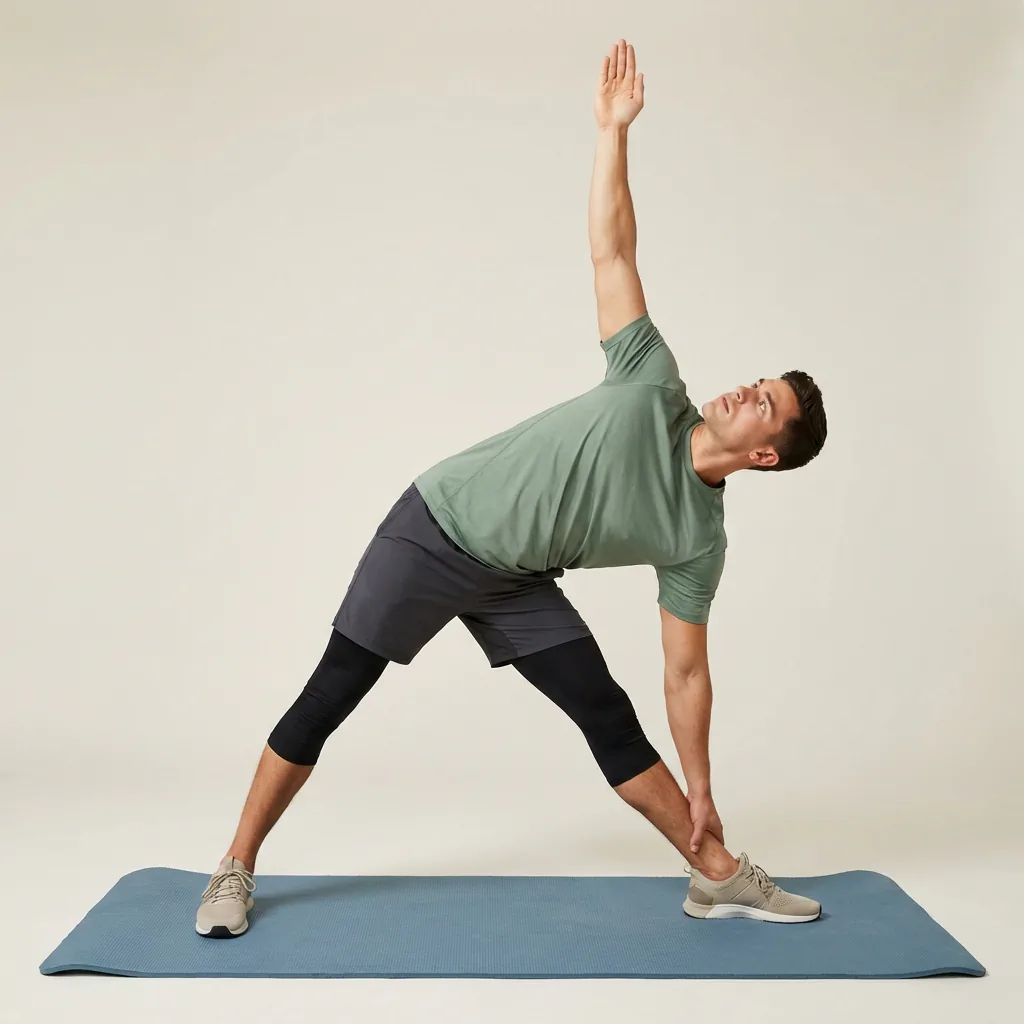 6 min Beginner
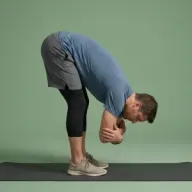
Lowerbody Unlock
A 6-move head-to-toe shake-out — cat-cow, rag doll, standing frog, and triangle pose when you only have a few minutes.
-
-
-
-
-
- +1
-
-
 11 min Intermediate
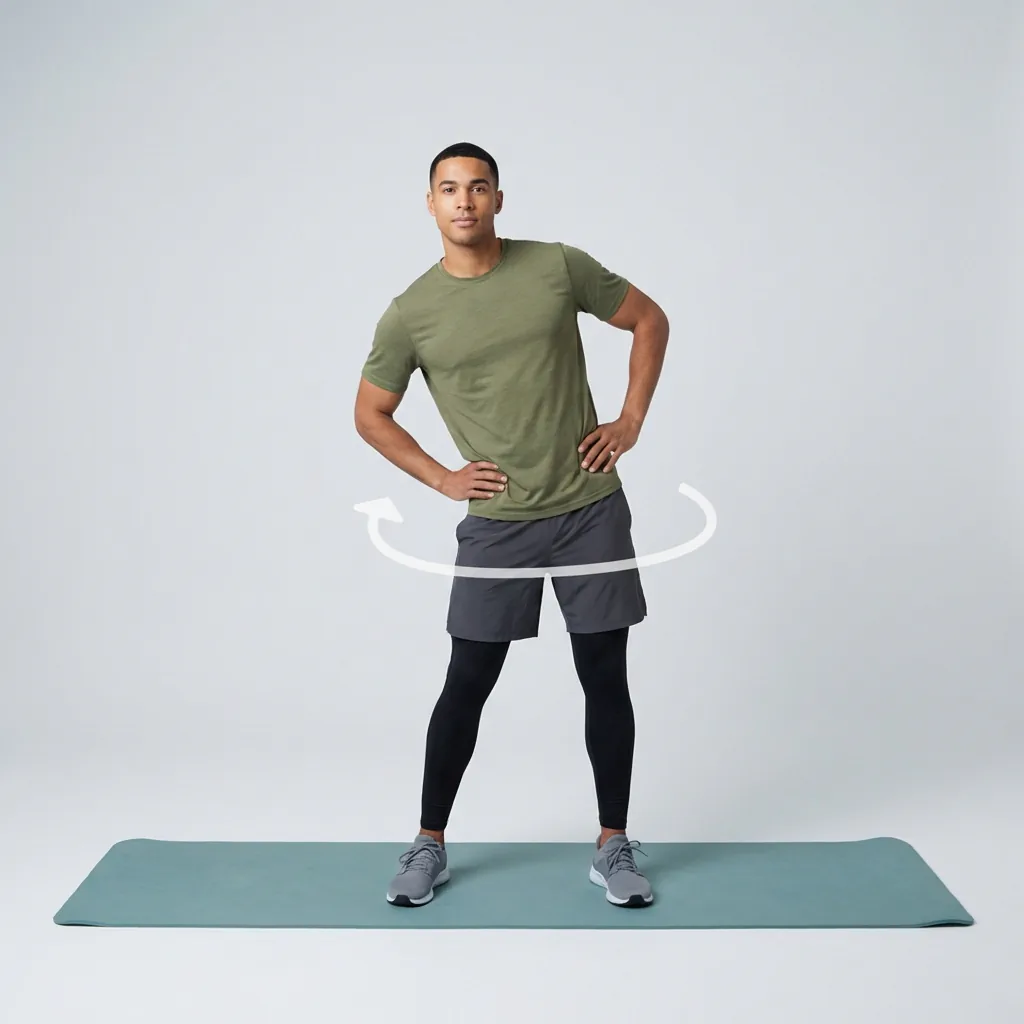
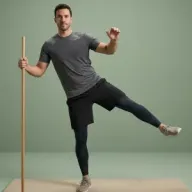
Pre-Workout Mobility: Hips
An 11-move hip primer — leg swings, 90/90 switches, and lateral lunge opening hip capsules before squats and lunges.
-
-
-
-
-
- +6
-
-
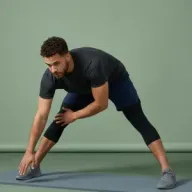
 7 min Intermediate
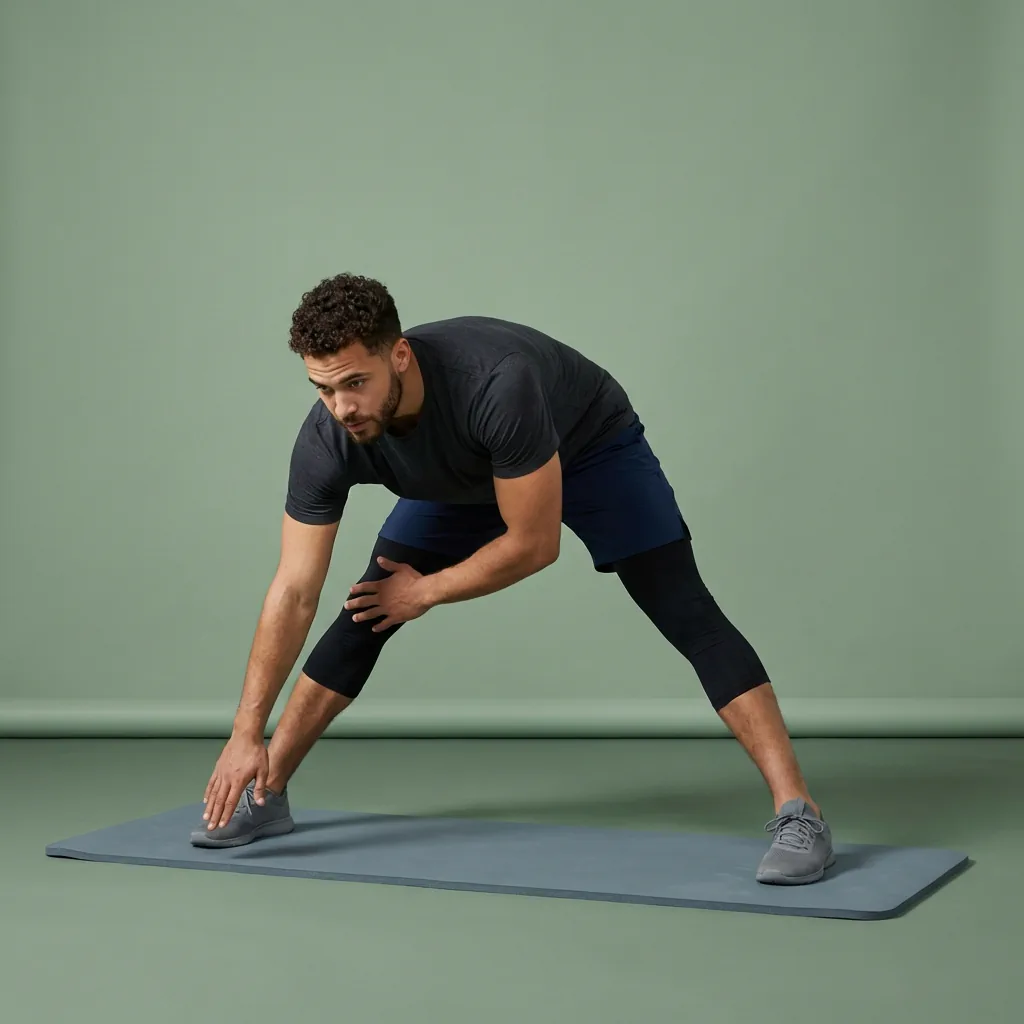
Quick Hip Opener
A 7-move hip rotation burst — 90/90 switches, gate opener, and figure four for deep hip tension in minutes.
-
-
-
-
-
- +2
-
-
10 min Beginner
Seated Hip Routine
An 11-move floor-based hip opener — 90/90, butterfly, and happy baby for tight hips when space is limited.
-
-
-
-
-
- +6
-
-
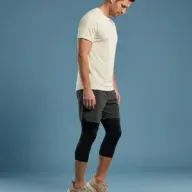
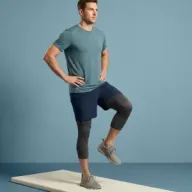
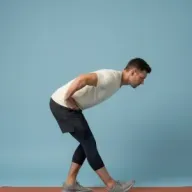
11 min Intermediate
Warm-Up: Hips and Ankles
An 11-move lower-body warm-up — hip circles, lateral lunges, and knee-to-wall for squat depth and ankle dorsiflexion.
-
-
-
-
-
- +6
-
Where to start
- Hips feel stiff after sitting
- Start with circles and 90/90 switches to restore rotation before deeper openers.
- One side feels tighter
- Spend longer on the tighter side with figure-four, keeping both sides comfortable.
- You want lasting range
- Pair openers with light glute activation so you can control the new range.
Technique and comfort
Helpful cues
- Keep the pelvis level rather than letting it hike toward the working side.
- Move into a comfortable pull, not a sharp stretch, and let it ease before going deeper.
- Breathe out as you settle into an opener to relax the deep rotators.
Ways to make it easier
- Sit on a cushion for seated figure-four if the knees float high.
- Do lying figure-four instead of pigeon when floor kneeling is uncomfortable.
Common mistakes
- Forcing a deep opener before the joint is warm.
- Twisting through the lower back to fake extra hip range.
Breathing
Steady nasal breaths; use a longer exhale to release into rotation and end-range positions.
Related body areas
- Hip Flexors
The front-of-hip muscles that pair with openers for full extension.
- Glutes
The powerhouse behind the hip that keeps new range controlled.
- Lower Back
Mobile hips reduce how much the lower back compensates when you bend.
- Hamstrings
Long hamstrings free the pelvis to tilt through a fuller hinge.
How Flexor personalises this
Tell Flexor whether you sit a lot, run or lift, and it weights your hip work toward the openers, rotations or strength that fit that day.
See personalised plansExplore related pages
Move comfortably
- Keep openers in a comfortable range and avoid bouncing at end range.
- Warm up with circles before deep positions like pigeon.
This is general fitness guidance, not medical treatment. Stop if a movement causes pain and seek professional advice for persistent hip pain.
Read the full wellness disclaimerWritten by Flexor editorial Last reviewed July 2026
Common questions
How can I loosen tight hips?
Working the hip in several directions usually helps more than one stretch — circles and 90/90 switches for rotation, figure-four for the deep glute, and standing frog for the inner thigh. Keep everything to a comfortable pull and progress gradually rather than chasing depth.
How often should I do hip mobility?
A short daily session of five to ten minutes tends to build range faster than one long weekly stretch, because the joint responds to frequent, gentle exposure. Fit it in as a warm-up or a wind-down, whichever you will actually repeat.
Should I stretch my hips before running?
Before running, favour dynamic work like hip circles and leg-swing-style movement that primes rotation and extension. Save longer holds such as pigeon for afterwards, when the muscles are already warm.
Why does one hip feel tighter than the other?
Side-to-side differences are common and often reflect how you sit, stand or carry load. Spend a little longer on the tighter side and keep both within a comfortable range rather than forcing them to match immediately.
Can hip mobility help my lower back?
Freer hips can reduce how much the lower back has to move when you bend and hinge, which some people find supportive. It is general fitness guidance rather than treatment, so keep movements comfortable and see a professional for persistent pain.
Do I need equipment for hip stretches?
No. The exercises here use your body weight and the floor or a wall. A cushion under the hips or knee can make seated and kneeling positions more comfortable if you want one.