
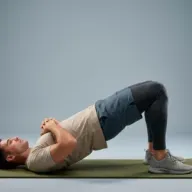
Lower body
Wake up and open the glutes.
The glutes are the largest muscles in the body and the main engine behind hip extension — standing, climbing stairs, sprinting and lifting all lean on them. When they switch off from too much sitting, other areas end up covering.
Good glute work does two jobs: it wakes the muscles up with light activation so they fire when you move, and it opens the deep glutes and rotators so the hips feel free rather than gripped.
Start here
A short, guided starting point for Glutes — begin gently and stay within a comfortable range.
activation
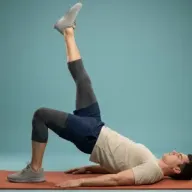
Single Leg Glute Bridges
single side
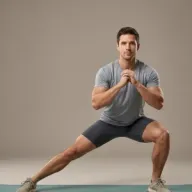
Lateral Lunge
side load
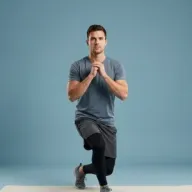
Curtsy Lunge Hold
cross-body
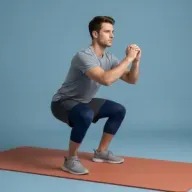
Squat Hold
deep position
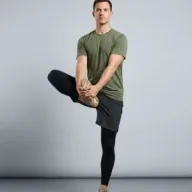
Standing Hip Openers
mobility
Guided routines to start with
-
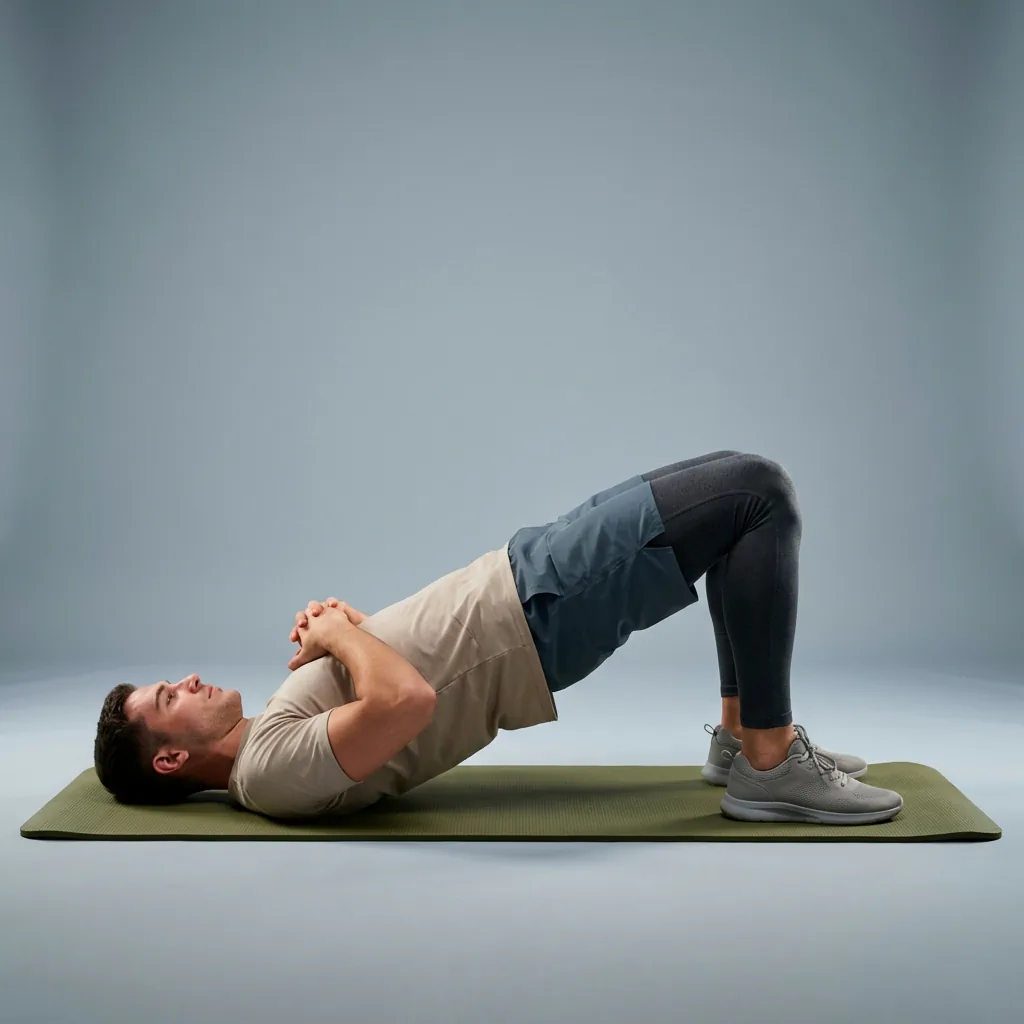 8 min Intermediate
The Glute Primer
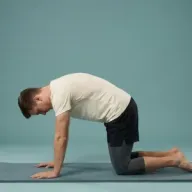
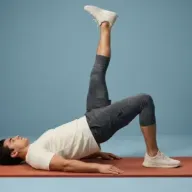
A 7-move glute activation burst — bird dog, hip bridges, and bridge leg lift to fire the posterior chain before training.
-
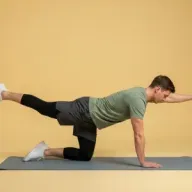
-
-
-
-
- +2
-
-
 14 min Intermediate
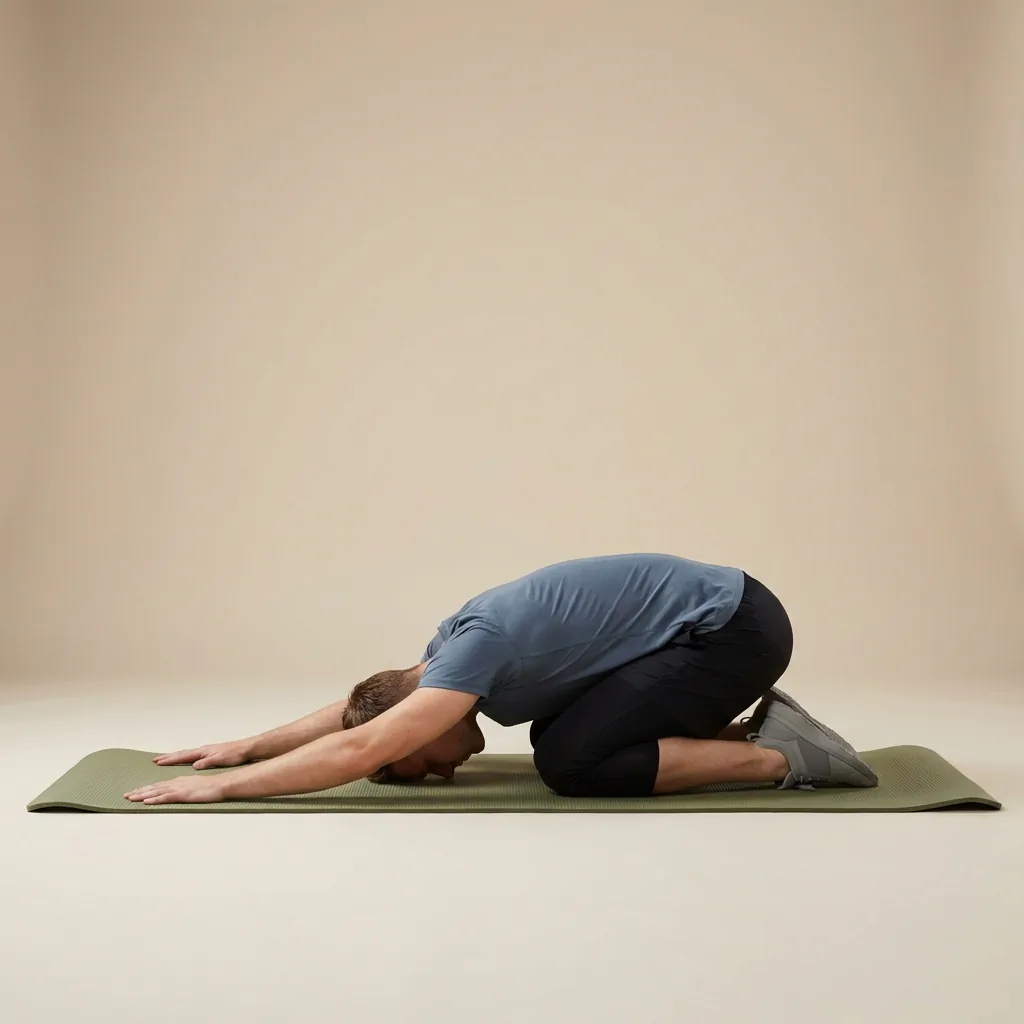
Glute & Hip Reset
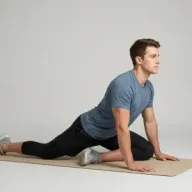
A 14-move deep glute release — pigeon, figure four, and single-leg bridges targeting lateral hip rotators and piriformis area.
-
-
-
-
-
- +9
-
-
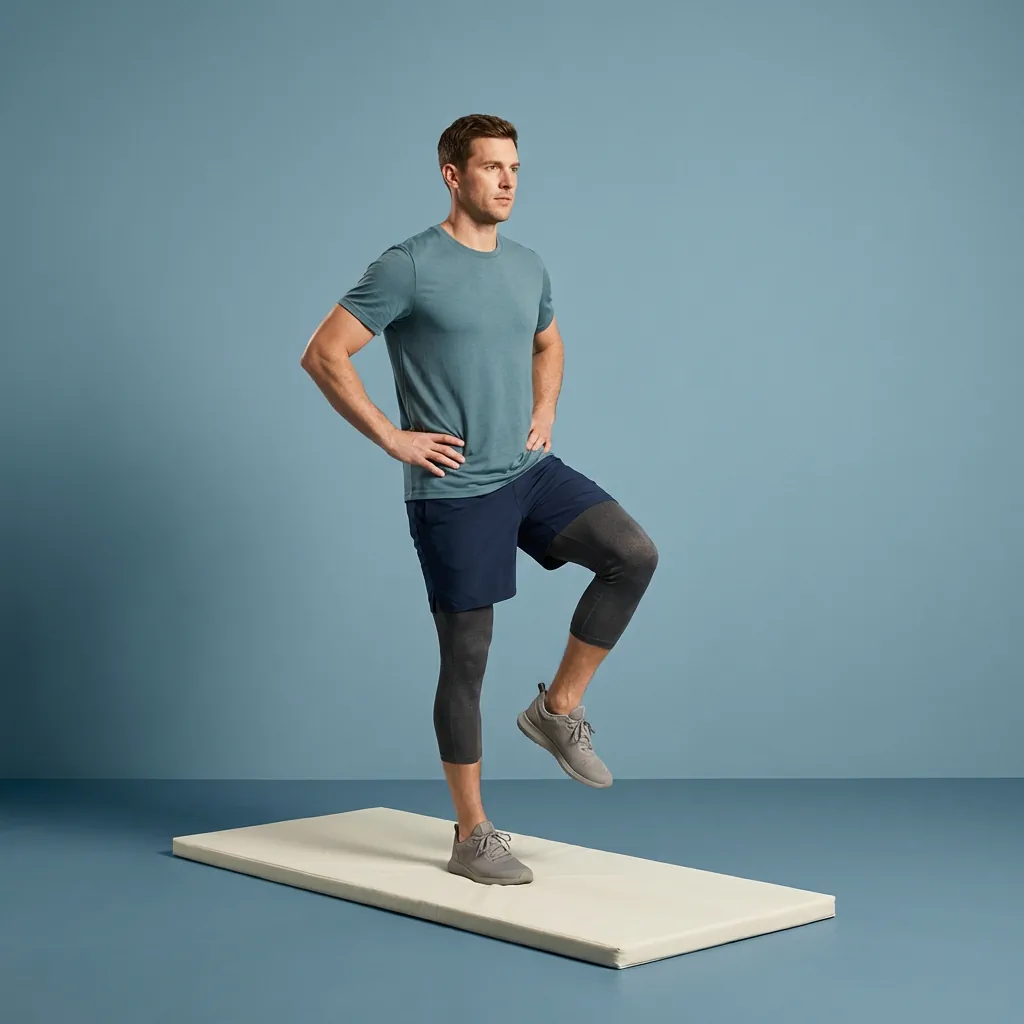 16 min Beginner
Glute & Hamstring Comfort
A 16-move posterior chain release — good mornings, rag doll, and lying hamstring for tight glutes and hamstrings.
-
-
-
-
-
- +11
-
About the Glutes
The glutes are three muscles — maximus, medius and minimus — spanning the back and side of the hip, along with the deep rotators beneath.
They extend the hip, drive you upright and stabilise the pelvis on one leg, so they underpin walking, running and every squat and lunge.
The glutes work hand in hand with the hamstrings below and the deep hip rotators, so glute sessions often reach into both.
Ways to work this area
Stretching
Figure-four-style and cross-body positions open the deep glutes and rotators.
Mobility
Lunges and standing openers move the hip through side-to-side and rotational range.
Control
Slow single-leg bridges teach the glutes to stabilise the pelvis on one side.
Activation
Bridges and holds wake the glutes so they lead instead of the lower back.
When people reach for this
Sleepy glutes from sitting
Light bridges and holds switch the glutes back on when hours of sitting have quietened them.
Improve MobilityBefore squats and lifts
A few activation moves get the glutes firing so they lead the movement under load.
Gym GoersPriming to run
Lateral lunges and standing openers ready the hips for the side-to-side control running needs.
RunnersExercises for Glutes
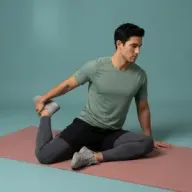
90/90
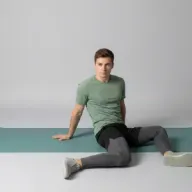
90/90 Hip Switch
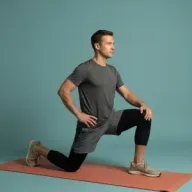
90/90 Hip Switch Extension
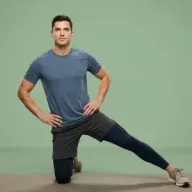
Adductor Dips
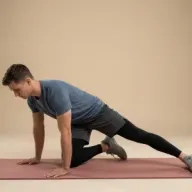
Adductor Rocks
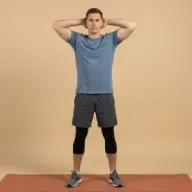
Air Squats
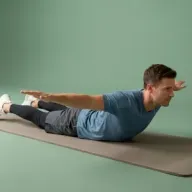
Airplane
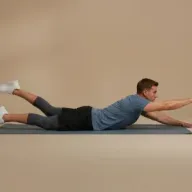
Aquaman
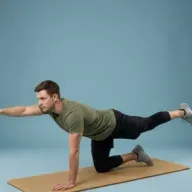
Back Leg Raise
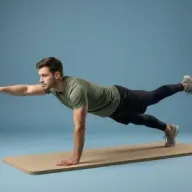
Bird Dog Plank
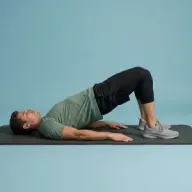
Bridge
Bridge Leg Lift
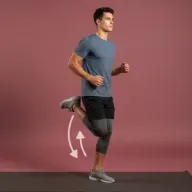
Butt Kicks
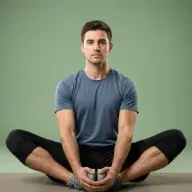
Butterfly
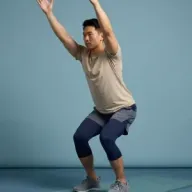
Chair Pose
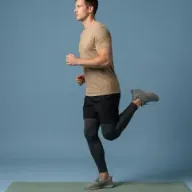
Controlled Butt Kicks
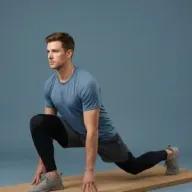
Deep Split Squat
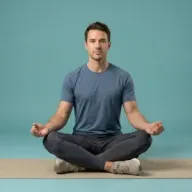
Double Pigeon
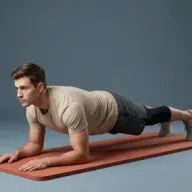
Elbow Plank
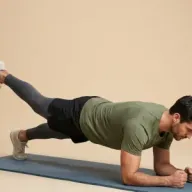
Elbow Plank Leg Lift
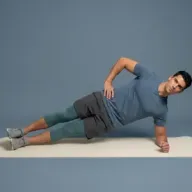
Elbow Side Plank
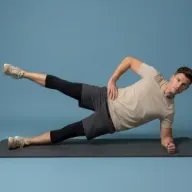
Elbow Side Plank Leg Lift
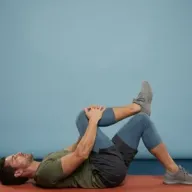
Figure Four Stretch
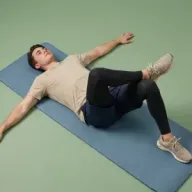
Figure Four Twist
A glute primer
Switch the glutes on, then load them through lunges and a deep squat. · about 5 min
- 1 Hip Bridges — squeeze at the top 40 sec
- 2 Single Leg Glute Bridges — each side, level hips 45 sec
- 3 Lateral Lunge — sink into the side, each way 40 sec
- 4 Curtsy Lunge Hold — cross behind, each side 40 sec
- 5 Squat Hold — settle low, chest tall 45 sec
- 6 Reclined Butterfly — open and release to finish 45 sec
Routines for Glutes
-
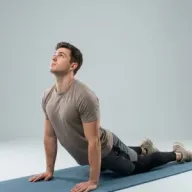
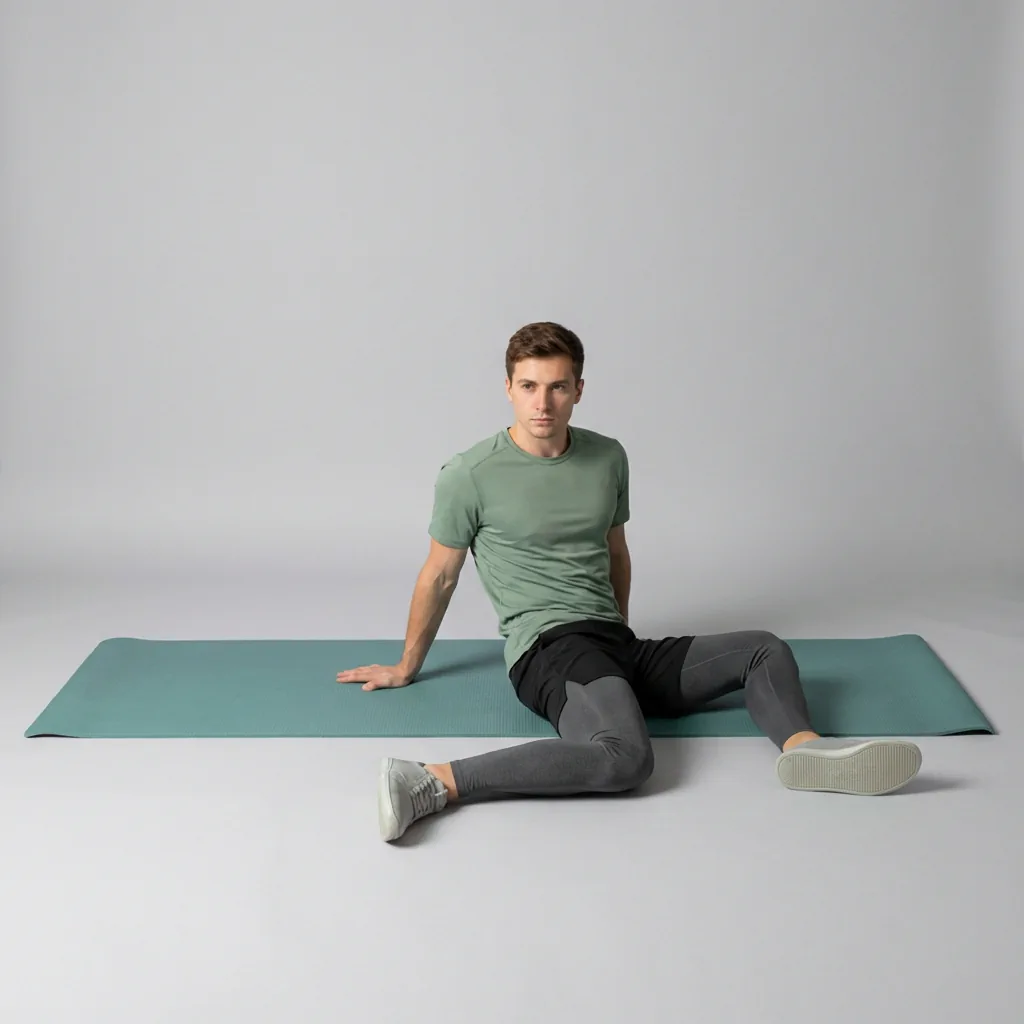 10 min Intermediate
Fasting-Friendly Ease Level 3
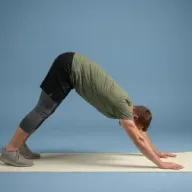
Level 3 fasting flow — 10 intermediate moves including 90/90 hip switch and downward dog at low physical exertion.
-
-
-
-
-
- +5
-
-
14 min Intermediate
Glute & Hip Reset
A 14-move deep glute release — pigeon, figure four, and single-leg bridges targeting lateral hip rotators and piriformis area.
-
-
-
-
-
- +9
-
-
8 min Intermediate
The Glute Primer
A 7-move glute activation burst — bird dog, hip bridges, and bridge leg lift to fire the posterior chain before training.
-
-
-
-
-
- +2
-
-
 9 min Advanced
Travel Stiffness Release
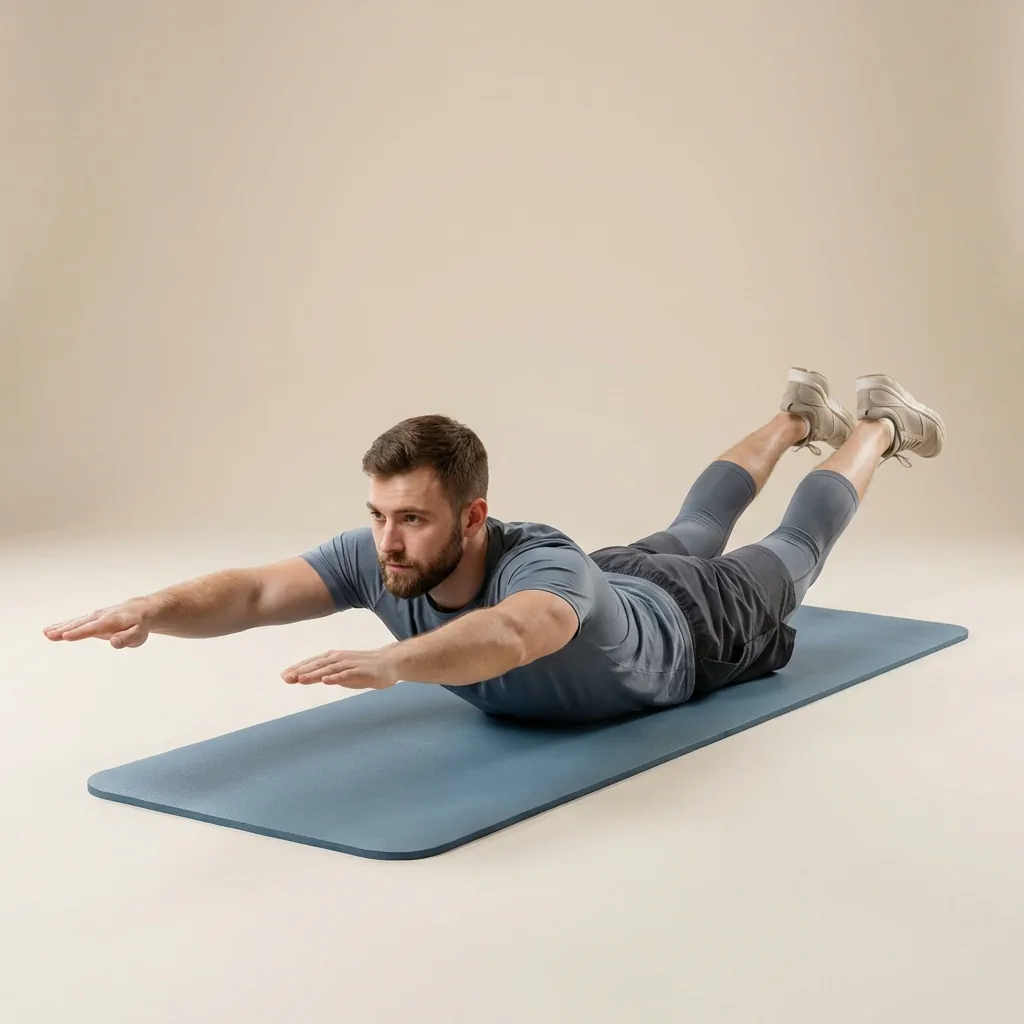
A 10-move travel flush — sumo squat hold, seated straddle, and locust pose targeting stiff lower back and legs after long sitting.
-
-
-
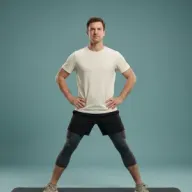
-
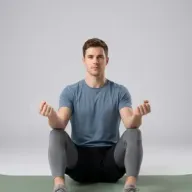
-
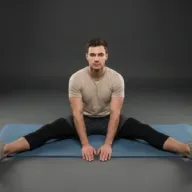
- +5
-
-
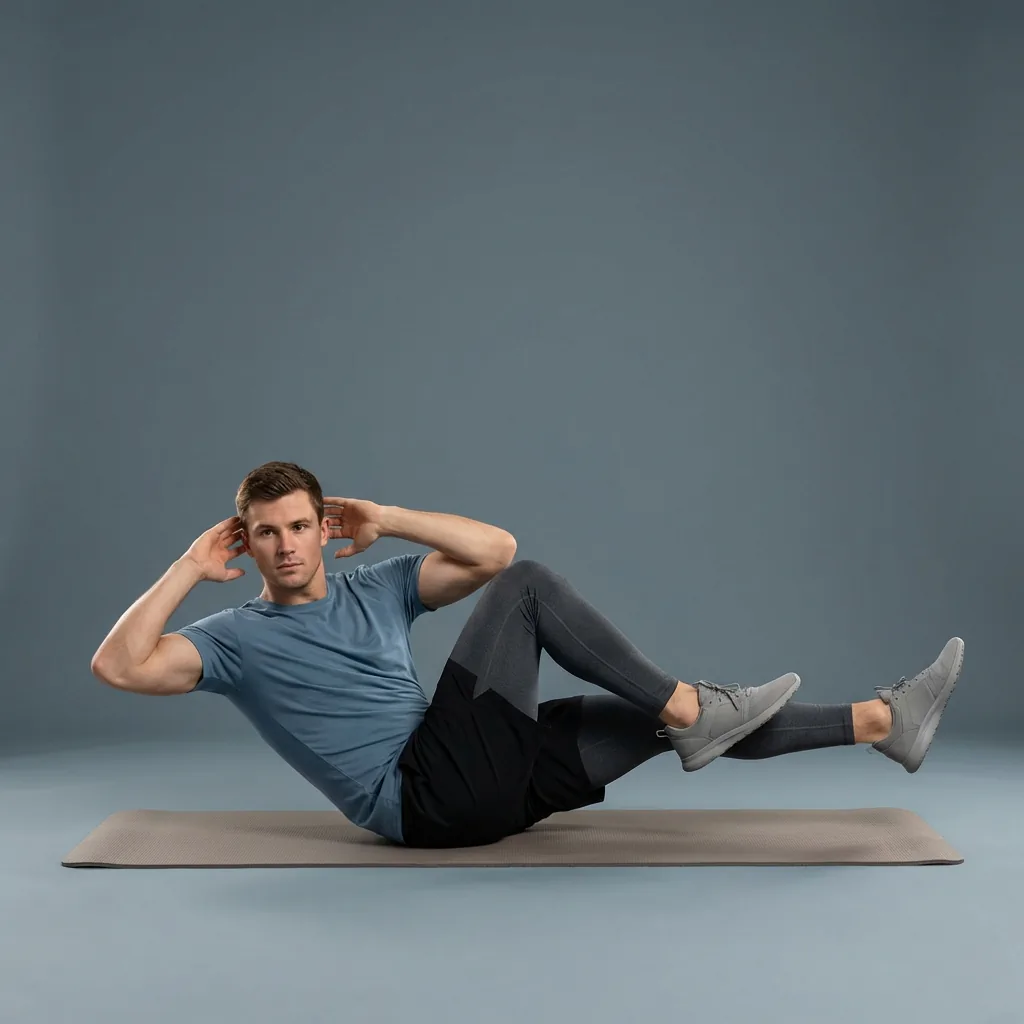 12 min Advanced
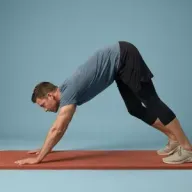
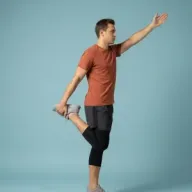
Warm-Up: Cycling Mobility
A 12-move cycling prep — hip flexor openers, hamstring scoops, and knee circles for pedaling posture and knee comfort.
-
-
-
-
-
- +7
-
Where to start
- Glutes feel switched off after sitting
- Start with bridges and single-leg bridges to wake them up.
- Warming up to squat or lift
- Add lateral and curtsy lunges to load the glutes through range.
- The deep glute feels gripped
- Finish with figure-four-style openers to release the rotators.
Technique and comfort
Helpful cues
- Squeeze the glutes at the top of a bridge rather than pushing through the lower back.
- Keep the hips level during single-leg work rather than letting one side drop.
- In lateral lunges, sit the hips back and keep the trailing leg long.
Ways to make it easier
- Reduce depth in lunges and squat holds while you build strength.
- Do double-leg bridges before progressing to single-leg.
Common mistakes
- Arching the lower back instead of squeezing the glutes at the top of a bridge.
- Letting the knee cave inward during lunges.
Breathing
Exhale on the effort — the lift of a bridge or the drive out of a lunge.
Related body areas
- Hips
The glutes power and stabilise the hip joint they surround.
- Hamstrings
They share hip extension, so the two train well together.
- Lower Back
Active glutes take load the lower back would otherwise carry.
- Quadriceps (Quads)
Balanced glutes and quads keep squats and lunges tracking well.
How Flexor personalises this
Flexor blends activation and openers to match your day — priming before training, releasing after — based on the activities you log.
Build a custom routineExplore related pages
Move comfortably
- Drive bridges through the heels and squeeze the glutes rather than arching the back.
- Keep lunge depth within a range you can control with good knee tracking.
This is general fitness guidance, not medical treatment. Stop if a movement causes pain and seek professional advice for persistent hip or glute discomfort.
Read the full wellness disclaimerWritten by Flexor editorial Last reviewed July 2026
Common questions
How do I activate my glutes before a workout?
Light bridges and single-leg bridges are a simple way to wake the glutes, followed by lateral and curtsy lunges to load them through range. A couple of minutes is usually enough to feel them firing before you squat or run.
What does it mean if my glutes feel switched off?
After long sitting, many people find the glutes are slow to engage and other muscles take over. Gentle activation drills before movement help the glutes lead again, which can make squats and lunges feel stronger.
Should I stretch or strengthen my glutes?
Usually both: activation and strength so they fire and stabilise, plus openers for the deep glutes and rotators so the hip feels free. Which you emphasise depends on whether they feel weak, gripped, or a bit of both.
How do I stretch the deep glute?
Figure-four-style and cross-body positions target the deep glutes and rotators behind the hip. Ease into a comfortable pull, keep the hips square, and breathe out as you settle rather than forcing depth.
Why do my knees cave in when I lunge?
Knees drifting inward often points to glute-medius that could be stronger, since it helps steer the knee. Slowing down, keeping the hips level, and adding single-leg bridge work usually helps the knee track better over time.