
Back
Gentle mobility for a comfortable lower back.
The lower back links your ribcage to your pelvis and carries load every time you stand, lift or bend. It is built for support first, so it prefers controlled, gentle movement over aggressive stretching.
Helpful lower-back work tends to combine easy spinal warm-ups, gentle decompression and a little trunk control, along with mobile hips — because freer hips let the back do less of the bending.
Start here
A short, guided starting point for Lower Back — begin gently and stay within a comfortable range.
spinal warm-up
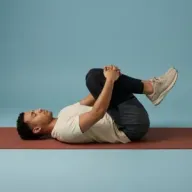
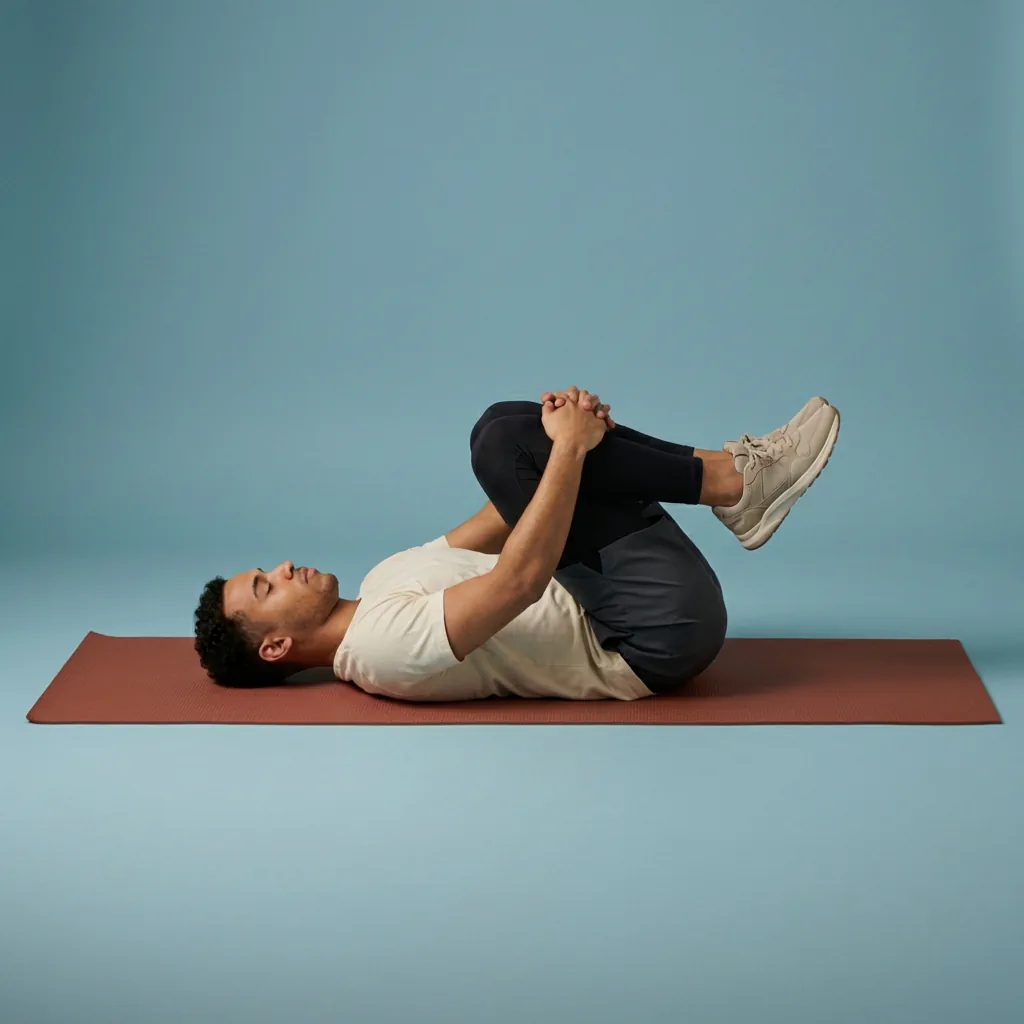
Knees-to-Chest
decompress
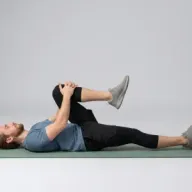
Single Knee-to-Chest
one-sided ease
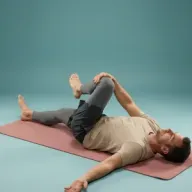
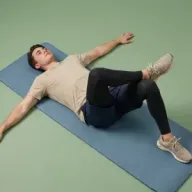
Spinal Twist
gentle rotation
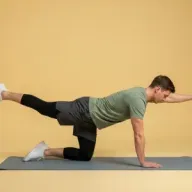
Bird Dog
trunk control
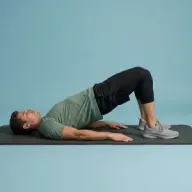
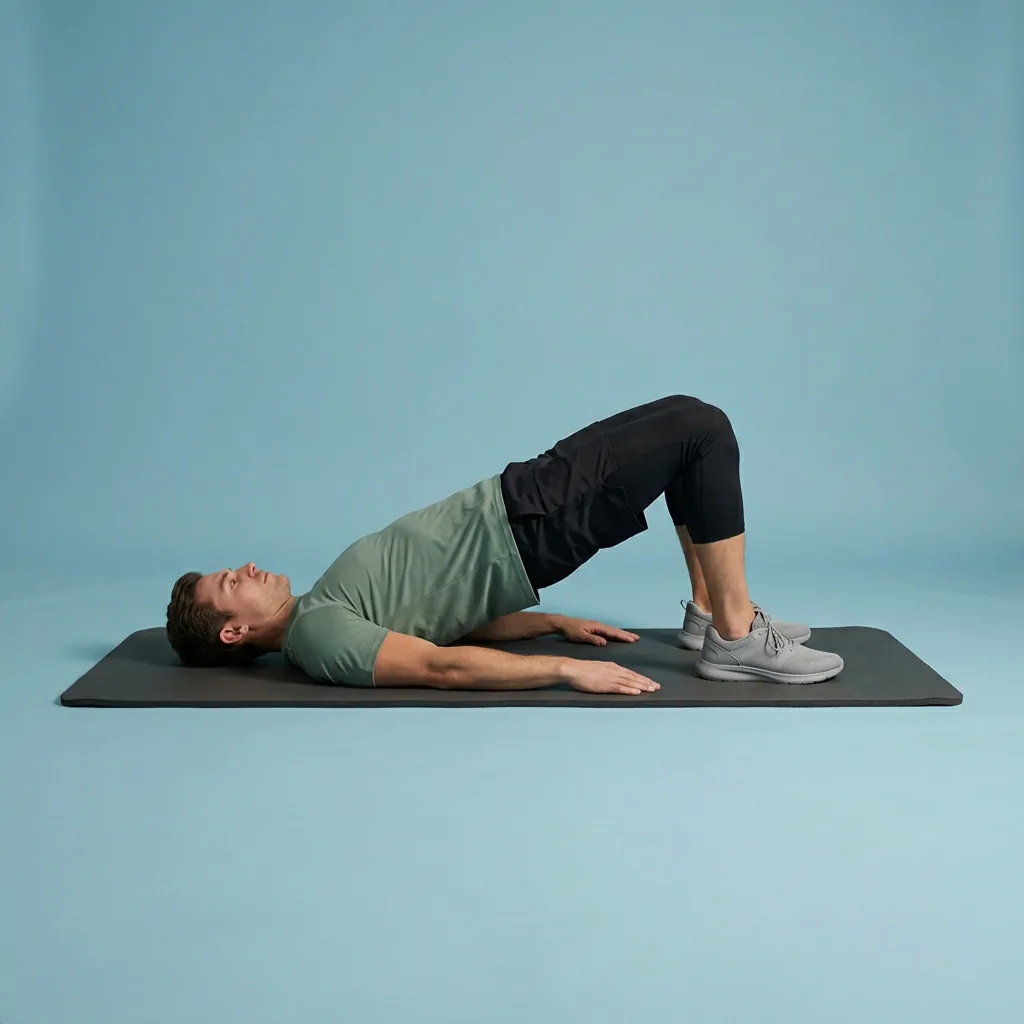
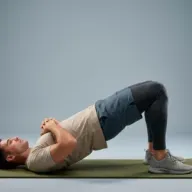
Bridge
glute support
Guided routines to start with
-
 13 min Intermediate
Lower Back Comfort
A 13-move active recovery back session — cat-cow, bridges, twists, and figure four for lingering lumbar stiffness.
-
-
-
-
-

- +8
-
-
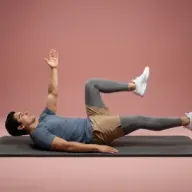
 12 min Beginner
Spine-Friendly Mobility
A cautious 12-move back flow — bird dog, dead bug, and seated twists for comfortable spinal range without provoking guarding.
-
-
-
-
-
- +7
-
-
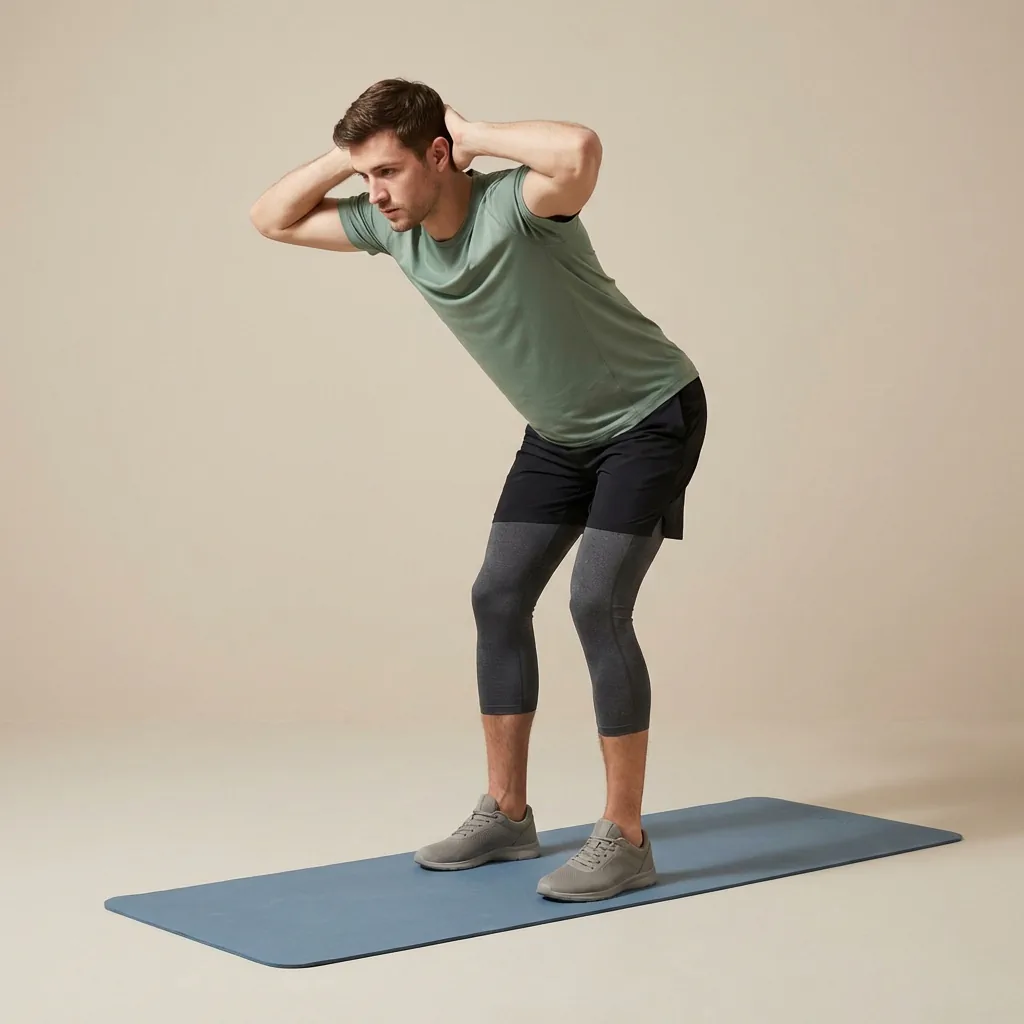 16 min Intermediate
Gentle Nerve-Friendly Mobility
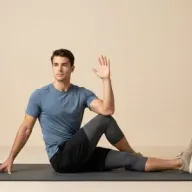
A soothing 16-move nerve-friendly flow — trunk rotation, good mornings, and figure-four twist for guarded, sensitive backs.
-
-
-
-
-

- +11
-
About the Lower Back
The lumbar spine is five sturdy vertebrae with discs between them, wrapped by deep stabilisers and the broad muscles of the trunk.
It transfers load between the upper body and legs and keeps you upright, so it favours stability with a modest, controlled range of movement.
Lower-back comfort leans heavily on mobile hips and active glutes, which is why sessions here reach into both.
Ways to work this area
Stretching
Knees-to-chest and gentle twists ease the muscles around the lumbar spine.
Mobility
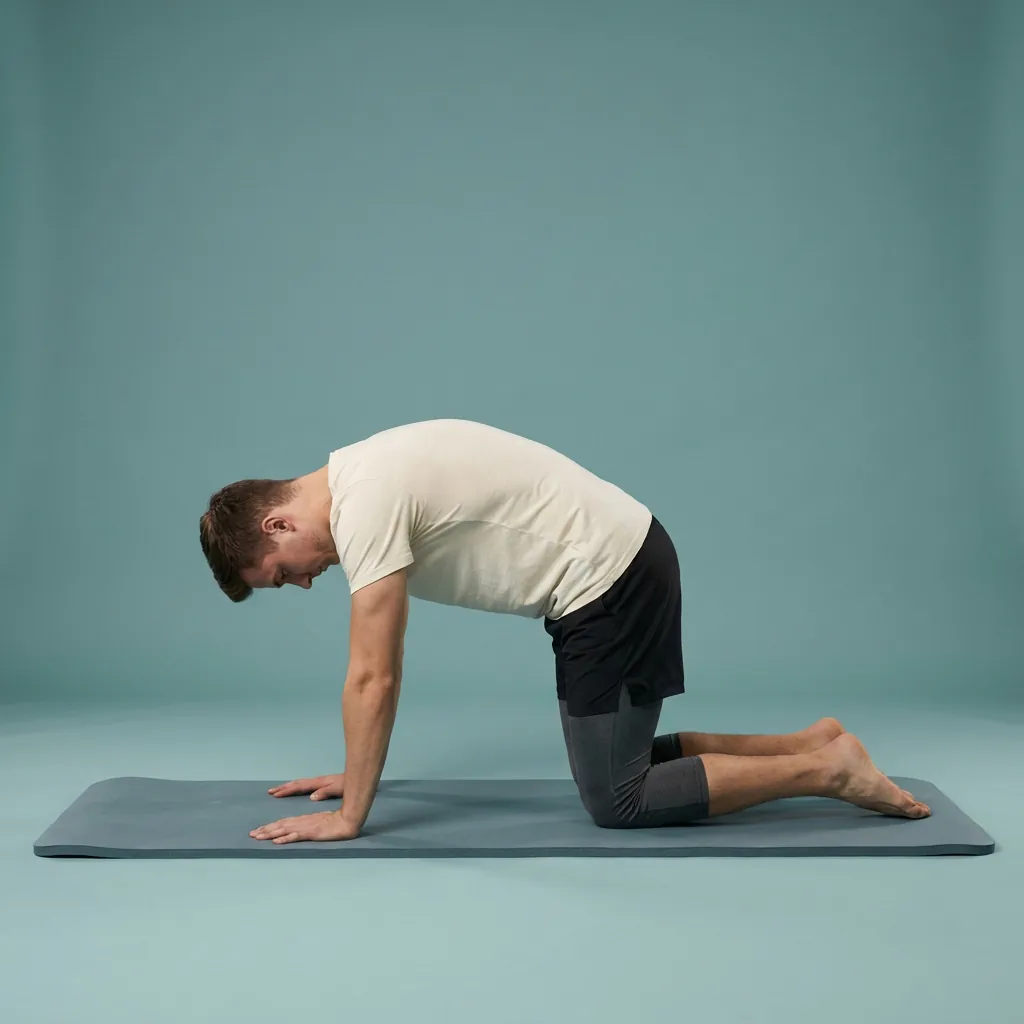
Cat-cow moves the spine smoothly between flexion and extension to warm it up.
Control
Bird-dog teaches the trunk to stay steady while the limbs move.
Activation
Bridges wake up the glutes so they share the load the back would otherwise carry.
When people reach for this
Stiff first thing or after sitting
Gentle cat-cow and knees-to-chest ease the back into movement without forcing anything.
Desk WorkersStiff after a long drive
Sitting for a journey can leave the back stiff; a few gentle mobility moves help it settle.
DriversBuilding steadier movement
Bird-dog and bridges add the control and glute support that keep the back comfortable when you move.
Lower Back ComfortExercises for Lower Back
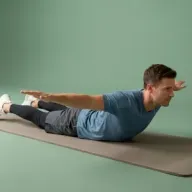
Airplane
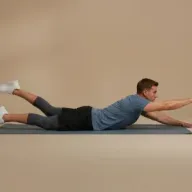
Aquaman
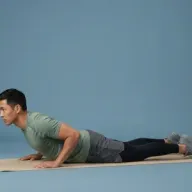
Baby Cobra
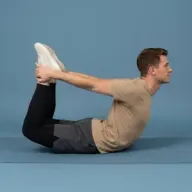
Bow Pose
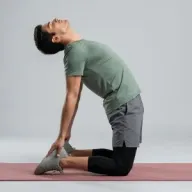
Camel Pose
Child’s Pose
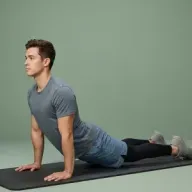
Cobra
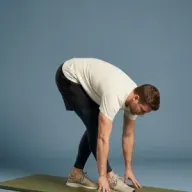
Cross Leg Fold

Forward Fold
Good Mornings
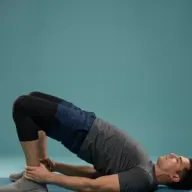
Half Wheel
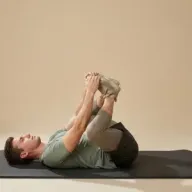
Happy Baby
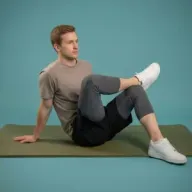
Leaning Figure Four
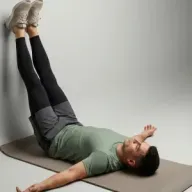
Legs Up the Wall
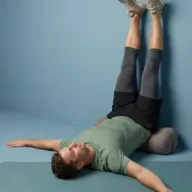
Legs-up-Wall
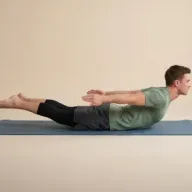
Locust Pose
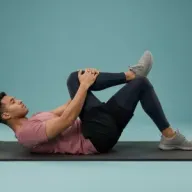
Lying Figure Four
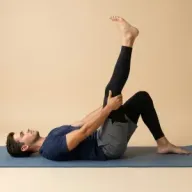
Lying Hamstring
Pelvic Tilt Press
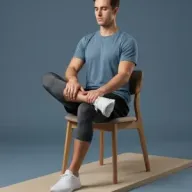
Seated Figure Four
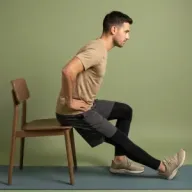
Seated Hamstring
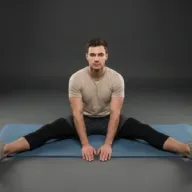
Seated Straddle
Seated Twist
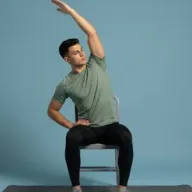
Side Bend
A gentle back reset
Warm the spine, decompress, then add light control — keeping every movement comfortable. · about 5 min
- 1 Cat Cow — flow slowly with the breath 45 sec
- 2 Knees-to-Chest — hug both knees, gentle rock 40 sec
- 3 Single Knee-to-Chest — one side at a time 40 sec
- 4 Spinal Twist — let the knees drop gently, each side 45 sec
- 5 Bird Dog — slow, steady reaches 45 sec
- 6 Bridge — press through the heels, glutes on 40 sec
Routines for Lower Back
-
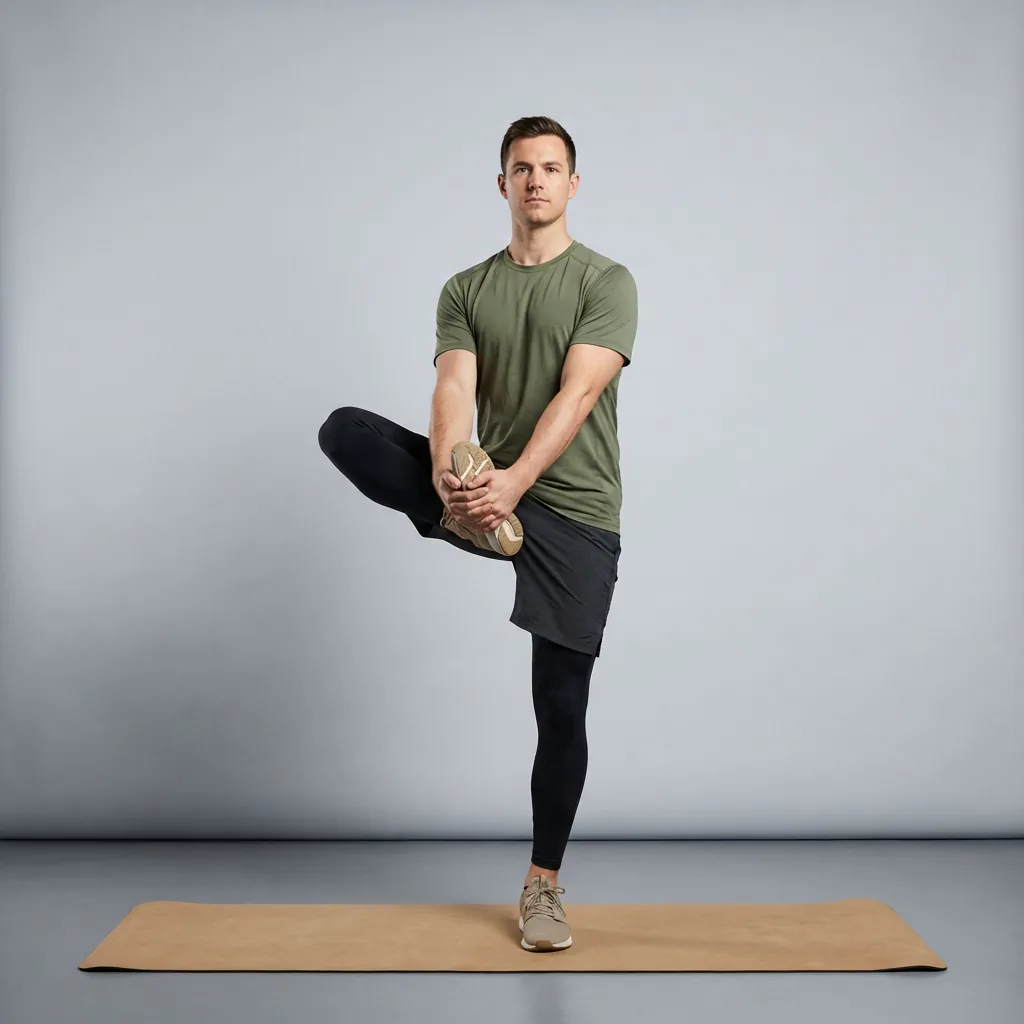 16 min Beginner
Back-to-Hip Comfort Routine
A 15-move spine-and-hip sync — 90/90, kneeling psoas, and spinal twist linking lumbar ease with hip mobility.
-
-
-
-
-
- +10
-
-
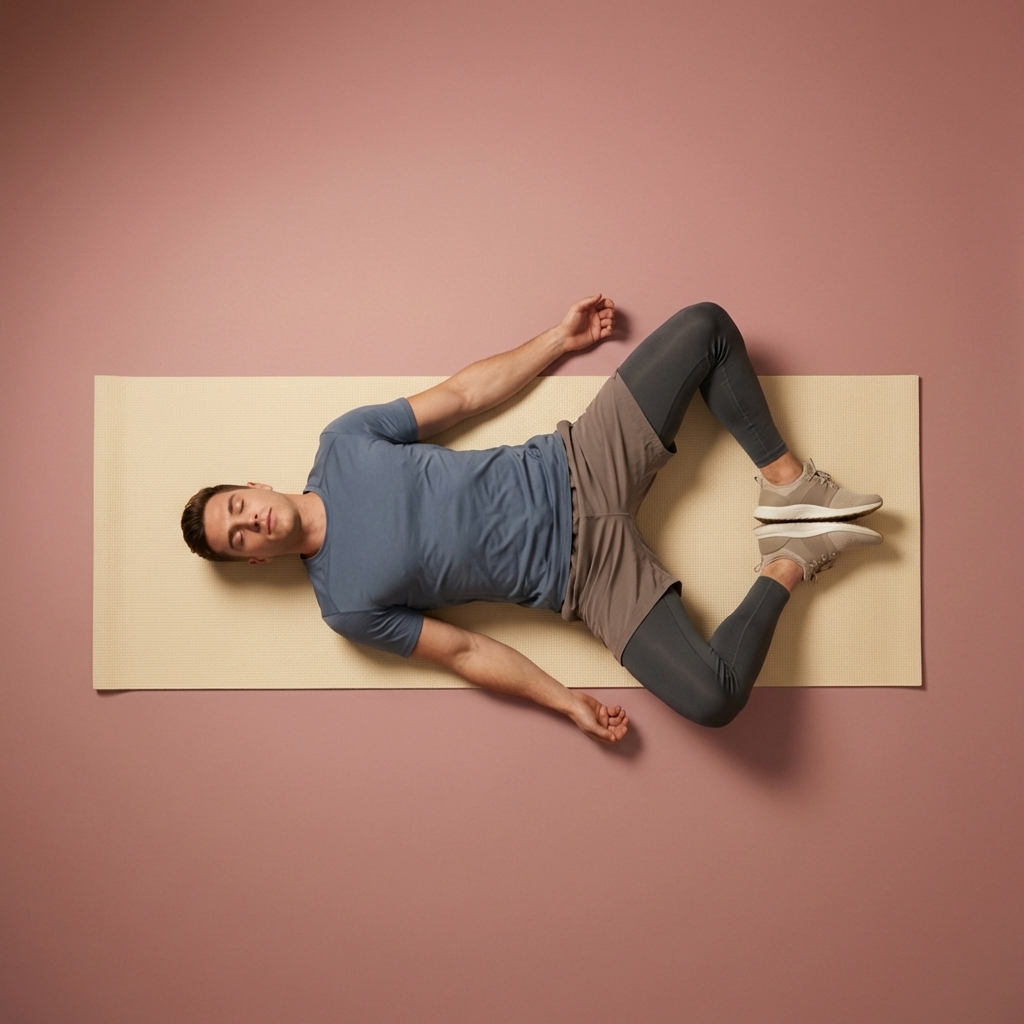 12 min Intermediate
Drift to Sleep
A floor-based bedtime sequence — figure four, reclined butterfly, and legs-up-wall with long holds to downshift before sleep.
-
-

-
-
-
- +4
-
-
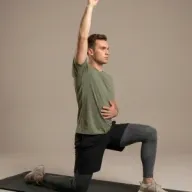
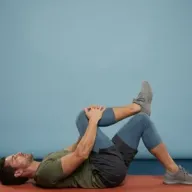
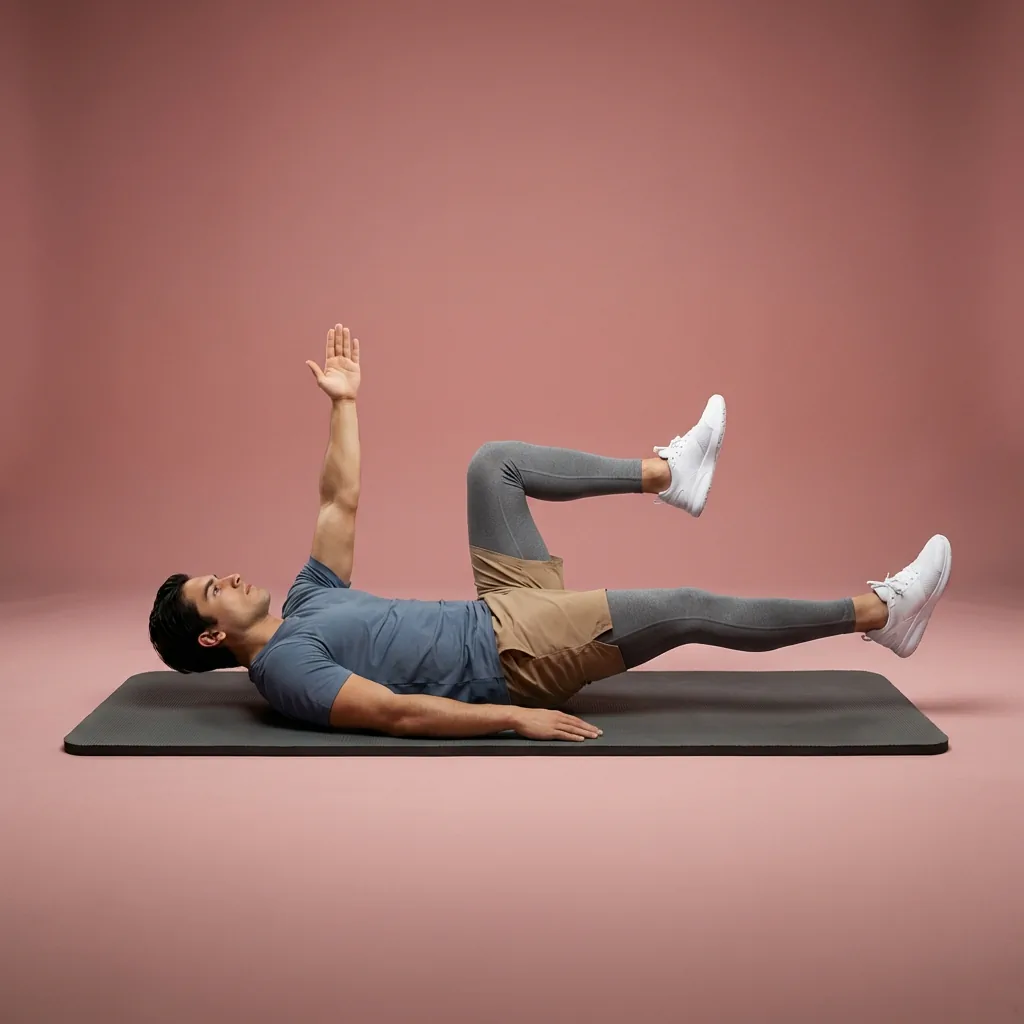 15 min Intermediate
Hip-to-Back Comfort
A 15-move hip-to-lumbar flow — figure four, kneeling psoas, and spinal twist for hip mobility and back comfort.
-
-
-
-
-
- +10
-
-
13 min Intermediate
Lower Back Comfort
A 13-move active recovery back session — cat-cow, bridges, twists, and figure four for lingering lumbar stiffness.
-
-
-
-
-
- +8
-
-
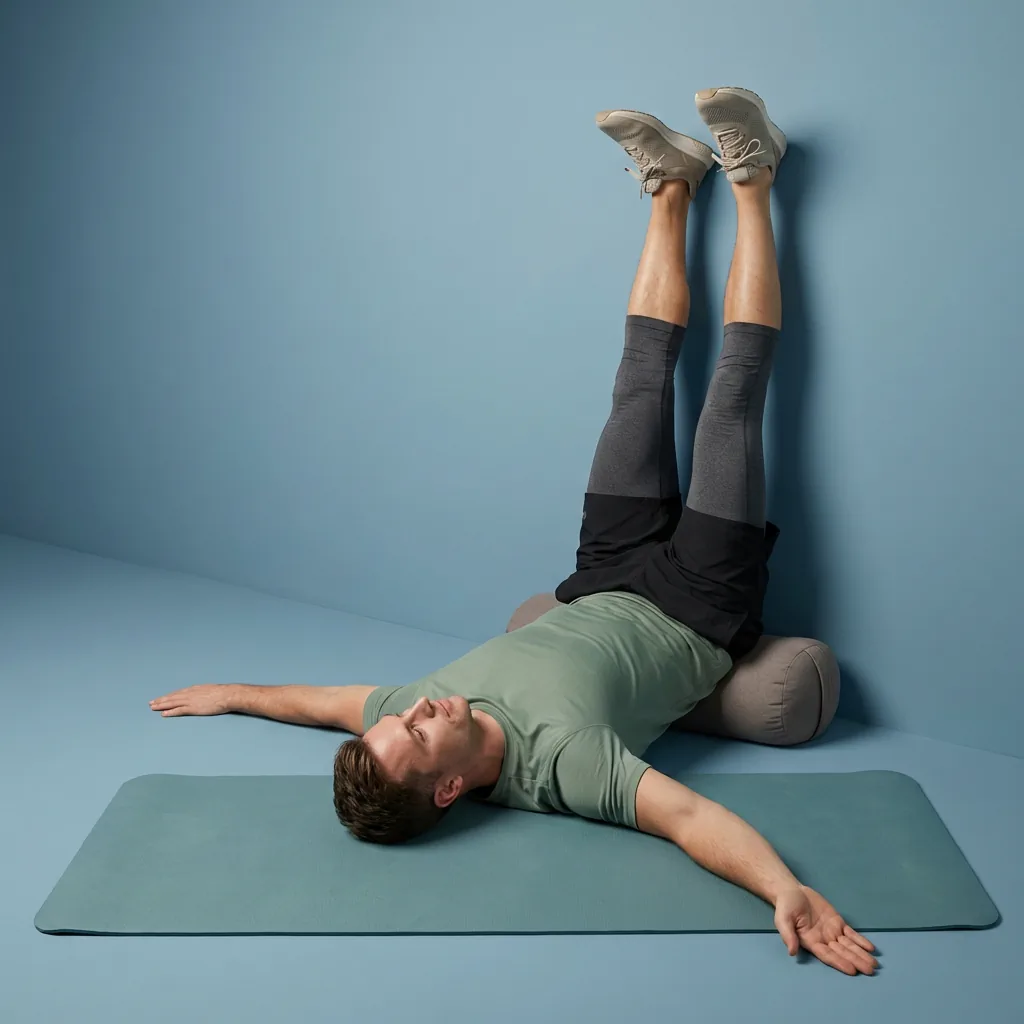 11 min Beginner
Lower-Back Comfort Reset
A gentle 9-move lumbar reset — cat-cow, knees-to-chest, and legs-up-wall using traction and mild flexion-extension.
-
-
-
-
-
- +4
-
Where to start
- Back feels stiff first thing
- Start with slow cat-cow and knees-to-chest to warm the spine gently.
- You want steadier everyday movement
- Add bird-dog and bridges to build trunk control and glute support.
- Anything feels sharp or radiates down a leg
- Stop, keep to pain-free range, and seek professional advice.
Technique and comfort
Helpful cues
- Move within a comfortable, pain-free range and let the movement be smooth rather than forced.
- Keep the trunk steady in bird-dog rather than letting the hips rock.
- Drive bridges through the heels and squeeze the glutes at the top.
Ways to make it easier
- Place a cushion under the head or hips for floor work if it is more comfortable.
- Reduce the range of any twist or bridge that does not feel easy.
Common mistakes
- Forcing a deep stretch or twist in search of a bigger release.
- Letting the lower back sag or overarch during bird-dog and bridges.
Breathing
Breathe slowly and evenly; exhale as you move into flexion or a gentle twist.
Related body areas
- Hips
Mobile hips let the back do less of the bending and hinging.
- Glutes
Strong glutes share load the lower back would otherwise carry.
- Hamstrings
Long hamstrings free the pelvis to move through a fuller hinge.
- Upper Back
An upper back that rotates well reduces strain lower down the spine.
How Flexor personalises this
Flexor keeps lower-back sessions gentle and progressive, layering in hip mobility and glute work as your comfortable range grows.
See daily recommendationsExplore related pages
Move comfortably
- Keep every movement within a comfortable, pain-free range.
- Favour gentle, controlled movement over deep or forceful stretching.
- Build up gradually rather than chasing a big release in one session.
- Stop if you feel sharp pain, or any numbness, tingling or leg weakness.
The lower back is load-bearing and sensitive; this is general fitness guidance, not treatment. Seek advice from a qualified professional for persistent, severe, or radiating back pain, or any numbness, tingling or leg weakness.
Read the full wellness disclaimerWritten by Flexor editorial Last reviewed July 2026
Common questions
What gentle exercises are good for a stiff lower back?
Slow cat-cow, knees-to-chest and gentle spinal twists ease a stiff back without forcing it. Adding bird-dog and bridges builds the trunk control and glute support that help the back feel steadier through the day.
Should I stretch or strengthen my lower back?
Most people do best with a mix: gentle mobility to ease stiffness, plus light control and glute work so the back is supported. Freer hips help too. Keep everything comfortable and progress gradually rather than chasing depth.
Why does my lower back feel tight after sitting?
Sitting keeps the back in one position and the hips folded, which can leave the area feeling stiff. Gentle mobility and standing breaks through the day usually help more than one long stretch.
Is it safe to twist my lower back?
Gentle, controlled rotation within a comfortable range is generally fine and can feel good. Avoid forcing a deep twist, move slowly, and stop if anything feels sharp.
When should I see a professional about back pain?
See a qualified professional for back pain that is severe, persistent, or comes with numbness, tingling or pain travelling down a leg. Gentle mobility is general fitness guidance and does not replace assessment by a clinician.