
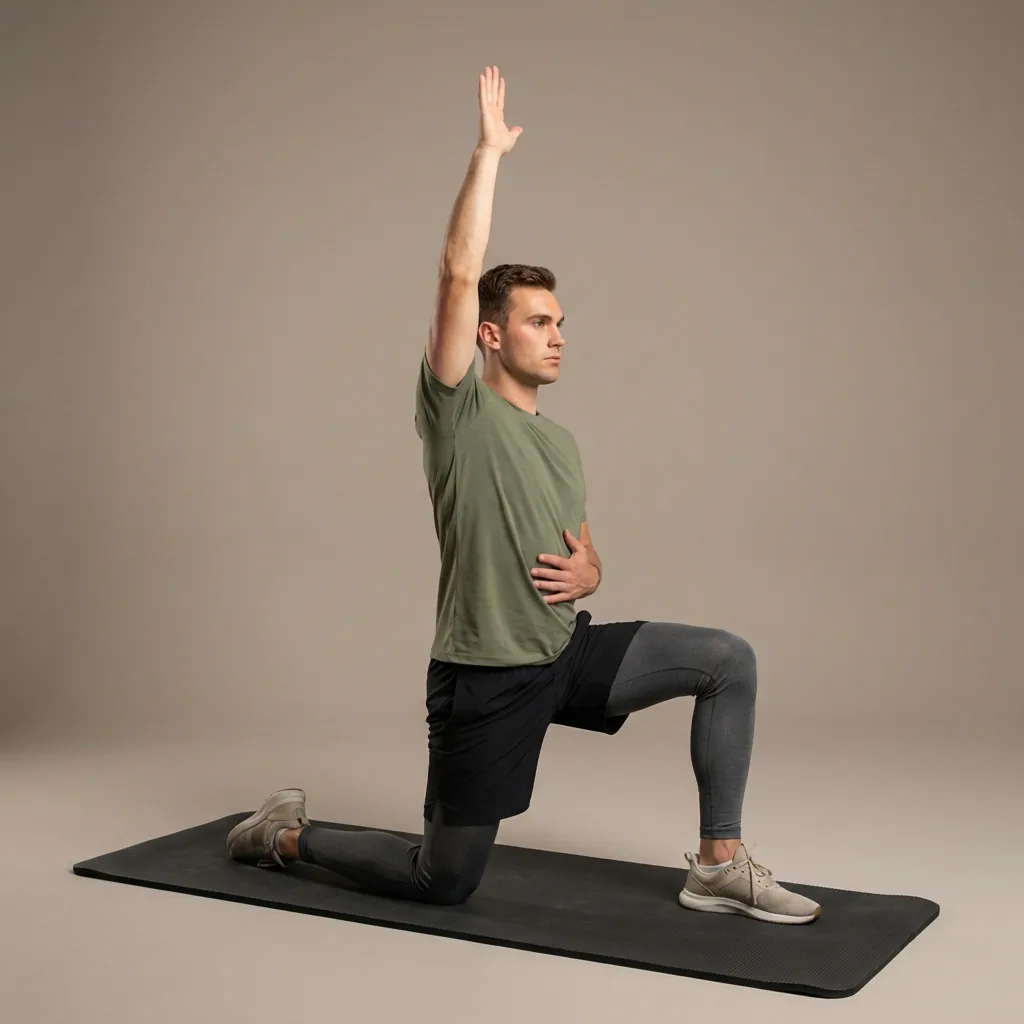
Lower body
Open the front of your hips.
The hip flexors run along the front of the hip and lift the thigh toward the body. Because sitting holds them in a shortened position for hours, they are one of the first areas to feel tight when you finally stand up.
Lengthening the front of the hip is less about a single deep stretch and more about regularly taking the muscles back toward their full length, so extension feels easy when you walk, stride or reach behind you.
Start here
A short, guided starting point for Hip Flexors — begin gently and stay within a comfortable range.
front-of-hip lengthener
Lizard Pose
deep low lunge
Standing Quad
standing option
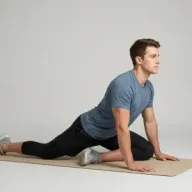
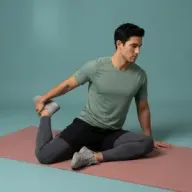
Pigeon
rotation and extension

Reclined Butterfly
gentle release
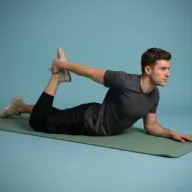
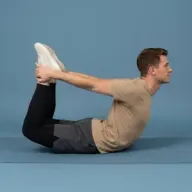
Half Bow
front-body opener
Guided routines to start with
-
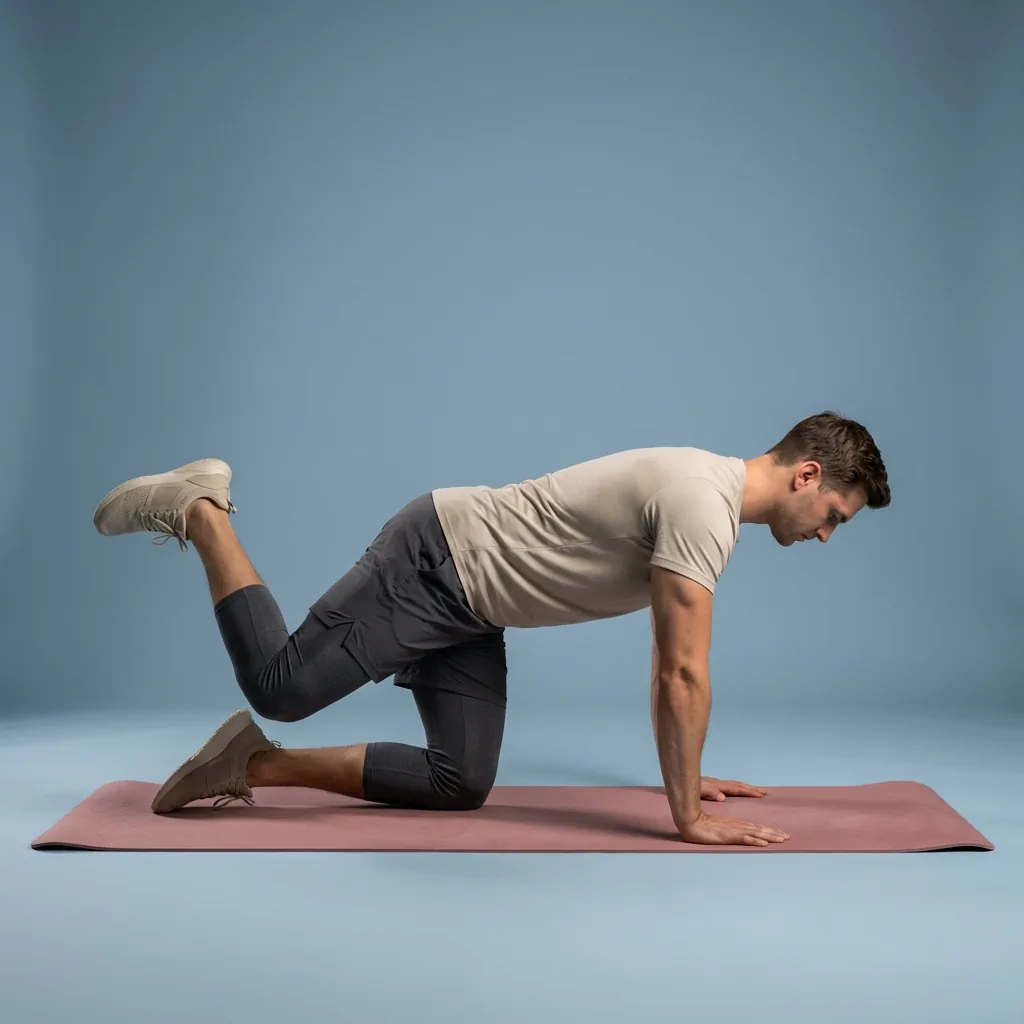 12 min Intermediate
Unlock Hip Flexors
A 12-move psoas-focused flow — couch stretch, kneeling psoas, and lunge to lengthen the front of the hip after sitting.
-
-
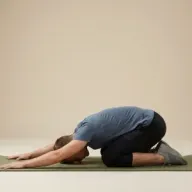
-
-
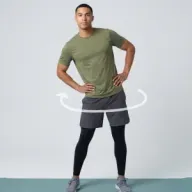
-
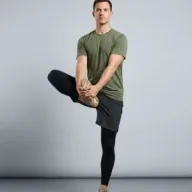
- +7
-
-
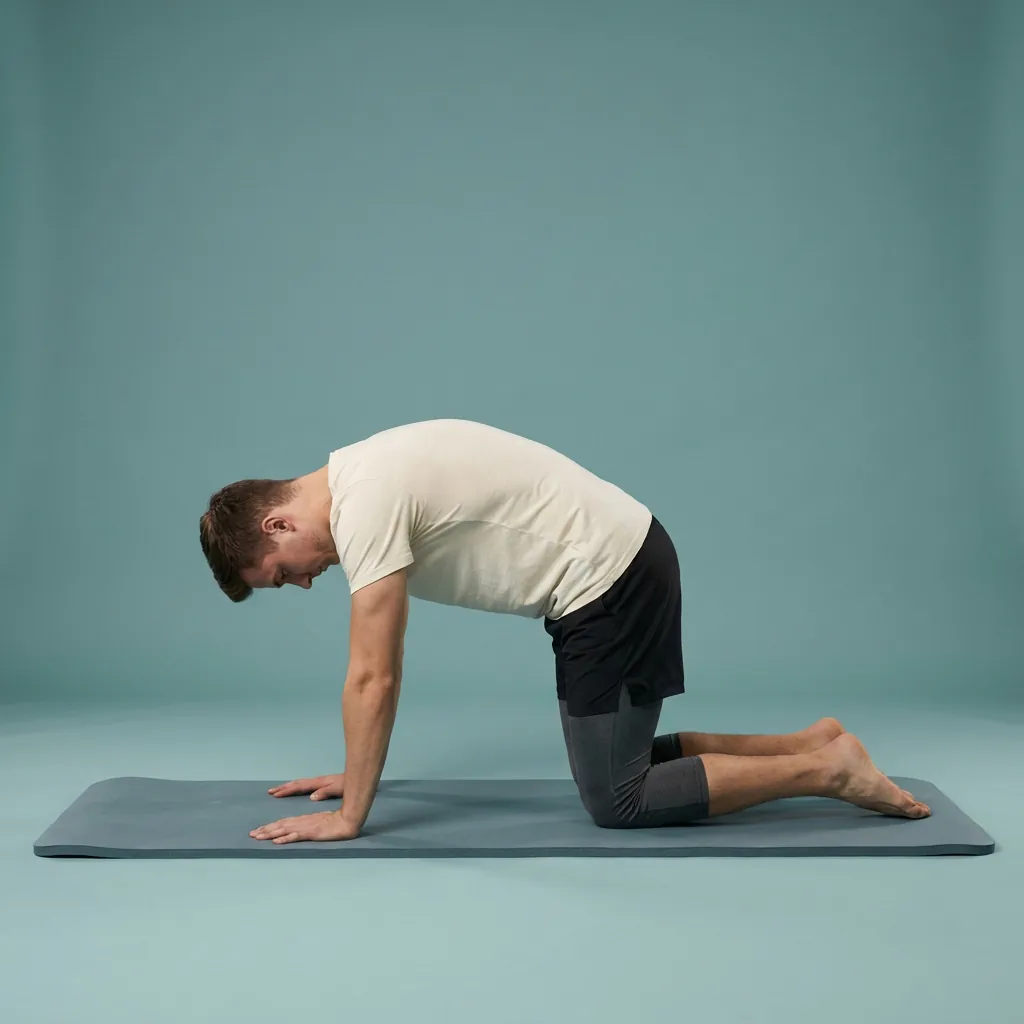 10 min Intermediate
Recovery: 9-5 Reset
A 9-move desk recovery — couch stretch, kneeling psoas, and figure four opening locked hip flexors and waking dormant glutes.
-
-
-
-
-
- +4
-
-
 9 min Advanced
Cool-Down: Hip Flexor Unwind
An 8-move advanced hip flexor cool-down — couch stretch, lizard pose, and pancake for psoas length after hard training.
-
-
-
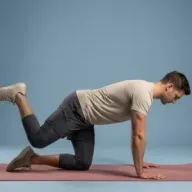
-
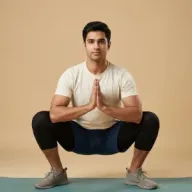
-
- +3
-
About the Hip Flexors
The main hip flexors are the psoas and iliacus deep in the pelvis, plus the rectus femoris of the quad, all crossing the front of the hip.
They drive the swing phase of walking and running and control how far the hip can extend behind you as you push off.
Short hip flexors often travel with a tilted pelvis and busy quads, so this area pairs naturally with quad and lower-back work.
Ways to work this area
Stretching
Kneeling and standing lunges take the psoas and rectus femoris back toward full length.
Mobility
Low lunges and lizard variations move the front of the hip through a larger arc.
Control
Adding a gentle posterior pelvic tilt in a lunge targets the stretch where you want it.
Activation
Light glute work opposite the stretch helps the hip settle into its new extension.
When people reach for this
After a day at the desk
Hours of sitting keep the flexors short, so a kneeling lunge helps the front of the hip feel open again.
Desk WorkersAfter long drives
Time behind the wheel mirrors sitting; a couple of lunges reset the hips after a journey.
DriversBefore cycling or running
A little front-of-hip length improves the push-off and stride once you get moving.
CyclistsExercises for Hip Flexors
90/90
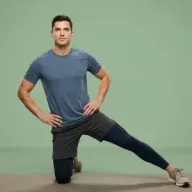
Adductor Dips
Bow Pose
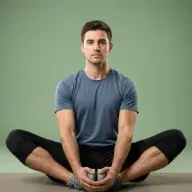
Butterfly
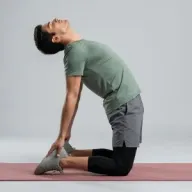
Camel Pose
Couch Stretch
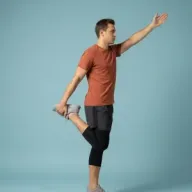
Dynamic Quad Stretch
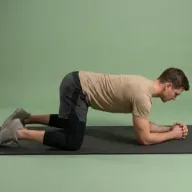
Frog Pose
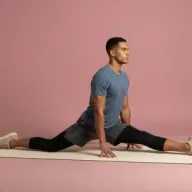
Front Split
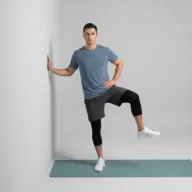
Gate Opener
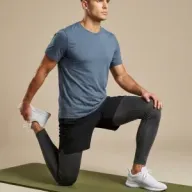
Kneeling Quad
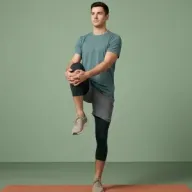
Knees Hugs
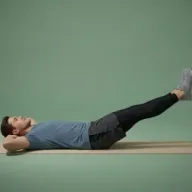
Leg Lift
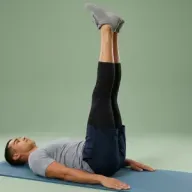
Leg Raises
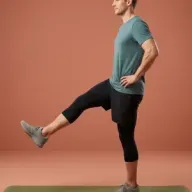
Leg Swings
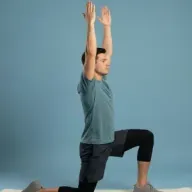
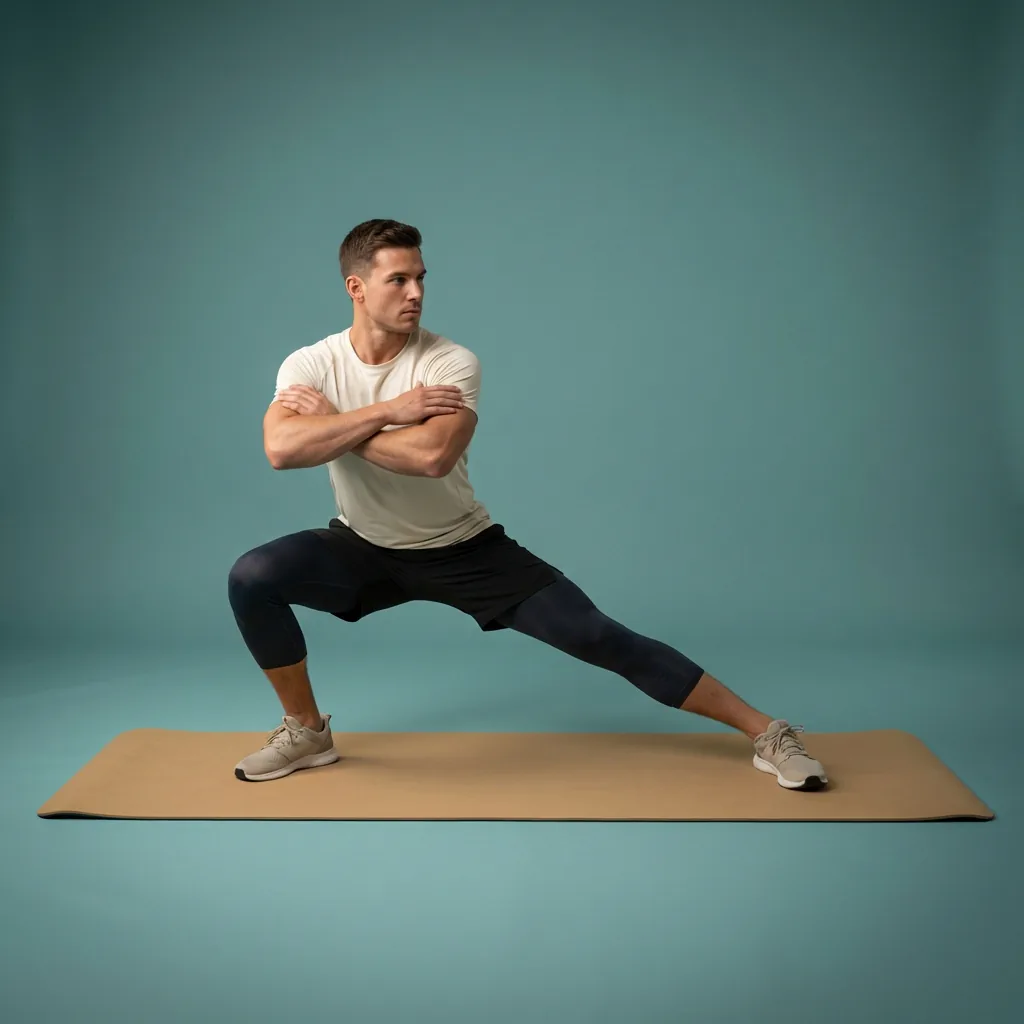
Lunge
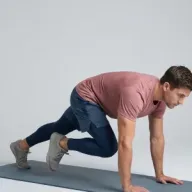
Mountain Climbers
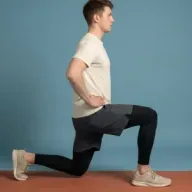
Reverse Lunge
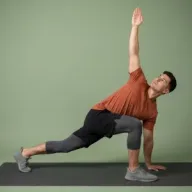
Runner’s Lunge Twist

Saddle Pose
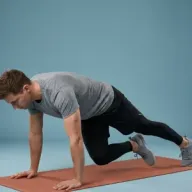
Spiderman Push Up Hold
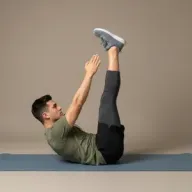
Toe Touch Hold
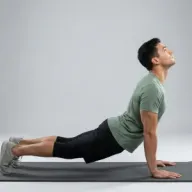
Upward Dog
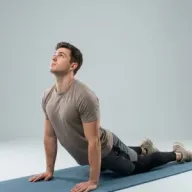
Upward Frog
A front-of-hip reset
Move from a supported lengthener into deeper lunges, then unwind. · about 5 min
- 1 Reclined Butterfly — settle and breathe 45 sec
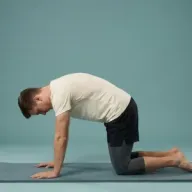
- 2 Kneeling Psoas — tuck the pelvis gently, each side 45 sec
- 3 Lizard Pose — sink into the low lunge 45 sec
- 4 Standing Quad — add the quad, each side 40 sec
- 5 Pigeon — combine rotation and extension 60 sec
- 6 Saddle Pose — open the front, easing off if the knees complain 45 sec
Routines for Hip Flexors
-
9 min Advanced
Cool-Down: Hip Flexor Unwind
An 8-move advanced hip flexor cool-down — couch stretch, lizard pose, and pancake for psoas length after hard training.
-
-
-
-
-
- +3
-
-
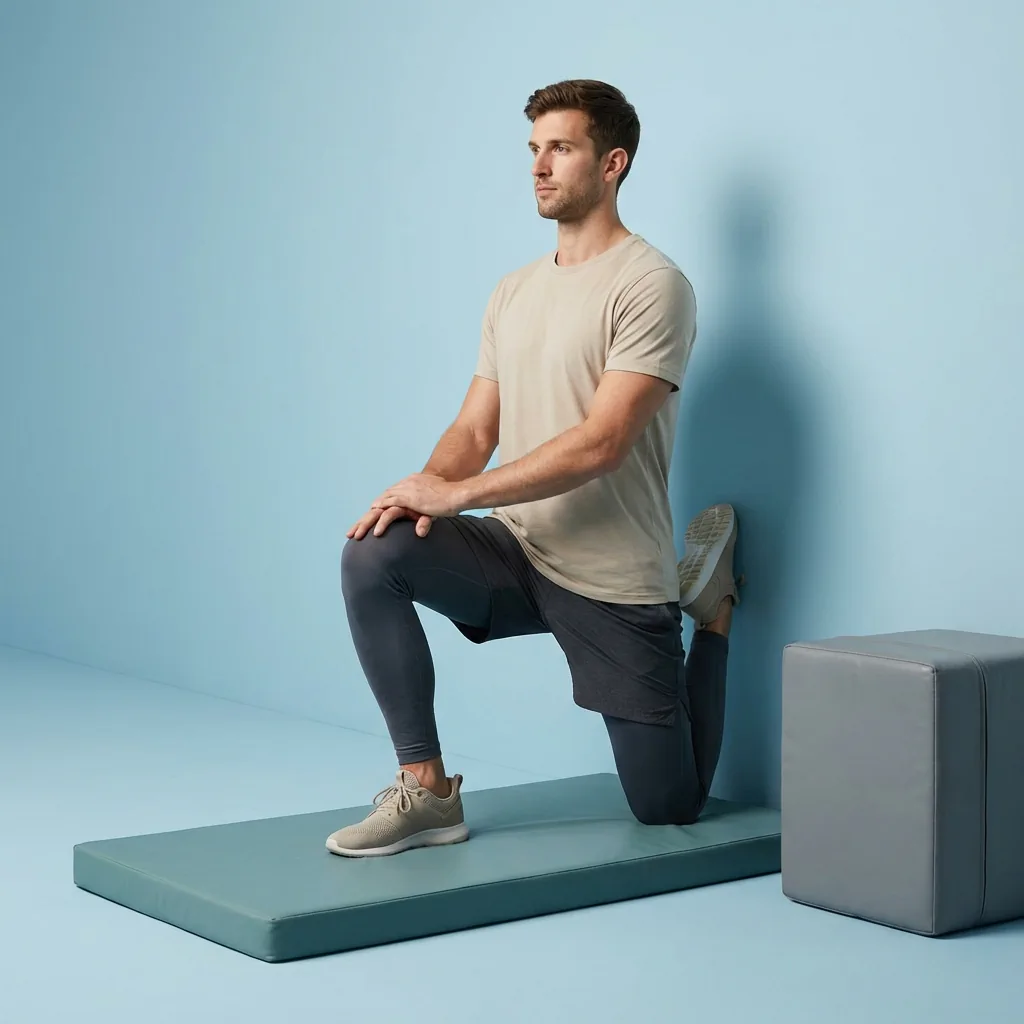 7 min Intermediate
Post-Workout Stretch: Hips & Hamstrings
A 7-move posterior chain stretch — pigeon, couch stretch, and hamstring pulls when hips and hamstrings are warm post-training.
-
-
-
-
-
- +2
-
-
10 min Intermediate
Recovery: 9-5 Reset
A 9-move desk recovery — couch stretch, kneeling psoas, and figure four opening locked hip flexors and waking dormant glutes.
-
-
-
-
-
- +4
-
-
12 min Intermediate
Unlock Hip Flexors
A 12-move psoas-focused flow — couch stretch, kneeling psoas, and lunge to lengthen the front of the hip after sitting.
-
-
-
-
-
- +7
-
Where to start
- Front of the hip feels short after sitting
- Begin with a kneeling lunge and a gentle pelvic tuck to lengthen the psoas.
- Knees dislike floor kneeling
- Use the standing quad stretch instead of kneeling positions.
- You want more usable extension
- Follow lunges with light glute work so the hip can hold its new range.
Technique and comfort
Helpful cues
- Tuck the tailbone under slightly to move the stretch off the lower back and onto the hip flexor.
- Keep the back-leg glute gently switched on in a kneeling lunge.
- Stand tall through the trunk rather than leaning forward to chase depth.
Ways to make it easier
- Pad the down knee in kneeling lunges.
- Hold a wall or chair for balance during standing quad stretches.
Common mistakes
- Arching the lower back instead of extending the hip.
- Rushing into a deep saddle before the front of the hip is ready.
Breathing
Exhale as you tuck the pelvis and lengthen; keep the breath slow so the deep flexors relax.
Related body areas
- Hips
The broader hip joint that openers and rotations complement.
- Quadriceps (Quads)
The rectus femoris crosses the hip, so quad length feeds flexor length.
- Lower Back
Short flexors can tug the pelvis, so freeing them eases the lower back.
- Glutes
Strong glutes balance the front of the hip and support extension.
How Flexor personalises this
If you log a lot of sitting or driving, Flexor front-loads kneeling and standing lengtheners and pairs them with glute work to keep the range.
See daily recommendationsExplore related pages
Move comfortably
- Keep a gentle pelvic tuck so the stretch stays in the hip, not the lower back.
- Ease off any kneeling position that bothers the knee.
This is general fitness guidance, not medical treatment. Stop if a movement causes pain and consult a professional for persistent hip or back discomfort.
Read the full wellness disclaimerWritten by Flexor editorial Last reviewed July 2026
Common questions
What causes tight hip flexors?
The most common reason is spending long stretches seated, which keeps the flexors in a shortened position. Regularly taking them back toward full length with kneeling or standing lunges is usually more effective than one occasional deep stretch.
How do I stretch the psoas safely?
A kneeling lunge with a gentle tuck of the tailbone targets the psoas well. Keep the trunk tall, switch on the back-leg glute, and move to a comfortable pull rather than forcing depth in the front of the hip.
Why do I feel my hip-flexor stretch in my lower back?
That usually means the pelvis is tipping forward and the lower back is arching. Tuck the tailbone under slightly and keep the ribs down so the stretch moves onto the hip flexor where you want it.
How long should I hold a hip-flexor stretch?
Comfortable holds of around thirty to sixty seconds per side work well, repeated a couple of times. Frequency across the week matters more than any single long hold.
Can tight hip flexors affect my posture?
They can influence how the pelvis sits, which some people notice in their standing posture. Lengthening the flexors and strengthening the glutes together tends to help more than stretching alone, as general fitness guidance.