
Lower body
Lengthen the back of your legs.
The hamstrings run down the back of the thigh, bending the knee and extending the hip. They do a lot of work in walking, running and hinging, and they are quick to feel tight when you sit for long stretches.
Useful hamstring work balances dynamic movement that primes the muscle before activity with supported holds that build length afterwards — always working with the pelvis, not just yanking the leg toward you.
Start here
A short, guided starting point for Hamstrings — begin gently and stay within a comfortable range.
dynamic warm-up
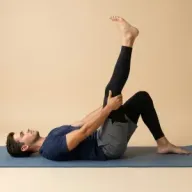
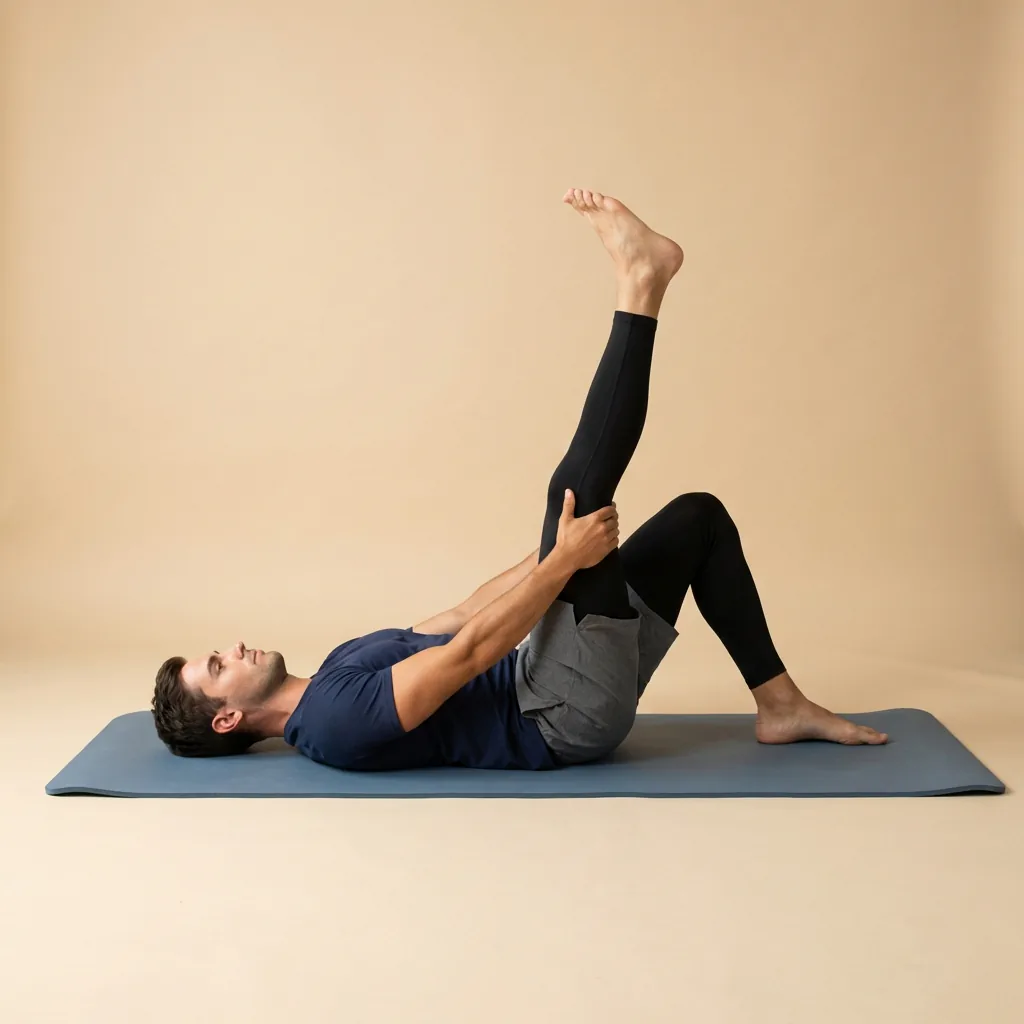
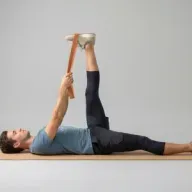
Lying Hamstring
supported
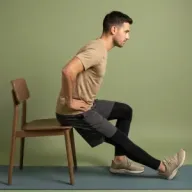
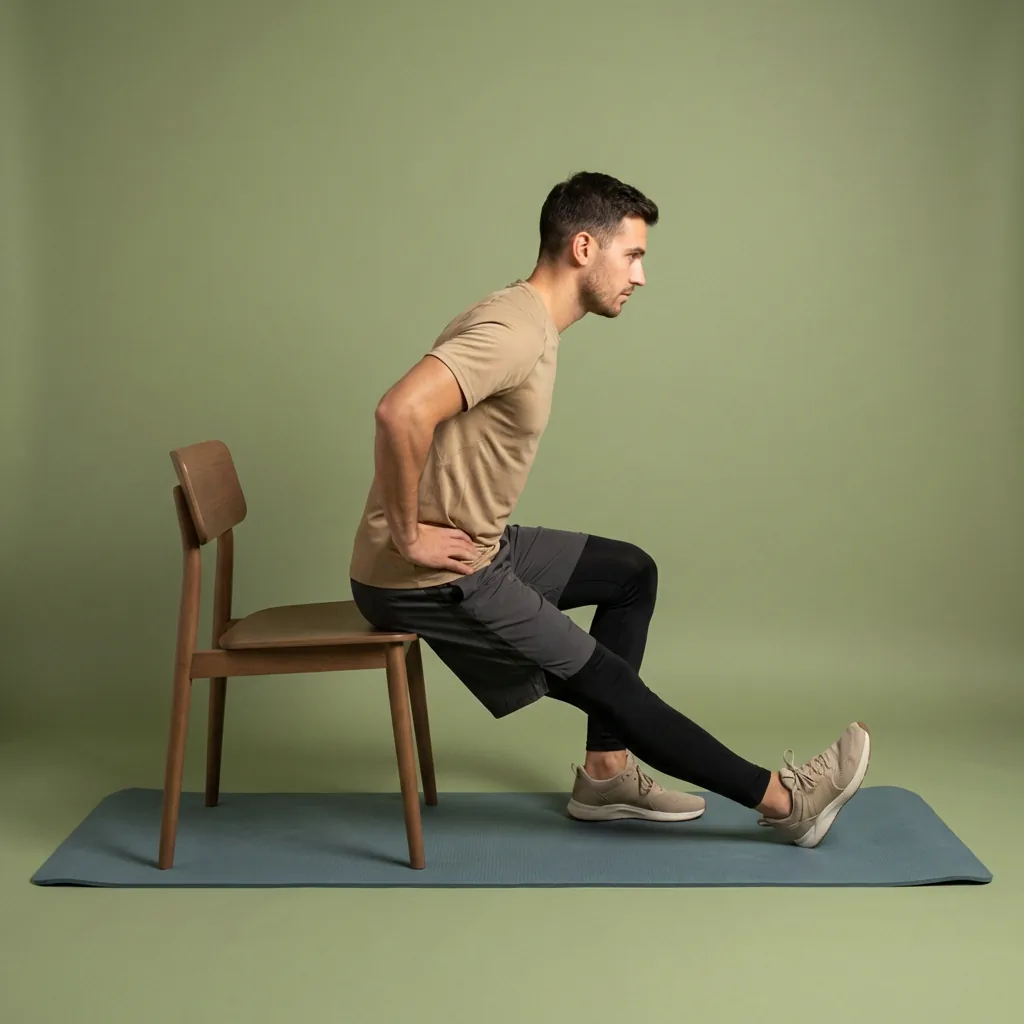
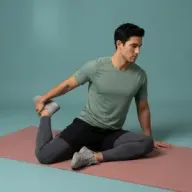
Seated Hamstring
classic hold
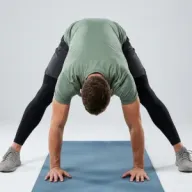
Wide Leg Forward Fold
wide angle
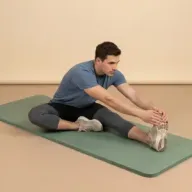
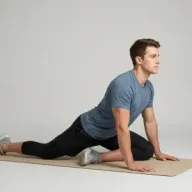
Hurdler
single leg
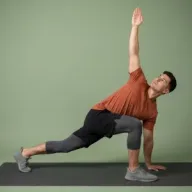
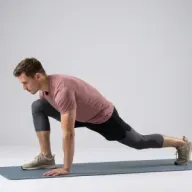
Runner’s Lunge Twist
stride opener
Guided routines to start with
-
 5 min Beginner
Quick Hamstring Ease
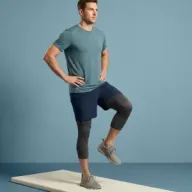
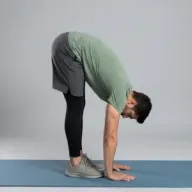
A 6-move posterior chain burst — hamstring scoops, toe touches, lying hamstring, and good mornings for tight backs of the legs.
-
-
-
-
-
- +1
-
-
 16 min Beginner
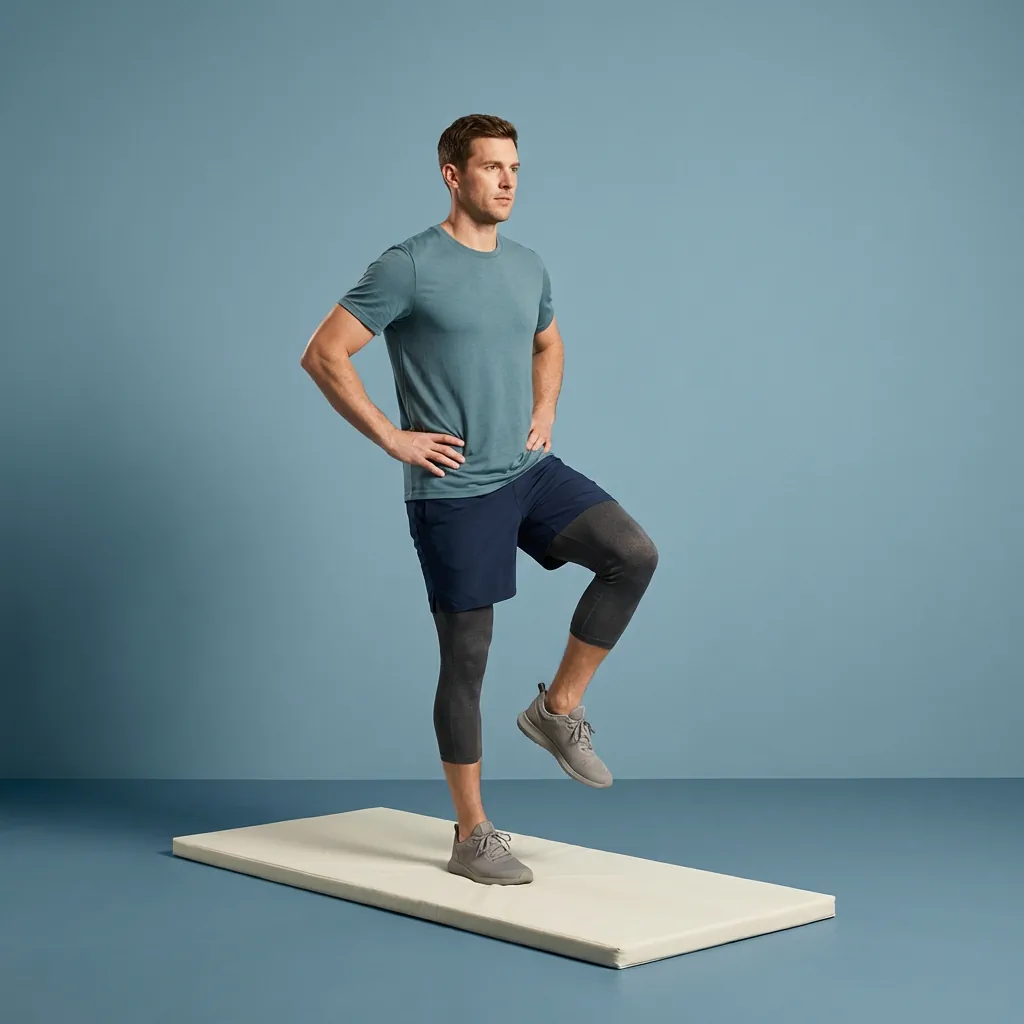
Glute & Hamstring Comfort
A 16-move posterior chain release — good mornings, rag doll, and lying hamstring for tight glutes and hamstrings.
-
-
-
-
-
- +11
-
-
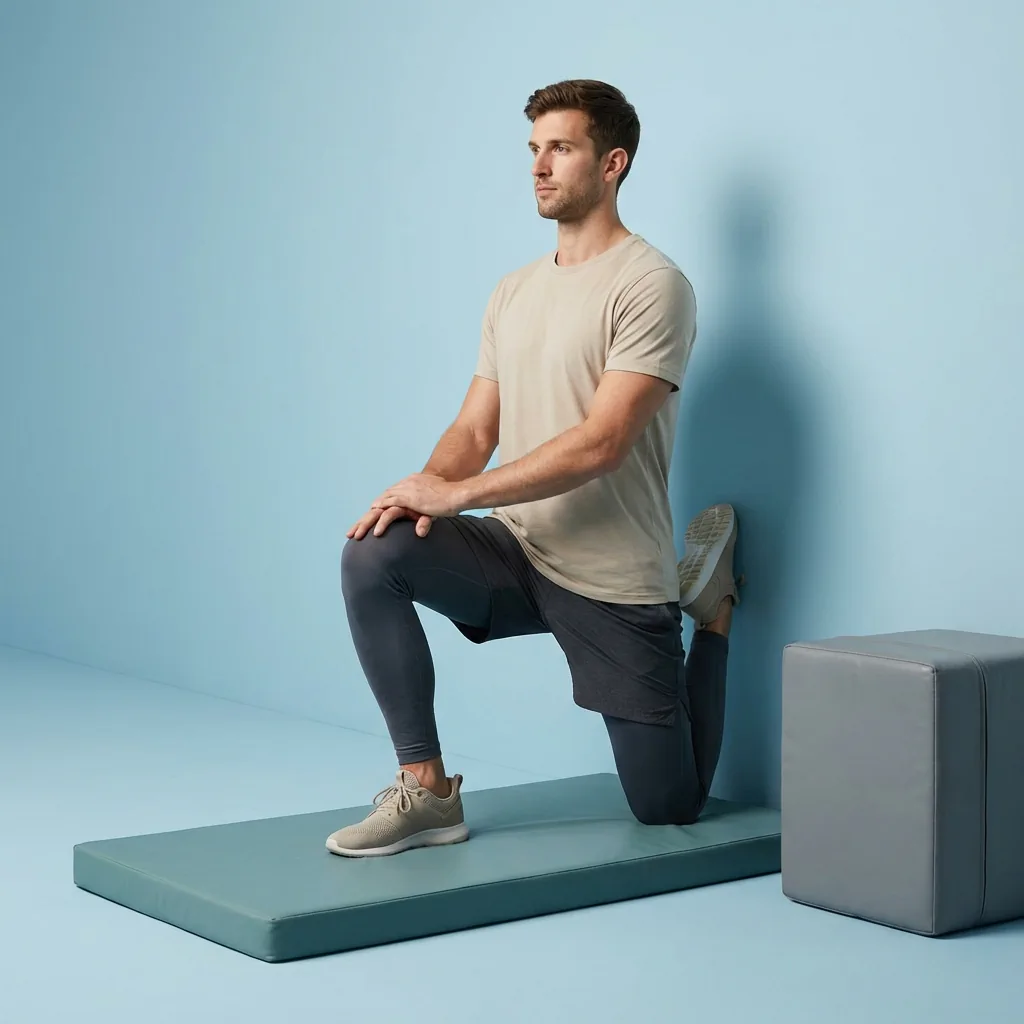 7 min Intermediate
Post-Workout Stretch: Hips & Hamstrings
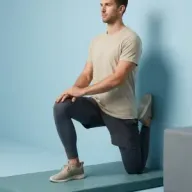
A 7-move posterior chain stretch — pigeon, couch stretch, and hamstring pulls when hips and hamstrings are warm post-training.
-
-
-
-
-
- +2
-
About the Hamstrings
The hamstrings are three muscles down the back of the thigh, crossing both the hip and the knee from the sitting bones to below the knee.
They extend the hip and bend the knee, powering the drive phase of walking and running and controlling the descent of a hinge.
Because they attach to the pelvis, the hamstrings work closely with the glutes above and influence how the lower back tilts.
Ways to work this area
Stretching
Seated and lying holds gradually lengthen the back of the thigh.
Mobility
Scoops and wide-leg folds take the hamstrings through a moving range.
Control
Hinging with a long spine teaches the hamstrings to lengthen under gentle load.
Activation
Light single-leg work wakes the hamstrings so they lengthen and support the hinge.
When people reach for this
Before a run
Dynamic scoops and lunges prime the hamstrings so your stride opens up once you set off.
RunnersAfter sitting all day
Supported holds ease the back of the thigh when hours of sitting leave it feeling short.
Improve FlexibilityWarming up to train
A little movement through the hamstrings prepares them for squats, hinges and sprints.
Pre Workout MobilityExercises for Hamstrings
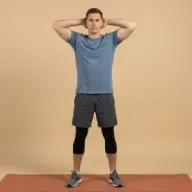
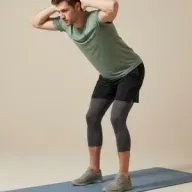
Air Squats
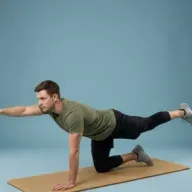
Back Leg Raise
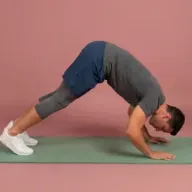
Bent Arm Pike
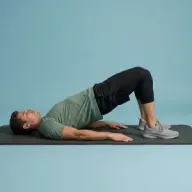
Bridge
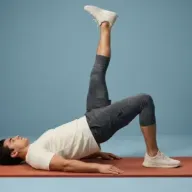
Bridge Leg Lift
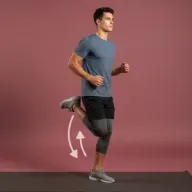
Butt Kicks
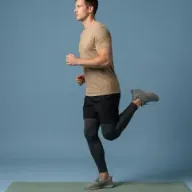
Controlled Butt Kicks
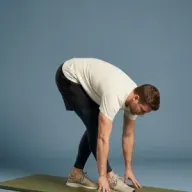
Cross Leg Fold
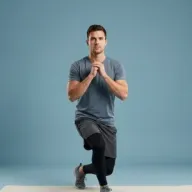
Curtsy Lunge Hold
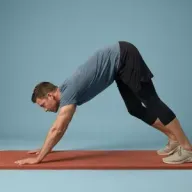
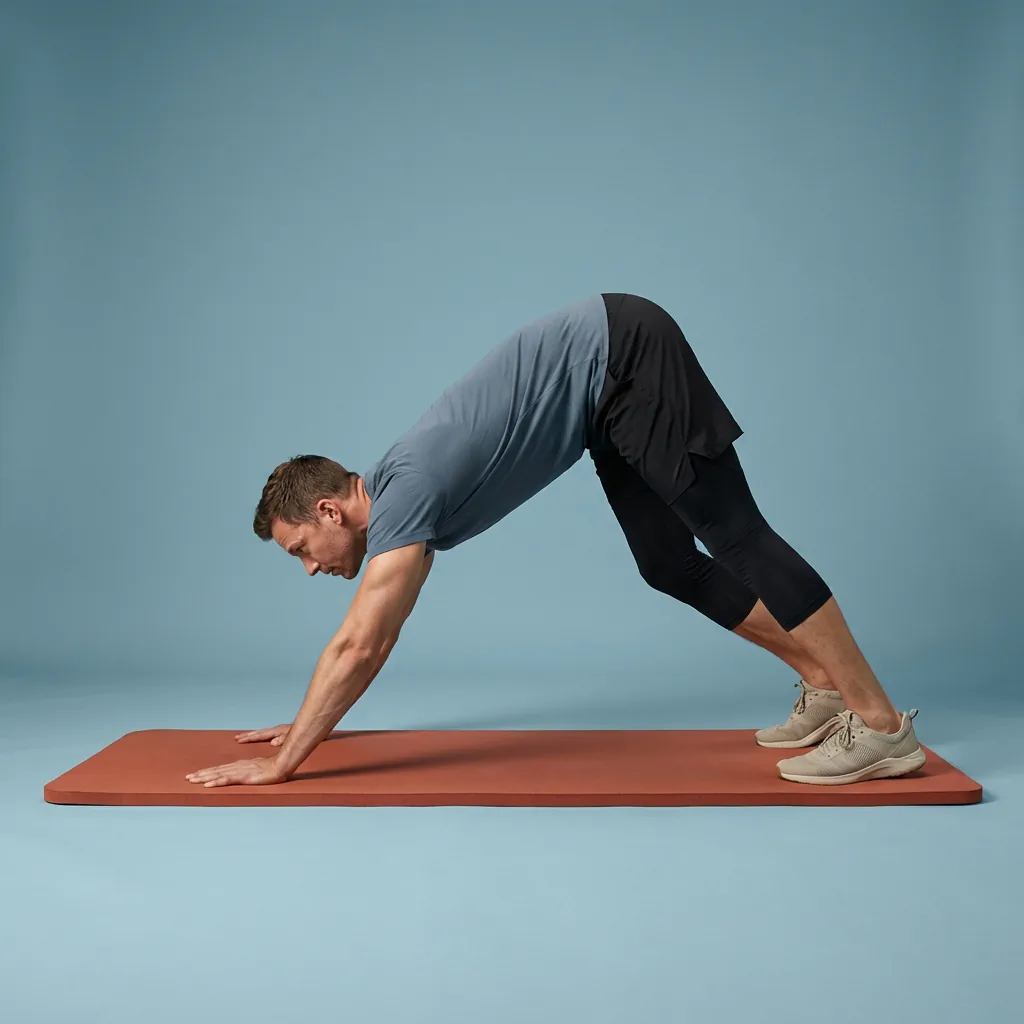
Down Dog Split
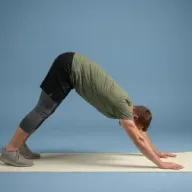
Downward Dog
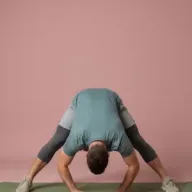
Dynamic Wide Leg Forward Fold
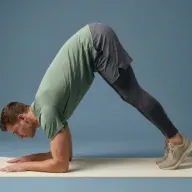
Elbow Pike
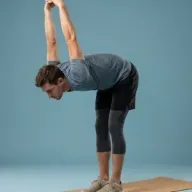
Forward Fold
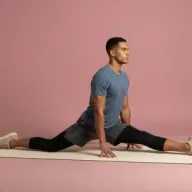
Front Split
Good Mornings
Hamstring Pulls
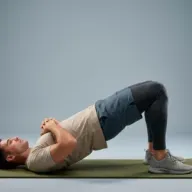
Hip Bridges
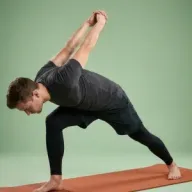
Humble Warrior
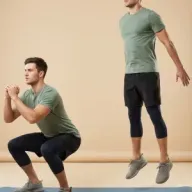
Jump Squats
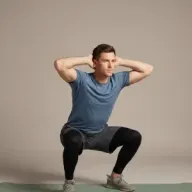
Kang Squat
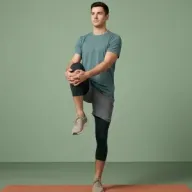
Knees Hugs
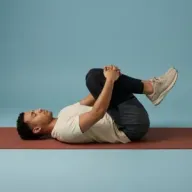
Knees-to-Chest
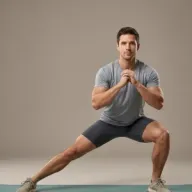
Lateral Lunge
A hamstring lengthener
Prime the muscle dynamically, then settle into supported holds. · about 5 min
- 1 Hamstring Scoops — sweep through, keep it dynamic 40 sec
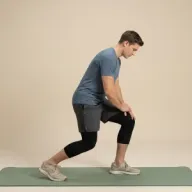
- 2 Runner’s Lunge Twist — open the stride, each side 40 sec
- 3 Lying Hamstring — supported, each leg 45 sec
- 4 Seated Hamstring — hinge from the hip, long spine 45 sec
- 5 Hurdler — single leg, each side 40 sec
- 6 Wide Leg Forward Fold — settle into the wide angle 45 sec
Routines for Hamstrings
-
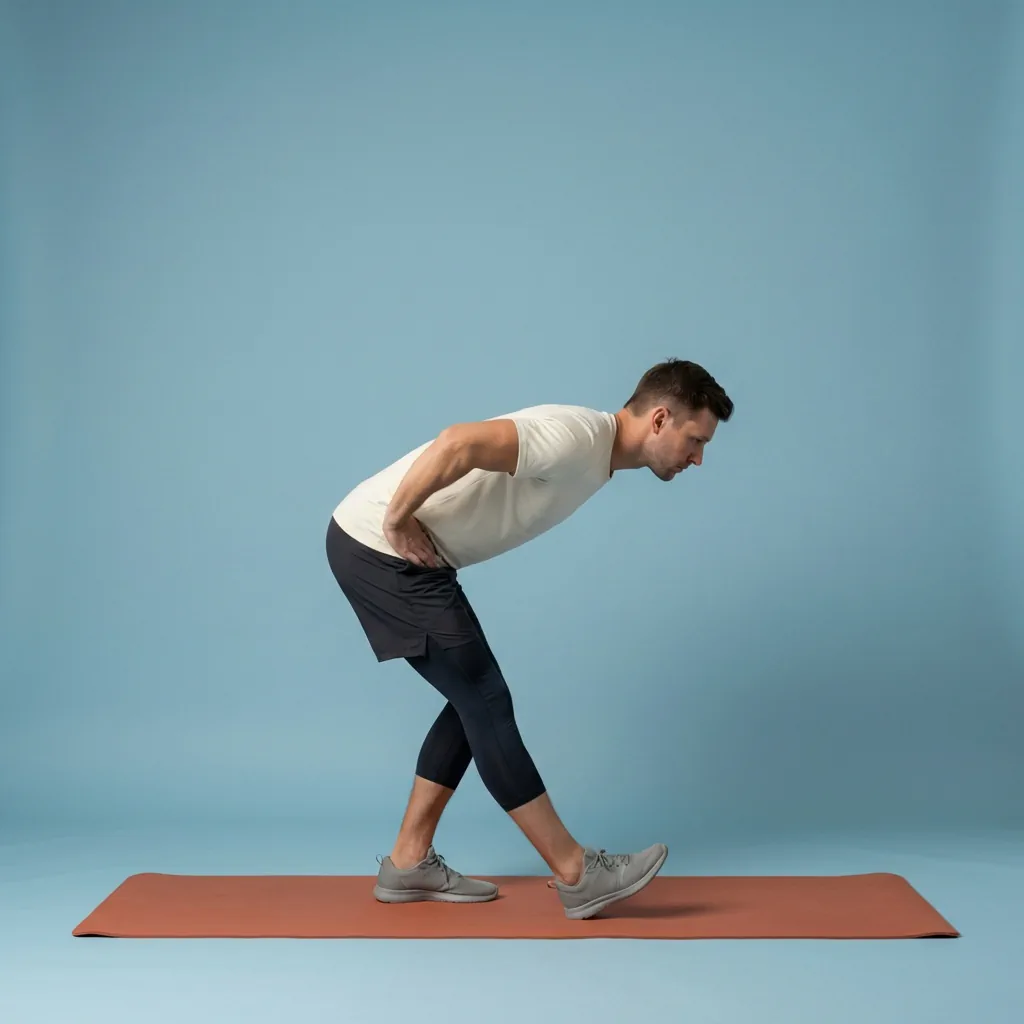 10 min Beginner
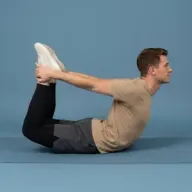
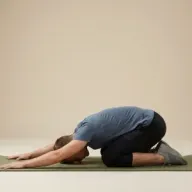
Anti-Sitting Routine
A 10-move desk-break counterbalance — chin retractions, figure four, and down-dog split reversing hip flexor and spinal strain from sitting.
-
-
-
-
-
- +5
-
-
 10 min Beginner
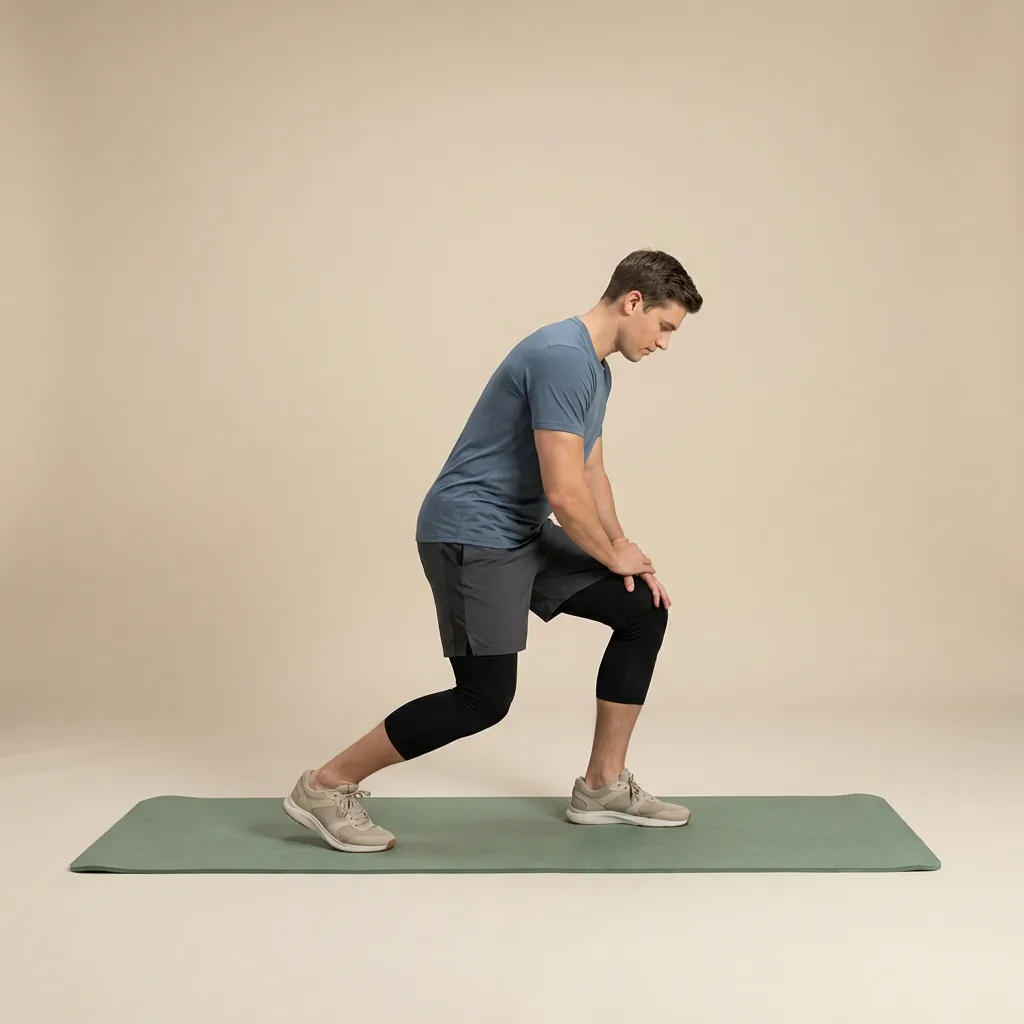
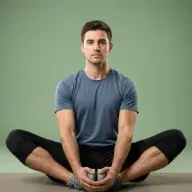
Cool-Down: Legs and Hips
A 9-move leg-day cool-down — butterfly, figure four, quad stretch, and soleus stretch with gentle passive holds.
-
-
-
-
-
- +4
-
-
 14 min Intermediate
Cool-Down: Post-Strength Stretch
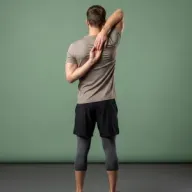
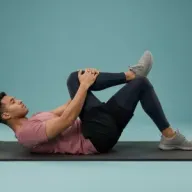
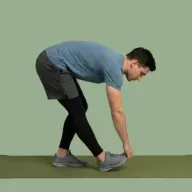
A 13-move post-lift stretch — long holds for forearms, hips, hamstrings, and spine after heavy resistance training.
-
-
-
-
-
- +8
-
-
 9 min Intermediate
Fasting-Friendly Ease Level 2
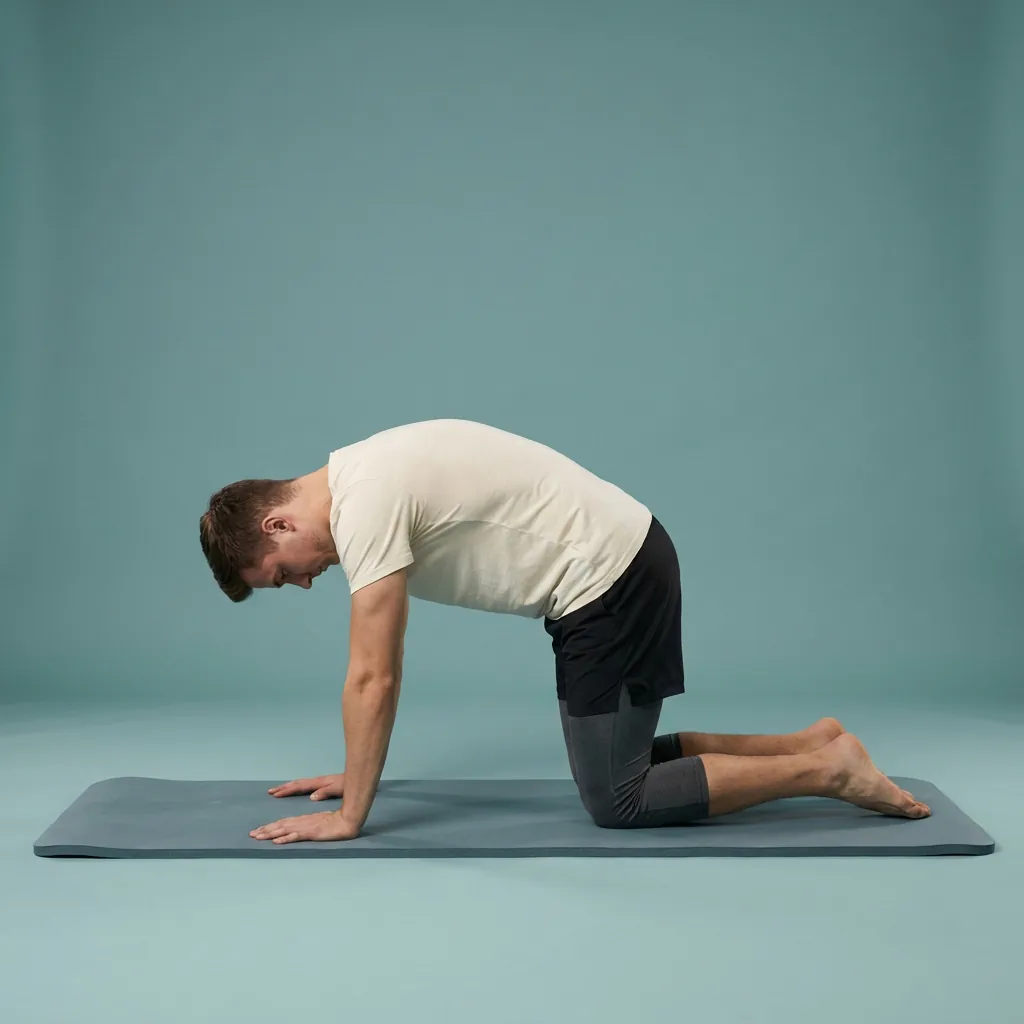
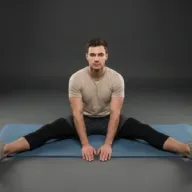
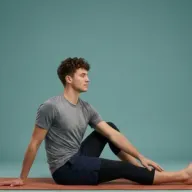
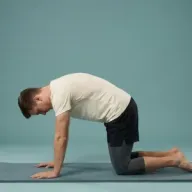
A 9-move fasting-friendly stretch for hips, spine, and hamstrings with cat-cow, butterfly, spinal twist, upward frog, seated straddle, and puppy pose.
-
-
-
-
-
- +4
-
-
16 min Beginner
Glute & Hamstring Comfort
A 16-move posterior chain release — good mornings, rag doll, and lying hamstring for tight glutes and hamstrings.
-
-
-
-
-
- +11
-
-
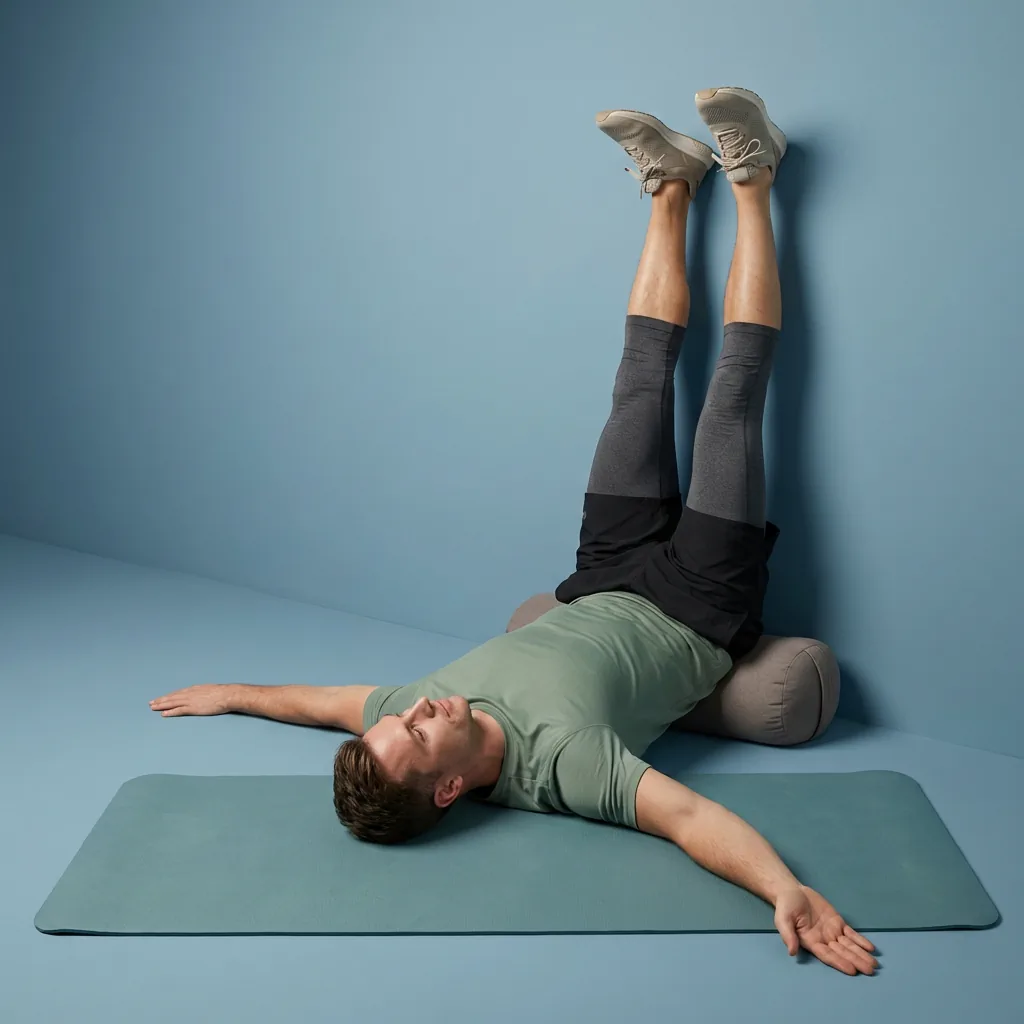 12 min Beginner
Post-flight Mobility
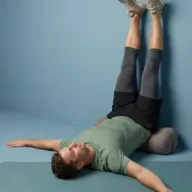
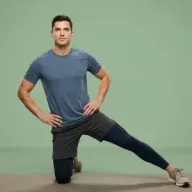
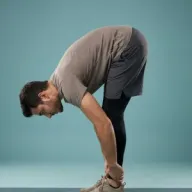
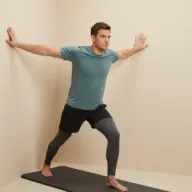
A 9-move post-flight grounding flow — legs-up-wall, 90/90 hip switch, and corner pecs stretch right after you land.
-
-
-
-
-
- +4
-
-
5 min Beginner
Quick Hamstring Ease
A 6-move posterior chain burst — hamstring scoops, toe touches, lying hamstring, and good mornings for tight backs of the legs.
-
-
-
-
-
- +1
-
-
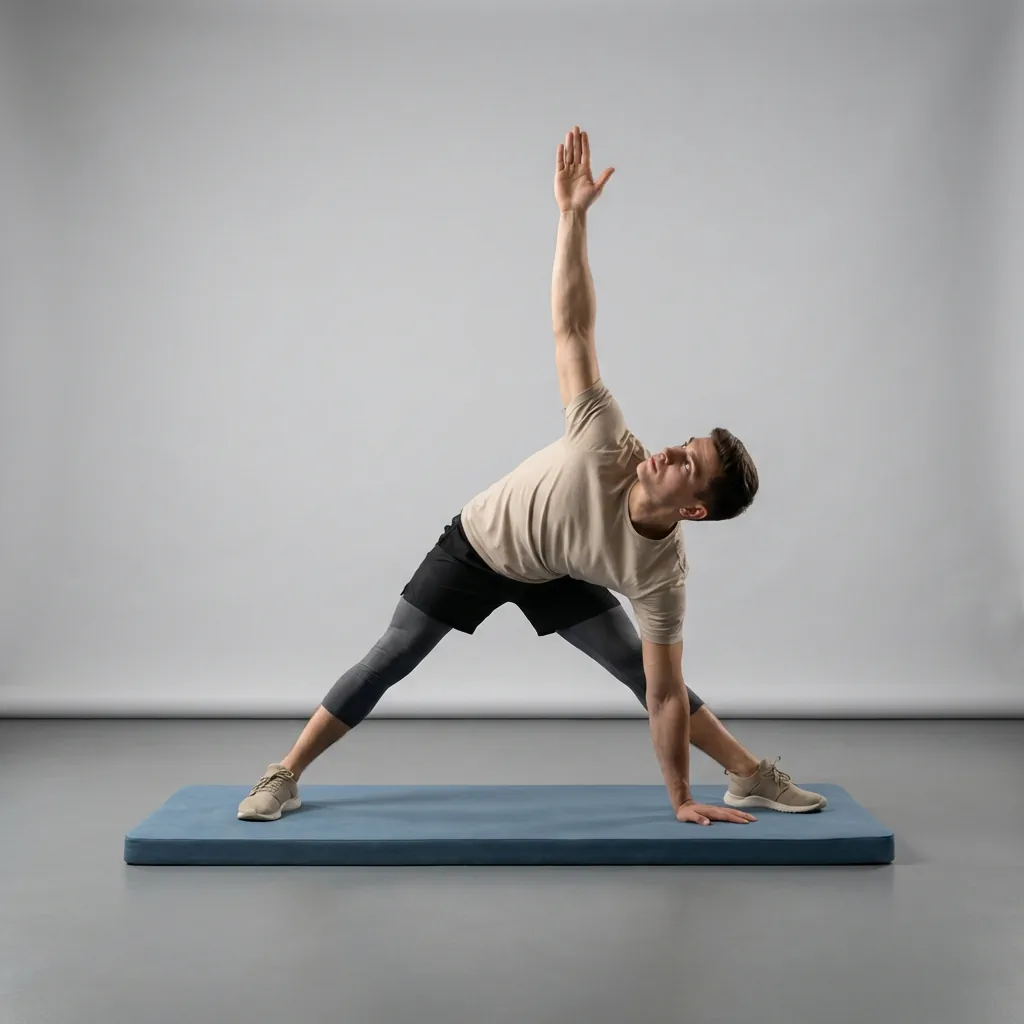 13 min Intermediate
Recovery: Lower-Body Flush
An 11-move leg flush — standing frog, figure four, legs-up-wall, and seated straddle to boost circulation in tired legs.
-
-
-
-
-
- +6
-
-
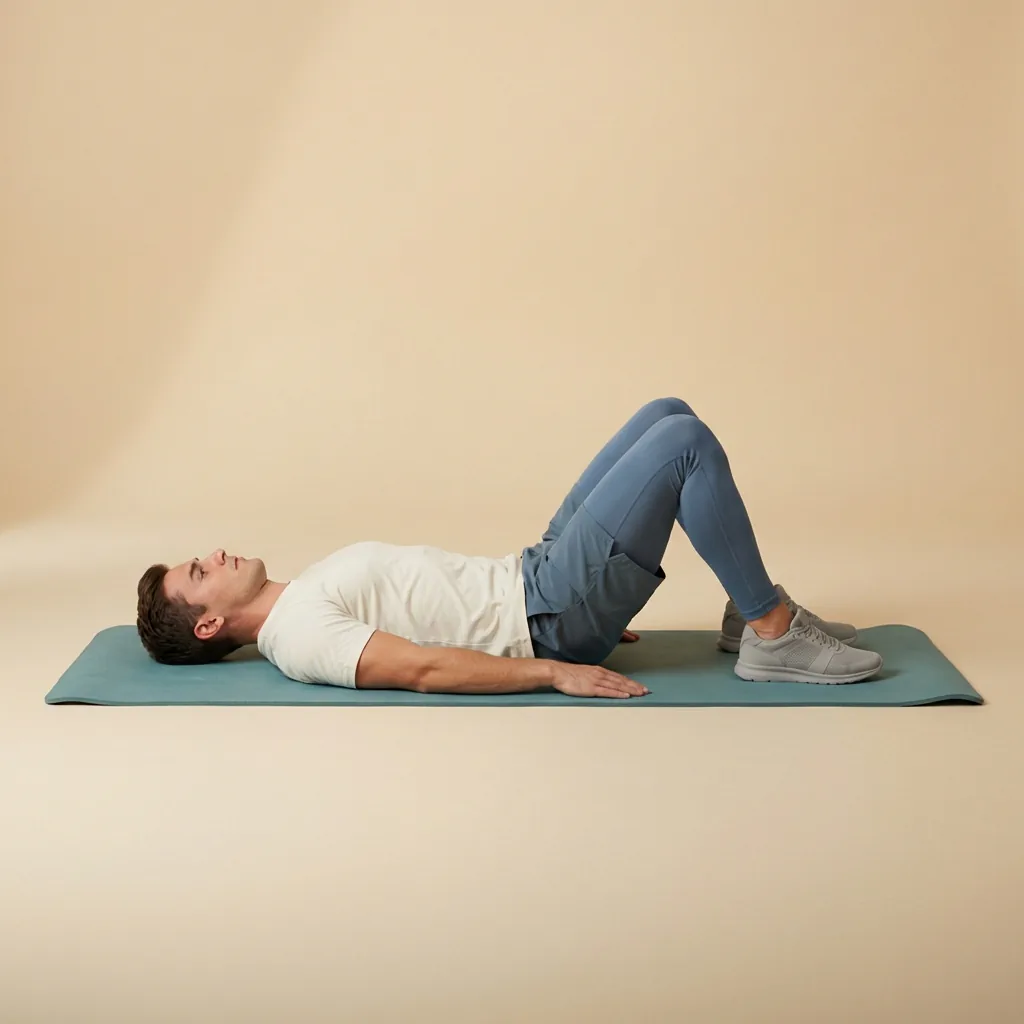 15 min Beginner
Sciatic Nerve Floss
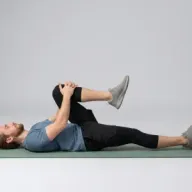
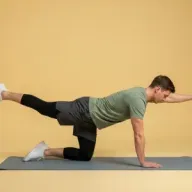
A gentle 12-move neural mobility intro — hamstring pulls, figure four, and legs-up-wall for sciatic nerve gliding techniques.
-
-
-
-
-
- +7
-
Where to start
- Warming up before running
- Choose dynamic scoops and lunges over long static holds.
- Hamstrings feel short after sitting
- Use supported lying and seated holds, hinging from the hip.
- You round your back to reach your toes
- Bend the knees slightly and hinge from the hip to keep the spine long.
Technique and comfort
Helpful cues
- Hinge from the hip with a long spine rather than rounding the back to reach further.
- Keep a soft bend in the knee if the stretch pulls behind the joint.
- Let the pelvis tip forward so the stretch reaches the belly of the muscle.
Ways to make it easier
- Loop a strap around the foot for lying holds instead of reaching by hand.
- Sit on a cushion for seated folds to make hinging easier.
Common mistakes
- Rounding the lower back to touch the toes.
- Bouncing at the bottom of a fold rather than settling gently.
Breathing
Exhale as you fold in and settle a little deeper on each breath out.
Related body areas
- Glutes
The glutes share the hip extension the hamstrings power.
- Calves
The calves run into the same back-of-leg chain below the knee.
- Lower Back
Long hamstrings let the pelvis tilt so the back hinges more freely.
- Hips
Hamstring length feeds into a fuller, more comfortable hip hinge.
How Flexor personalises this
Flexor times your hamstring work to the session — dynamic before a run, supported holds afterwards — based on what you tell it you are doing.
Track your progressExplore related pages
Move comfortably
- Hinge from the hip with a long spine rather than rounding the back.
- Keep a soft knee if you feel a sharp pull behind the knee.
This is general fitness guidance, not medical treatment. Stop if a movement causes pain and seek professional advice for a suspected hamstring strain.
Read the full wellness disclaimerWritten by Flexor editorial Last reviewed July 2026
Common questions
How do I stretch tight hamstrings safely?
Hinge from the hip with a long spine and keep a soft bend in the knee if you feel a sharp pull. Supported lying holds are gentle and effective, and letting the pelvis tip forward directs the stretch into the muscle rather than the lower back.
Should I stretch my hamstrings before or after running?
Before running, favour dynamic scoops and lunges that prime the muscle. Save longer static holds for afterwards, when the hamstrings are warm and more receptive to lengthening.
Why can't I touch my toes?
Often it is a mix of hamstring length and how the pelvis tilts, not just the muscle. Bending the knees slightly and hinging from the hip usually gets you further than rounding the back, and range improves with regular, gentle practice.
How long until my hamstrings feel looser?
Many people notice easier movement within a few weeks of short, regular sessions. Frequency matters more than intensity, so brief daily work tends to beat one long weekly stretch.
Do tight hamstrings affect my lower back?
They can limit how the pelvis tilts, which may leave the lower back to do more when you bend. Freeing the hamstrings alongside gentle back and hip work often helps everyday hinging feel easier, as general fitness guidance.