
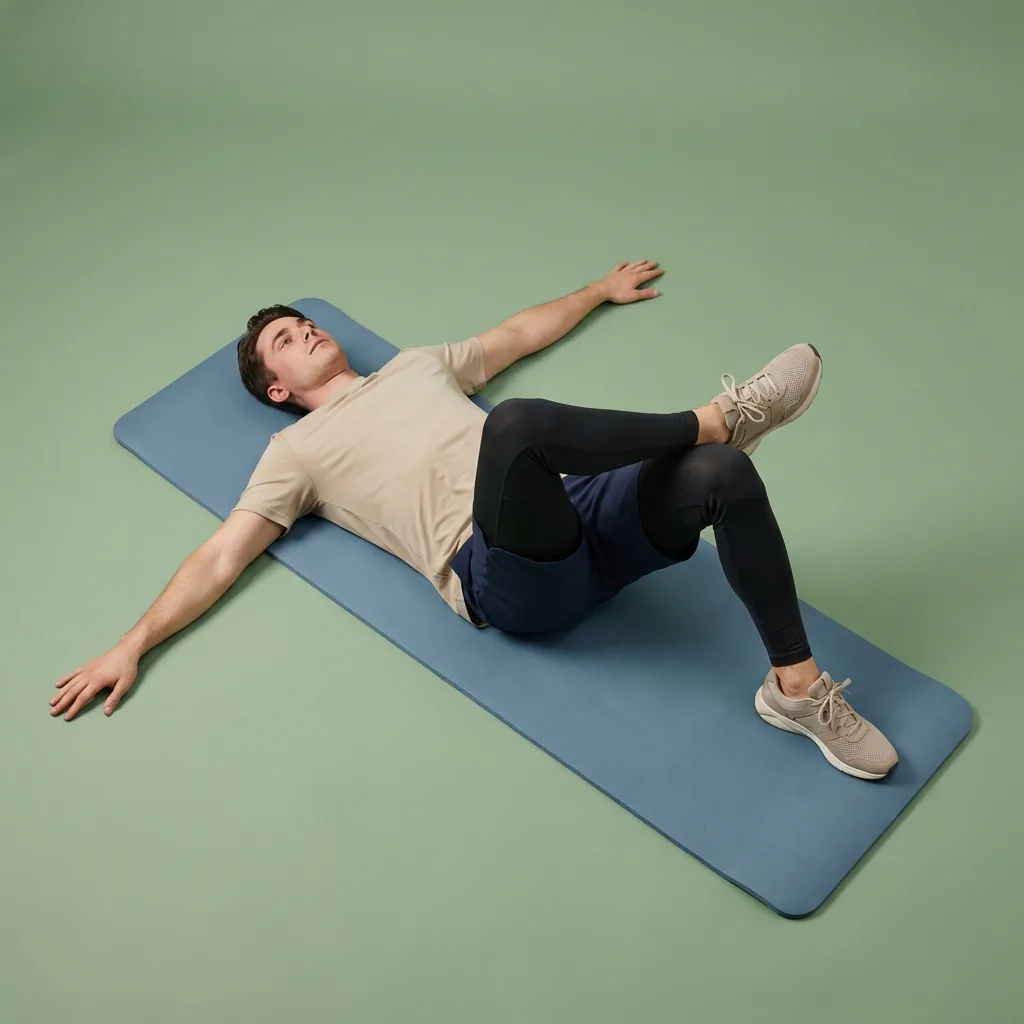
Flexor for drivers
Long hours behind the wheel? Move the areas driving loads most.
Driving keeps you seated and still for long stretches, often with the same posture hour after hour. Flexor gathers short guided routines for the areas prolonged driving tends to affect—hips, lower back, shoulders and neck—so you can loosen up after a shift, a commute, or a long journey, in a small space and with no equipment.
After long sits
Reset the hips, lower back, shoulders and neck once you can move.
No equipment
Body-weight routines that fit a small space beside the vehicle or at home.
Works offline
Core routines and the player run without a connection on the road.
Short and simple
Quick sessions that fit around a driving shift or commute.
What prolonged driving asks of the body
Time behind the wheel means sustained sitting with the hips flexed, the lower back loaded, and the shoulders and neck held forward toward the wheel. That posture, repeated across a commute, a delivery round, or a long trip, tends to leave those areas feeling stiff. Gentle movement once you are safely parked is a natural way to break up the pattern.
This is general fitness and wellness movement, not medical advice for driving-related health concerns. Never stretch while driving, and only move once you are safely stopped. If you have a specific health condition, follow professional guidance; ordinary post-driving stiffness is what these gentle routines are for.
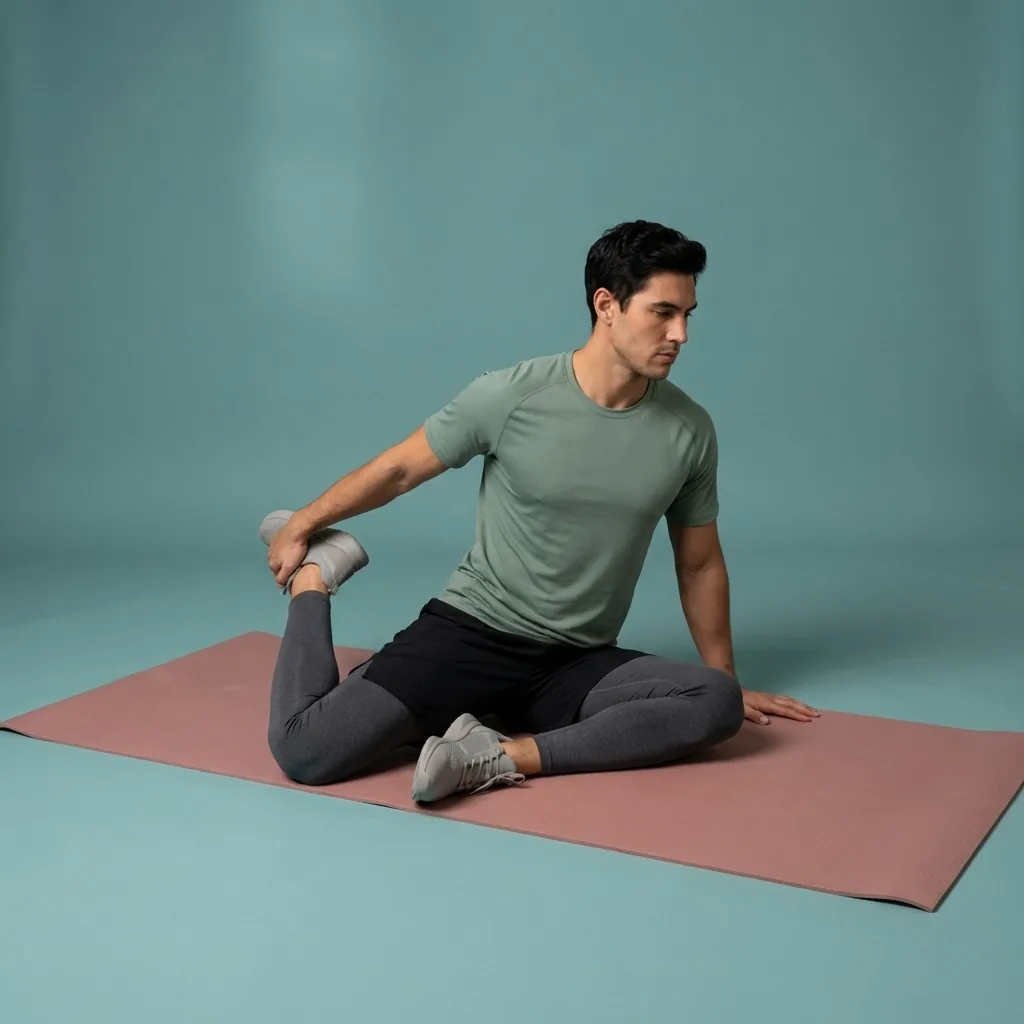
Moving well around driving
Keep sessions short and focused on the areas driving loads, and save deeper work for when you have more room at home.
- After a shift or long drive: a gentle routine for the hips and lower back.
- During a rest stop: a quick standing reset for the back, shoulders and neck.
- Before a long journey: a short mobility warm-up so you set off looser.
- End of a driving day: a calmer full-body unwind at home.
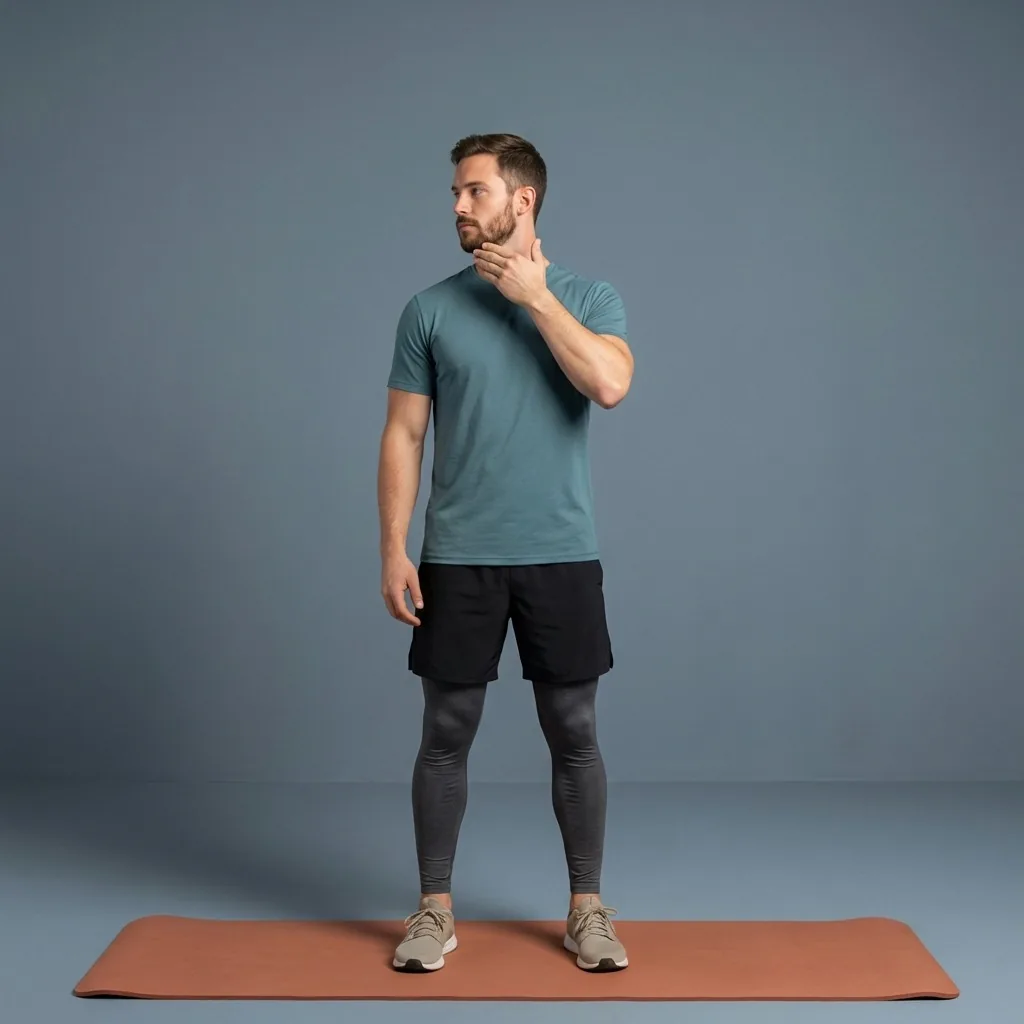
In Flexor: Short neck mobility you can do at a desk.
How Flexor fits a driver's day
Filter by a short duration and the areas that feel stuck, then follow the ordered steps with clear cues. Core routines, the library, and the guided player work offline once content is on your device, so a lay-by or a depot with no signal will not stop a session. Reminders can prompt a movement break on a long driving day, once you are safely stopped.
Recommendations use only what you tell the app—your goals, focus areas, available time, and recent sessions. Flexor does not scan your body or assess your movement, so you choose a range and pace that feel comfortable in whatever space you have.
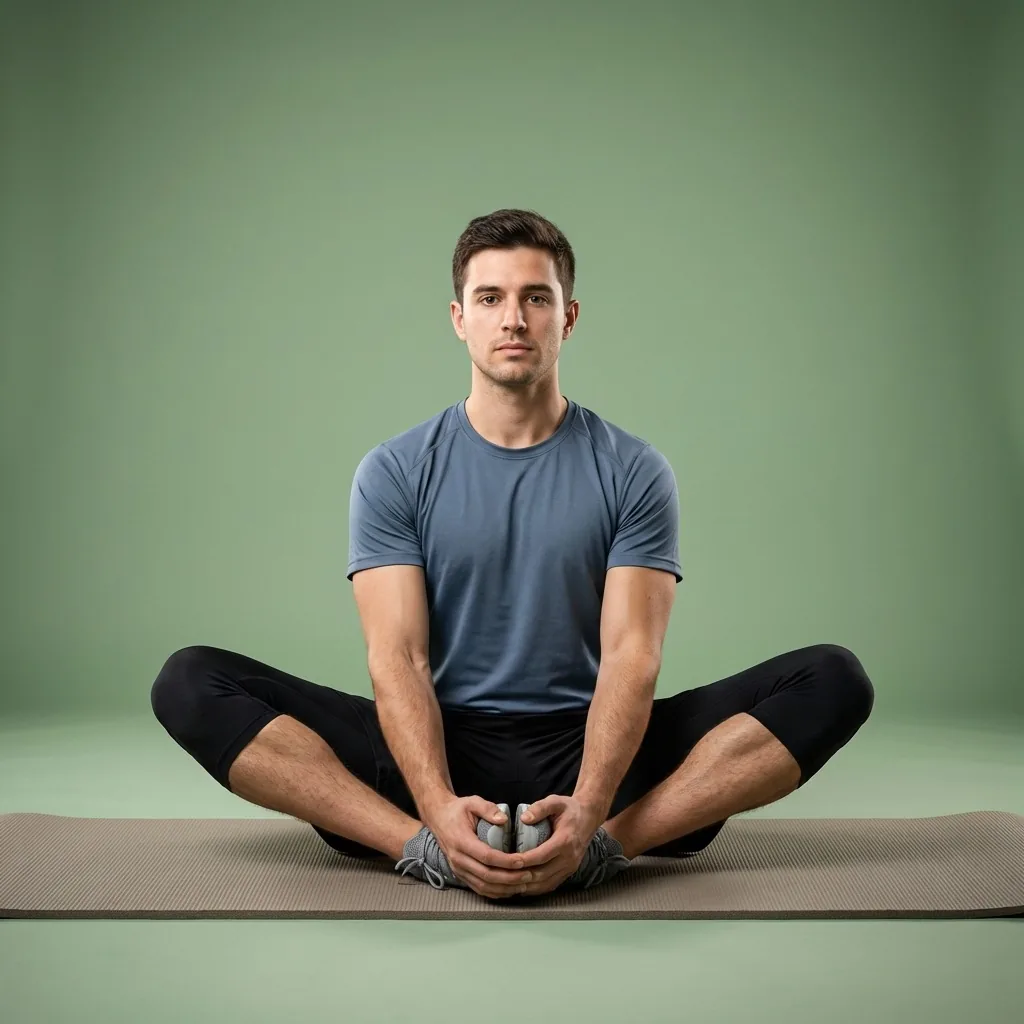
Where to go deeper
Driving stiffness usually centres on the hips, lower back, shoulders and neck. The body-area guides go further when one area feels particularly stuck, and the reduce-stiffness goal page covers gentle movement after sitting in general. This audience page ties the product together for people whose main context is long hours at the wheel.
After the ignition goes off.
Hips, lower back, shoulders, and neck: the areas a long drive keeps still.
How to choose the right routine today
Start with context rather than choosing the longest session. For drivers, the useful question is whether today calls for preparation, focused mobility, recovery, or a short consistency session.
Match the routine to the time available, the areas that feel most relevant, and what you did recently. Keep the range comfortable and avoid using a general stretching app to work through sharp, persistent, or worsening pain.
A simple weekly pattern
Use short routines on busy days, a more focused session when time allows, and recovery-led movement after demanding activity. The goal is a repeatable pattern rather than doing every body area every day.
Daily recommendations can vary the focus using your stated goals, available time, experience, focus areas and recent sessions. They do not assess movement quality or replace professional advice.
Common mistakes to avoid
Avoid forcing range, repeating the same area every day, treating discomfort as proof that a stretch is working, or choosing a routine only because it is popular. A suitable session should fit the day and leave you able to continue normal activity comfortably.
Progress comes from sensible repetition and appropriate exercise selection, not from chasing the deepest position. Stop when symptoms are sharp, unusual, worsening, or associated with numbness, weakness, swelling, trauma, or illness.
Sources and further reading
These independent sources support the general guidance on this page. They do not endorse Flexor.
Quick facts
- Best for
- People spending long hours at the wheel
- Focus areas
- Hips, lower back, shoulders, neck
- Equipment
- None; works in a small space and offline
- Personalises from
- Goals, focus areas, time and recent sessions
Where to start
You have just finished a shift or long drive
Once safely parked, run a gentle routine for the hips and lower back.
You are at a rest stop
Take a quick standing reset for the back, shoulders and neck.
You are behind the wheel
Never stretch while driving; wait until you are safely stopped.
A break once you are safely stopped
A long shift leaves the hips and lower back feeling stuck. Flexor uses the short duration and areas you choose to suggest a quick routine for a rest stop or home, and reminders can prompt a break once you are safely parked. It never scans your body or assesses your movement.
See how reminders workSafety and limits
- General wellness movement, not medical advice for driving-related health risks.
- Never stretch while driving; move only once you are safely stopped.
- Keep movement gentle and seek advice for persistent stiffness or pain.
Flexor does not assess your movement or health and is not a substitute for advice from a qualified professional.
Read the full wellness disclaimerRelated routines
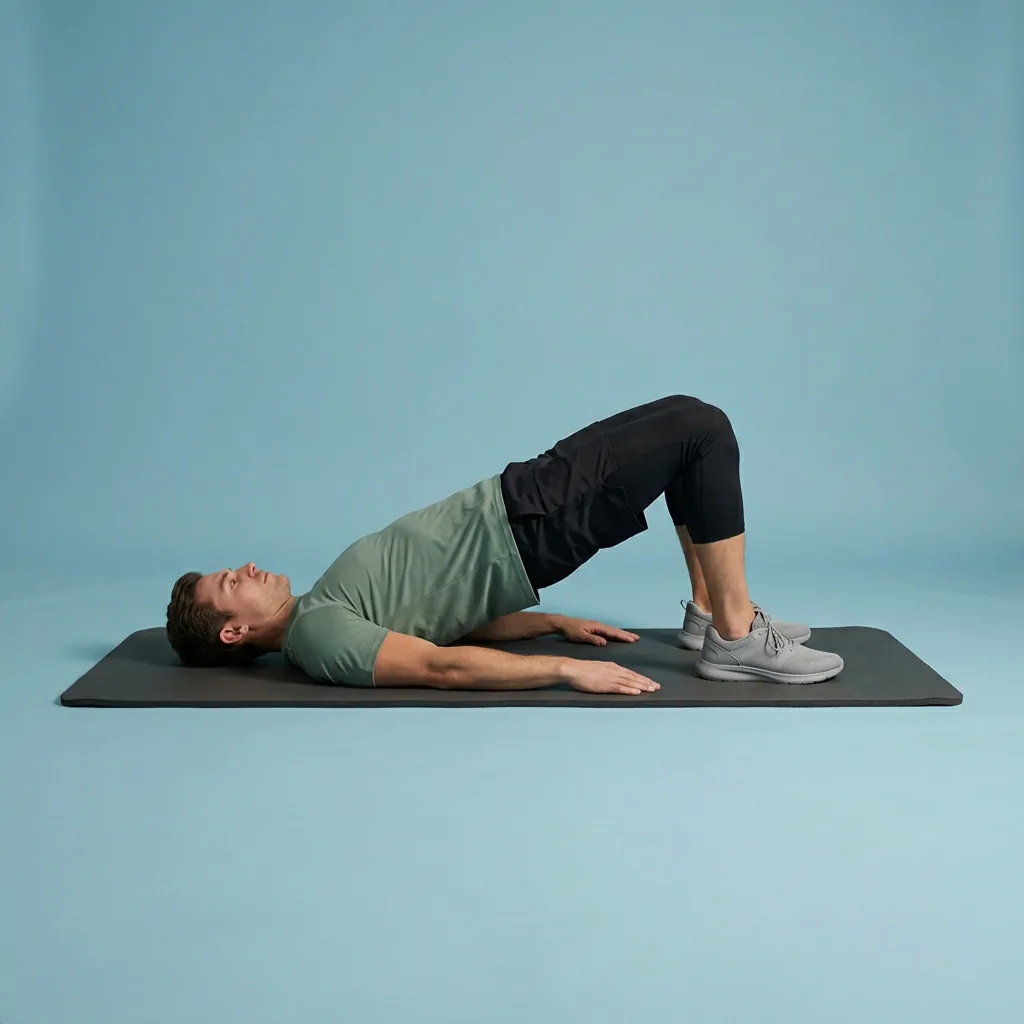
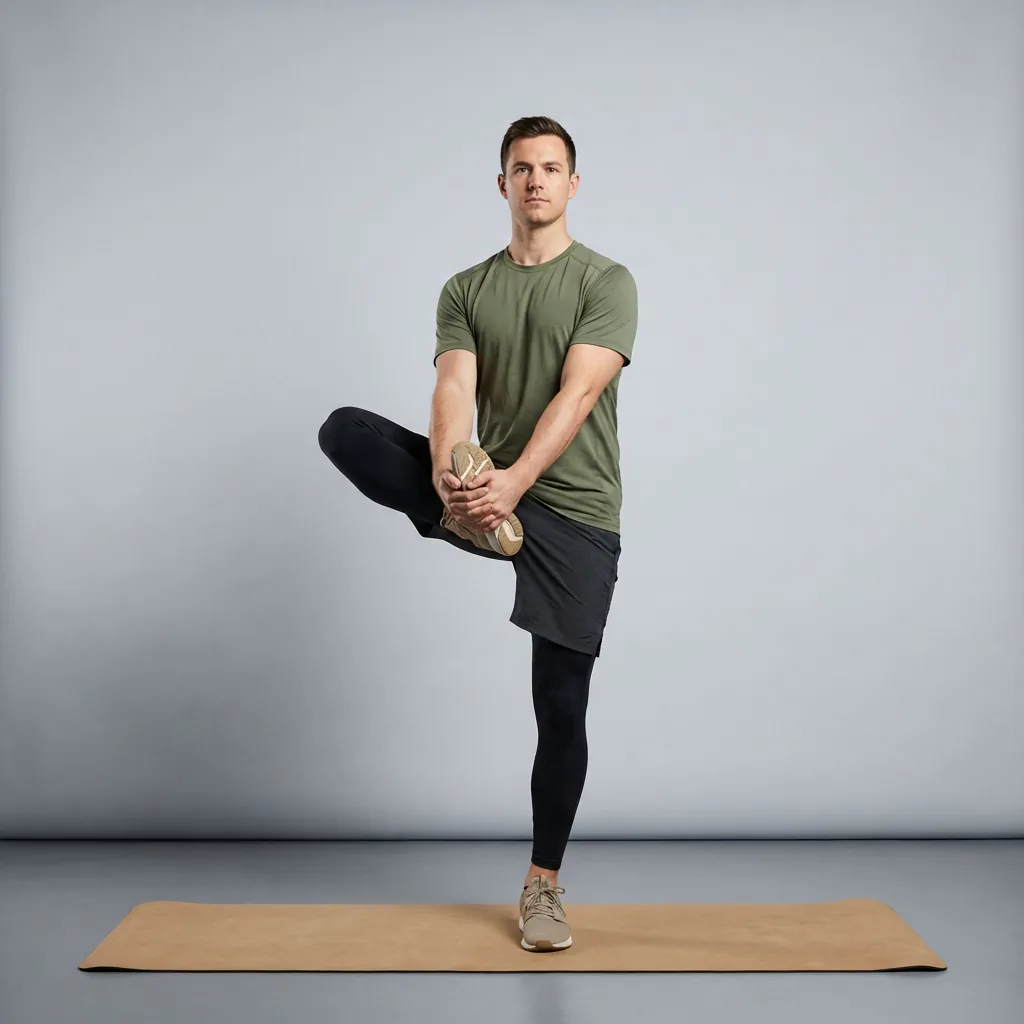
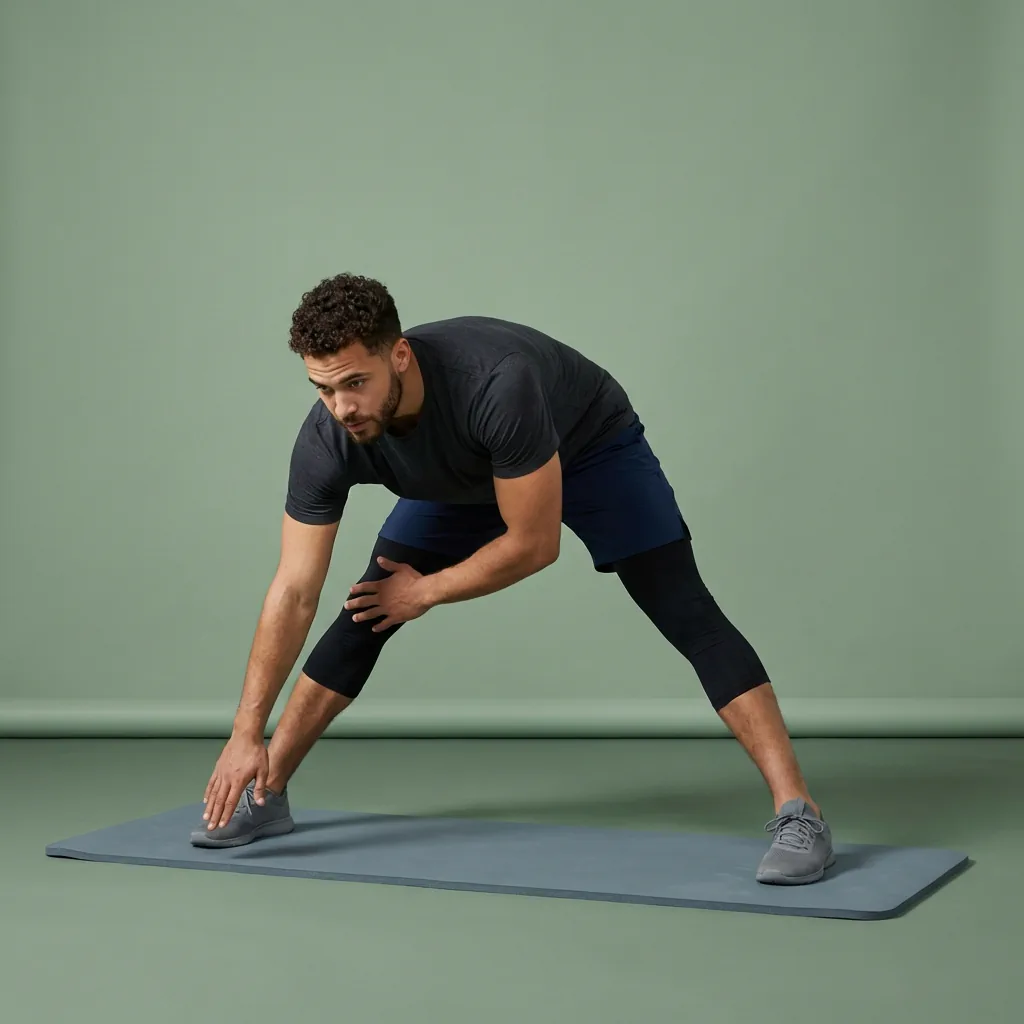
Browse guided Flexor sessions that match this page, then open any routine for steps and cues.
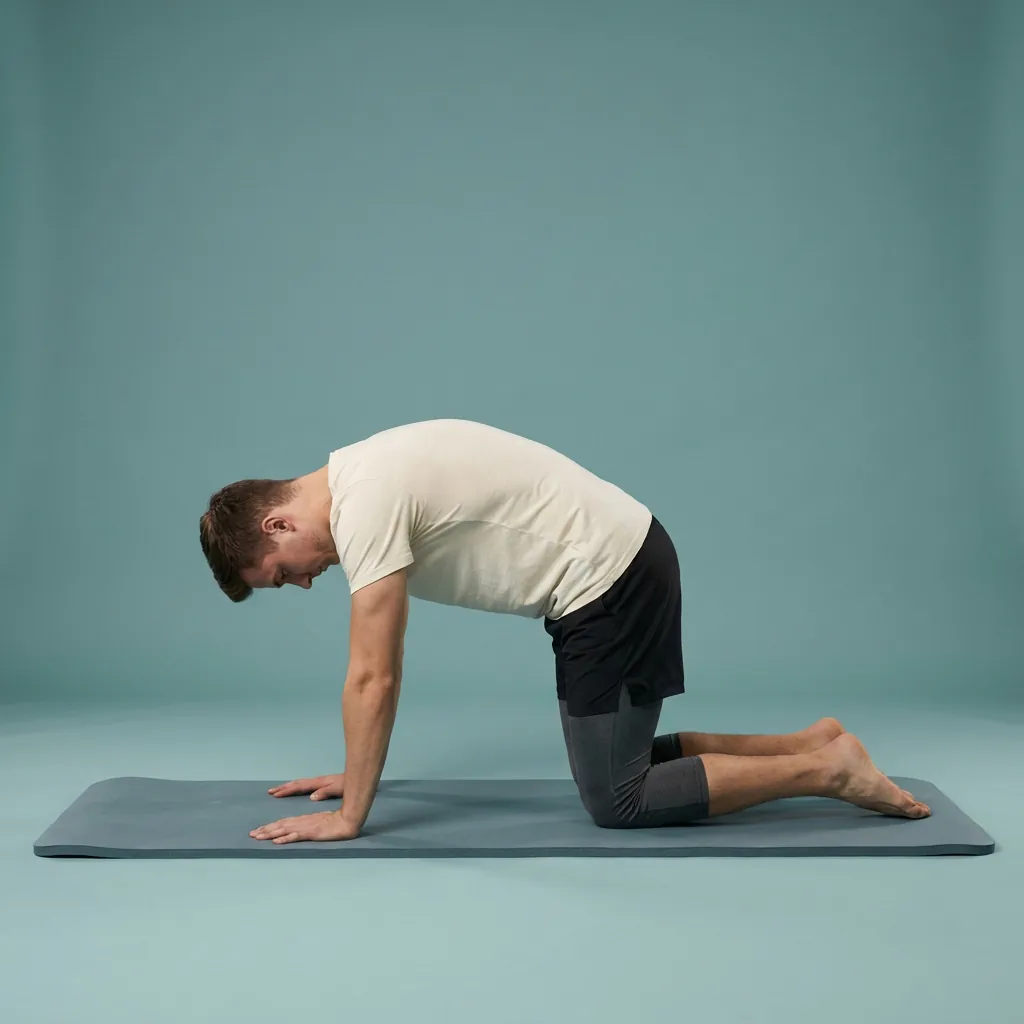





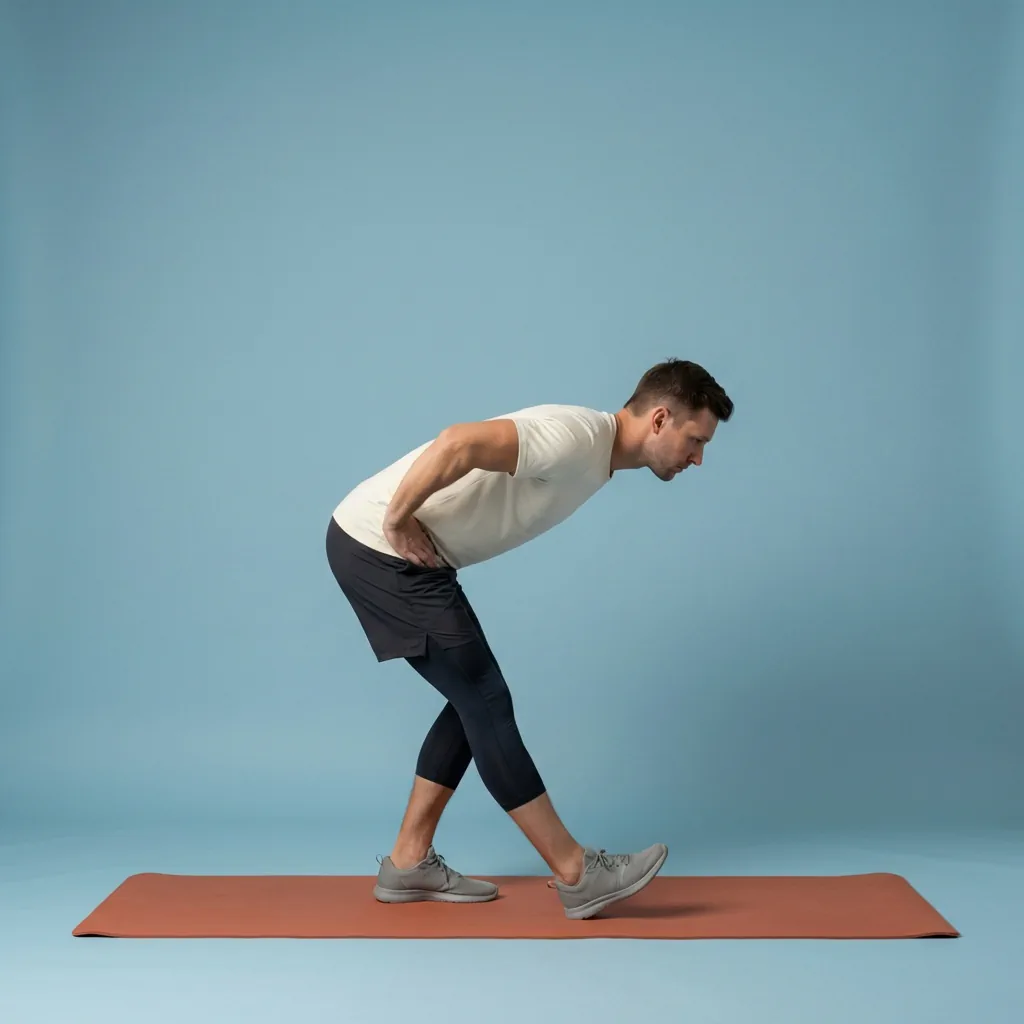





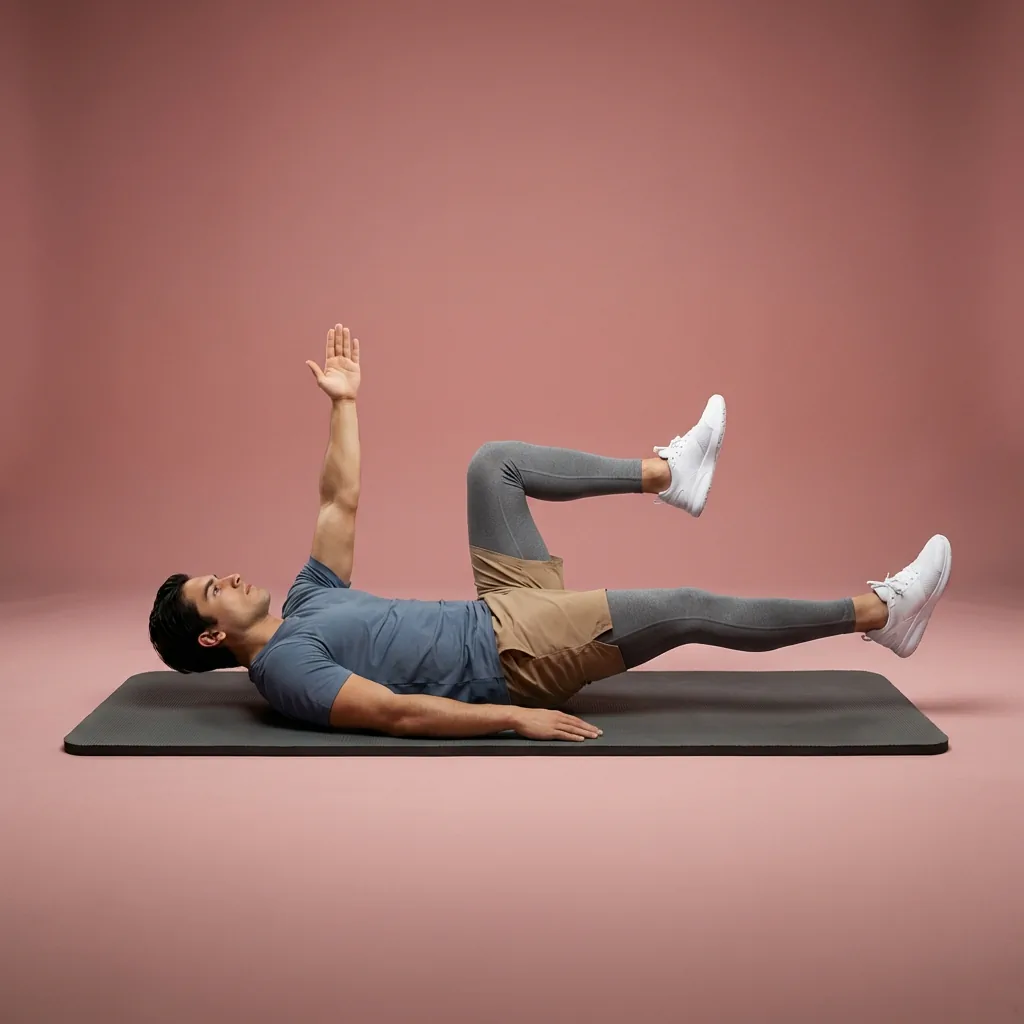











Explore related body areas
Go deeper on a single area with its own exercises, routines, and guidance.
Common questions
Frequently asked questions
What stretches help after a long drive?
After prolonged driving, gentle movement for the hips, lower back, shoulders and neck tends to feel most welcome once you are safely parked and can stand and move. Flexor includes short routines for exactly these areas, designed for a small space and no equipment. Keep it gentle rather than forcing anything, ease into each movement, and stop if something causes pain. Never stretch while driving, and for any specific health risks around long journeys, follow professional guidance rather than relying on stretching alone.
Can I use Flexor without internet on the road?
Yes. Flexor's ready-made routines, exercise guidance, plans, the library, and the guided player work offline once content is on your device, which suits lay-bys, depots, and areas with patchy signal. Only Flexor AI requests and app-store subscription actions need a connection. So you can follow a full guided session at a rest stop or once you get home without a signal, then reconnect later for AI discovery or account tasks when it suits you.
Do I need equipment to stretch as a driver?
No. Driver-focused routines in Flexor use body weight and a small amount of space, so a spot beside the vehicle or a cleared corner at home is enough, and any optional support such as a wall is noted in the routine details. That means you do not need to carry equipment to keep a habit going. If space is tight, filter for standing or seated routines that stay compact while still playing as fully guided sessions.
How is this different from the reduce-stiffness page?
This audience page covers the whole Flexor product for drivers—no-equipment routines for the areas driving loads, offline access, reminders, and how personalisation fits time at the wheel. The reduce-stiffness goal page focuses on the general habit of easing everyday stiffness with gentle movement, whether from driving, sitting, or inactivity. Start here if driving is your main context and you want the product picture, and read reduce-stiffness for the broader goal of moving gently after any long spell of staying still.
How often should drivers use Flexor?
Use a frequency that is realistic and comfortable. Short sessions several times a week may be easier to sustain than occasional long sessions. Match preparation, mobility and recovery work to your schedule, vary the focus, and reduce or stop if a movement aggravates symptoms.
How do I choose between a short and long routine?
Choose by purpose and available time. A short routine can prepare you for activity, break up sitting, or preserve consistency. A longer routine is more suitable when you have time for several areas and can move without rushing. Longer is not automatically better.
What should I do if a recommended routine does not feel right?
Skip it, reduce the range, or choose another focus. Flexor recommendations use the information you provide and cannot see your movement or symptoms. Stop for sharp, persistent, worsening, or unusual pain and seek appropriate professional advice when needed.
More in Flexor for you
See allKeep exploring
More guides on stretching, mobility, routines, and Flexor features.
Flexor for you
Stretching and mobility, matched to how you live.
Find guided Flexor stretching and mobility routines shaped for desk workers, seniors, athletes, gym-goers, travellers an...
Read more Reduce everyday stiffness
Ease everyday stiffness with gentle, guided movement.
Explore guided movement routines for everyday stiffness after sitting, travel or inactivity, using gentle wellness-focus...
Read more Desk stretching
Break up the workday with short, guided desk stretches.
Use quick guided stretches and mobility breaks for the neck, shoulders, back, hips and wrists during long periods of des...
Read more
Mobility for fitness and everyday movement
Build controlled, usable movement—one short guided session at a time.
Improve mobility with guided routines, progress tracking and personalised daily recommendations designed around how you...
Read more