
Back
Unknot the upper back.
The upper back, or thoracic spine, is built to rotate and extend and to give the shoulder blades a surface to glide on. Hours hunched toward a screen quietly reduce that rotation, so it starts to feel stiff and bunched.
Reviving the upper back is mostly about reminding it how to rotate and extend — thread-the-needle turns, gentle openers and shoulder-blade work that make sitting tall and reaching overhead feel easier.
Start here
A short, guided starting point for Upper Back — begin gently and stay within a comfortable range.
between the blades
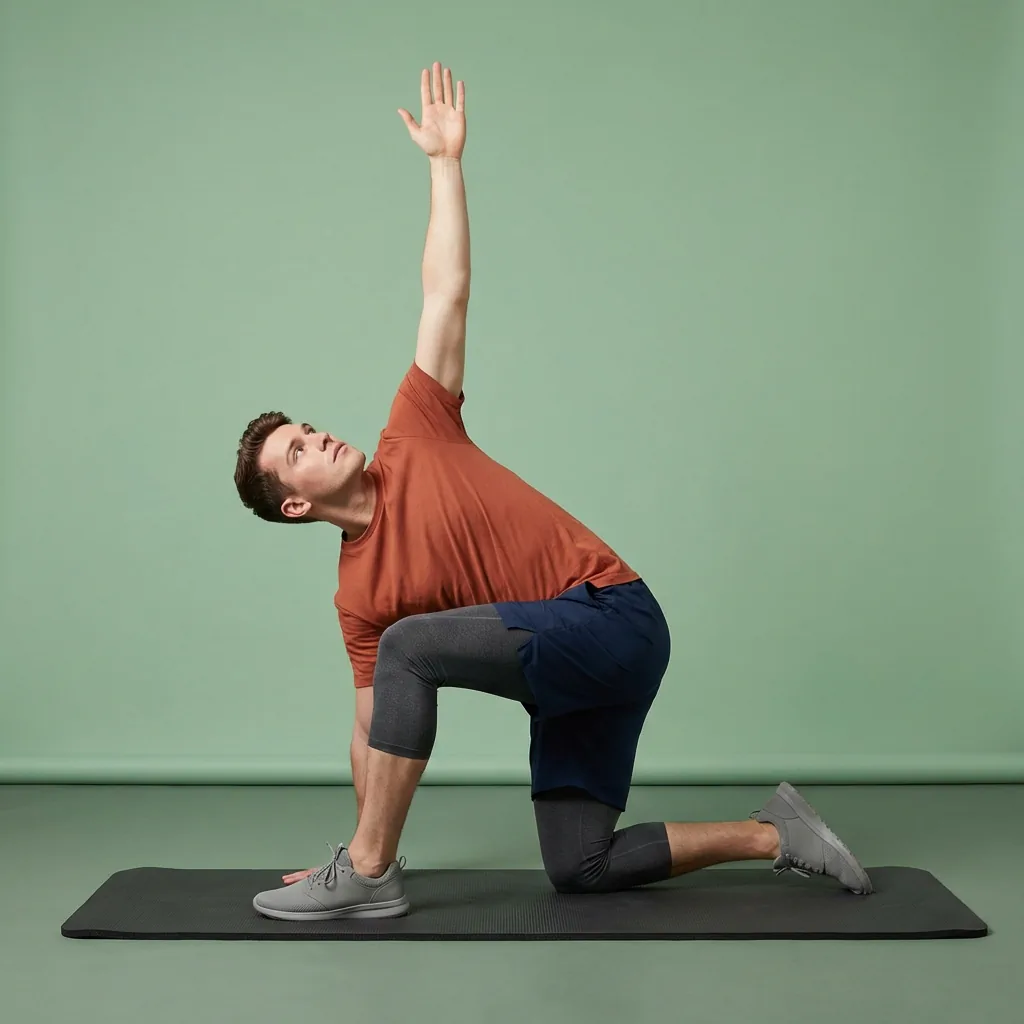
Thread the Needle
rotation
Puppy Pose
extension
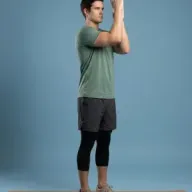
Eagle Arm
reach

Scapula Stretch
mid-back
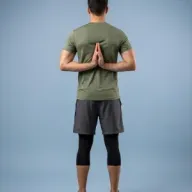
Reverse Prayer Pose
opener
Guided routines to start with
-
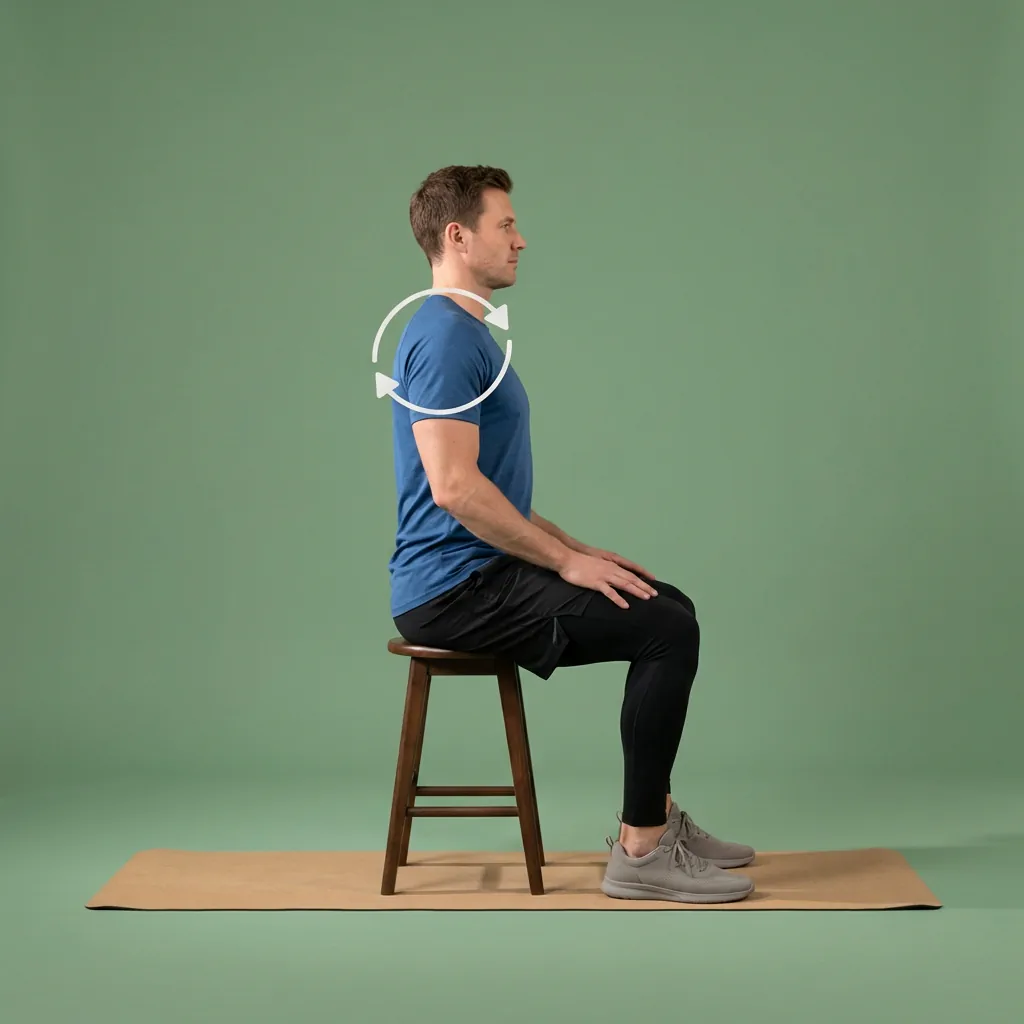 7 min Beginner
Quick Upper Back Unknot
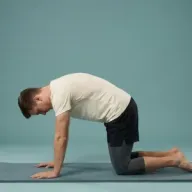
A 7-move mid-back express — scapula stretch, thread the needle, and camel pose for desk-slouch tension between the shoulder blades.
-
-
-
-
-
- +2
-
-
 11 min Intermediate
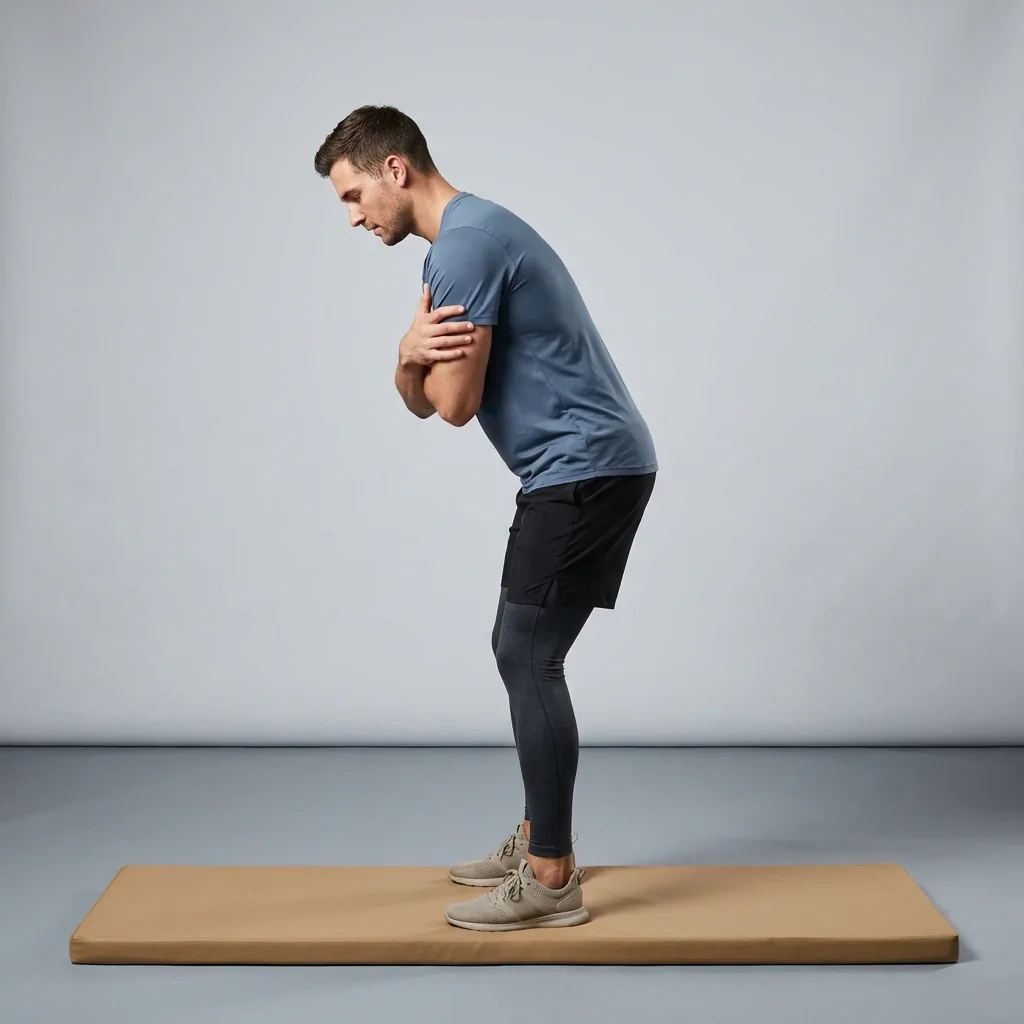
Cool-Down: Upper Back Unknot
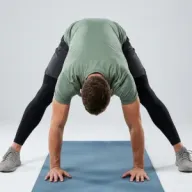
An 11-move mid-back cool-down — eagle arm, thread the needle, and forward fold for rhomboid, trap, and thoracic tension.
-
-
-
-
-
- +6
-
-
 10 min Beginner
Quick Desk Reset
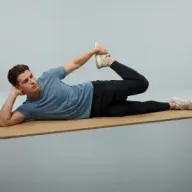
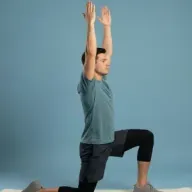
A 9-move desk break in under five minutes — chin retractions, hip openers, and seated twist to undo office slump.
-
-

-
-
-
- +4
-
About the Upper Back
The thoracic spine is twelve vertebrae attached to the ribs, moved by the muscles between and around the shoulder blades.
It supplies most of the spine's rotation and helps you extend upright, so a stiff upper back pushes rotation demand onto the neck and lower back.
The upper back shares the shoulder blades with the shoulders and supports the neck above, so all three tend to move as a unit.
Ways to work this area
Stretching
Bear-hug and thread-the-needle lengthen the muscles between the shoulder blades.
Mobility
Rotations and puppy-pose extension take the thoracic spine through its natural arc.
Control
Slow, deliberate reaches teach the shoulder blades to glide smoothly on the ribs.
Activation
Light blade squeezes wake up the muscles that hold you tall against a slouch.
When people reach for this
Hunched at a desk
Screen posture rounds the upper back, so rotations and extension help it sit tall again.
Desk StretchingA quick work break
A minute of thread-the-needle and bear-hug loosens the mid-back between tasks.
Desk WorkersAfter upper-body training
Openers ease the muscles around the blades once pressing and pulling are done.
Post Workout RecoveryExercises for Upper Back
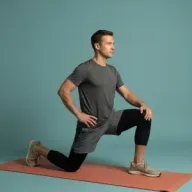
90/90 Hip Switch Extension
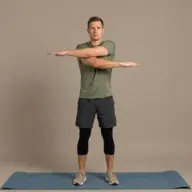
Arm Swings
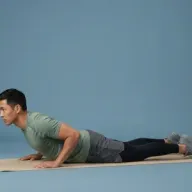
Baby Cobra
Cat Cow
Chin Retractions
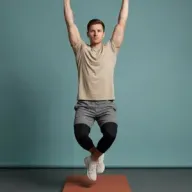
Dead Hang
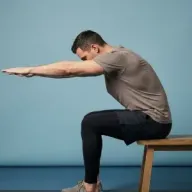
Diver
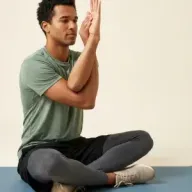
Eagle Arms
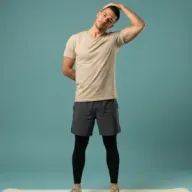
Ear-to-Shoulder
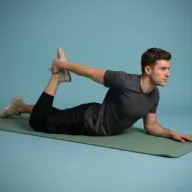
Half Bow
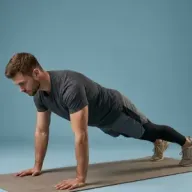
Hand Plank
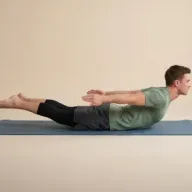
Locust Pose
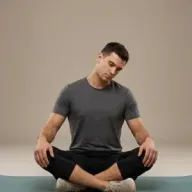
Neck Circles

Neck Flex
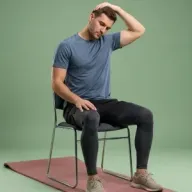
Neck Laterals
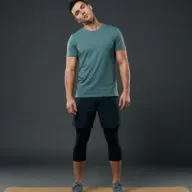
Neck Roll
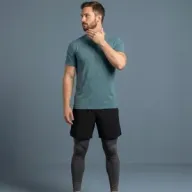
Neck Rotation
One Arm Hug
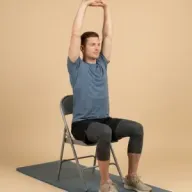
Overhead Reach
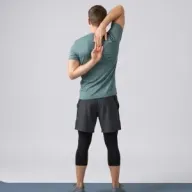
Overhead Tricep
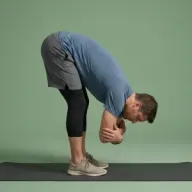
Rag Doll
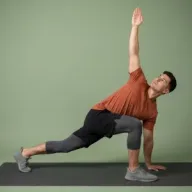
Runner’s Lunge Twist
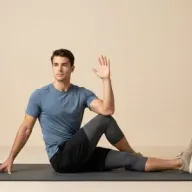
Seated Twist
Shoulder Rolls
A mid-back mobiliser
Open between the blades, then rotate and extend the upper spine. · about 4 min
- 1 Bear Hug — spread the shoulder blades 30 sec
- 2 Thread the Needle — rotate under and through, each side 45 sec
- 3 Puppy Pose — sink the chest, extend the spine 45 sec
- 4 Eagle Arm — reach the blades apart, each side 40 sec
- 5 Scapula Stretch — release the mid-back 40 sec
- 6 Seated Fold — round gently to finish 40 sec
Routines for Upper Back
-
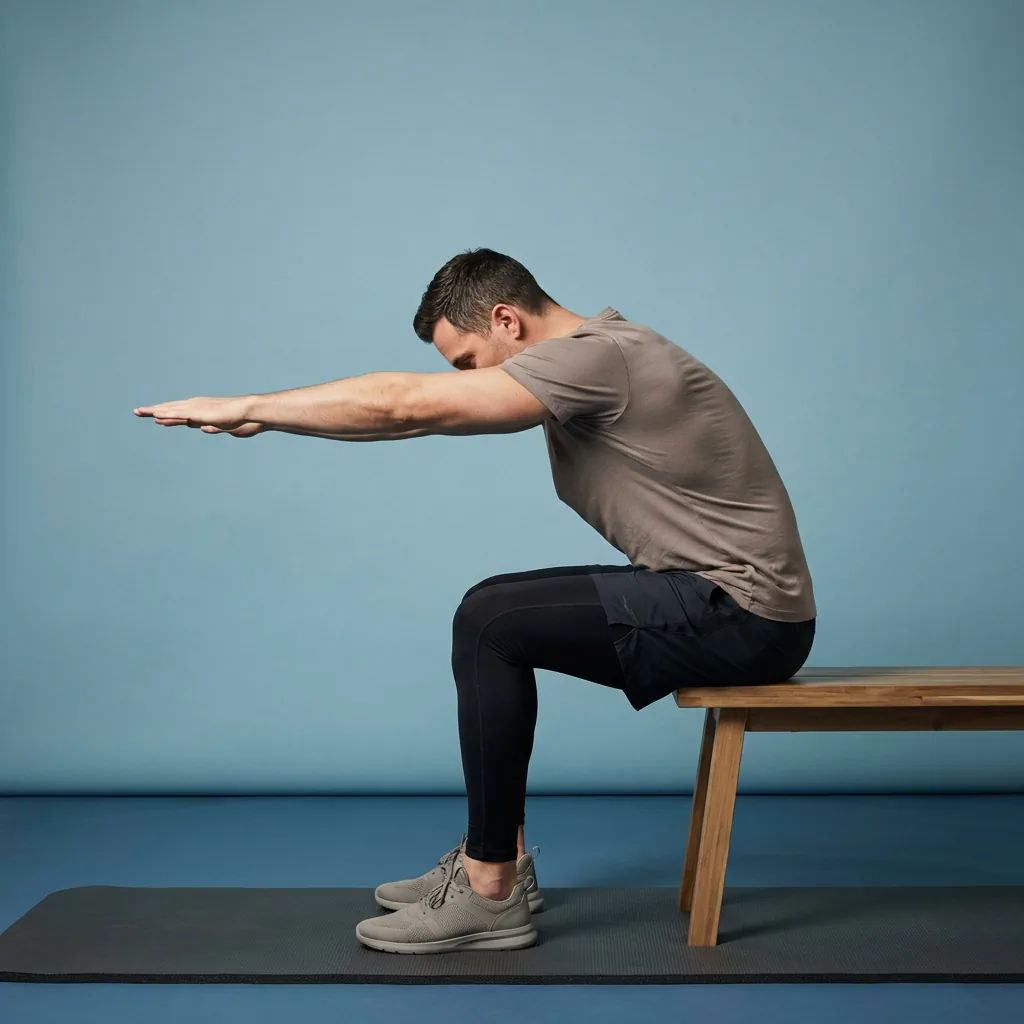 8 min Beginner
Cool-Down: Back and Shoulders
An 8-move post-training back release — thread the needle, spinal twist, and cobra to settle the spine and open shoulders.
-
-
-
-
-
- +3
-
-
11 min Intermediate
Cool-Down: Upper Back Unknot
An 11-move mid-back cool-down — eagle arm, thread the needle, and forward fold for rhomboid, trap, and thoracic tension.
-
-
-
-
-
- +6
-
-
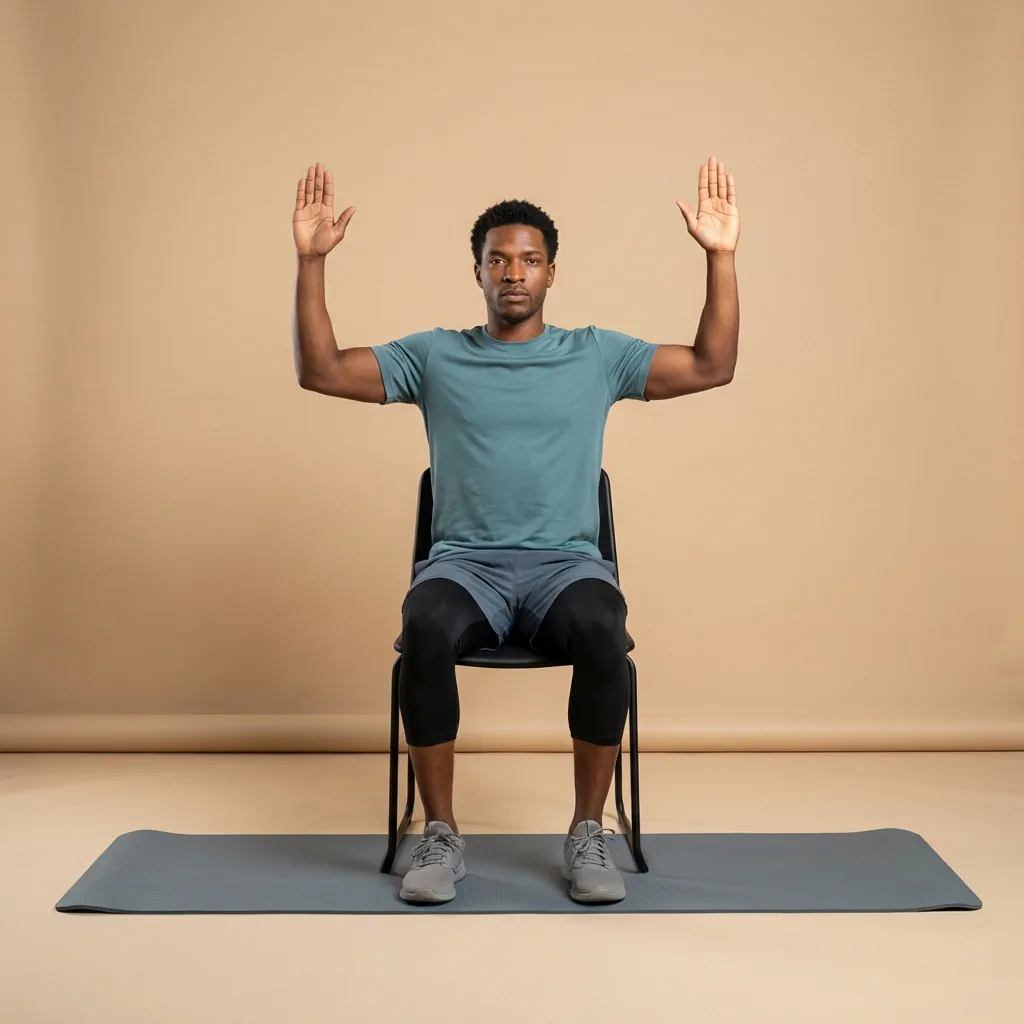 13 min Intermediate
Desk Posture Reset
A desk-worker posture reset — chin retractions, bird dog, doorway pecs, and thread the needle to open the chest and reconnect core support.
-
-
-
-
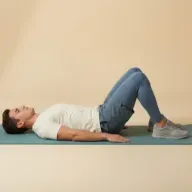
-
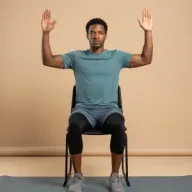
- +9
-
-
7 min Beginner
Quick Upper Back Unknot
A 7-move mid-back express — scapula stretch, thread the needle, and camel pose for desk-slouch tension between the shoulder blades.
-
-
-
-
-
- +2
-
-
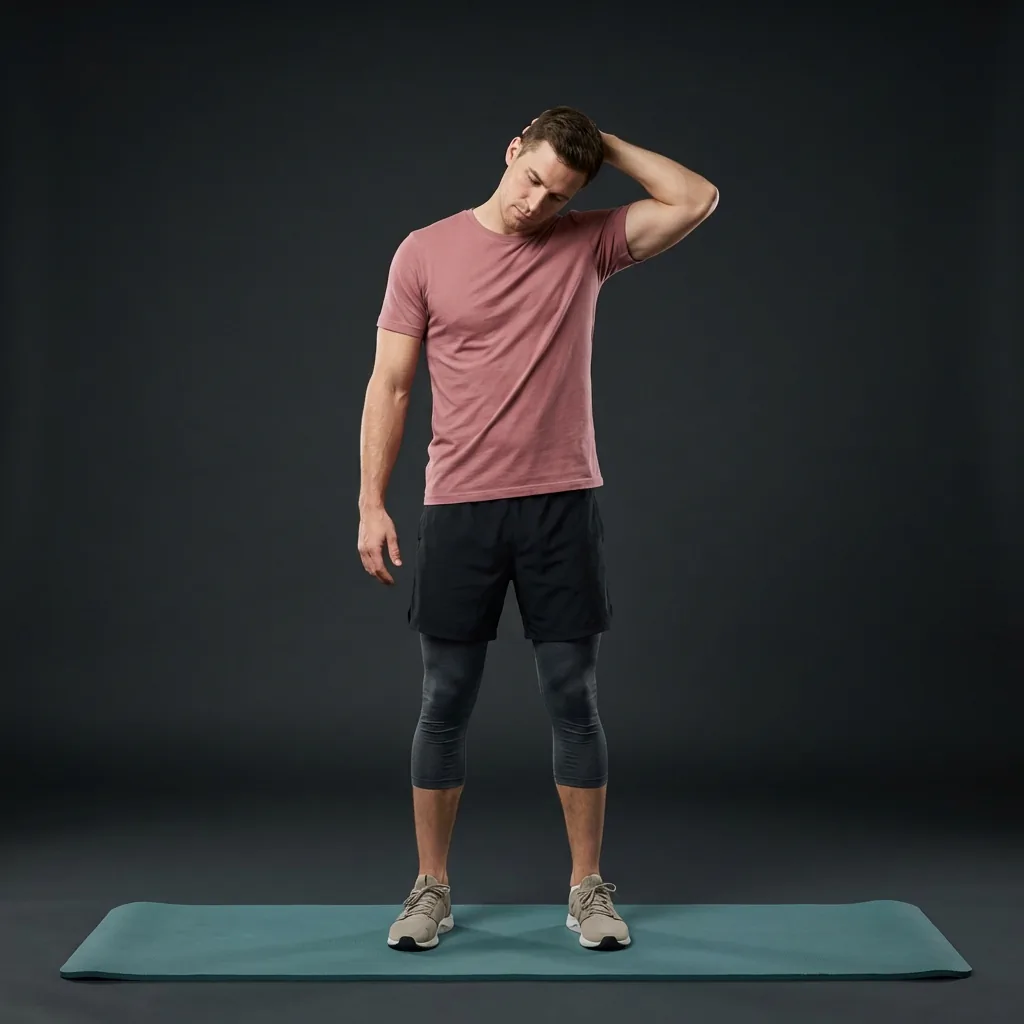 10 min Intermediate
Recovery: Upper-Body Reset
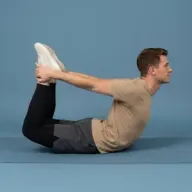
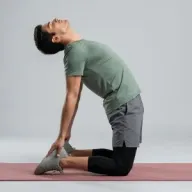
A 10-move upper-body support — airplane, bow pose, camel pose, and eagle arm opening chest, shoulders, and spine.
-
-
-
-
-
- +5
-
-
16 min Intermediate
Upper Trap Unwind
A 16-move neck-and-shoulder flow — doorway pecs, eagle arms, and ear-to-shoulder for persistent upper-trap and cervical tension.
-
-
-
-
-
- +11
-
Where to start
- Upper back feels rounded from typing
- Work extension with puppy-pose and blade squeezes to sit tall again.
- Rotation feels blocked when you turn
- Use thread-the-needle, moving slowly through a comfortable range each side.
- The area between the blades feels knotted
- Start with bear-hug and scapula stretches to open the mid-back.
Technique and comfort
Helpful cues
- Let the rotation come from the ribcage, not by cranking the neck around.
- In puppy-pose, sink the chest toward the floor while the hips stay over the knees.
- Reach wide in bear-hug to feel the space open between the shoulder blades.
Ways to make it easier
- Do thread-the-needle with a smaller range if the shoulder feels restricted.
- Support the forehead on a cushion in puppy-pose.
Common mistakes
- Turning the head instead of rotating the thoracic spine.
- Overarching the lower back to fake upper-back extension.
Breathing
Exhale into each rotation and extension so the muscles around the blades let go.
Related body areas
How Flexor personalises this
If you log desk-heavy days, Flexor keeps rotation and extension near the top of your upper-back sessions to counter the rounding.
Try something differentExplore related pages
Move comfortably
- Rotate from the ribcage within a comfortable range rather than wrenching the neck.
- Keep extension gentle and avoid dumping into the lower back.
This is general fitness guidance, not medical treatment. Stop if a movement causes pain and seek professional advice for ongoing upper-back or neck trouble.
Read the full wellness disclaimerWritten by Flexor editorial Last reviewed July 2026
Common questions
How do I loosen a stiff upper back?
Rotation and extension are the key directions: thread-the-needle to turn, puppy-pose to extend, and bear-hug to open between the blades. Doing a little regularly, especially after long sitting, tends to keep the mid-back feeling freer.
What causes upper-back tightness from desk work?
Leaning toward a screen rounds the thoracic spine and holds it there, which reduces rotation and leaves the muscles around the shoulder blades feeling bunched. Regular rotation and extension breaks usually help it reset.
How is upper-back mobility different from lower-back work?
The upper back is built to rotate and extend, so it responds well to turns and openers, while the lower back prefers gentle, controlled movement and stability. Freeing the upper back can actually take rotation demand off the lower back.
Can better upper-back mobility help my posture?
Restoring extension and rotation makes sitting and standing tall feel easier, which many people notice in their posture. Pairing the mobility with light blade work helps you hold the position, as general fitness guidance.
How often should I mobilise my upper back?
Short daily bouts work well, especially if you sit a lot — even a couple of minutes of thread-the-needle and bear-hug between tasks. Frequency beats intensity for keeping the mid-back mobile.