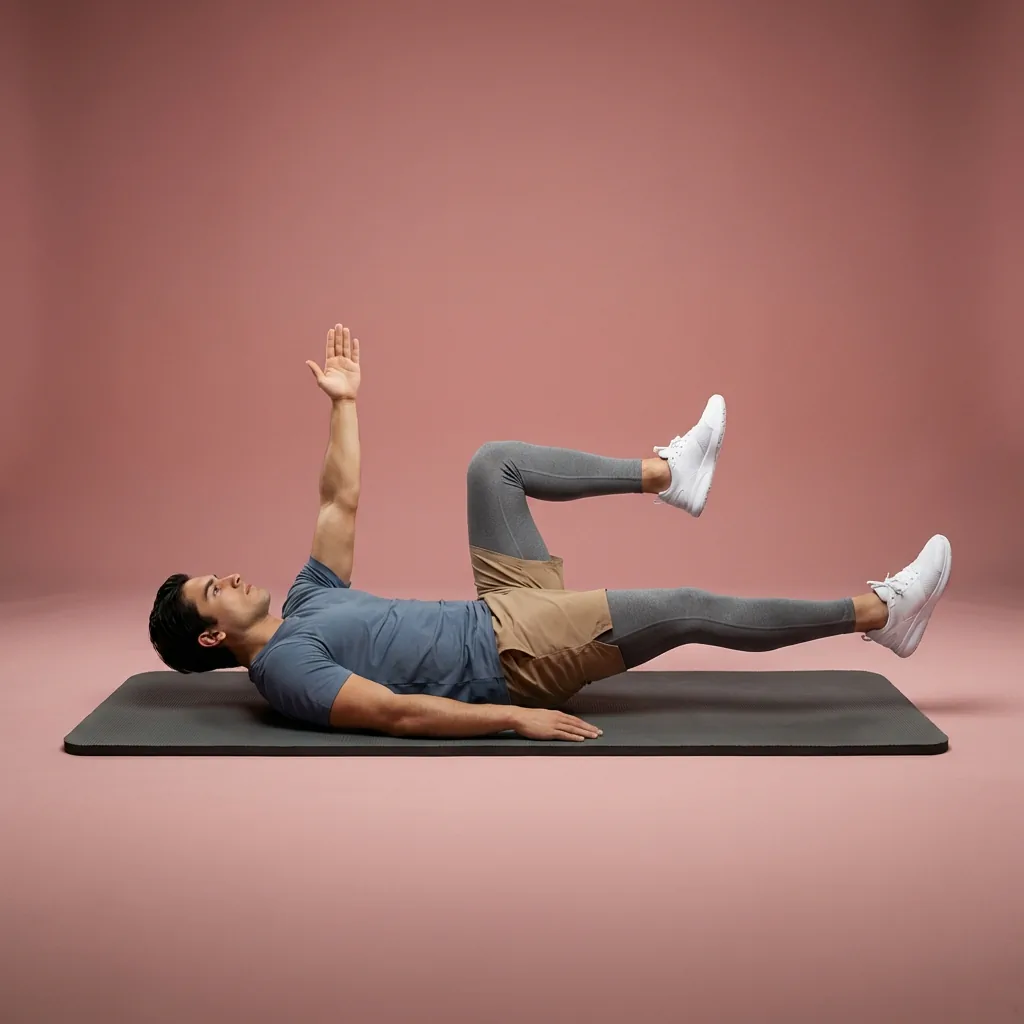
Hip-to-Back Comfort
A 15-move hip-to-lumbar flow — figure four, kneeling psoas, and spinal twist for hip mobility and back comfort.
Exercises
15 moves · about 15 min




About this routine
Lower back tension can be influenced by how the hips, glutes, and piriformis are moving. When those areas feel restricted, gentle hip mobility may support a more comfortable lumbar area. Hip-to-Back Comfort uses an intermediate flow designed to support pelvic mobility and smoother coordination between the hips and lumbar spine.
The hip-spine connection
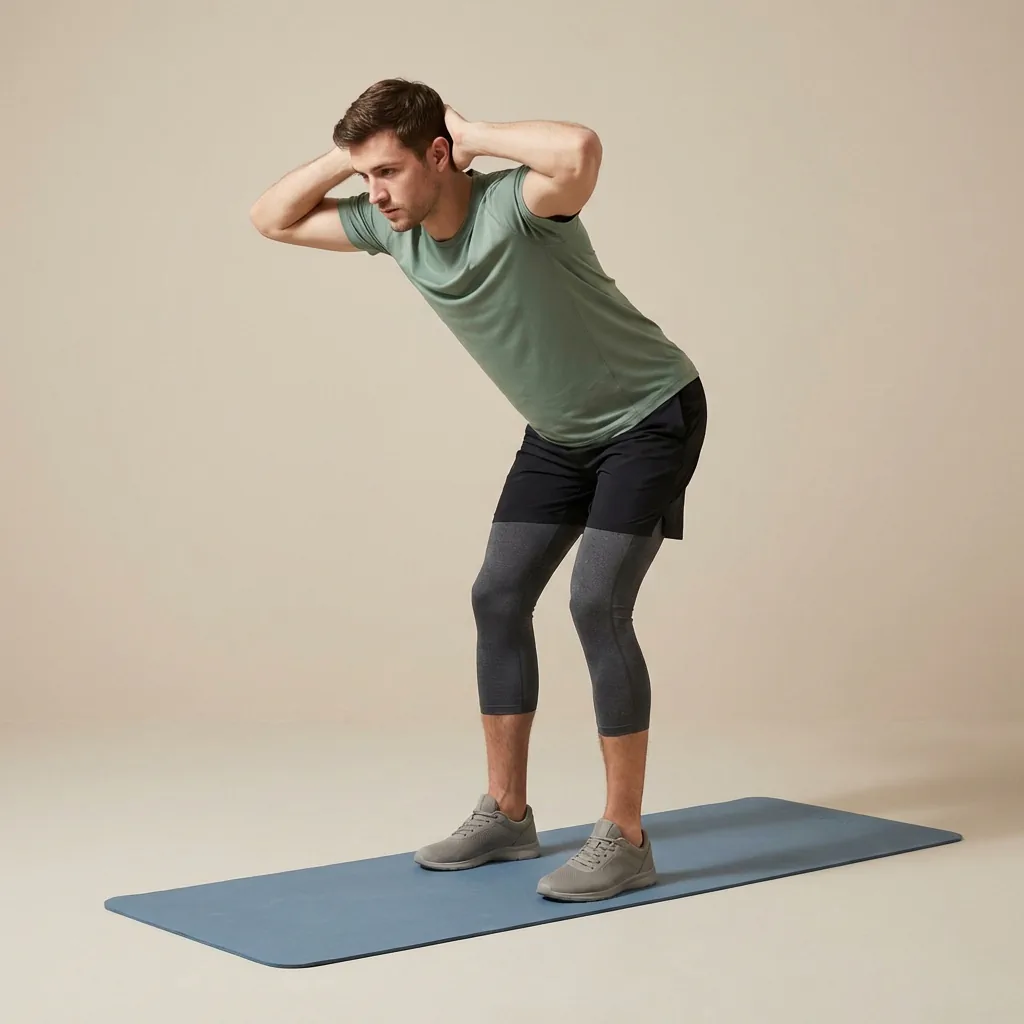
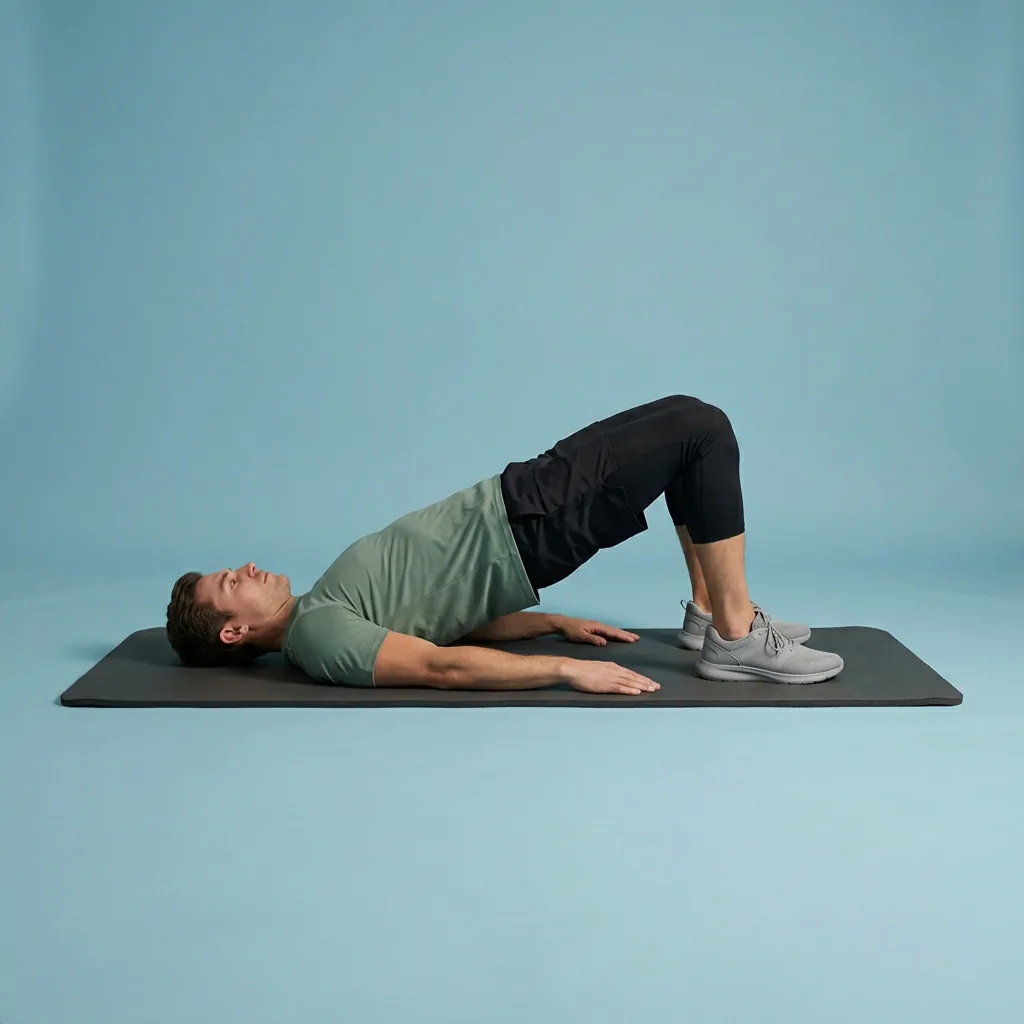
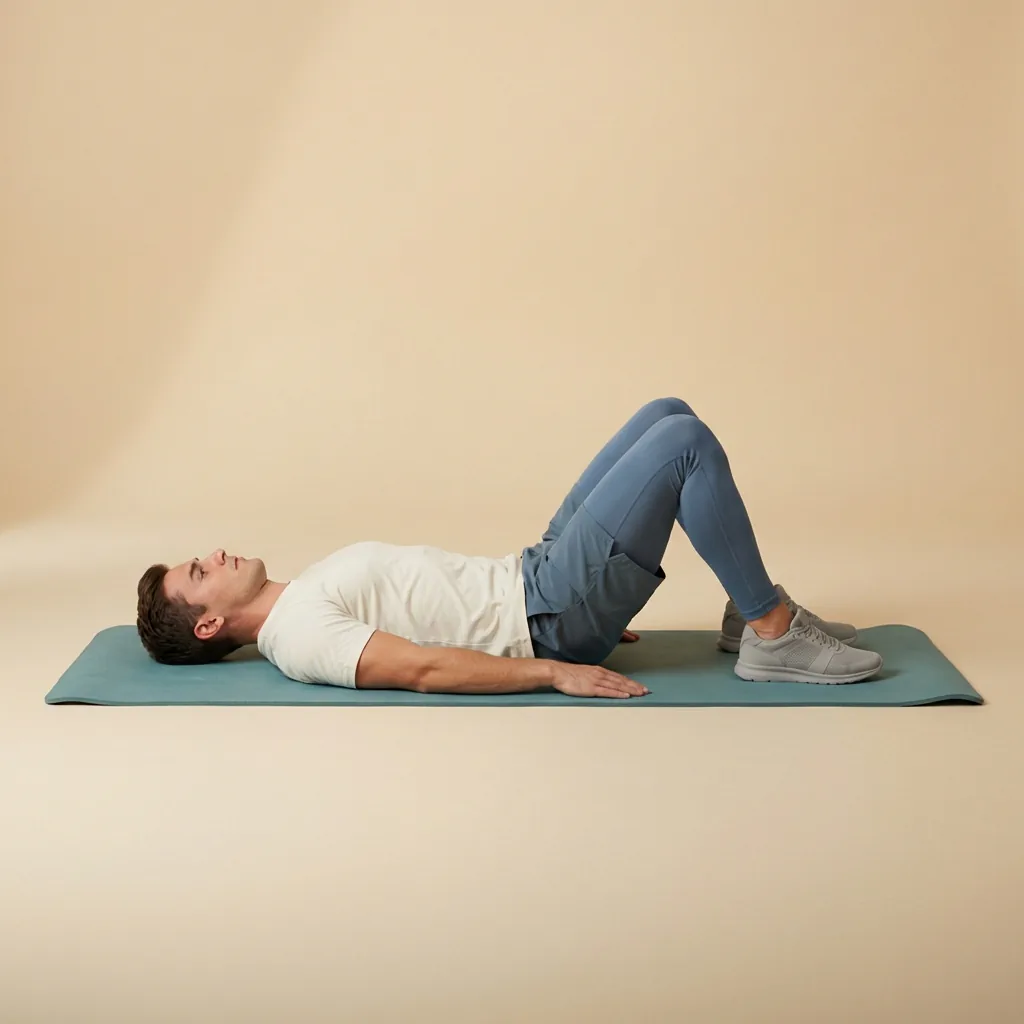
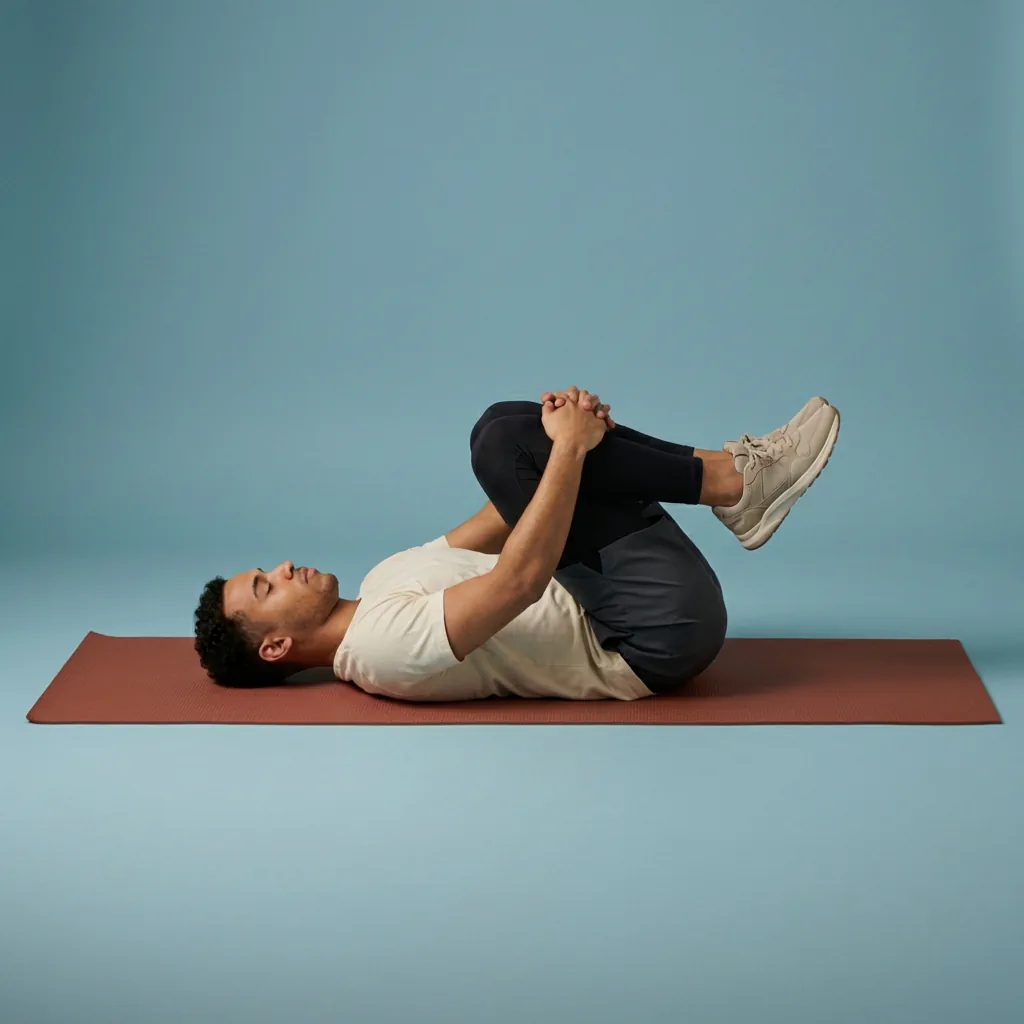
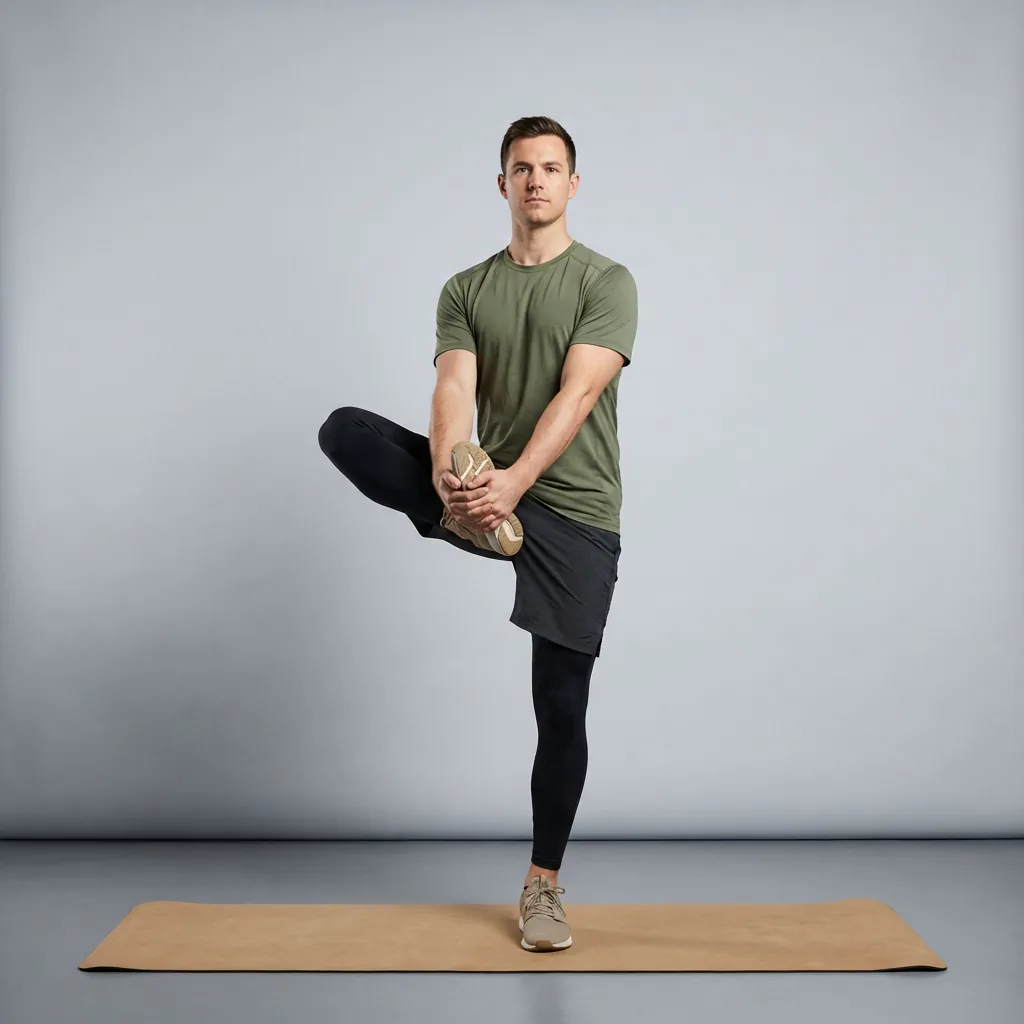
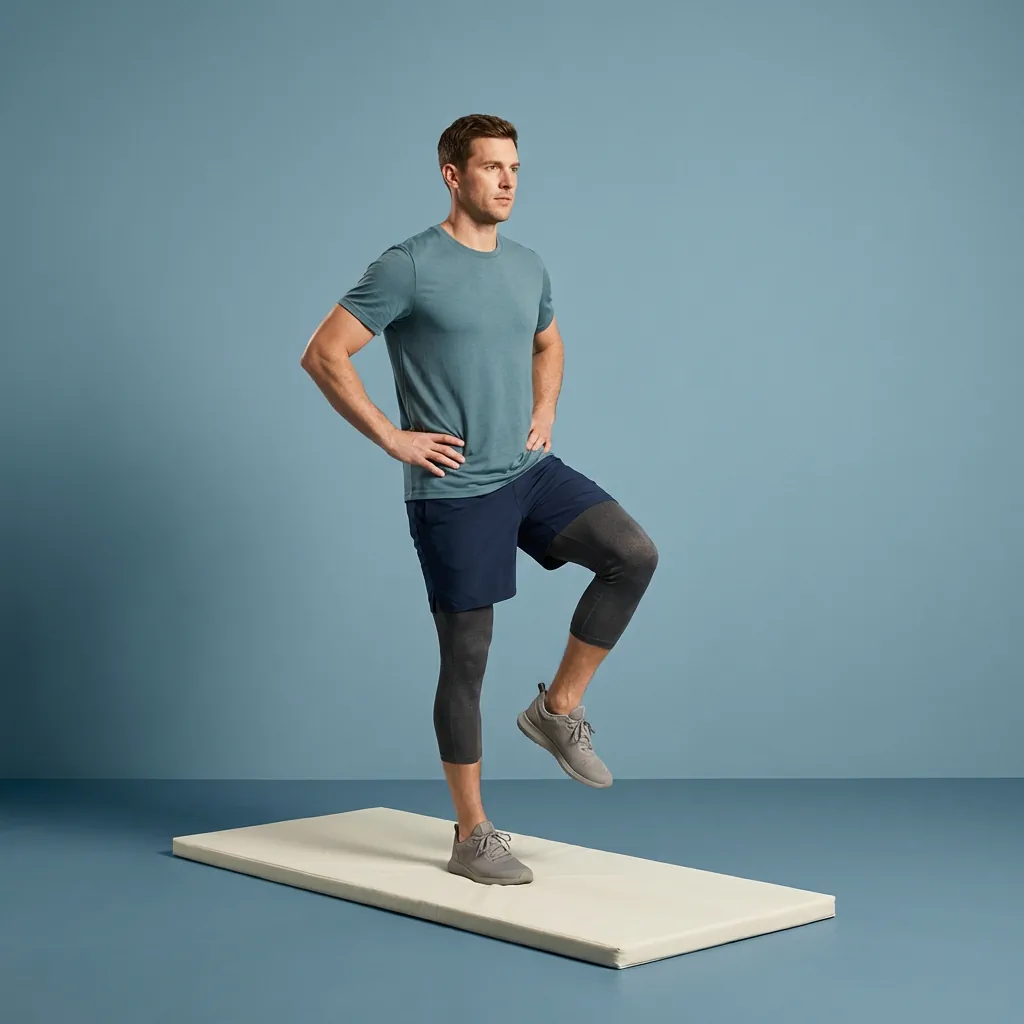
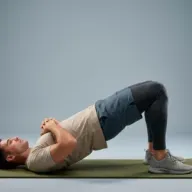
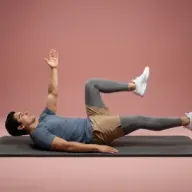
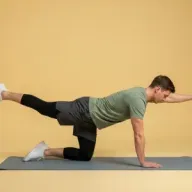
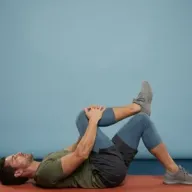
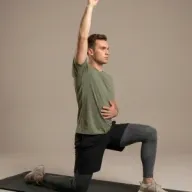
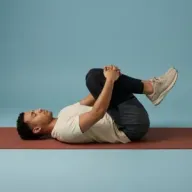
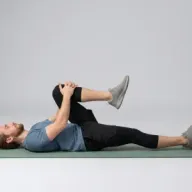
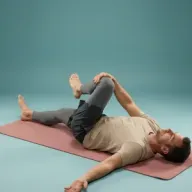
This Flexor routine supports hip and back comfort as a connected movement pattern. Cat-cow and standing hip openers start global movement. Knees hugs and hamstring scoops add rhythm and posterior length. Pelvic tilt press, bridges, and hip bridges reconnect core support. Dead bug and bird dog stabilize the trunk while hips mobilize. Figure-four stretch and kneeling psoas target deep hip restriction that desk sitting cements in place. Spinal twist and child's pose integrate the release across core, lower back, hips, hip flexors, glutes, adductors, hamstrings, and ankles.
Support hip flexor and glute mobility
When hip flexors feel shortened from sitting and glutes feel underused, the lower back may feel like it is working harder during daily movement. Gentle hip mobility can support back comfort by encouraging smoother mechanics.
- After long desk sessions when both regions feel equally stubborn
- When back stiffness pairs predictably with hip tightness
- As active recovery between harder training days
Flexor sequences mobility and stability in the same flow—because comfort that lasts usually needs both. Tagged comfort-focused and mobility, no equipment required.
The figure-four and kneeling psoas work gives the hips focused attention after stability drills. Flexor sequences these movements so the trunk feels supported while the hips explore comfortable range.
What this session supports
- Supports hip flexor and glute mobility to help the lower back feel more comfortable.
Common questions
What kind of routine is Hip-to-Back Comfort?
Hip-to-Back Comfort is organised in Flexor as a pain relief routine. Use it as general wellness guidance and keep the range comfortable throughout.
How long does Hip-to-Back Comfort take?
Hip-to-Back Comfort takes about 15 min at the guided pace. You can pause, repeat, or stop whenever you need to.
How many stretches are in Hip-to-Back Comfort?
Hip-to-Back Comfort includes 15 guided exercises covering your lower back, hips, spine, and glutes. Follow along in order, and skip any move that does not feel right for you.
Is Hip-to-Back Comfort good for beginners?
Hip-to-Back Comfort is set at a intermediate level in Flexor. Move gently, breathe steadily, and shorten the holds if you want more time to ease in.
Do you need any equipment for Hip-to-Back Comfort?
No. Hip-to-Back Comfort is a no-equipment routine — you only need a little space to move comfortably.
Can this routine treat pain or injuries?
No. Comfort-focused and mobility routines in Flexor support general wellness only. They are not physiotherapy, diagnosis, or medical treatment. Seek professional advice for pain, injury, or health conditions.
Related routines
More sessions in a similar rhythm.