
Lower body
Free the calves and Achilles.
The calves sit at the back of the lower leg and drive every push-off — walking, running, jumping and even standing lean on them. Two muscles do the work: the gastrocnemius you feel with a straight knee, and the soleus underneath it.
Because they run into the Achilles and control the ankle, calf work pays off across the whole lower leg. Reaching both muscles means stretching with the knee straight and bent, plus a little strength to keep them springy.
Start here
A short, guided starting point for Calves — begin gently and stay within a comfortable range.
warm-up
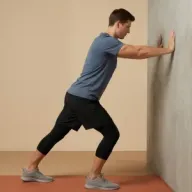
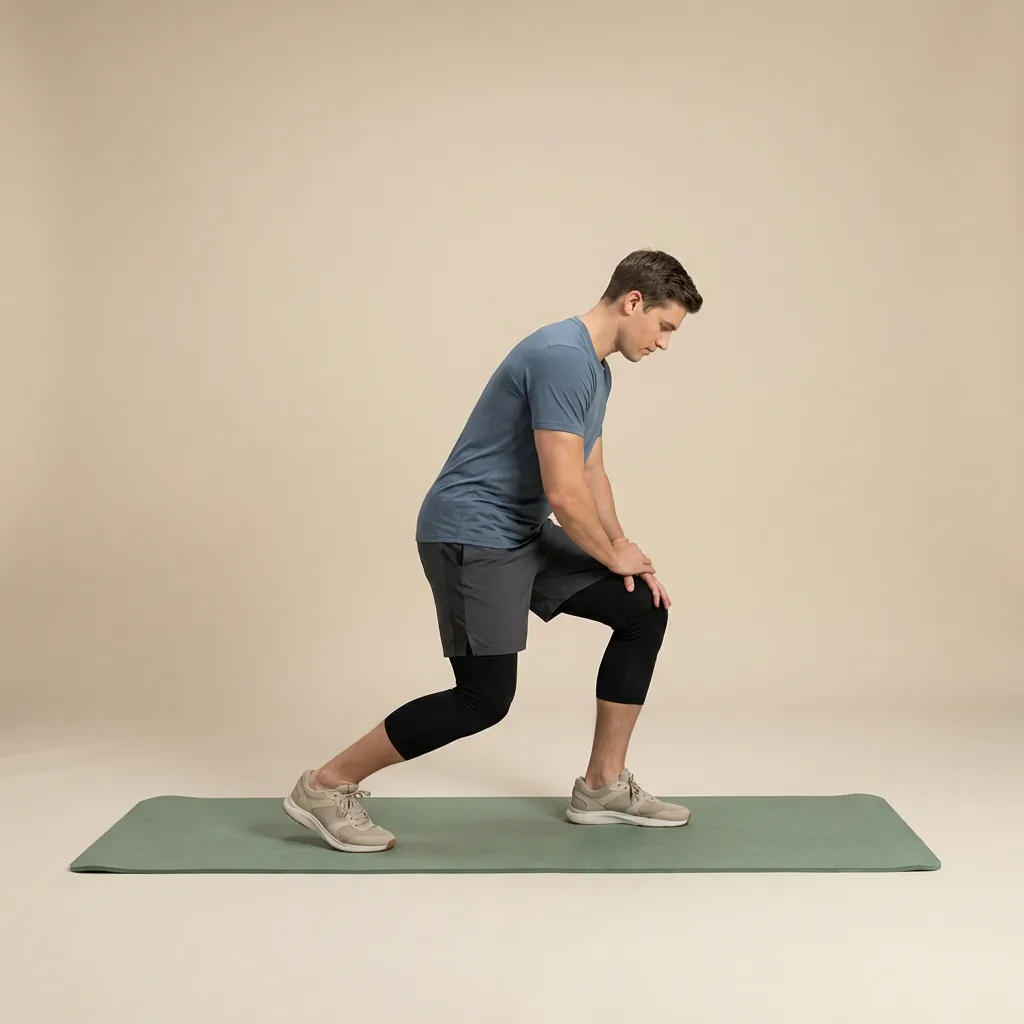
Leaning Calf
straight-knee stretch
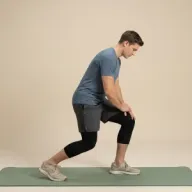
Soleus Stretch
bent-knee stretch
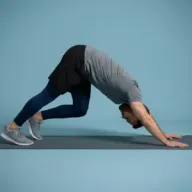
Single Leg Calf Stretch
single side
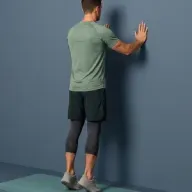
Calf Raises
strength
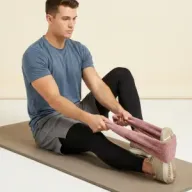
Towel Calf Stretch
seated option
Guided routines to start with
-
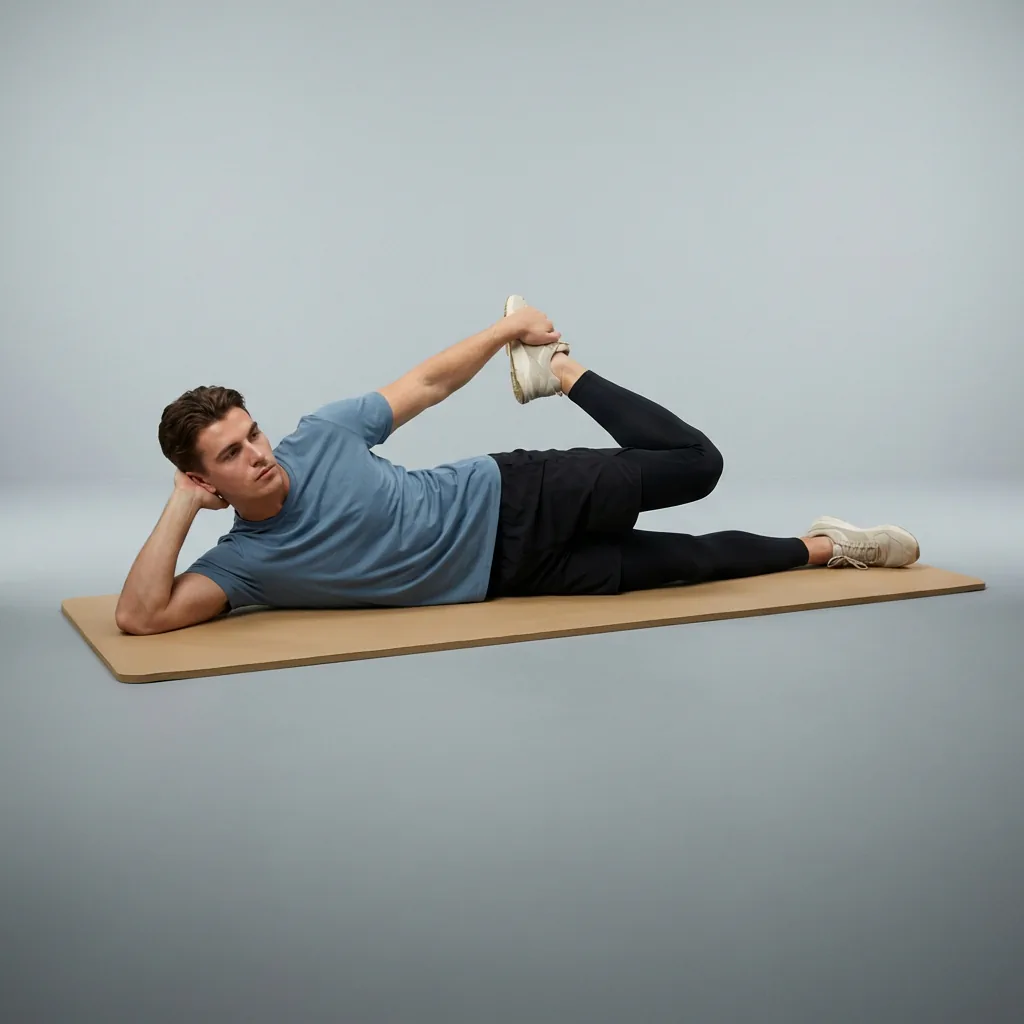 15 min Advanced
Quad & Calf release
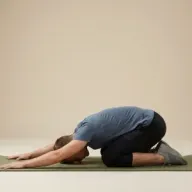
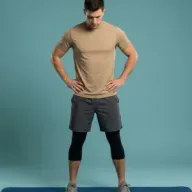
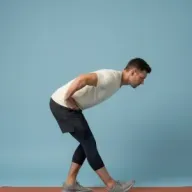
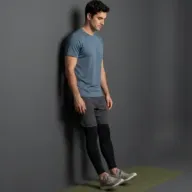
An advanced 15-move leg release — dynamic quad stretch, soleus stretch, and towel calf stretch for thigh and shin tension.
-
-
-
-
-
- +10
-
-
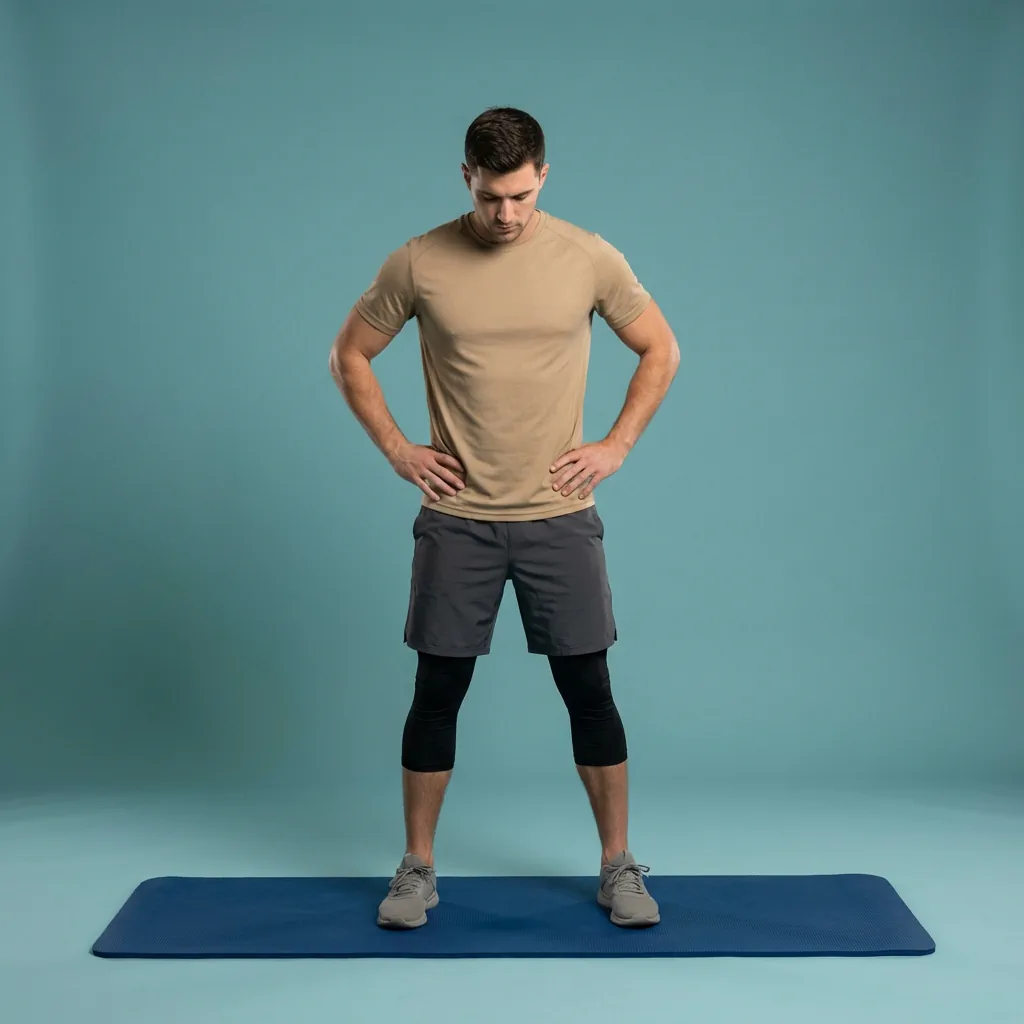 12 min Intermediate
Springy Achilles Routine
A 12-move calf and Achilles flow — gastrocnemius, soleus, and ankle drills for resilient lower-leg push-off.
-
-
-
-
-
- +7
-
-
11 min Intermediate
Cool-Down: Calves and Feet
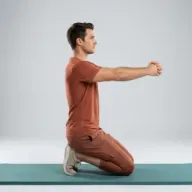
A 9-move lower-leg release — soleus stretch, toe squat, and legs-up-wall for calves, ankles, and plantar fascia after impact.
-
-
-
-
-
- +4
-
About the Calves
The calf is mainly the two-headed gastrocnemius and the deeper soleus, joining into the Achilles tendon that anchors to the heel.
They point the foot and power push-off, storing and returning energy through the Achilles with each stride.
The calves connect the ankle below to the hamstrings above, so calf work supports ankle range and the whole back-of-leg chain.
Ways to work this area
Stretching
A straight-knee lean targets the gastrocnemius; bending the knee shifts it to the soleus.
Mobility
Heel-to-toe rocks move the ankle and calf through a gentle range to warm up.
Control
Slow, full-range calf raises build strength and spring through the tendon.
Activation
Light raises and rocks prime the lower leg before walking or running.
When people reach for this
Tight after running
Straight- and bent-knee stretches ease the calves once the miles are done.
RunnersAchilles feeling stiff
Gentle mobility and controlled raises keep the tendon moving and springy.
Ankle Achilles ComfortAfter a day on your feet
Calf stretches unwind the lower legs after long standing or walking.
Post Workout RecoveryExercises for Calves
Ankle Circles
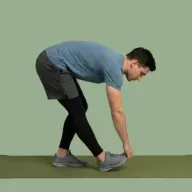
Bent Over Calf
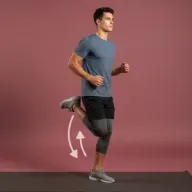
Butt Kicks
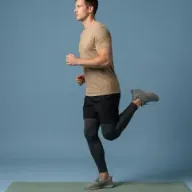
Controlled Butt Kicks
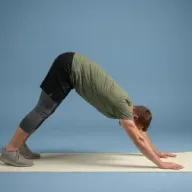
Downward Dog
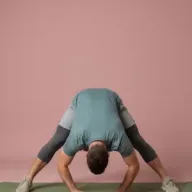
Dynamic Wide Leg Forward Fold
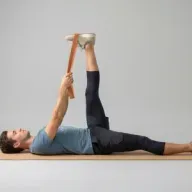
Hamstring Pulls
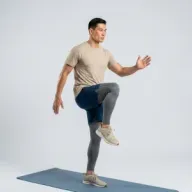
High Knees
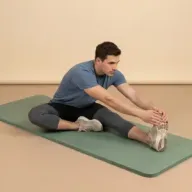
Hurdler
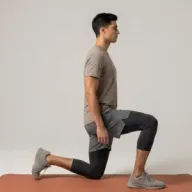
Knee-to-Wall
Lateral Foot Rocks
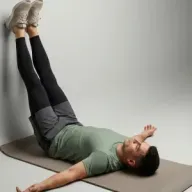
Legs Up the Wall
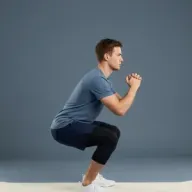
Narrow Squat Hold
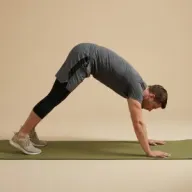
Pike
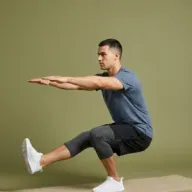
Pistol Squat Hold
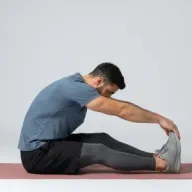
Seated Fold
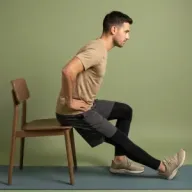
Seated Hamstring
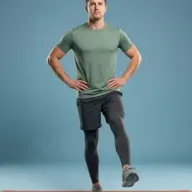
Single Leg Stand
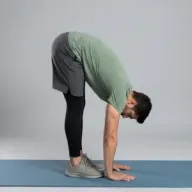
Toe Touch
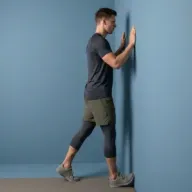
Toe-to-Wall
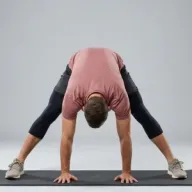
Wide Leg Bend
A lower-leg unwind
Warm the ankle, stretch both calf muscles, then add a little strength. · about 5 min
- 1 Heel-to-Toe Rocks — rock gently to warm up 40 sec
- 2 Leaning Calf — straight back knee, each side 45 sec
- 3 Soleus Stretch — bend the knee, each side 45 sec
- 4 Single Leg Calf Stretch — one leg at a time 40 sec
- 5 Towel Calf Stretch — seated, gentle pull 45 sec
- 6 Calf Raises — slow, full range 40 sec
Routines for Calves
-
11 min Intermediate
Cool-Down: Calves and Feet
A 9-move lower-leg release — soleus stretch, toe squat, and legs-up-wall for calves, ankles, and plantar fascia after impact.
-
-
-
-
-
- +4
-
-
 7 min Beginner
Deep Squat Routine
An 8-move ankle mobility session — talocrural joint drills and calf stretches to support deeper squat depth and stride comfort.
-
-
-
-
-
- +3
-
-
12 min Intermediate
Springy Achilles Routine
A 12-move calf and Achilles flow — gastrocnemius, soleus, and ankle drills for resilient lower-leg push-off.
-
-
-
-
-
- +7
-
Where to start
- Upper calf feels tight
- Use a straight-knee leaning stretch to target the gastrocnemius.
- Stretch feels low near the Achilles
- Bend the knee in a soleus stretch to reach the deeper muscle.
- You want springier calves
- Add slow, full-range calf raises to build strength through the tendon.
Technique and comfort
Helpful cues
- Keep the back heel down and the knee straight to feel the upper calf.
- Bend the back knee for the soleus, keeping the heel grounded.
- Move through the full range on calf raises, pausing briefly at the top.
Ways to make it easier
- Use a wall or step for support during stretches and raises.
- Do the seated towel stretch if standing versions are uncomfortable.
Common mistakes
- Letting the back heel lift, which lets the calf off the stretch.
- Rushing calf raises instead of controlling the lowering phase.
Breathing
Breathe evenly through holds and exhale on the lift of each calf raise.
Related body areas
- Ankles
The calves control the ankle, so the two share mobility work.
- Hamstrings
Both belong to the back-of-leg chain above and below the knee.
- Feet
The Achilles ties the calf to the heel and the foot beneath.
- Shins (Tibialis)
Balancing calf and shin work keeps the lower leg moving evenly.
How Flexor personalises this
Flexor tunes calf work to your load — more stretching after running, more controlled raises when you want spring — from the activities you log.
See daily recommendationsExplore related pages
Move comfortably
- Keep the heel down and ease into a comfortable stretch rather than bouncing.
- Build calf-raise volume gradually, especially if the Achilles feels sensitive.
This is general fitness guidance, not medical treatment. Stop if a movement causes pain and seek professional advice for persistent calf or Achilles trouble.
Read the full wellness disclaimerWritten by Flexor editorial Last reviewed July 2026
Common questions
How do I stretch both calf muscles?
Keep the back knee straight with the heel down to reach the gastrocnemius, then bend the knee for the same position to shift the stretch onto the deeper soleus. Doing both covers the whole calf rather than just the surface muscle.
What is the difference between the gastrocnemius and soleus?
The gastrocnemius is the larger muscle you feel with a straight knee, while the soleus lies underneath and takes over when the knee is bent. Stretching with a straight and a bent knee targets each in turn.
Should I stretch my calves before or after running?
Before running, warm up with gentle heel-to-toe rocks and easy movement rather than long holds. Save the deeper straight- and bent-knee stretches for afterwards, when the calves are warm.
Why do my calves feel tight in the morning?
The calves shorten while you sleep with the feet pointed, so they can feel tight on the first steps of the day. A gentle stretch and some easy movement usually settle them quickly.
Do calf raises help with tight calves?
Strength through range often helps calves feel springier and more resilient, not just looser. Slow, controlled calf raises alongside stretching build that strength — introduce them gradually if the Achilles is sensitive, as general fitness guidance.