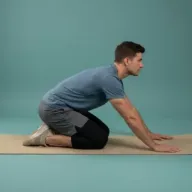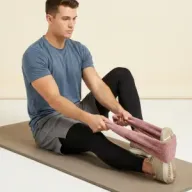
Deep Squat Routine
An 8-move ankle mobility session — talocrural joint drills and calf stretches to support deeper squat depth and stride comfort.



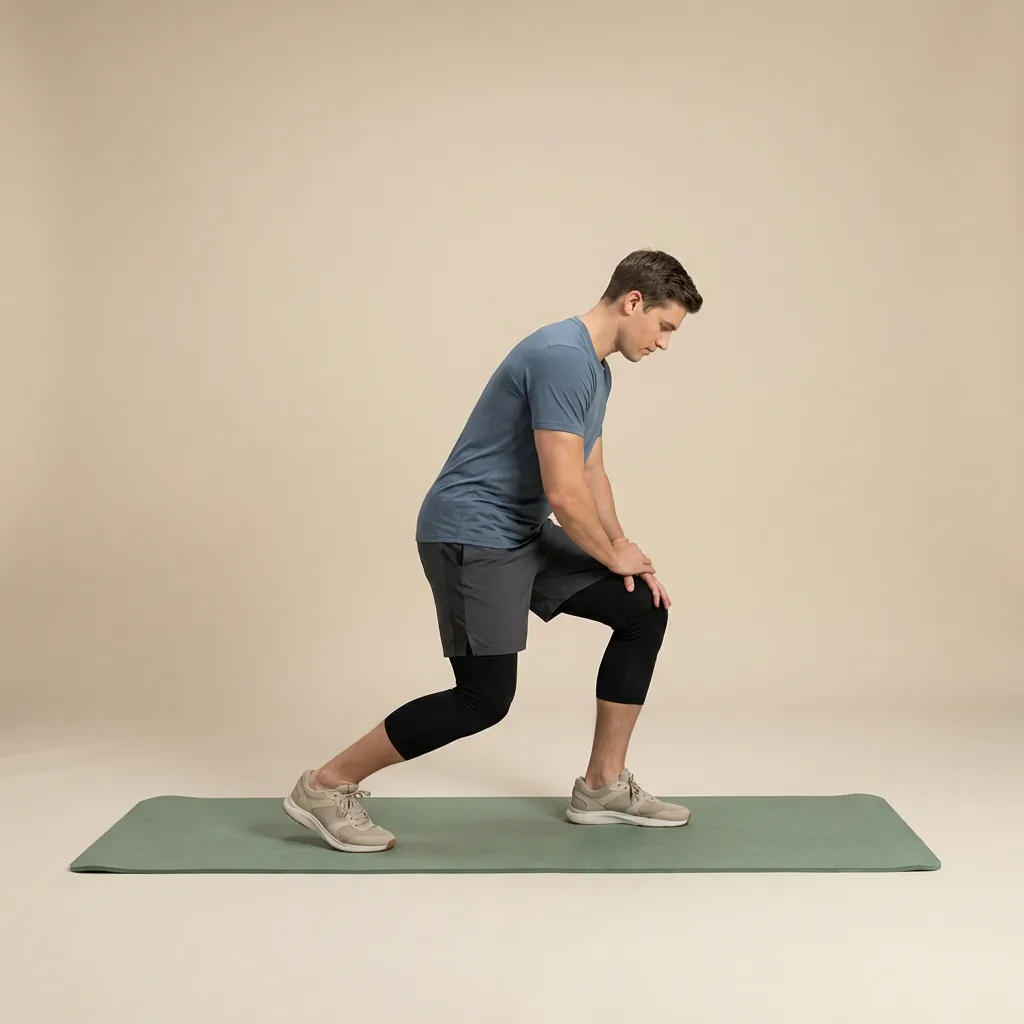
About this routine
You watch someone sink into a relaxed deep squat and wonder why your heels lift the moment you try. Restriction at the ankle—specifically the talocrural joint—is often the hidden ceiling on squat depth. Flexor's Deep Squat Routine targets exactly that with focused joint mobilization designed to clear restriction and support the foundational mobility needed to sit comfortably low.
Ankles as the foundation
Knees and hips get most of the attention in mobility culture, but dorsiflexion at the ankle determines whether you can sit low with a neutral spine. This beginner flow mobilizes the joint directly so depth becomes a mobility question, not a willpower one. The routine also touches knees, calves, and feet—the full base of support.
The sequence in brief
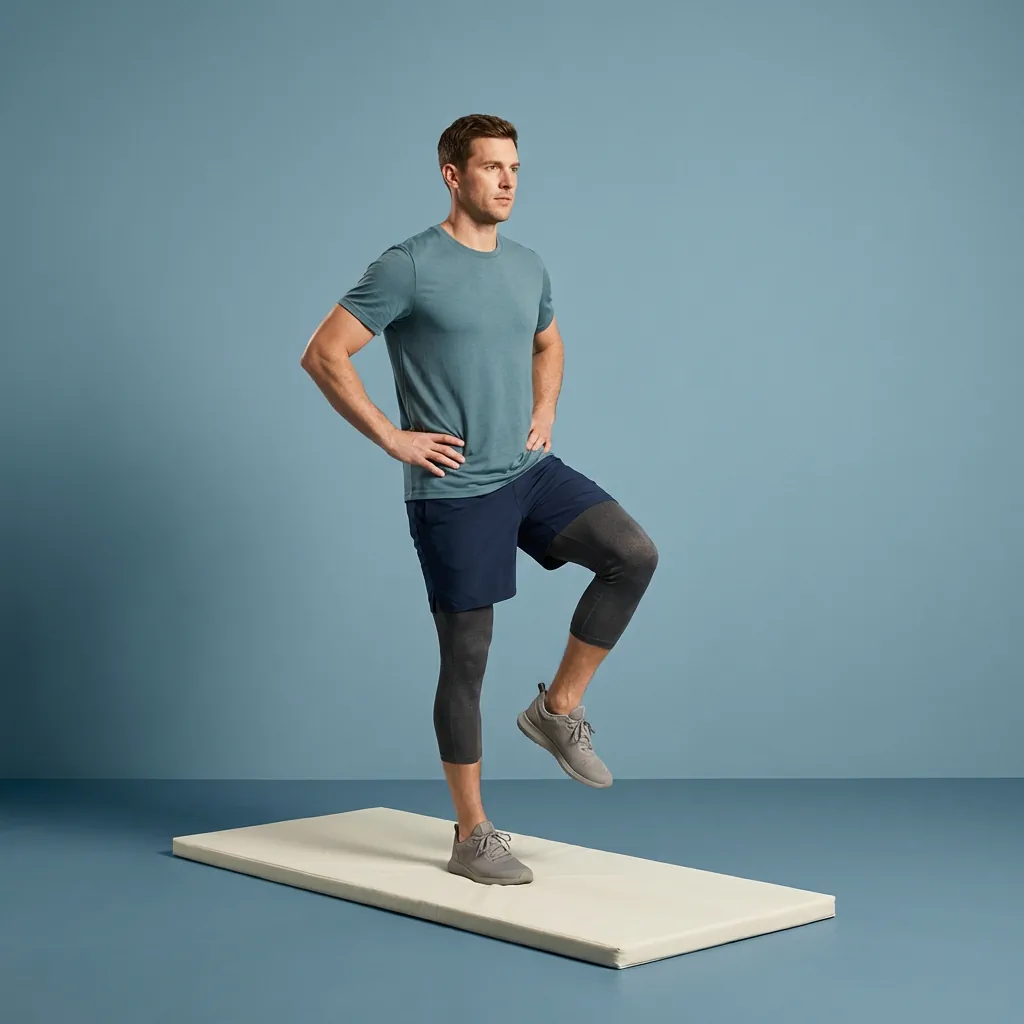
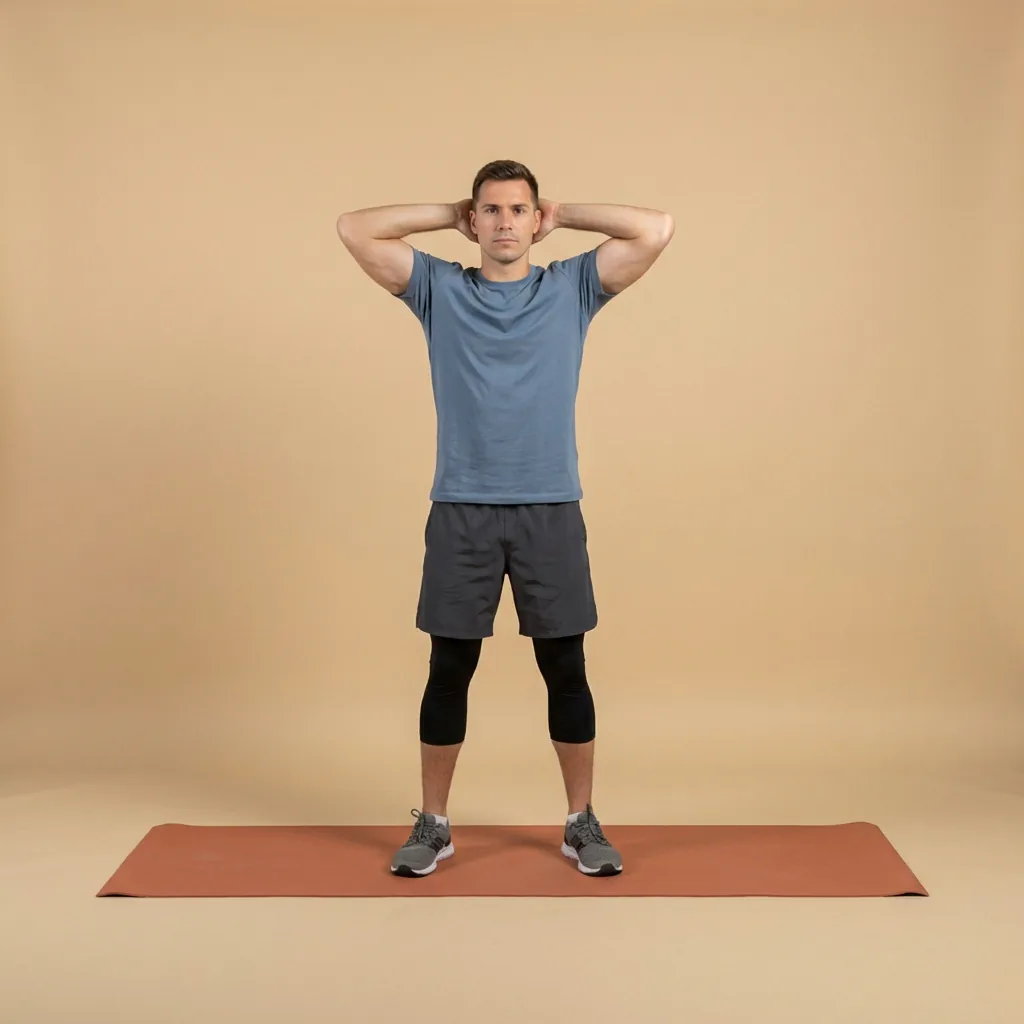
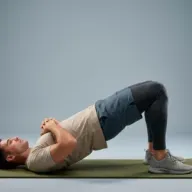
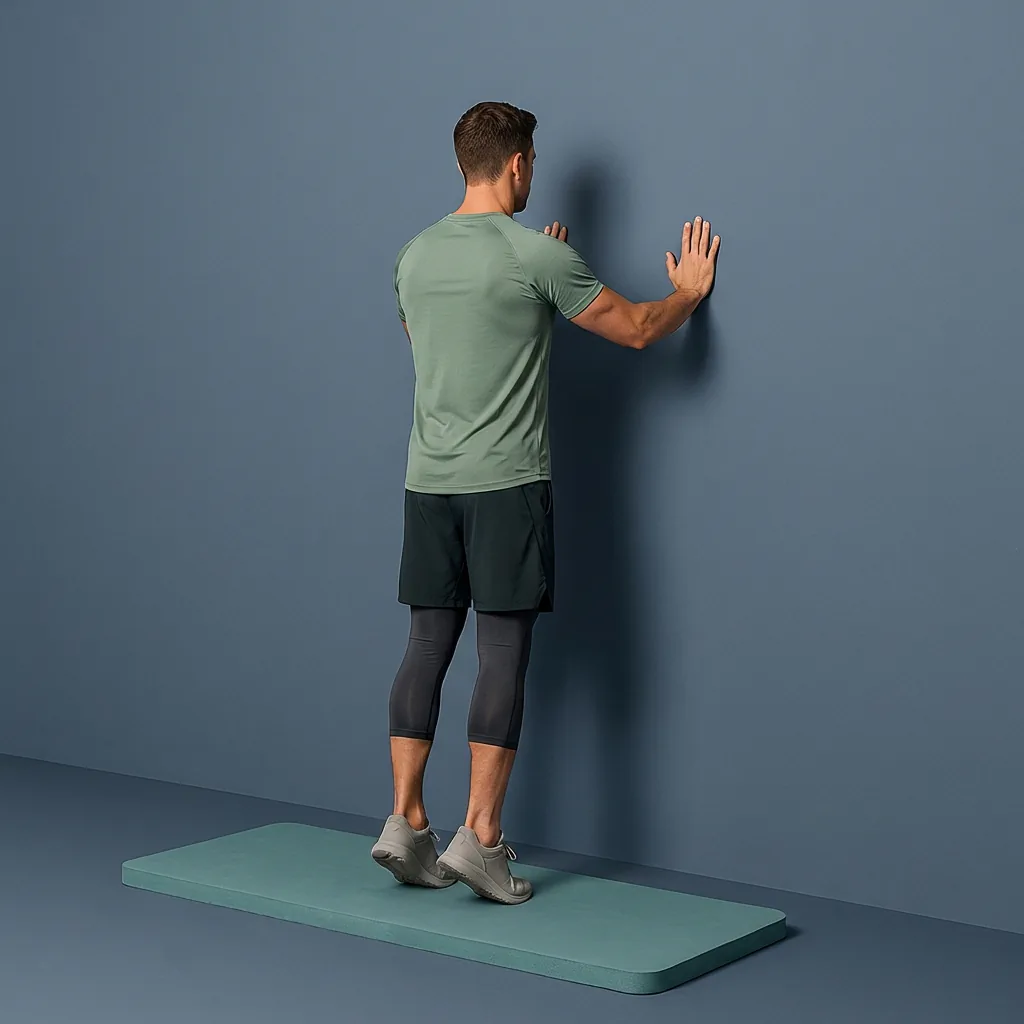
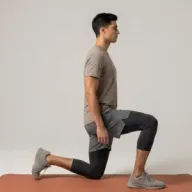
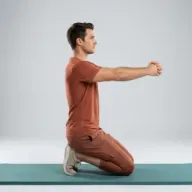
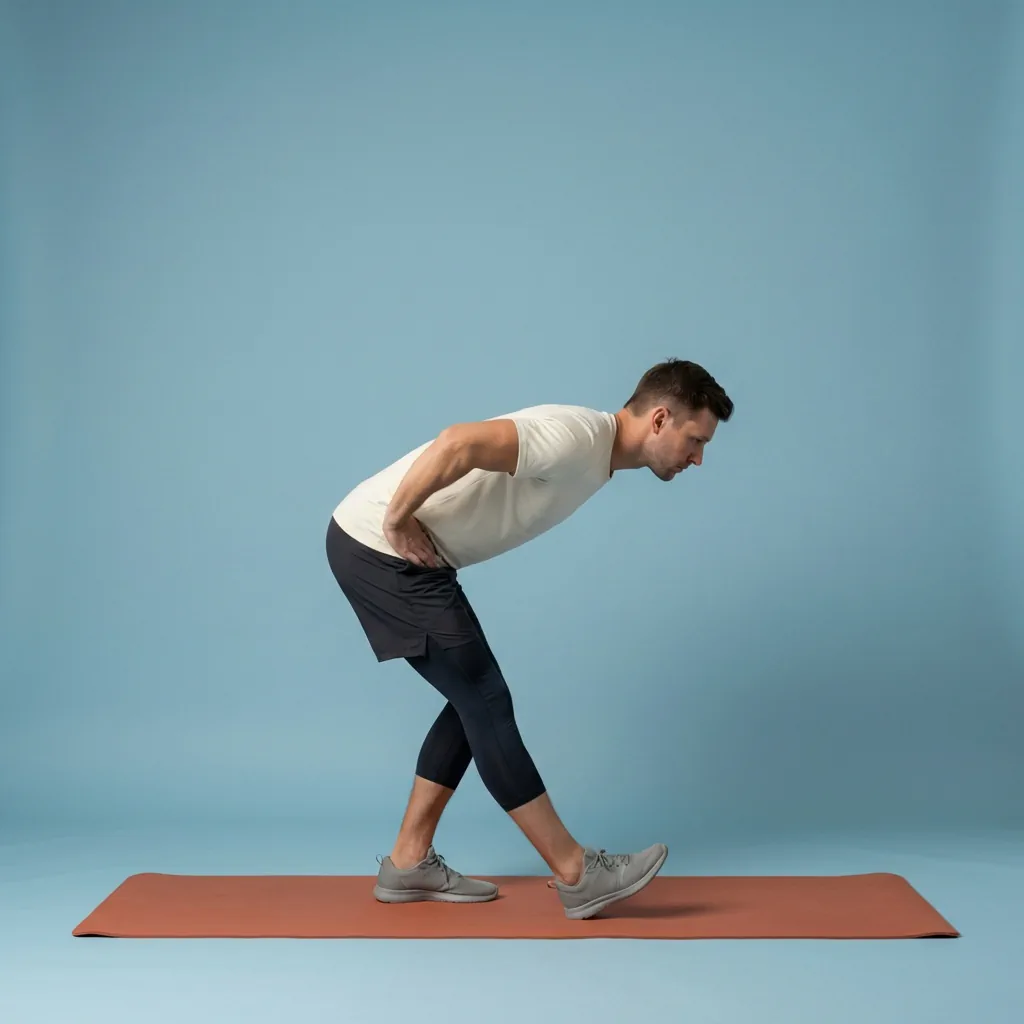
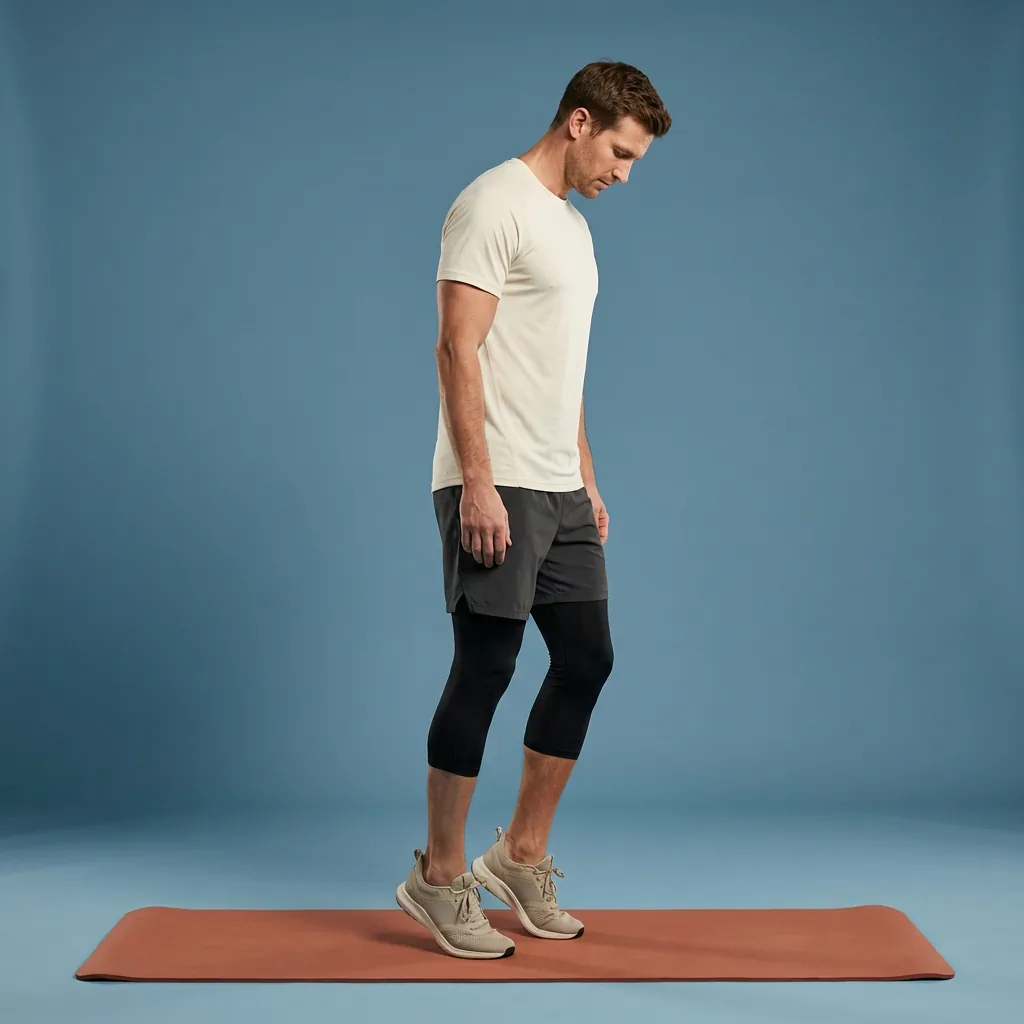
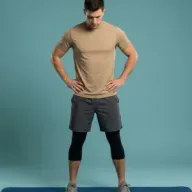
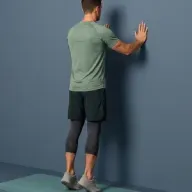
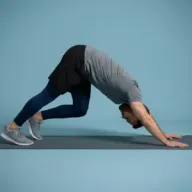
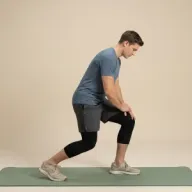
Lying ankle circles ease you in from a supported position. Standing ankle circles, heel-to-toe rocks, and lateral foot rocks wake up the feet in multiple planes. Toe raises and calf raises add active range through the posterior chain. Single-leg calf stretch and soleus stretch finish the lower-leg work that unlocks the bottom position of a squat.
What changes when ankles open up
- Heels stay closer to the floor in squat and lunge patterns
- Stride length feels less restricted on walks, hikes, and stairs
- Sitting low—on a mat, a curb, or the floor—becomes more natural
- Ankle stiffness that tags along with knee discomfort often eases upstream
No equipment, no complexity. Just focused joint mobilization tagged for comfort-focused and ankle stiffness. Run it before squat practice, after long periods of sitting, or as a standalone recovery session when your lower legs feel rigid.
What this session supports
- Supports the foundational mobility needed to sit comfortably in a full, deep squat.
Common questions
What kind of routine is Deep Squat Routine?
Deep Squat Routine is organised in Flexor as a pain relief routine. Use it as general wellness guidance and keep the range comfortable throughout.
How long does Deep Squat Routine take?
Deep Squat Routine takes about 7 min at the guided pace. You can pause, repeat, or stop whenever you need to.
How many stretches are in Deep Squat Routine?
Deep Squat Routine includes 8 guided exercises covering your knees, calves, ankles, and feet. Follow along in order, and skip any move that does not feel right for you.
Is Deep Squat Routine good for beginners?
Deep Squat Routine is set at a beginner level in Flexor. Move gently, breathe steadily, and shorten the holds if you want more time to ease in.
Do you need any equipment for Deep Squat Routine?
No. Deep Squat Routine is a no-equipment routine — you only need a little space to move comfortably.
Can this routine treat pain or injuries?
No. Comfort-focused and mobility routines in Flexor support general wellness only. They are not physiotherapy, diagnosis, or medical treatment. Seek professional advice for pain, injury, or health conditions.
Related routines
More sessions in a similar rhythm.