
Upper body
Shoulder mobility for easy overhead reach.
The shoulder is the most mobile joint in the body, trading stability for a huge range that lets you reach overhead, behind you and across the chest. That freedom depends on the shoulder blade gliding smoothly against the ribs.
Good shoulder work blends gentle openers with control of the shoulder blade, so the range you gain feels supported rather than loose — helpful whether you sit at a keyboard or press weight overhead.
Start here
A short, guided starting point for Shoulders — begin gently and stay within a comfortable range.
warm-up
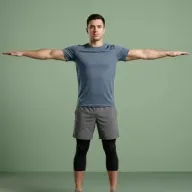
Arm Circles
dynamic range
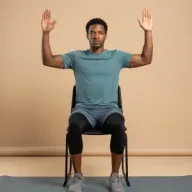
Cactus Arms
posture opener
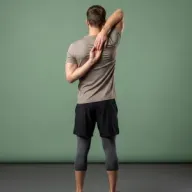
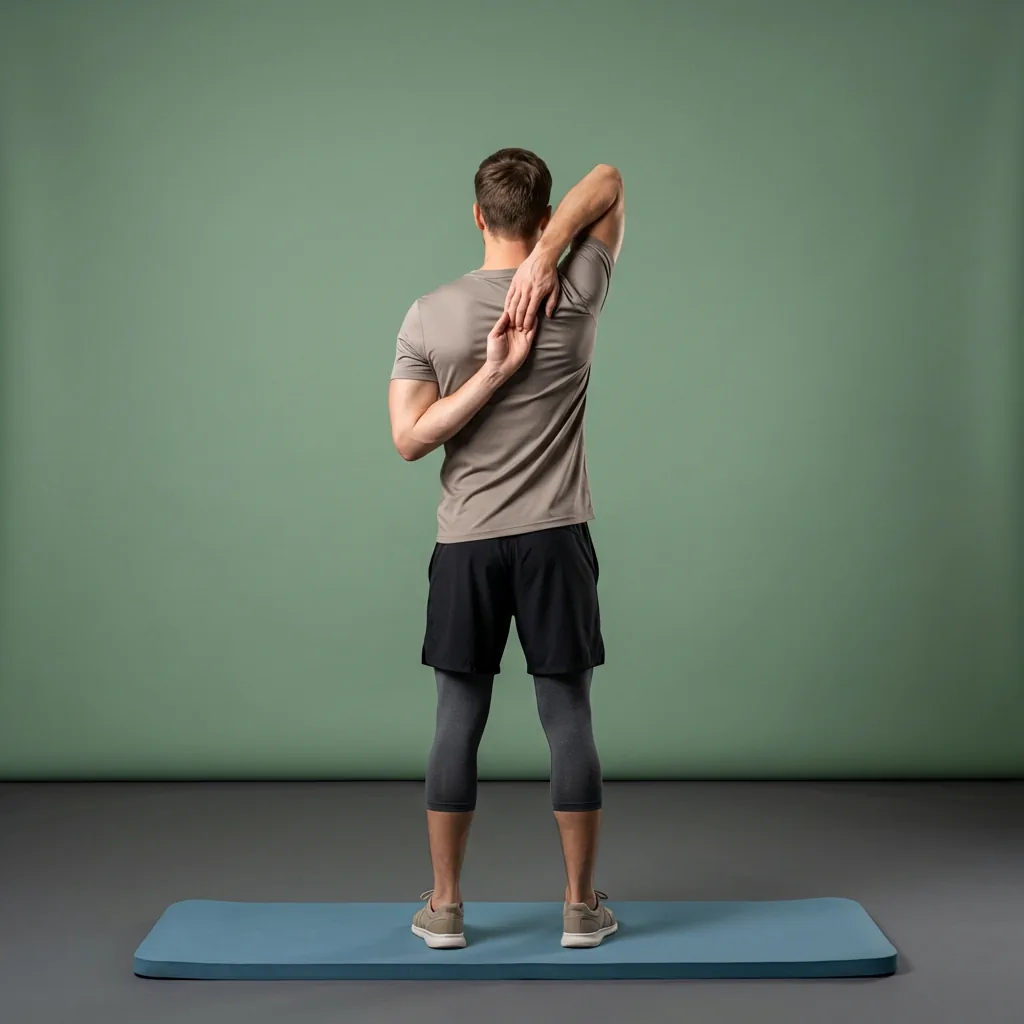
Cow Face
cross-body reach
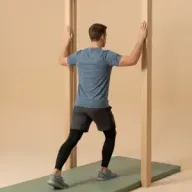
Doorway Pecs
chest opener
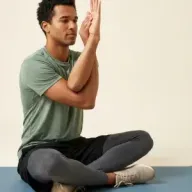
Eagle Arms
upper-back reach
Guided routines to start with
-
 12 min Advanced
Shoulder Space Builder
An advanced 13-move shoulder flow — wall plank, shoulder opener, and puppy pose to create space in the glenohumeral joint.
-
-
-
-
-
- +8
-
-
 9 min Intermediate
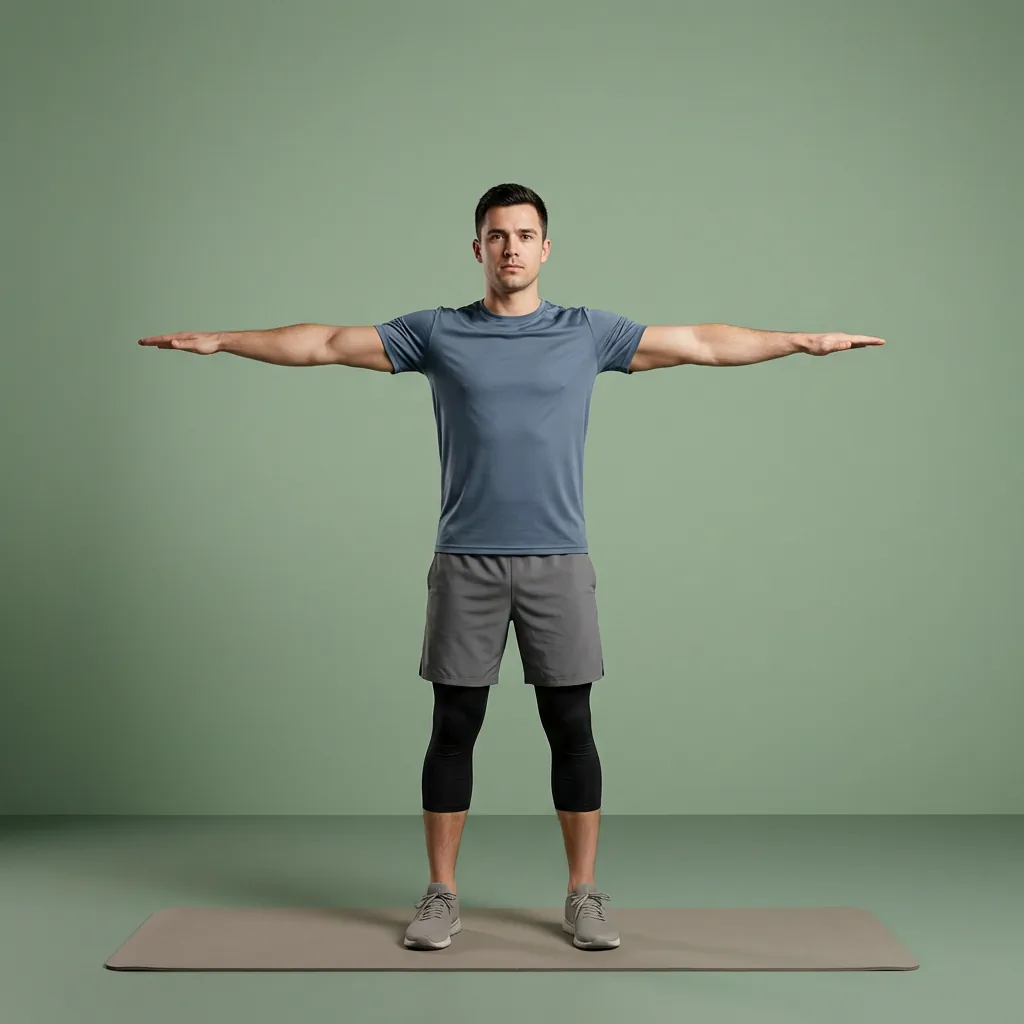
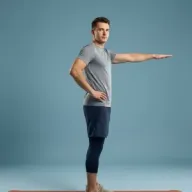
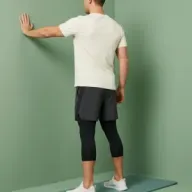
The Chest Opener
A 10-move pec and shoulder opener — doorway pecs, wall pecs, and chest opener to counter rounded-shoulder posture.
-
-
-
-
-

- +5
-
-
 6 min Beginner
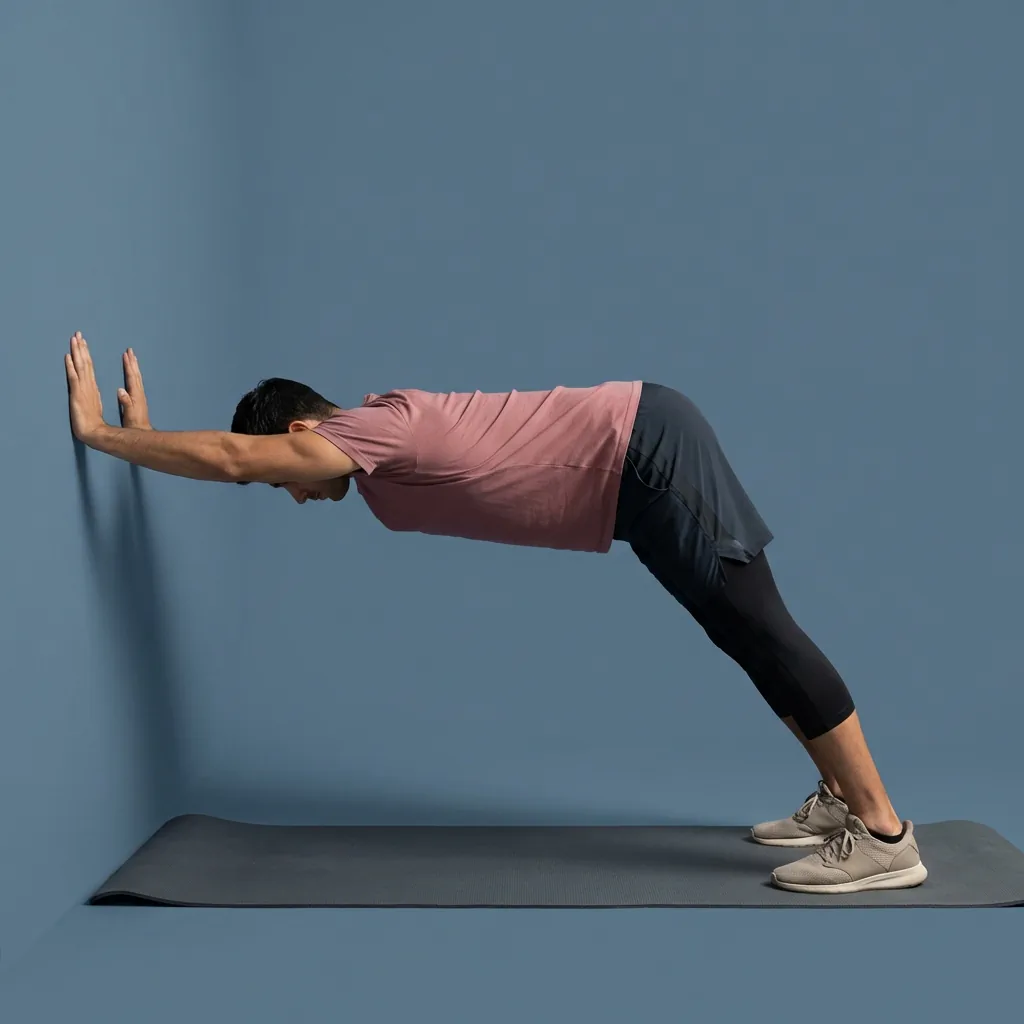
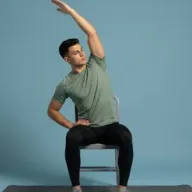
Quick Shoulder Unlock
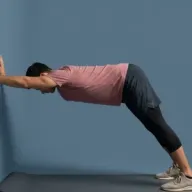
A 6-move chest and shoulder burst — dynamic chest flys, doorway pecs, and wall dog to free overhead reach.
-
-
-
-
-
- +1
-
About the Shoulders
The shoulder is a shallow ball-and-socket joint stabilised by the rotator cuff, with the shoulder blade sliding on the rib cage to add reach.
It positions the hand in space for lifting, carrying, throwing and reaching, so it constantly balances mobility against stability.
Shoulder freedom is tied to the chest and upper back and to a relaxed neck, which is why openers here often touch all three.
Ways to work this area
Stretching
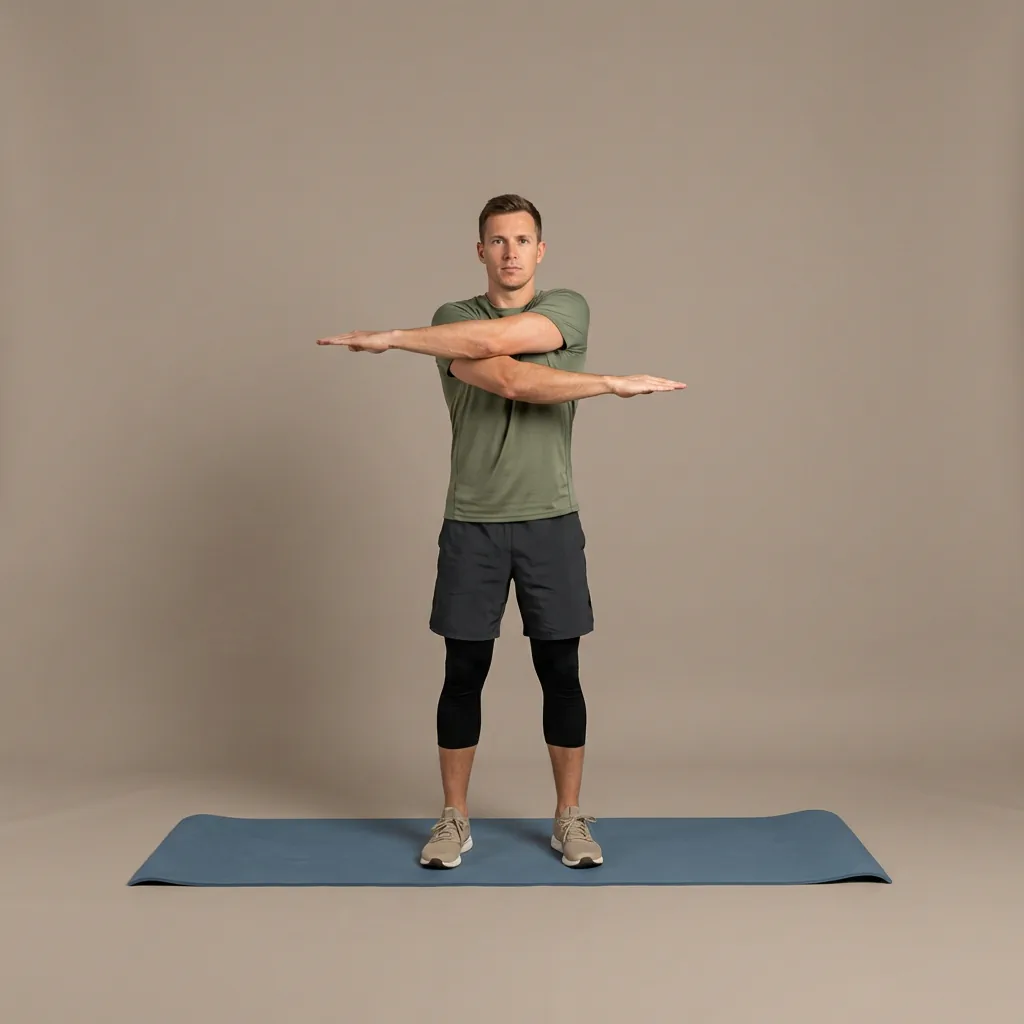
Cross-body and cow-face positions lengthen the back of the shoulder and the chest openers ease the front.
Mobility
Arm circles and cactus arms take the joint through its full overhead and rotational arc.
Control
Slow rolls and blade-focused reaches teach the shoulder blade to move smoothly.
Activation
Light pulls and holds wake up the muscles that keep the shoulder centred as you lift.
When people reach for this
Rounded from desk work
Hours at a keyboard round the shoulders forward, so chest openers help restore an upright, open posture.
Desk StretchingBefore pressing or pulling
Arm circles and cactus arms prime the joint so overhead lifts feel smoother.
WeightliftingStiff after carrying load
Cross-body and cow-face stretches ease the back of the shoulder after a day of bags or lifting.
Shoulder ComfortExercises for Shoulders
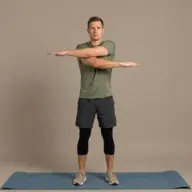
Arm Swings
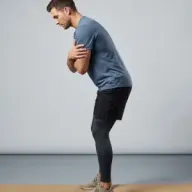
Bear Hug
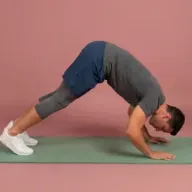
Bent Arm Pike
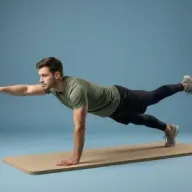
Bird Dog Plank
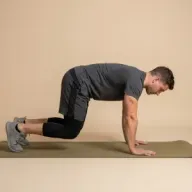
Bulldog
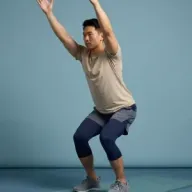
Chair Pose
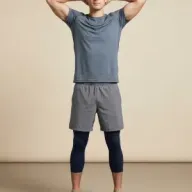
Chest Opener

Child’s Pose
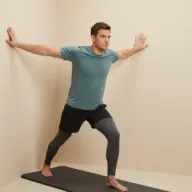
Corner Pecs Stretch
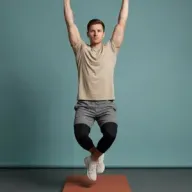
Dead Hang
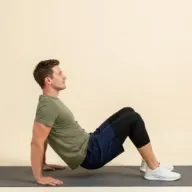
Dip Hold
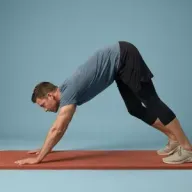
Down Dog Split
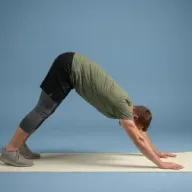
Downward Dog
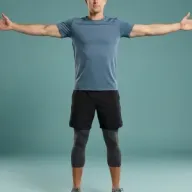
Dynamic Chest Flys
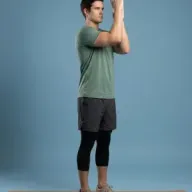
Eagle Arm
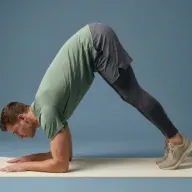
Elbow Pike
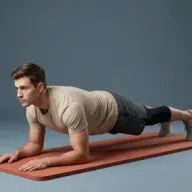
Elbow Plank
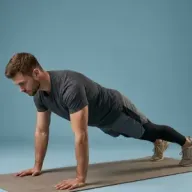
Hand Plank
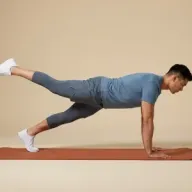
Hand Plank Leg Lift
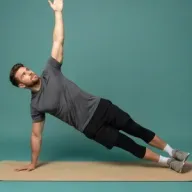
Hand Side Plank
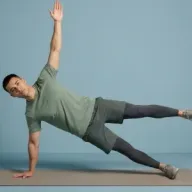
Hand Side Plank Leg Lift
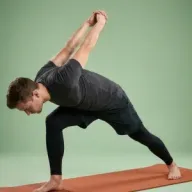
Humble Warrior
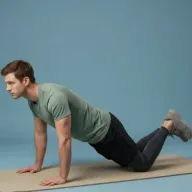
Knee Push-Ups
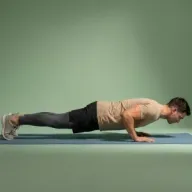
Narrow Push Up Hold
A shoulder opener flow
Warm the joint, open the chest, then reach across the body. · about 5 min
- 1 Shoulder Rolls — loosen the joint 30 sec
- 2 Arm Circles — both directions 40 sec
- 3 Cactus Arms — draw the blades together 40 sec
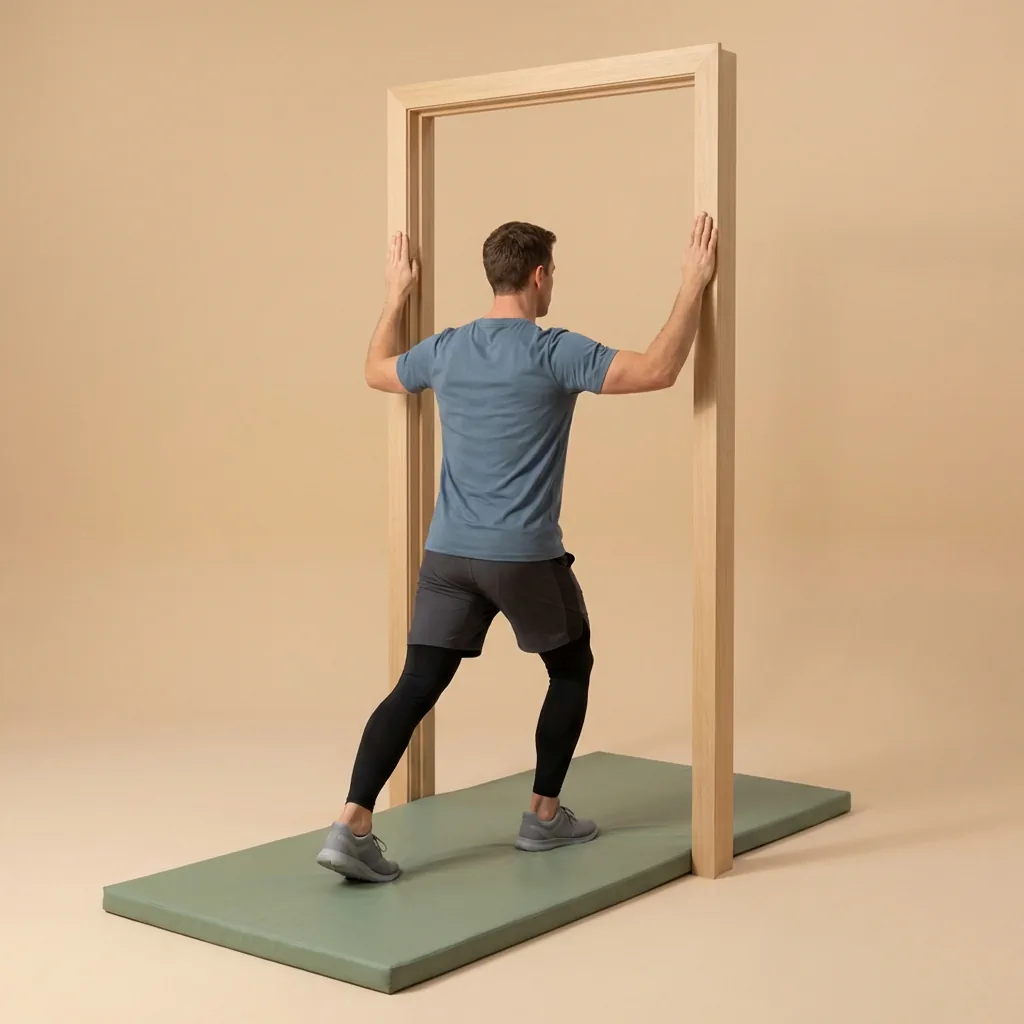
- 4 Doorway Pecs — open the chest, each side 45 sec
- 5 Cow Face — reach across, each side 45 sec
- 6 Eagle Arms — spread the upper back to finish 40 sec
Routines for Shoulders
-
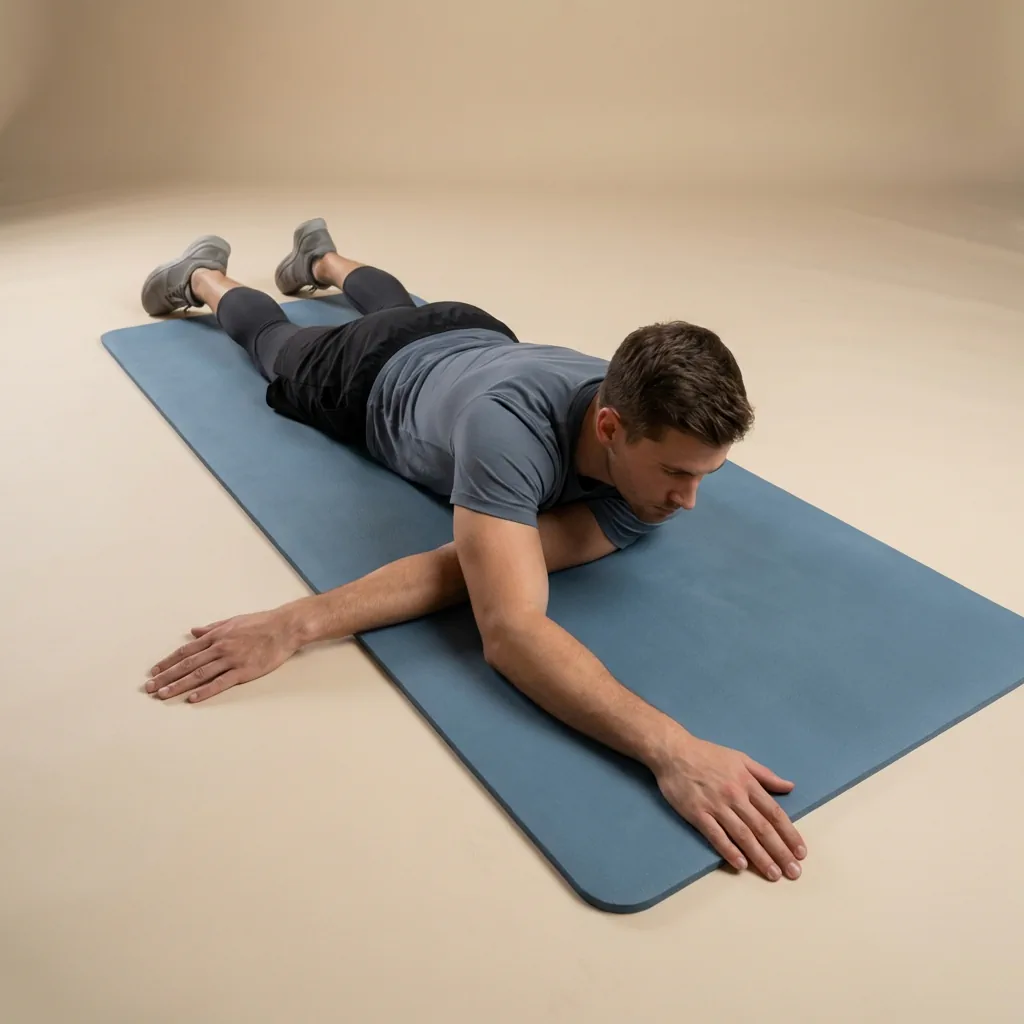
 11 min Beginner
Overhead Mobility
A beginner 12-move overhead prep — wall dog, puppy pose, and shoulder opener to support vertical arm path without low-back arching.
-
-
-
-
-
- +7
-
-
 8 min Advanced
Pre-Workout Mobility: Shoulders
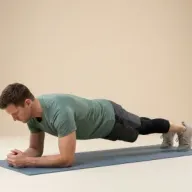
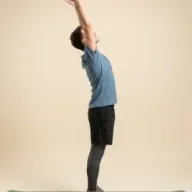
A 9-move shoulder primer — cactus arms, dynamic chest flys, and plank hold for scapular rhythm before upper-body load.
-
-
-
-
-
- +4
-
-
6 min Beginner
Quick Shoulder Unlock
A 6-move chest and shoulder burst — dynamic chest flys, doorway pecs, and wall dog to free overhead reach.
-
-
-
-
-
- +1
-
-
 14 min Intermediate
Shoulder Glide Routine
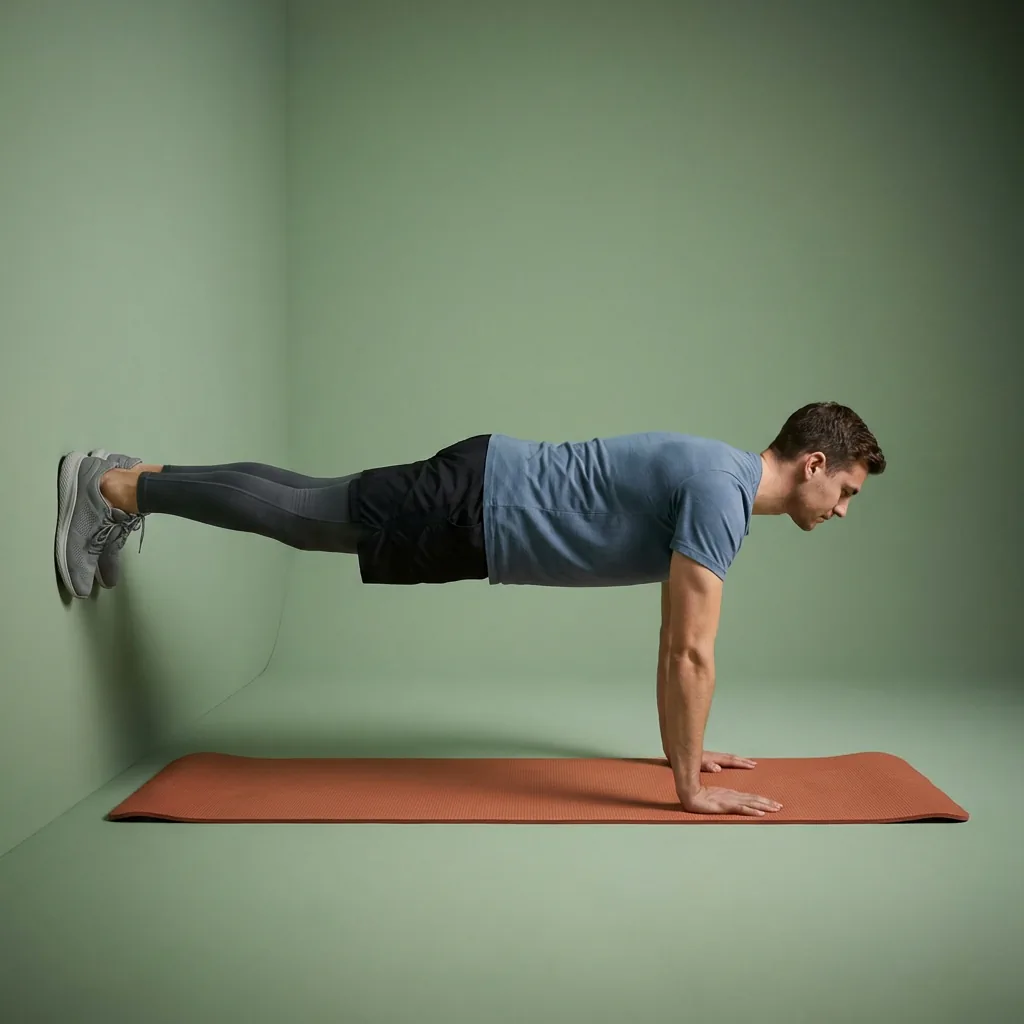
A rhythmic 15-move scapular flow — wall dog, eagle arms, and thread the needle for smoother shoulder-blade tracking.
-
-
-
-
-
- +10
-
-
12 min Advanced
Shoulder Space Builder
An advanced 13-move shoulder flow — wall plank, shoulder opener, and puppy pose to create space in the glenohumeral joint.
-
-
-
-
-
- +8
-
-
14 min Advanced
Shoulder Stability & Ease
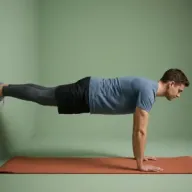
An advanced 15-move shoulder session — wall plank, rotator cuff activation, and controlled reaches for stable, mobile arms.
-
-
-
-
-
- +10
-
-
 10 min Beginner
Warm-Up: Shoulder Readiness
An 11-move shoulder prep — wall arms, dynamic chest flys, and overhead reach for rotator cuff and scapular readiness.
-
-
-
-
-
- +6
-
Where to start
- Shoulders round forward from typing
- Prioritise chest openers like doorway pecs and cactus arms.
- Overhead reach feels blocked
- Warm up with arm circles, then work cactus arms and eagle arms.
- The back of the shoulder feels tight
- Use cross-body cow-face holds and keep them within a comfortable pull.
Technique and comfort
Helpful cues
- Keep the neck long and the shoulders down away from the ears as you reach.
- Let the shoulder blade move with the arm rather than hitching the whole shoulder up.
- In a doorway opener, step through only until you feel a gentle chest stretch.
Ways to make it easier
- Use a strap between the hands for cow-face if the fingers do not meet.
- Lower the arm height in doorway openers to reduce intensity.
Common mistakes
- Shrugging the shoulders toward the ears during overhead reaches.
- Pushing into a chest opener until it pinches at the front of the joint.
Breathing
Breathe evenly and exhale as you open the chest so the front of the shoulder relaxes.
Related body areas
- Neck
A relaxed neck lets the shoulders move without hitching upward.
- Upper Back
The shoulder blades ride on the upper back, so the two move together.
- Chest
Open pecs give the shoulders room to sit back and reach overhead.
- Forearms
Wrist and forearm ease supports overhead and pressing positions.
How Flexor personalises this
Flexor can lean your shoulder sessions toward posture openers or overhead prep depending on whether you flag desk work or lifting.
Build a custom routineExplore related pages
Move comfortably
- Keep openers to a comfortable stretch and avoid any position that pinches the front of the joint.
- Warm up with circles before deeper overhead work.
This is general fitness guidance, not medical treatment. Stop if a movement causes pain and seek professional advice for ongoing shoulder trouble.
Read the full wellness disclaimerWritten by Flexor editorial Last reviewed July 2026
Common questions
How do I improve overhead shoulder mobility?
Warm the joint with arm circles, then work cactus arms and eagle arms to move the shoulder blade through its range. Pair the openers with light control work so the reach you gain feels stable rather than loose.
Which stretches help rounded shoulders?
Chest openers such as doorway pecs and cactus arms counter the forward-rounded position that builds up from desk work. Doing them regularly, alongside gentle upper-back work, tends to help more than a single long session.
Why do my shoulders feel tight after sitting?
Long periods hunched toward a screen keep the chest short and the upper back rounded, which the shoulders feel as tightness. A few openers through the day usually keep things feeling freer than one big stretch.
Should I stretch my shoulders before lifting?
Before lifting, favour dynamic movement like arm circles and cactus arms to prepare the joint. Save longer cross-body holds for afterwards, when the muscles are already warm.
Is it normal for one shoulder to be tighter?
Yes, small side-to-side differences are common and often relate to how you carry bags or use a mouse. Spend a little more time on the tighter side and keep both within a comfortable range.
Do I need weights for shoulder mobility?
No. The movements here use body weight, a doorway or a wall. A light strap can help with cow-face if your hands do not yet meet behind the back.