Dead Hang
Hang from a bar with straight arms to decompress the shoulders and grip the lats.
Overview
Dead Hang is an intermediate isometric hang on Flexor that suspends the body from a bar to decompress the shoulders and build grip endurance.
What Dead Hang targets
You'll feel length through the lats and shoulders and work in the forearms and grip as the body hangs with active shoulders.
Why add Dead Hang to your routine
Decompresses the shoulders and thoracic spine under bodyweight.
- Builds grip endurance and lat engagement with minimal joint load.
- Useful before pull-up work or after heavy overhead training.
Who it's for
Anyone with access to a pull-up bar who wants shoulder decompression or grip work.
When to do it
Use before upper-body sessions, after climbing, or as a short spinal traction break.
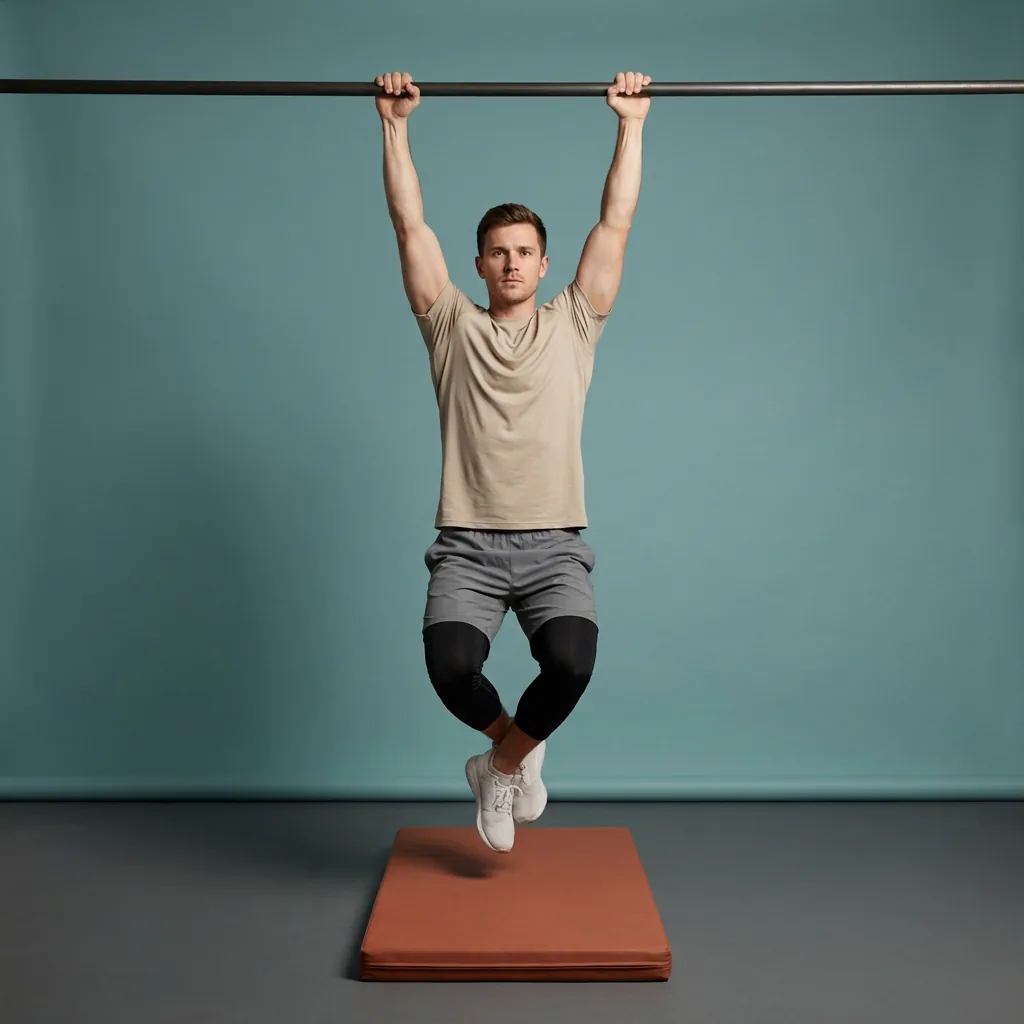
Dead Hang is an isometric hang from a pull-up bar with arms extended and shoulders lightly engaged. Let the body hang to open the shoulders and spine, using a box under the feet for assistance if needed.
Setup cue
Stand under a pull-up bar and take an overhand grip about shoulder-width apart. Step or lightly jump into a hang with arms long and shoulders active.
Practice notes
In Flexor, Dead Hang is typically prescribed as about 45 sec per round, 1 rep, and 1 set. Adjust the dosage to what feels sustainable, breathe steadily, and ease off if anything feels sharp or unsafe.
Guidance
How to perform, tips, mistakes, safety notes, and benefits for Dead Hang.
Follow these cues in order. Move with control and stay in a comfortable range.
- Stand under a pull-up bar and take an overhand grip about shoulder-width apart.
- Step or lightly jump into a hang with arms long and shoulders active.
- Let your legs hang or keep toes on a box for assistance.
- Hold with steady breathing, then step down before grip fails.
Cues that help the movement stay smoother and more controlled.
- Keep arms long but pull the shoulder blades slightly down — not fully relaxed.
- Breathe steadily; step down before grip failure.
- Use a box under the feet to reduce load if the full hang is too intense.
Patterns to watch for so the shape stays clearer.
- Fully relaxing the shoulders into the ears (passive hang without control).
- Hanging too long and dropping abruptly when grip fatigues.
- Swinging or kicking the legs instead of staying still.
Keep things comfortable and stop if something feels wrong.
- Stop if shoulder pain increases; reduce the load or range and keep shoulder-blade movement controlled.
- Stop if you feel sharp pain, numbness, tingling, dizziness, or symptoms that radiate.
- Stay within a comfortable, controlled range; muscular effort or mild stretch tension should not become pain.
- Move smoothly without bouncing, jerking, or forcing the range.
Why people include this movement in their practice.
- Decompresses the shoulders and thoracic spine under bodyweight.
- Builds grip endurance and lat engagement with minimal joint load.
- Useful before pull-up work or after heavy overhead training.
Similar movements to explore next
-
Wall Plank
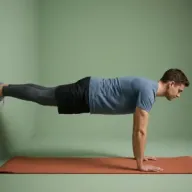
Hold a horizontal body line with feet on the wall and hands on the floor to train inverted core and shoulder stability.
-
Arm Swings
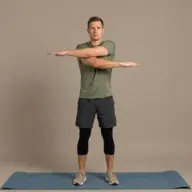
Rhythmic forward-and-back arm swings to loosen the shoulders and upper back before activity.
-
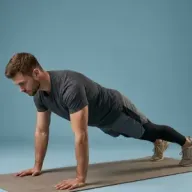
Hand Plank
Hold a high plank on straight arms with a straight line from head to heels and steady core bracing.
-
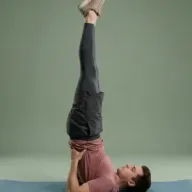
Shoulder Stand
Inverted shoulder-supported hold with legs overhead to load the neck, core, and upper back.
-
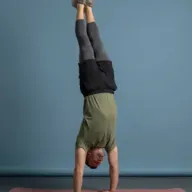
Wall Handstand
Kick up into a wall-supported handstand to build inverted shoulder stability and body alignment.
-
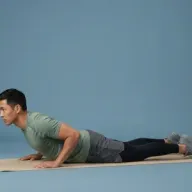
Baby Cobra
Small prone chest lift driven by the upper back to gently extend the thoracic spine.
-
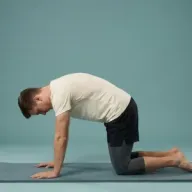
Cat Cow
Hands-and-knees spinal wave that alternates arching and rounding the back with the breath.
-
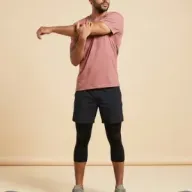
One Arm Hug
Cross-body arm hug that stretches the rear shoulder and upper back.
Common questions
Which body areas does Dead Hang target?
Dead Hang is a movement that mainly targets your shoulders, upper back, and core. Move within a comfortable range and skip it if it does not feel suitable for you.
Which muscles does Dead Hang work?
Primary muscles associated with Dead Hang include latissimus dorsi. Flexor presents this as general wellness guidance, not a clinical assessment.
Is Dead Hang suitable for beginners?
Dead Hang is listed as intermediate in Flexor. Choose a smaller range of motion, fewer repetitions, or an easier variation whenever you want more control.
How long should you hold Dead Hang?
In Flexor, Dead Hang runs for about 45 sec per round. Adjust the time to what feels sustainable, breathe steadily, and ease off sooner if anything feels sharp.
How do you do Dead Hang?
Dead Hang has 4 guided steps. Follow them in order on this page, breathe steadily, and keep the movement smooth and within a comfortable range. Stop if anything feels sharp, unstable, or unsafe for you.
Which Flexor routines include Dead Hang?
Dead Hang appears in guided Flexor sessions such as Recovery: Full-Body Reset, Pre-Workout Mobility: Full Body, Post-Workout Stretch: Chest & Shoulders, and Full-Body Flexibility Builder. Open a routine page to follow the full sequence, or practise this movement on its own from this guide.
Is this medical advice?
No. Flexor provides general fitness and wellness guidance. It does not diagnose, treat, or prevent medical conditions. Speak with a qualified professional about injuries, persistent pain, or health concerns.