
Upper body
Ease the muscles behind your grip.
The forearms drive almost everything the hands do — gripping, typing, lifting and carrying all run through the muscles between the elbow and wrist. Long spells of the same motion can leave them tight and tender.
A short round of wrist flexion, extension and gentle circles gives those muscles length and keeps the wrists moving comfortably.
Start here
A short, guided starting point for Forearms — begin gently and stay within a comfortable range.
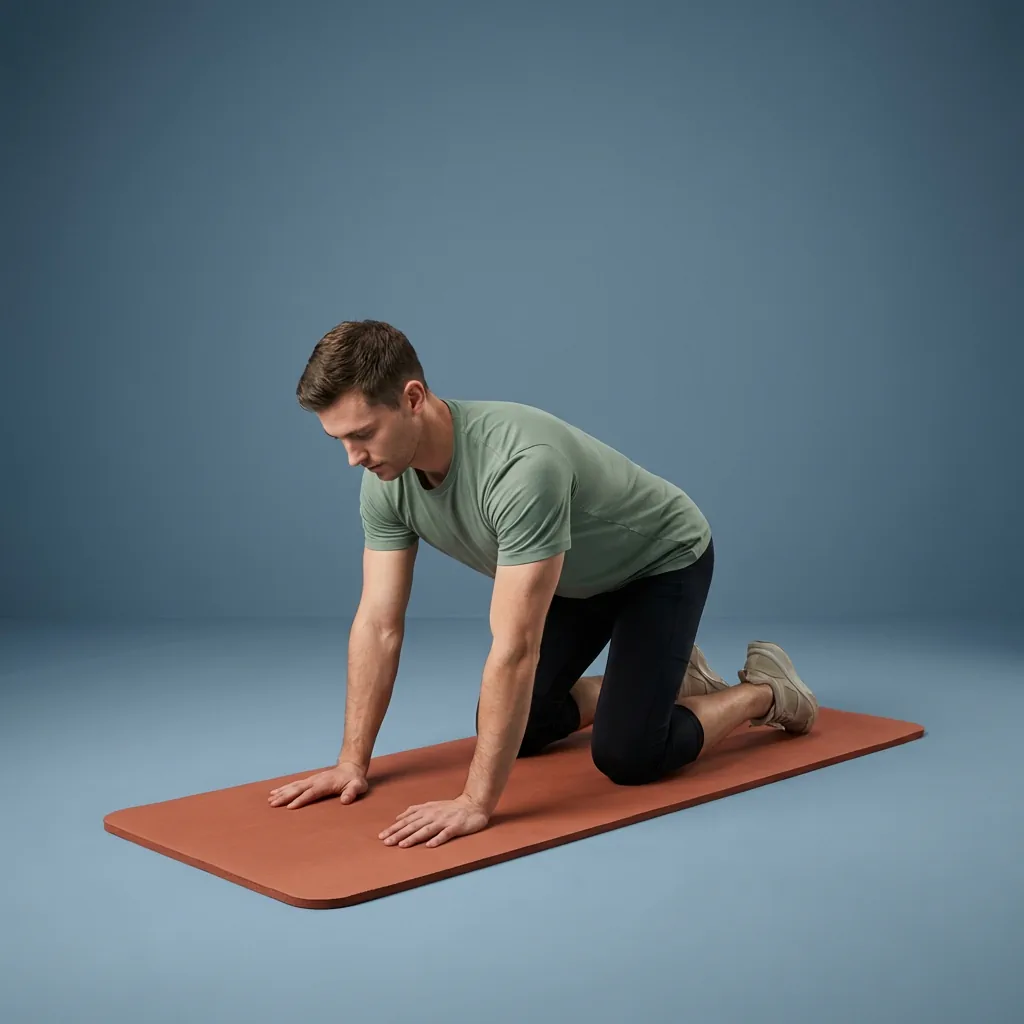
underside
Wrist Extension
top side
Wrist Circles
mobility
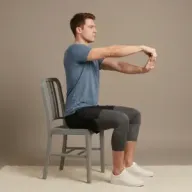
Forearm Stretch
full forearm
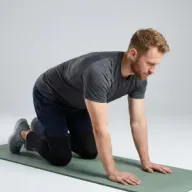
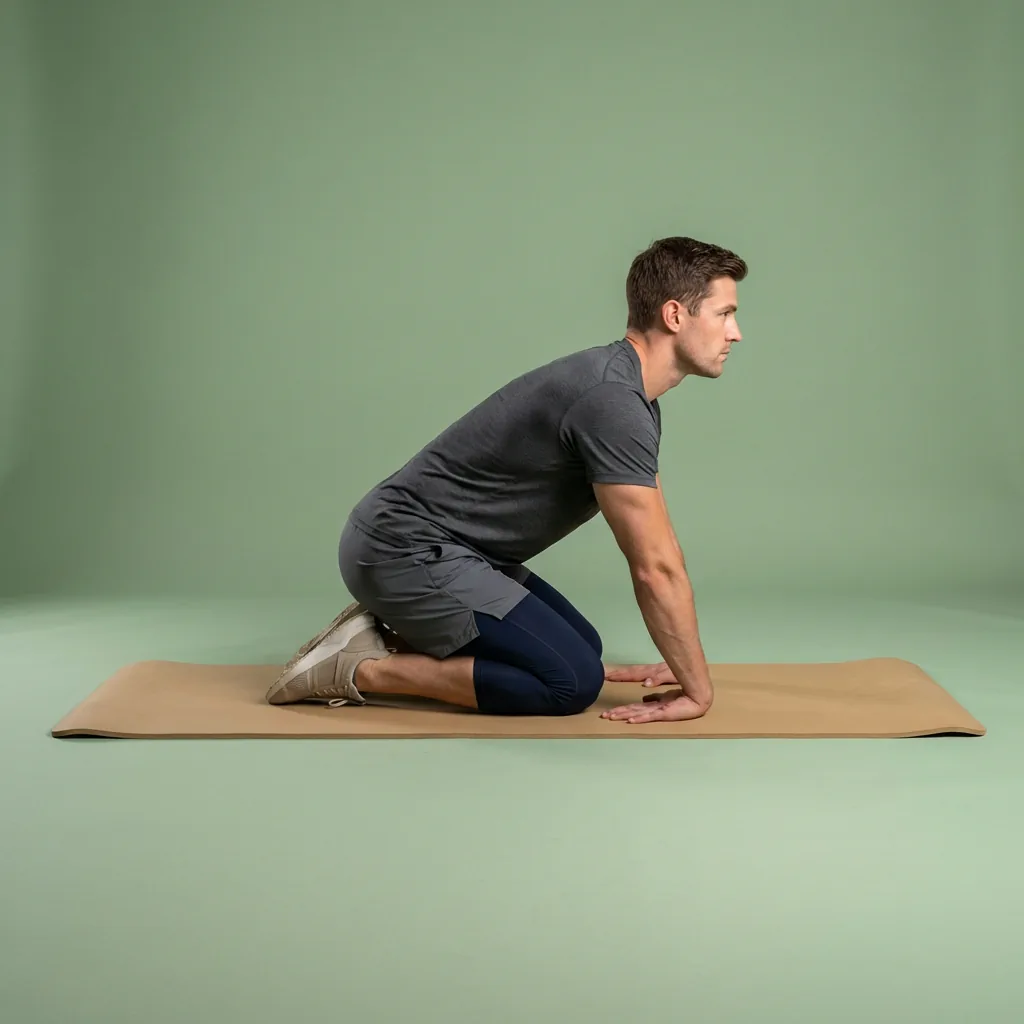
Kneeling Wrist Circles
loaded circles
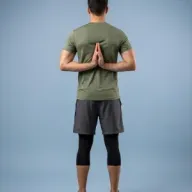
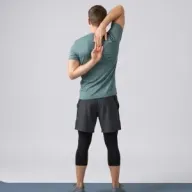
Reverse Prayer Pose
wrist open
Guided routines to start with
-
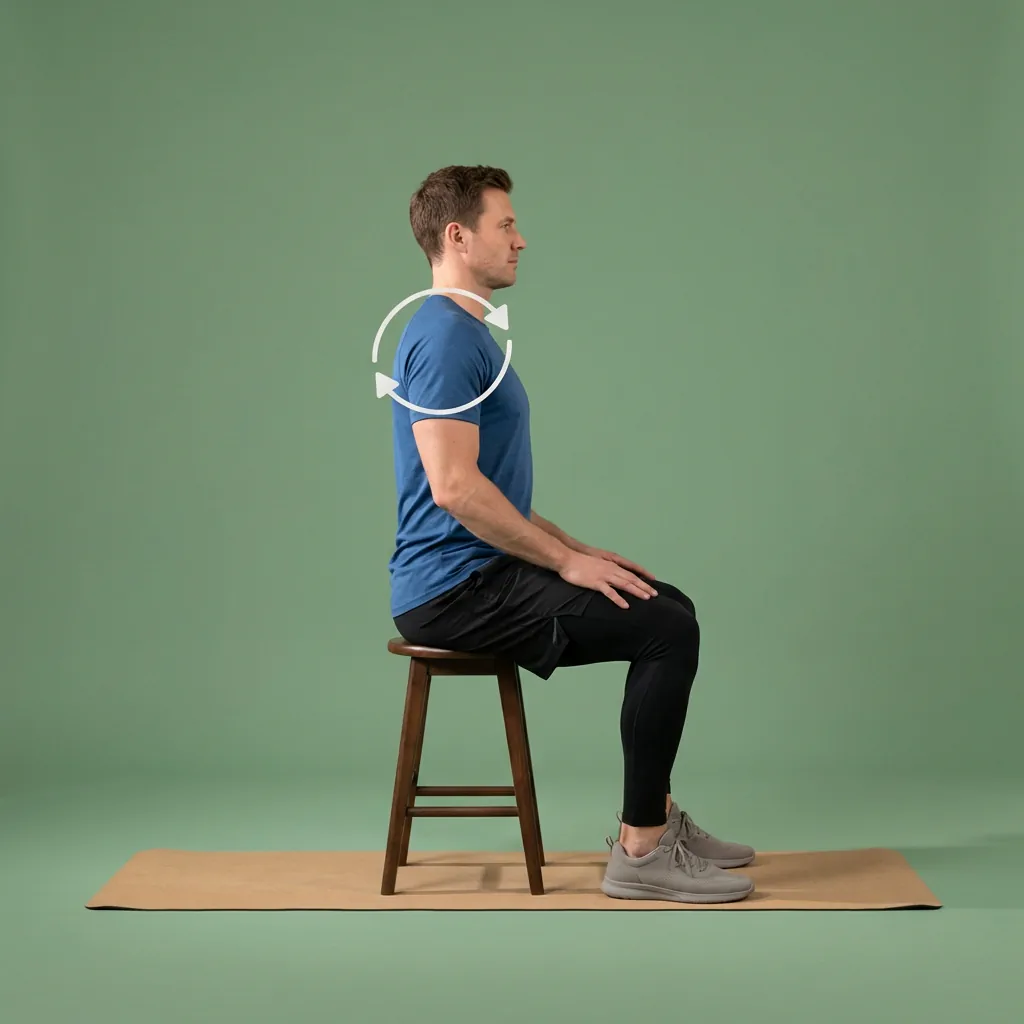 11 min Beginner
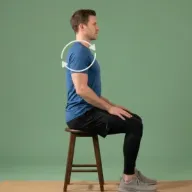
Forearm Release
An 11-move forearm and wrist release — wrist flexion, extension, and forearm stretch for typing and gripping fatigue.
-
-
-
-
-
- +6
-
-
 10 min Intermediate
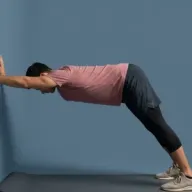
Wrist-Friendly Mobility
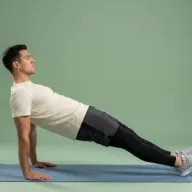
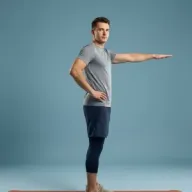
An 11-move low-pressure upper-body flow — reverse plank, eagle arms, and wall dog without heavy wrist loading.
-
-
-
-
-
- +6
-
-
 11 min Beginner
Elbow & Hand Comfort Flow
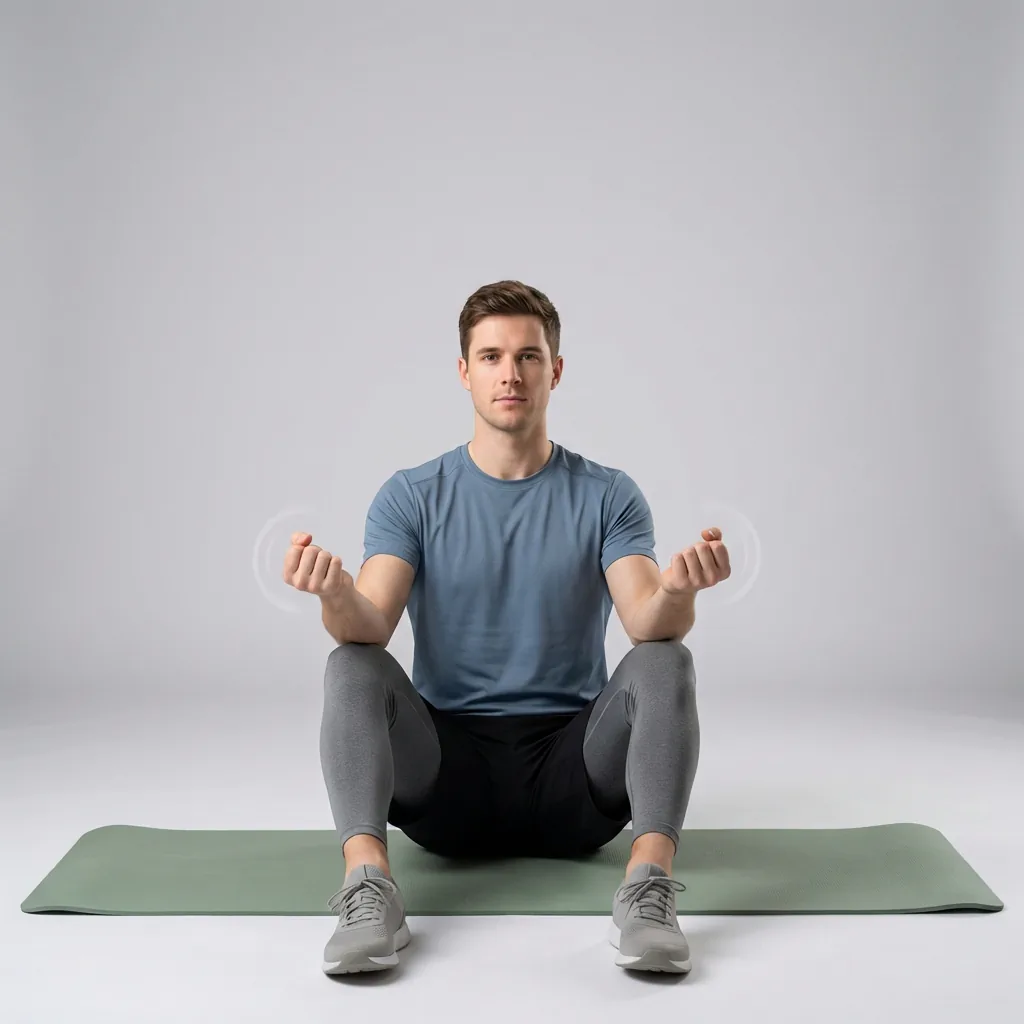
An 11-move arm comfort flow — nerve gliding and soft tissue mobility from elbows through fingers.
-
-
-

-
-
- +6
-
About the Forearms
The forearm holds two muscle groups — flexors on the palm side that curl the wrist and fingers, and extensors on the back that lift them — running from the elbow to the hand.
These muscles power grip and fine hand movement, so their length and comfort shape how easily the wrists and fingers work.
They cross both the elbow and the wrist, which is why forearm work often eases busy hands and tired elbows too.
Ways to work this area
Mobility
Controlled repetitions move the forearms through a comfortable range without forcing the end position.
Control
Slower drills build awareness and steadiness around the forearms and nearby joints.
When people reach for this
After a day of typing
Gentle flexion and extension unwind the forearms after long hours at a keyboard.
Desk WorkersAchy from gripping
Mobility and stretches ease forearms tired from lifting, climbing or racket sport.
Elbow Wrist ComfortRoutines for Forearms
-
11 min Beginner
Elbow & Hand Comfort Flow
An 11-move arm comfort flow — nerve gliding and soft tissue mobility from elbows through fingers.
-
-
-
-
-
- +6
-
-
11 min Beginner
Forearm Release
An 11-move forearm and wrist release — wrist flexion, extension, and forearm stretch for typing and gripping fatigue.
-
-
-
-
-
- +6
-
-
 10 min Beginner
Quick Desk Reset
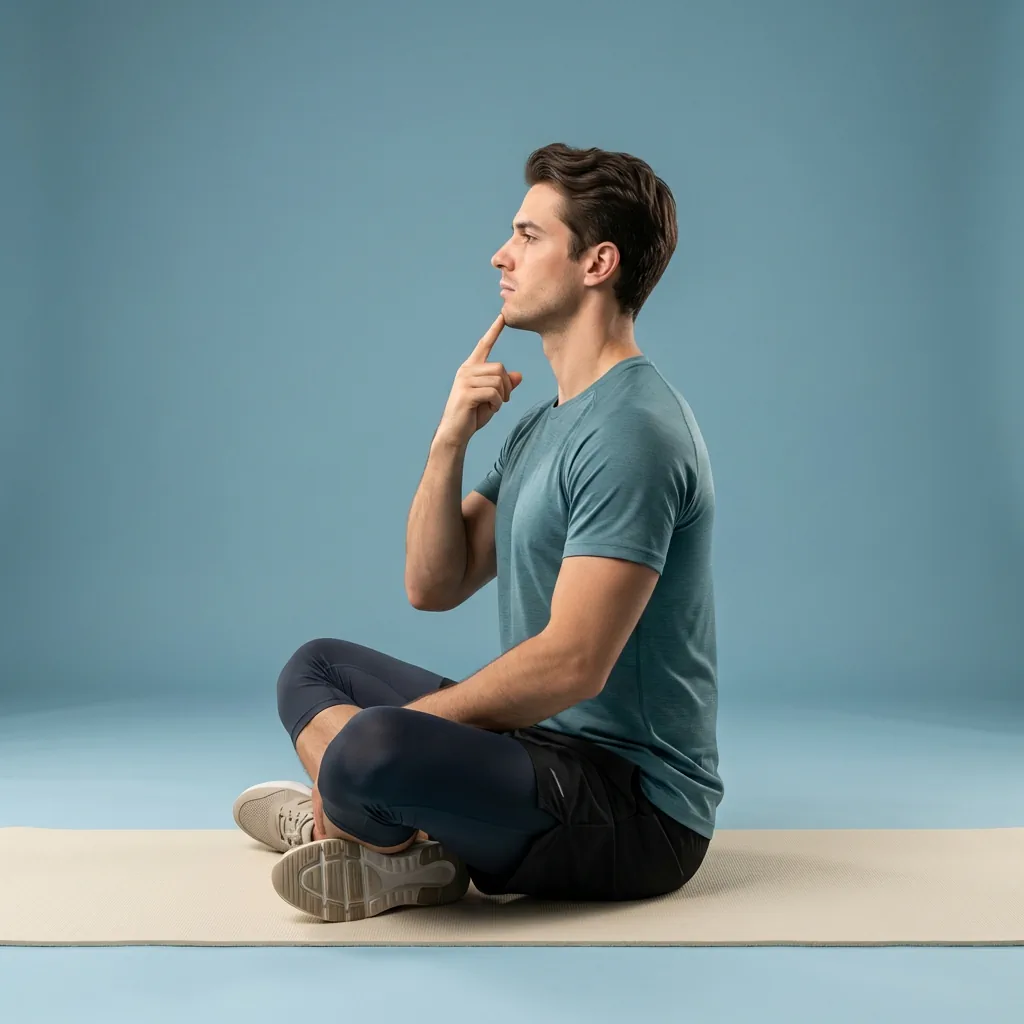
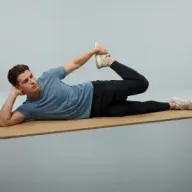
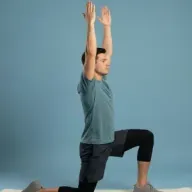
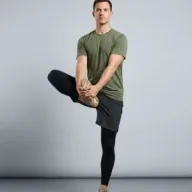
A 9-move desk break in under five minutes — chin retractions, hip openers, and seated twist to undo office slump.
-
-

-
-
-
- +4
-
-
10 min Intermediate
Wrist-Friendly Mobility
An 11-move low-pressure upper-body flow — reverse plank, eagle arms, and wall dog without heavy wrist loading.
-
-
-
-
-
- +6
-
How Flexor personalises this
Flexor tailors wrist and forearm mobility to how much you type, grip or lift, mixing gentle stretches with movement from what you log.
See daily recommendationsExplore related pages
Move comfortably
- Ease into wrist stretches gently — the forearms respond to light, regular movement.
- Back off any position that sends sharp sensations into the wrist or hand.
This is general fitness guidance, not medical advice or treatment. Move within a comfortable range, and speak to a qualified professional about pain that persists or worsens.
Read the full wellness disclaimerWritten by Flexor editorial Last reviewed July 2026
Common questions
How do I stretch tight forearms?
Extend one arm and use the other hand to draw the palm gently up, then down, to reach the two muscle groups in turn. Add slow wrist circles to keep the joint moving freely.
Why are my forearms tight from typing?
Holding the hands in a similar position for hours keeps the forearm muscles working quietly the whole time. Short, regular stretch breaks give them a chance to recover.
Can forearm stretches help my grip?
Keeping the forearms mobile and comfortable often makes gripping feel easier, especially around a lot of lifting or racket work. Pair stretches with gradual strengthening for the best of both.
How often should I stretch my forearms?
Little and often works well — a minute or two between tasks can be more useful than one long session, particularly if your hands are busy all day.