
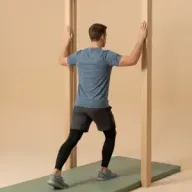
Upper body
Open the chest and front of the shoulders.
The chest muscles fan across the front of the ribcage and pull the arms in toward the midline — the motion behind every push, press and hug. When they stay short from desk hours or heavy pressing, the shoulders can round forward.
A little targeted opening across the doorway, corner or floor gives the pecs length again and lets the shoulders sit back where they move most freely.
Start here
A short, guided starting point for Chest — begin gently and stay within a comfortable range.
doorway open
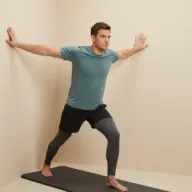
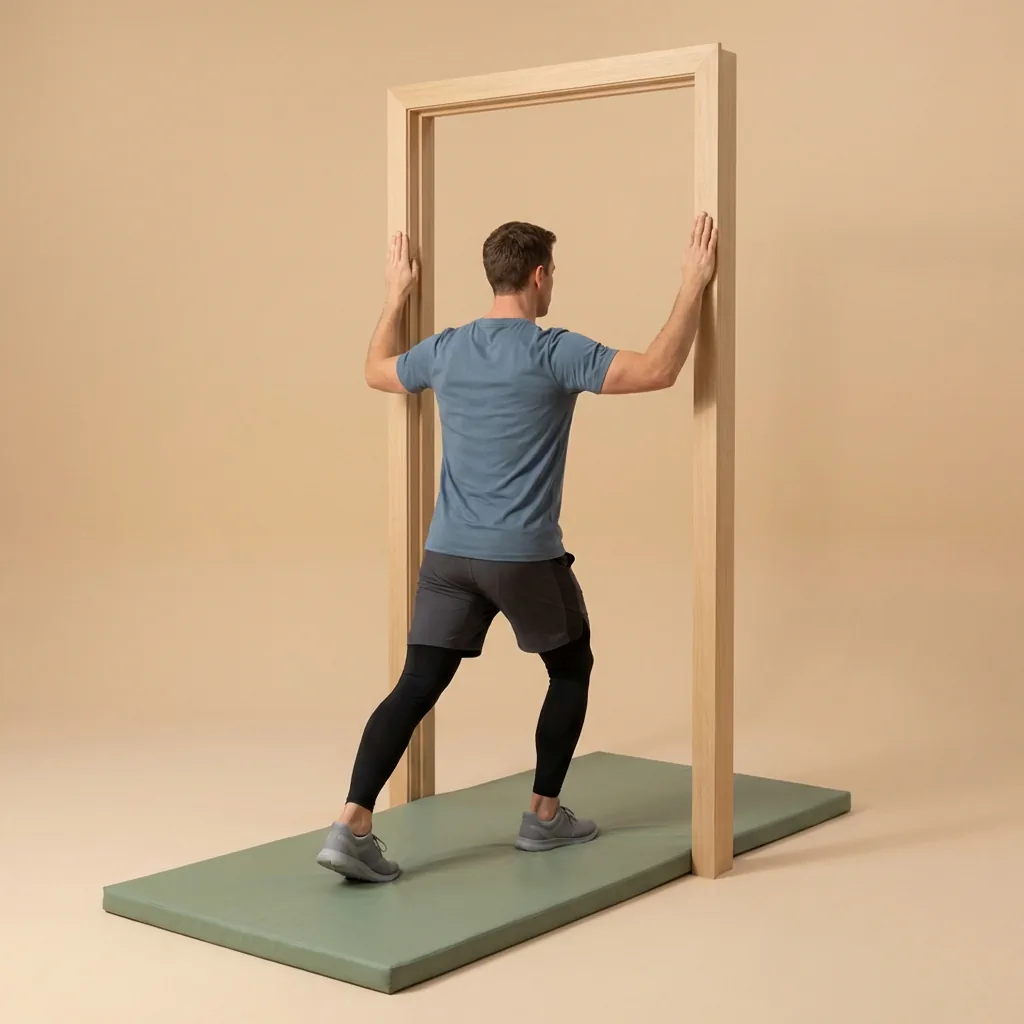
Corner Pecs Stretch
deeper corner
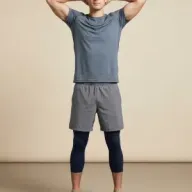
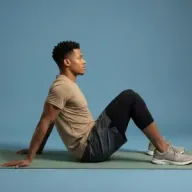
Chest Opener
floor open
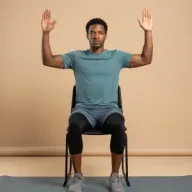
Cactus Arms
gentle warm-up
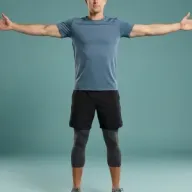
Dynamic Chest Flys
dynamic
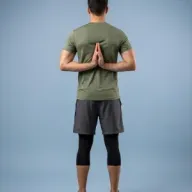
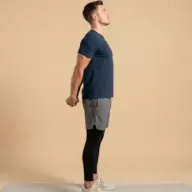
Reverse Prayer Pose
front-shoulder
Guided routines to start with
-
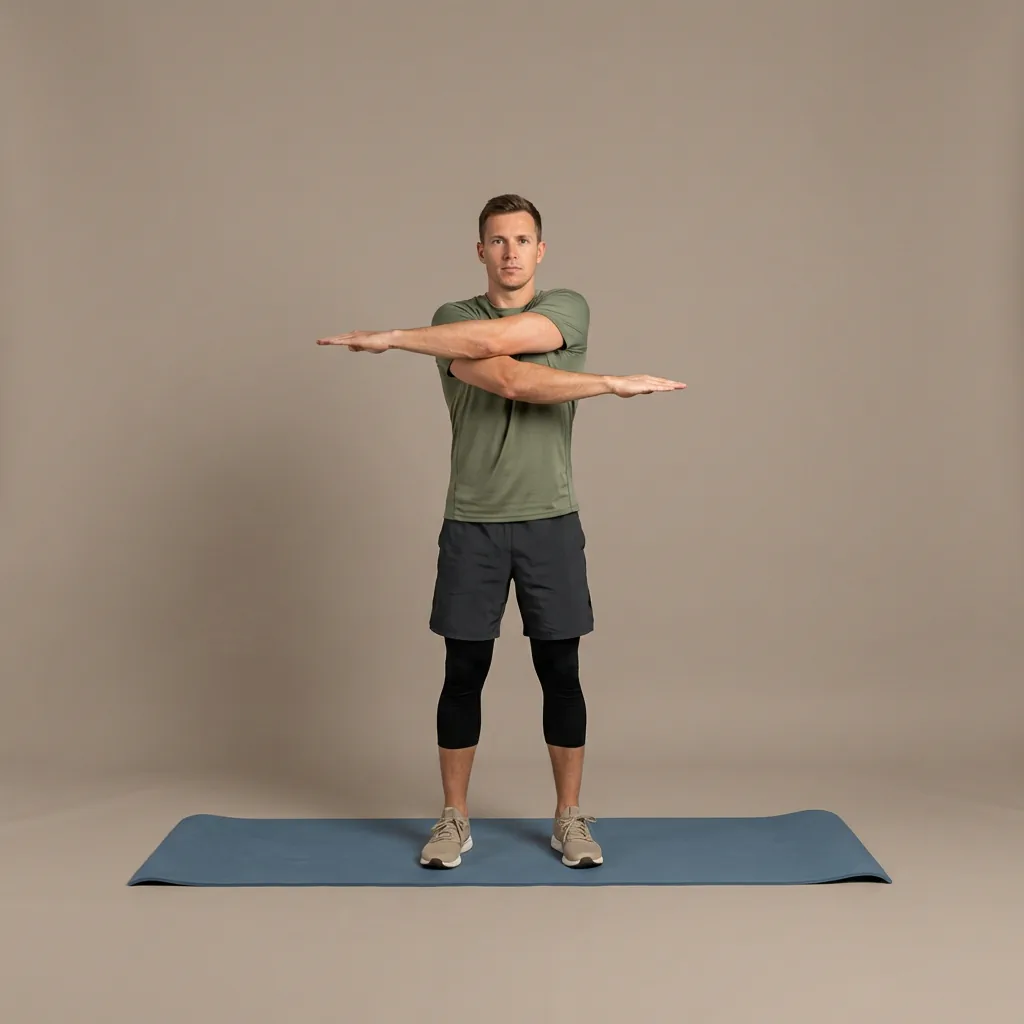 6 min Beginner
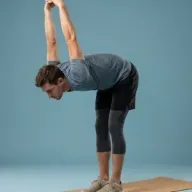
Quick Chest Opener
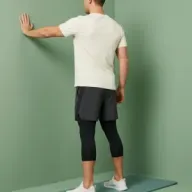
A 7-move chest burst — doorway pecs, cactus arms, and chest opener to reverse rounded shoulders and shallow breathing.
-
-
-
-
-
- +2
-
-
 9 min Advanced
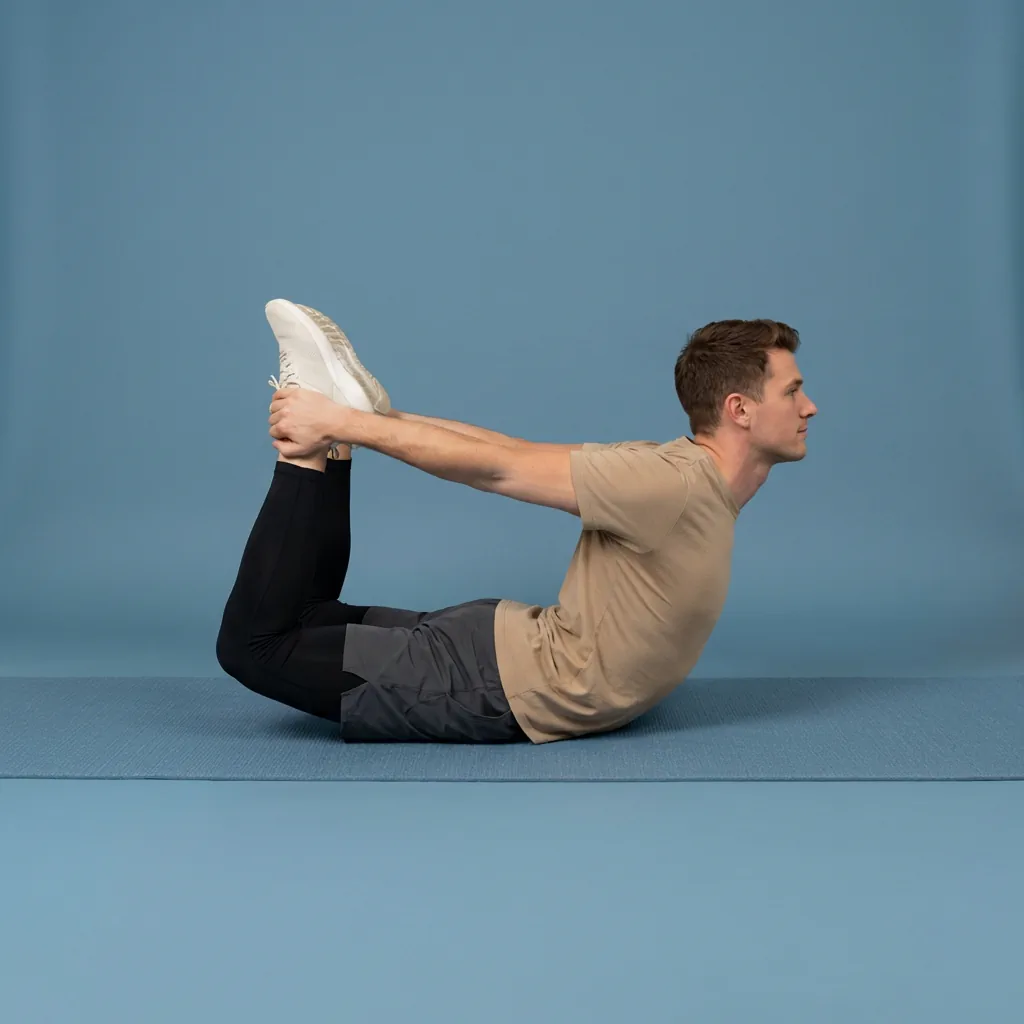
Post-Workout Stretch: Chest & Shoulders
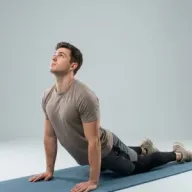
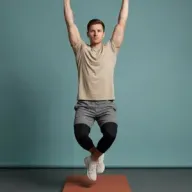
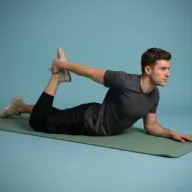
A 9-move advanced anterior stretch — dead hang, shoulder opener, and bow pose with static holds after heavy pressing.
-
-
-
-
-
- +4
-
-
 11 min Beginner
Overhead Mobility
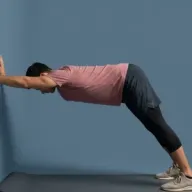
A beginner 12-move overhead prep — wall dog, puppy pose, and shoulder opener to support vertical arm path without low-back arching.
-
-
-
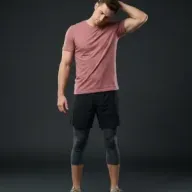
-
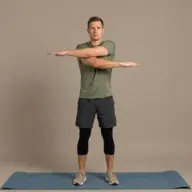
-
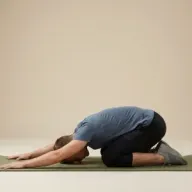
- +7
-
About the Chest
The chest is mainly the fan-shaped pectoralis major with the smaller pectoralis minor beneath it, spanning the collarbone, sternum and ribs to the upper arm.
The pecs pull the arm across and in front of the body and drive pushing and pressing, so their length shapes how open the shoulders feel.
They work closely with the front of the shoulder and the upper arm, which is why chest openers so often ease a rounded, hunched posture.
Ways to work this area
Mobility
Controlled repetitions move the chest through a comfortable range without forcing the end position.
Control
Slower drills build awareness and steadiness around the chest and nearby joints.
When people reach for this
After pushing or pressing
Doorway and corner openers give the pecs length once the pushing work is done.
WeightliftingRounded from desk hours
A gentle open across the chest counters a day spent hunched toward a screen.
Desk WorkersExercises for Chest
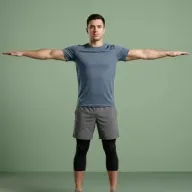
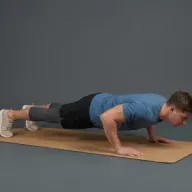
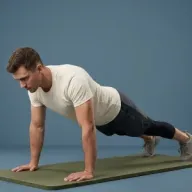
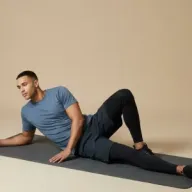
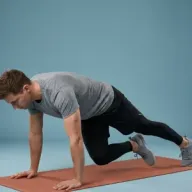
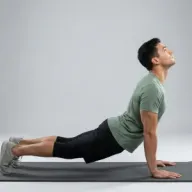
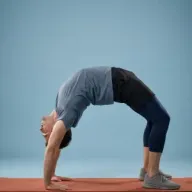
Routines for Chest
-
9 min Advanced
Post-Workout Stretch: Chest & Shoulders
A 9-move advanced anterior stretch — dead hang, shoulder opener, and bow pose with static holds after heavy pressing.
-
-
-
-
-
- +4
-
-
 8 min Beginner
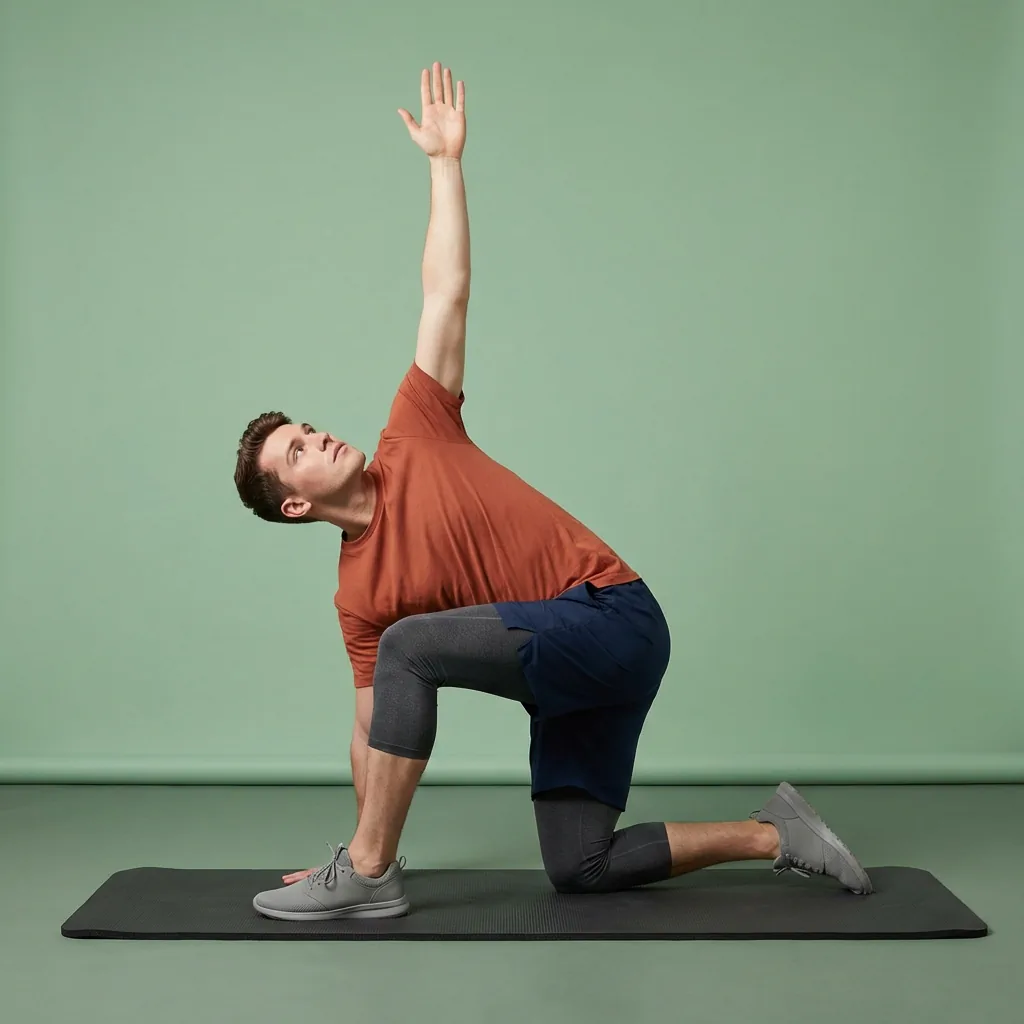
Post-Workout Stretch: Upper Body
An 8-move post-lift upper stretch — doorway pecs, thread the needle, and chest opener balancing the front of the shoulders.
-
-
-
-
-
- +3
-
-
6 min Beginner
Quick Chest Opener
A 7-move chest burst — doorway pecs, cactus arms, and chest opener to reverse rounded shoulders and shallow breathing.
-
-
-
-
-
- +2
-
-
 10 min Intermediate
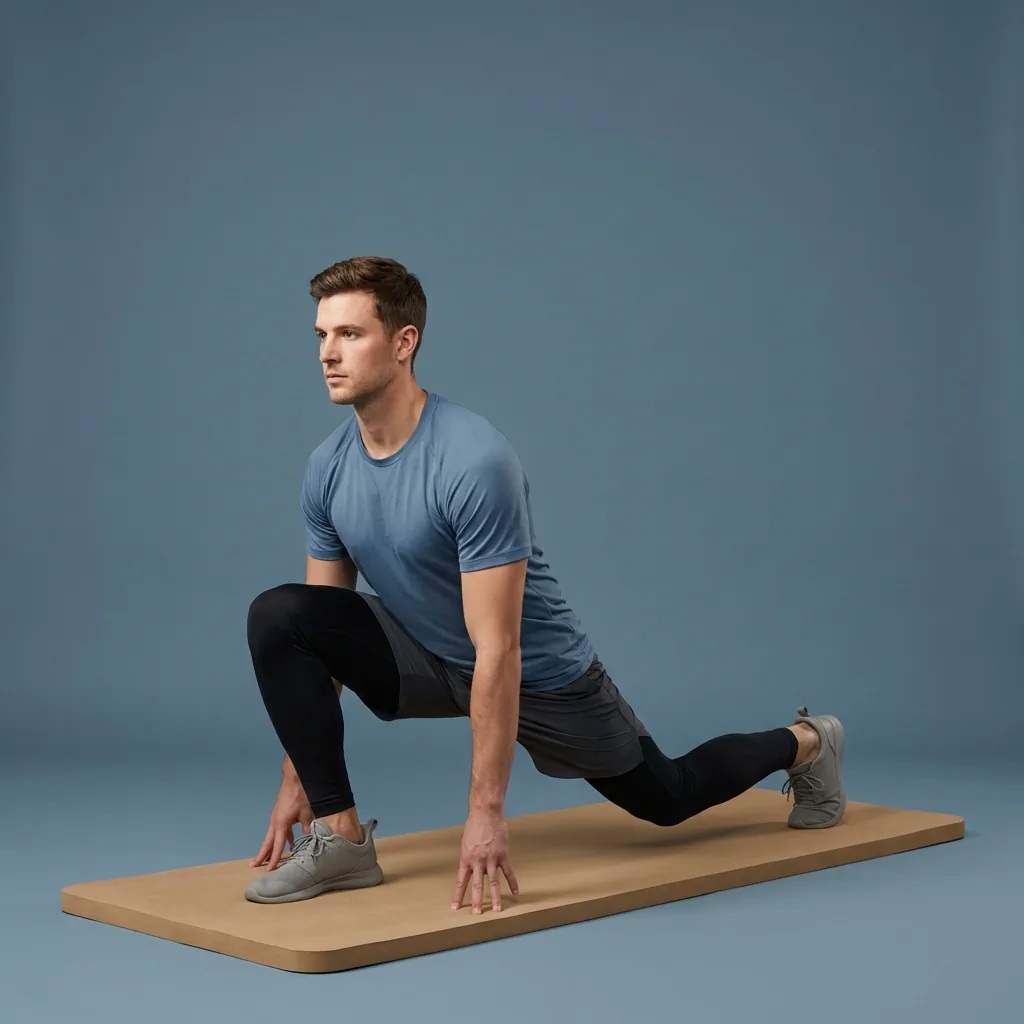
Recovery: Breath and Reset
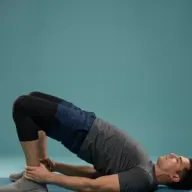
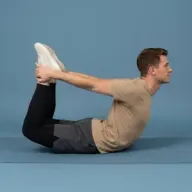
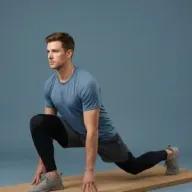
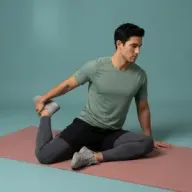
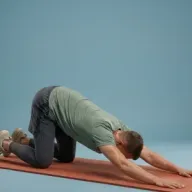
A 10-move breath-led recovery reset for chest, spine, and hips with doorway pecs, 90-90, couch stretch, cobra, camel, and puppy pose.
-
-
-
-
-
- +5
-
-
 9 min Intermediate
The Chest Opener
A 10-move pec and shoulder opener — doorway pecs, wall pecs, and chest opener to counter rounded-shoulder posture.
-
-
-
-
-
- +5
-
How Flexor personalises this
Flexor blends chest openers with upper-back and shoulder mobility to match how you train and sit, so the front of the body opens without overdoing any one angle.
See daily recommendationsExplore related pages
Move comfortably
- Ease into the doorway or corner rather than pushing hard on the shoulder joint.
- Keep the stretch across the chest, not sharp in the front of the shoulder.
This is general fitness guidance, not medical advice or treatment. Move within a comfortable range, and speak to a qualified professional about pain that persists or worsens.
Read the full wellness disclaimerWritten by Flexor editorial Last reviewed July 2026
Common questions
How do I stretch a tight chest?
Rest a forearm on a doorway or corner and turn gently away until you feel a comfortable stretch across the chest, then breathe and hold. Working a few arm heights covers the upper, middle and lower fibres of the pec.
Why does my chest feel tight from sitting?
Long hours reaching forward to a keyboard let the chest settle into a shortened position while the upper back lengthens. Regular openers restore that balance so the shoulders sit back more easily.
Should I stretch my chest before or after lifting?
Before pressing, gentle dynamic openers like cactus arms warm the area up. Save longer holds for afterwards, when the muscles are warm, so pushing strength is not blunted right before a set.
Can chest stretches help my posture?
Opening the chest alongside upper-back work often helps the shoulders feel less rounded and more comfortable through the day. It is general movement for comfort rather than a fix for posture.