
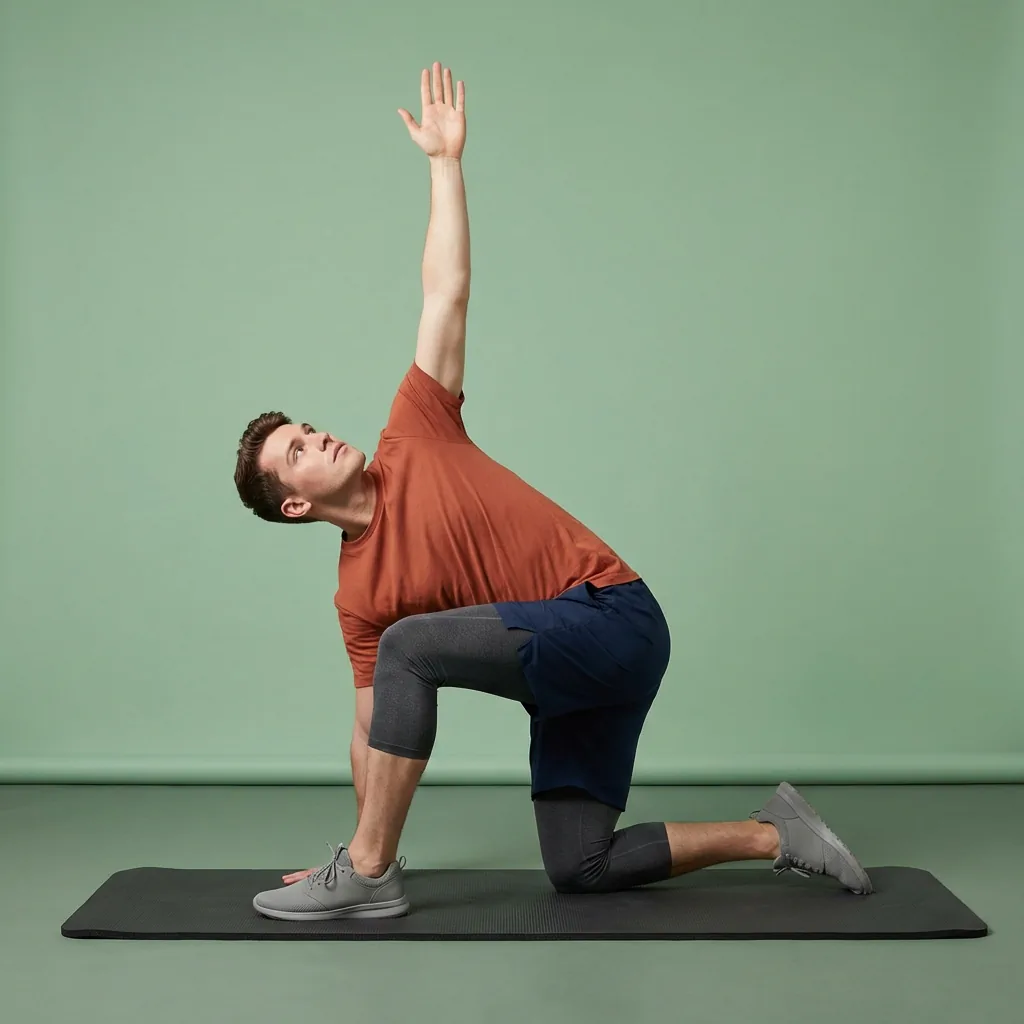
Back and trunk
Mobility and stability for the whole spine.
The spine runs from the neck through the mid-back to the lower back, and it thrives on a mix of mobility where you need it and stability through the core. Different regions like to move in different ways.
Flexor gathers gentle spinal movement here — segmental mobility, thoracic extension and controlled rotation — alongside core stability, to support posture and easy day-to-day movement.
Start here
A short, guided starting point for Spine — begin gently and stay within a comfortable range.
gentle rotation

Modified Seated Twist
seated twist
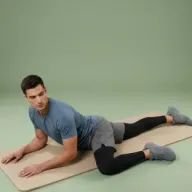
Twisted Sphinx
extension and twist
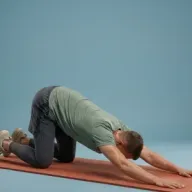
Puppy Pose
mid-back open
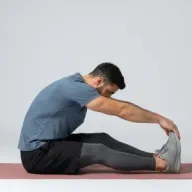
Seated Fold
gentle flexion
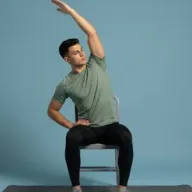
Side Bend
side mobility
About the Spine
The spine is a column of vertebrae in three main regions — the neck, the mid-back ribcage section and the lower back — supported by discs, ligaments and the muscles around it.
It bends, extends and rotates while protecting the spinal cord, and each region contributes different amounts of movement and stability.
The core and the muscles alongside the spine work together to keep it steady, so spinal mobility pairs naturally with core stability.
Ways to work this area
Mobility
Controlled repetitions move the spine through a comfortable range without forcing the end position.
Control
Slower drills build awareness and steadiness around the spine and nearby joints.
When people reach for this
Stiff back from sitting
Gentle rotation and mid-back extension counter long hours hunched at a desk.
Desk WorkersSupporting the lower back
Combining gentle mobility with core stability supports the lower back day to day.
Lower Back ComfortExercises for Spine

90/90 Hip Switch Extension

Baby Cobra
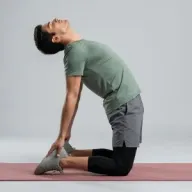
Camel Pose

Cat Cow

Cobra

Diver
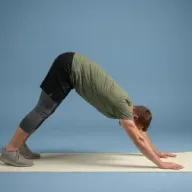
Downward Dog

Dynamic Side Bends

Figure Four Twist
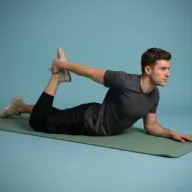
Half Bow
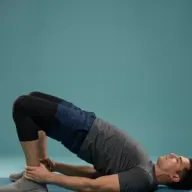
Half Wheel

Neck Extension

Neck Roll
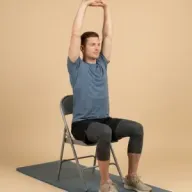
Overhead Reach
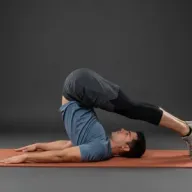
Plow
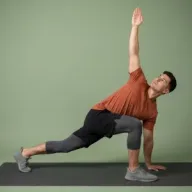
Runner’s Lunge Twist

Saddle Pose
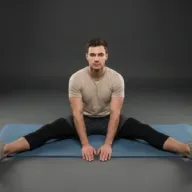
Seated Straddle

Seated Twist
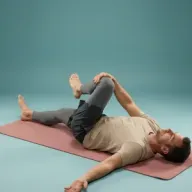
Spinal Twist

Split Squat Twists
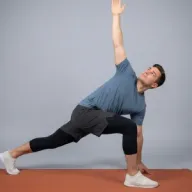
Standing Lunge Twist

Trunk Rotation
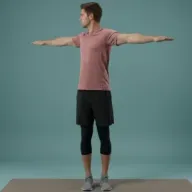
Trunk Twist
Routines for Spine
-
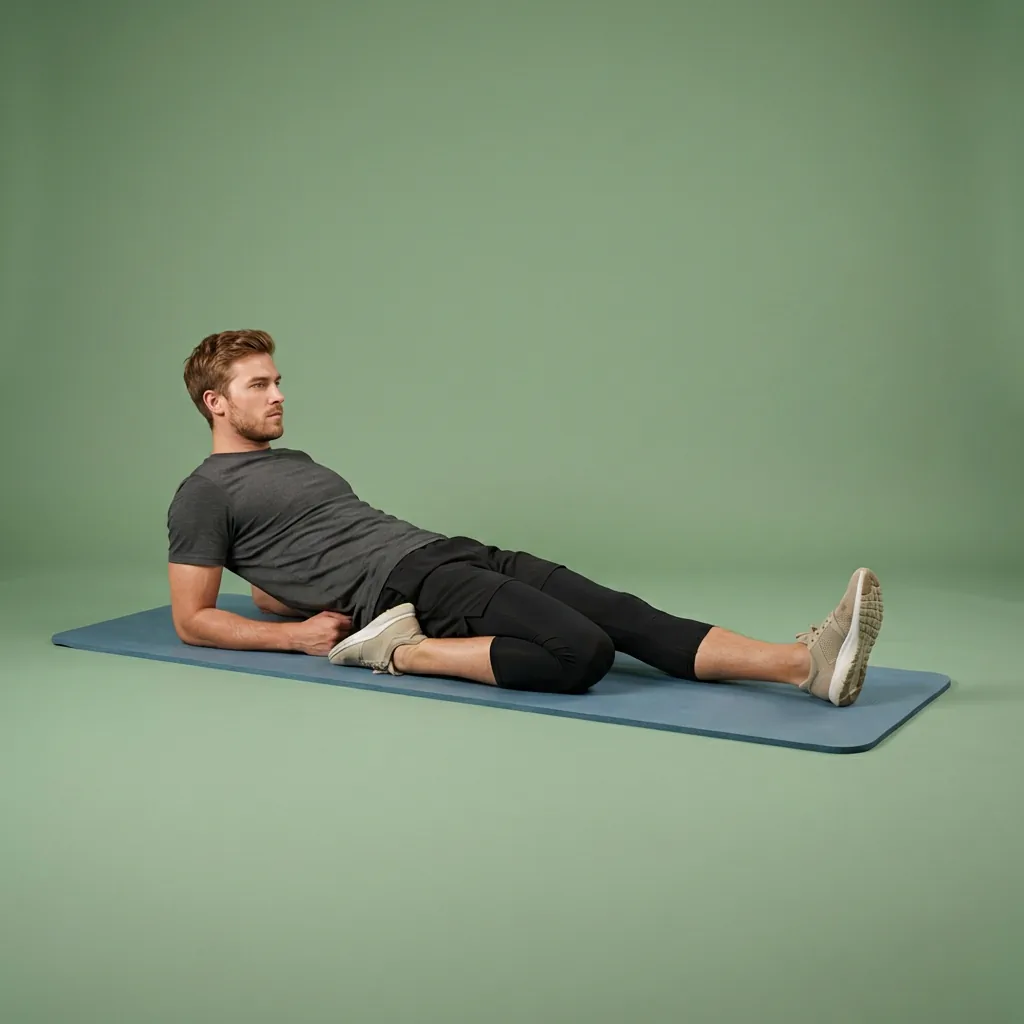 11 min Beginner
Cool-Down: Post-Run Stretch
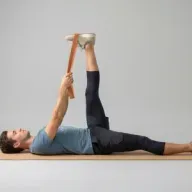
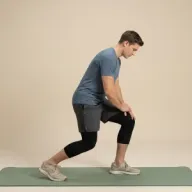
An 11-move runner's cool-down — hip flexor stretch, calf stretches, and figure four targeting calves, IT band area, and hamstrings.
-

-
-
-
-
- +6
-
-
 8 min Intermediate
Evening Mobility Unwind
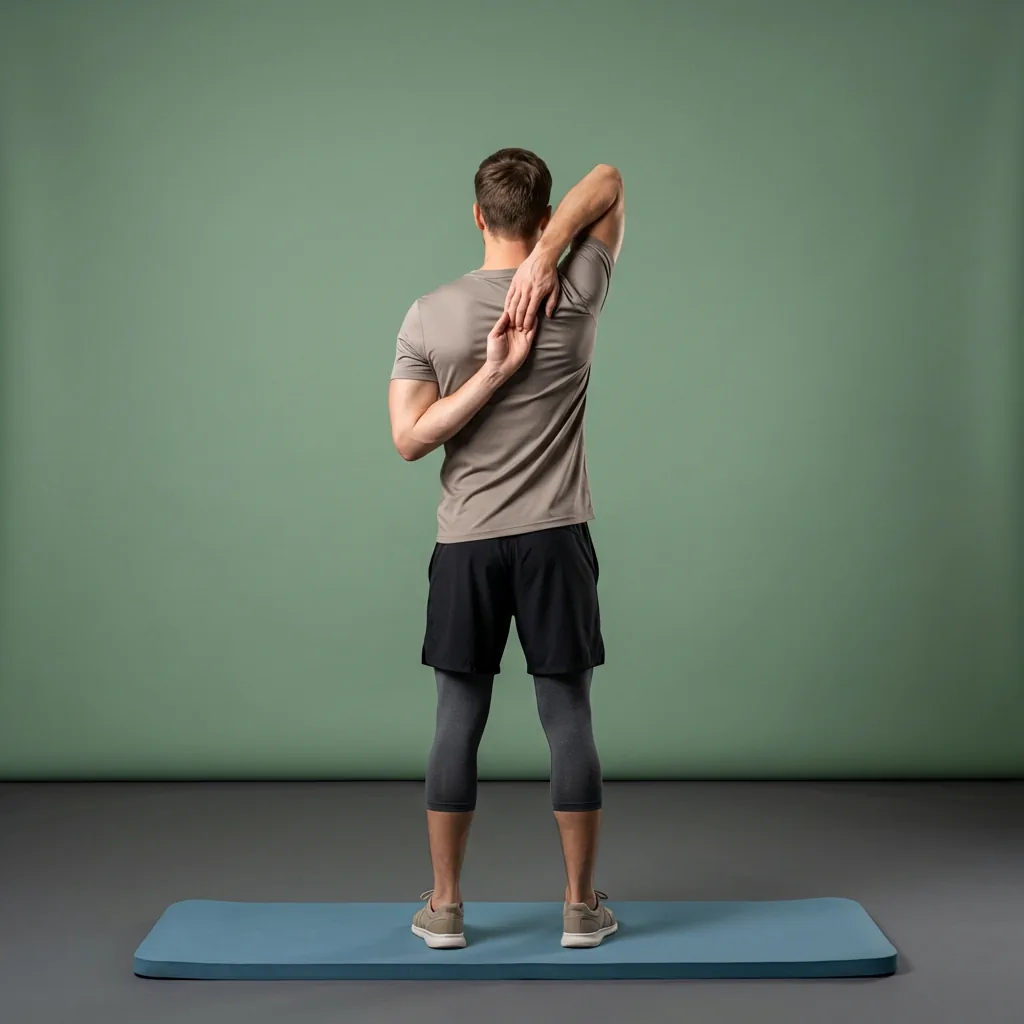
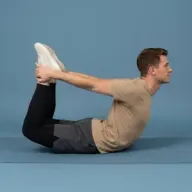
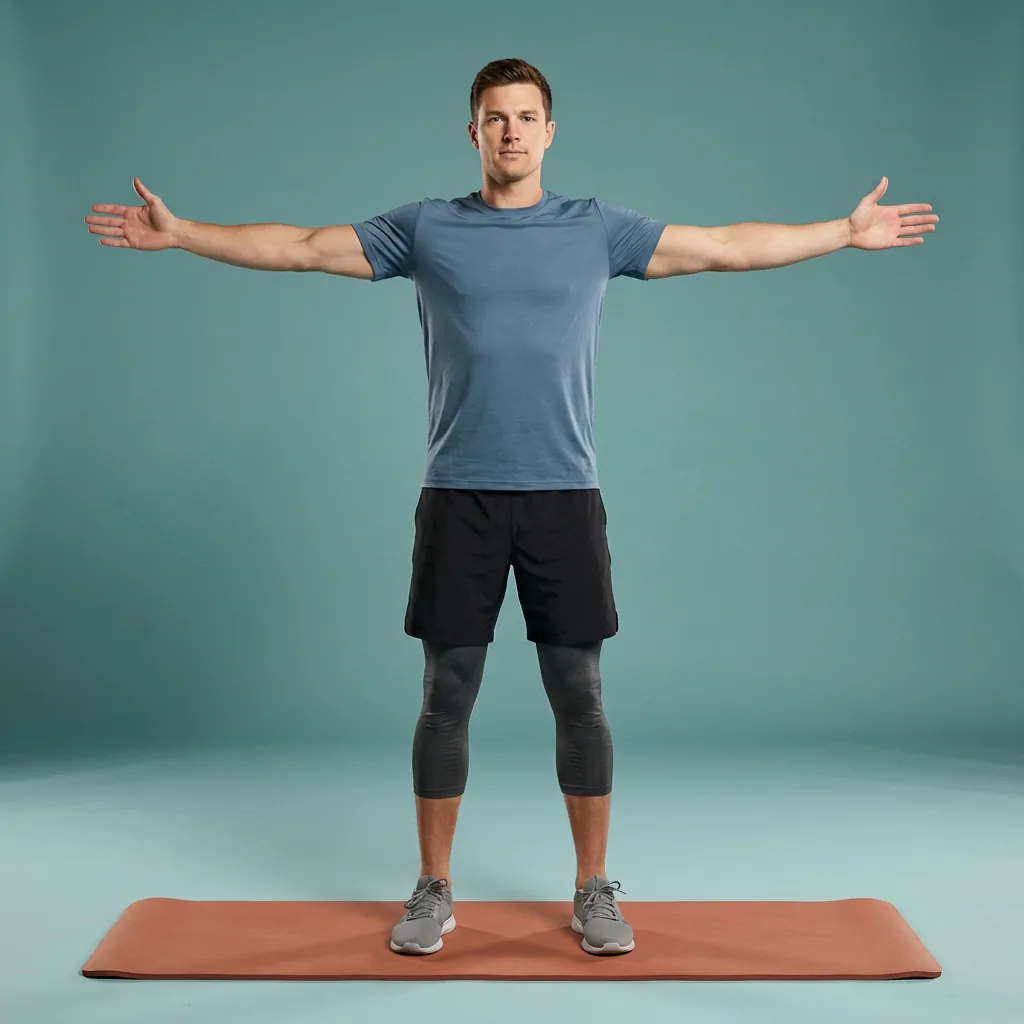
An 8-move evening unwind with chest flys, trunk twist, cow face, frog pose, and plow for a slower pre-bed mobility downshift.
-
-
-

-

-
- +3
-
-
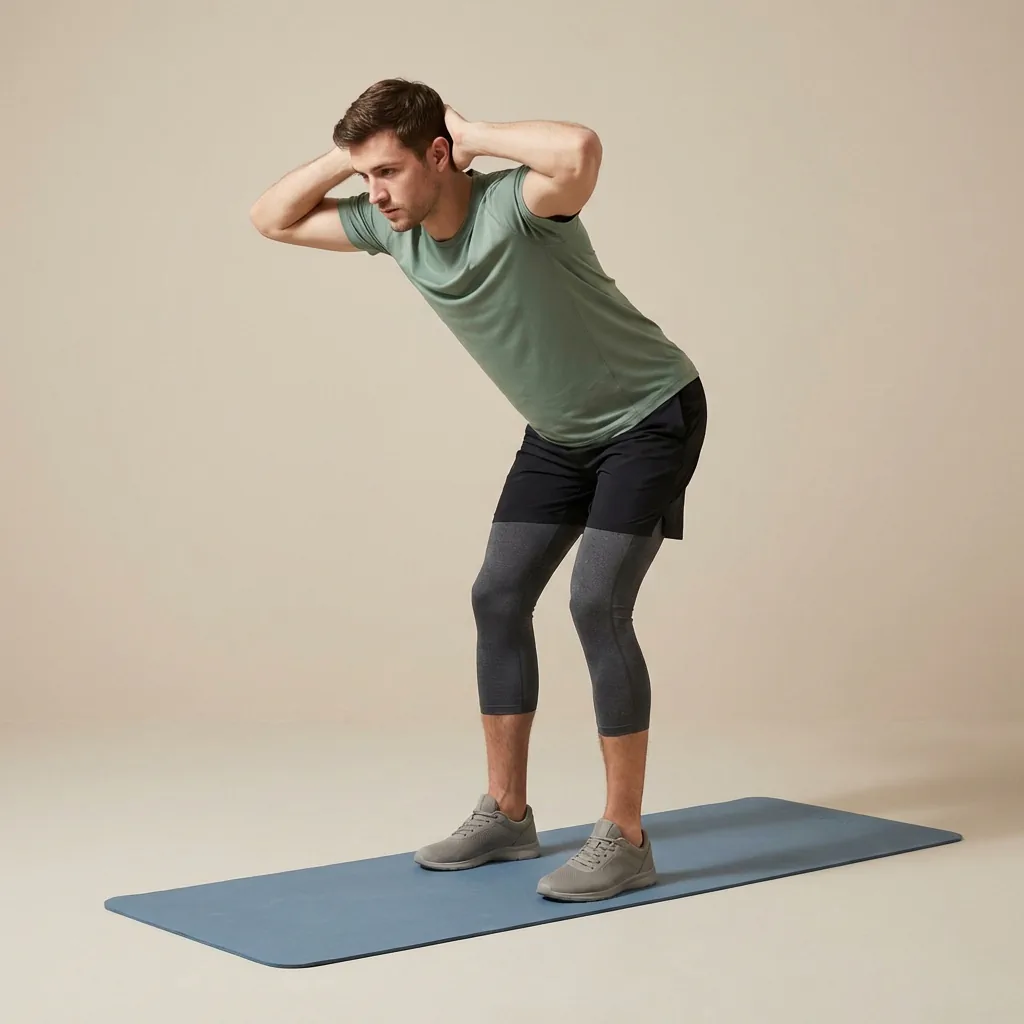 16 min Intermediate
Gentle Nerve-Friendly Mobility
A soothing 16-move nerve-friendly flow — trunk rotation, good mornings, and figure-four twist for guarded, sensitive backs.
-
-

-
-
-
- +11
-
-
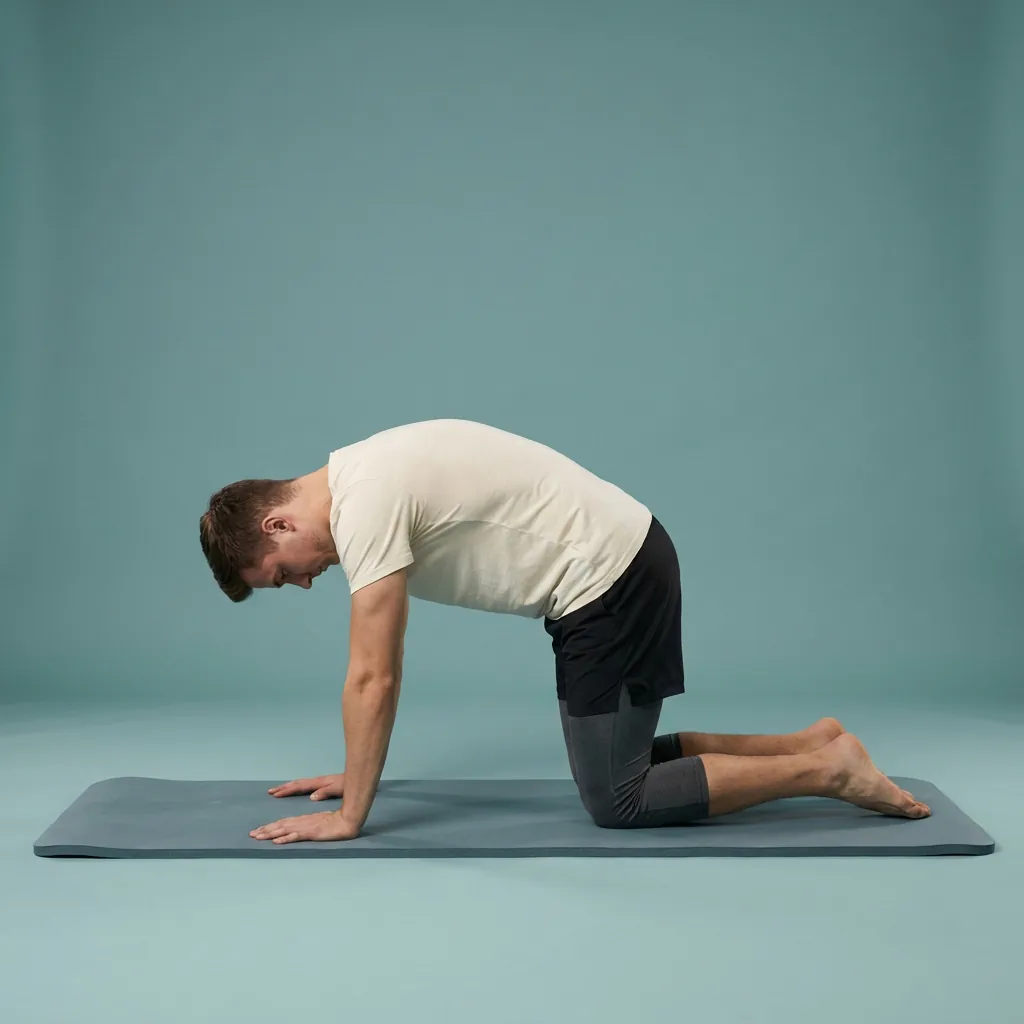 11 min Intermediate
Post-Commute Flow
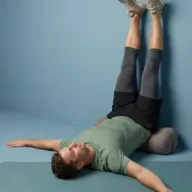
A 10-move post-drive unwind — corner pecs stretch, 90/90 hip switch, and legs-up-wall for commute-built shoulder and hip tension.
-
-
-
-
-

- +5
-
-
 8 min Beginner
Recovery: Post-Travel Unwind
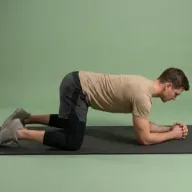
An 8-move post-travel unwind — dynamic chest flys, frog pose, and plow opening hips, neck, and lower back after long sitting.
-
-
-
-

-
- +3
-
-
 13 min Beginner
Spine and Core Support
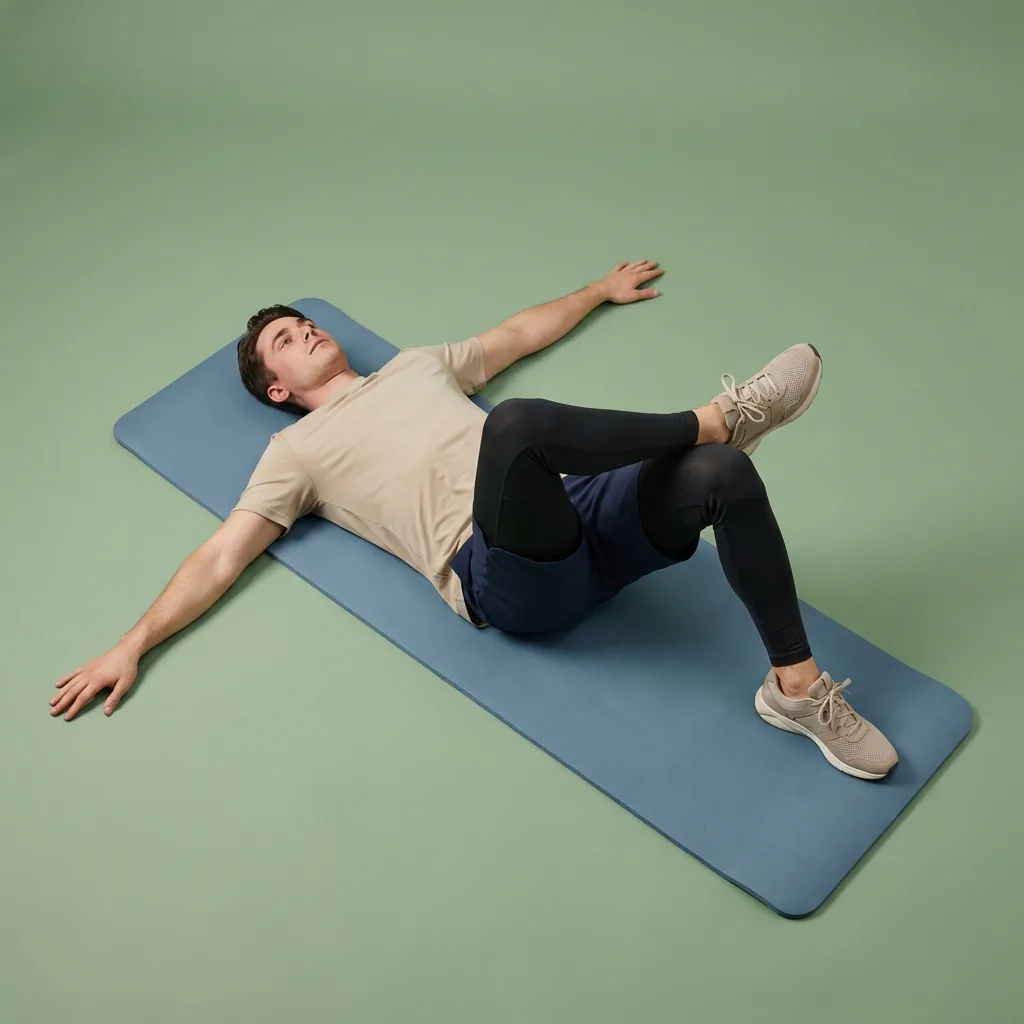
A controlled trunk and hip sequence for bracing, movement awareness, and comfortable everyday support.
-
-
-
-

-

- +8
-
-
 12 min Beginner
Spine-Friendly Mobility
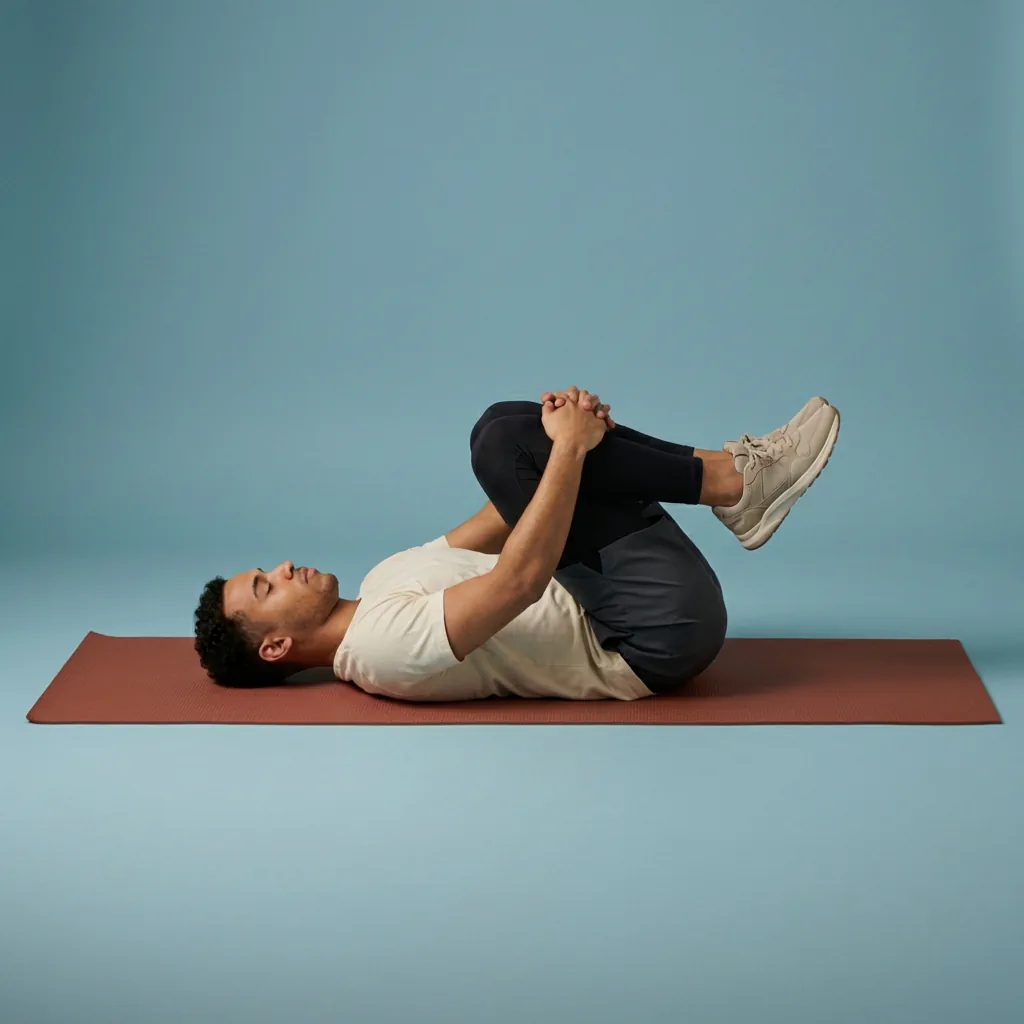
A cautious 12-move back flow — bird dog, dead bug, and seated twists for comfortable spinal range without provoking guarding.
-
-
-
-
-

- +7
-
How Flexor personalises this
Flexor blends gentle spinal mobility with core stability, keeping the range comfortable and adapting to the movement and sitting you log.
See personalised plansExplore related pages
Move comfortably
- Keep spinal movement gentle and within comfort, especially with a sensitive back or neck.
- Favour little and often over forcing a big range in one go.
- Seek professional advice for back pain that is severe, persistent or spreads into the limbs.
This is general fitness guidance, not medical advice or treatment. The spine can be sensitive — keep movement comfortable, stop if a movement causes pain, and consult a qualified professional about severe, persistent or radiating back symptoms.
Read the full wellness disclaimerWritten by Flexor editorial Last reviewed July 2026
Common questions
How do I improve spine mobility safely?
Move gently through rotation, extension and flexion with drills like thread the needle and cat-cow, staying within a comfortable range. Little and often is usually better tolerated than forcing depth once.
Should the spine be mobile or stable?
Both, in balance. The mid-back generally likes more mobility, while the lower back tends to prefer stability and control. Pairing gentle mobility with core work supports the whole column.
Why does my back feel stiff after sitting?
Long spells in one position let the back settle and stiffen. Gentle rotation and extension breaks through the day usually help it feel looser and more comfortable.
Is it safe to twist my spine?
Gentle, controlled rotation within a comfortable range is well tolerated for most people and is a normal, healthy movement. Keep it easy, avoid forcing the end range, and get advice for a sensitive or painful back.