Recovery: Lower-Body Flush
An 11-move leg flush — standing frog, figure four, legs-up-wall, and seated straddle to boost circulation in tired legs.


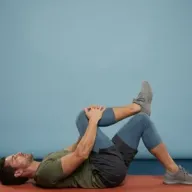
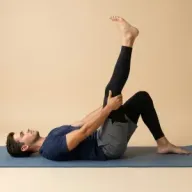
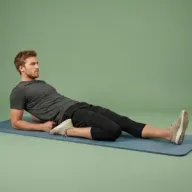
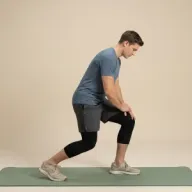
About this routine
Heavy legs deserve a gentle flush
When your quads feel like concrete and stairs become a negotiation, your lower body is asking for circulation — not another workout. Recovery: Lower-Body Flush on Flexor uses gentle movement and active stretching to promote blood flow through tired legs, easing soreness and that weighed-down feeling.
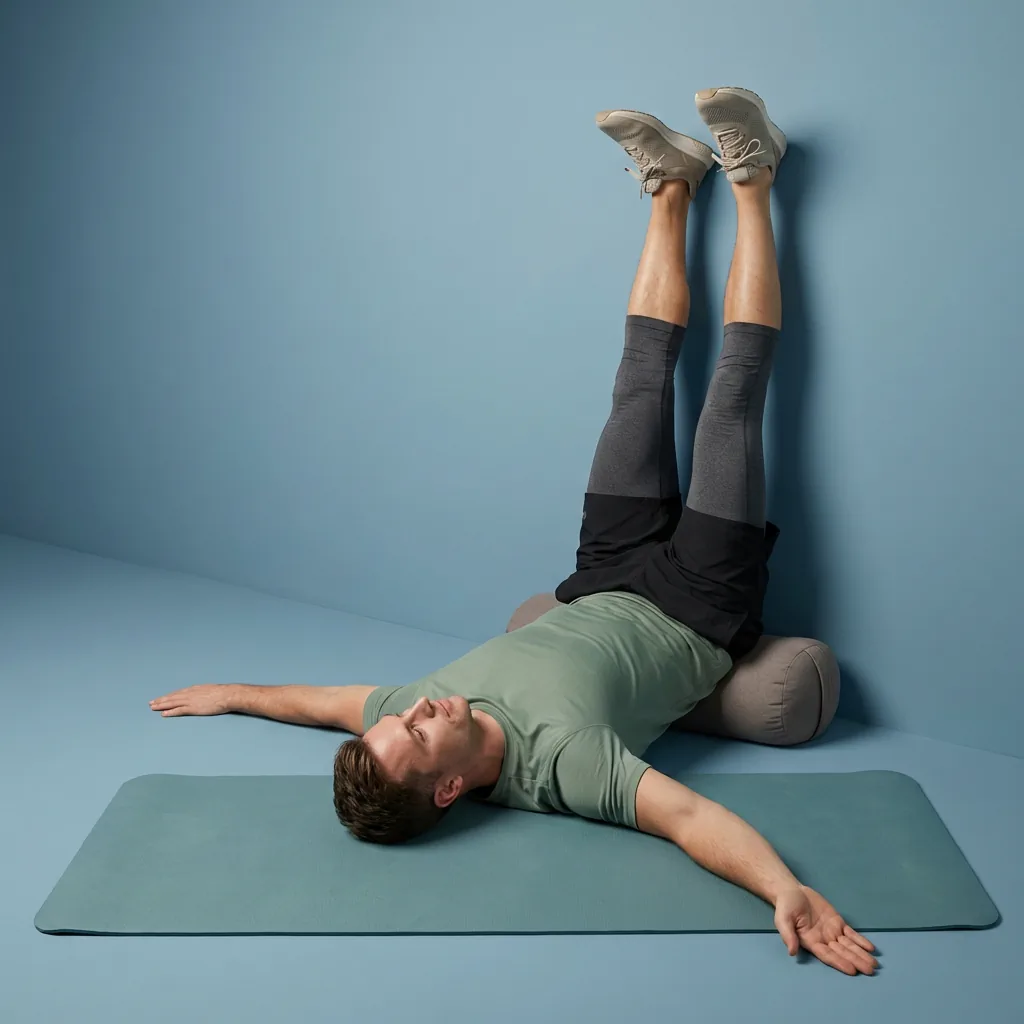
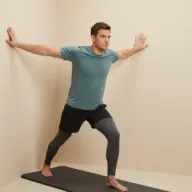
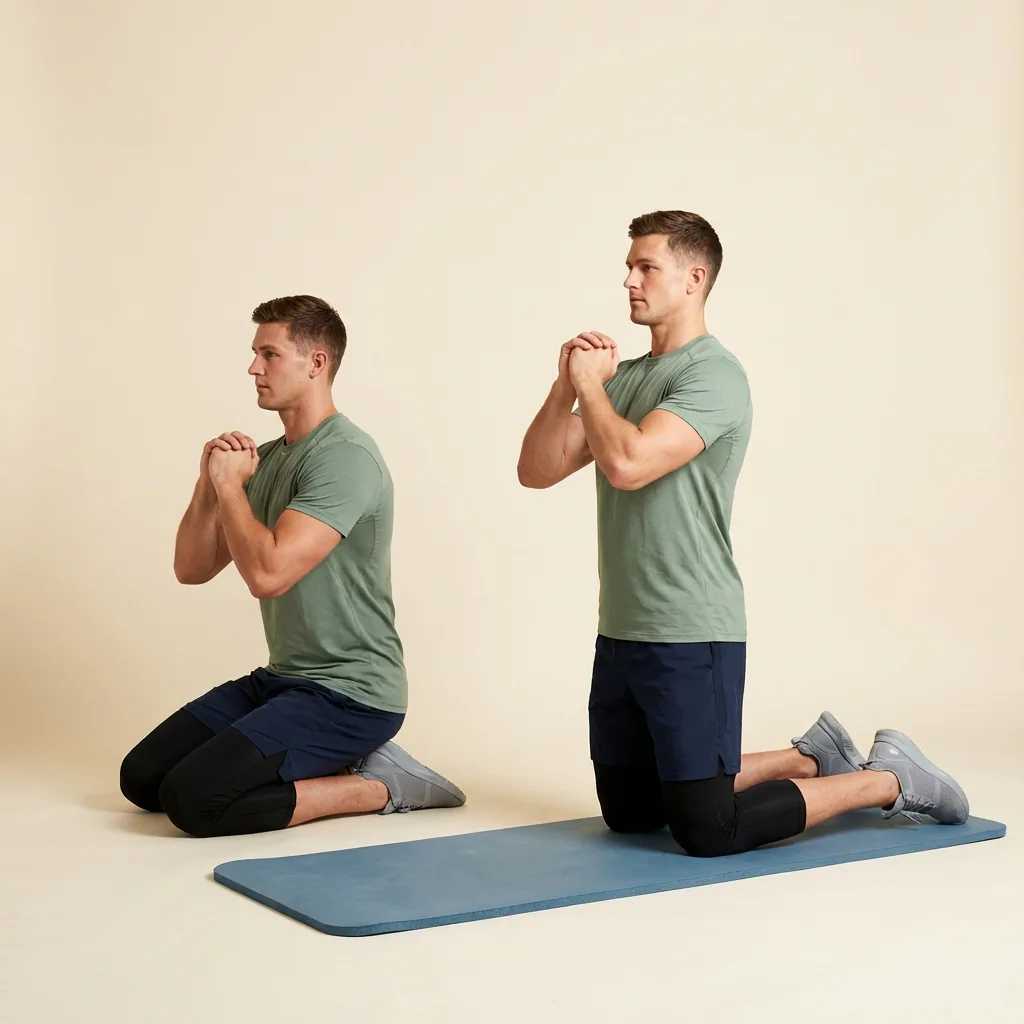
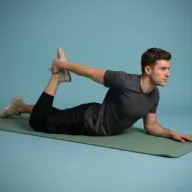
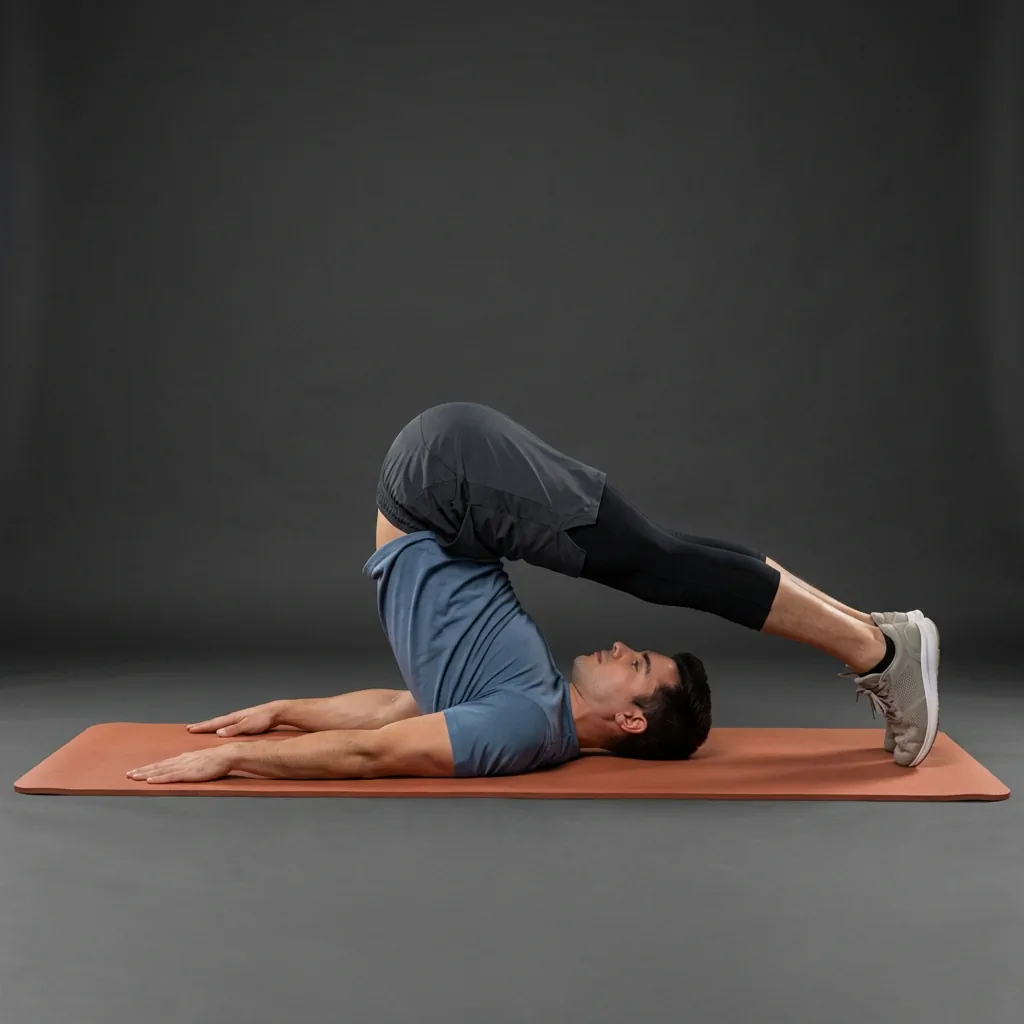
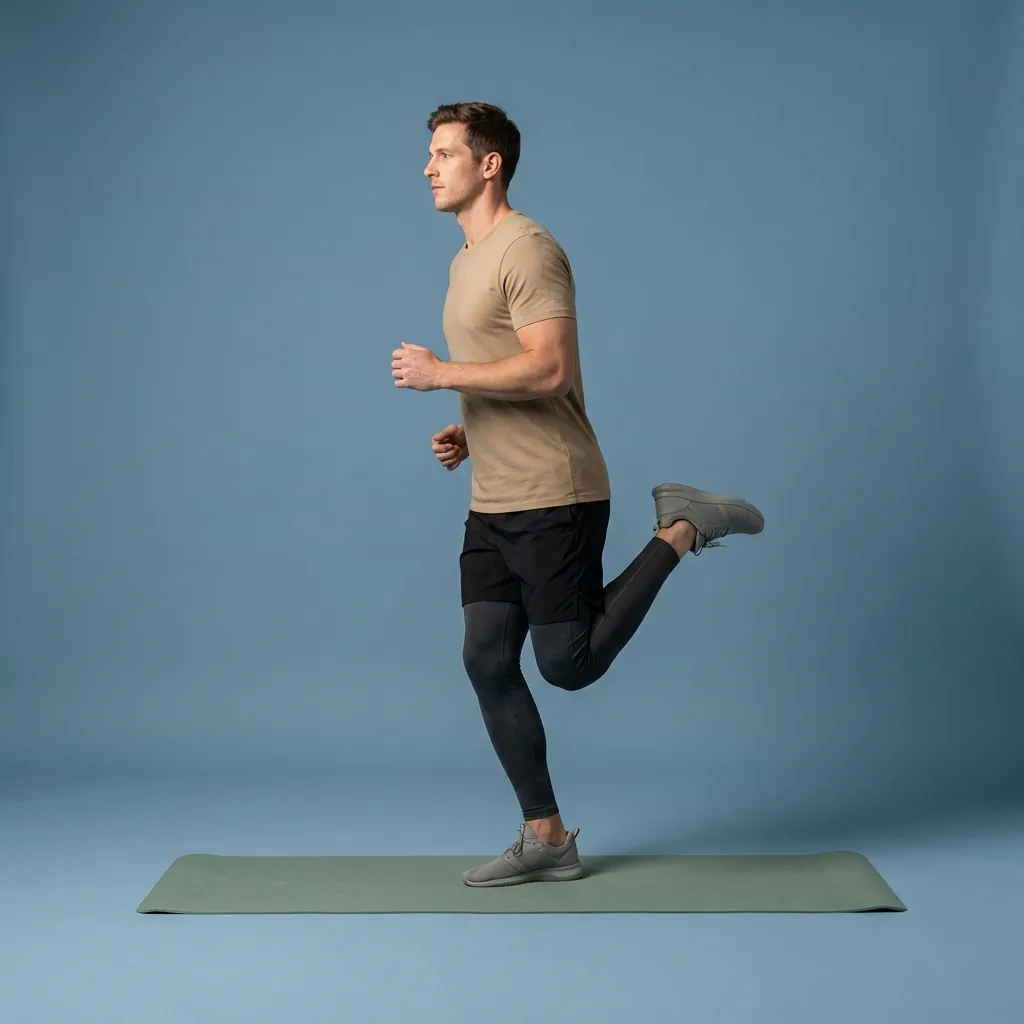
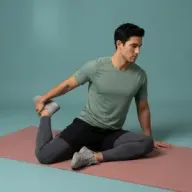
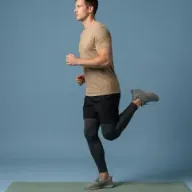
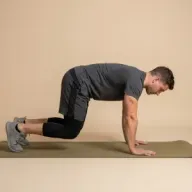
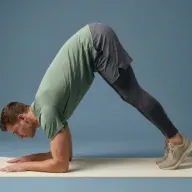
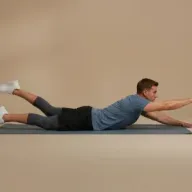
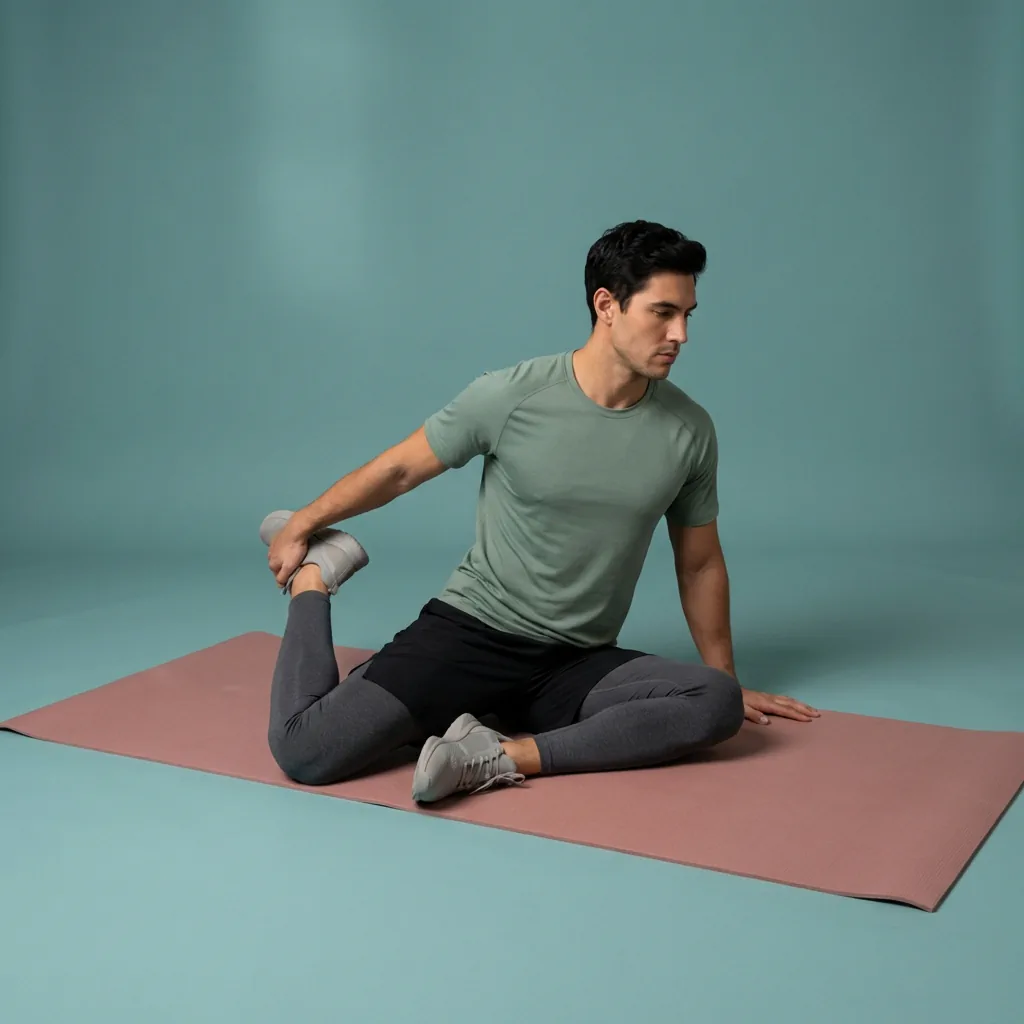
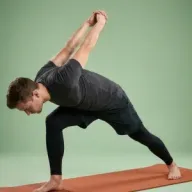
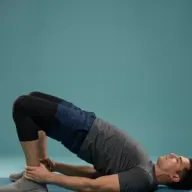
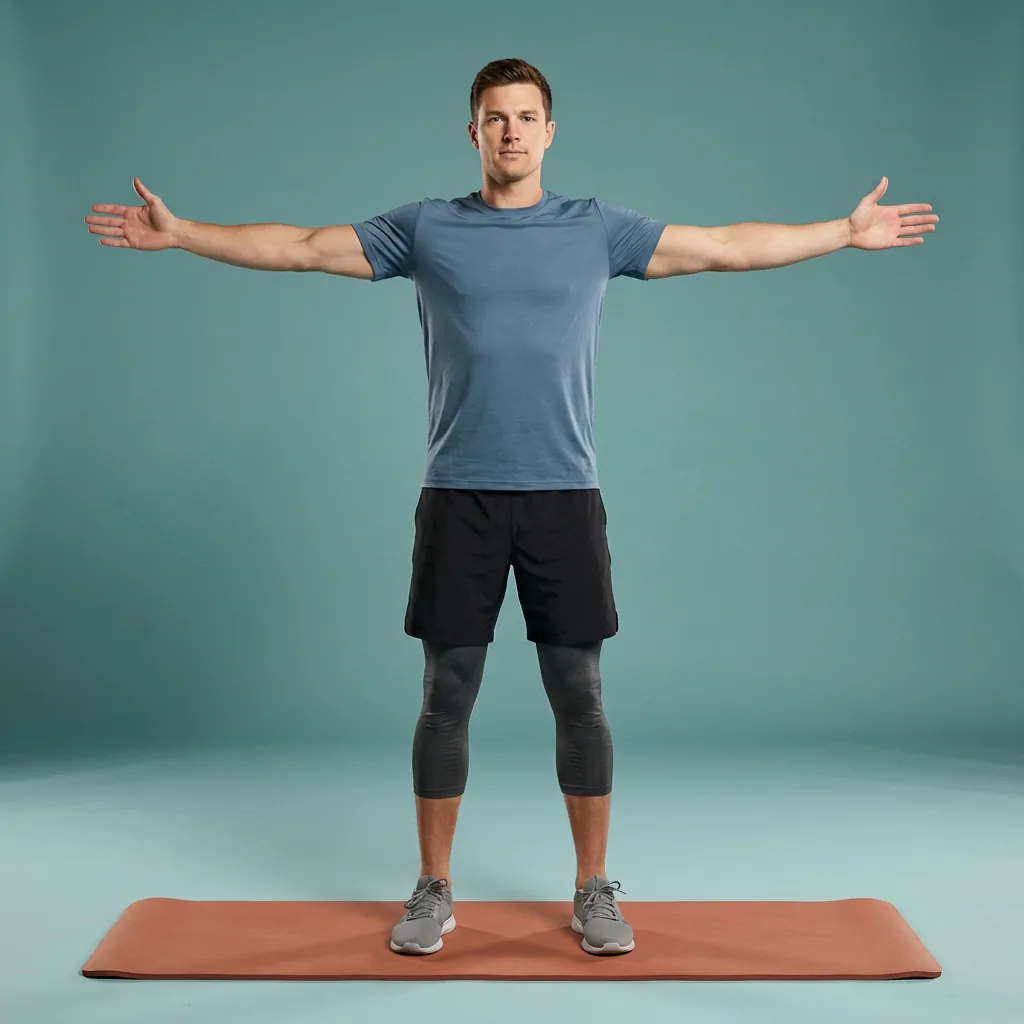
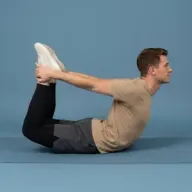
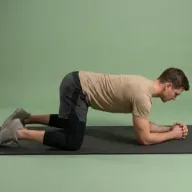
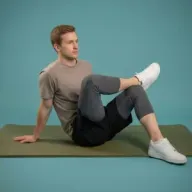
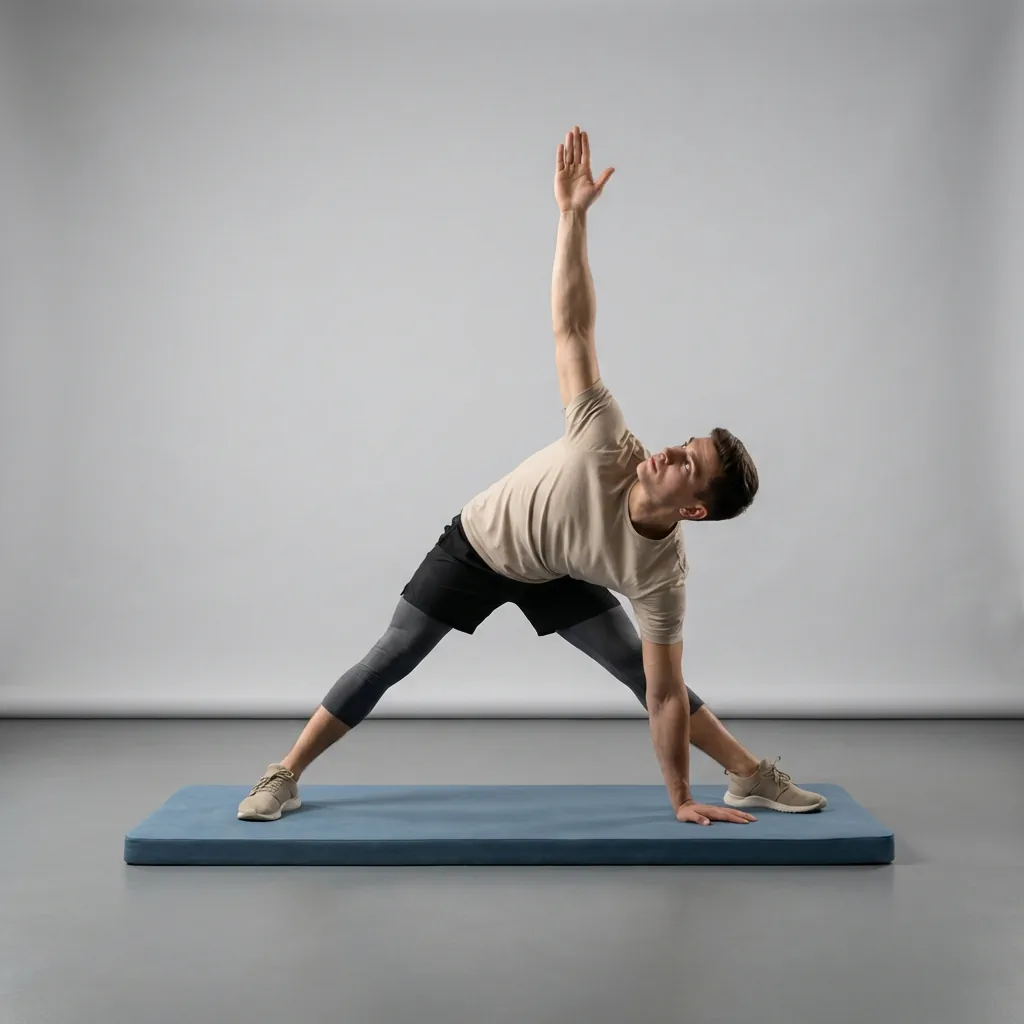
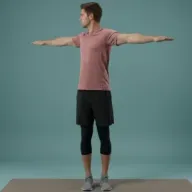
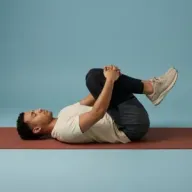
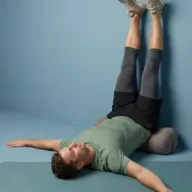
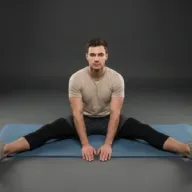
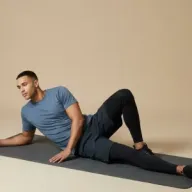
The flow includes trunk twist, toe-touch twist, knees-to-chest, standing frog, figure-four stretch, lying hamstring, quad stretch, soleus stretch, legs-up-the-wall, seated straddle, and shoulder opener. Together they address core, lower back, hips, hip flexors, glutes, adductors, hamstrings, quadriceps, knees, calves, ankles, and feet while keeping intensity deliberately low.
How this differs from a cool-down
Cool-downs follow hard effort immediately. This recovery routine is for the day after — or any time legs feel sluggish and heavy. Passive movement patterns increase blood flow and help clear fatigue without loading joints. The shoulder opener at the end acknowledges that lower-body tension often travels up the chain.
- Twists and knees-to-chest: Wake up the spine and hip flexors gently.
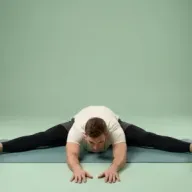
- Standing frog and seated straddle: Open the inner thighs without forcing depth.
- Legs-up-the-wall: Elevate and rest — the simplest recovery tool there is.
Match the session to the moment
A low-intensity recovery routine to support circulation, ease tension, and keep you moving comfortably. This routine uses gentle movement and active stretching to promote blood flow through tired legs, helping to reduce soreness and heavy feelings.
Primary focus sits around the hips, with supportive work through core, lower back, hips, hip flexors, glutes, and adductors. The guided sequence in Flexor includes patterns such as trunk twist, toe touch twist, knees to chest, standing frog, and figure four stretch. At intermediate difficulty, the goal is usable comfort — Uses passive movement to increase blood flow and clear fatigue from tired legs. Choose this when the use case matches your day, then stay consistent for a week before judging results.
What this session supports
- Uses passive movement to increase blood flow and clear fatigue from tired legs.
Common questions
What kind of routine is Recovery: Lower-Body Flush?
Recovery: Lower-Body Flush is organised in Flexor as a recovery routine. Use it as general wellness guidance and keep the range comfortable throughout.
How long does Recovery: Lower-Body Flush take?
Recovery: Lower-Body Flush takes about 13 min at the guided pace. You can pause, repeat, or stop whenever you need to.
How many stretches are in Recovery: Lower-Body Flush?
Recovery: Lower-Body Flush includes 11 guided exercises covering your hamstrings, adductors, glutes, and quadriceps. Follow along in order, and skip any move that does not feel right for you.
Is Recovery: Lower-Body Flush good for beginners?
Recovery: Lower-Body Flush is set at a intermediate level in Flexor. Move gently, breathe steadily, and shorten the holds if you want more time to ease in.
Do you need any equipment for Recovery: Lower-Body Flush?
No. Recovery: Lower-Body Flush is a no-equipment routine — you only need a little space to move comfortably.
Can this routine treat pain or injuries?
No. Comfort-focused and mobility routines in Flexor support general wellness only. They are not physiotherapy, diagnosis, or medical treatment. Seek professional advice for pain, injury, or health conditions.
Related routines
More sessions in a similar rhythm.