
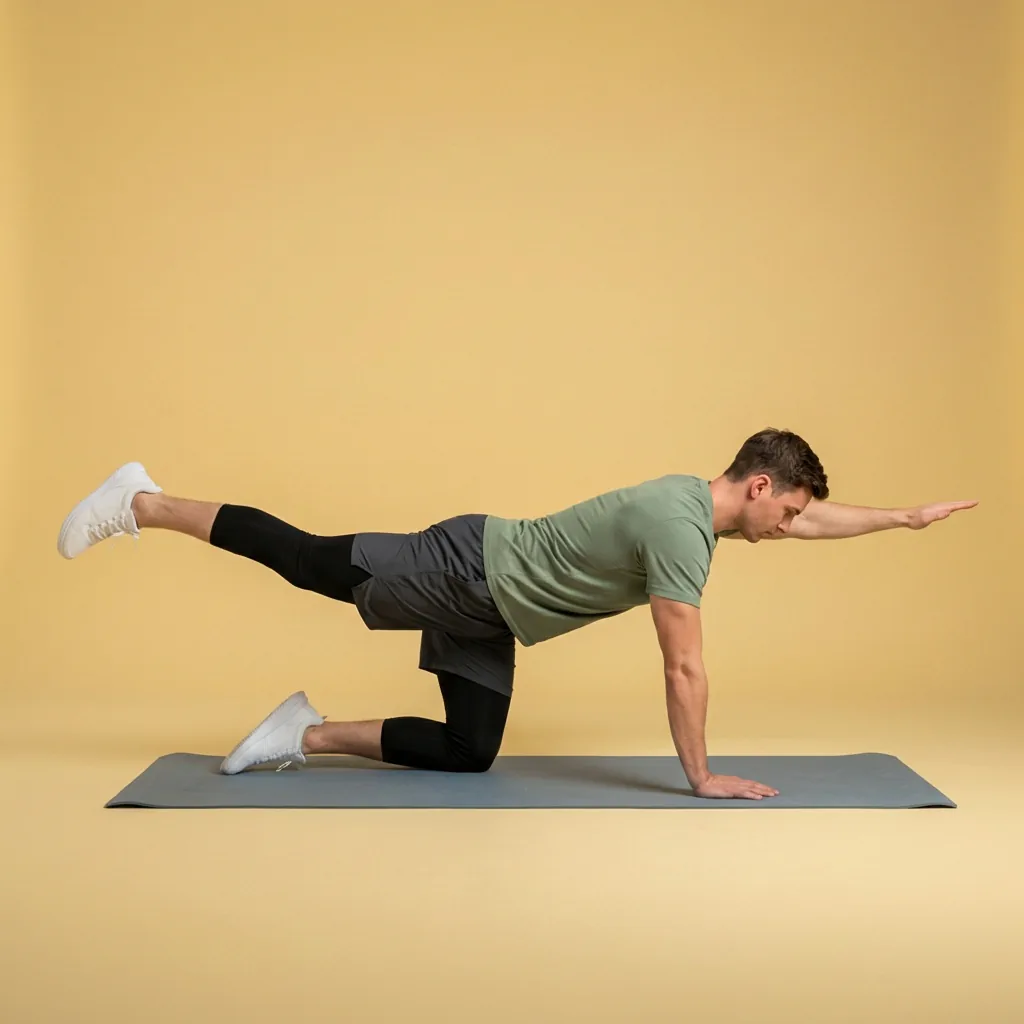

Midsection
Build a steady, supportive core.
The core wraps the whole midsection — front, sides and deep layers — and its main job is to keep the trunk steady while the arms and legs do the moving. A core that braces well transfers force smoothly and takes load off the lower back.
Flexor gathers controlled stability work here — bracing, anti-rotation and gentle trunk mobility — so you can support the spine rather than chase burn.
Start here
A short, guided starting point for Core — begin gently and stay within a comfortable range.
anti-rotation

Bird Dog Plank
stability
Bridge
back and hips
Cat Cow
gentle mobility
Bicycle Crunch Hold
control
Guided routines to start with
-
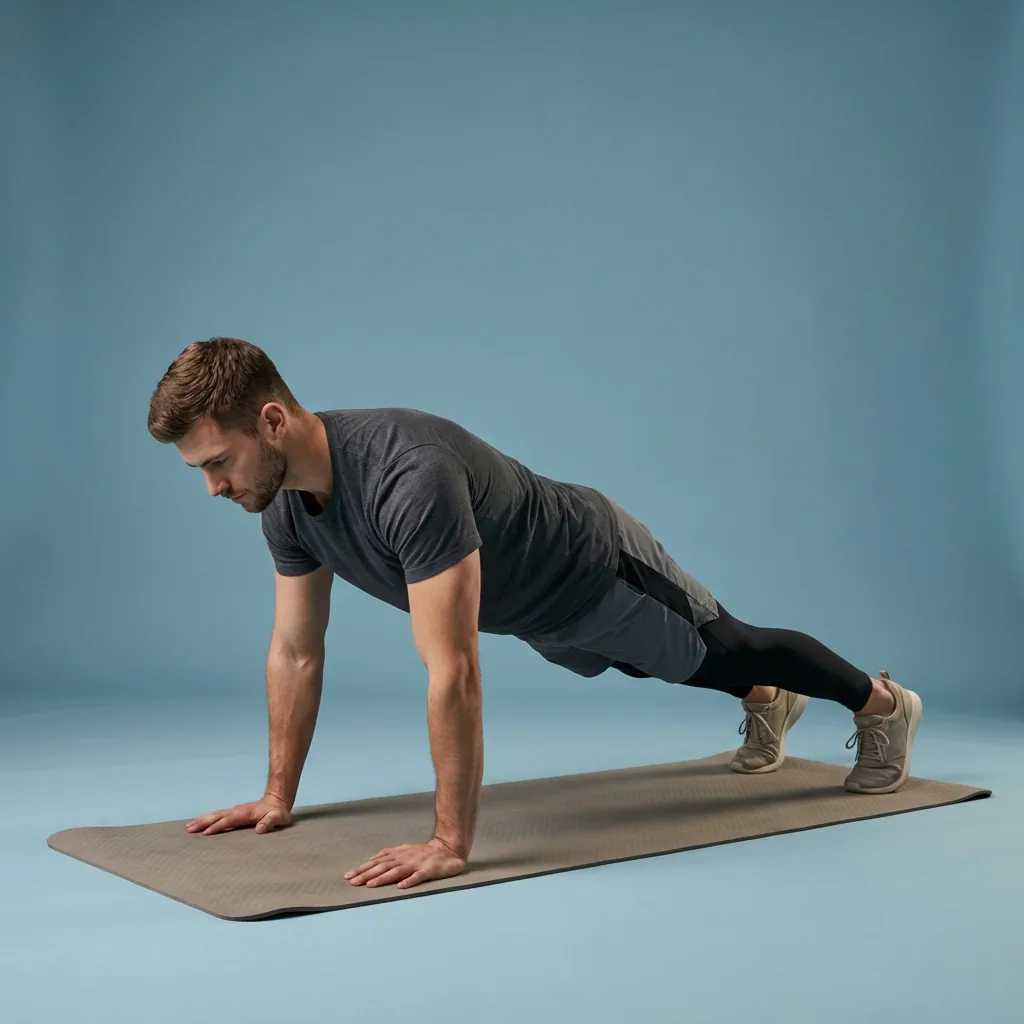 12 min Advanced
Core & Stability Light-up
A controlled core-stability sequence for bracing, balance, and trunk endurance, with clear progressions and no equipment.
-
-
-
-
-
- +8
-
-
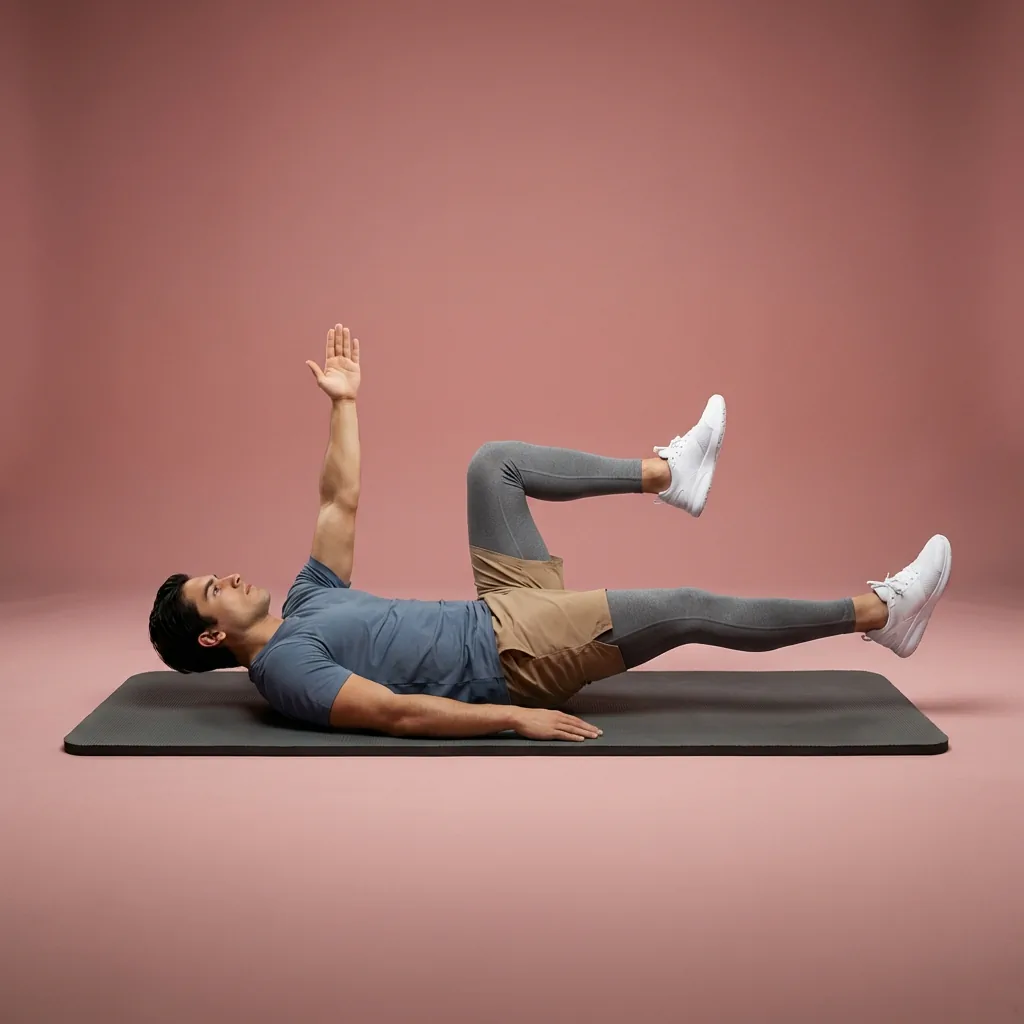 5 min Intermediate
Quick Core Activation
A focused core-strength sequence using controlled bracing and floor-based movements to build trunk endurance without equipment.
-
-

-
-
-

- +1
-
-
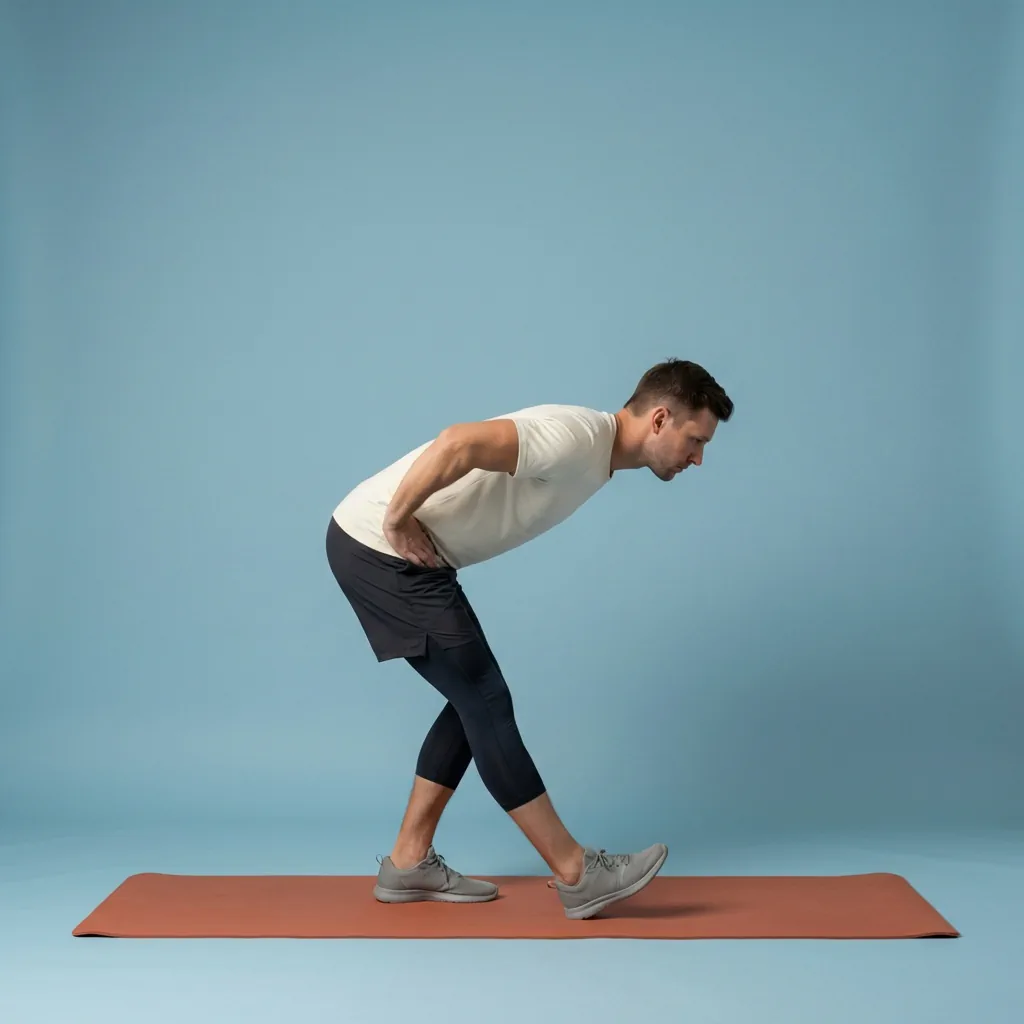 10 min Beginner
Anti-Sitting Routine
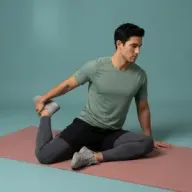
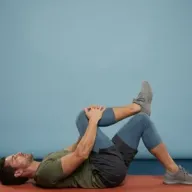
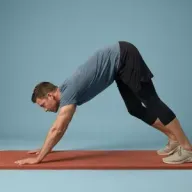
A 10-move desk-break counterbalance — chin retractions, figure four, and down-dog split reversing hip flexor and spinal strain from sitting.
-
-
-
-

-

- +5
-
About the Core
The core includes the deep transversus abdominis, the obliques on the sides, the rectus abdominis at the front and the muscles alongside the spine and pelvic floor.
Together they brace and resist unwanted motion so the spine stays stable while you lift, reach, twist or carry.
The core links the ribcage to the pelvis and hips, so steady core control usually supports the lower back and smoother movement overall.
Ways to work this area
Mobility
Controlled repetitions move the core through a comfortable range without forcing the end position.
Control
Slower drills build awareness and steadiness around the core and nearby joints.
When people reach for this
Supporting the lower back
Steady bracing and anti-rotation work help the trunk stay supported through daily tasks.
Lower Back ComfortWarming up to train
A few control drills wake up the midsection before a workout or a run.
Pre Workout MobilityExercises for Core
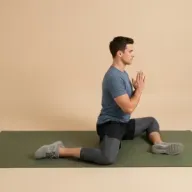
90/90 Hip Switch (No Hands)
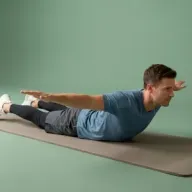
Airplane
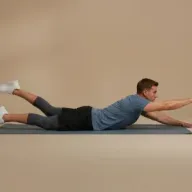
Aquaman
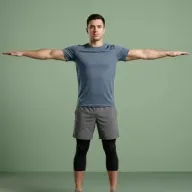
Arm Circles
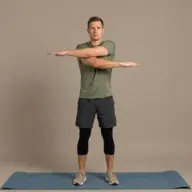
Arm Swings
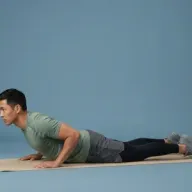
Baby Cobra
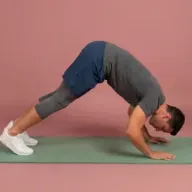
Bent Arm Pike
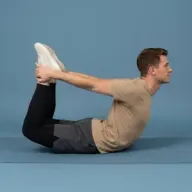
Bow Pose
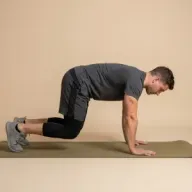
Bulldog
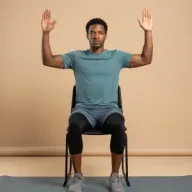
Cactus Arms
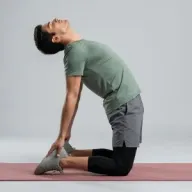
Camel Pose
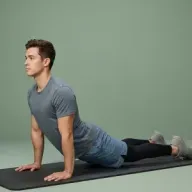
Cobra
Crunch Hold

Crunches
Dead Bug

Dead Hang
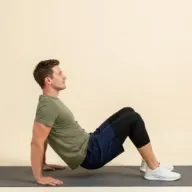
Dip Hold

Dynamic Side Bends
Elbow Plank

Elbow Plank Leg Lift

Elbow Side Plank
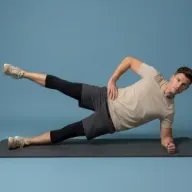
Elbow Side Plank Leg Lift
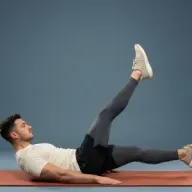
Flutter Kicks
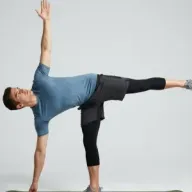
Half Moon Pose
Routines for Core
-
12 min Advanced
Core & Stability Light-up
A controlled core-stability sequence for bracing, balance, and trunk endurance, with clear progressions and no equipment.
-
-
-
-
-
- +8
-
-
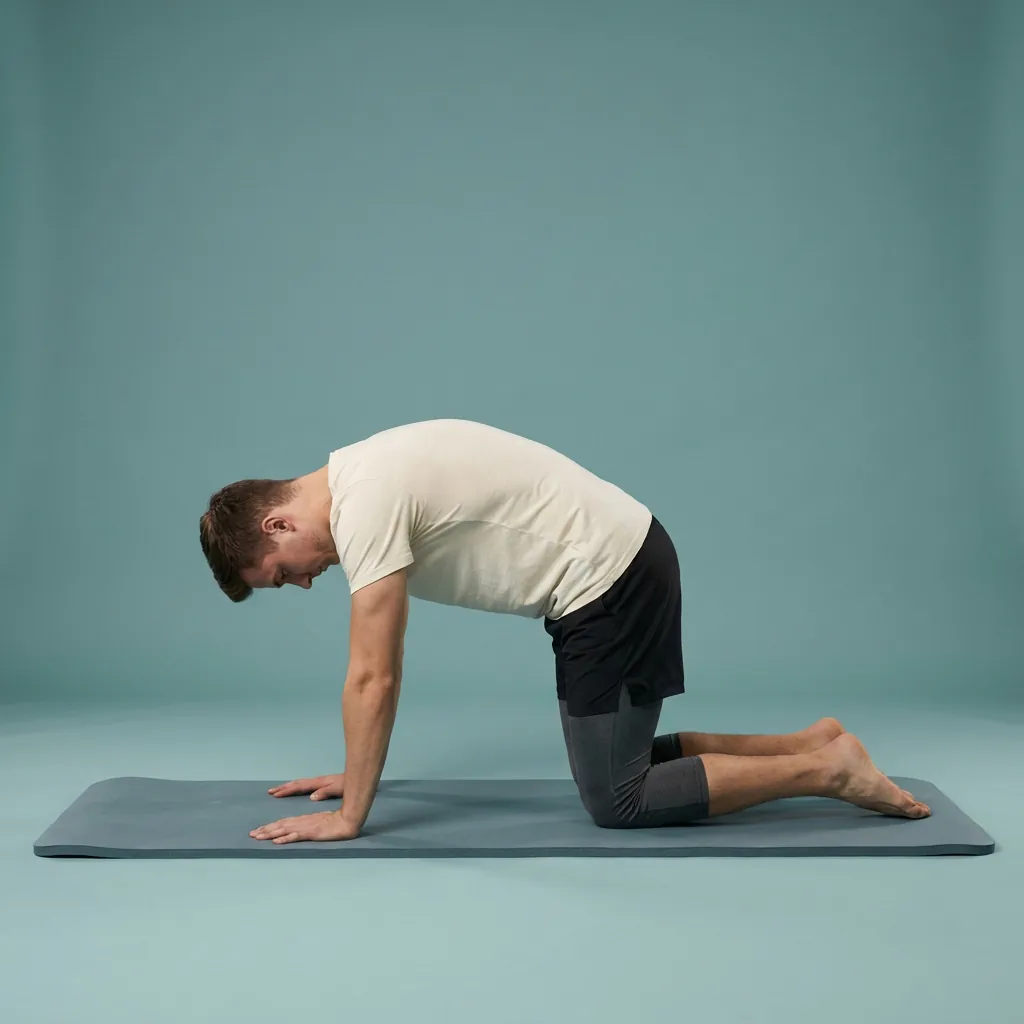 6 min Beginner
Fasting-Friendly Ease Level 1
A 7-move fasting-friendly ease flow for spine, hips, and core with cat-cow, baby cobra, bulldog, light holds, and child's pose.
-
-
-
-
-
- +2
-
-
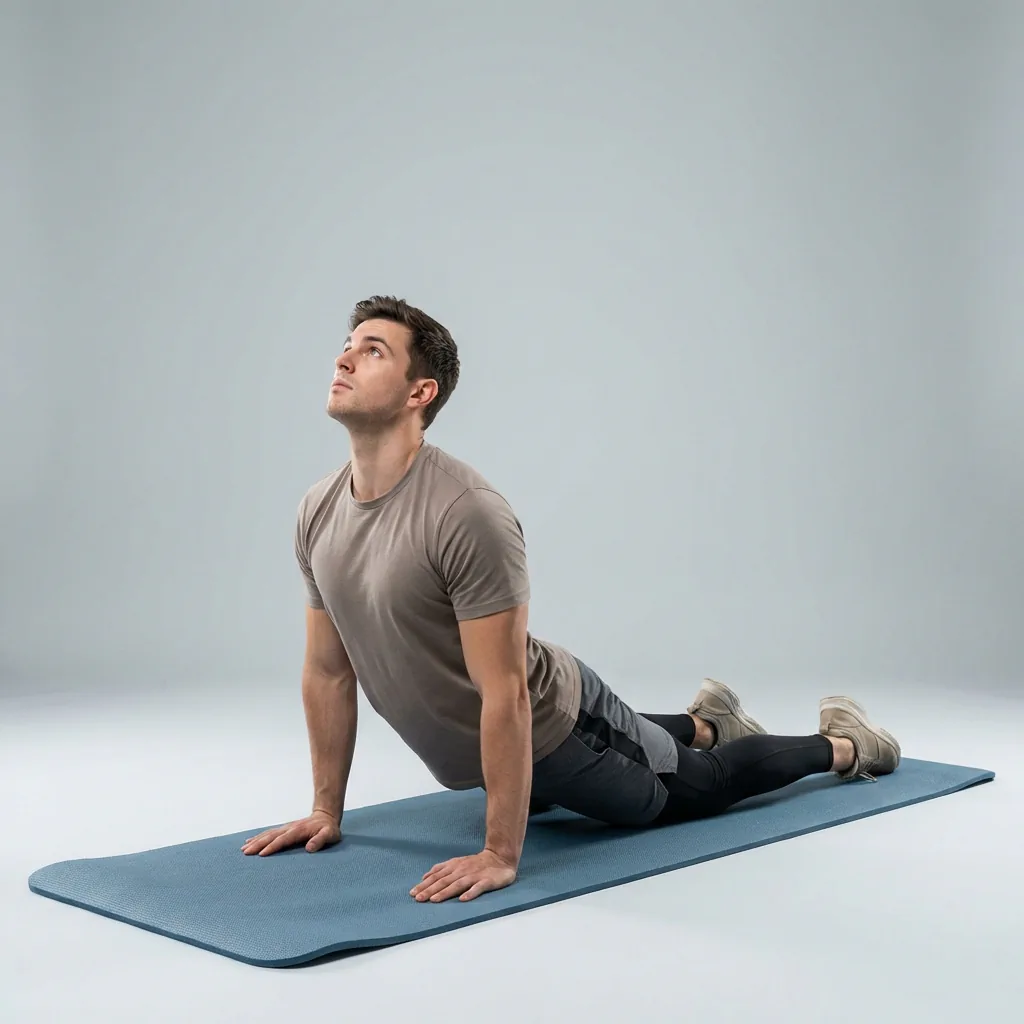 7 min Advanced
Pre-Workout Mobility: Core
A 7-move core primer — v-sit, spiderman push-up hold, and bicycle crunch hold stabilizing the trunk before athletic work.
-
-
-
-
-
- +2
-
-
5 min Intermediate
Quick Core Activation
A focused core-strength sequence using controlled bracing and floor-based movements to build trunk endurance without equipment.
-
-
-
-
-
- +1
-
-
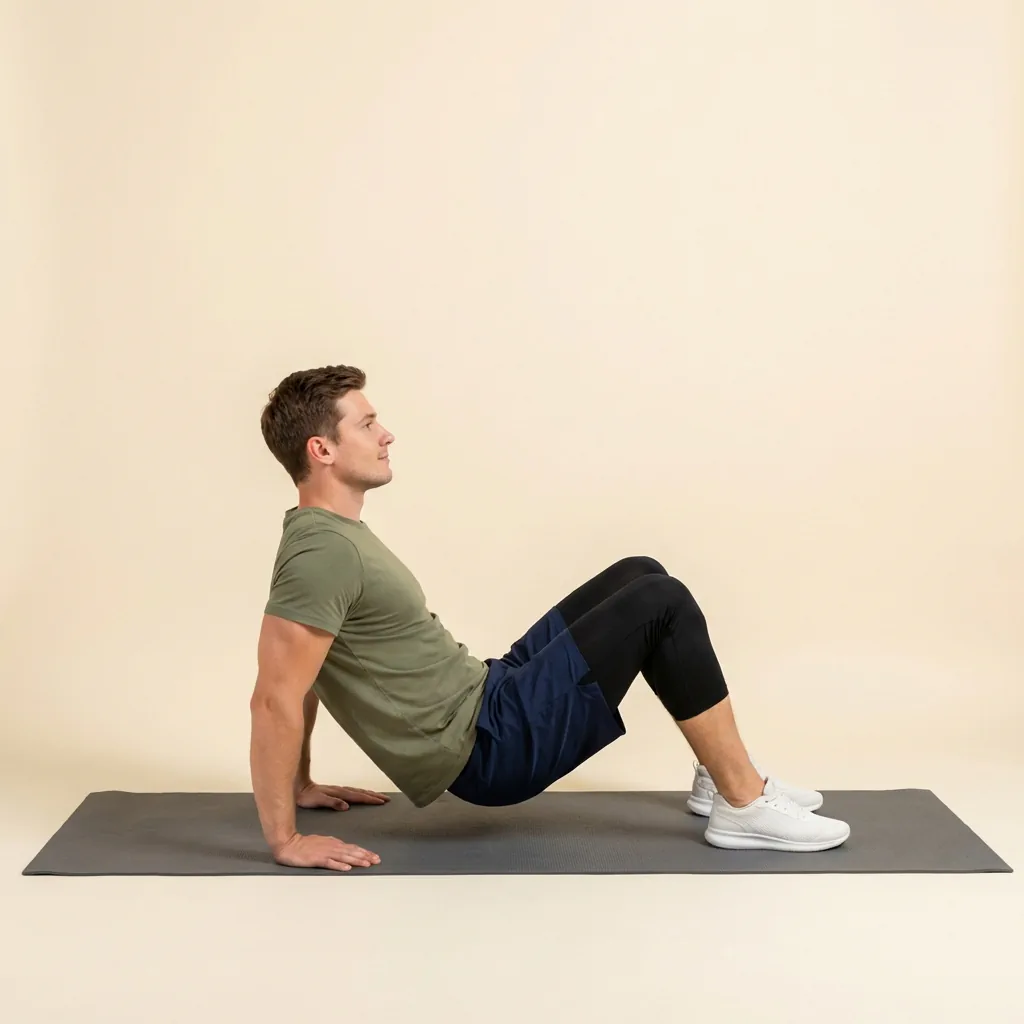 8 min Advanced
Strength Prep Mobility Flow
A 9-move advanced strength prep — jump squats, dip hold, and elbow plank leg lift weaving mobility and active stability.
-

-
-

-
-
- +4
-
How Flexor personalises this
Flexor mixes stability, control and gentle mobility to fit your goals — more bracing for lifting, more control for everyday comfort — from the sessions you log.
See personalised plansExplore related pages
Move comfortably
- Keep the spine long and breathe steadily rather than holding your breath.
- Build holds and reps gradually, easing off if the lower back complains.
This is general fitness guidance, not medical advice or treatment. Move within a comfortable range, and speak to a qualified professional about pain that persists or worsens.
Read the full wellness disclaimerWritten by Flexor editorial Last reviewed July 2026
Common questions
What is the difference between core and abs?
The abs are the front sheet of muscle you can see, while the core is the whole cylinder — front, sides, deep layers and the muscles alongside the spine. Training the core means working all of that, not only the front.
How do I strengthen my core safely?
Start with stability moves like bird dog and bridges that ask the trunk to stay still while a limb moves, keeping the spine long and breathing steadily. Add range and reps gradually as control improves.
Do I need crunches for a strong core?
Not necessarily. Anti-rotation and bracing drills build the stability most people are after, and many find them kinder on the neck and lower back than repeated crunches.
How often should I train my core?
A few short, controlled sessions across the week tend to work well. Because the core also assists other exercises, you may already be using it more than you realise.