
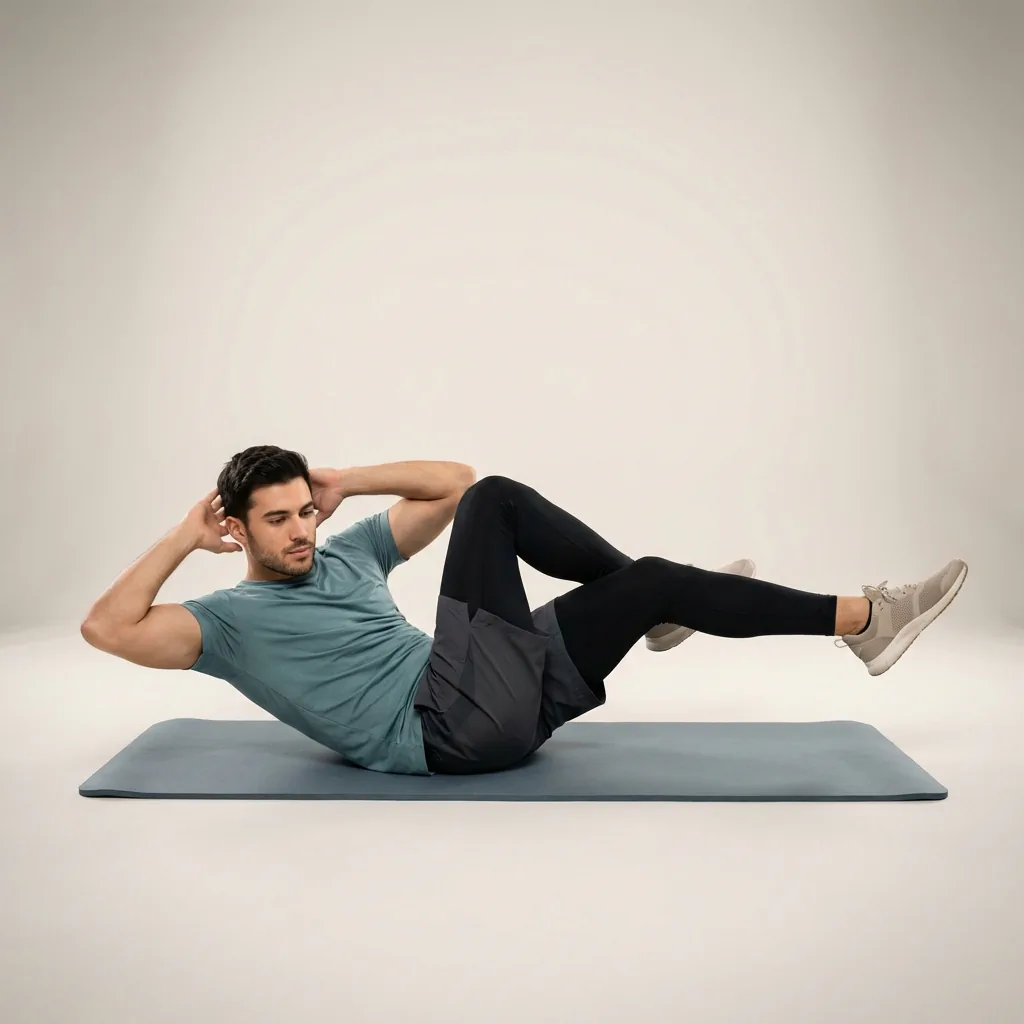
Crunches
Curl the shoulder blades off the floor to train controlled abdominal flexion.
Overview
Crunches is an intermediate abdominal exercise on Flexor that curls the shoulder blades off the floor to train controlled spinal flexion.
What Crunches targets
You'll feel the rectus abdominis working to lift the upper trunk while the lower back stays heavy on the mat.
Why add Crunches to your routine
Trains controlled spinal flexion through the rectus abdominis.
- Teaches exhale-on-effort bracing for safer core work.
- Uses a smaller, safer range than full sit-ups.
Who it's for
Anyone with basic core control who wants repeated ab flexion work.
When to do it
Use in core circuits, after warm-ups, or as part of a home ab routine.
Crunches are a classic abdominal exercise that lifts the shoulder blades off the floor while keeping the lower back heavy. Exhale on the way up, pause briefly, and lower with control without pulling on the neck.
Setup cue
Lie on your back with knees bent, feet flat, and fingertips lightly behind your head or across your chest. Exhale to curl shoulder blades off the floor while keeping the low back heavy.
Practice notes
In Flexor, Crunches is typically prescribed as about 45 sec per round, 1 rep, and 1 set. Adjust the dosage to what feels sustainable, breathe steadily, and ease off if anything feels sharp or unsafe.
Guidance
How to perform, tips, mistakes, safety notes, and benefits for Crunches.
Follow these cues in order. Move with control and stay in a comfortable range.
- Lie on your back with knees bent, feet flat, and fingertips lightly behind your head or across your chest.
- Exhale to curl shoulder blades off the floor while keeping the low back heavy.
- Pause briefly at the top without pulling on your neck.
- Inhale to lower with control and repeat.
Cues that help the movement stay smoother and more controlled.
- Exhale as the shoulder blades lift; keep the low back pressed down.
- Light fingertips behind the head — do not yank the neck.
- Pause briefly at the top before lowering with control.
Patterns to watch for so the shape stays clearer.
- Pulling on the head and neck to get higher.
- Using momentum or hip flexor swing instead of ab contraction.
- Letting the lower back peel off the floor at the top of each rep.
Keep things comfortable and stop if something feels wrong.
- Stop if you feel sharp pain, numbness, tingling, dizziness, or symptoms that radiate.
- Stay within a comfortable, controlled range; muscular effort or mild stretch tension should not become pain.
- Move smoothly without bouncing, jerking, or forcing the range.
Why people include this movement in their practice.
- Trains controlled spinal flexion through the rectus abdominis.
- Teaches exhale-on-effort bracing for safer core work.
- Builds ab endurance with a smaller range than full sit-ups.
Similar movements to explore next
-
Bicycle Crunch Hold
Isometric bicycle crunch hold that braces the obliques while one leg extends and the opposite elbow meets the knee.
-
Hollow Body
Use Hollow Body for dynamic hollow-body rocks that challenge core tension while the body moves as one piece.
-
Hollow Body Hold
Hold a rounded supine core position with the lower back gently pressed into the floor and the arms and legs extended only as far as control allows.
-
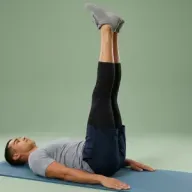
Leg Raises
Lie on your back, brace your core, and lift both legs toward vertical then lower with control to strengthen the lower abdominals and hip flexors.
-
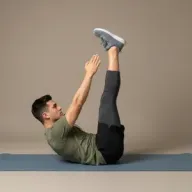
Toe Touch Hold
Lie on your back, lift straight legs and shoulders, and reach toward the toes for an abdominal hold.
-
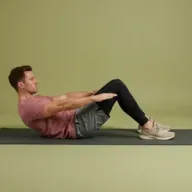
Crunch Hold
Hold a partial curl-up with shoulders lifted to build abdominal endurance and bracing.
-
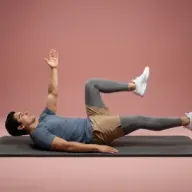
Dead Bug
Lie on your back and lower opposite arm and leg while keeping the spine braced flat.
-
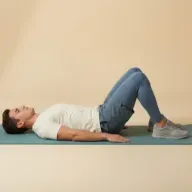
Pelvic Tilt Press
Supine posterior pelvic tilt that presses the lower back into the mat to train core and pelvic control.
Common questions
Which body areas does Crunches target?
Crunches is a movement that mainly targets your core and abdomen. Move within a comfortable range and skip it if it does not feel suitable for you.
Which muscles does Crunches work?
Primary muscles associated with Crunches include rectus abdominis. Flexor presents this as general wellness guidance, not a clinical assessment.
Is Crunches suitable for beginners?
Crunches is listed as intermediate in Flexor. Choose a smaller range of motion, fewer repetitions, or an easier variation whenever you want more control.
How long should you hold Crunches?
In Flexor, Crunches runs for about 45 sec per round. Adjust the time to what feels sustainable, breathe steadily, and ease off sooner if anything feels sharp.
How do you do Crunches?
Crunches has 4 guided steps. Follow them in order on this page, breathe steadily, and keep the movement smooth and within a comfortable range. Stop if anything feels sharp, unstable, or unsafe for you.
Do you need any equipment for Crunches?
No. Crunches is a no-equipment movement you can do at home with just enough space to move comfortably.
Is this medical advice?
No. Flexor provides general fitness and wellness guidance. It does not diagnose, treat, or prevent medical conditions. Speak with a qualified professional about injuries, persistent pain, or health concerns.