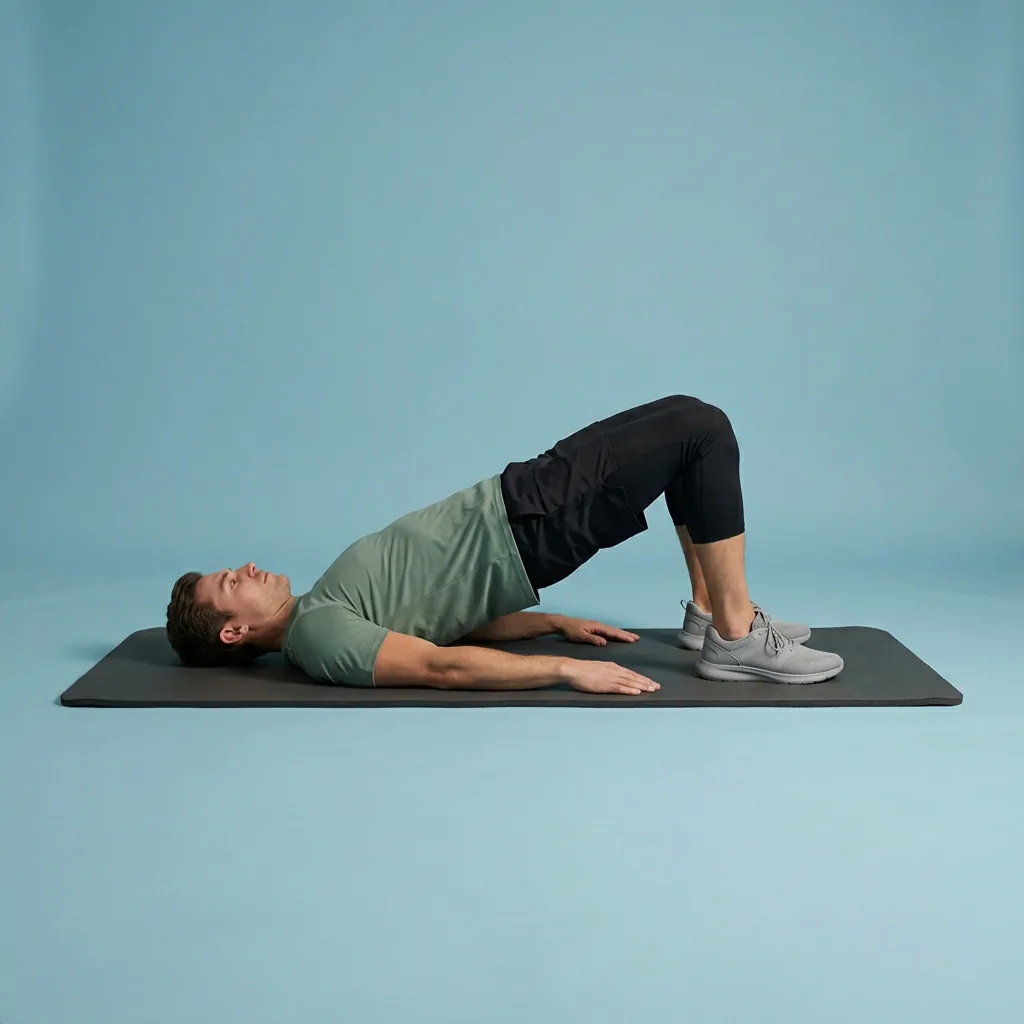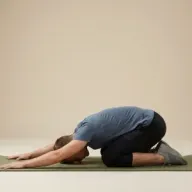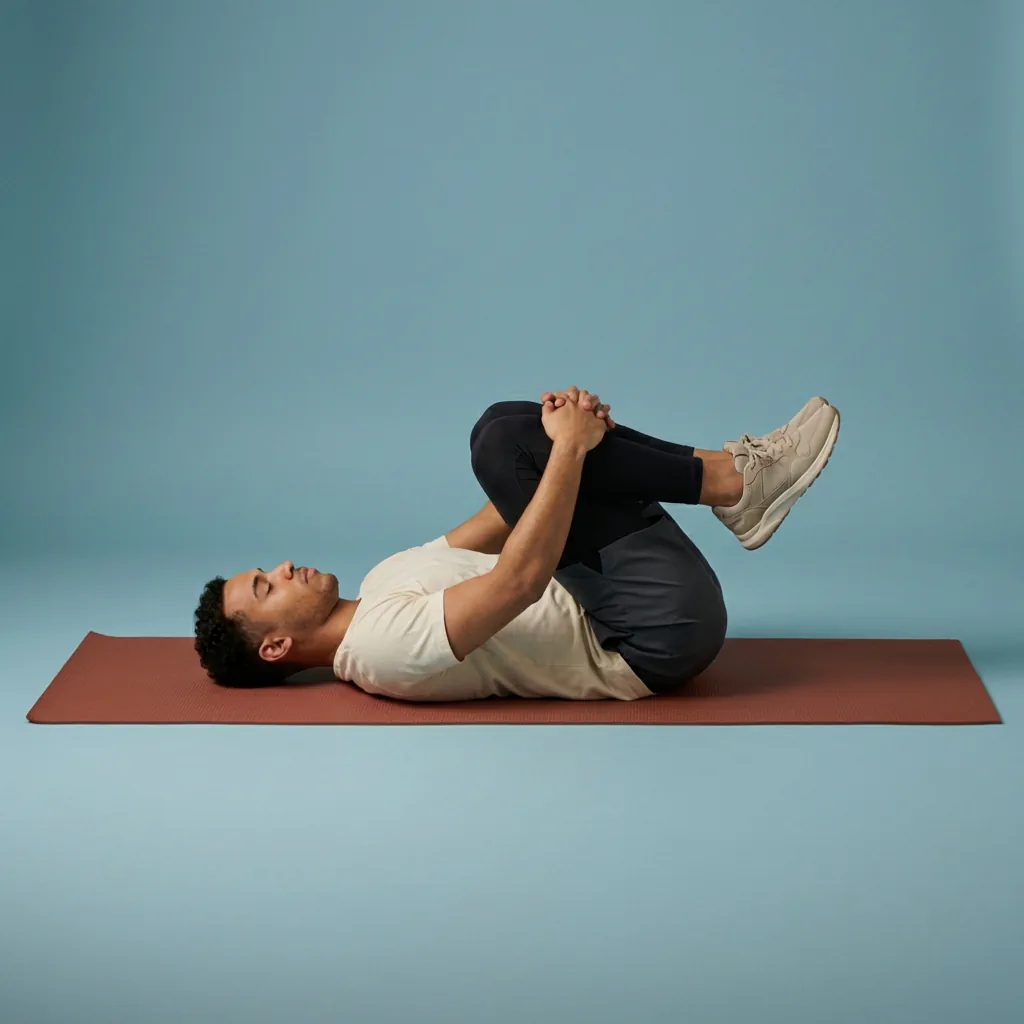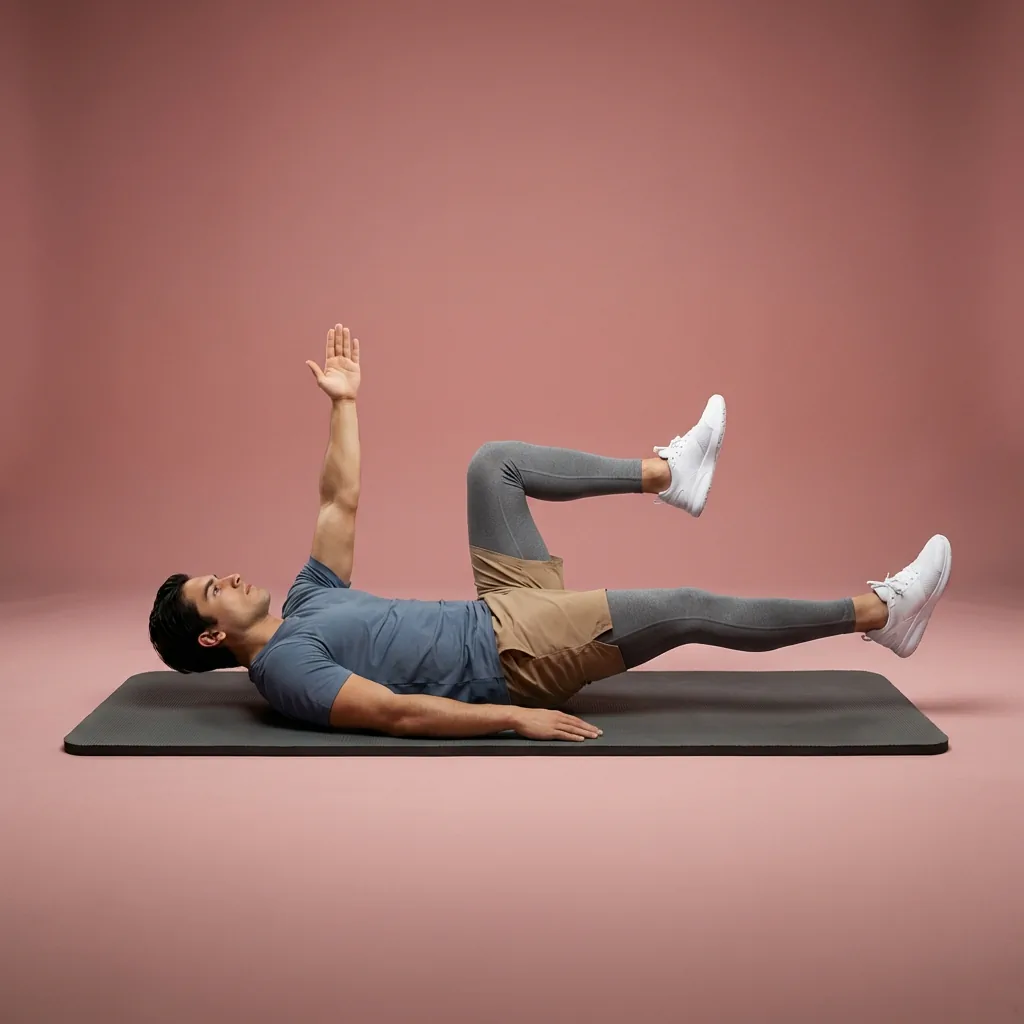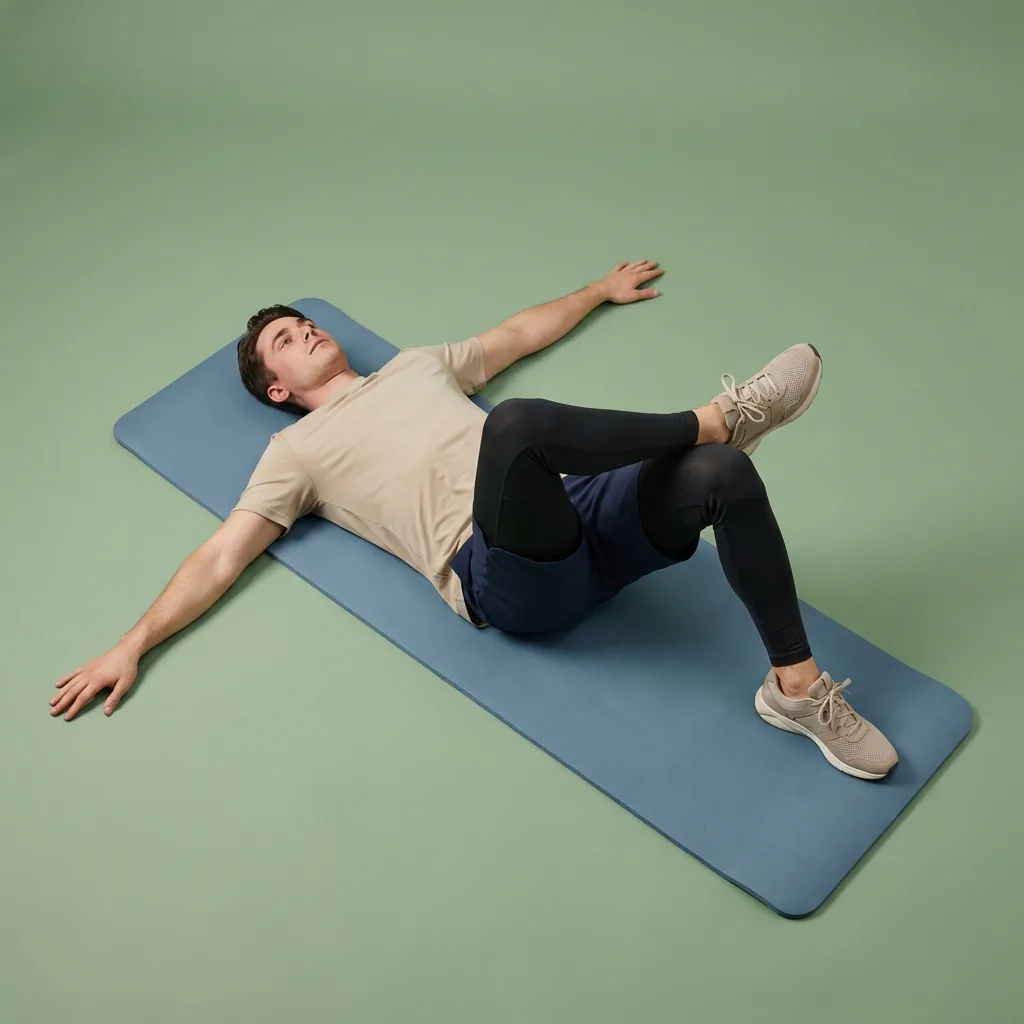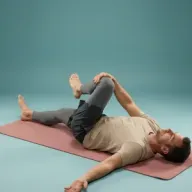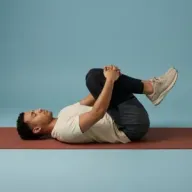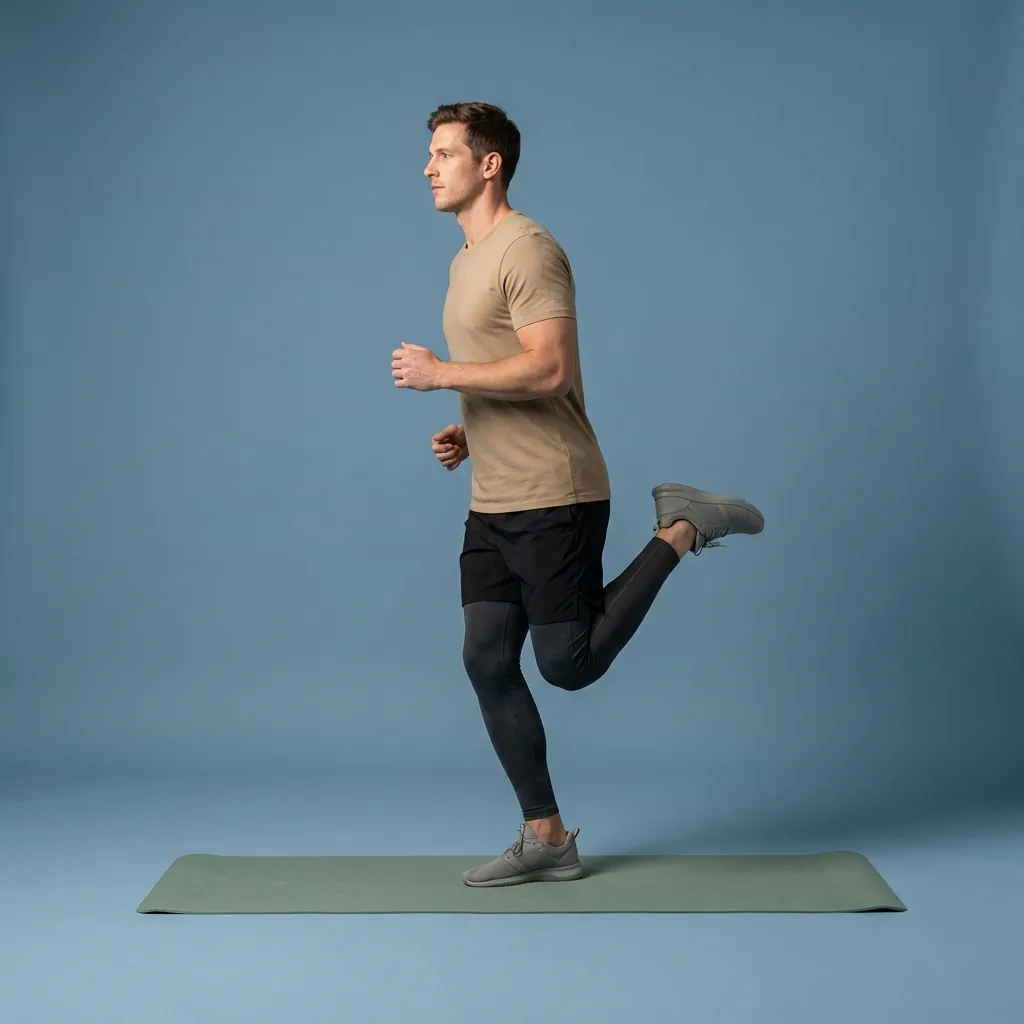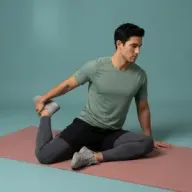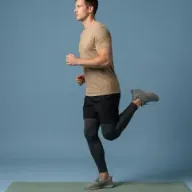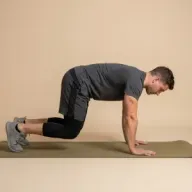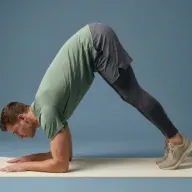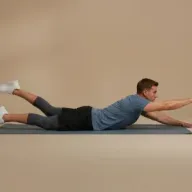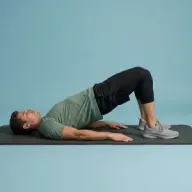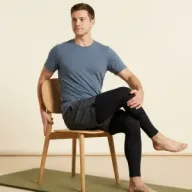
Forearm Release
An 11-move forearm and wrist release — wrist flexion, extension, and forearm stretch for typing and gripping fatigue.
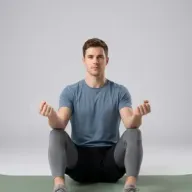
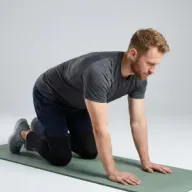
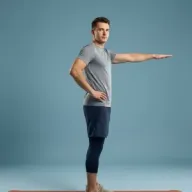

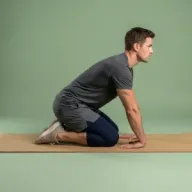
About this routine
Hours of typing, lifting, or gripping leave your forearms feeling like coiled rope. Forearm Release is Flexor's targeted routine for muscular tightness, strain, and overuse fatigue in the wrist flexors, extensors, and brachioradialis—melting away the gripping muscles that accumulate tension from keyboards, barbells, and hands-on work.
From shoulders to fingertips
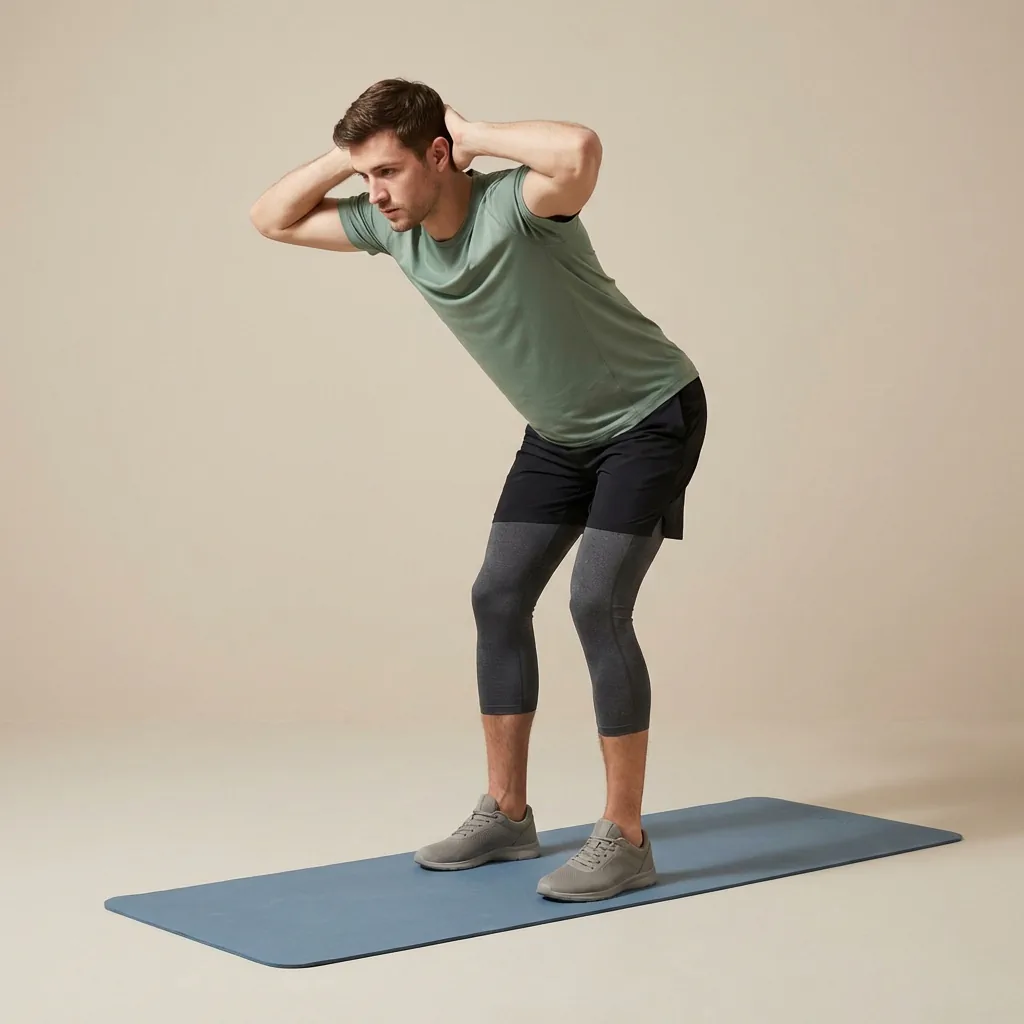
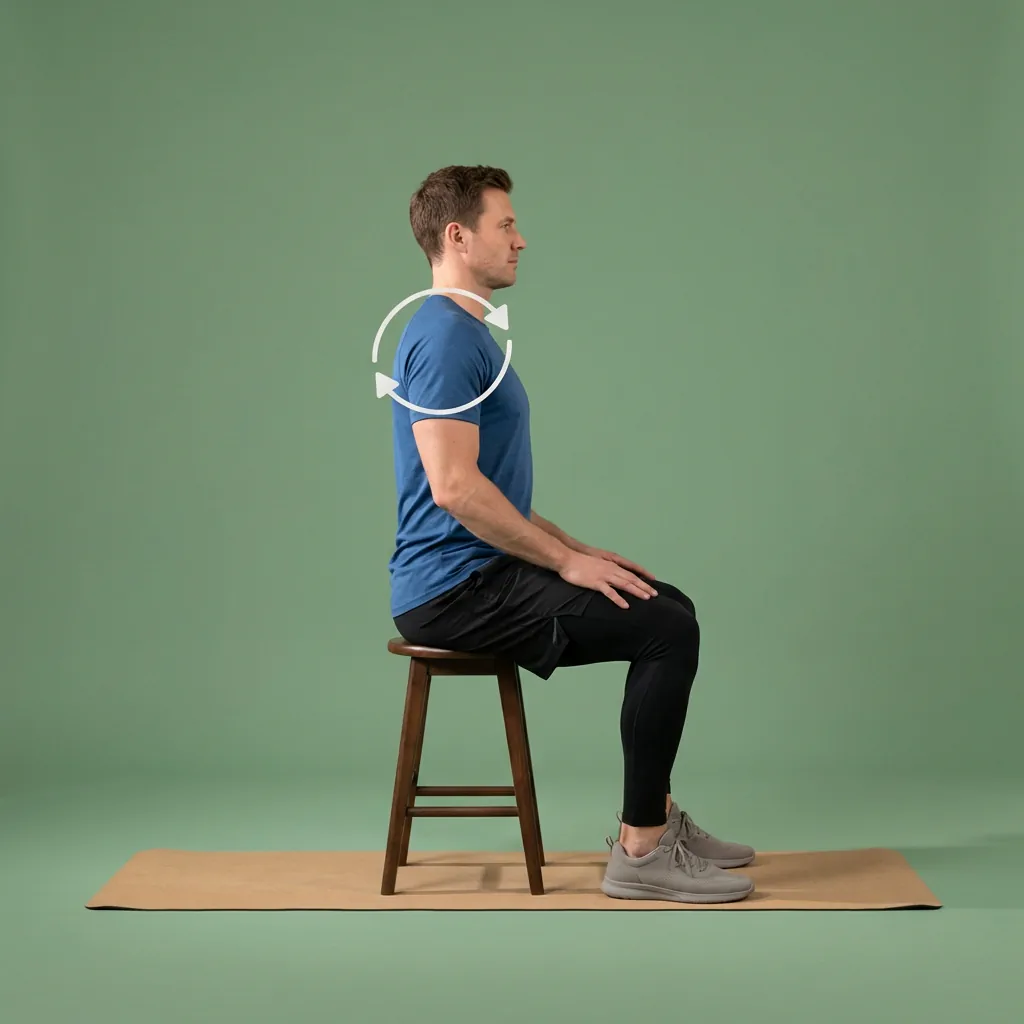
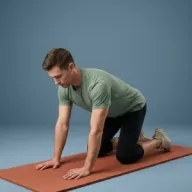
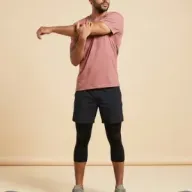
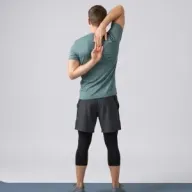
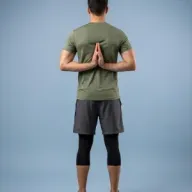
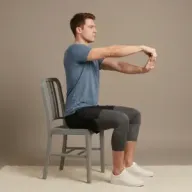
Tension rarely stops at the wrist. Shoulder rolls and wrist circles—including kneeling variations—start the chain with low-pressure joint glide. Wall arms and scapula stretch open the upper body that feeds forearm load. Wrist extension and flexion mobilize the joint directly through comfortable ranges. One-arm hug and overhead tricep address adjacent tissue that pulls on the elbow. Reverse prayer pose and forearm stretch finish with deep lengthening across the flexor-extensor line.
Melting the grip
Overused gripping muscles benefit from varied angles rather than one static hold. This flow cycles through them systematically, improving flexibility through the forearms, hands, shoulders, neck, upper back, chest, and core as a connected upper-body map.
- Beginner difficulty with flexibility and mobility tags
- Short enough for a desk break, thorough enough for post-work recovery
- No equipment—usable in an office chair or on a living room floor
- Recovery, mobility, and flexibility categories combined
Flexor designed this for regular use, not only when forearms are already shouting. Preventive release often beats reactive stretching after pain has already settled in.
Reverse prayer pose and the dedicated forearm stretch are worth lingering on—they target the exact gripping line that typing and bar work overdevelops. Flexor places them late in the flow so wrists and shoulders are warm enough to accept depth without irritation.
What this session supports
- Melts away tight, overused gripping muscles to ease strain from typing, lifting, or repetitive hands-on work.
Common questions
What kind of routine is Forearm Release?
Forearm Release is organised in Flexor as a recovery routine. Use it as general wellness guidance and keep the range comfortable throughout.
How long does Forearm Release take?
Forearm Release takes about 11 min at the guided pace. You can pause, repeat, or stop whenever you need to.
How many stretches are in Forearm Release?
Forearm Release includes 11 guided exercises covering your hips, spine, lower back, and glutes. Follow along in order, and skip any move that does not feel right for you.
Is Forearm Release good for beginners?
Forearm Release is set at a beginner level in Flexor. Move gently, breathe steadily, and shorten the holds if you want more time to ease in.
Do you need any equipment for Forearm Release?
No. Forearm Release is a no-equipment routine — you only need a little space to move comfortably.
Can this routine treat pain or injuries?
No. Comfort-focused and mobility routines in Flexor support general wellness only. They are not physiotherapy, diagnosis, or medical treatment. Seek professional advice for pain, injury, or health conditions.
Related routines
More sessions in a similar rhythm.