
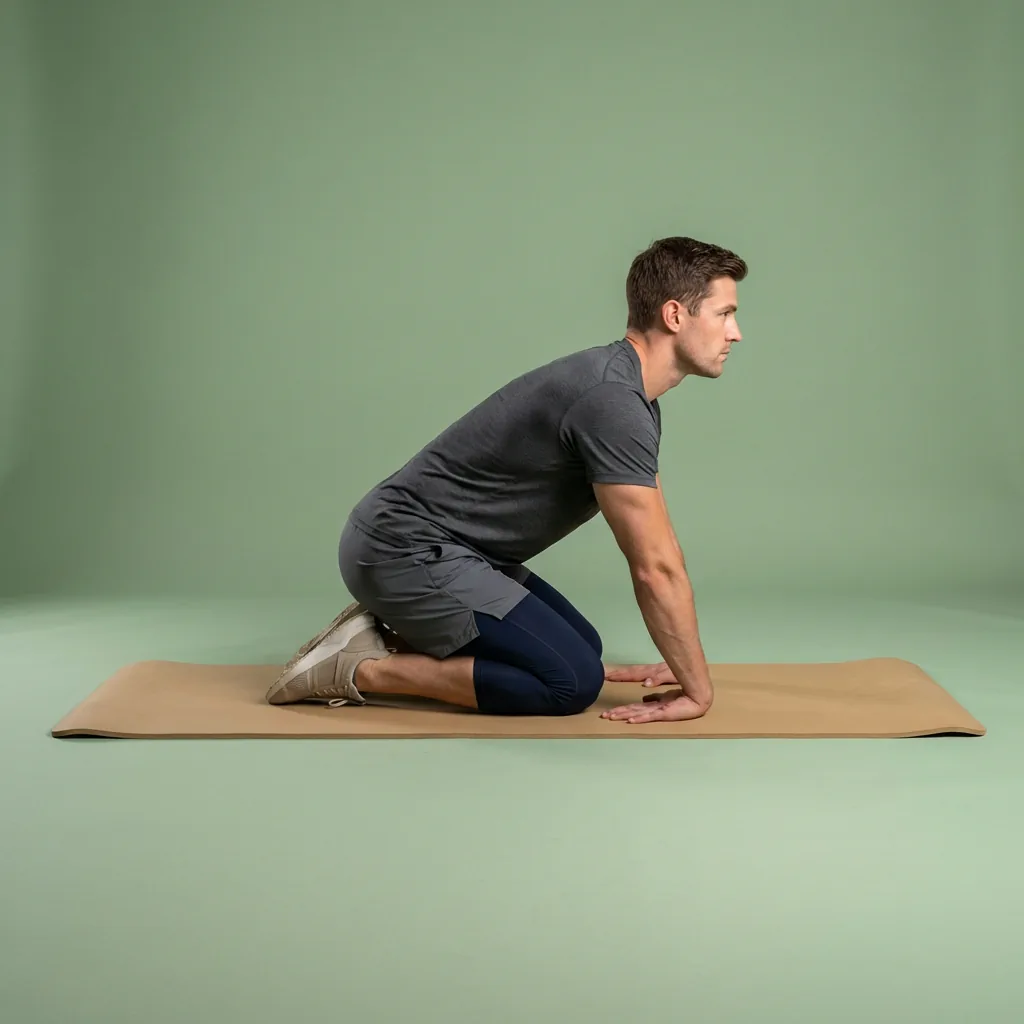
Wrist Extension
Gently pull the fingers back with the opposite hand to stretch the forearm extensors and top of the wrist.
Overview
Wrist Extension on Flexor is an assisted forearm stretch. The opposite hand gently draws the fingers back while the palm faces down and the elbow stays soft.
What Wrist Extension targets
You'll feel the stretch along the top of the forearm and the back of the wrist.
Why add Wrist Extension to your routine
It counteracts the flexed-wrist position of typing and gripping, helping the wrist extend comfortably under load.
- Static assisted stretch — work both wrists evenly.
- No equipment needed.
Who it's for
Swimmers, tennis players, desk workers, and anyone with tight forearm extensors.
When to do it
Before or after hand-intensive sessions, or during short desk breaks. About 60 seconds per side.
Wrist Extension uses an assisted stretch — one arm extends with the palm down, the other hand draws the fingers toward the body to open the top of the wrist and lengthen the forearm extensors. Hold briefly on each side.
Setup cue
Extend one arm forward with your palm facing away and fingers up. Use your other hand to gently pull your fingers back toward your body.
Practice notes
In Flexor, Wrist Extension is typically prescribed as about 45 sec per round, 1 rep, and 1 set. Adjust the dosage to what feels sustainable, breathe steadily, and ease off if anything feels sharp or unsafe.
Guidance
How to perform, tips, mistakes, safety notes, and benefits for Wrist Extension.
Follow these cues in order. Move with control and stay in a comfortable range.
- Extend one arm forward at shoulder height with the palm facing down.
- Use the opposite hand to gently draw the fingers toward you, opening the top of the wrist.
- Keep the elbow soft and stop at a mild stretch along the forearm extensors.
- Hold briefly, release, and switch wrists for an even extension stretch.
Cues that help the movement stay smoother and more controlled.
- Keep the elbow soft and the shoulder relaxed.
- Draw the fingers toward you until you feel a mild stretch, not numbness.
- Hold steady — avoid bouncing at end range.
Patterns to watch for so the shape stays clearer.
- Pulling so hard that the fingers tingle or go numb.
- Shrugging the shoulder on the stretching arm.
- Only stretching the dominant hand and skipping the other side.
Keep things comfortable and stop if something feels wrong.
- Stop if you feel sharp pain, numbness, tingling, dizziness, or symptoms that radiate.
- Stay within a comfortable, controlled range; muscular effort or mild stretch tension should not become pain.
- Move smoothly without bouncing, jerking, or forcing the range.
Why people include this movement in their practice.
- Lengthens the forearm extensors after typing, pressing, or racquet work.
- Restores comfortable wrist extension before planks and push-ups.
- Quick bilateral stretch that needs no equipment.
Similar movements to explore next
-
Kneeling Wrist Circles
Kneel or sit and draw slow circles with both wrists to warm the joint and forearm muscles before pressing or bearing weight on the hands.
-
Wrist Circles
Circle both wrists slowly with elbows bent to warm the forearms before pressing, typing, or sport.
-
Wrist Flexion
Use the opposite hand to bend the wrist so the palm moves toward the forearm, practicing clear wrist flexion.
-
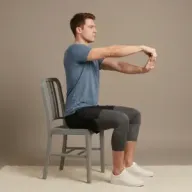
Forearm Stretch
Extend one arm and gently pull the fingers to stretch the wrist flexors and extensors on both sides of the forearm.
-
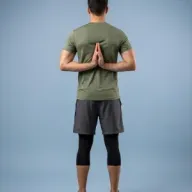
Reverse Prayer Pose
Behind-the-back prayer-hand position that stretches wrists, forearms, and the front of the shoulders.
-
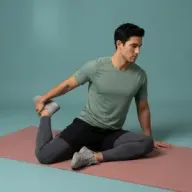
90/90
Seated hip opener with both knees at 90°; hinge forward over the front shin to stretch inner thighs and glutes.
-
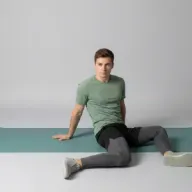
90/90 Hip Switch
Seated drill that sweeps both knees through 90/90 positions to train smooth hip internal and external rotation.
-
Air Squats
Bodyweight squats to rehearse hip and ankle depth, glute drive, and upright trunk control.
Common questions
Which body areas does Wrist Extension target?
Wrist Extension is a daily stretch movement that mainly targets your forearms and hands. Move within a comfortable range and skip it if it does not feel suitable for you.
Which muscles does Wrist Extension work?
Primary muscles associated with Wrist Extension include wrist extensors. Flexor presents this as general wellness guidance, not a clinical assessment.
Is Wrist Extension suitable for beginners?
Wrist Extension is listed as beginner in Flexor. Choose a smaller range of motion, fewer repetitions, or an easier variation whenever you want more control.
How long should you hold Wrist Extension?
In Flexor, Wrist Extension runs for about 45 sec per round. Adjust the time to what feels sustainable, breathe steadily, and ease off sooner if anything feels sharp.
How do you do Wrist Extension?
Wrist Extension has 4 guided steps. Follow them in order on this page, breathe steadily, and keep the movement smooth and within a comfortable range. Stop if anything feels sharp, unstable, or unsafe for you.
Do you need any equipment for Wrist Extension?
No. Wrist Extension is a no-equipment movement you can do at home with just enough space to move comfortably.
Which Flexor routines include Wrist Extension?
Wrist Extension appears in guided Flexor sessions such as Forearm Release, Wrist-Friendly Mobility, and Elbow & Hand Comfort Flow. Open a routine page to follow the full sequence, or practise this movement on its own from this guide.
Is this medical advice?
No. Flexor provides general fitness and wellness guidance. It does not diagnose, treat, or prevent medical conditions. Speak with a qualified professional about injuries, persistent pain, or health concerns.