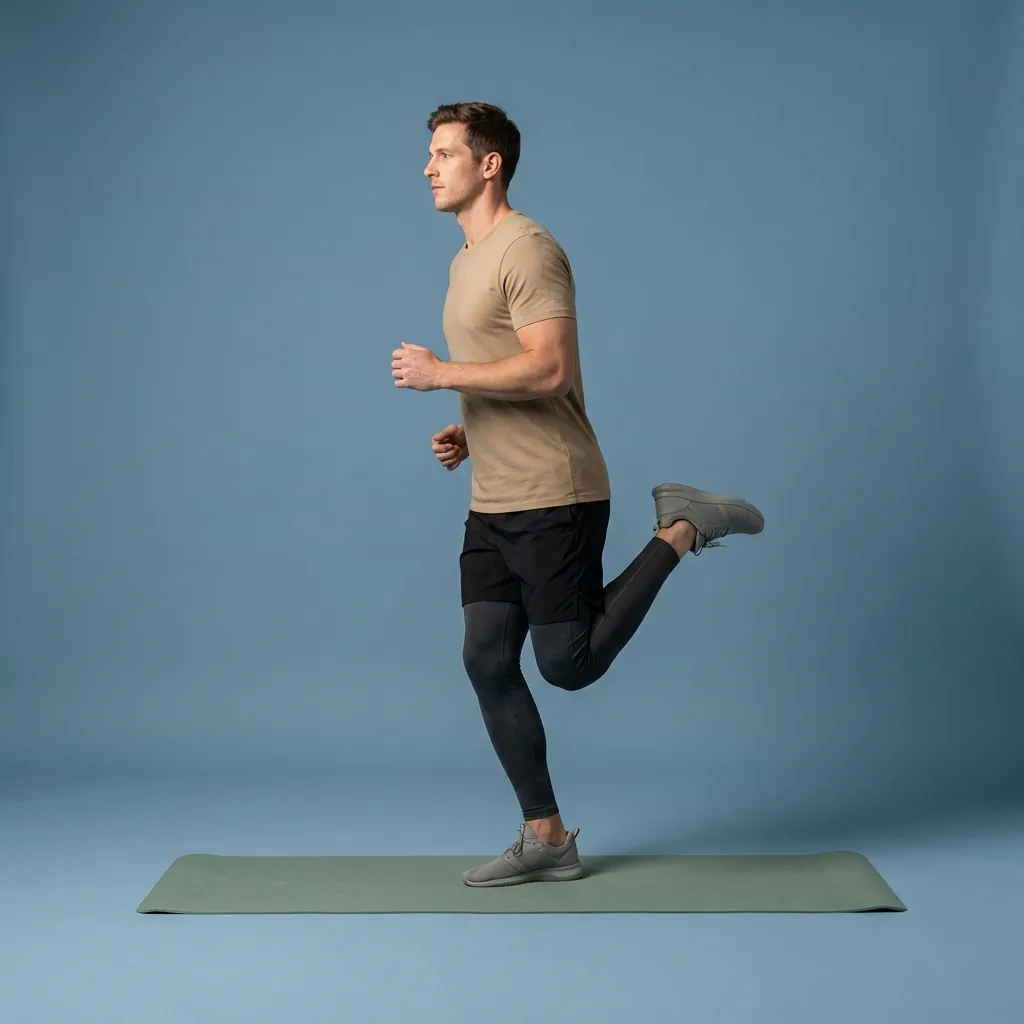
Recovery: Soft Tissue Flow
A 10-move fascia-focused flow — hip circles, seated twist, and doorway pecs easing connective tissue restriction on rest days.










About this routine
Sometimes stiffness is not just muscle — it is the connective tissue and fascia around it holding movement hostage. Recovery: Soft Tissue Flow combines targeted mobility patterns on Flexor to ease tension in fascia and surrounding soft tissues, helping support natural movement paths across your whole body.
Patterns that address tissue quality
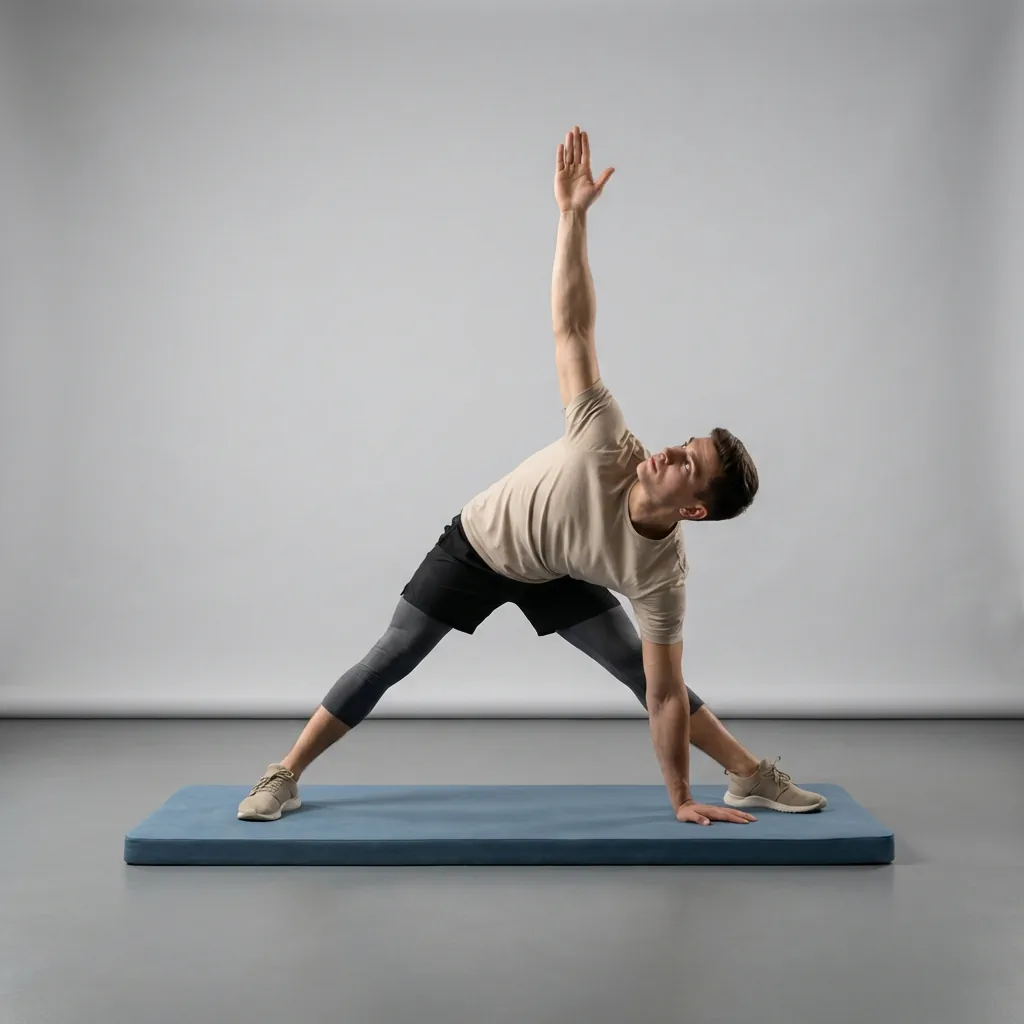
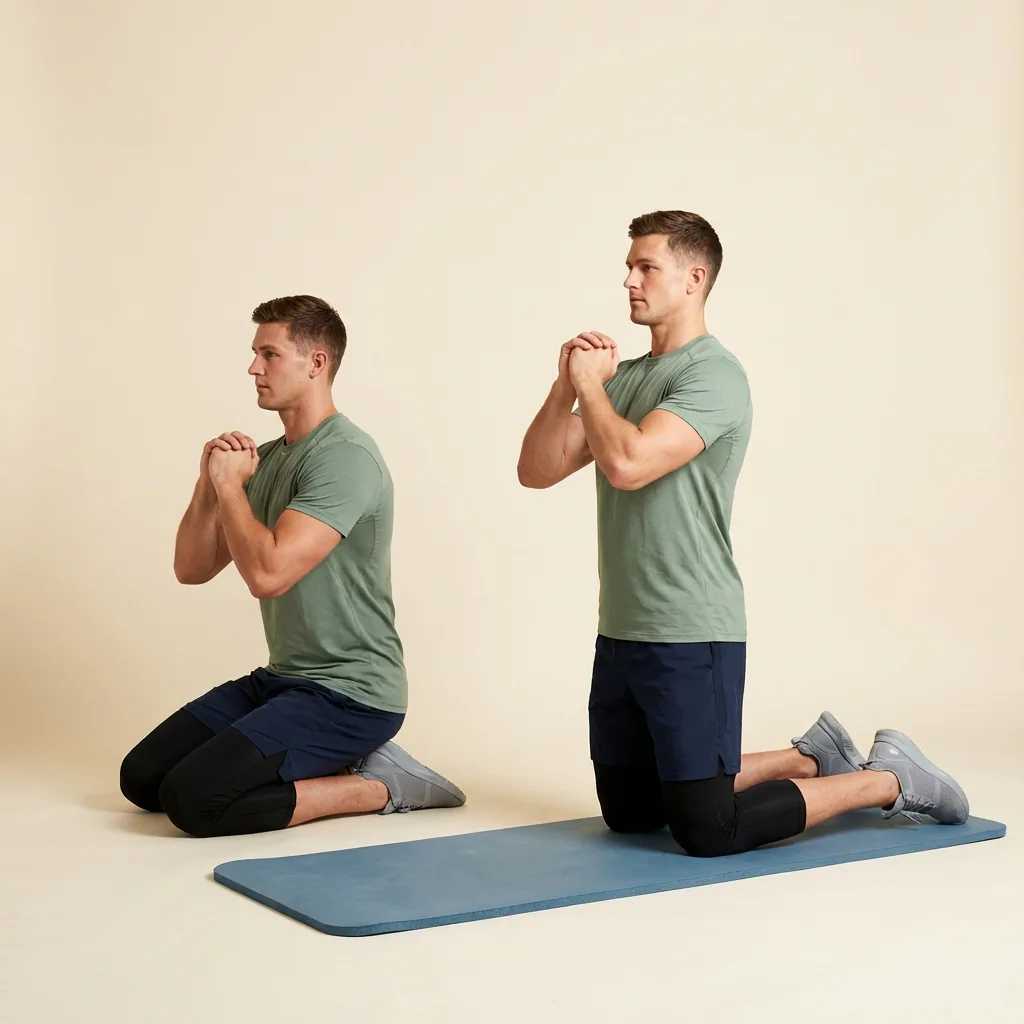
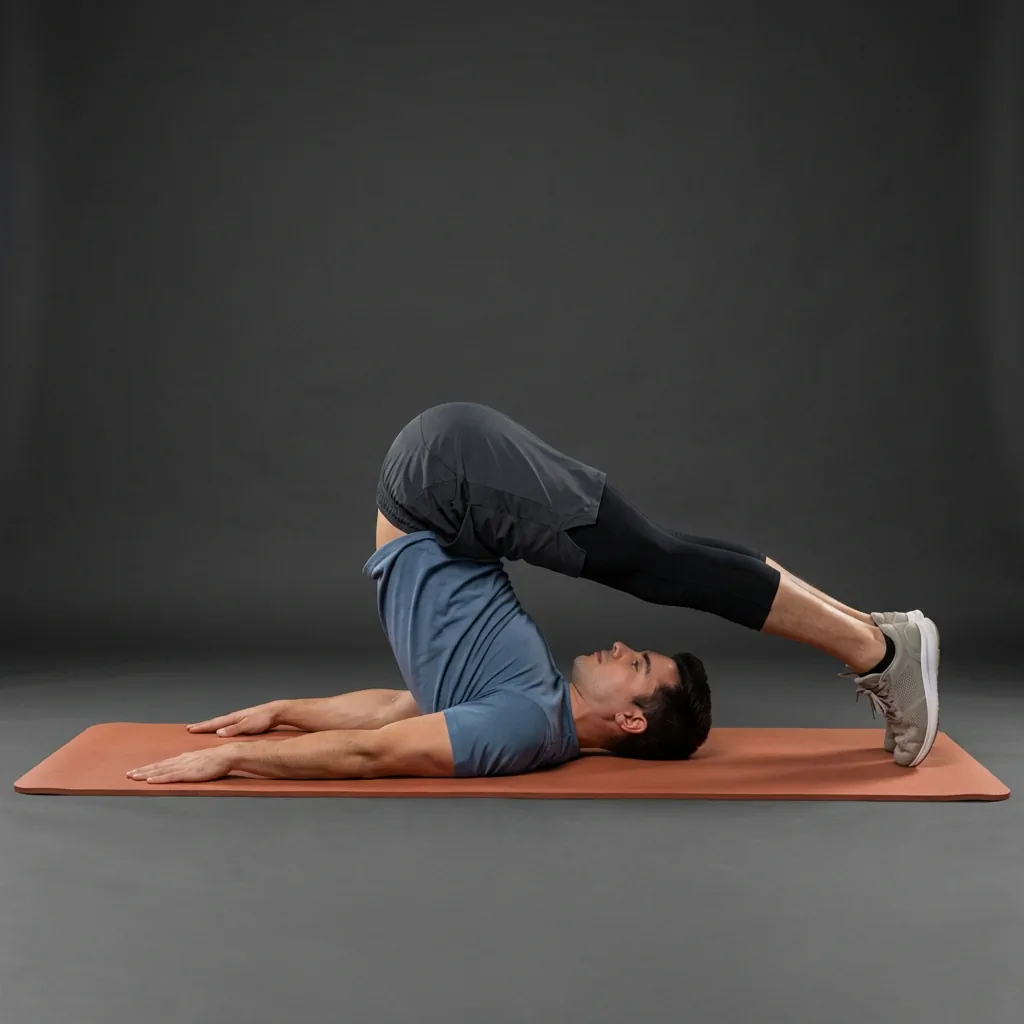
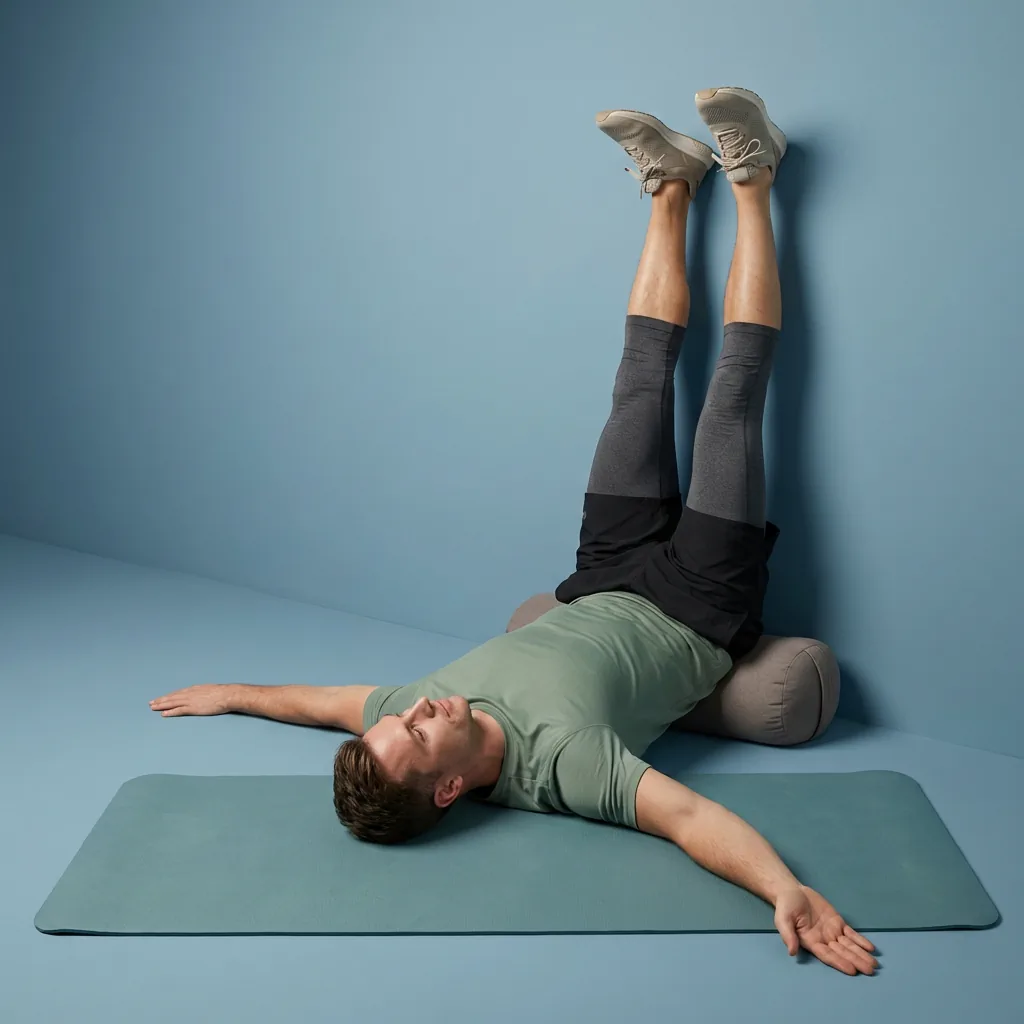
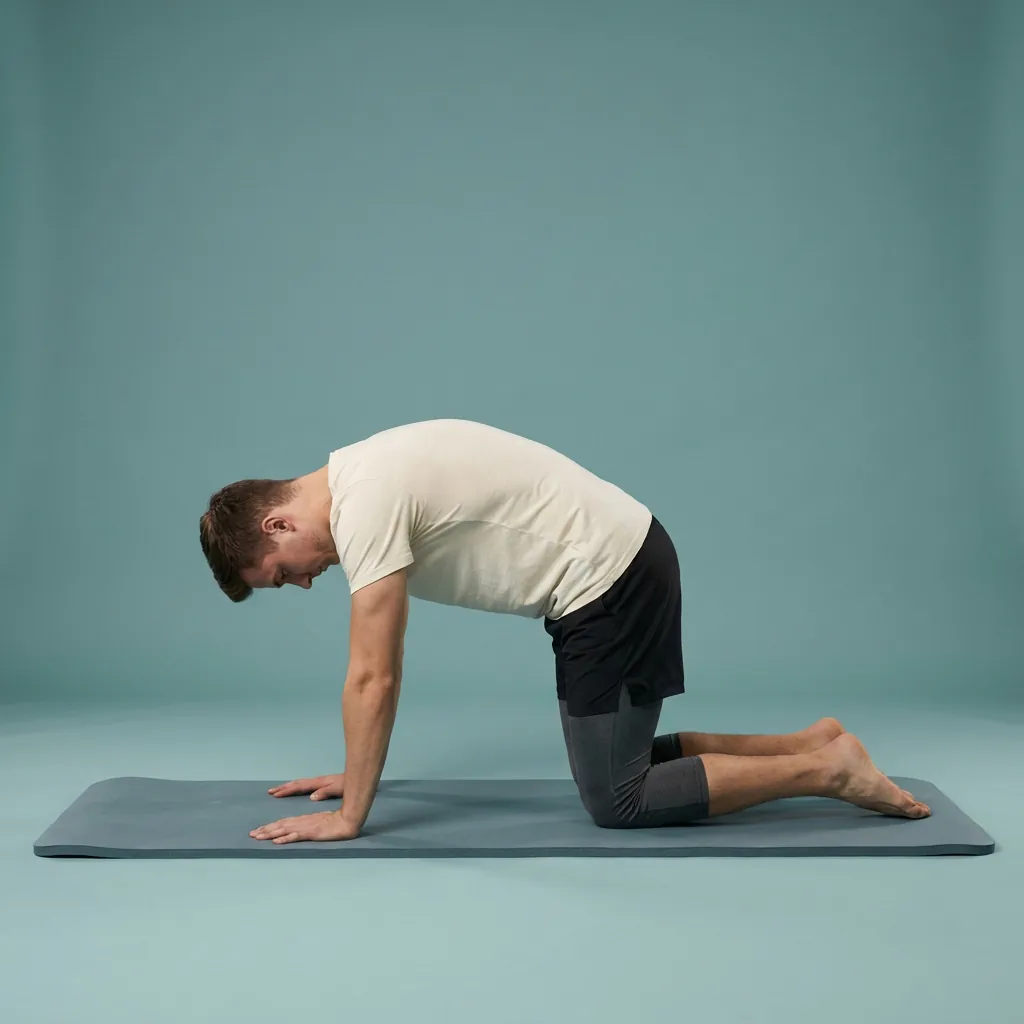
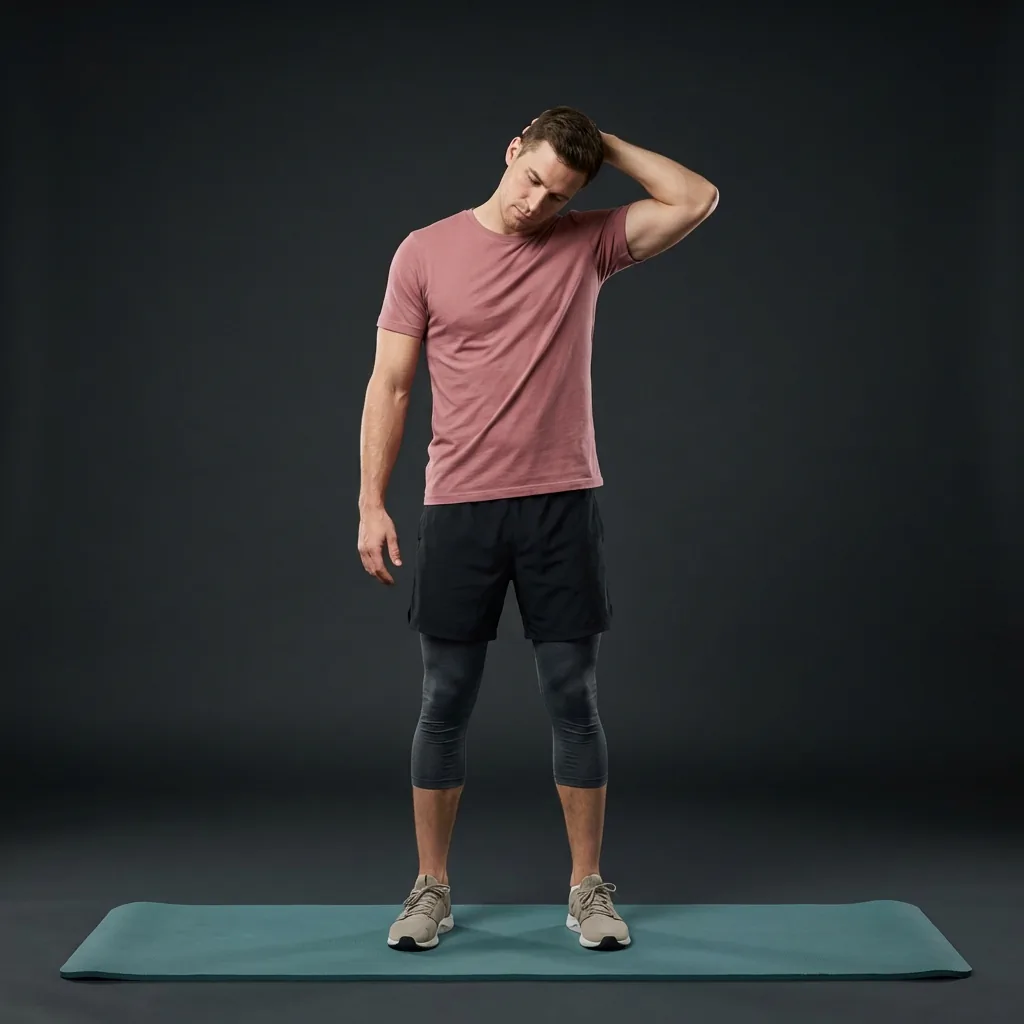
Controlled butt kicks and bulldog introduce rhythmic lower-body movement. Hip circles and seated twist mobilize the pelvis and spine. Calf raises wake up the lower leg, aquaman extends the posterior chain, and doorway pecs with corner pecs stretch open the chest from two angles. The flow finishes with 90-90 for hip rotation and elbow pike for shoulder and core integration.
What improved tissue suppleness feels like
At intermediate difficulty, this full-body recovery session targets fascial restrictions through varied movement rather than long static holds alone. You work neck, shoulders, upper back, chest, forearms, core, lower back, hips, hip flexors, glutes, hamstrings, knees, calves, ankles, and feet — improving overall tissue quality and suppleness over repeated sessions.
The mix of dynamic and static shapes keeps the nervous system engaged while tissues gradually release.
Sense before intensity
A low-intensity recovery routine to support circulation, ease tension, and keep you moving comfortably. This routine combines targeted mobility patterns to ease tension in fascia and surrounding soft tissues, supporting natural movement paths.
Primary focus sits around the full body, with supportive work through neck, shoulders, upper back, chest, forearms, and core. The guided sequence in Flexor includes patterns such as controlled butt kicks, bulldog, hip circles, seated twist, and calf raises. At intermediate difficulty, the goal is usable comfort — Targets fascial restrictions to improve overall tissue quality and suppleness. Notice warmth and ease after the sequence — that is usually a better signal than forcing depth.
What this session supports
- Targets fascial restrictions to improve overall tissue quality and suppleness.
Common questions
What kind of routine is Recovery: Soft Tissue Flow?
Recovery: Soft Tissue Flow is organised in Flexor as a recovery routine. Use it as general wellness guidance and keep the range comfortable throughout.
How long does Recovery: Soft Tissue Flow take?
Recovery: Soft Tissue Flow takes about 10 min at the guided pace. You can pause, repeat, or stop whenever you need to.
How many stretches are in Recovery: Soft Tissue Flow?
Recovery: Soft Tissue Flow includes 10 guided exercises covering your quadriceps, chest, shoulders, and core. Follow along in order, and skip any move that does not feel right for you.
Is Recovery: Soft Tissue Flow good for beginners?
Recovery: Soft Tissue Flow is set at a intermediate level in Flexor. Move gently, breathe steadily, and shorten the holds if you want more time to ease in.
Do you need any equipment for Recovery: Soft Tissue Flow?
No. Recovery: Soft Tissue Flow is a no-equipment routine — you only need a little space to move comfortably.
Can this routine treat pain or injuries?
No. Comfort-focused and mobility routines in Flexor support general wellness only. They are not physiotherapy, diagnosis, or medical treatment. Seek professional advice for pain, injury, or health conditions.
Related routines
More sessions in a similar rhythm.