
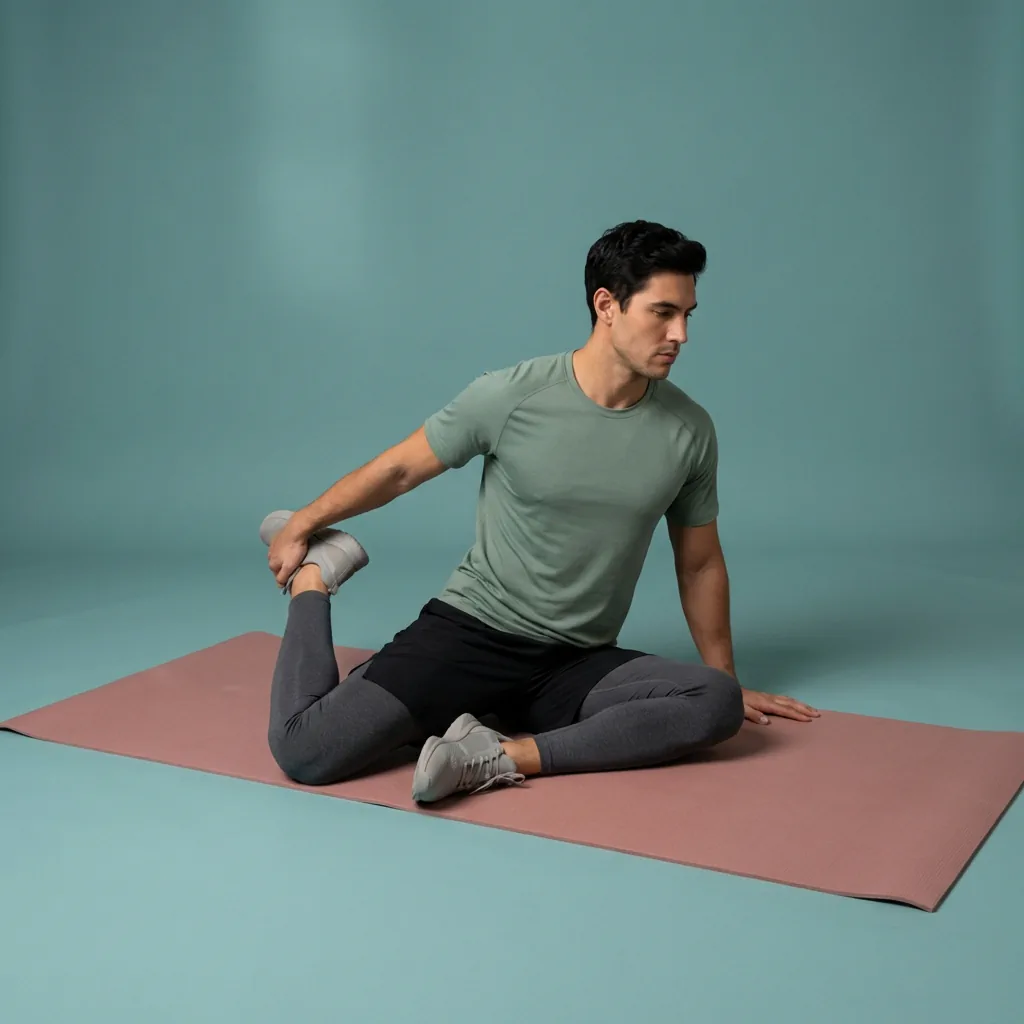
Range of motion
Work on range of motion with controlled, comfortable movement.
Range of motion is how far a joint moves in a direction, and it responds to patient, controlled practice rather than forcing. Flexor gathers guided mobility and stretching routines that take joints through a comfortable range with control, matched to the areas you care about and the time you have—so you can work on range of motion gradually and safely.
Controlled range
Move joints actively through a range you can control.
Joint by joint
Focus on hips, shoulders, ankles, or the spine as needed.
Gradual practice
Build usable range patiently rather than forcing depth.
Guided and timed
Ordered steps with cues so you can focus on moving well.
What range of motion really means
Range of motion describes how far a joint travels through a movement—how deeply a hip flexes, how far a shoulder rotates, how much an ankle bends. Working on it well means taking a joint through a comfortable range with control, often actively, so the range is usable rather than just achievable in a passive stretch. Controlled movement, repeated regularly, tends to matter more than straining toward an extreme position once.
This is general fitness and wellness movement, not rehabilitation or treatment. If a joint is painful, restricted after an injury, or affected by a health condition, that needs proper assessment rather than more repetitions.
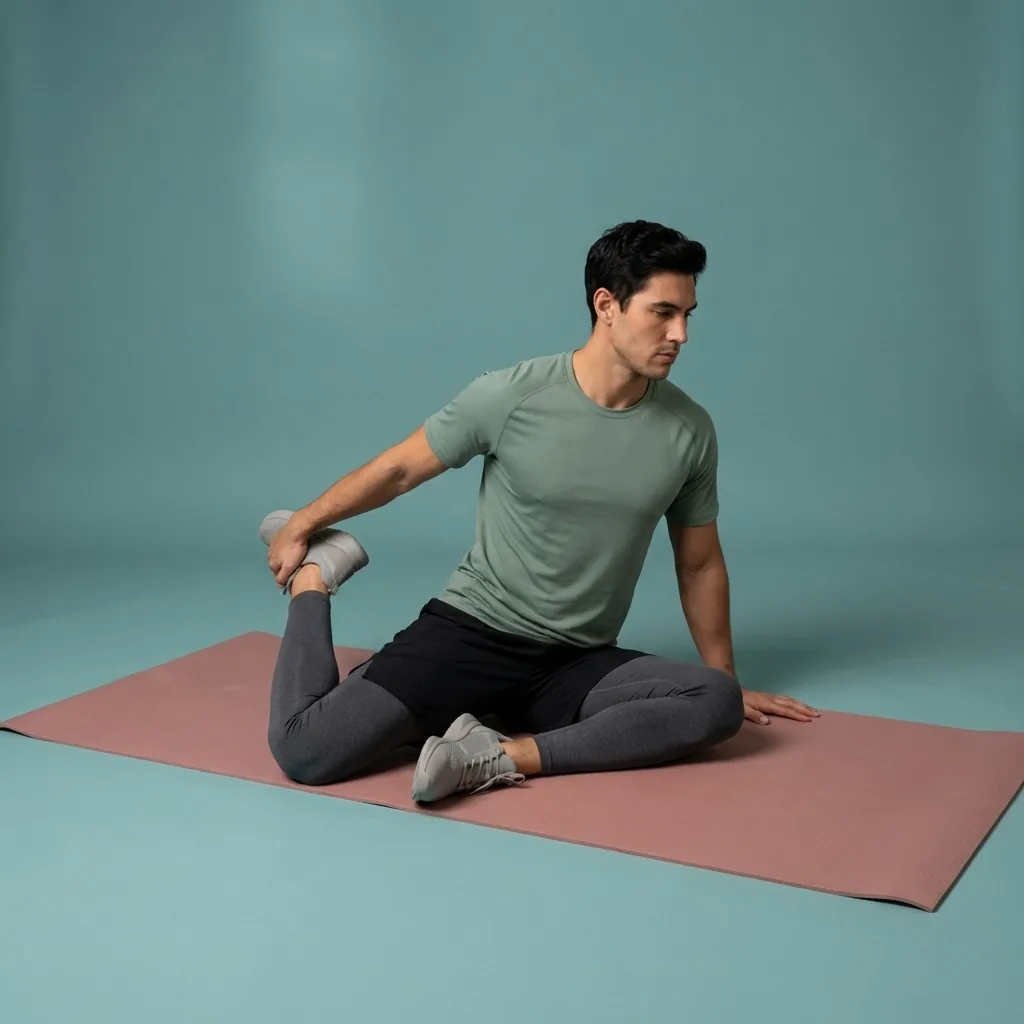
A sensible way to work on range
Progress in range of motion comes from patient, controlled practice. Warm up a little, move within a comfortable range, and revisit the same joints regularly so improvements have a chance to build.
- Warm up gently before working near the end of a range.
- Move actively and with control rather than dropping into a position.
- Keep within a comfortable range and progress it slowly over time.
- Return to the same joints regularly rather than chasing one big session.
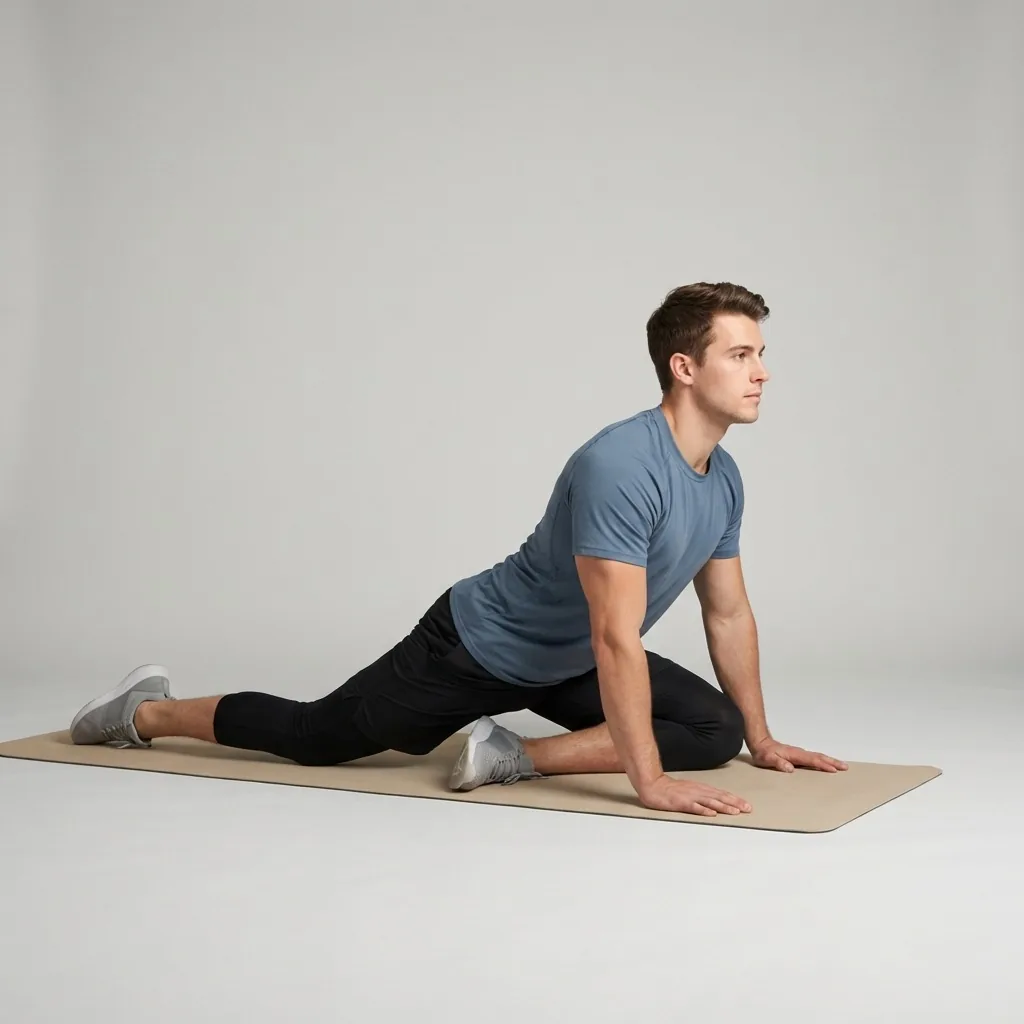
In Flexor: Deeper stretch options when you want more range.
Range you can control.
Controlled mobility work, rather than forcing an end position you cannot yet own.
How Flexor supports range-of-motion practice
Filter by mobility, choose the areas and minutes you have, and follow the ordered steps with timing and cues. Recommendations are shaped by your goals, experience, and recent sessions, so routines suit your level, and progress and streaks support the consistency that range of motion rewards. Warm-up routines help you prepare a joint before you work near the end of its range.
Everything runs from what you tell the app—your goals, focus areas, and time. Flexor does not measure your joints or grade your movement, so you judge what is comfortable and controlled and progress only when a range genuinely feels ready.
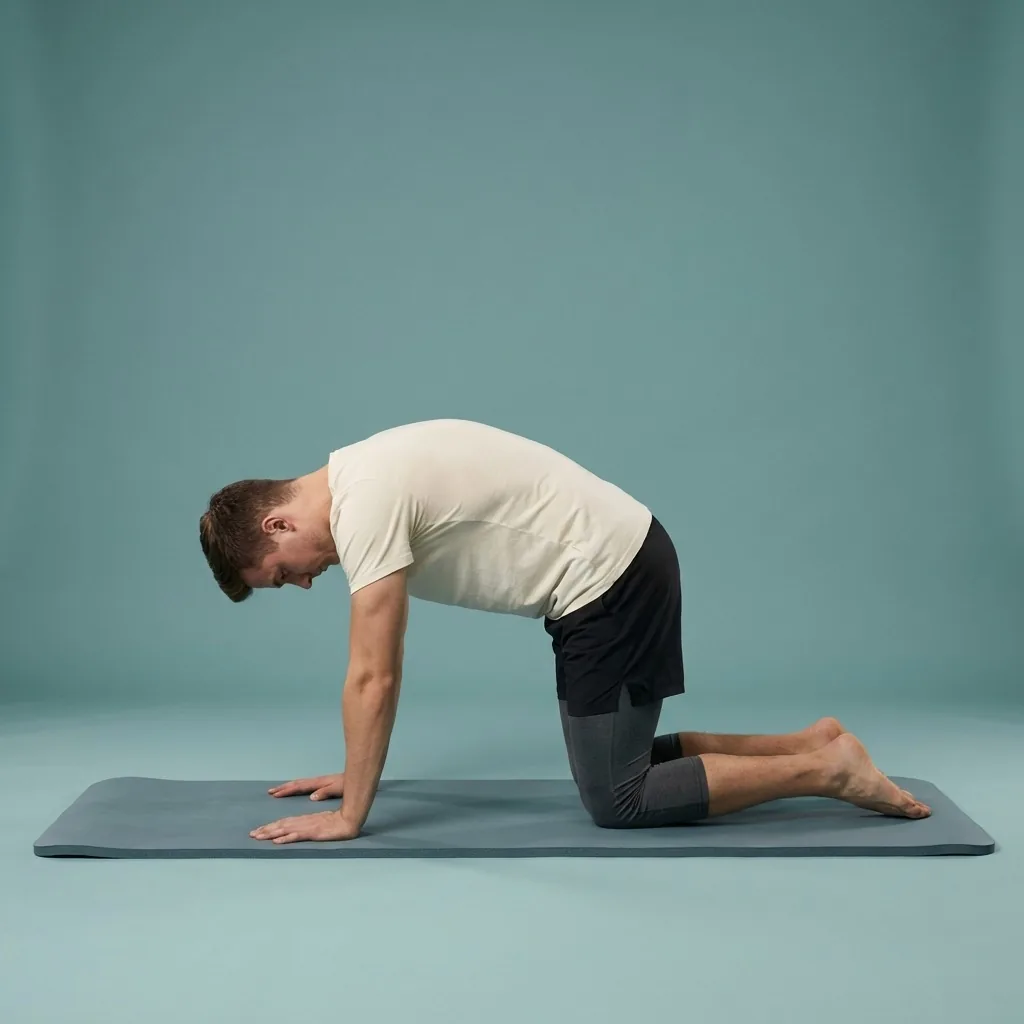
Range of motion and where to go deeper
Range-of-motion work usually centres on specific joints. The body-area guides go further on the hips, shoulders, ankles, and back that people most want to free up, and the mobility and flexibility goal pages explain the wider picture. Use these routines to practise controlled movement, then a body-area guide when one joint needs focused attention.
Sources and further reading
These independent sources support the general guidance on this page. They do not endorse Flexor.
Quick facts
- Goal
- Work on controlled joint range
- Approach
- Active, controlled movement — not forcing
- Focus
- Hips, shoulders, ankles, spine
- Not for
- Injury rehabilitation
Where to start
A joint feels restricted
Work it actively through a comfortable range, regularly.
You are near the end of a range
Warm up first and progress slowly.
The joint is painful or post-injury
Seek professional advice; this is not rehabilitation.
Routines suited to your level
You want a joint to move more freely without straining toward an extreme. Flexor uses your goals, focus areas and available time to suggest controlled routines that suit your level, with warm-ups to prepare a joint first. It never measures your joints or grades your movement.
Explore mobility routinesSafety and limits
- General fitness and wellness movement, not rehabilitation or treatment.
- Move actively within a comfortable range and progress it slowly.
- Stop for sharp, pinching or joint pain and seek proper advice.
Flexor does not measure your joints or assess your movement and is not a substitute for advice from a qualified professional.
Read the full wellness disclaimerRelated routines
Browse guided Flexor sessions that match this page, then open any routine for steps and cues.
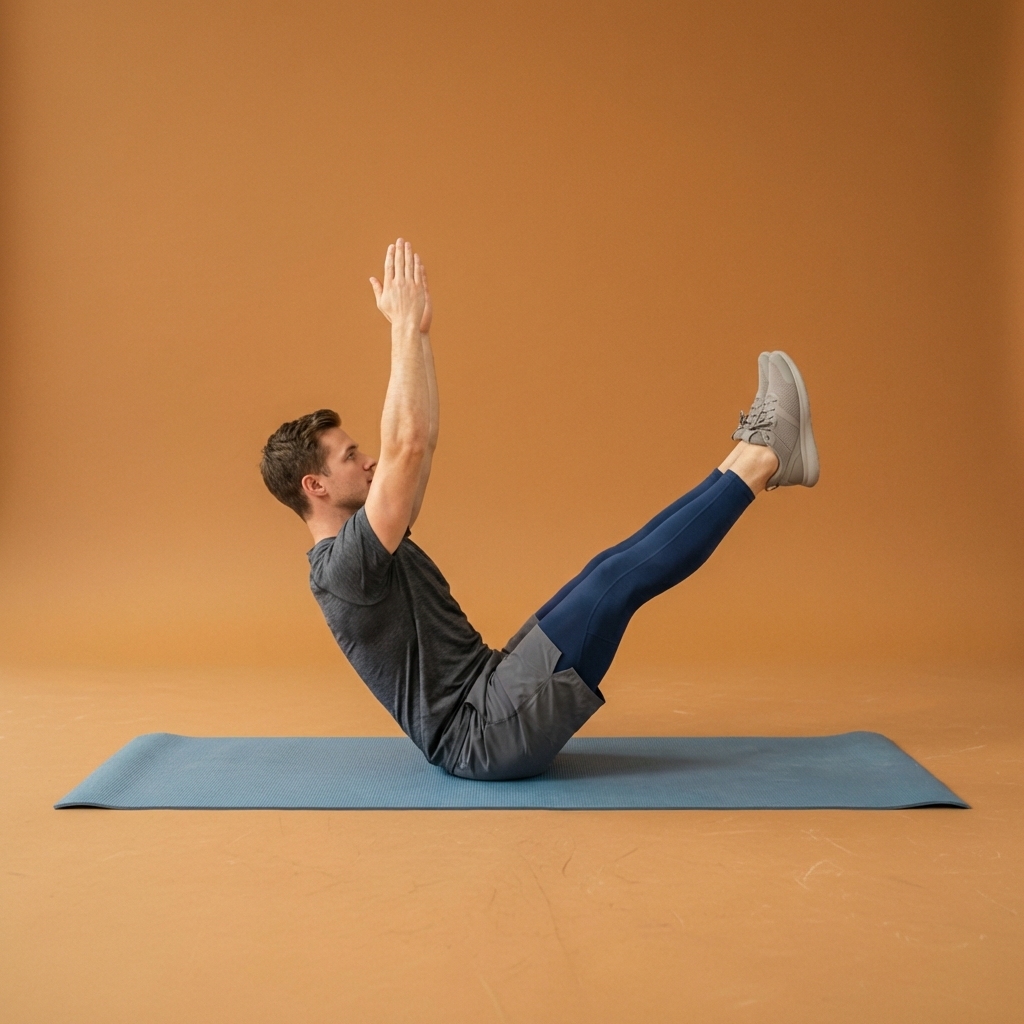
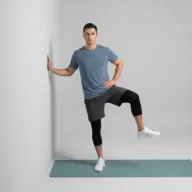
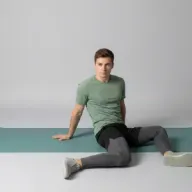

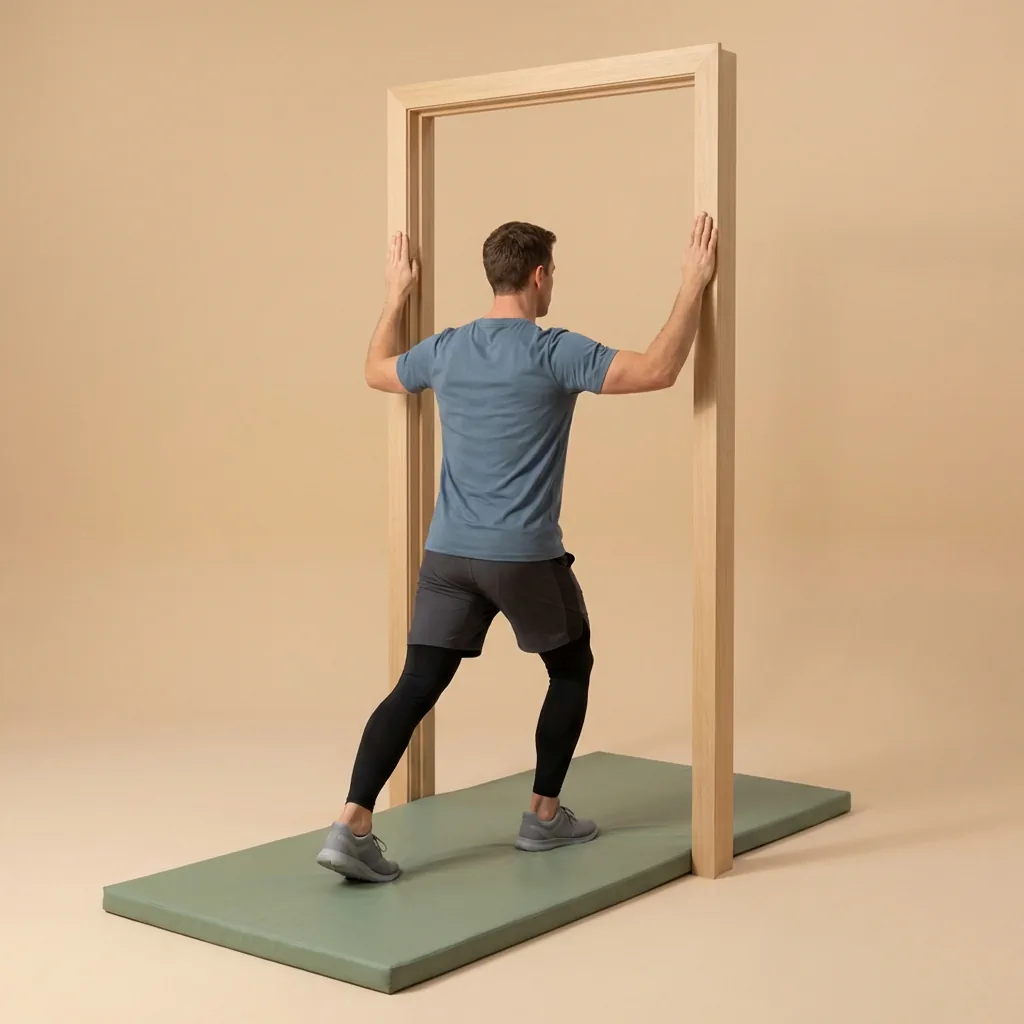
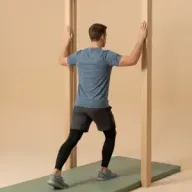

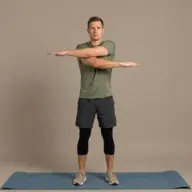
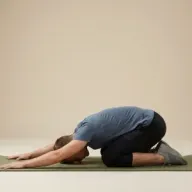
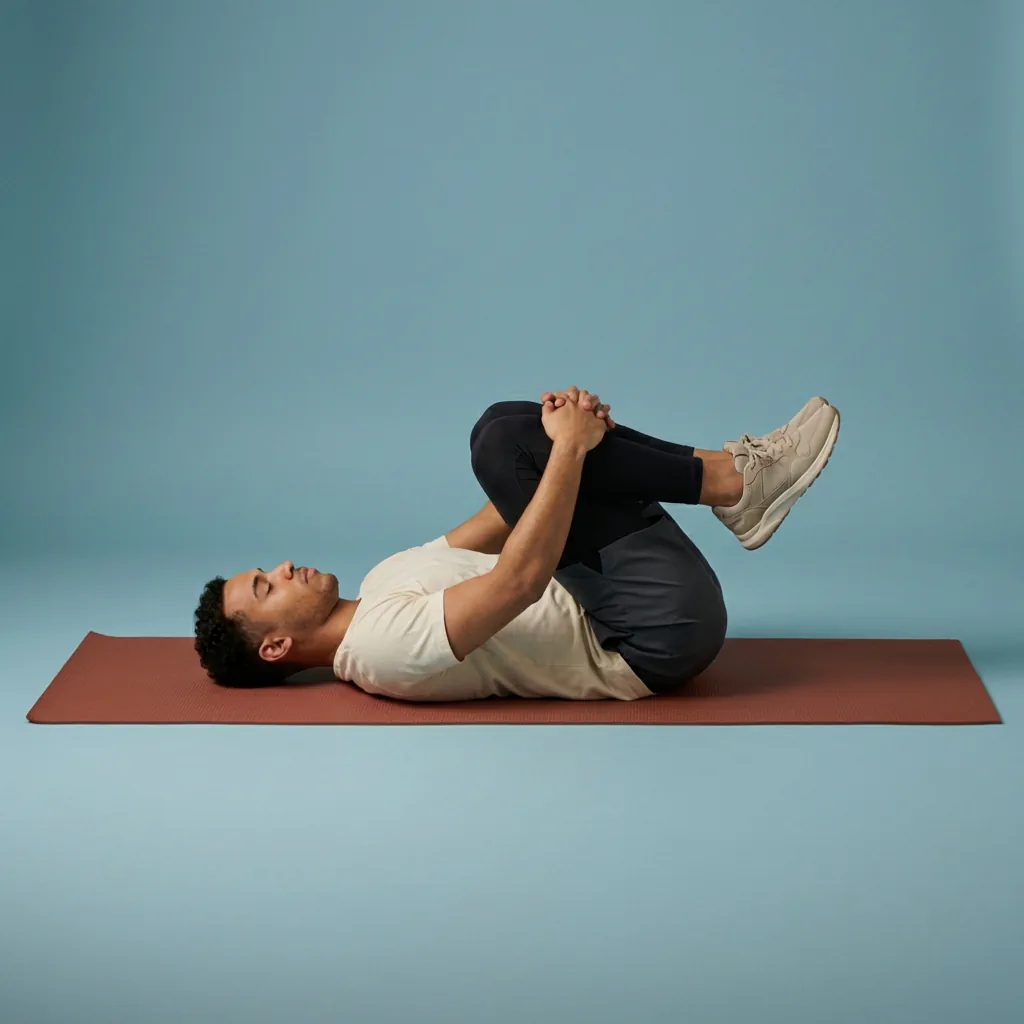
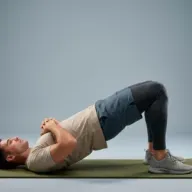
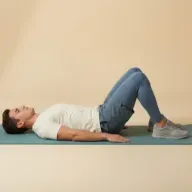
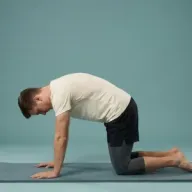
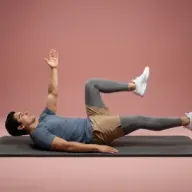
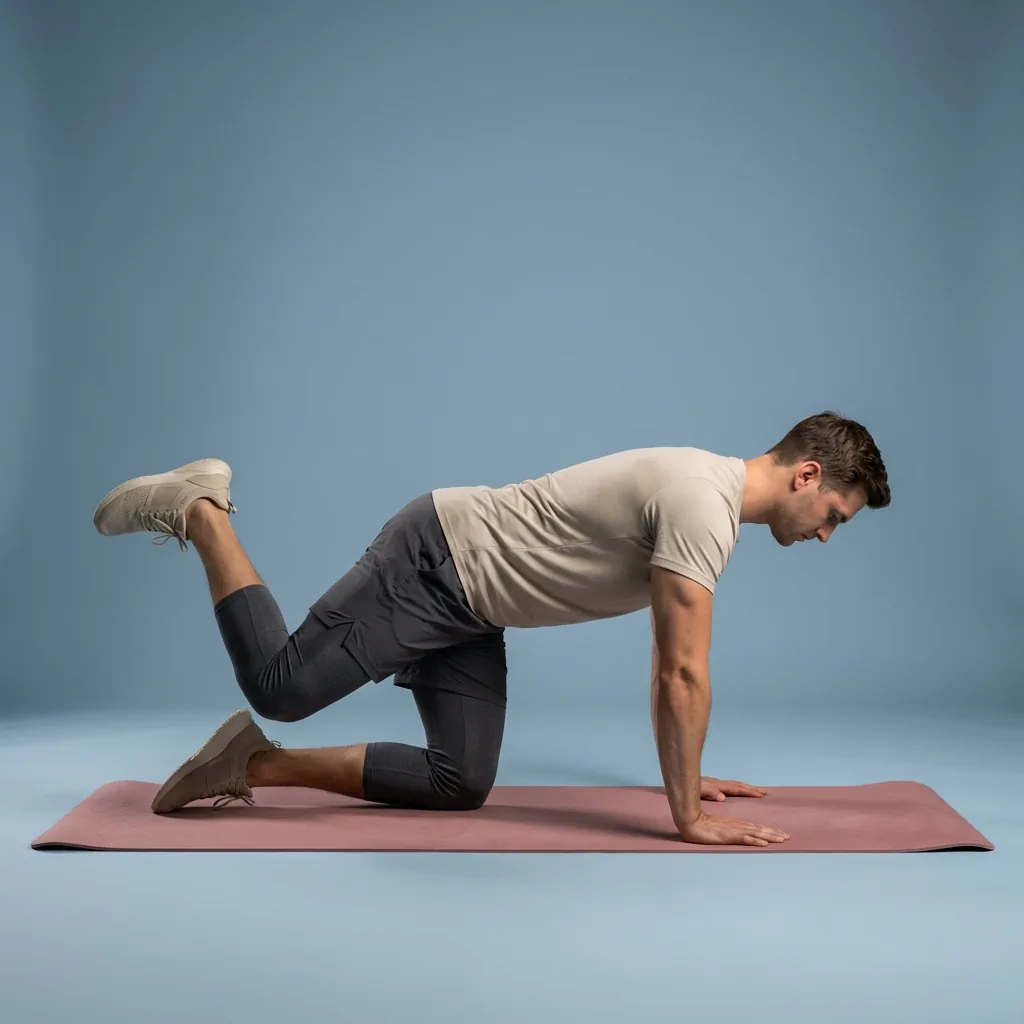
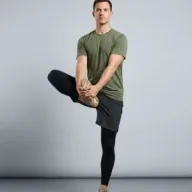
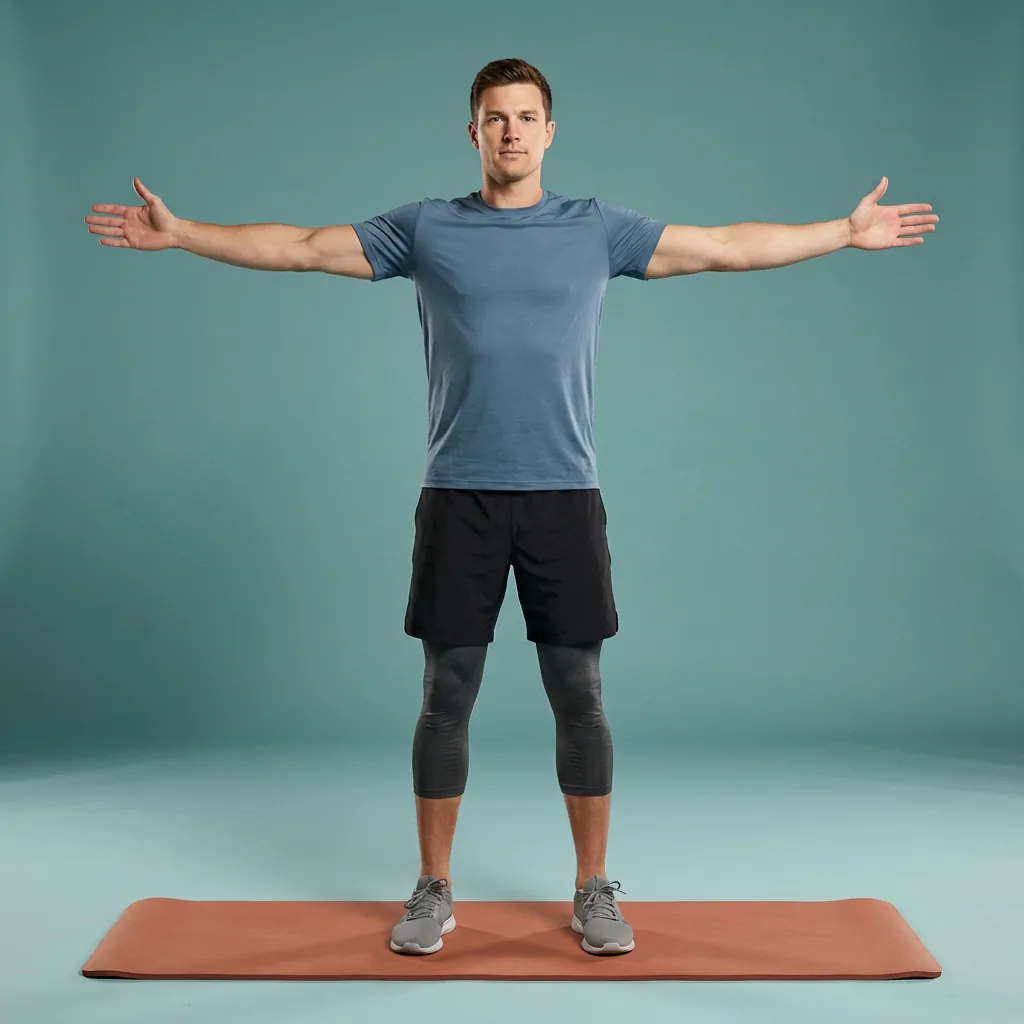
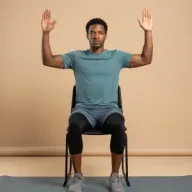
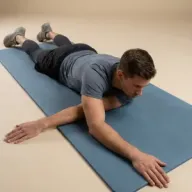
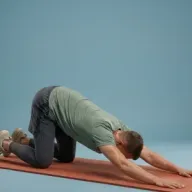
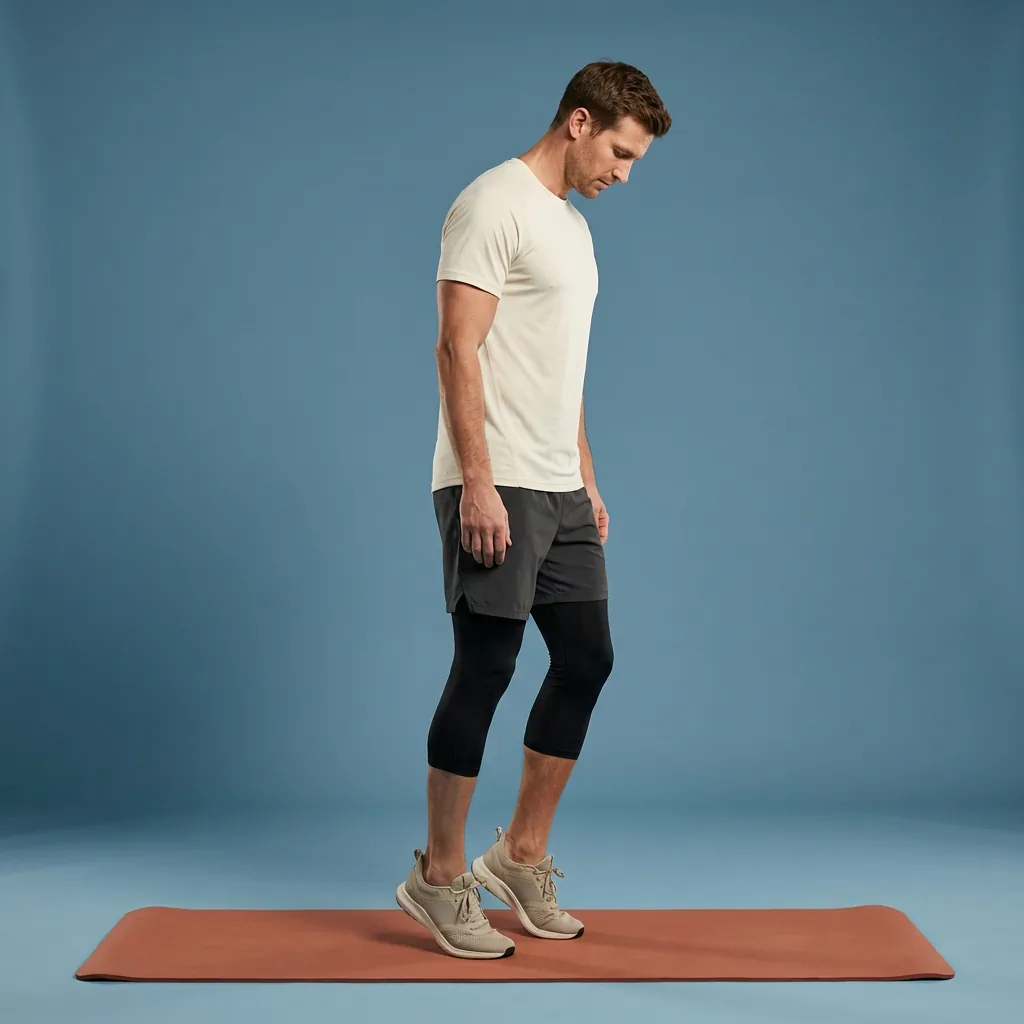
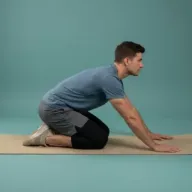
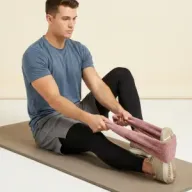

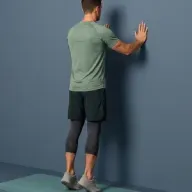
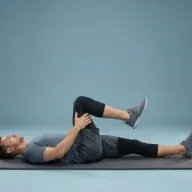
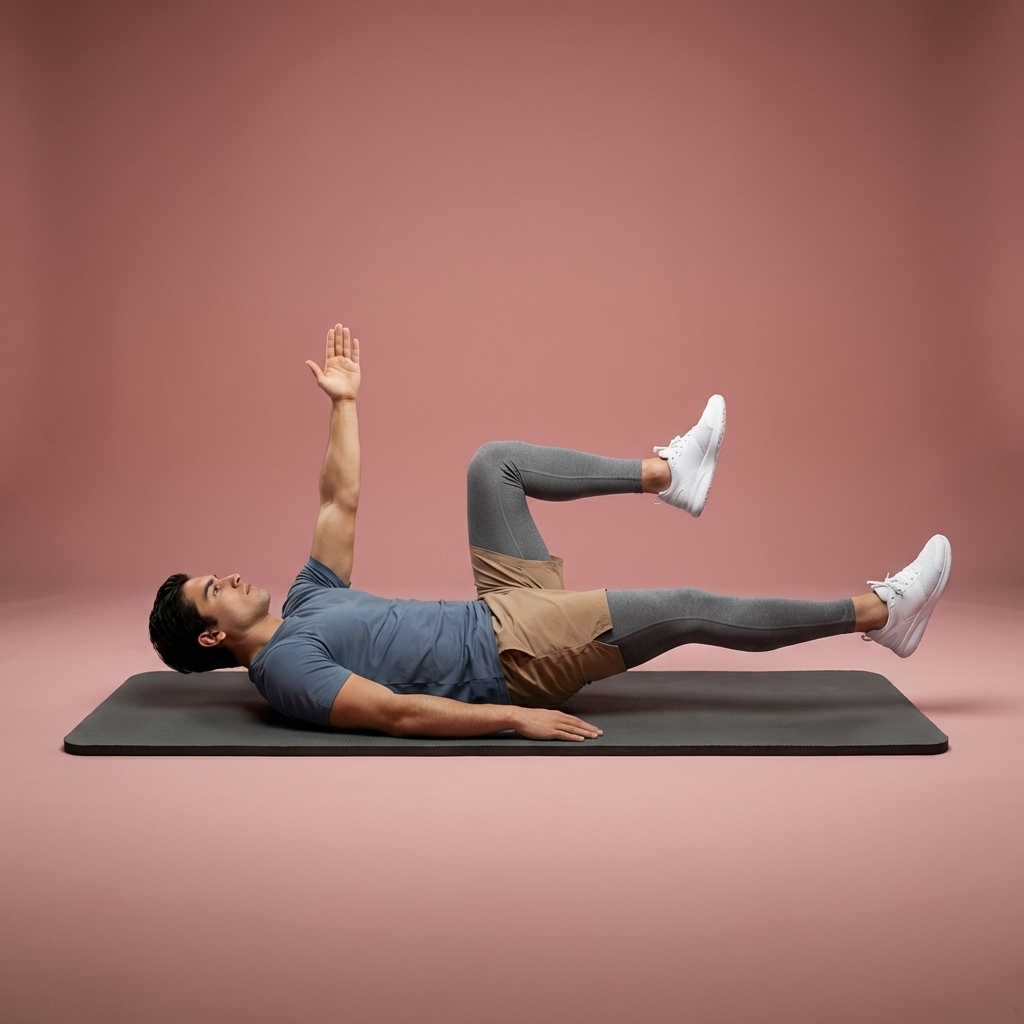

Explore related body areas
Go deeper on a single area with its own exercises, routines, and guidance.
Common questions
Frequently asked questions
How do I increase my range of motion?
Range of motion tends to improve through regular, controlled practice that takes a joint through a comfortable range, rather than forcing an extreme position occasionally. Warm up a little first, move actively and with control, stay within a comfortable range, and revisit the same joints often so improvements can build. Progress the range slowly as it becomes easy. This is general wellness guidance, so seek proper advice for a joint that is painful or restricted after an injury.
Is range of motion the same as flexibility?
They are closely related but not identical. Flexibility usually refers to how far a muscle can lengthen, often measured passively, while range of motion describes how far a joint moves through a direction, which you ideally want to control actively. Working on range of motion emphasises controlled movement so the range is usable, not just achievable in a passive stretch. Flexor covers stretching and controlled mobility together, so you can build both around the joints that matter to you.
Can I improve range of motion after an injury?
Recovery after an injury is a medical matter, and Flexor is a general fitness and wellness app rather than rehabilitation, so it cannot guide injury recovery or tell you what is safe for your situation. If an injury, surgery, or a health condition affects a joint, a qualified professional should advise what movement is appropriate and how far to take it. Use Flexor only within any guidance they give, keep movements comfortable, and stop anything that causes pain or concern.
Should range-of-motion work feel painful?
No. Working on range of motion should feel like controlled effort and a gentle stretch at most, not pain. Sharp, pinching, or joint pain is a signal to stop and ease off rather than push through, and it does not indicate that the work is effective. Stay within a comfortable range, progress slowly as a movement becomes easy, and seek advice from a qualified professional for pain that is sharp, persistent, or worsening rather than continuing to load the joint.
Keep exploring
More guides on stretching, mobility, routines, and Flexor features.
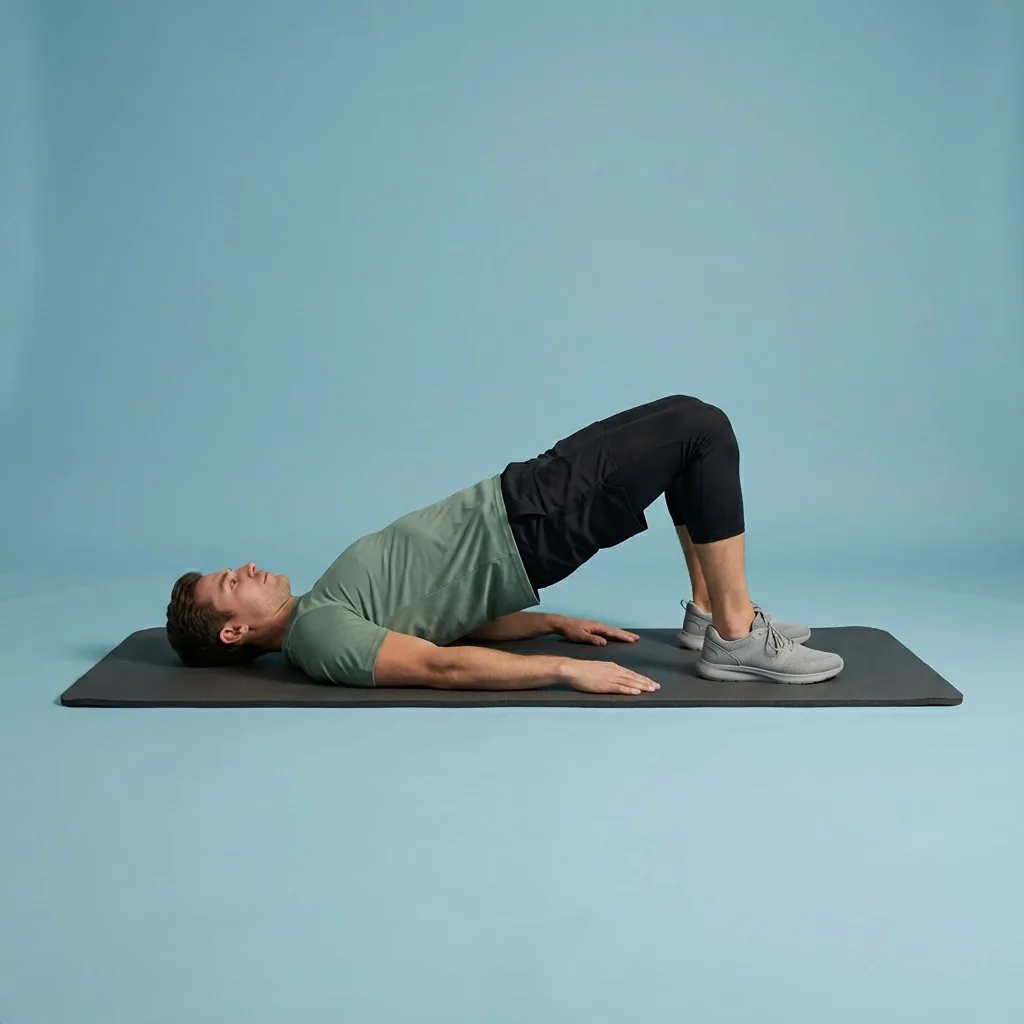
Improve mobility
Improve mobility with short, controlled daily sessions.
Use guided mobility routines and progress tracking to work on controlled, usable movement across the hips, spine, should...
Read more Improve flexibility
Improve your flexibility gradually, with routines that fit your level.
Build flexibility through consistent guided routines, suitable progressions and recommendations aligned with your abilit...
Read more Pre-workout mobility
Prime your body before training with guided pre-workout mobility.
Prepare for training with guided dynamic mobility and warm-up routines organised by activity, duration and movement focu...
Read more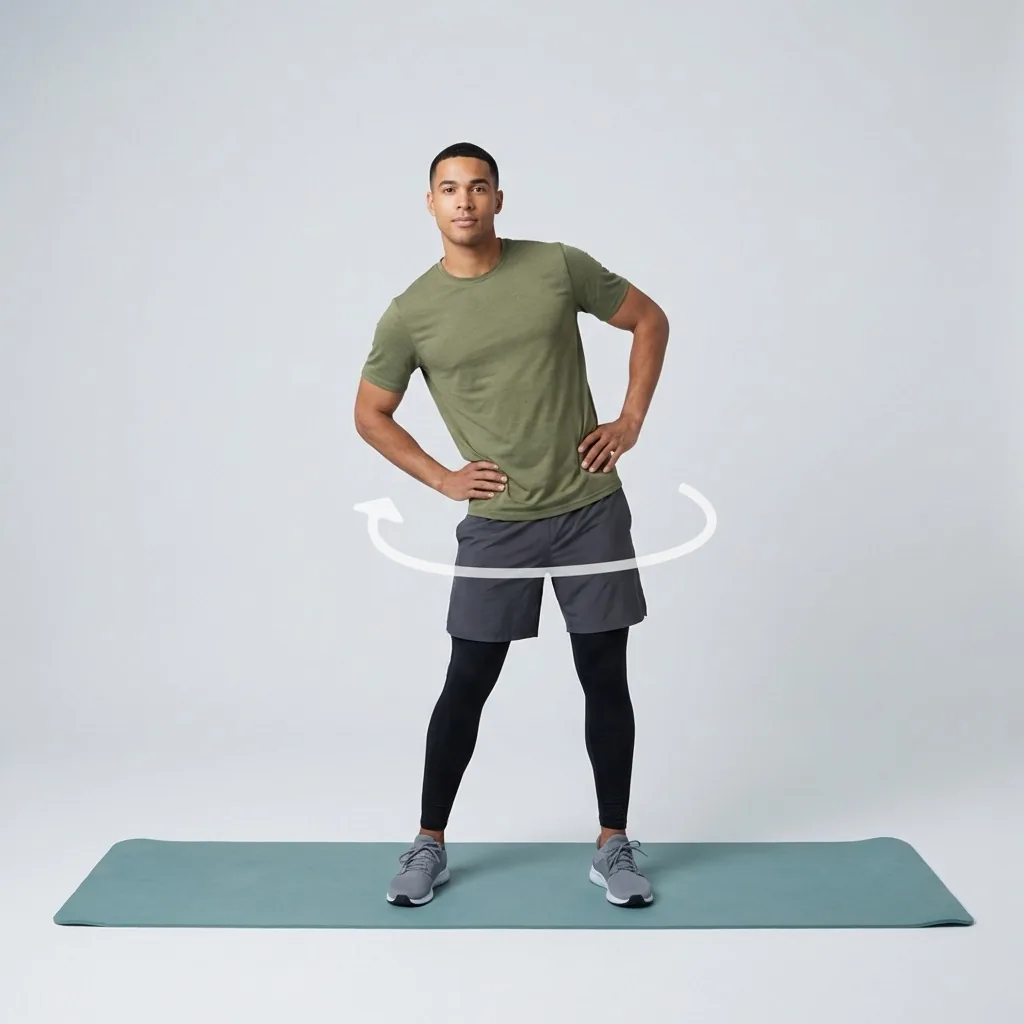
Mobility for fitness and everyday movement
Build controlled, usable movement—one short guided session at a time.
Improve mobility with guided routines, progress tracking and personalised daily recommendations designed around how you...
Read more