

Workout preparation and wind-down
Warm-up and cool-down routines have different jobs.
A warm-up should build gradually toward the activity ahead. A cool-down lowers the pace after activity and can include gentler movement or stretching. Flexor keeps these routine types separate so the session matches the moment.
Before activity
Build temperature and movement gradually.
Make it relevant
Use patterns that resemble the activity ahead.
After activity
Lower intensity rather than stopping abruptly.
Then stretch
Use a comfortable range and relaxed breathing.
A simple warm-up framework
Begin easily, then increase the range and pace. A general sequence might progress from marching or easy locomotion to joint movements, then to controlled versions of the patterns used in the workout. The NHS example takes at least six minutes and advises warming up for longer when needed.
- Raise the pace gradually with walking, marching, or another easy movement.
- Move the joints and body areas involved in the activity.
- Rehearse relevant patterns at lower intensity.
- Start the workout only when you feel ready—not because a timer expired.

A simple cool-down framework
Reduce the pace for a few minutes, let breathing settle, and then use gentler movement or stretching if it feels appropriate. Do not use the cool-down as a test of maximum range.
- Move easily while heart rate and breathing settle.
- Choose the main areas used in the session.
- Hold a comfortable stretch without bouncing or forcing.
- Stop if you feel unwell or a movement causes pain.

In Flexor: Slower cool-downs after training or a long day.
Prepare, then unwind.
Keep warm-ups dynamic and cool-downs slower—Flexor separates the two on purpose.
How Flexor organises both
Choose warm-up or cool-down as the goal, then add the activity, body focus, difficulty, and time available. Flexor provides an ordered guided session with timing, audio, and visual cues. It does not guarantee injury prevention or recovery outcomes.
Sources and further reading
These independent sources support the general guidance on this page. They do not endorse Flexor.
Quick facts
- Goal
- Use the right routine for the moment
- Warm-up
- Dynamic, builds gradually before activity
- Cool-down
- Lowers the pace, then gentle stretching
- Note
- No injury-prevention or recovery guarantees
Where to start
You are about to train
Choose a warm-up and build pace and range gradually.
You have just finished
Lower the intensity first, then stretch gently.
You want sport-specific preparation
Use the activity pages.
The right session for the moment
Preparing to train and winding down afterwards are different jobs. In the app, Flexor uses the goal, activity, body focus and time you choose to suggest a warm-up before or a cool-down after. It never scans your body or assesses your movement.
Browse guided routinesSafety and limits
- A warm-up is preparation, not a guarantee against injury.
- Build pace and range gradually and hold cool-down stretches without forcing.
- Stop if you feel unwell or a movement causes pain.
Flexor makes no injury-prevention or recovery guarantees, does not assess your movement, and is not a substitute for advice from a qualified professional.
Read the full wellness disclaimerRelated routines
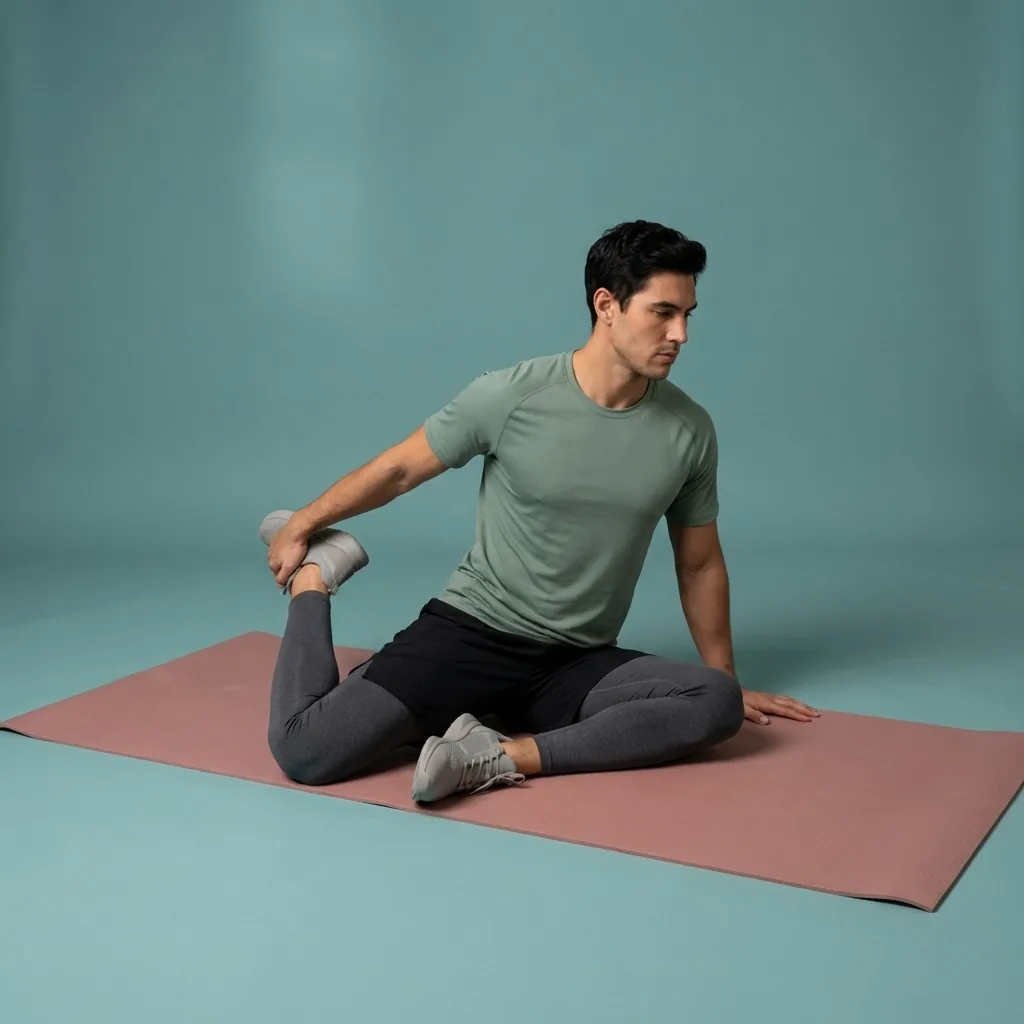
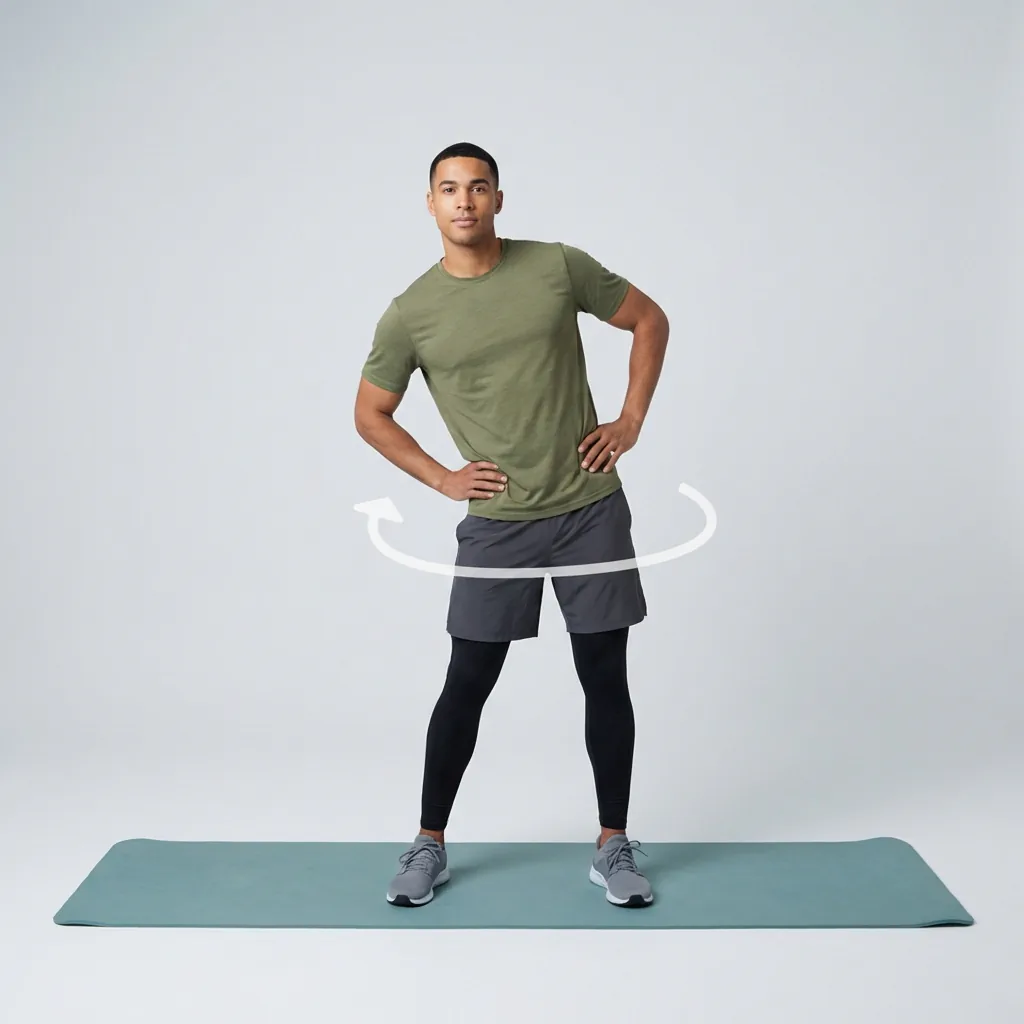
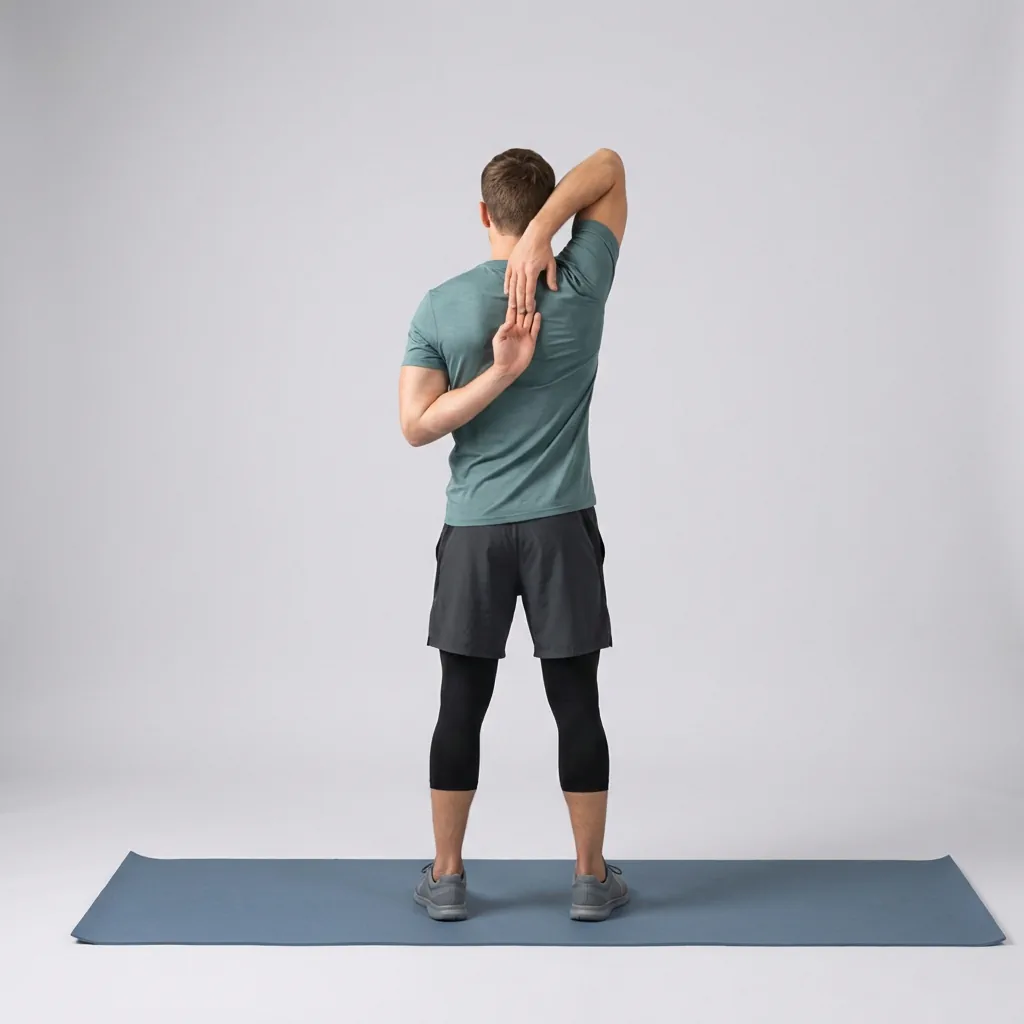
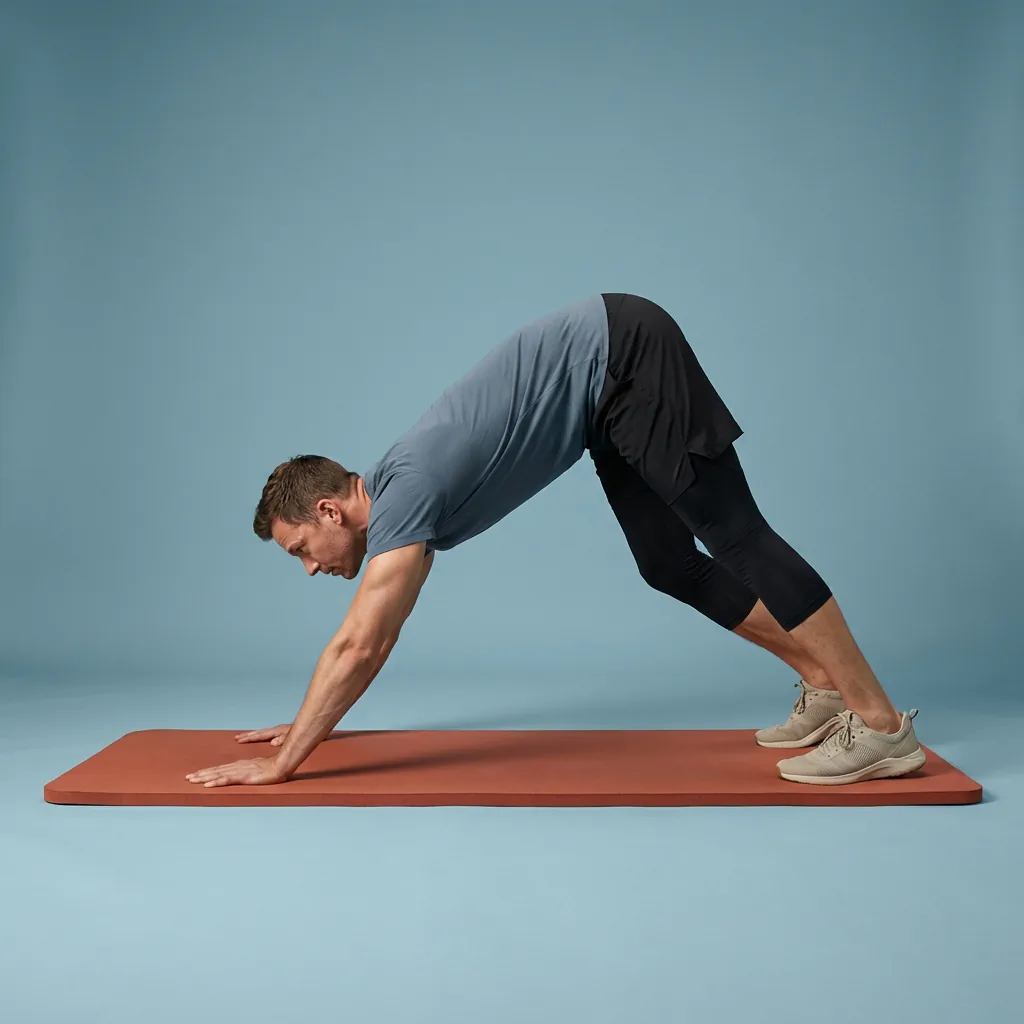
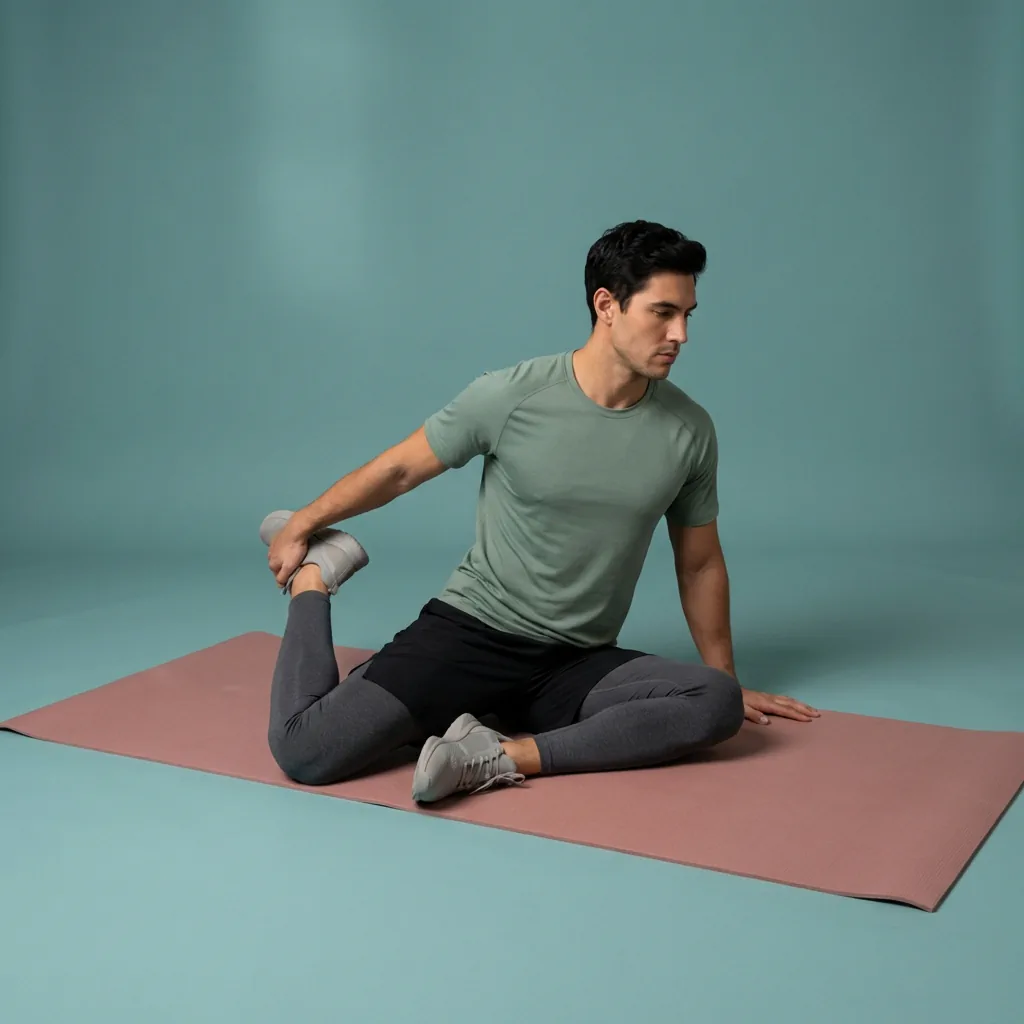
Browse guided Flexor sessions that match this page, then open any routine for steps and cues.





















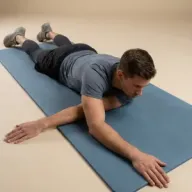





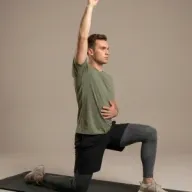

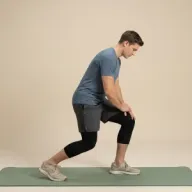
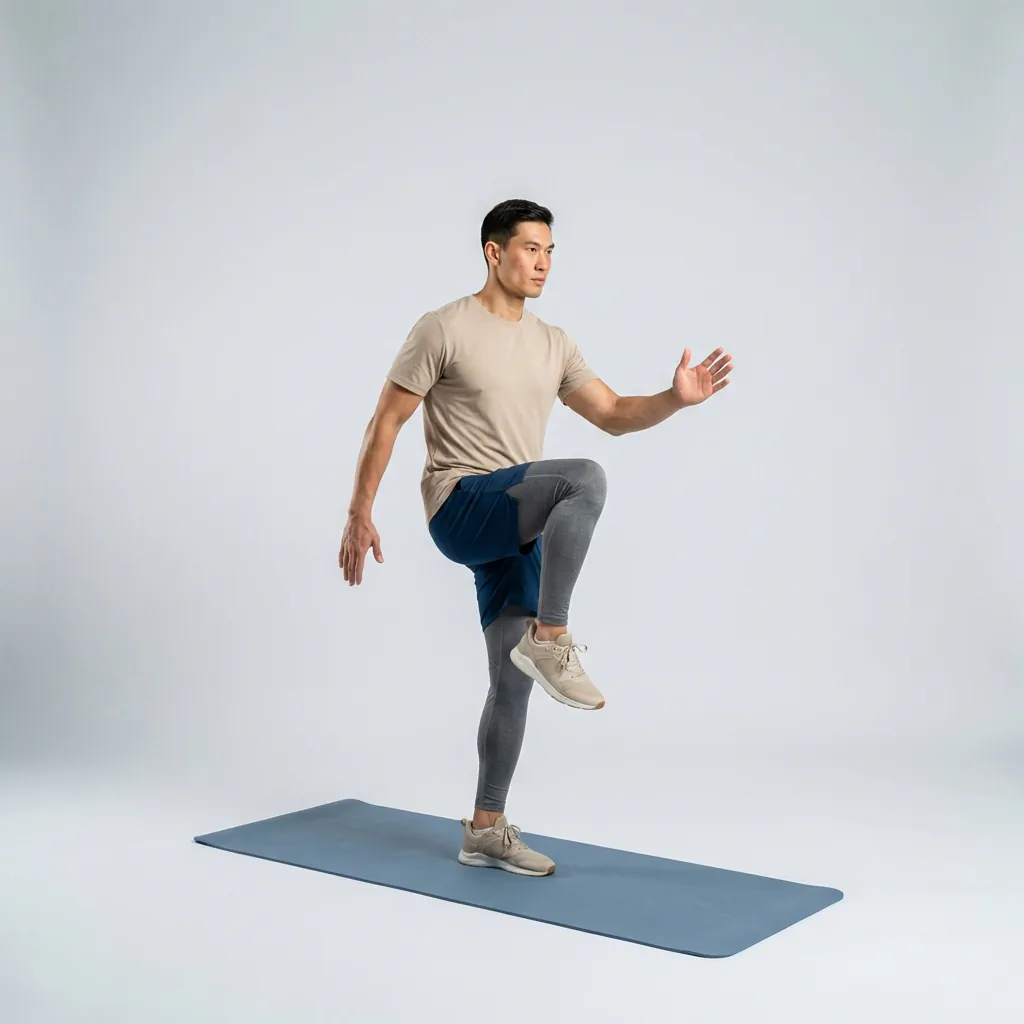







Common questions
Frequently asked questions
Is stretching the same as warming up?
Not exactly. A warm-up should gradually prepare you for the activity ahead by increasing movement and rehearsing relevant patterns at a lower intensity. It may include controlled dynamic mobility, but slower static stretching is only one possible component and is not a complete warm-up by itself. A cool-down has a different purpose: reduce the pace first, then add gentler movement or stretching if it feels appropriate.
How long should a warm-up take?
The right length depends on the activity, training intensity, environment, experience, and how ready you feel. The NHS example linked on this page takes at least six minutes and advises warming up for longer when needed, but that is an example rather than a universal target. Begin easily, increase the range and pace gradually, and continue until you feel prepared for the specific activity rather than rushing to finish a timer.
Does warming up prevent every injury?
No. Flexor does not claim that any warm-up can prevent every injury or guarantee a performance or recovery outcome. A warm-up is preparation: it helps you build toward the movements and intensity ahead, but it cannot remove every risk or account for an existing condition. Choose an activity-relevant session, progress gradually, and seek professional advice when health or injury concerns affect what is suitable.
More in Routine chooser
See allKeep exploring
More guides on stretching, mobility, routines, and Flexor features.
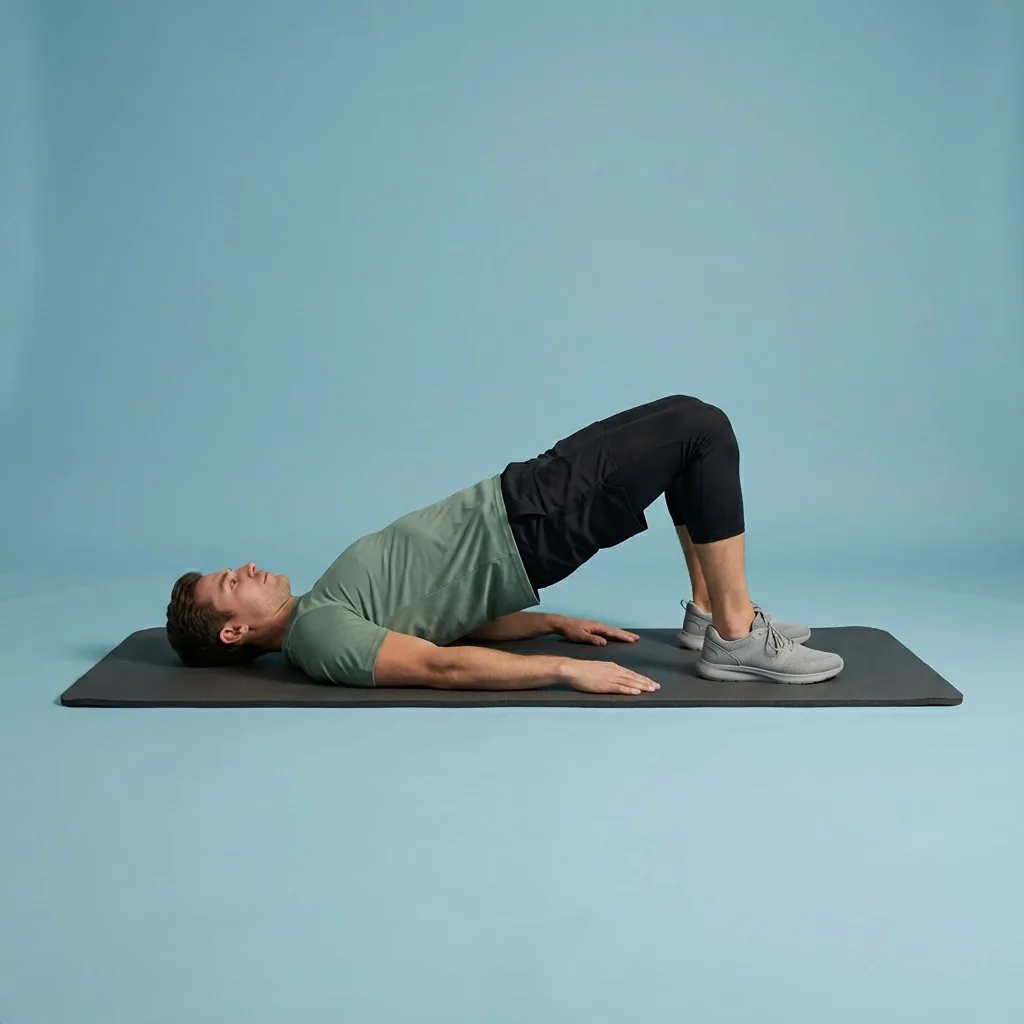
Routine chooser
Choose a stretching or mobility routine by what you need now.
Choose a Flexor routine for mornings, desk breaks, workout warm-ups, cool-downs, flexibility, mobility, recovery, and ev...
Read more Free guided stretching exercises app
A full stretching and mobility app—free to download, ready to use.
Download Flexor free—guided stretching routines, multi-day plans, daily recommendations, reminders, and offline access....
Read more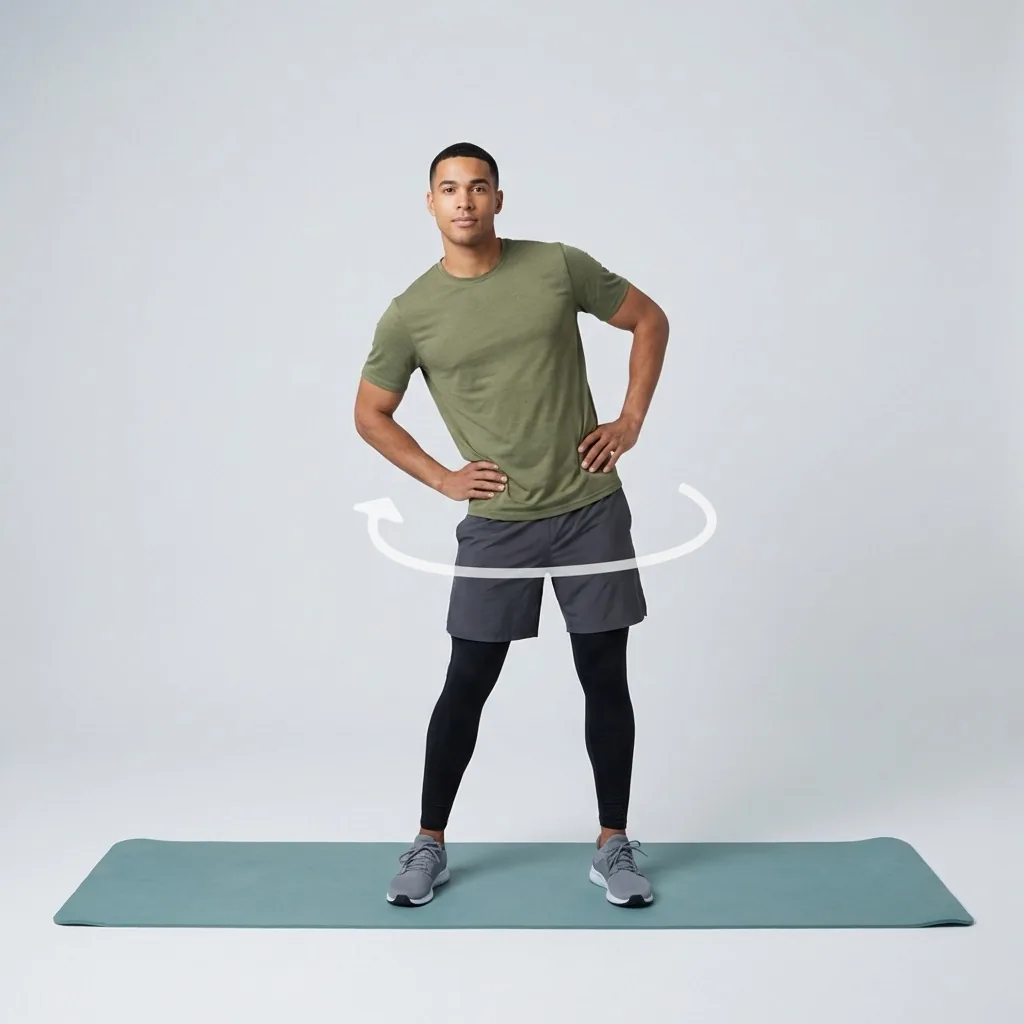
Mobility for fitness and everyday movement
Build controlled, usable movement—one short guided session at a time.
Improve mobility with guided routines, progress tracking and personalised daily recommendations designed around how you...
Read more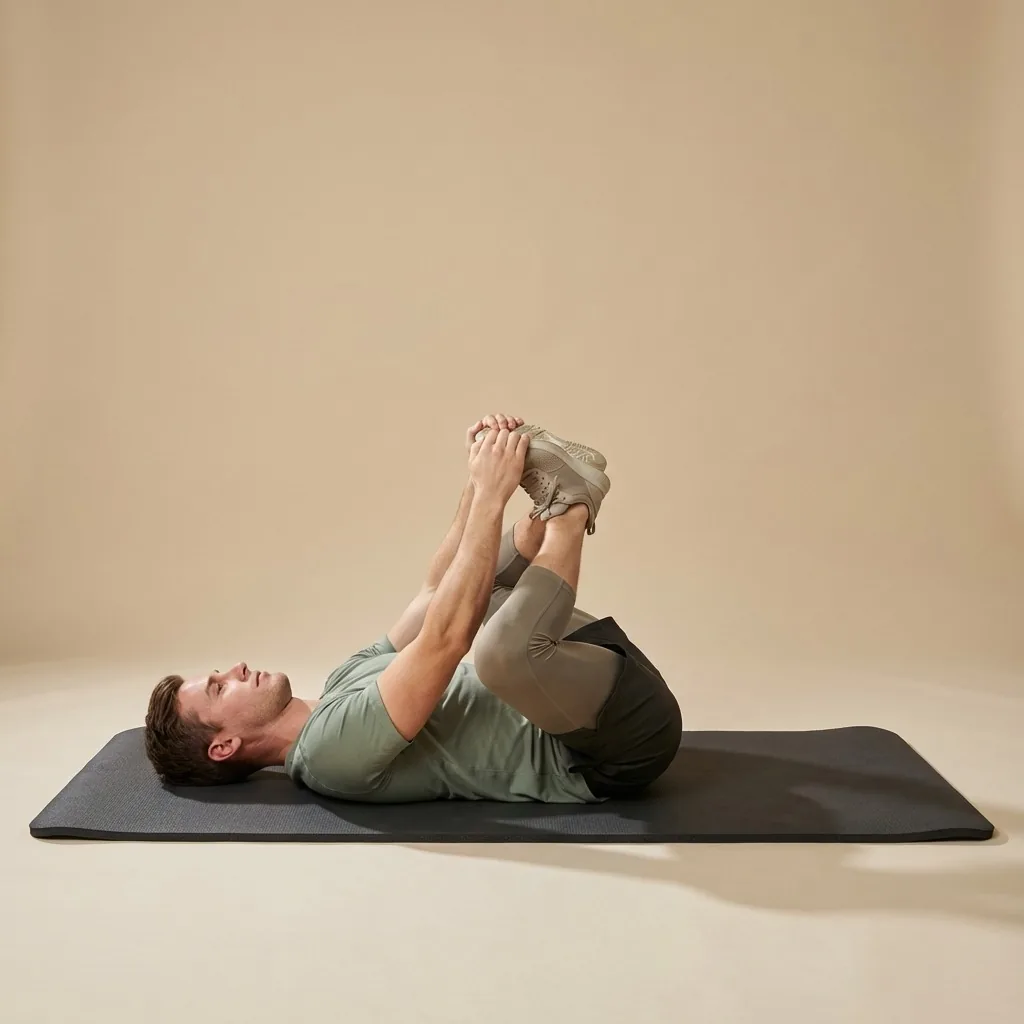
Wellness and exercise safety
General movement guidance—not medical care.
Flexor provides general fitness and wellness guidance, not diagnosis or treatment. Review when to stop exercise and when...
Read more