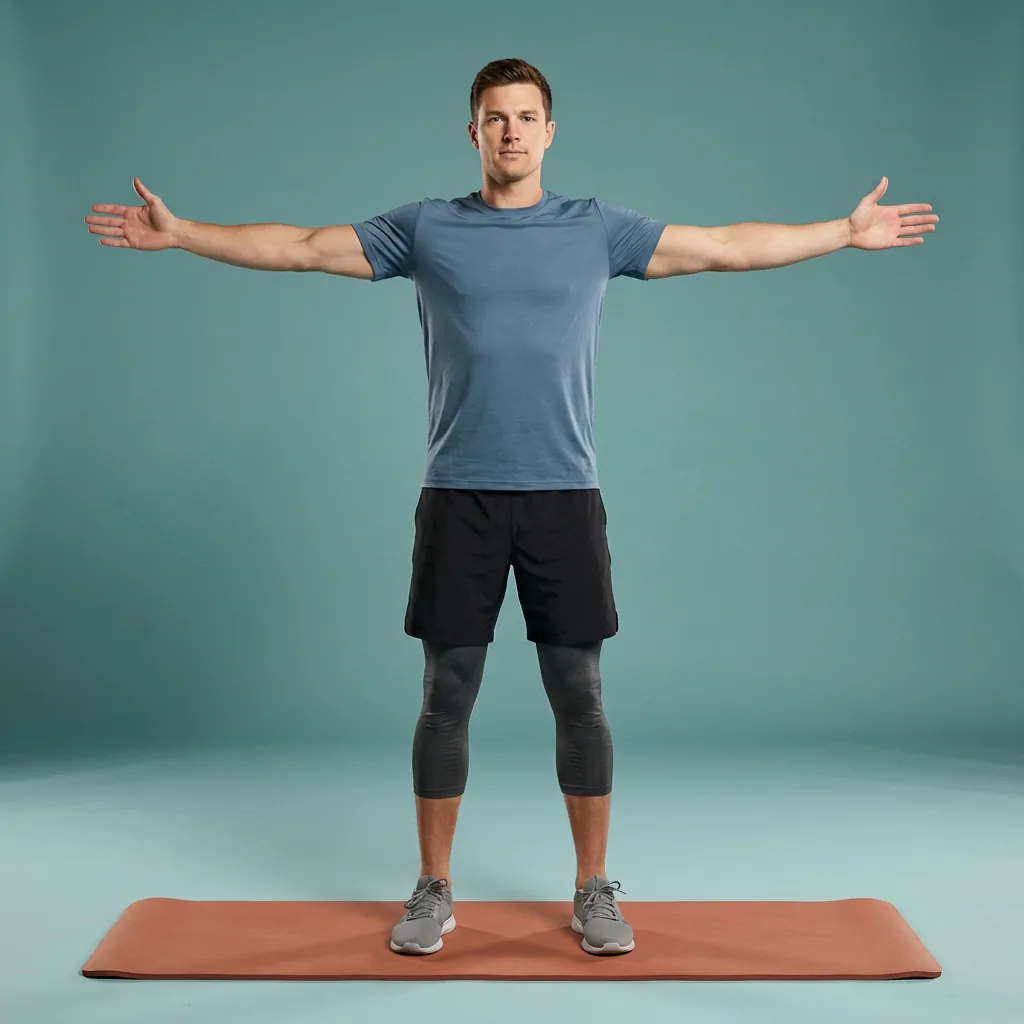
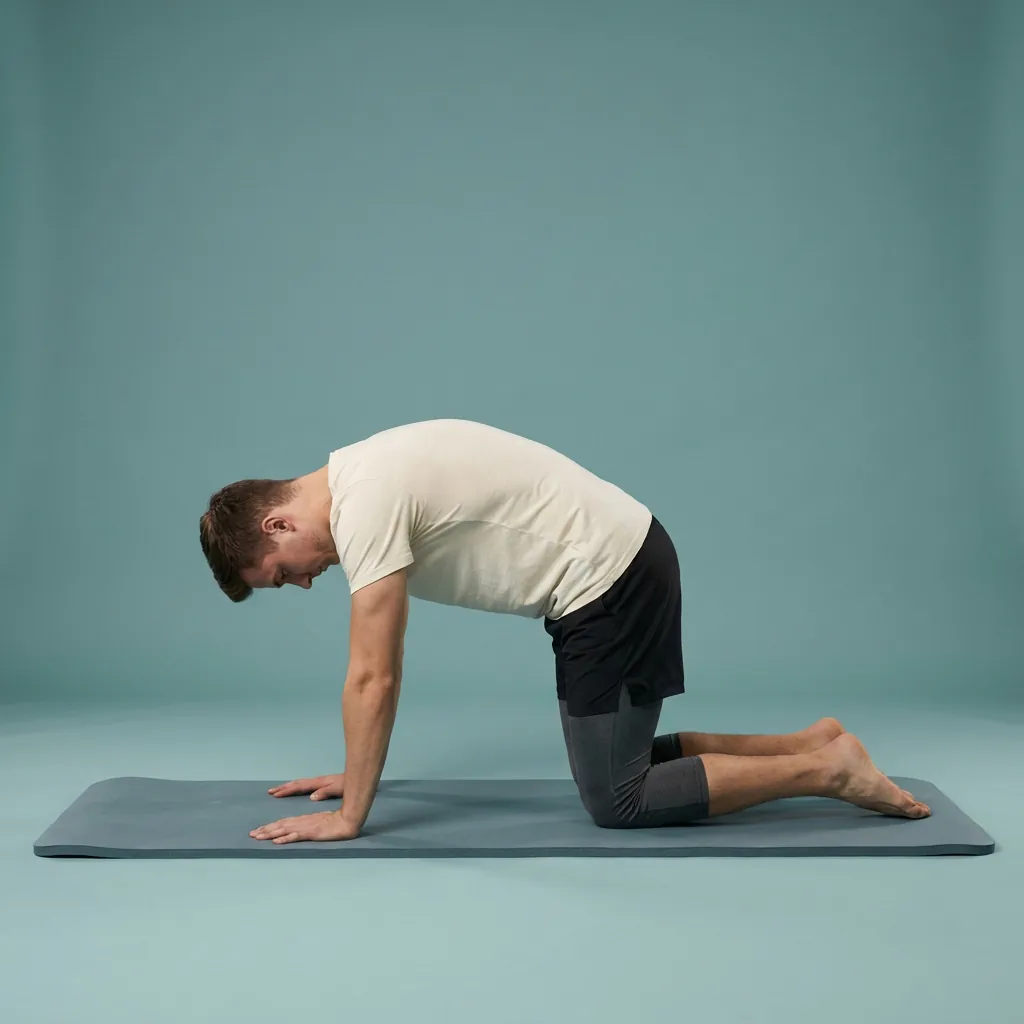
Post-Commute Flow
A 10-move post-drive unwind — corner pecs stretch, 90/90 hip switch, and legs-up-wall for commute-built shoulder and hip tension.


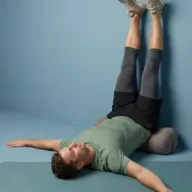
About this routine
Gripping the wheel. Sitting in traffic. Shoulders creeping toward your ears. By the time you walk through the door, the commute has rewritten your posture. Post-Commute Flow flushes out that specific tightness before it becomes your evening default.
Commute-specific tension patterns
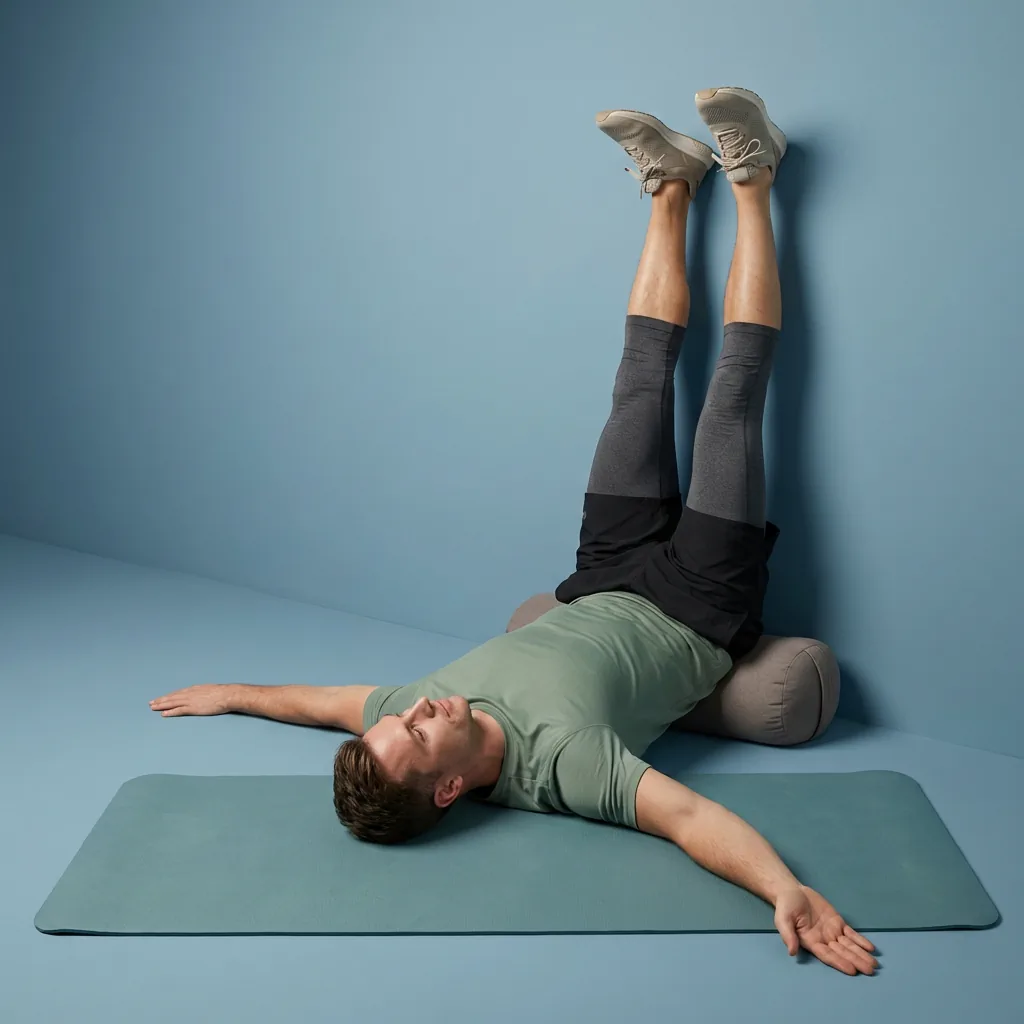
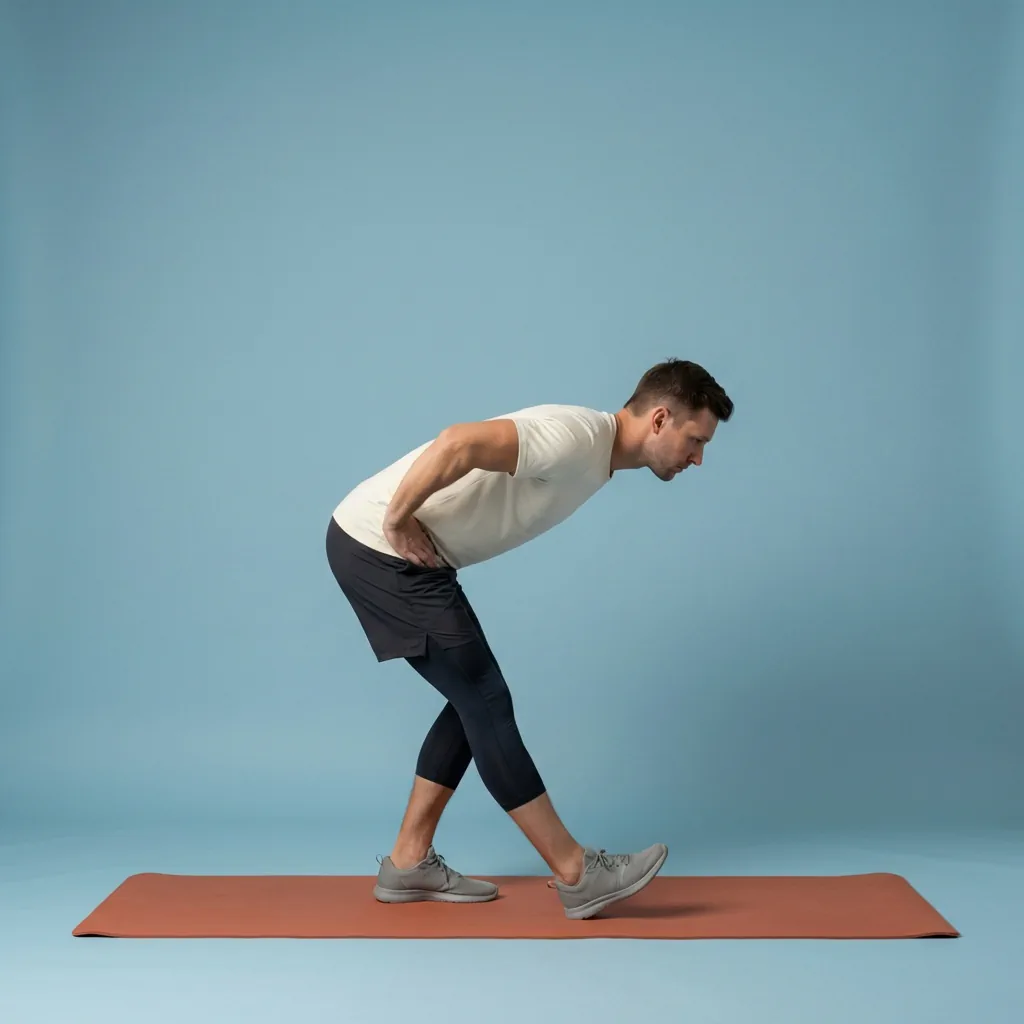
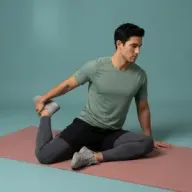
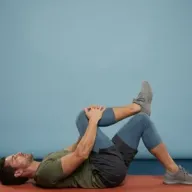
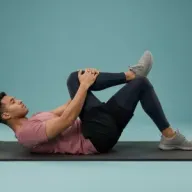
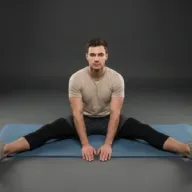
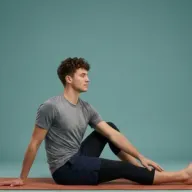
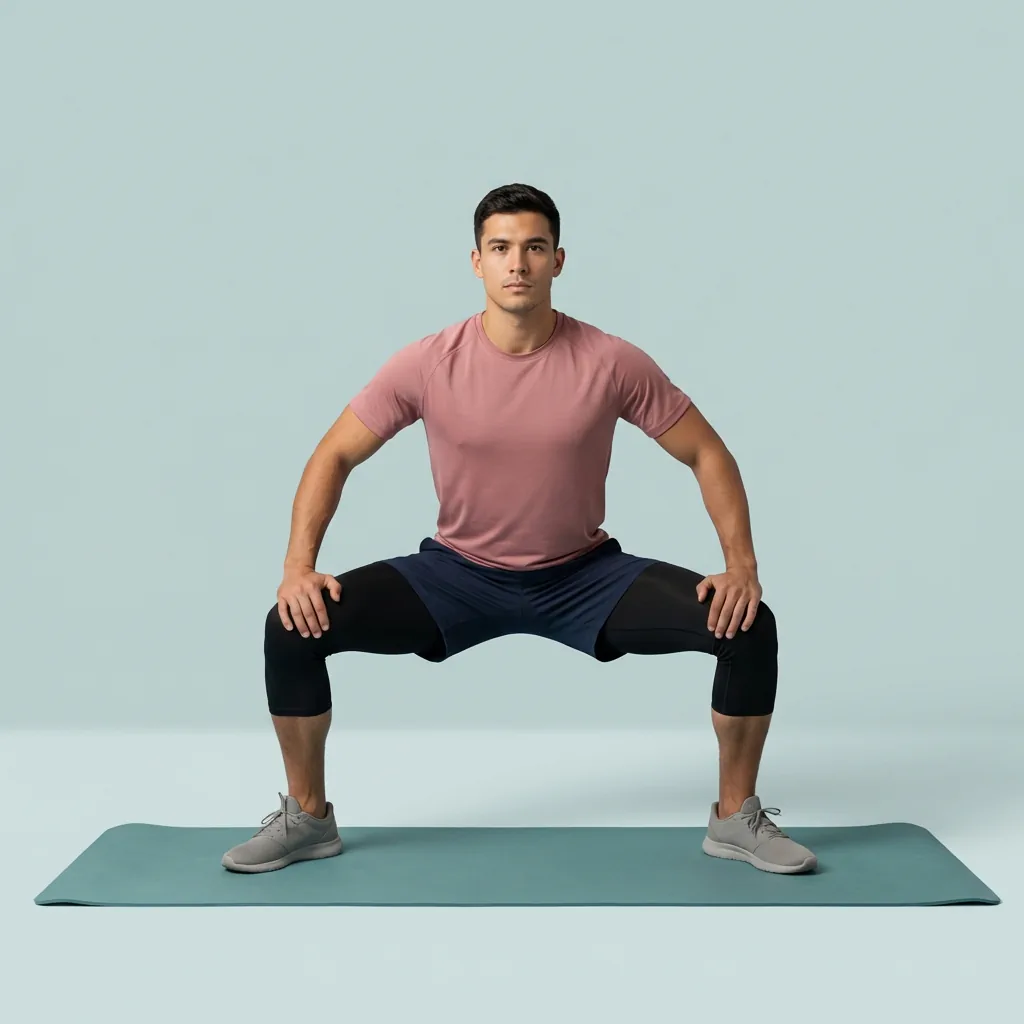
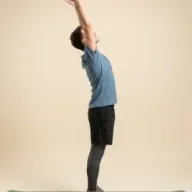
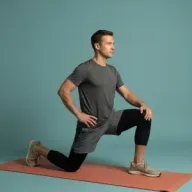
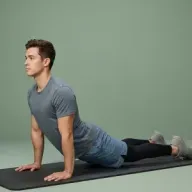
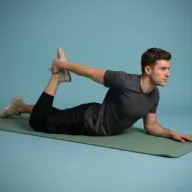
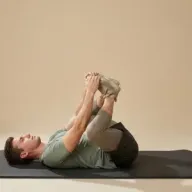
Driving and long transit share a posture: hips flexed, spine rounded, chest closed, arms forward. This intermediate Flexor sequence counters each vector with cat-cow, seated twist, corner pecs stretch, bear hug, 90-90 hip switch extension, butterfly, cobra, half-bow, happy baby, and legs-up-wall.
How to use it
- Run immediately after arriving home — before sitting down again.
- Corner pecs stretch and bear hug open the chest and upper back.
- 90-90 hip switch extension and butterfly address hip flexors shortened by the seat.
- Legs-up-wall finishes with spaciousness and calm breathing.
Full-body coverage from neck through feet, no equipment beyond a wall corner. The flow is intermediate — approachable but thorough enough to feel a real shift in how you stand and breathe.
After the drive home
Commuting builds specific tension: gripping the wheel tightens forearms and shoulders, bucket seats shorten hip flexors, and traffic stress elevates baseline muscle tone. Cobra and half-bow add gentle extension after hours of spinal flexion. Happy baby and legs-up-wall close the session with spaciousness that helps you transition into evening without carrying the drive in your body.
Flexor suggests running this before your next sit — couch, dinner table, or otherwise.
Cat-cow and seated twist support spinal motion after bucket-seat flexion. Bear hug and corner pecs stretch open the chest and upper back. Butterfly and 90-90 hip switch extension address the hip flexors that shorten with every mile driven.
What this session supports
- Flushes out the specific tightness built up from gripping the steering wheel or sitting in traffic.
Common questions
What kind of routine is Post-Commute Flow?
Post-Commute Flow is organised in Flexor as a daily stretch routine. Use it as general wellness guidance and keep the range comfortable throughout.
How long does Post-Commute Flow take?
Post-Commute Flow takes about 11 min at the guided pace. You can pause, repeat, or stop whenever you need to.
How many stretches are in Post-Commute Flow?
Post-Commute Flow includes 10 guided exercises covering your spine, chest, upper back, and adductors. Follow along in order, and skip any move that does not feel right for you.
Is Post-Commute Flow good for beginners?
Post-Commute Flow is set at a intermediate level in Flexor. Move gently, breathe steadily, and shorten the holds if you want more time to ease in.
Do you need any equipment for Post-Commute Flow?
No. Post-Commute Flow is a no-equipment routine — you only need a little space to move comfortably.
Can this routine treat pain or injuries?
No. Comfort-focused and mobility routines in Flexor support general wellness only. They are not physiotherapy, diagnosis, or medical treatment. Seek professional advice for pain, injury, or health conditions.
Related routines
More sessions in a similar rhythm.