
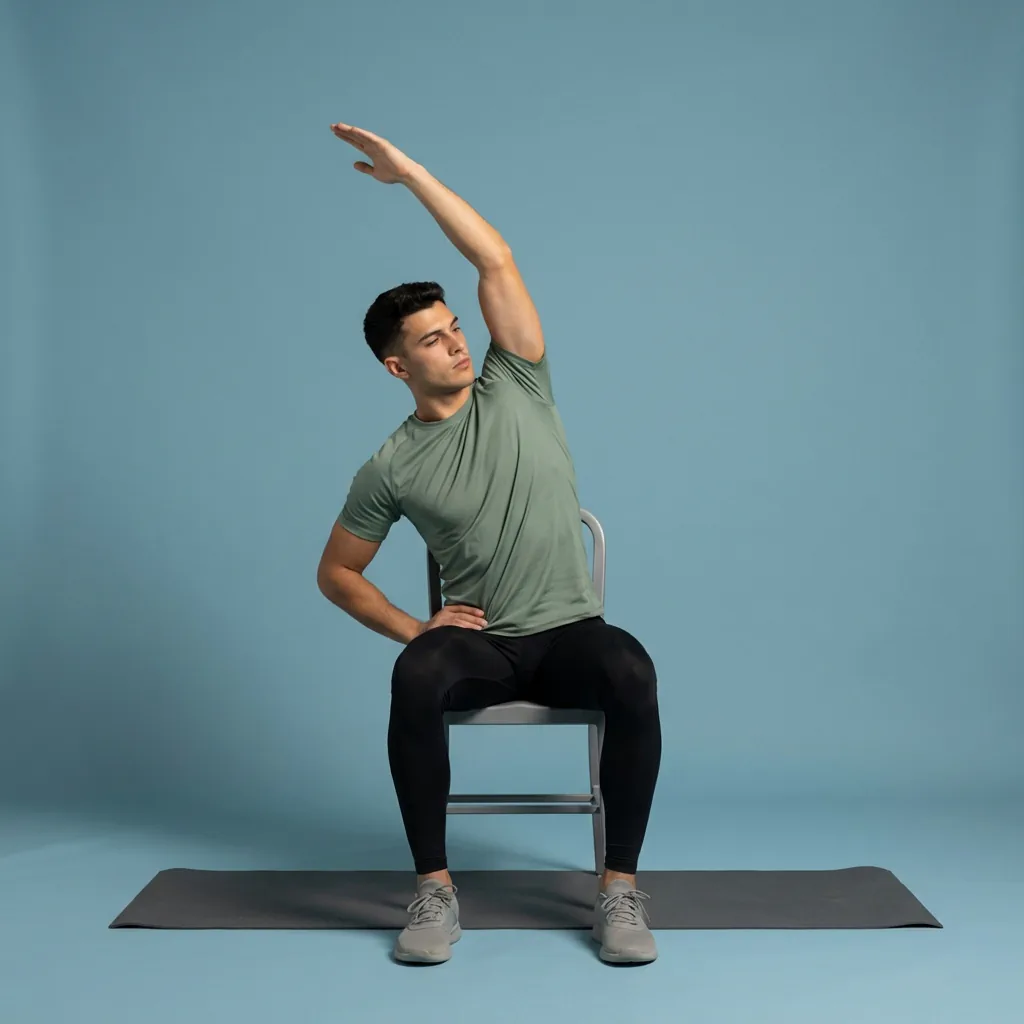
Midsection
Work the sides of your trunk.
The obliques wrap the sides of the waist and do the twisting and side-bending — and, just as importantly, the work of resisting those motions to keep the trunk steady.
Side bends open the waist while side planks build the control that supports rotation, so the sides of the body move and brace well.
Start here
A short, guided starting point for Obliques — begin gently and stay within a comfortable range.
side open
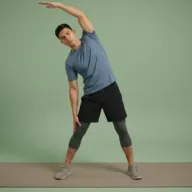
Wide Leg Side Bend
wide base
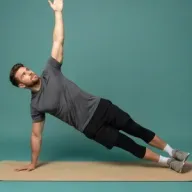
Hand Side Plank
side hold
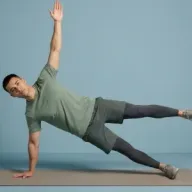
Hand Side Plank Leg Lift
add a lift
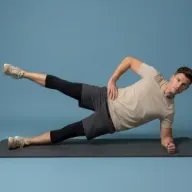
Elbow Side Plank Leg Lift
forearm variation
About the Obliques
The obliques are two layers on each side of the waist — the external and internal obliques — running diagonally between the ribs and the pelvis.
They bend the trunk sideways, drive rotation and, crucially, resist unwanted twist to keep the spine steady during movement.
They blend into the deeper core and connect the ribcage to the pelvis, so oblique work supports overall trunk stability.
Ways to work this area
Mobility
Controlled repetitions move the obliques through a comfortable range without forcing the end position.
Control
Slower drills build awareness and steadiness around the obliques and nearby joints.
When people reach for this
Rotational sport
Side-bend mobility and anti-rotation holds support twisting sports like golf and tennis.
GolfersWarming up the trunk
Gentle side bends wake up the waist before training or a run.
Pre Workout MobilityExercises for Obliques
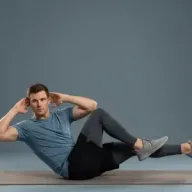
Bicycle Crunch Hold
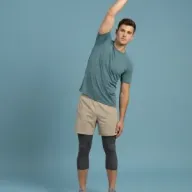
Dynamic Side Bends
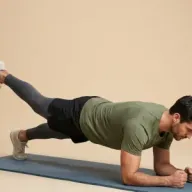
Elbow Plank Leg Lift
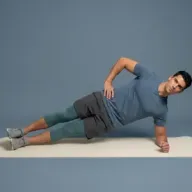
Elbow Side Plank
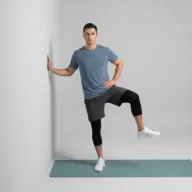
Gate Opener
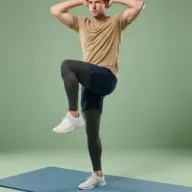
High Knee Twists
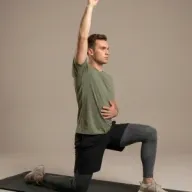
Kneeling Psoas
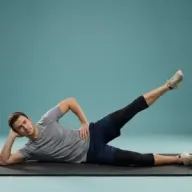
Lying Side Leg Raise
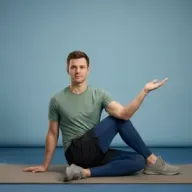
Modified Seated Twist
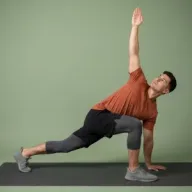
Runner’s Lunge Twist
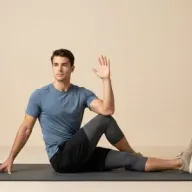
Seated Twist
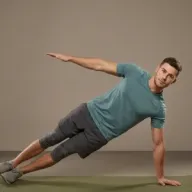
Single Arm Plank
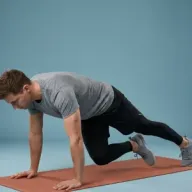
Spiderman Push Up Hold
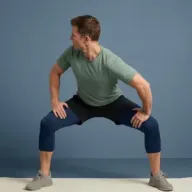
Split Squat Twists
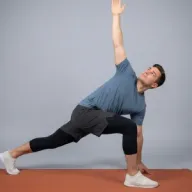
Standing Lunge Twist
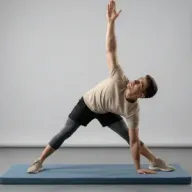
Toe Touch Twist
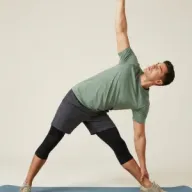
Triangle Pose
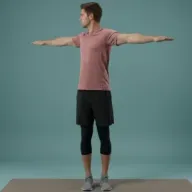
Trunk Twist
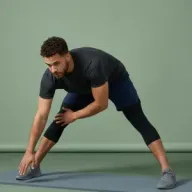
Wide Leg Toe Touches
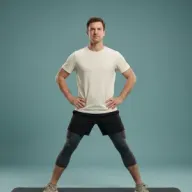
Wide Leg Torso Circles
How Flexor personalises this
Flexor mixes side-body mobility with anti-rotation control so the waist moves and braces evenly, based on the training you log.
See daily recommendationsExplore related pages
Move comfortably
- Bend to the side with length rather than crunching down into the waist.
- Build side-plank holds gradually and keep the hips stacked and steady.
This is general fitness guidance, not medical advice or treatment. Move within a comfortable range, and speak to a qualified professional about pain that persists or worsens.
Read the full wellness disclaimerWritten by Flexor editorial Last reviewed July 2026
Common questions
How do I stretch my obliques?
Reach one arm overhead and lengthen up and over to the opposite side, feeling a long stretch down the waist. Keep both feet grounded and avoid collapsing into the bend.
What do the obliques do?
They bend the trunk to the side and rotate it, and they also resist twisting to keep the spine stable. That anti-rotation role is a big part of why side planks are so useful.
Are side planks good for the obliques?
Yes — a side plank challenges the obliques to hold the trunk steady against gravity, building side-body control. Start with shorter holds and progress the time as it feels comfortable.
Should I train obliques for a sport with lots of twisting?
Building side-body mobility and control can support rotational sports like golf, tennis and throwing. Combine gentle side bends with anti-rotation holds and progress gradually.