
Muscles
Erector spinae stretches for posture and hinge comfort.
The erector spinae run along the spine and support extension, posture and controlled hinging. Flexor gathers guided back mobility and gentle lengthening here so prolonged sitting and lifting days feel less stiff through the trunk.
About Erector Spinae
Posture and hinge endurance
The erector spinae help you extend the spine and hold a steady trunk under load. Desk time and repetitive hinging can leave them feeling tight or fatigued, so mixing gentle mobility with light hinge practice tends to support comfort better than aggressive end-range flexion alone.
Move the back with control
Cat-camel, supported hinges and light good-morning patterns keep the erectors working through a comfortable range. Stay out of sharp pain, keep breaths easy, and pair mobility with core and hip work so the lower back is not doing every job alone.
Move comfortably
Keep spinal mobility within a comfortable range and avoid loading painful end positions. This is general fitness guidance, not treatment — seek professional advice for back pain or an injury.
Guided sessions
Routines for Erector Spinae
Complete guided Flexor routines that include this muscle — open any session to follow along.
-
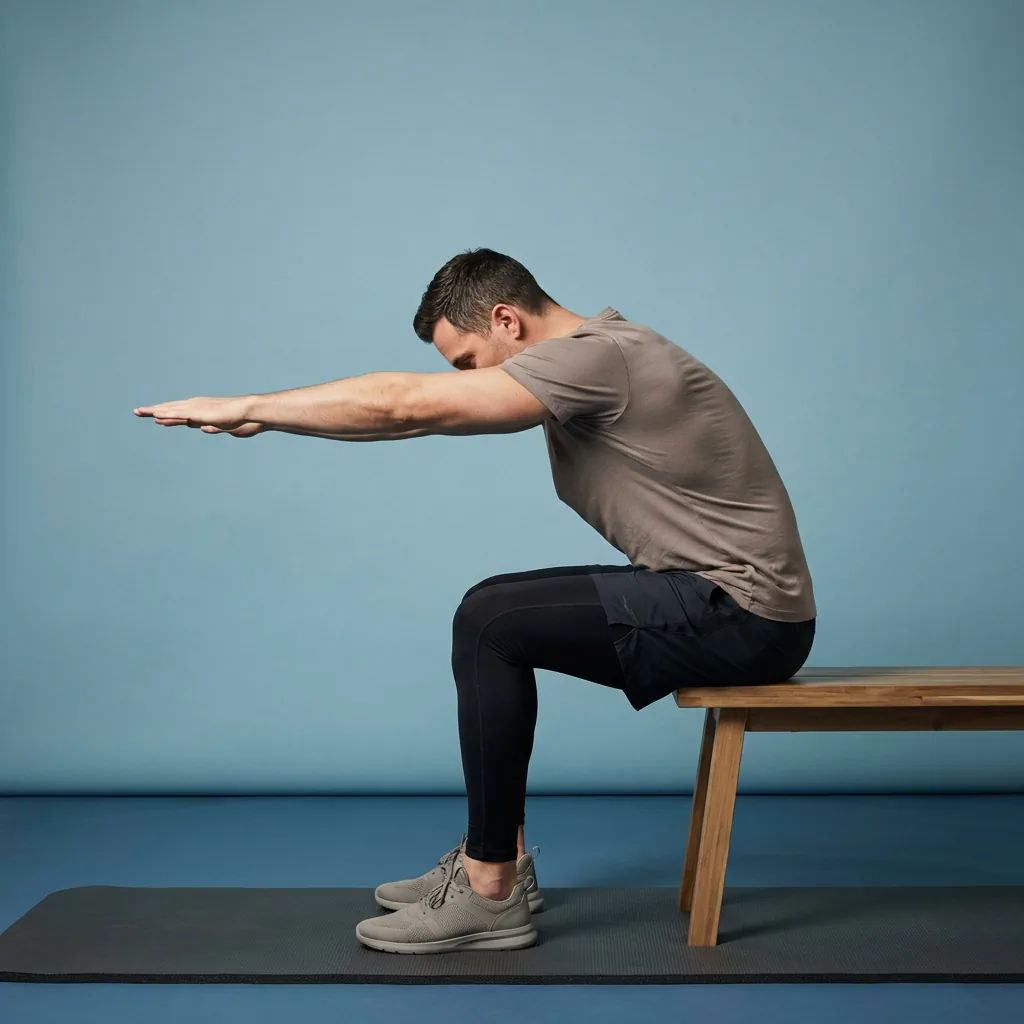 8 min Beginner
Cool-Down: Back and Shoulders
An 8-move post-training back release — thread the needle, spinal twist, and cobra to settle the spine and open shoulders.
-
-
-
-
-

- +3
-
-
 8 min Intermediate
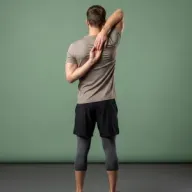
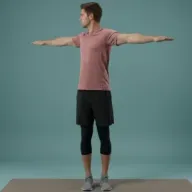
Evening Mobility Unwind
An 8-move evening unwind with chest flys, trunk twist, cow face, frog pose, and plow for a slower pre-bed mobility downshift.
-
-
-

-
-
- +3
-
-
 6 min Beginner
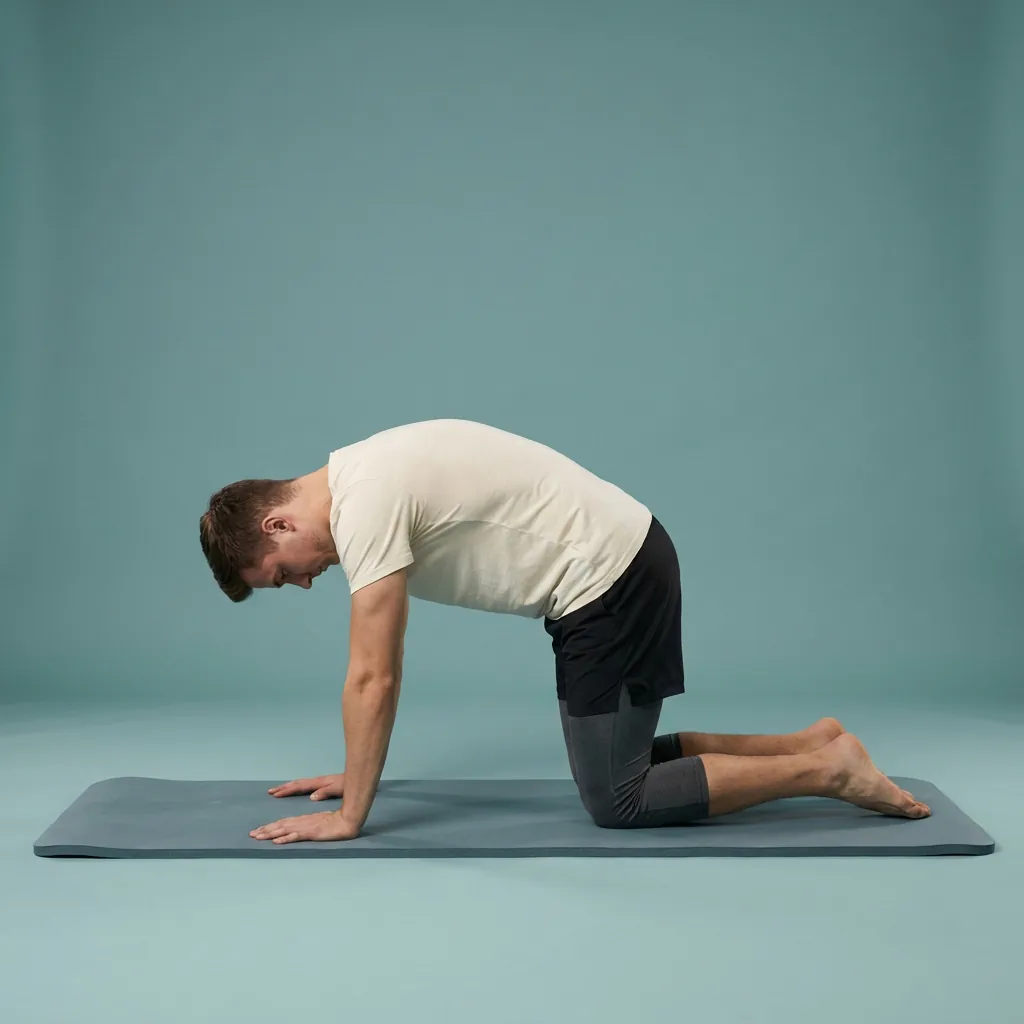
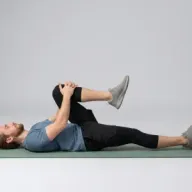
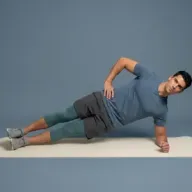
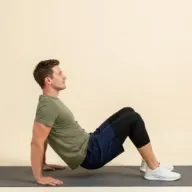
Fasting-Friendly Ease Level 1
A 7-move fasting-friendly ease flow for spine, hips, and core with cat-cow, baby cobra, bulldog, light holds, and child's pose.
-
-
-
-
-
- +2
-
-
 11 min Intermediate
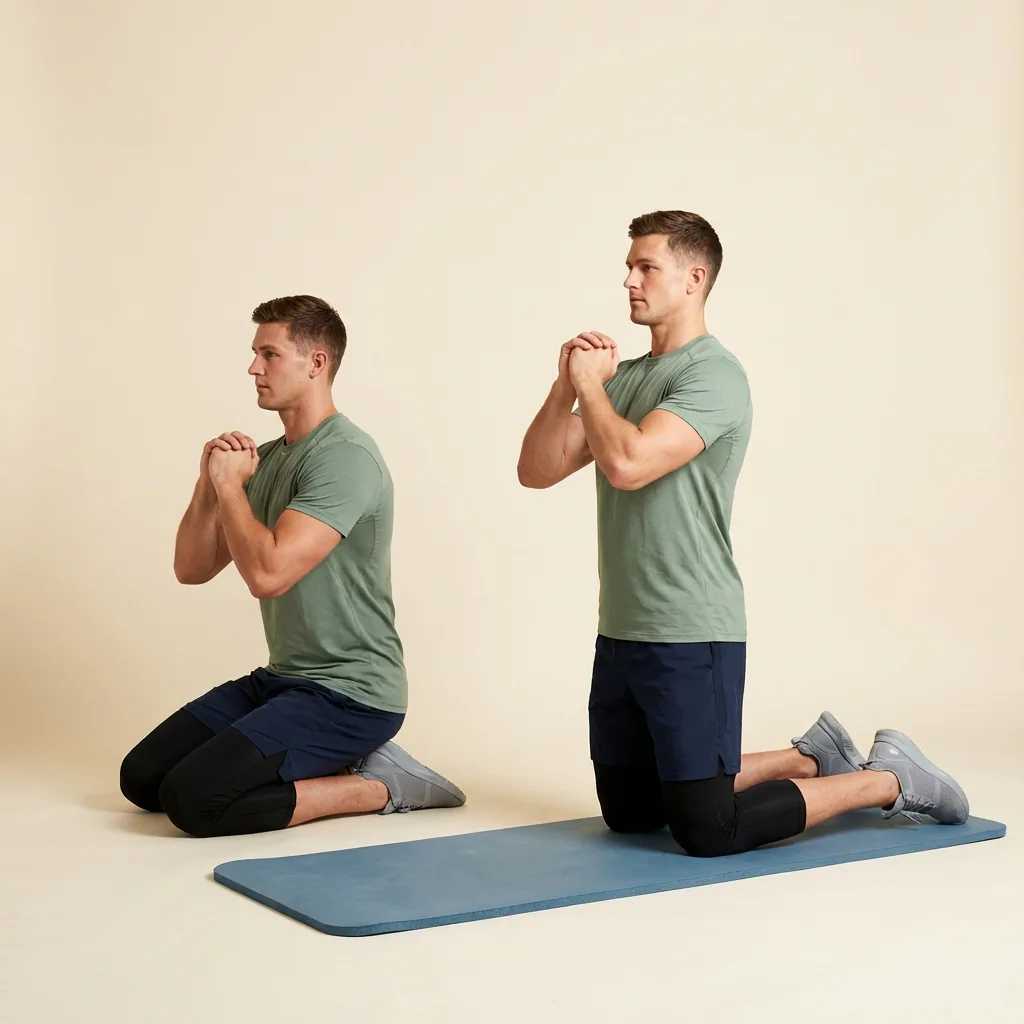
Gentle Mobility Recovery
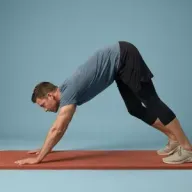
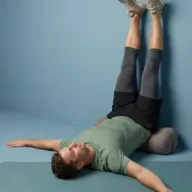
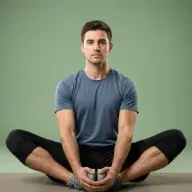
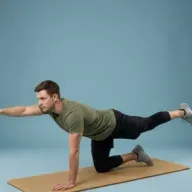
An easy recovery session using calm, controlled movement and steady breathing across the major joints.
-
-
-
-
-
- +4
-
-
 16 min Intermediate
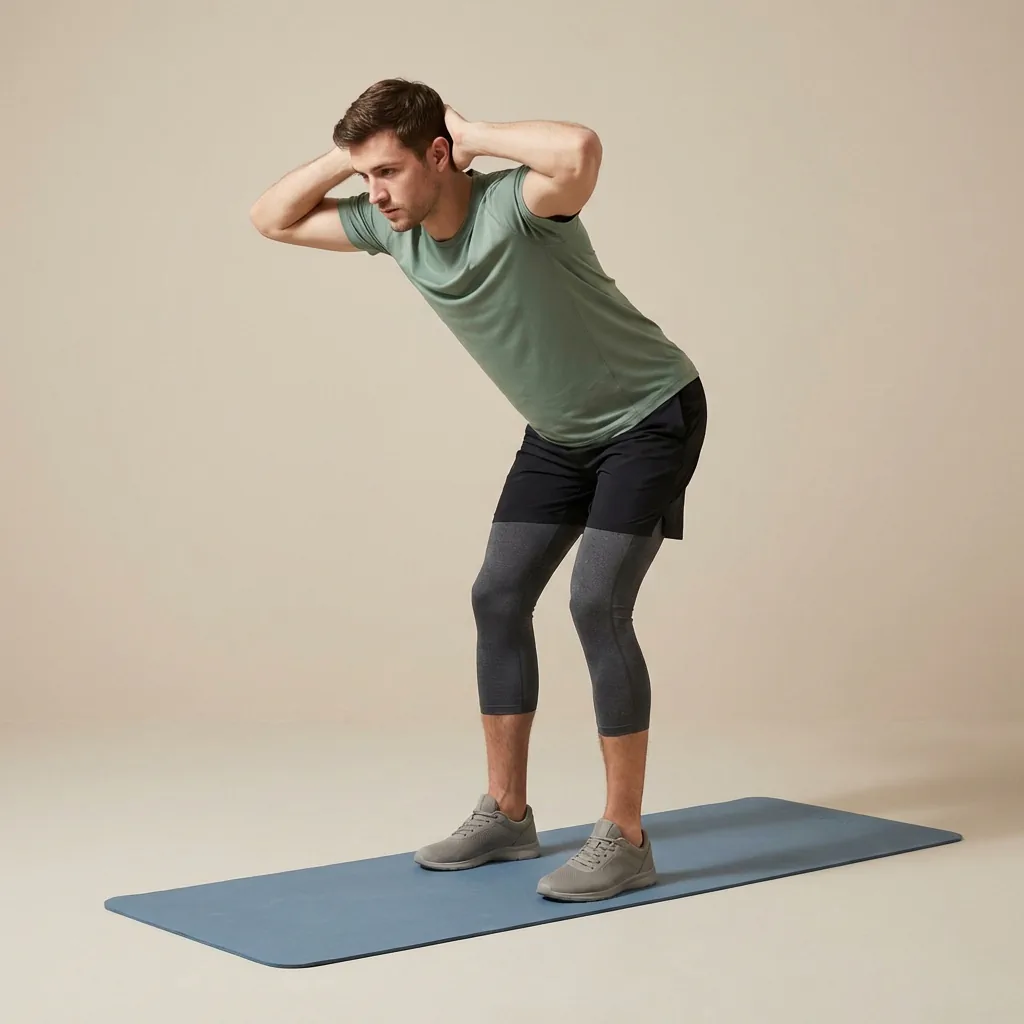
Gentle Nerve-Friendly Mobility
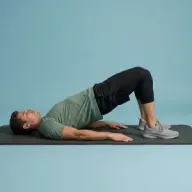
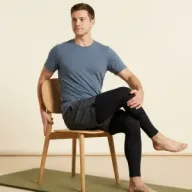
A soothing 16-move nerve-friendly flow — trunk rotation, good mornings, and figure-four twist for guarded, sensitive backs.
-
-
-
-
-
- +11
-
-
11 min Intermediate
Post-Commute Flow
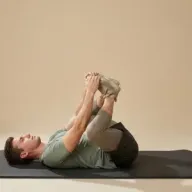
A 10-move post-drive unwind — corner pecs stretch, 90/90 hip switch, and legs-up-wall for commute-built shoulder and hip tension.
-
-
-
-
-

- +5
-
-
 10 min Intermediate
Recovery: Breath and Reset
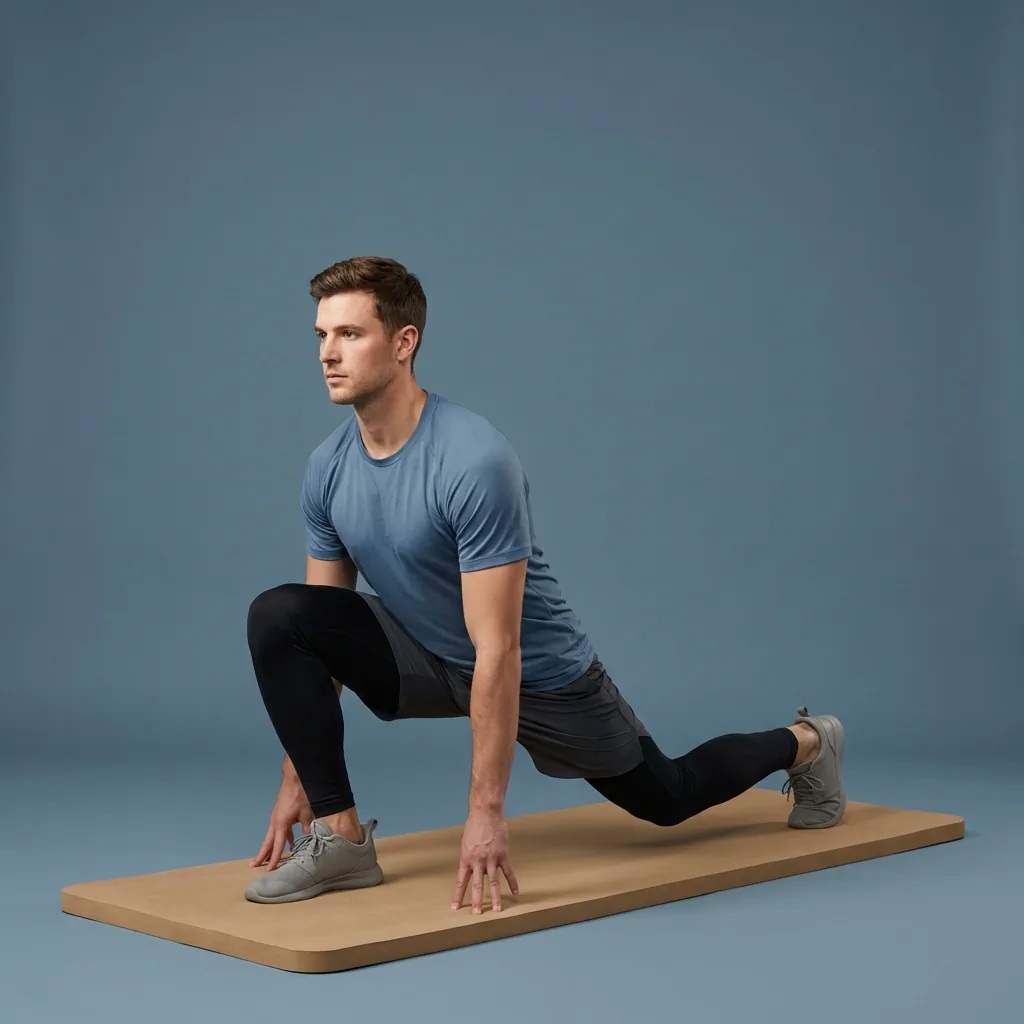
A 10-move breath-led recovery reset for chest, spine, and hips with doorway pecs, 90-90, couch stretch, cobra, camel, and puppy pose.
-
-
-
-
-
- +5
-
-
 8 min Beginner
Recovery: Post-Travel Unwind
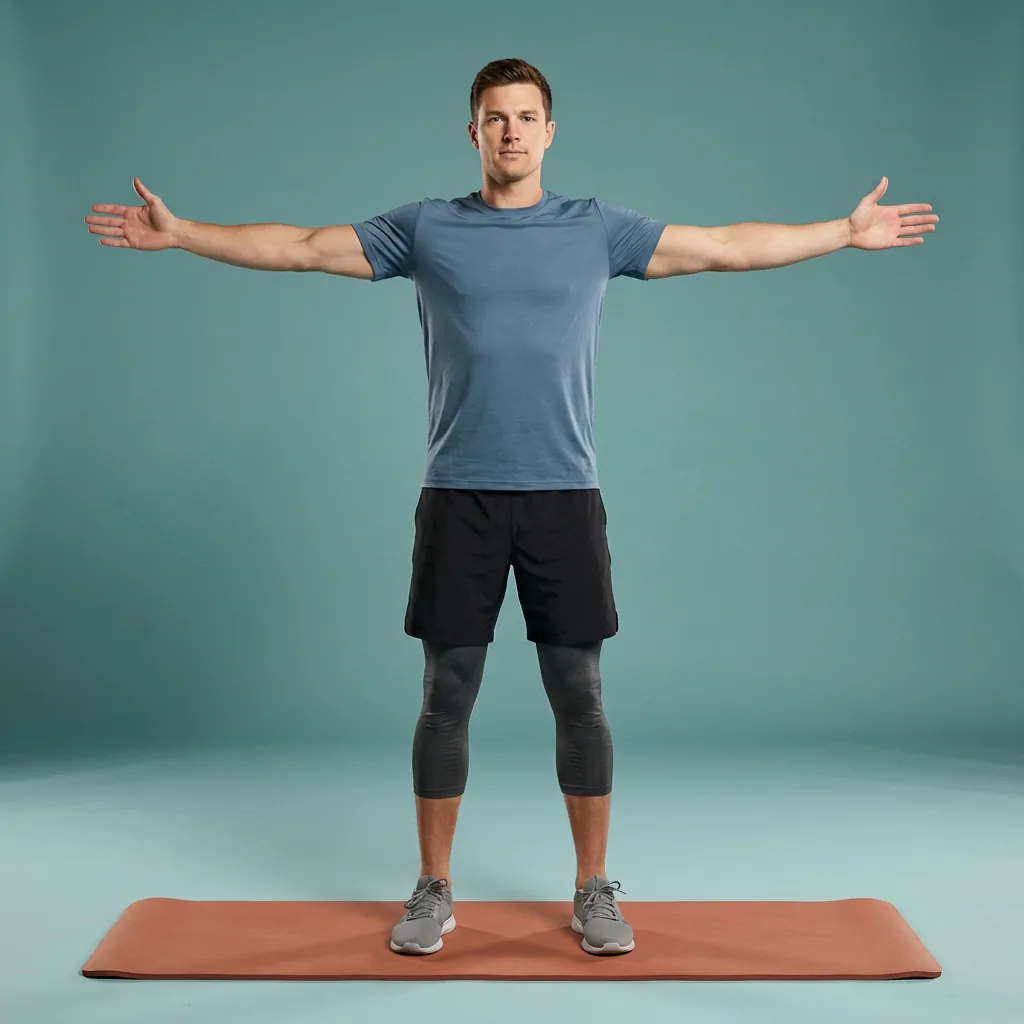
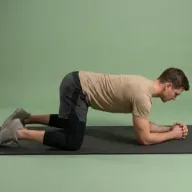
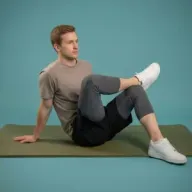
An 8-move post-travel unwind — dynamic chest flys, frog pose, and plow opening hips, neck, and lower back after long sitting.
-
-
-
-
-
- +3
-
-
 10 min Intermediate
Recovery: Upper-Body Reset
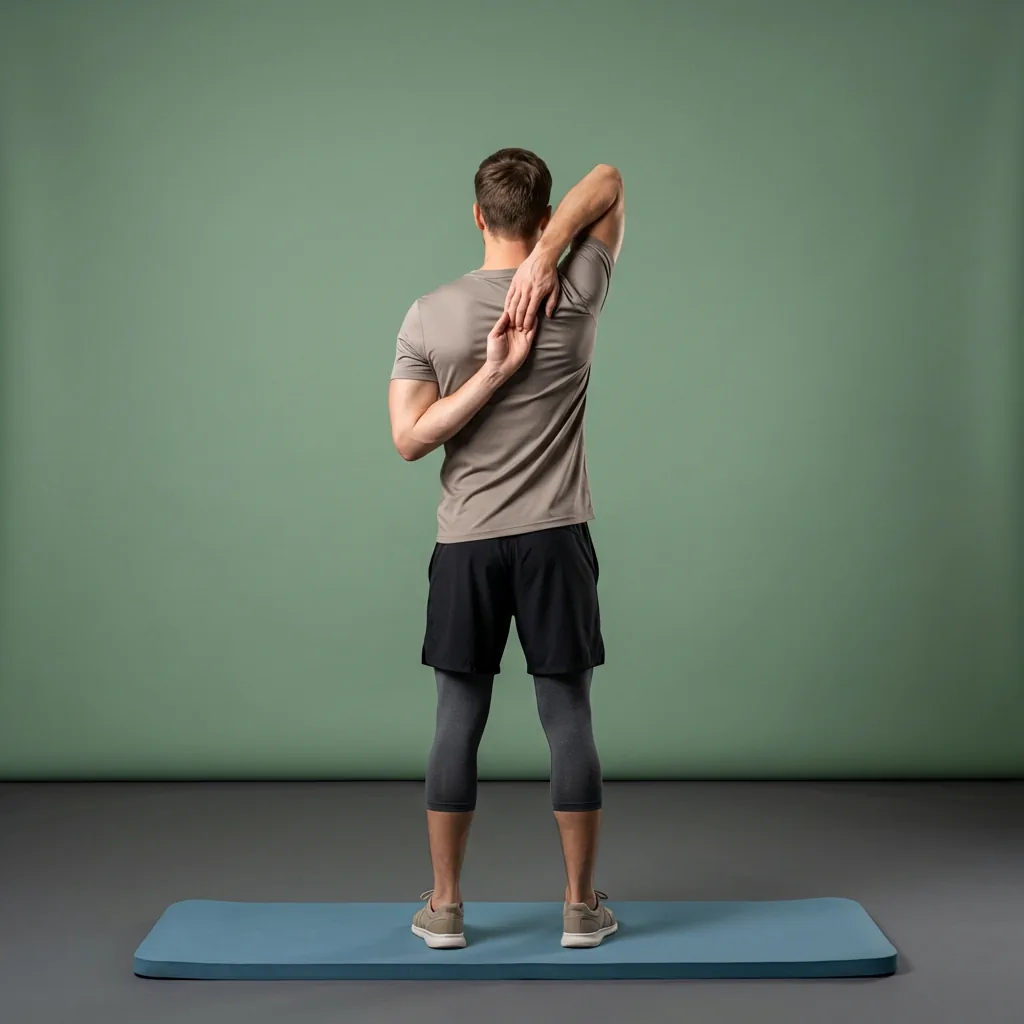
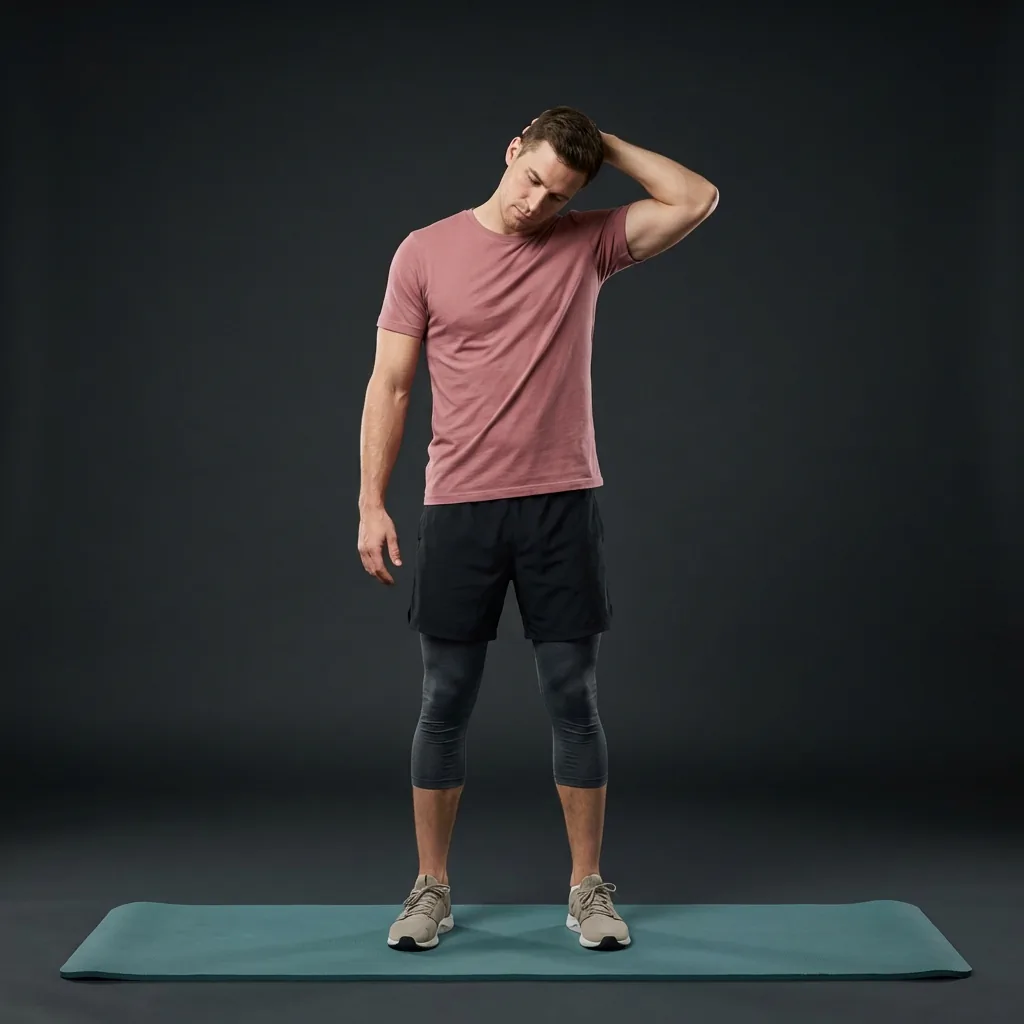
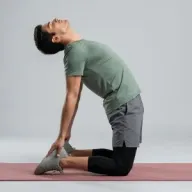
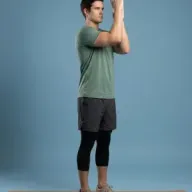
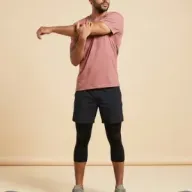
A 10-move upper-body support — airplane, bow pose, camel pose, and eagle arm opening chest, shoulders, and spine.
-
-
-
-
-
- +5
-
-
 8 min Intermediate
The Glute Primer
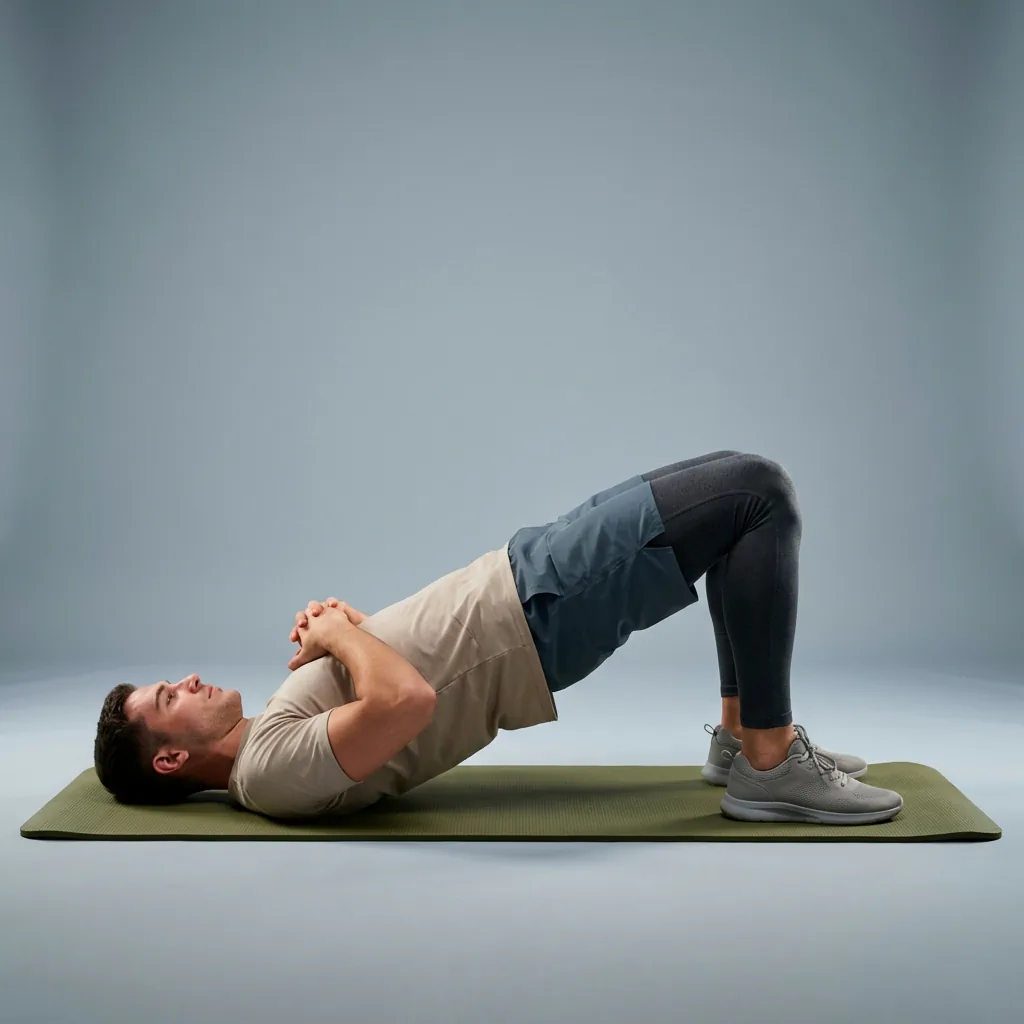
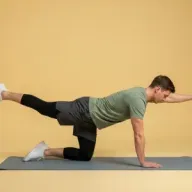
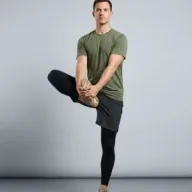
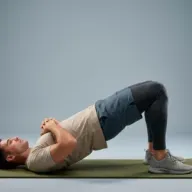
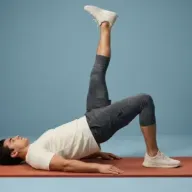
A 7-move glute activation burst — bird dog, hip bridges, and bridge leg lift to fire the posterior chain before training.
-
-
-
-
-
- +2
-
-
 9 min Advanced
Travel Stiffness Release
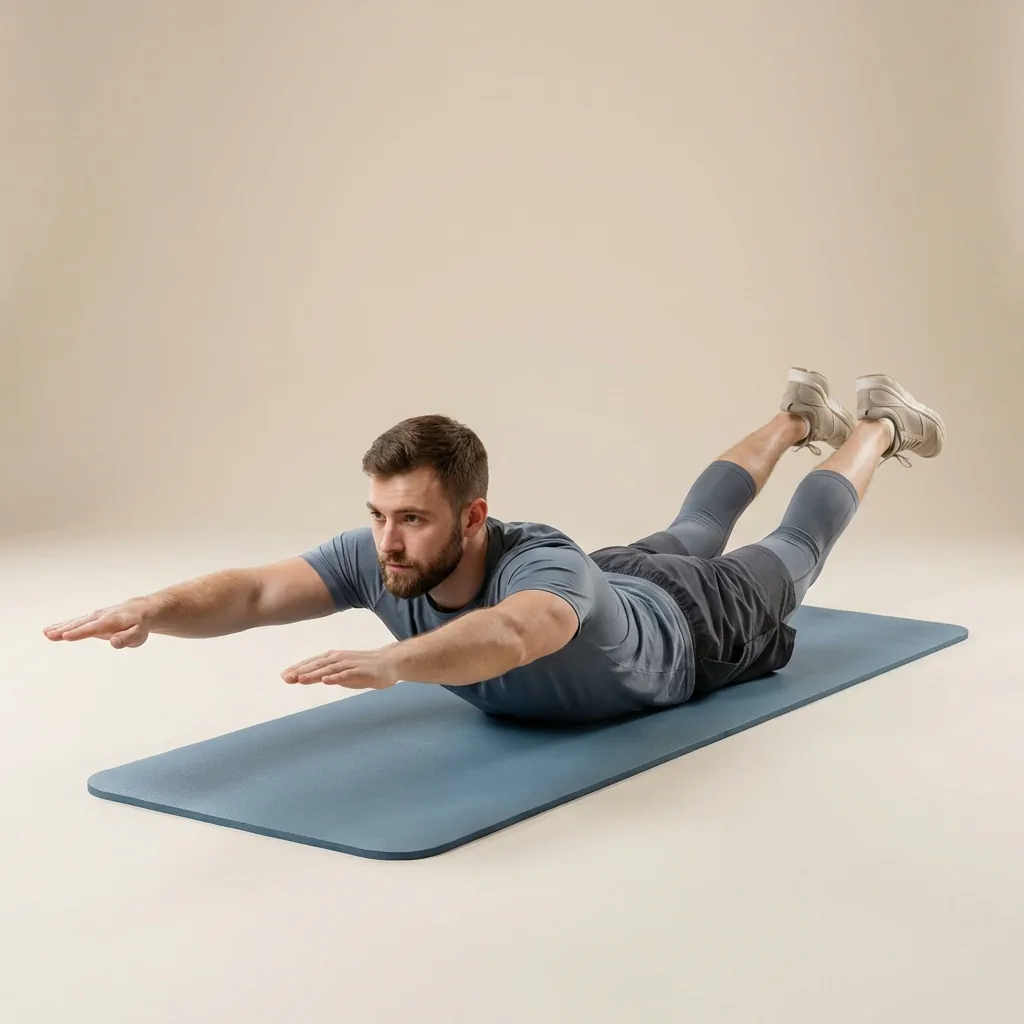
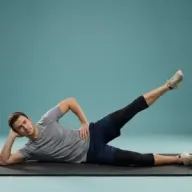
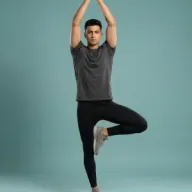
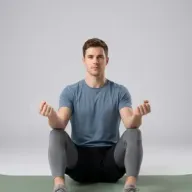
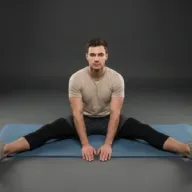
A 10-move travel flush — sumo squat hold, seated straddle, and locust pose targeting stiff lower back and legs after long sitting.
-
-
-

-
-
- +5
-
Explore related pages
Common questions
How do I stretch the erector spinae?
Gentle flexion and hinge patterns — such as a rounded child's pose, seated forward fold with soft knees, or a controlled good-morning — lengthen the back extensors when kept mild. Avoid forcing end range, especially if the lower back feels irritable, and explore the guided spine and lower-back exercises below.
Why does my mid or lower back feel tight after sitting?
Long sitting keeps the trunk in one position, so the erectors can feel stiff when you stand or hinge again. Short mobility breaks, light hinge practice and hip mobility usually help more than aggressive stretching. Flexor's desk and lower-back routines make that habit easier to keep.