Should You Stretch Before or After a Workout?
Dynamic movement before, longer holds after - and what stretching can and cannot be expected to do.

The practical answer: do dynamic, movement-based warming up before exercise, and save longer static stretches for afterwards or a separate session. Long static holds immediately before maximal-strength, sprint or power efforts can briefly reduce performance. Brief holds followed by dynamic activity may have little effect, so static stretching does not have to be excluded from every warm-up. That said, timing matters less than most people think, and the right choice depends on the activity.
Before exercise: prepare to move
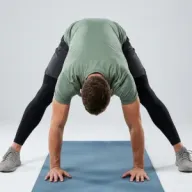
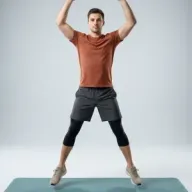
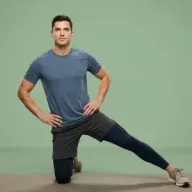
A warm-up aims to raise your temperature, get blood flowing and rehearse the movements you are about to do. Dynamic mobility fits this well: arm swings, leg swings, lunges and air squats take joints through range while keeping muscles switched on.
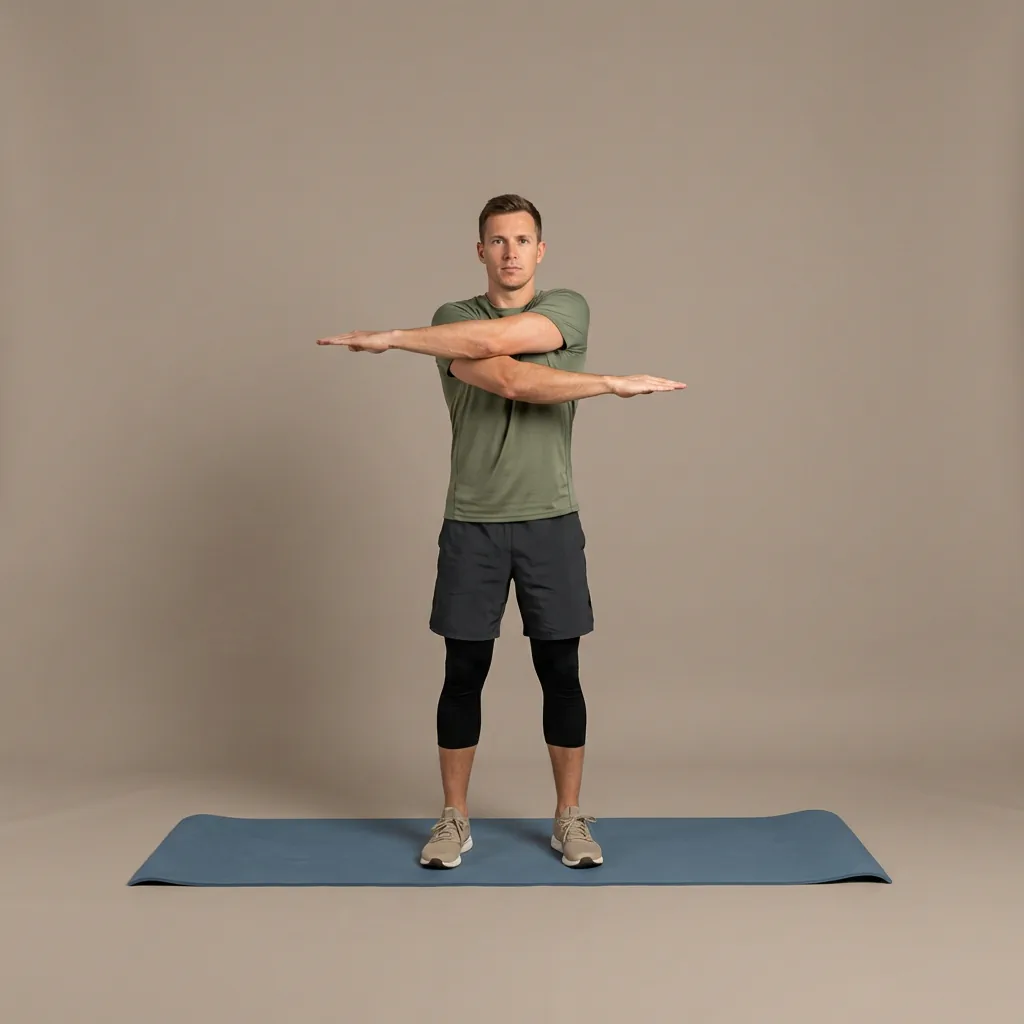
Warm-up specificity
The most useful warm-up looks a little like the activity to follow. A runner rehearses running-shaped movements; a lifter primes the pattern they are about to load. This is why a general routine is a fine start, but tailoring the last minute or two to your session helps.
After exercise: longer static stretches
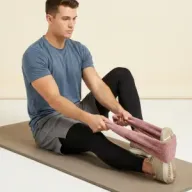
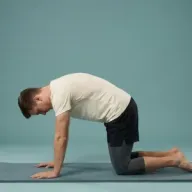
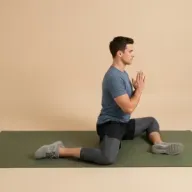
Once you have finished, longer held stretches can feel pleasant and help you down-regulate from effort to rest. This is a reasonable time for hamstring, hip-flexor and calf stretches, moving from higher intensity into stillness gradually rather than stopping abruptly.
What stretching can and cannot be expected to do
- Can: improve how far a joint moves over time, help you feel ready to move, and offer a calm end to a session.
- Cannot: guarantee it prevents injury, remove all soreness, or replace a proper warm-up of the movements you are about to perform.
How it depends on the activity
| Activity | Before | After |
|---|---|---|
| Running | Dynamic leg-focused mobility | Calf, hamstring and hip stretches |
| Strength training | Movement-specific primers | Stretches for the muscles trained |
| General fitness class | Full-body dynamic warm-up | Gentle cool-down stretches |
Common mistakes
- Holding long static stretches immediately before explosive efforts.
- Skipping any warm-up and starting cold.
- Expecting stretching to guarantee no soreness or no injury.
Related reading and routines
For the details, see the 5-minute dynamic warm-up before running and the 10-minute post-workout routine. Guided options include Pre-Workout Mobility and Cool-Down Full-Body Release.
What the evidence broadly suggests
Research on stretching and exercise points to a few reasonably consistent themes. Long static stretches held immediately before power, sprint or maximal-strength efforts can cause a small, short-lived dip in force - which is why they are better saved for later. A warm-up that gradually raises intensity and rehearses the movement to come is well supported as preparation. And while stretching has real value for range of motion and comfort, the evidence does not support the idea that it reliably prevents injury on its own; sensible loading, technique and gradual progression matter more.
A simple structure for warming up
A practical way to organise a warm-up is to build in stages: start with a few minutes of easy general movement to raise your temperature, then add mobility that takes the relevant joints through range, and finish with a couple of rehearsals of the activity itself at a lower intensity. By the end you should feel warm and ready, not tired.
Where stretching fits best
Put simply: dynamic, movement-based preparation belongs before exercise, and longer, calmer stretches belong afterwards or in a separate session focused on flexibility. If your only goal on a given day is to work on range, a standalone stretching session - when you are already a little warm - is a perfectly good option and sidesteps the timing question altogether.
A simple decision order
- Before training: choose controlled dynamic movements that resemble the activity ahead.
- During the session: use brief mobility work only when it helps you move comfortably between sets or drills.
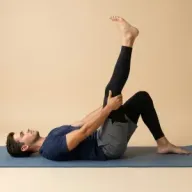
- After training: use slower positions if they feel useful, without forcing range while tired.
- On separate mobility days: spend longer on flexibility work when it will not compete with the main workout.
How to adjust the plan
A short walk, easy cycle, or gradual practice set can be a better starting point than immediately holding a deep stretch. After exercise, allow breathing and heart rate to settle before moving into calmer positions. The right choice also depends on the activity: a runner may prioritise ankles and hips, while an upper-body session may need more shoulder and upper-back preparation.
Keep the sequence proportionate to the workout. A brief session may need only two or three preparation movements, while a longer training day can support a more complete warm-up and cool-down.
Sources
Put the guide into practice
Related Flexor routines
These guided routines are linked to the article topic. Review the difficulty and exercise list before starting.