10-Minute Post-Workout Stretching Routine for Full-Body Recovery
A calm follow-along cool-down for the whole body, with honest expectations about what it does.

A cool-down is a gentle way to move from effort back towards rest. This ten-minute routine stretches the major muscle groups you are likely to have worked, at an easy intensity. Before the sequence, a note on expectations: stretching after training will not eliminate delayed-onset muscle soreness, guarantee faster recovery, remove "lactic acid", or prevent all injuries. What it can offer is a calm, comfortable end to your session and some work towards range over time.
Who this suits
Anyone finishing a general workout who wants a relaxed cool-down. Do it while you are still a little warm, and keep every stretch comfortable.
The ten-minute cool-down
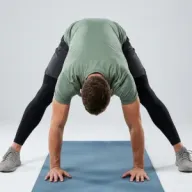
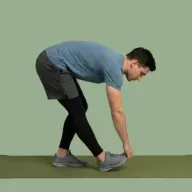
- Standing forward fold - 60 seconds. Hinge forward with soft knees to release the back and hamstrings.
- Calf stretch - 80 seconds, both sides. Ease each heel down to lengthen the calves.
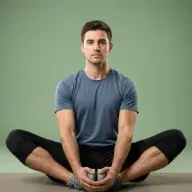
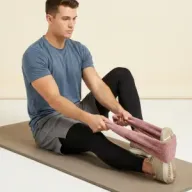
- Seated hamstring stretch - 80 seconds, both sides. Reach gently towards one leg, keeping the back long.
- Kneeling hip-flexor stretch - 80 seconds, both sides. Ease the hips forward to open the front of the hip.
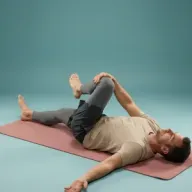
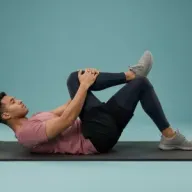
- Figure-four glute stretch - 80 seconds, both sides. Draw the legs towards you for the glutes.
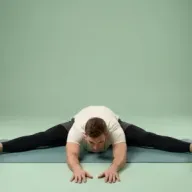
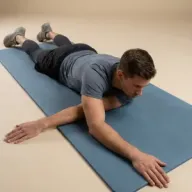
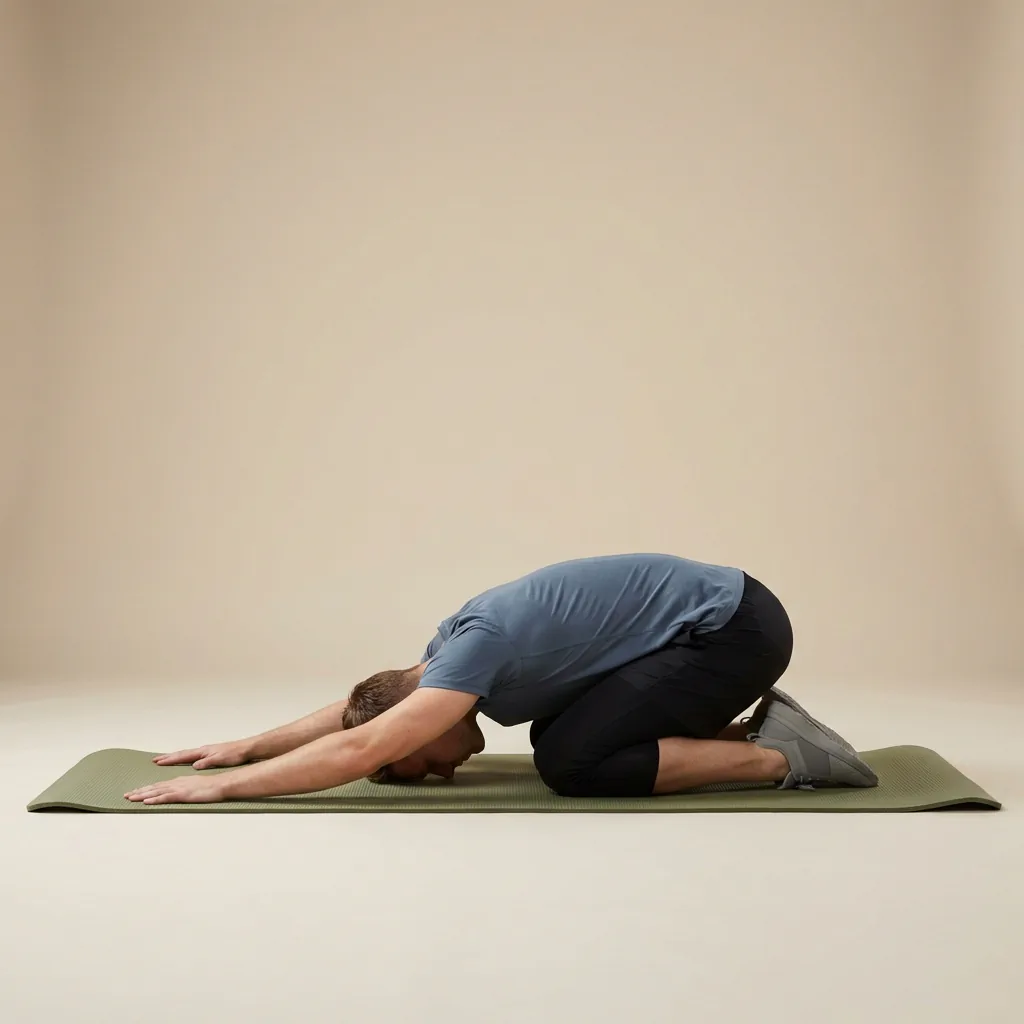
- Child's pose - 60 seconds. Lengthen the back and hips and slow the breath.
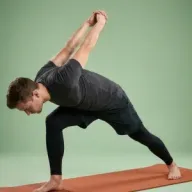
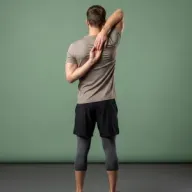
- Chest and shoulder opener - 60 seconds. Open the front of the shoulders after upper-body work.
Timing and holds
Hold each stretch for roughly 20-40 seconds and breathe slowly. There is no need to chase depth; a steady, comfortable stretch is enough for a cool-down.
Easier variations
- Use a strap or towel to reach the foot in the hamstring stretch.
- Pad the knee for the hip-flexor stretch.
- Swap child's pose for a seated forward fold if kneeling is uncomfortable.
Common mistakes
- Bouncing into stretches instead of easing in.
- Pushing hard because you are warm - warmth lets you overreach, so stay gentle.
- Expecting the cool-down to remove next-day soreness.
When to stop
Stop for sharp pain, joint catching, or any symptom travelling down a limb. Mild muscular stretch is expected; pain is not.
What recovery actually involves
It is worth being clear about what a cool-down can and cannot do. Feeling better after training is driven mostly by sleep, overall nutrition, sensible training loads and time - not by stretching. A post-workout stretch will not flush out "toxins" or remove next-day soreness, both of which are common myths. What it does offer is a calm transition from effort to rest, a pleasant few minutes of movement, and steady progress towards range if you do it regularly.
Making the most of the cool-down
Being warm does not make every deeper position safe, especially when you are fatigued. Stay with a comfortable range rather than using the cool-down to test a new end position. Hold each position for around 20 to 40 seconds, breathe slowly, and use the time to let your heart rate settle. If you trained one area particularly hard, give the relevant stretches a little extra time.
Fitting it into your week
A full cool-down after every session is ideal but not essential. On busy days, even two or three stretches for the muscles you worked is worthwhile. Treat the routine as flexible: the habit of winding down gradually is more valuable than ticking off every movement every time.
Related routines
For guided versions, try Post-Workout Full-Body Stretch, Cool-Down Full-Body Release, or the post-strength cool-down.
How to move through the ten minutes
Begin with positions that let breathing settle, then move from larger lower-body areas toward the spine and shoulders. Transitions should remain unhurried because balance and coordination may feel different immediately after training. Use a wall, chair, or floor support whenever it makes the position calmer and more controlled.
Adjusting after different workouts
- After running or cycling, give more attention to calves, hips, and the front and back of the thighs.
- After an upper-body session, keep shoulder and chest movements gentle rather than chasing a strong stretch.
- After a mixed workout, follow the full sequence but shorten any position that already feels fatigued.
A post-workout routine does not need to create dramatic range. Its role is to provide a gradual transition from training to normal activity. Hydration, food, sleep, and appropriate training load remain separate parts of recovery.
Sources
Put the guide into practice
Related Flexor routines
These guided routines are linked to the article topic. Review the difficulty and exercise list before starting.