Can Walking and Gentle Stretching Help Me Sleep Better?
How regular activity, exercise timing and a comfortable wind-down may fit better sleep, with clear limits on stretching evidence and insomnia self-help.
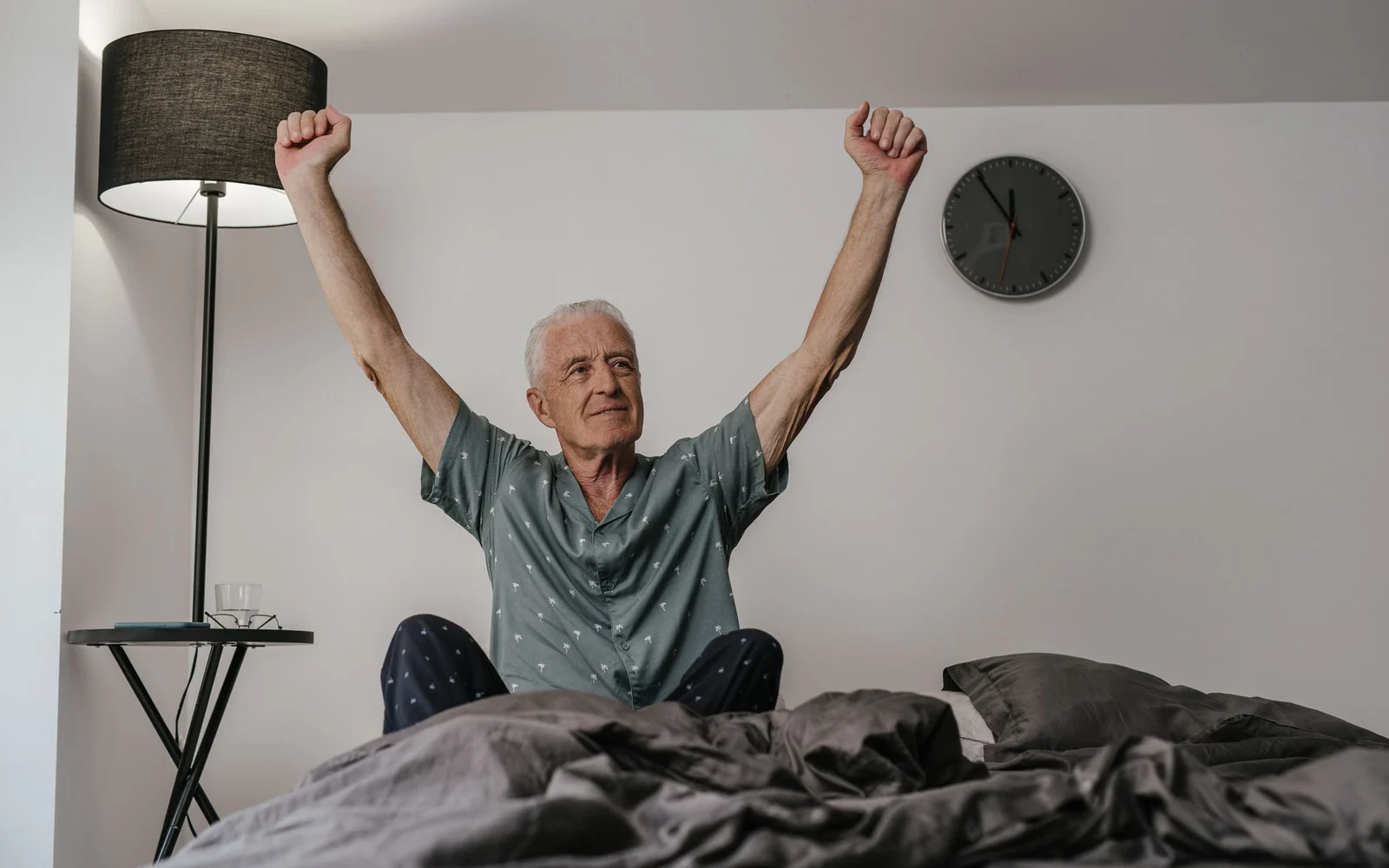
Regular physical activity can support sleep, and walking may be a practical way to make activity part of your week. Gentle stretching may also feel like a comfortable way to wind down. The evidence is stronger for physical activity broadly than for claiming that a particular stretching routine will improve a sleep disorder.
If you are lying awake regularly, the goal should be a helpful overall pattern and, when needed, assessment. You should not have to perfect an evening routine to deserve a good night's sleep, and Flexor is not an insomnia treatment.
Start with the whole day
The WHO physical activity fact sheet includes sleep among the health outcomes supported by regular activity. This is a reason to consider movement across the day rather than searching only for the right stretch immediately before bed.
A walk on a lunch break, an active journey or another activity you enjoy can help you build that broader pattern. The best practical choice is one you can do safely and repeat. Walking is not compulsory, and someone with limited walking capacity may need an adapted activity. A recommendation for regular activity does not mean exhausting yourself will guarantee sleep that night.
Sleep can be affected by stress, health conditions, medication, working hours and the sleep environment. This is why it is difficult to attribute a better or worse night to a single routine. Notice patterns without assuming every wakeful night means you made a mistake.
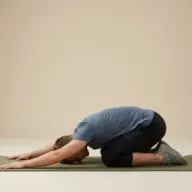
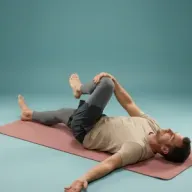
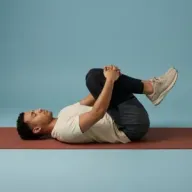
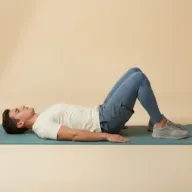
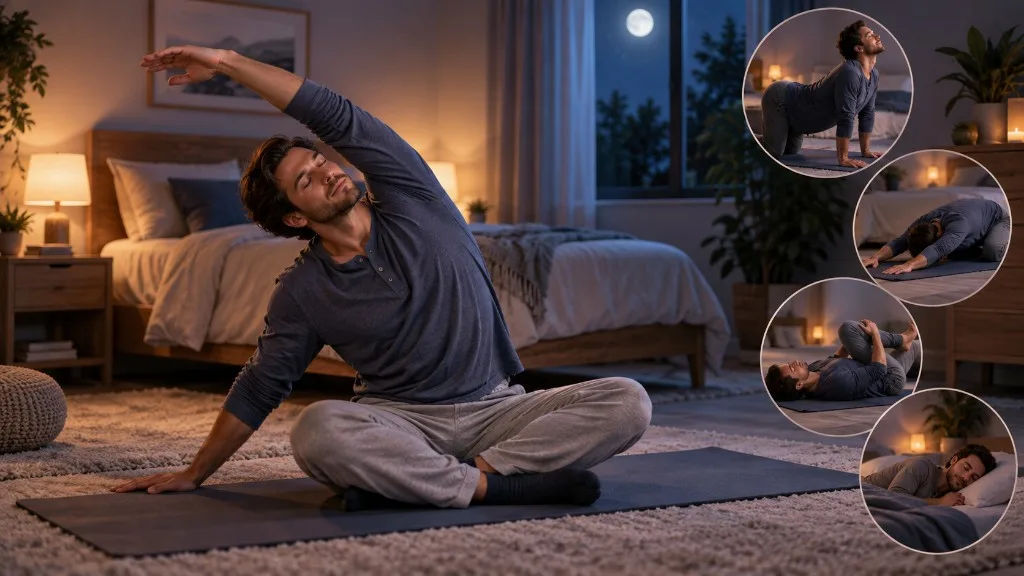
If you enjoy mobility as part of a quiet evening, preview Flexor's Drift to Sleep. This is an intermediate floor-based sequence with lying hip stretches, spinal twists, hands-and-knees movements and a legs-up-wall hold. It requires comfortable floor transfers and suitable wall space, so choose another option if those positions do not fit you. Use its timing and audio cues only if the sequence makes winding down easier; its name is not evidence that it treats insomnia, and you can stop or leave it out when you are already sleepy.
Is evening exercise a problem?
A systematic review and meta-analysis of evening exercise in healthy participants found that evening activity generally did not disrupt sleep. However, vigorous exercise close to bedtime could impair sleep in some of the evidence reviewed. The studies were relatively small and examined healthy people, rather than establishing treatment advice for everyone with insomnia.
The NHS insomnia page gives more conservative patient advice about avoiding exercise near bedtime. These messages do not require you to conclude that all evening movement is harmful. Population, intensity and purpose differ: experiments in healthy sleepers are not the same as guidance for someone struggling with sleep.
A sensible approach is to observe your own response. If a demanding late session leaves you alert or uncomfortable, try moving it earlier when possible. If gentle movement feels settling, it may fit your wind-down. There is no universal bedtime cutoff established here, and work or caring commitments may limit your options.
What we know about stretching itself
A 2024 scoping review of chronic stretch training and sleep quality in people with sleep disorders found limited and inconsistent evidence. The studies used different populations and stretching programmes, and sleep was predominantly assessed through people's own reports. Most studies measuring sleep outcomes did not find significant improvements. That leaves uncertainty about whether stretching produces a meaningful benefit, for whom, and under what conditions. The full review does not establish a particular Flexor routine as a treatment.
Stretching can still be something you enjoy. A familiar sequence may give you a quiet activity during the transition towards bed. But feeling relaxed after a session is different from a demonstrated effect on insomnia. We cannot infer that a specific pose changes sleep hormones, guarantees deeper sleep or replaces a proven sleep treatment.
Build an evening routine that asks less of you
Choose a small set of actions that fit your actual evening. A consistent waking time, a quieter wind-down and attention to the room where you sleep are among the practical steps in NHS insomnia guidance. Caffeine and alcohol can also matter. Consider the whole pattern rather than treating a stretch as a way to cancel out everything else.
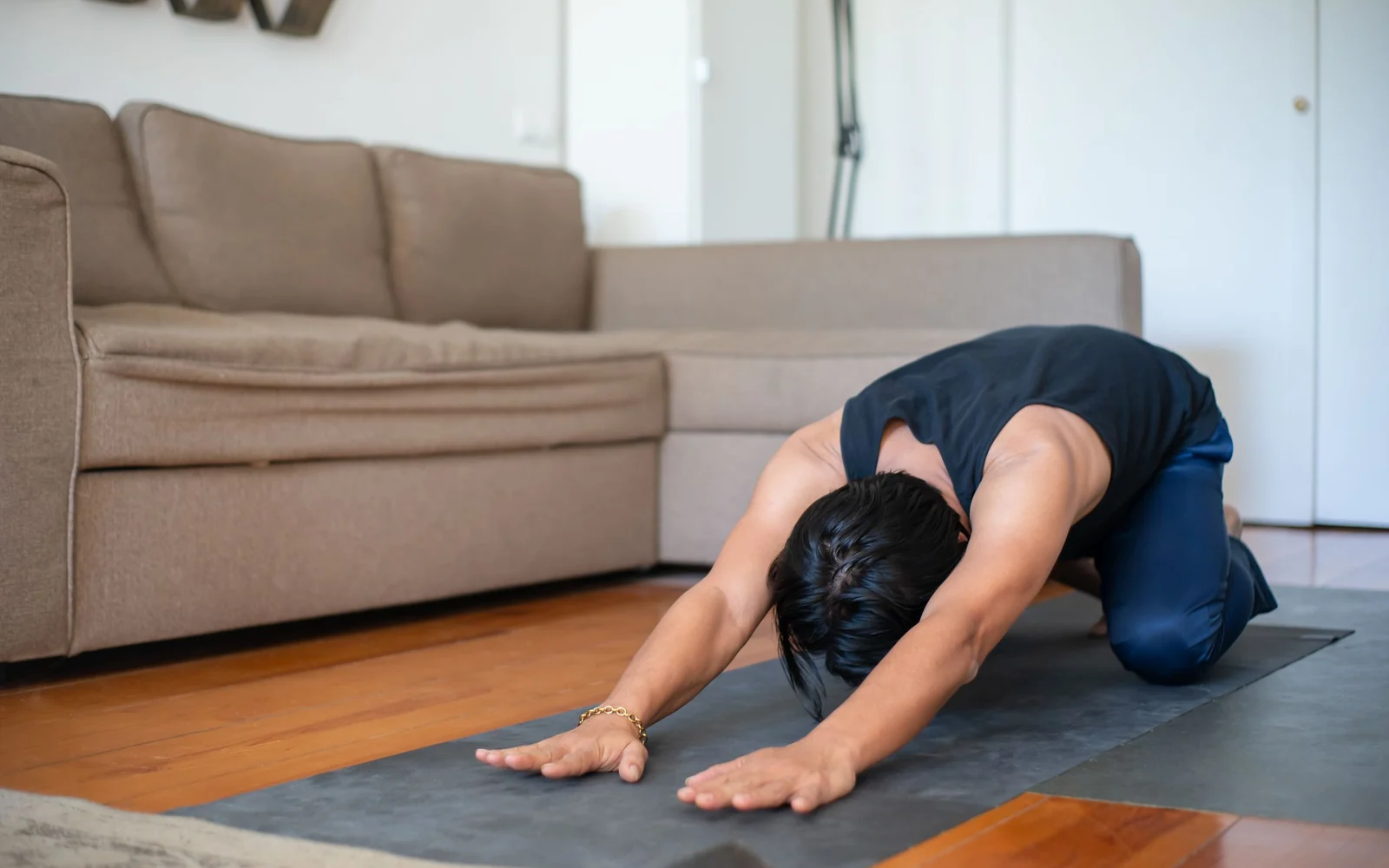
If movement is part of your wind-down, keep it comfortable. Choose familiar positions, avoid forcing range and stop if a stretch causes pain or makes you more alert. You do not need to work up a sweat or turn bedtime into a flexibility test. A brief sequence can end when it has served its purpose.
For an optional practical sequence, see our guide to gentle bedtime stretches. That article focuses on movements; this guide addresses the broader sleep question. Adapt any exercise to your comfort and ability to get into and out of the position safely.
An example day without a bedtime checklist
In the daytime: after lunch, take a familiar comfortable walk if your schedule and health allow. If weather or access gets in the way, use a shorter indoor route, or choose another daytime opportunity. This is an example of fitting activity into life, not a prescription for a better night.
In the evening: choose one familiar wind-down activity, such as reading quietly. Gentle stretching can be optional if it feels comfortable; you can leave it out if you are already sleepy or it makes you more alert. There is no need to open an app or finish a sequence before bed.
The next day: notice comfort, sleep and how manageable the pattern was, without treating one night as proof. If helpful, keep brief notes about activity timing, sleep and restfulness. Stop tracking if it makes you more preoccupied. Change one part of the pattern at a time instead of adding more rules.
When to ask for help
Seek professional advice if sleep problems persist, changes in habits have not helped, or tiredness is making daily life hard to manage. Loud snoring, waking while gasping, unusual sleepiness or other concerning symptoms may need assessment for a sleep condition. A general activity plan cannot identify the cause.
Tell a clinician about medication, pain, shift work and mental-health symptoms that may be relevant. Treatment may involve more than sleep hygiene. Do not delay that discussion while repeatedly adding exercises to the evening.
Follow-up questions
Must I exercise in the morning to sleep well?
The evidence here does not establish one best time for everyone. Timing should fit your schedule and response. Someone who finds late vigorous exercise stimulating may prefer earlier activity, while another person may tolerate evening activity comfortably.
Should I stretch if I am already sleepy?
There is no need to complete a routine before allowing yourself to go to bed. A wind-down is meant to make the evening easier. Keep movement optional rather than another rule that delays rest.
Does no improvement mean I need a longer session?
No. More stretching is not an established solution to ongoing sleep problems. Reconsider comfort, timing and the wider sleep pattern, and seek advice when difficulties continue.
Can a walk compensate for too little time in bed?
Activity and an adequate opportunity to sleep serve different needs. If work or responsibilities consistently restrict sleep, the schedule itself needs attention. Movement should not be presented as a replacement for rest.
To make guided mobility part of your daytime or wind-down habits, download Flexor. Choose a suitable routine for structure and comfort, without expecting it to treat a sleep problem.
Sources
- WHO: Physical activity.
- Stutz and colleagues: evening exercise and sleep in healthy participants.
- Alimoradi and colleagues: stretch training and sleep quality — scoping review with limited and inconsistent findings.
- NHS: Insomnia — patient guidance and assessment.
Put the guide into practice
Related Flexor routines
These guided routines are linked to the article topic. Review the difficulty and exercise list before starting.