How Can I Feel Less Stressed? Small Movement Habits Worth Trying
A manageable walk or movement break may support coping with stress. Learn where stretching fits, what remains uncertain and when more support matters.
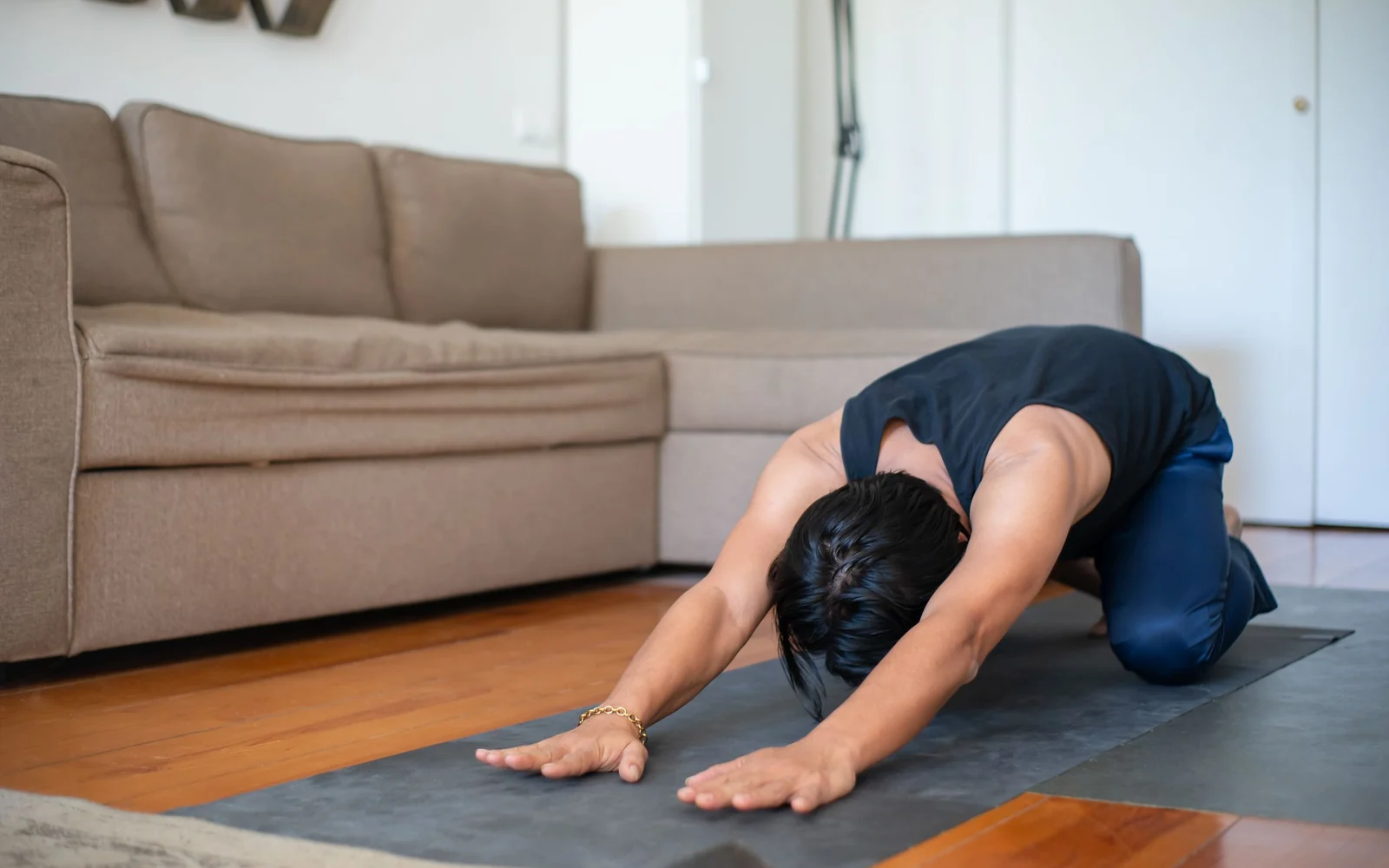
Movement can help some people cope with stress, especially when the activity is enjoyable, manageable and easy to repeat. A short walk or comfortable movement break may give you a pause from a demanding task and a practical way to care for yourself. It does not have to solve the source of stress to be worthwhile.
It is also reasonable if you do not feel calmer afterwards. Stress can come from work, caring responsibilities, money, relationships, illness or several pressures at once. A routine cannot remove those circumstances, and feeling overwhelmed is not evidence that you have failed to exercise properly.
Give movement a realistic job
Physical activity can support mental as well as physical health. The WHO physical activity guidance describes mental-health benefits within a much wider evidence base. That supports keeping activity among your coping options; it does not mean a specific short routine has been shown to cure stress or anxiety.
The NHS stress guide recommends small achievable goals and includes activity among practical approaches to coping. It also recognises the role of talking to someone and getting help when stress becomes difficult to manage. A useful movement habit sits alongside those options.
You might use a break to mark the end of a meeting, make a transition between work and home, or notice that you have been in one position for a long time. These are concrete purposes. They do not require you to believe that a stretch instantly “resets” your nervous system or lowers a stress hormone by a reliable amount.
Try a walk that fits the day you actually have
Walking is one possible choice because it can be adapted to a familiar route, available time and preferred company. Some people like quiet; others prefer walking with a friend. Outdoors may be appealing when it is safe and accessible, but an indoor walk is a valid practical alternative if weather, access or confidence makes it easier.
For someone who feels overwhelmed, choosing the smallest workable version can remove a decision. You might walk to the end of your street, around a building or along a clear indoor route. Five minutes is an example of a starting opportunity, not a dose guaranteed to treat stress. If you enjoy it and tolerate it well, you can decide whether to go again another day.
The NHS guide to exercise and depression also discusses enjoyable activity and walking. Its broader message can help with choosing an activity, but evidence about depression should not be turned into a claim that walking or stretching will cure anxiety. Different questions require different evidence.
What can a stretch offer?
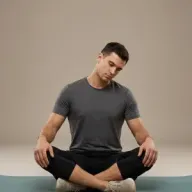
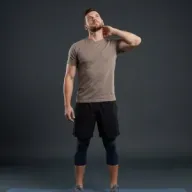
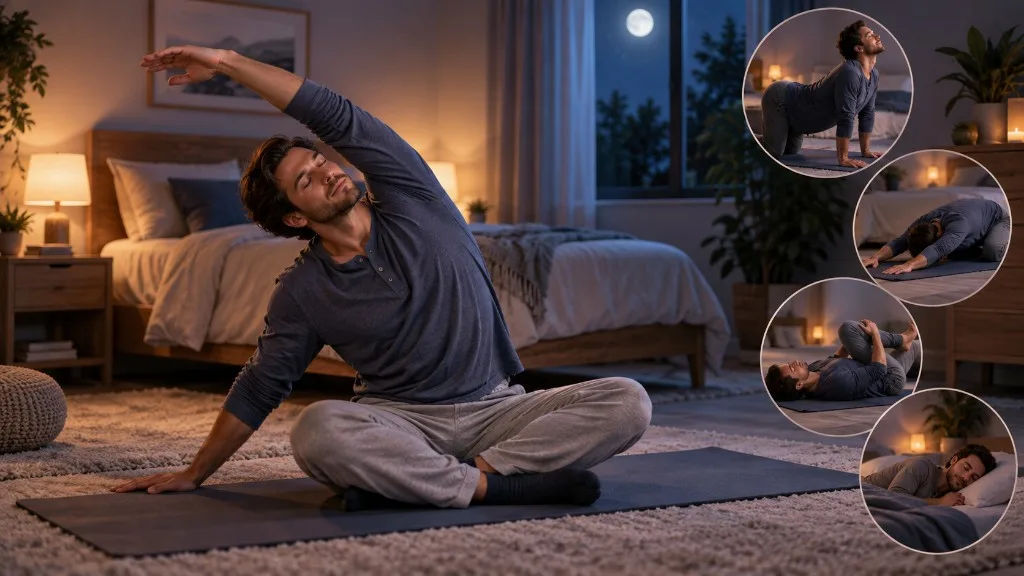
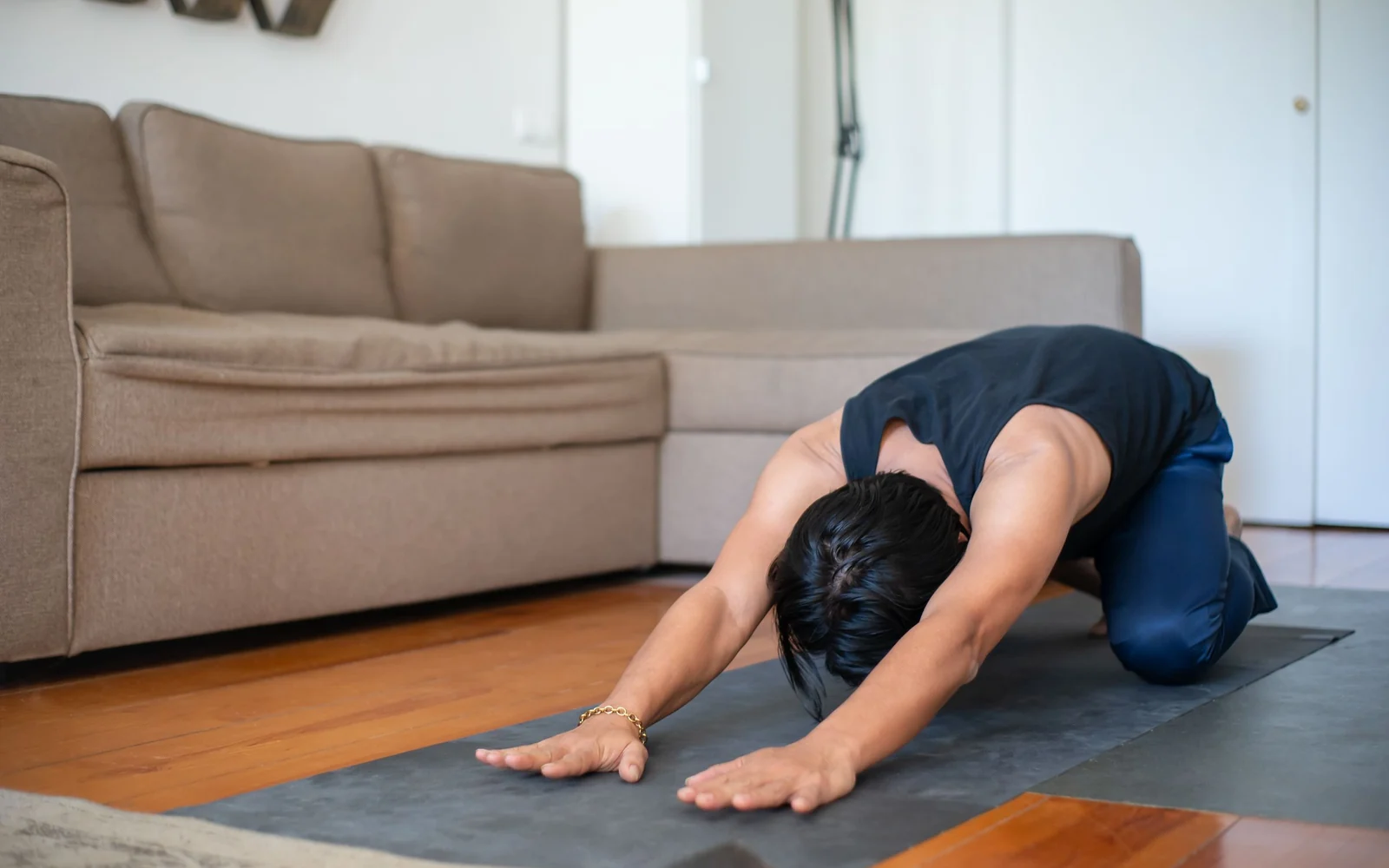
Gentle stretching gives you a physical task that is different from reading a screen or rehearsing a worry. You may notice your shoulders, jaw or breathing more clearly when you pause. Some people find that experience soothing. Others find stillness uncomfortable or prefer a walk. Both responses are compatible with choosing what suits you.
The guidance above supports activity as one coping option; it does not establish a specific short stretching programme as an effective treatment for clinical stress or anxiety. It cannot tell you a certain position will reliably reduce cortisol, switch off a stress response or produce immediate calm. Pleasant sensations and clinical treatment outcomes are different things.
If you try a stretch, use a comfortable range, breathe normally and avoid treating strong tension as a requirement. You can stop if focusing on your body increases distress. There is no need to hold a position until you feel relaxed or to turn the session into another test you must pass.
After a difficult call, try one small change
Close the call window and pause before opening the next task. If walking feels manageable, leave the desk and take a short familiar indoor or outdoor route. Keep it comfortable and easy to shorten. If walking is not possible, change position or make one gentle, familiar movement; if even that feels like too much, take a quiet pause instead.
When you return, ask a simple question: am I ready for the next task, do I need a different kind of break, or do I need to speak to someone? You might feel calmer, unchanged or more distressed. None is a grade on your effort. If movement increases distress, stop and choose another form of support rather than trying to force a calming effect.
This is a coping experiment, not a treatment dose. You can use the same small opportunity another day if it fits, without requiring a positive feeling every time.
Make room for support that movement cannot provide
Practical stress management may involve workload changes, rest, regular meals, support with responsibilities or a conversation with someone you trust. If the main pressure is an impossible schedule, trying harder at a movement routine is unlikely to be a complete answer. Consider which demand could be shared, delayed or discussed.
Sleep problems, low mood and anxiety can overlap with stress. If symptoms are persistent, make daily life difficult or leave you struggling to cope, speak with an appropriate healthcare professional. Talking therapies or other support may be relevant. Movement can remain an option alongside care without becoming a substitute for it.
If you feel unsafe or at immediate risk, seek urgent local help. A walking plan is not the next step in a crisis. You do not need to complete a self-help routine before asking for support.
When guidance makes a break easier
If a desk-heavy day leaves you wanting a manageable neck-and-shoulder break, preview the exercise videos in Flexor's Express Neck Release. This beginner sequence includes head turns, shoulder rolls and upper-back movements whose instructions allow sitting or standing. Keep head movements small and comfortable; stop for pain or dizziness. Its timing and audio cues can organise the sequence when you want guidance, without requiring you to feel calm or promising to treat stress.
Questions to help you choose
What if I only have time for one small break?
Use the time you have. A brief change of activity may be more workable than a longer session you cannot fit in. It is a starting option, and it does not need to meet every physical activity goal to be useful to you.
Do I need to exercise hard to feel a benefit?
No particular intensity is guaranteed to change your mood. Enjoyment, access, comfort and your current health all matter when choosing an activity. If a harder session feels like extra pressure, a gentle option may be a better fit today.
Can I combine movement with talking to someone?
Yes. A walk with someone you trust may make both activity and conversation easier to arrange. It is also fine to keep them separate if you need privacy, rest or a different kind of support.
Why does the same routine help one day and not another?
Your sleep, workload, circumstances and preferences change. One response cannot validate or invalidate the whole idea of movement. Look for an activity you can adapt, and seek help for ongoing distress instead of repeatedly increasing the routine.
For guidance when you want a small movement break, download Flexor and choose a routine that feels manageable. Let the timing and audio cues handle the sequence while you keep the effort comfortable.
Sources
- NHS: Stress — achievable steps and support.
- NHS: Exercise for depression — activity and mood, with a different clinical focus.
- WHO: Physical activity — broad health evidence, not a trial of a Flexor routine.
Put the guide into practice
Related Flexor routines
These guided routines are linked to the article topic. Review the difficulty and exercise list before starting.