Can Walking After Meals Help Lower Blood Sugar? What the Research Shows
What post-meal walking studies show about glucose, how to start gently, and why medication safety and long-term outcomes need separate attention.

A walk after eating can help reduce the rise in blood glucose after a meal. The clearest evidence concerns the glucose response over the following hours, with studies often using walking. It does not mean that any particular walk will produce a predictable result, that stretching has the same effect, or that exercise should be used to deal with dangerously high glucose.
For many adults, a comfortable walk is a practical way to add movement to the day. If you use insulin or another medicine that can cause low blood glucose, the plan needs more care: activity can lower glucose during the walk and afterwards. Your existing diabetes guidance takes priority over a generic walking suggestion.
Why glucose rises after a meal
Digestion breaks down carbohydrate into sugars, including glucose, which enter the bloodstream. Insulin helps the body use and store that glucose. A rise after eating is an ordinary part of this process; its size and duration vary with the meal, the person and their health. People with diabetes may have difficulty keeping glucose within their agreed range because of problems producing insulin, responding to it, or both.
Working muscles use energy, and physical activity can change how the body handles glucose. This is one reason activity belongs in diabetes care. It is also why someone taking glucose-lowering medication may need an individual activity plan. The NIDDK guide to living with diabetes explains both potential benefits and low-glucose risks.
What the post-meal research actually measured
A 2023 systematic review and meta-analysis of exercise around meals pooled small randomised crossover trials in adults with and without type 2 diabetes. They mainly tested walking and measured glucose over the hours around a meal. “Crossover” means participants tried different conditions, such as activity and inactivity, so researchers could compare their responses. Programmes differed and the review found a high risk of bias: this is evidence about acute responses, not a firm prescription.
Post-meal activity generally favoured the immediate glucose response compared with remaining inactive or exercising before eating. Starting sooner after the meal appeared more helpful than waiting longer in the studies examined.
The findings support trying a manageable post-meal walking habit where suitable. They do not establish a precise minute when everyone should start, an ideal duration for every meal, or an effect that can be promised to an individual.
An immediate glucose response is not the same as long-term control
A glucose reading describes a particular moment. Studies can also measure the overall glucose rise over several hours. HbA1c is a different test that reflects average glucose exposure over a longer period. A better response after one experimental meal does not by itself show a lower HbA1c months later.
Nor does it prove fewer long-term diabetes complications. Those outcomes require different, longer research. Regular activity has a broader role in health, but that should not be used to turn an acute walking result into a claim about preventing a specific complication. If you monitor glucose, a walk may provide useful information to discuss with your care team; one favourable reading is not a reason to change treatment.

Try one meal-linked walk, with an indoor fallback
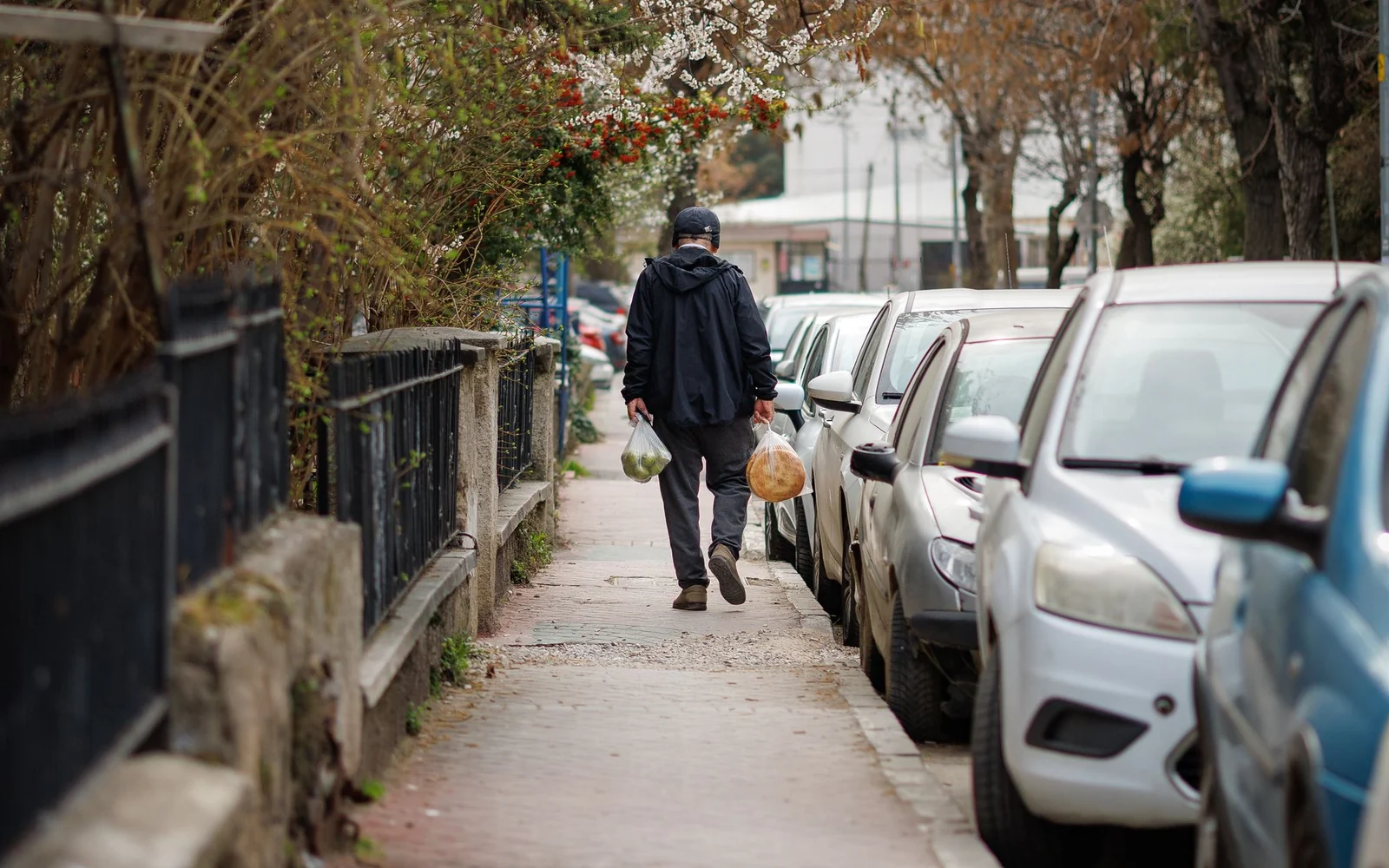
Suppose lunch is the meal after which you usually have a little freedom. When you put away your plate, put on suitable footwear and walk along a familiar route that is easy to shorten. A five- or ten-minute outing is an illustrative starting option, not a research-proven dose. Keep the effort comfortable after eating, especially if a full stomach makes faster movement unpleasant.
If going outside is impractical, use a clear corridor or a short circuit around your home instead. A shorter indoor walk is a fallback you can choose without trying to match a trial protocol. If walking itself is unsuitable, do not substitute stretching and assume the same glucose effect; ask about an appropriate alternative.
Check how the walk feels during and after it. Adjust for illness, heat or foot problems, and follow any glucose monitoring or low-glucose precautions in your care plan. At the next suitable opportunity, repeat the amount you tolerated rather than automatically making it longer. Comfort and repeatability are useful observations; one reading cannot establish a long-term treatment benefit.
If you take insulin or medicines that can cause low glucose
Insulin and medicines such as sulfonylureas can increase the risk of hypoglycaemia, meaning blood glucose becomes too low. Activity may contribute during exercise or later. Ask your diabetes team how your usual monitoring, meal timing and low-glucose plan should fit with a new walking habit. Follow the instructions you already have about recognising and treating low glucose.
Do not independently reduce or skip medication to make room for a walk. Likewise, do not try to walk off a very high reading, especially if you feel unwell or your care plan raises concern about ketones—acids that can build up when there is too little insulin. Follow your agreed sick-day and ketone advice. High glucose with vomiting, tummy pain, deep breathing, drowsiness or confusion can indicate diabetic ketoacidosis, which needs emergency hospital treatment. Seek emergency help for those symptoms rather than attempting exercise; movement is not an emergency treatment.
Where mobility work fits
If you sit for much of the day, our guide to sitting and sedentary time provides wider context. Walking is one activity within a broader pattern, and a meal-linked walk need not carry the whole responsibility for your health.
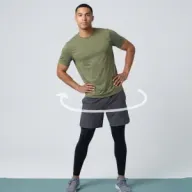
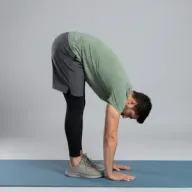
For a separate mobility habit, preview Flexor's Mini Mobility Boost and save it to Favourites if it suits you. After returning from a walk, that saved sequence is easy to find when you want guided movement rather than another decision. Saving a routine organises mobility; it does not replace any glucose checks your care plan requires. It is a beginner standing routine involving balance, reaching and bending; use comfortable ranges and choose another suitable option if those positions do not fit you. It can complement an active day, but its stretches have not been shown to reproduce post-meal walking's glucose effects.
Questions that often follow
Must I walk after every meal?
No universal schedule follows from this evidence. A manageable opportunity after one meal is a reasonable habit experiment for someone who can walk safely. People managing diabetes should fit it around their individual care plan.
Does it only help if I walk fast?
The studies used different walking and exercise protocols, so there is no single speed to promise. Begin with an effort appropriate to your health and comfort instead of chasing a demanding pace immediately after eating.
Should someone without diabetes track every glucose rise?
These findings do not establish a need for everyone to monitor glucose. A normal response to eating should not become a reason to fear meals. If you are concerned about diabetes or symptoms, seek assessment rather than diagnosing yourself from isolated readings.
Can I stretch instead when walking is difficult?
You can choose comfortable mobility for its own purpose, but this review cannot tell you it will have the same glucose effect. If walking is unsuitable, ask a clinician about appropriate activity alternatives rather than assuming all movement is interchangeable.
To keep a guided mobility option alongside your walking habit, download Flexor. Choose a suitable routine for movement guidance and structure, while following your own plan for walking and diabetes care.
Sources and evidence limits
- Engeroff and colleagues: systematic review of exercise before and after meals — acute glucose outcomes, small heterogeneous studies.
- NIDDK: Healthy Living with Diabetes — activity and medication safety.
- WHO: Physical activity — broader public-health context.
Put the guide into practice
Related Flexor routines
These guided routines are linked to the article topic. Review the difficulty and exercise list before starting.