How Can I Reduce Inflammation? What Everyday Movement Can—and Can’t—Do
Understand acute and chronic inflammation, what exercise research measures, and how everyday movement fits alongside sleep, food and medical care.
Regular physical activity can be part of a healthy pattern that supports the body over time, and exercise studies have found changes in some blood markers associated with inflammation. That is a more precise answer than saying a particular walk or stretch will “remove inflammation”. Symptoms such as stiffness, soreness and tiredness cannot tell you on their own whether chronic inflammation is present.
The useful first step is to understand what the word means. If an underlying illness is causing inflammation, everyday habits may support your health alongside treatment. They do not replace the assessment or treatment of that illness.
Inflammation is a response, not a single diagnosis
Inflammation is part of the immune system's response to injury or infection. In an acute response, the body recruits protective processes to deal with a problem. Swelling or tenderness around an injury can be part of that response. This is not automatically something to eliminate: the response has a protective purpose.
Chronic inflammation persists instead of resolving appropriately and can contribute to tissue damage. “Chronic low-grade inflammation” describes a different pattern from an acutely swollen ankle, and neither phrase identifies the cause by itself. The NIEHS explanation of inflammation describes this distinction and why unresolved inflammation matters.
Inflammatory diseases also differ from one another. Advice for someone with a diagnosed inflammatory joint condition may be different from general advice for a healthy person who wants to move more. An internet checklist of vague symptoms cannot settle which situation applies.
What exercise studies can tell us
A 2023 meta-analysis of randomised exercise-training trials in healthy adults examined blood markers including C-reactive protein, interleukin-6 and tumour necrosis factor-alpha. These are substances researchers can measure when studying inflammatory processes. The pooled findings favoured reductions in these markers with longer-term exercise training.
The programmes included aerobic activity, resistance exercise and combinations of activities. Results varied with the programmes and studies. This supports regular exercise as one part of a wider health pattern; it does not identify one short routine that reliably changes a person's blood results.
There is a second distinction to keep in view. A biomarker is a measurement, not the same thing as how someone feels, functions or responds to disease treatment. A lower research marker does not automatically mean less pain, remission of inflammatory disease or fewer future illnesses. The study population was healthy adults, so it would also be wrong to promise the same response in every clinical condition.
Walking, stretching and breaks do different jobs
Walking can be an accessible way to build aerobic activity. Its effort depends on pace and the person: a leisurely stroll and a sustained brisk walk are different experiences. The WHO physical activity guidance supports regular activity and reducing sedentary time for broader health reasons. That guidance is not a promise that one walk will reduce inflammation.
Stretching has a clearer role in working on flexibility and range of movement. It may feel pleasant or help you explore comfortable positions. Those experiences should not be relabelled as proof of an anti-inflammatory effect. The training evidence above does not establish that passive stretching produces the same biomarker changes as aerobic or resistance programmes.
A brief break from sitting is useful for changing what your body is doing during a still day. It can also provide a practical opening to walk or move a few joints. Research on longer exercise programmes cannot tell us that each brief break directly lowers inflammatory markers. You can value a break without attaching an unproven biological claim to it.
Choose the next step that fits your situation
- Start with symptoms or treatment questions. If you have persistent swelling, unexplained pain or fatigue, arrange assessment rather than designing an “anti-inflammation” routine. If you have an inflammatory disease, ask about activity that fits your treatment and any flare-up advice.
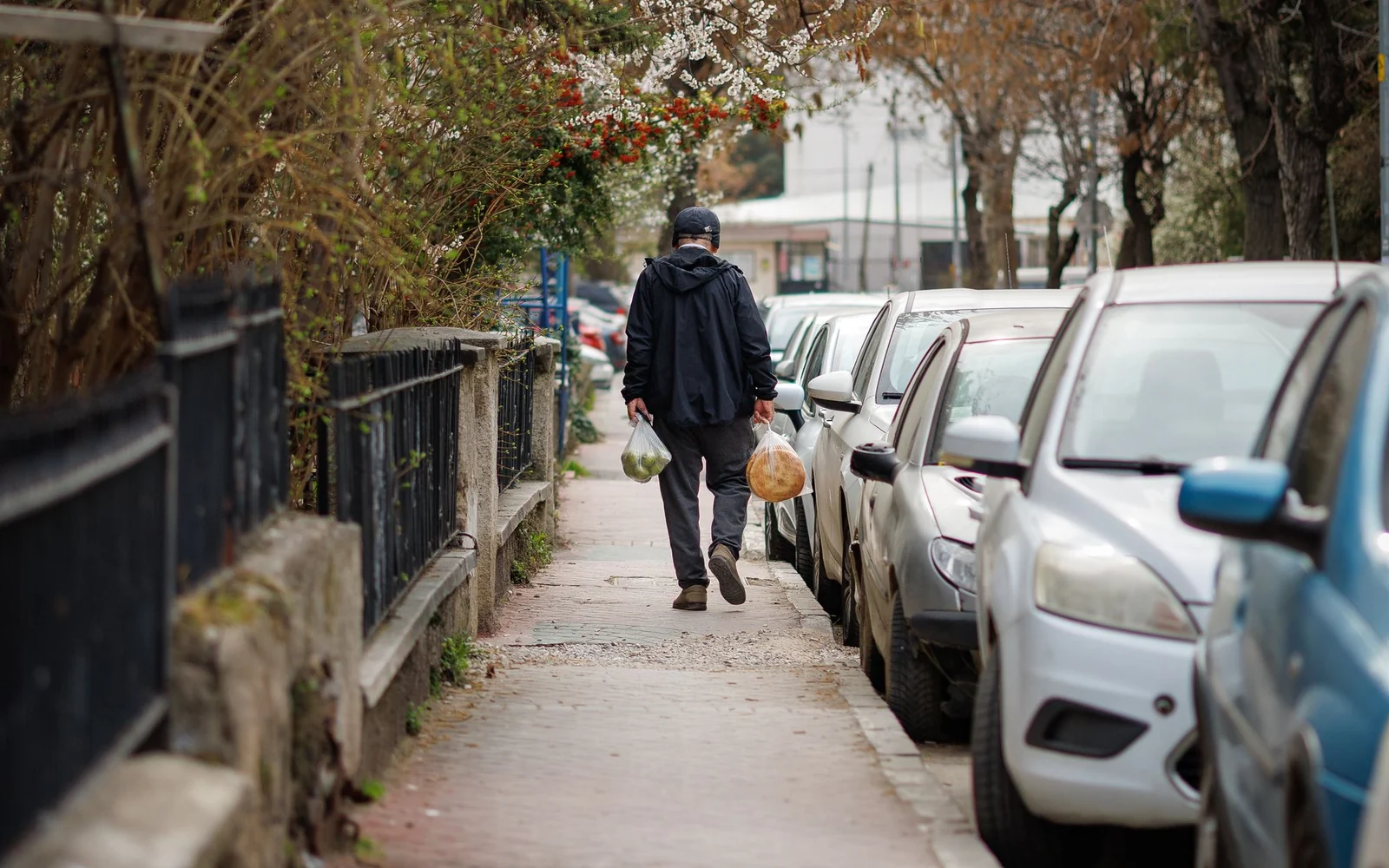
- Choose one tolerable movement opportunity. For example, after you put away your lunch things, walk along a familiar, level route. If going outside is impractical, choose a shorter indoor route. Start with an amount you can comfortably manage, not a target for changing a blood marker.
- Review one wider issue that matters to you. This could be asking for help with smoking, making room for needed rest or discussing a treatment question. Choose the issue that is actually present rather than trying to overhaul sleep, food and exercise together.
After the walk, ask whether the amount felt manageable and how you feel later. Keep, shorten or stop it according to that response. This check helps you choose an appropriate activity habit; it cannot tell you whether inflammation changed. If a symptom persists or worsens, follow it up instead of increasing the routine.
For the flexibility part, our stretching research guide separates range-of-motion benefits from broader health claims.
If a morning mobility habit would help you put the advice into practice, preview Flexor's Rise and Shine. The beginner sequence moves through the shoulders, spine, hips and legs, including hands-and-knees work, kneeling and squats. Save it to Favourites only if those positions suit you, and keep the range comfortable. Its role is to organise regular mobility practice; it is not a treatment for inflammatory disease or a way to measure changes in inflammatory markers.
Movement belongs alongside the rest of life
Sleep, food, smoking, alcohol use, recovery and existing medical conditions all belong in a discussion about health. It is rarely useful to single out one stretch while ignoring ongoing sleep disruption, an untreated condition or difficulty getting enough food and rest. These factors deserve attention on their own terms, rather than being presented as a guaranteed way to normalise a blood marker.
Aim for sustainable changes that are relevant to you. If you smoke, support to stop may be more consequential than perfecting a movement routine. If you have a diagnosed condition, follow its treatment plan and discuss suitable activity with your clinician. Be cautious about restrictive diets, supplements or “detox” plans sold on the assumption that ordinary discomfort proves inflammation.
When symptoms need a different approach
Persistent swelling, unexplained symptoms, pain that keeps worsening or fatigue that disrupts daily life should prompt professional advice. A suddenly painful, hot or markedly swollen joint needs urgent assessment the same day, particularly if you feel unwell or feverish. A joint infection can need prompt treatment; do not exercise the joint while waiting to see whether it settles. The appropriate response depends on the symptom and your health history, and adding exercise cannot identify the cause.
If you already live with an inflammatory disease, ask about activity during flare-ups, recovery and any treatment-related restrictions. Do not stop prescribed medication because a lifestyle article sounds promising. Movement is support, not a substitute for disease management.
Useful follow-up questions
Does feeling stiff mean I have inflammation?
No. Stiffness is a sensation with several possible explanations. Its presence, or its improvement after moving, cannot establish a diagnosis. Persistent or changing symptoms deserve an assessment appropriate to their pattern.
Is soreness after exercise evidence of harm?
Soreness alone cannot tell you what is happening biologically or whether a programme suits you. Avoid using discomfort as proof that you need to “flush” anything out. Reduce a provoking activity and seek advice if pain is unusual, severe or persistent.
Should I get blood tests to check whether a routine works?
Research measurements do not create a need for everyone to test themselves. A clinician can decide whether testing answers a specific medical question. Do not chase a marker without understanding why it is being measured.
What if I can only manage light activity?
Start with an option appropriate to your capacity. Light movement can help you build a routine, even when it does not match the exercise studied in a review. Support and adaptations may be more useful than forcing a higher effort.
If a guided sequence would make everyday mobility easier to repeat, download Flexor. Use it for structured stretching alongside the wider habits and healthcare that suit your circumstances.
Sources
- NIEHS: Inflammation — definitions and chronic inflammation.
- Wang and colleagues: exercise training and inflammatory biomarkers — exercise-training evidence from healthy adults, not a stretching-treatment trial.
- WHO: Physical activity — overall activity guidance.
Put the guide into practice
Related Flexor routines
These guided routines are linked to the article topic. Review the difficulty and exercise list before starting.