Wrist-Friendly Mobility
An 11-move low-pressure upper-body flow — reverse plank, eagle arms, and wall dog without heavy wrist loading.






About this routine
Planks and push-ups are off the table, but your upper body still needs movement. Wrist-Friendly Mobility is Flexor's intermediate sequence for mobilizing the hands, forearms, shoulders, and chest without direct, heavy weight-bearing on the wrist joints—improving upper-body flexibility and strength using exercises that respect irritated tissue.
Strength without compression
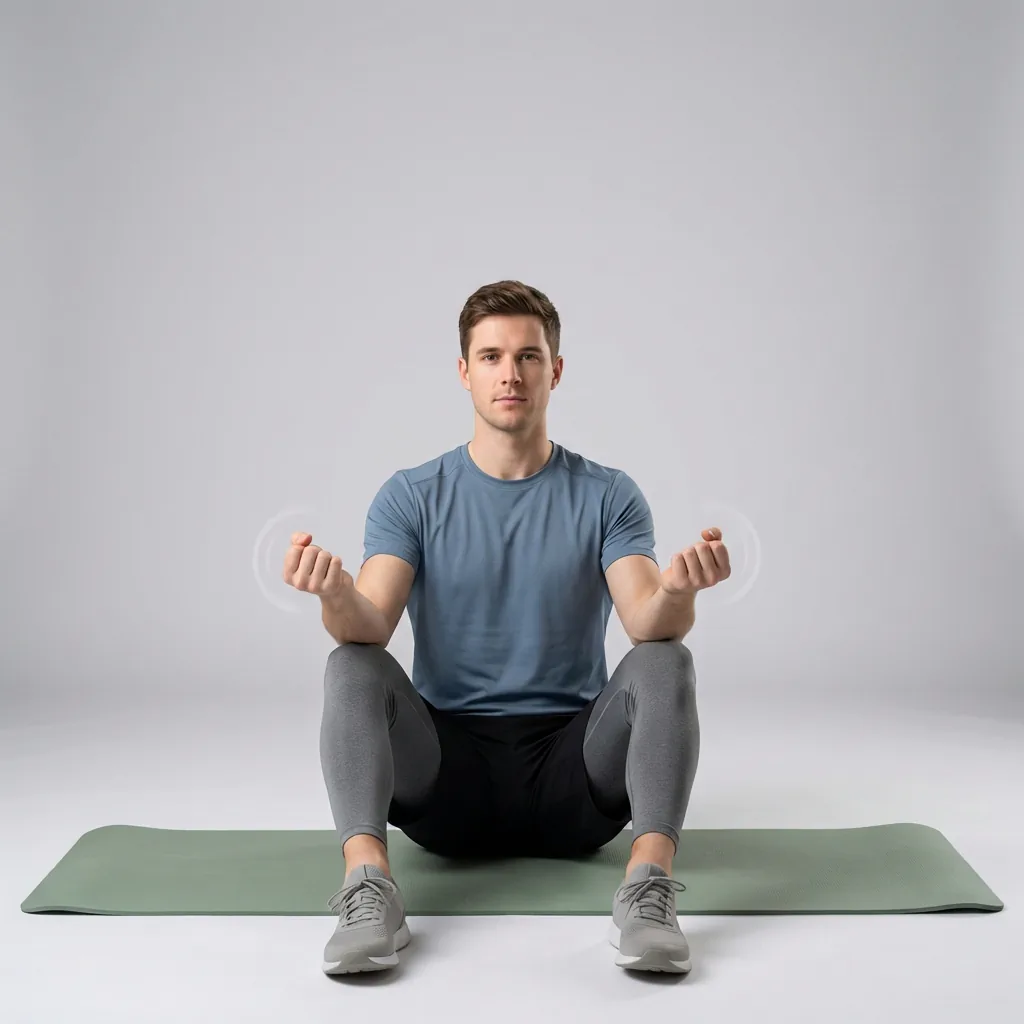
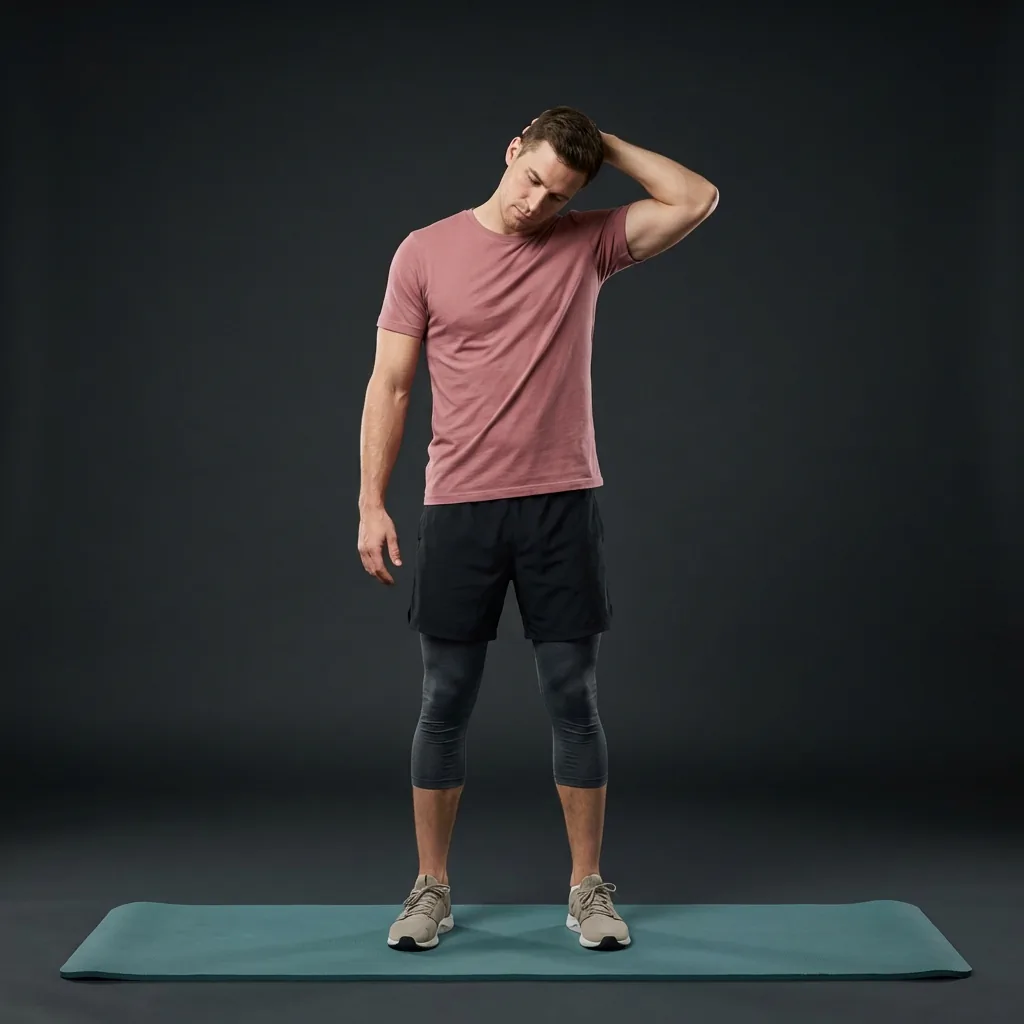
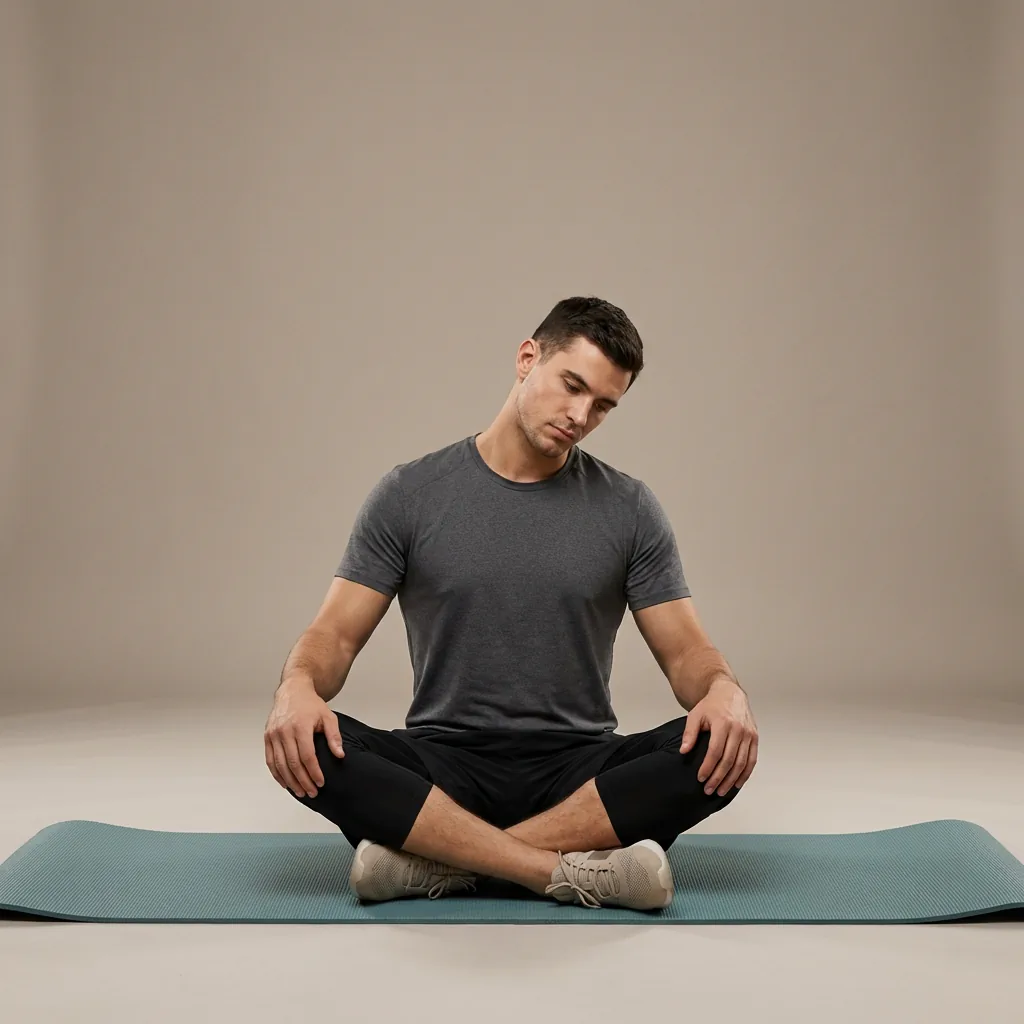
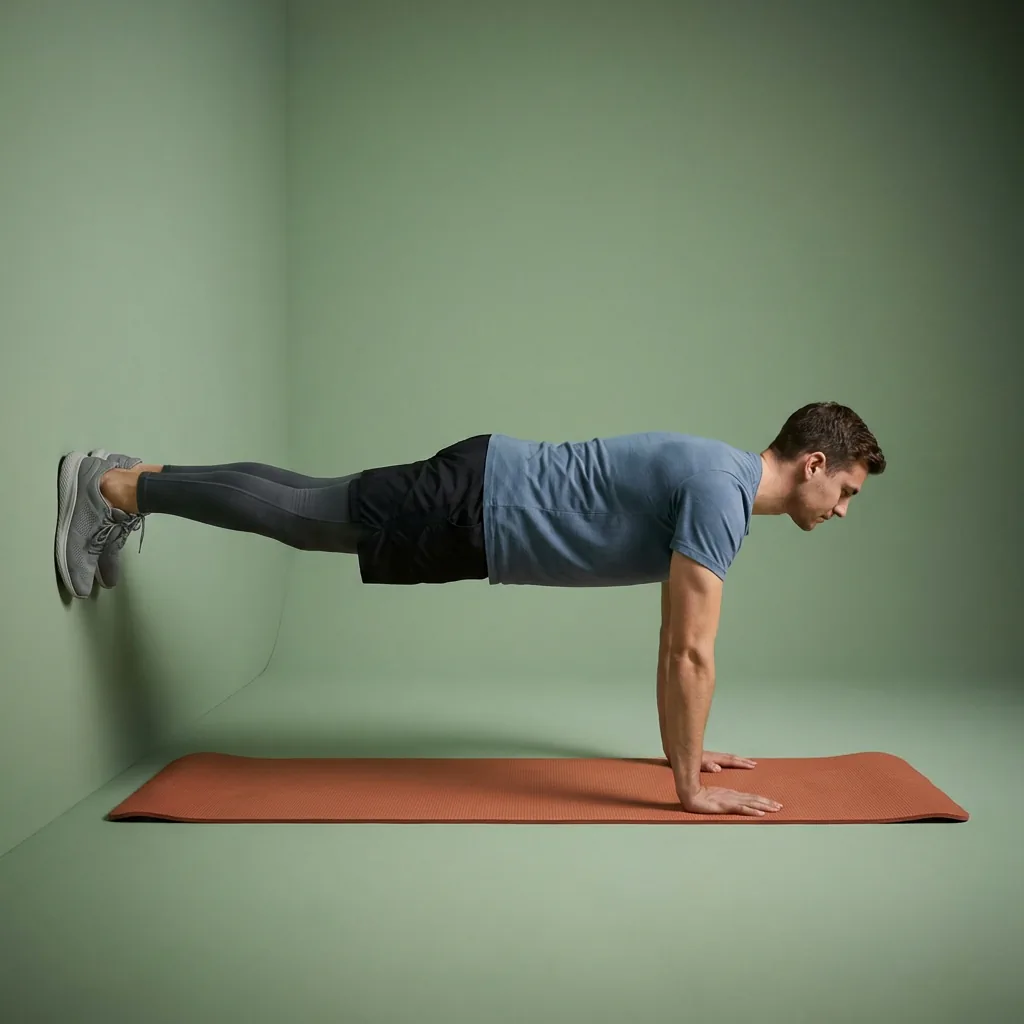
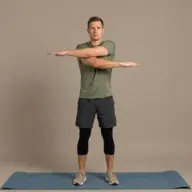
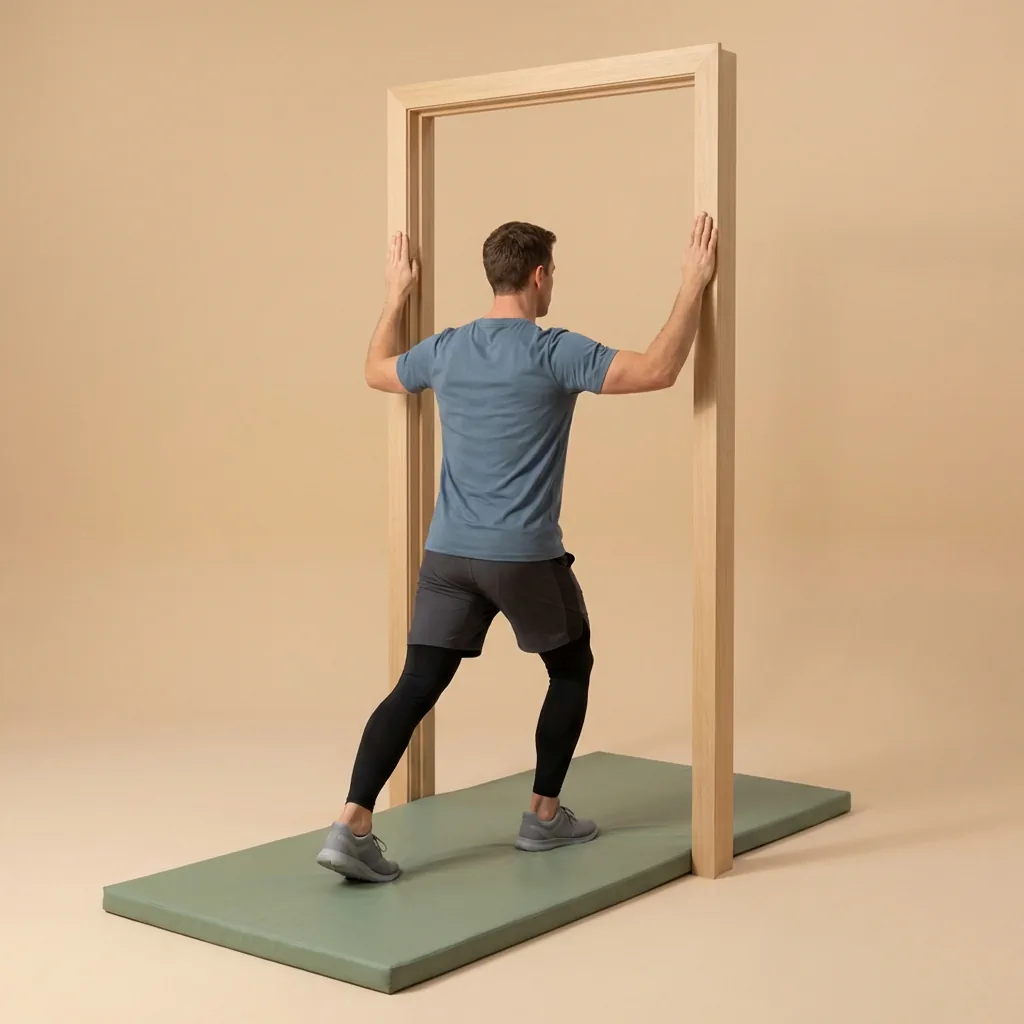
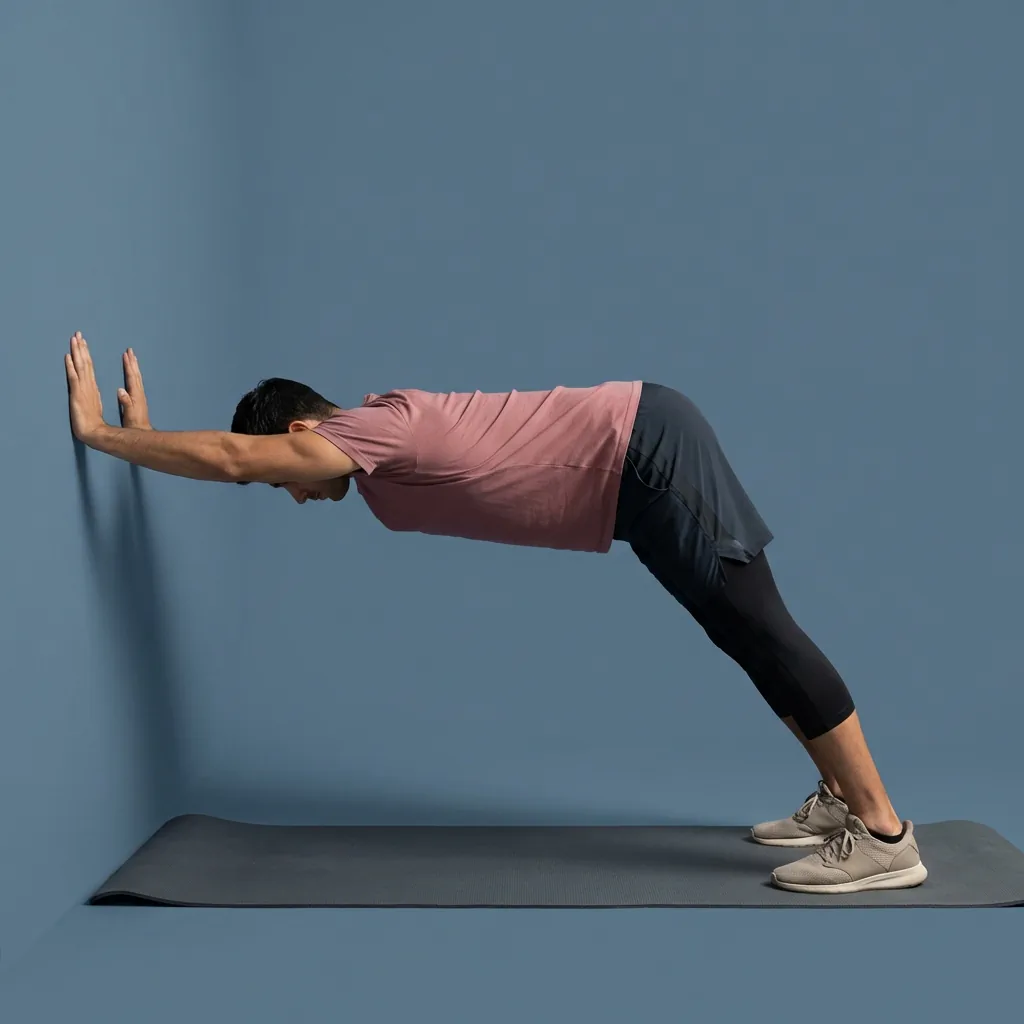
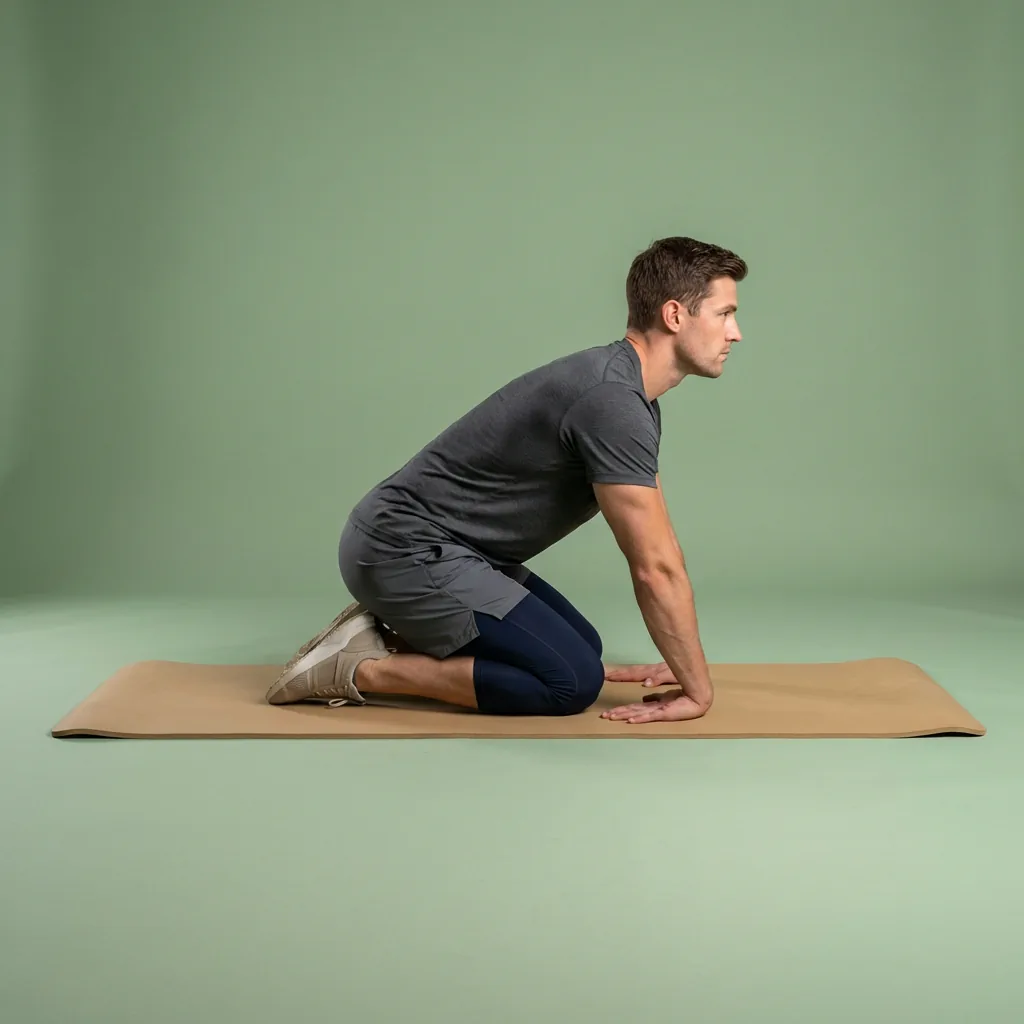
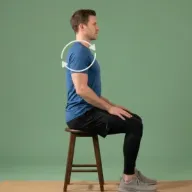
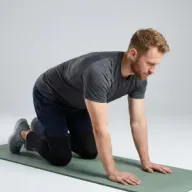
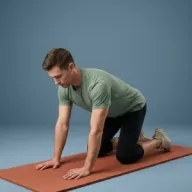
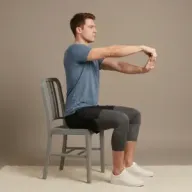
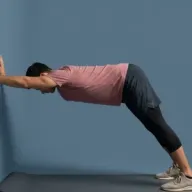
Shoulder rolls and wrist circles (standing and kneeling) establish range with minimal load. Wall arms provide supported shoulder work that doesn't demand full wrist extension on the floor. Wrist extension and flexion keep joints gliding. Reverse plank—modified as needed—builds posterior chain engagement with manageable wrist demand. Eagle arms, reverse prayer pose, forearm stretch, and wall dog complete the upper-body map across neck, shoulders, upper back, chest, forearms, hands, core, and knees.
Who reaches for this
- Anyone recovering from wrist irritation who still wants upper-body work
- Desk workers building mobility between typing blocks without loading palms
- Movers who need flexibility without compressing irritated joint surfaces
- Intermediate practitioners ready for reverse plank and wall dog progressions
Intermediate difficulty reflects those progressions—not because the routine is harsh, but because it asks for more body awareness than a pure stretch session. Flexor keeps equipment needs at zero and tags it across recovery, mobility, and flexibility.
Adjust angles and duration to match what your wrists tolerate today. Tomorrow's capacity may differ, and that's normal.
Wall dog offers supported shoulder and spine lengthening with far less wrist compression than a floor downward dog. It's the kind of substitution Flexor builds in when joint irritation—not lack of fitness—is the limiting factor.
Shoulder rolls at the start aren't filler; they reduce the compensatory tension that travels down into irritated wrists when upper backs are stiff from desk work.
What this session supports
- Improves upper-body flexibility and strength using exercises that avoid heavy weight-bearing on the wrists.
Common questions
What kind of routine is Wrist-Friendly Mobility?
Wrist-Friendly Mobility is organised in Flexor as a mobility routine. Use it as general wellness guidance and keep the range comfortable throughout.
How long does Wrist-Friendly Mobility take?
Wrist-Friendly Mobility takes about 10 min at the guided pace. You can pause, repeat, or stop whenever you need to.
How many stretches are in Wrist-Friendly Mobility?
Wrist-Friendly Mobility includes 11 guided exercises covering your forearms, hands, shoulders, and upper back. Follow along in order, and skip any move that does not feel right for you.
Is Wrist-Friendly Mobility good for beginners?
Wrist-Friendly Mobility is set at a intermediate level in Flexor. Move gently, breathe steadily, and shorten the holds if you want more time to ease in.
Do you need any equipment for Wrist-Friendly Mobility?
No. Wrist-Friendly Mobility is a no-equipment routine — you only need a little space to move comfortably.
Can this routine treat pain or injuries?
No. Comfort-focused and mobility routines in Flexor support general wellness only. They are not physiotherapy, diagnosis, or medical treatment. Seek professional advice for pain, injury, or health conditions.
Related routines
More sessions in a similar rhythm.