
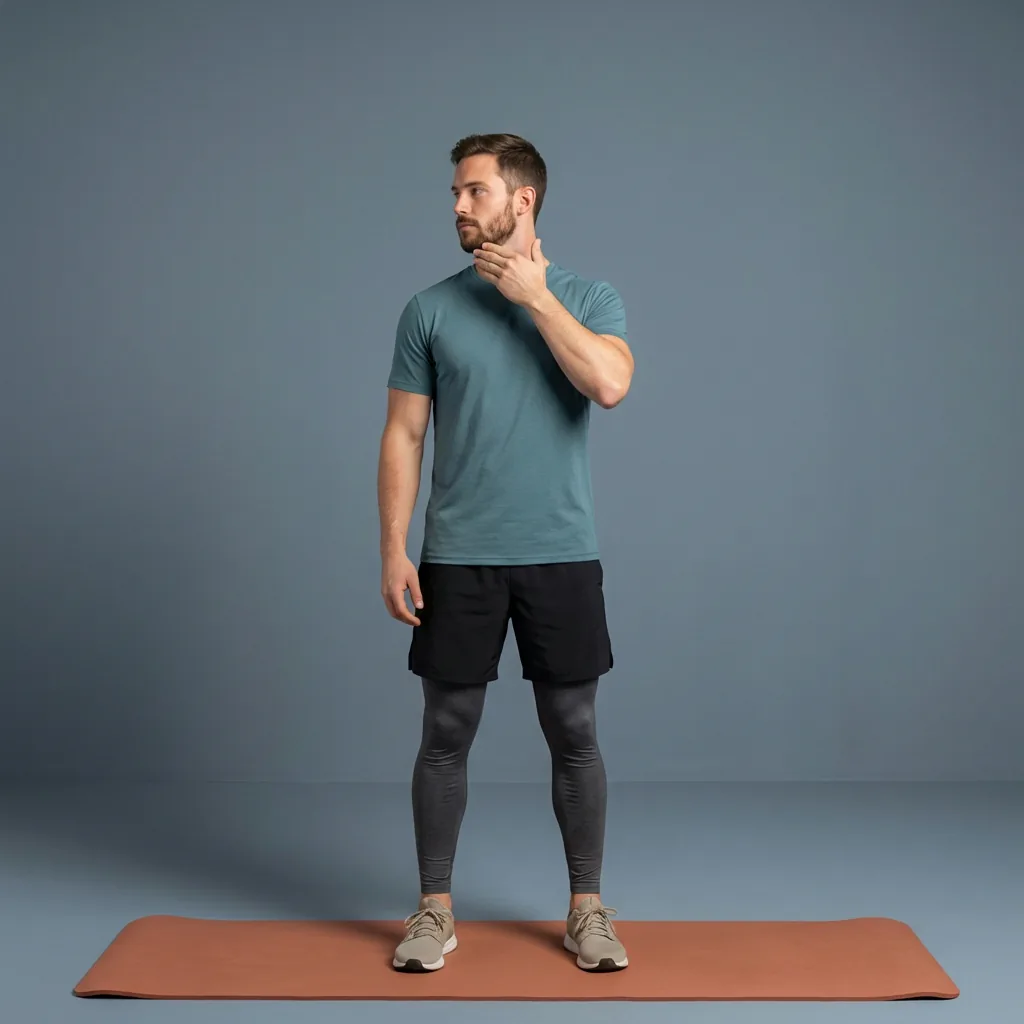
Muscles
Upper trapezius stretches to ease neck and shoulder tension.
The upper trapezius runs from the base of the skull to the shoulder and often carries tension after long desk days. Flexor keeps gentle guided stretches, breathing and scapular-control drills for it here to help the neck and shoulders feel easier.
About Upper Trapezius
Where upper-trapezius tension comes from
The upper trapezius helps elevate the shoulder blade and supports neck posture, and it commonly builds tension in desk-based routines and when the shoulders creep up towards the ears. Gentle mobility and relaxed breathing usually help more than aggressive stretching.
Move gently and stay comfortable
Keep neck and trap work in small, slow ranges with a relaxed jaw and shoulders, and pair it with light scapular-control drills. There is no need to force a neck stretch — easy, frequent movement tends to settle tension better than pushing into end range.
Move comfortably
Keep neck movements slow and within a comfortable range. Stop and seek professional advice if a stretch brings on dizziness, headaches, or numbness, tingling or weakness radiating into the arms. This is general fitness guidance, not treatment.
Guided sessions
Routines for Upper Trapezius
Complete guided Flexor routines that include this muscle — open any session to follow along.
-
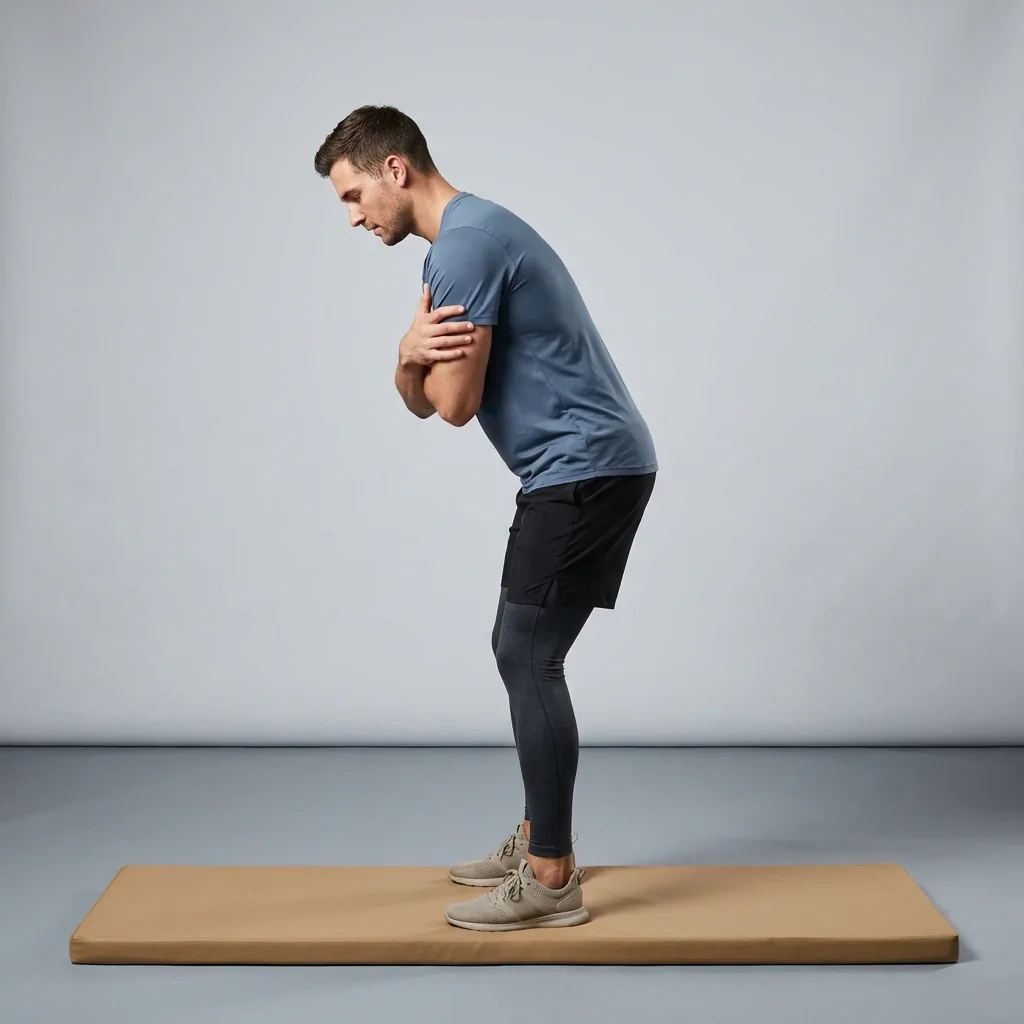 11 min Intermediate
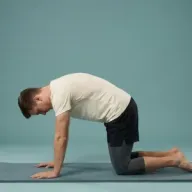
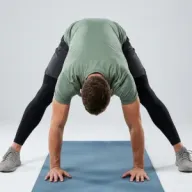
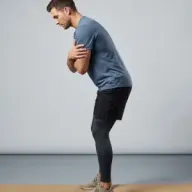
Cool-Down: Upper Back Unknot
An 11-move mid-back cool-down — eagle arm, thread the needle, and forward fold for rhomboid, trap, and thoracic tension.
-
-
-
-
-
- +6
-
-
 11 min Beginner
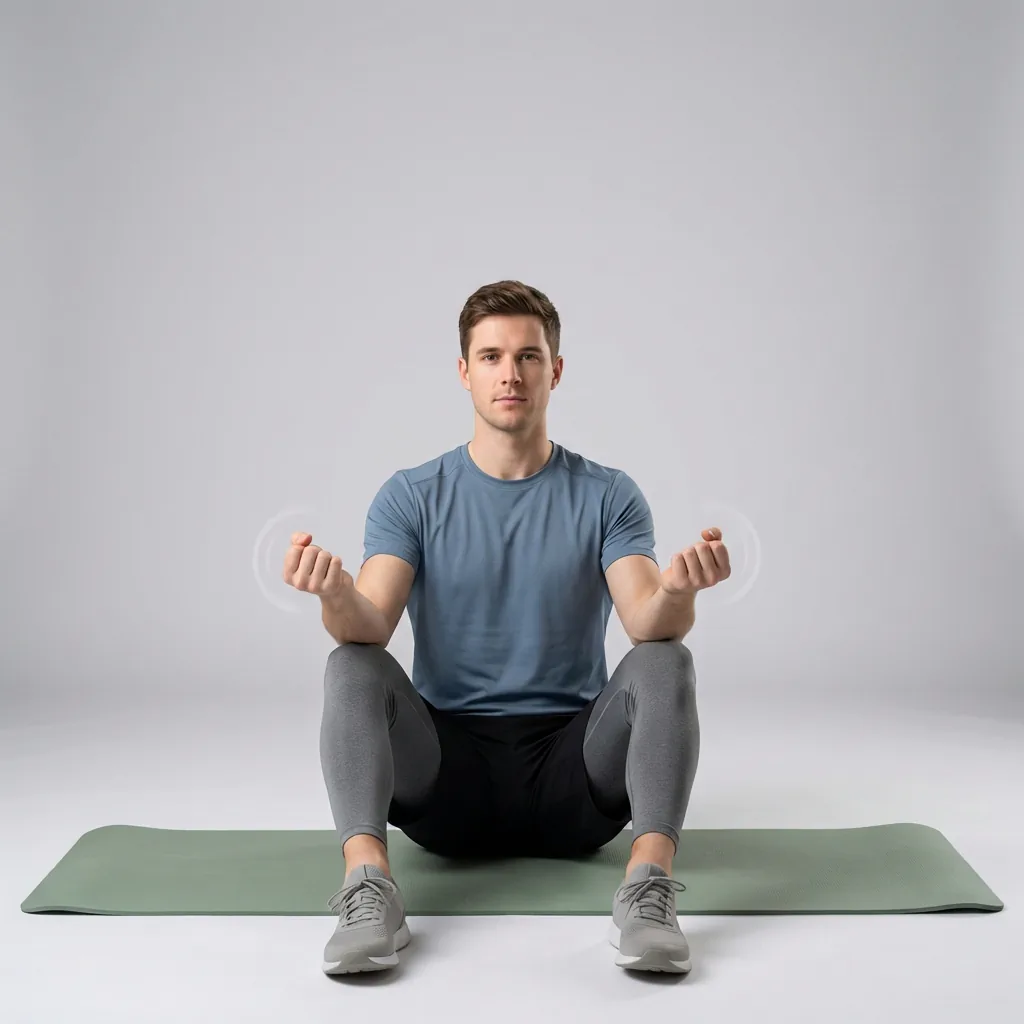
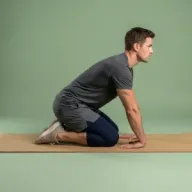
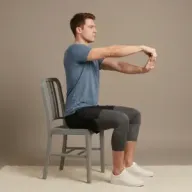
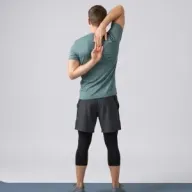
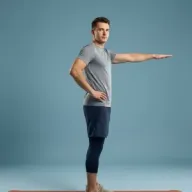
Elbow & Hand Comfort Flow
An 11-move arm comfort flow — nerve gliding and soft tissue mobility from elbows through fingers.
-
-
-

-
-
- +6
-
-
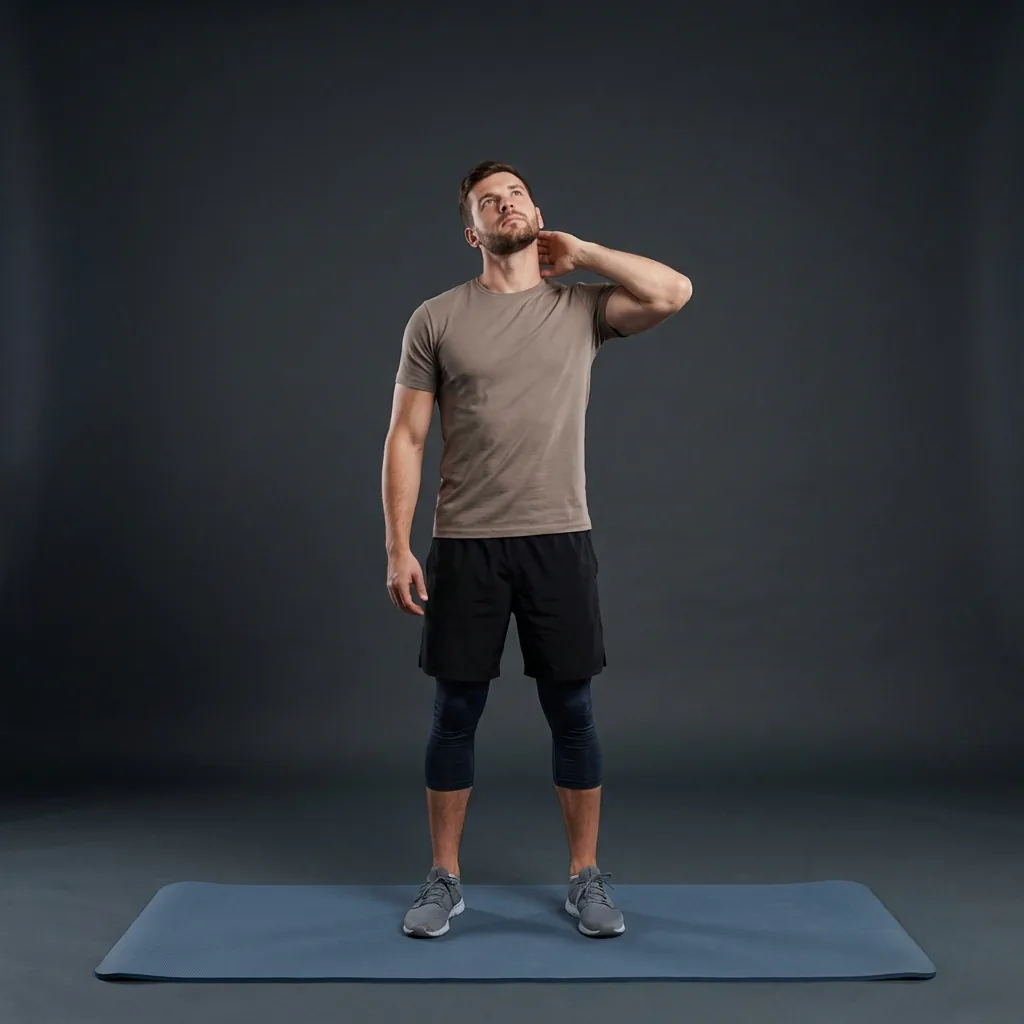 10 min Beginner
Express Neck Release
A fast 10-move neck routine — chin retractions, neck circles, and scalene stretches for when cervical stiffness hits mid-day.
-
-

-
-
-
- +5
-
-
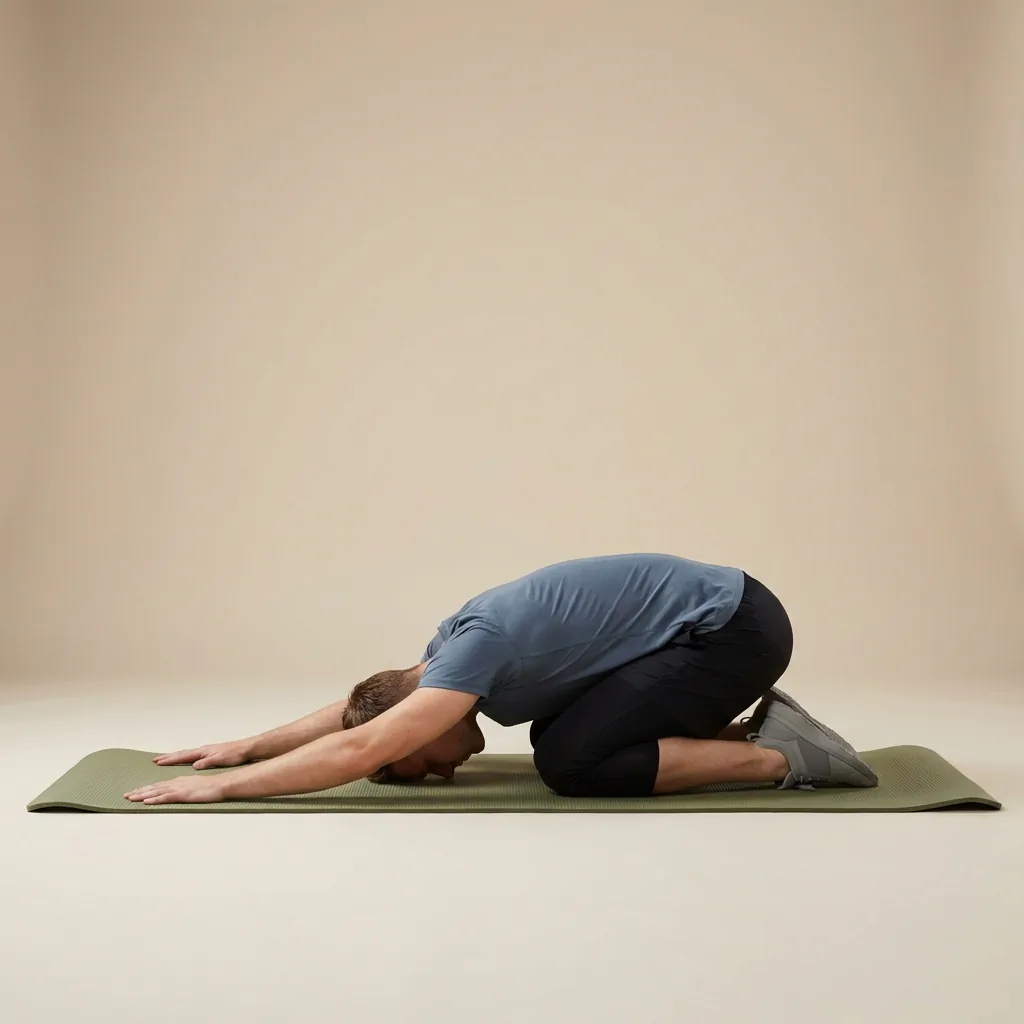 12 min Intermediate
Gentle Neck Release
A slower 12-move neck session — ear-to-shoulder, neck laterals, and child's pose for low-intensity scalene and upper-trap release.
-
-
-
-
-
- +7
-
-
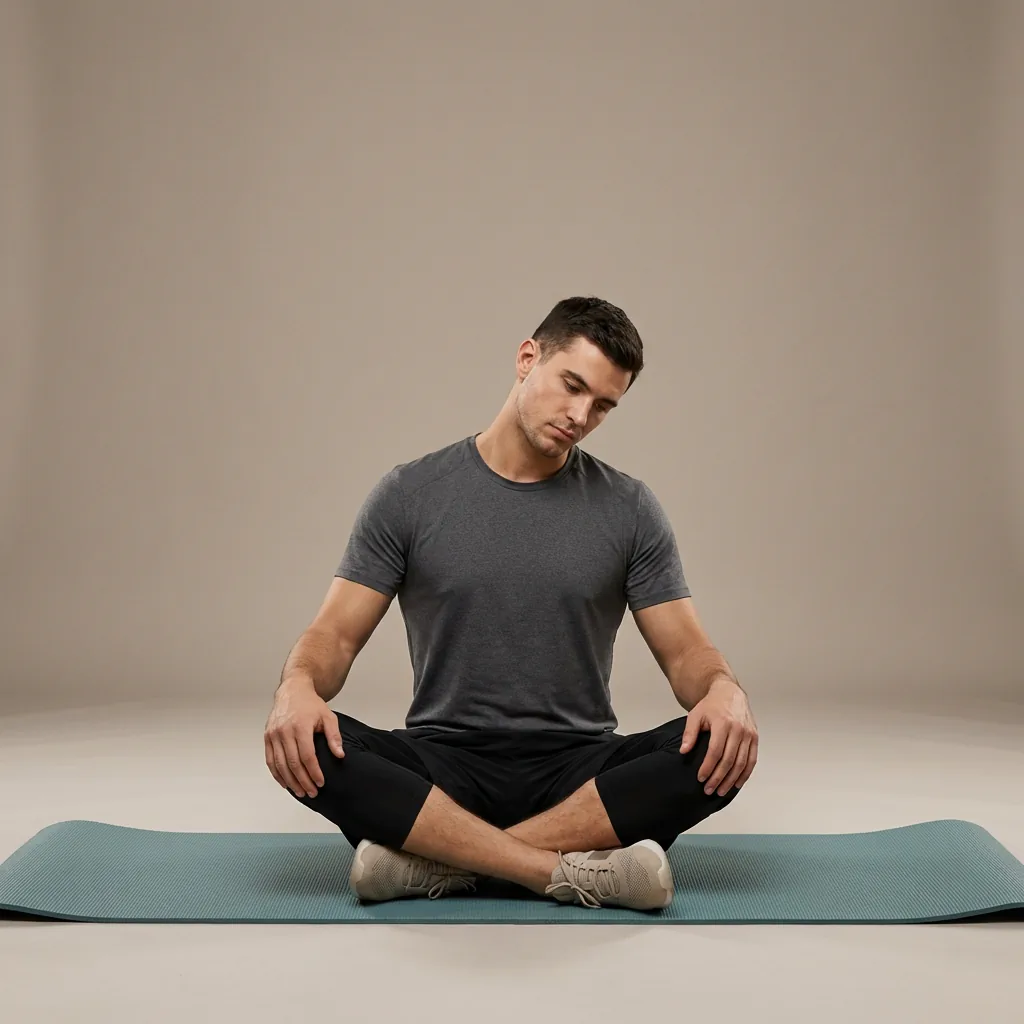 10 min Beginner
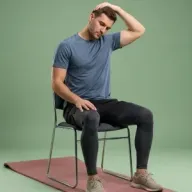
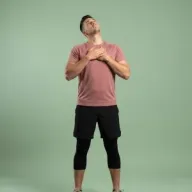
Neck and Upper-Body Ease
A gentle neck, shoulder, and upper-back routine for comfortable movement after screen time, travel, or a busy day.
-
-
-
-
-
- +5
-
-
 10 min Beginner
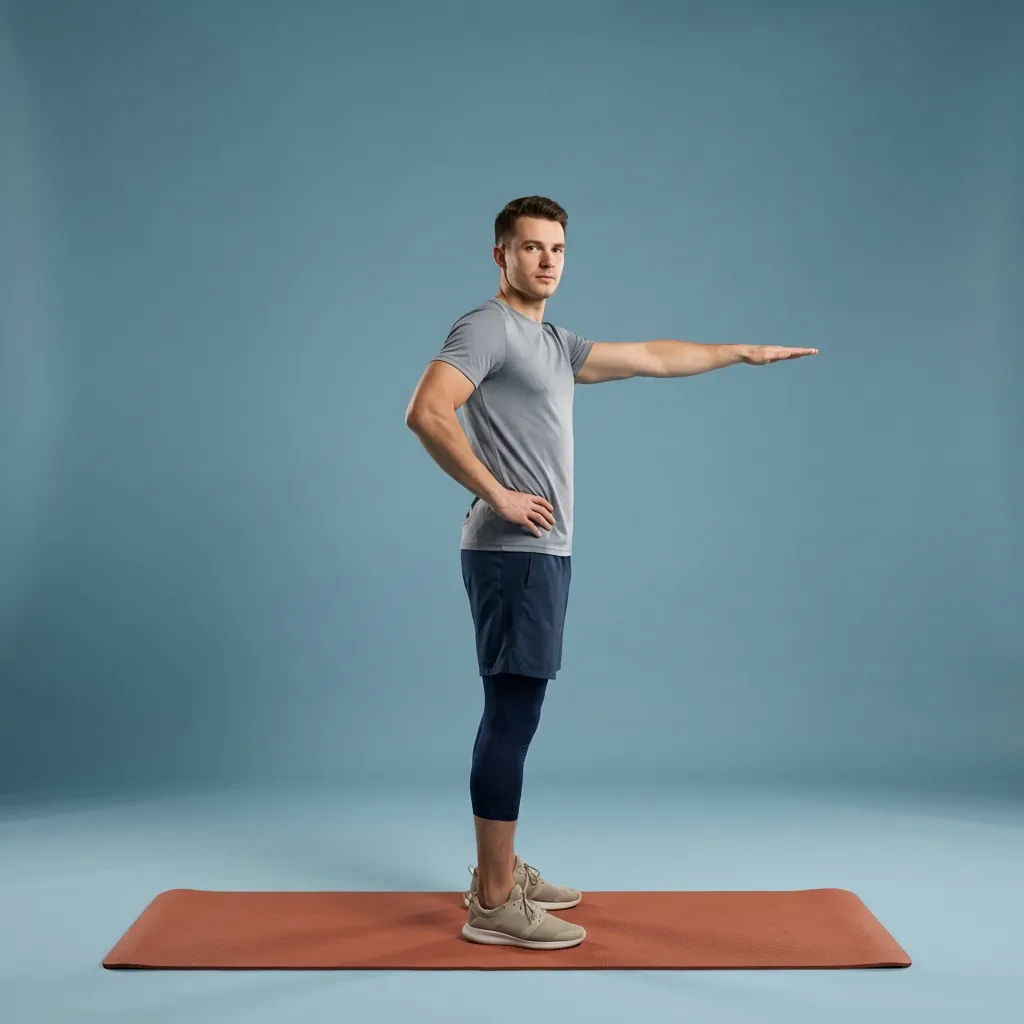
Neck Mobility Recharge
A beginner 10-move neck recharge — rotation, extension, wall arms, and child's pose to support comfortable cervical range.
-
-
-
-
-
- +5
-
-
 10 min Beginner
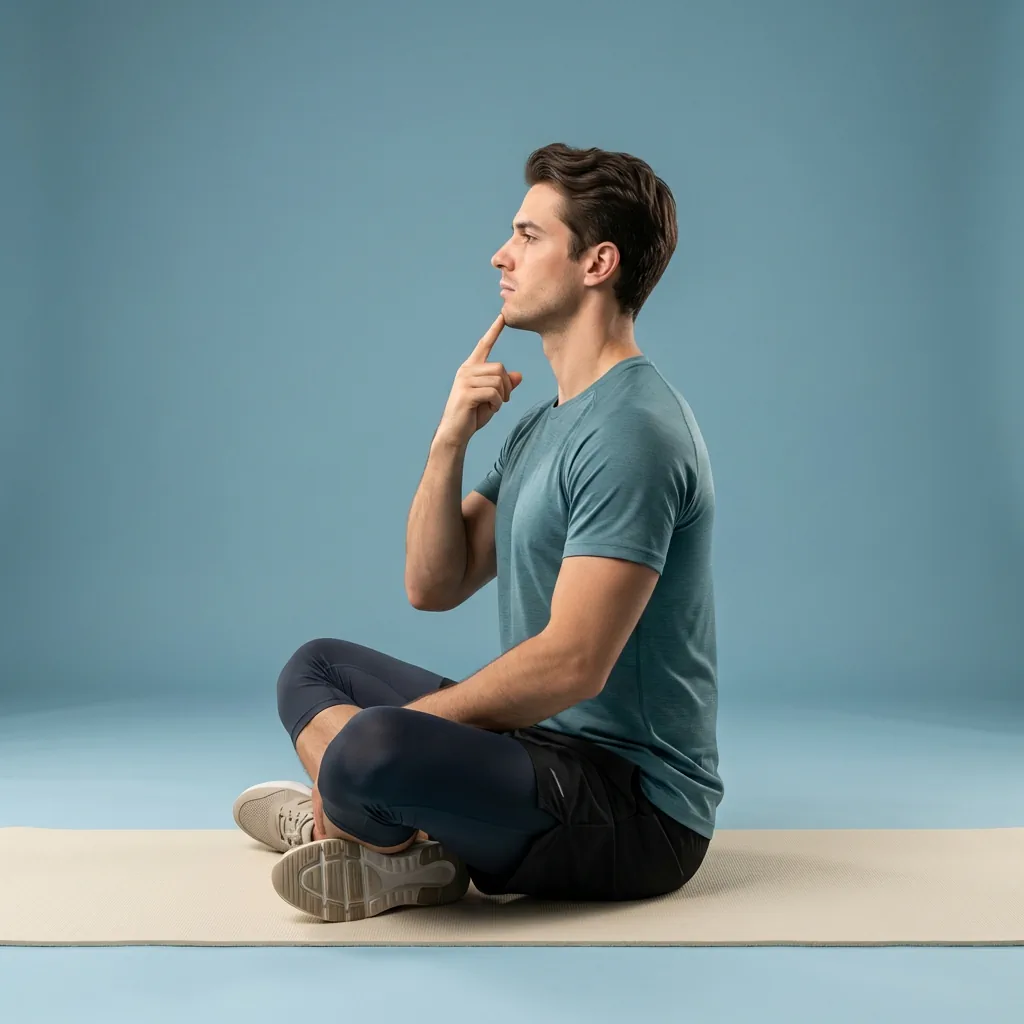
Quick Desk Reset
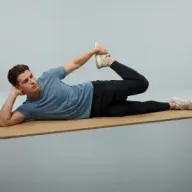
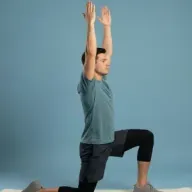
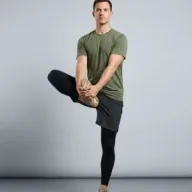
A 9-move desk break in under five minutes — chin retractions, hip openers, and seated twist to undo office slump.
-
-
-
-
-
- +4
-
-
 7 min Beginner
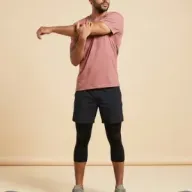
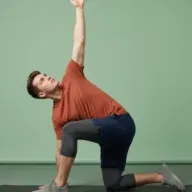
Quick Upper Back Unknot
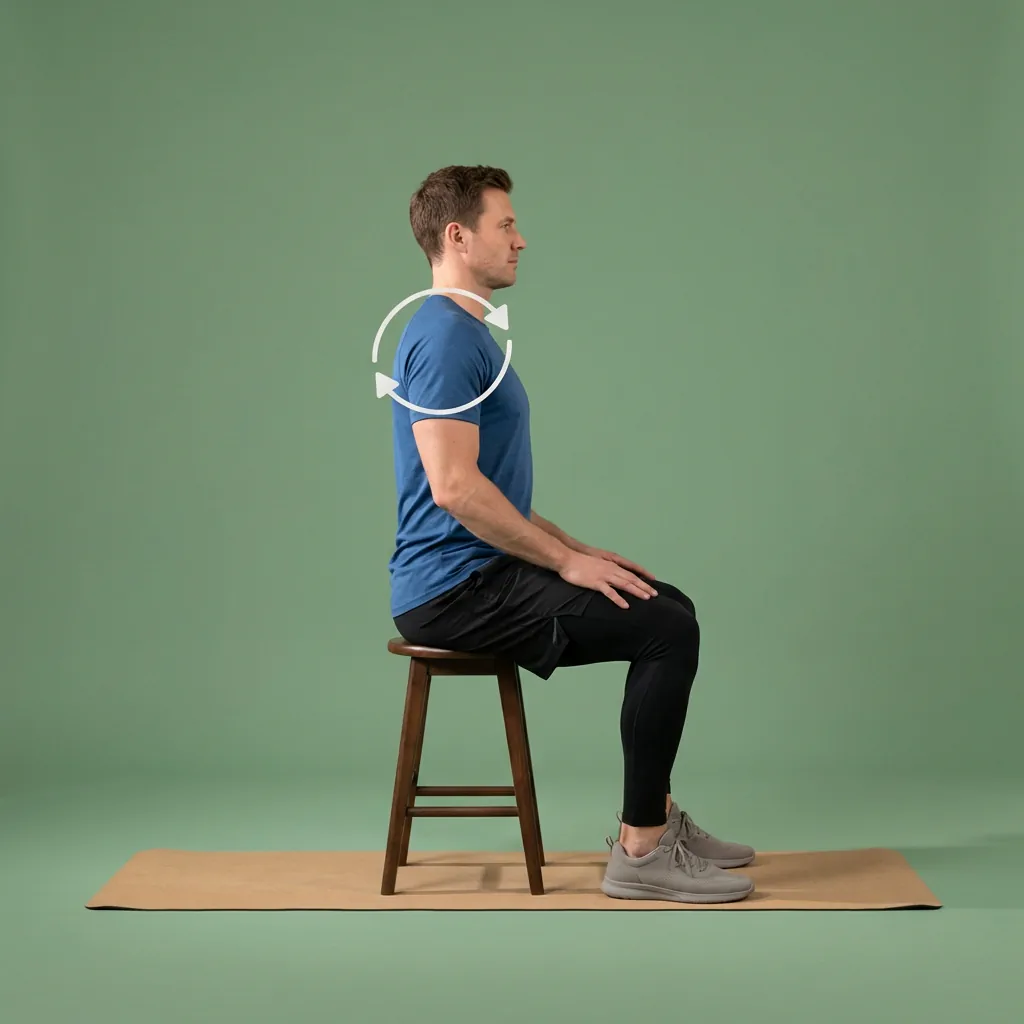
A 7-move mid-back express — scapula stretch, thread the needle, and camel pose for desk-slouch tension between the shoulder blades.
-
-
-
-
-
- +2
-
-
 10 min Intermediate
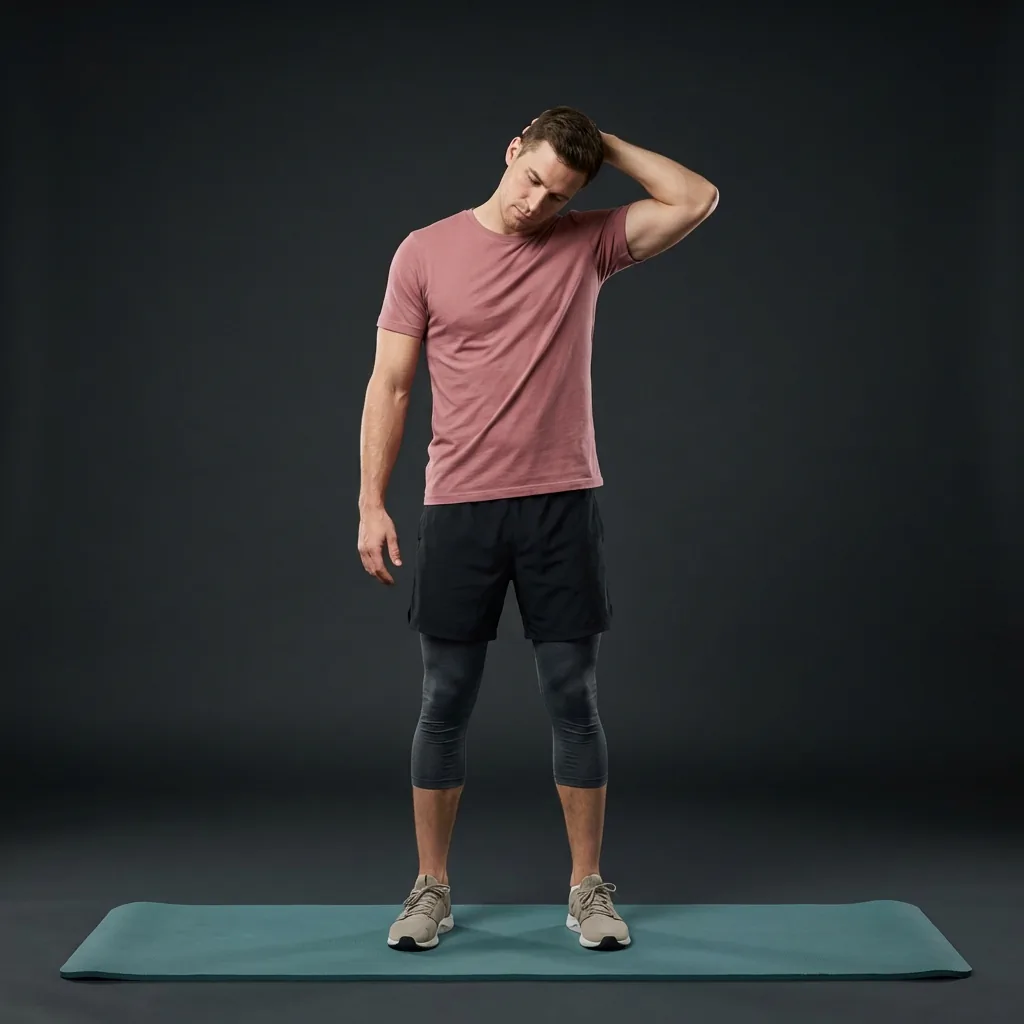
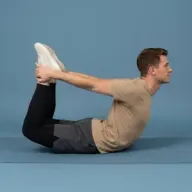
Recovery: Upper-Body Reset
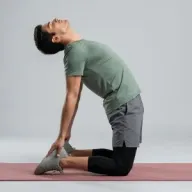
A 10-move upper-body support — airplane, bow pose, camel pose, and eagle arm opening chest, shoulders, and spine.
-
-
-
-
-
- +5
-
-
16 min Intermediate
Upper Trap Unwind
A 16-move neck-and-shoulder flow — doorway pecs, eagle arms, and ear-to-shoulder for persistent upper-trap and cervical tension.
-
-
-
-
-
- +11
-
Explore related pages
Common questions
How can I relieve upper-trap tension from desk work?
Gentle neck mobility, easy shoulder-blade movements and relaxed breathing through the day usually help more than one hard stretch. Keep the shoulders down away from the ears and move slowly within a comfortable range. Explore the guided neck exercises and routines below.
How often can I do neck and trap mobility?
Short, gentle sessions on most days suit many people, since the area responds to easy, frequent movement rather than intensity. Keep everything comfortable and controlled, and stop if a movement provokes symptoms.