Stretches for Lower Back Pain and Stiffness: 7 Gentle Movements to Try
General, non-medical guidance on gentle movement for a stiff lower back, with clear signs to stop and seek help.

This article is general educational information, not medical advice, diagnosis or treatment. For most people, an episode of non-specific lower back pain gradually settles, and staying gently active tends to help more than resting completely. The movements below are ones some people find soothing for a stiff lower back. Move slowly, keep within comfort, and use the safety guidance further down.
Who this may suit
General, mild-to-moderate back stiffness without red-flag symptoms (listed below). If you have a diagnosed condition, recent injury, or worsening pain, check with a GP or physiotherapist before starting.
Before you begin: when stretching may not be appropriate
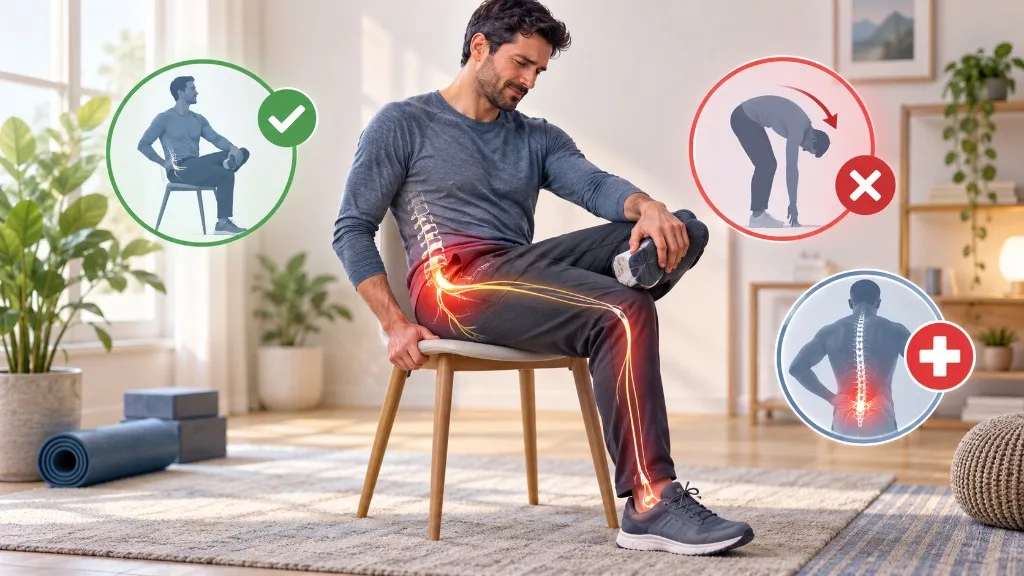
Stop or avoid these movements and seek advice if stretching consistently makes your pain worse, if pain radiates strongly down a leg, or if you have any of the urgent warning signs listed at the end. Movement should feel easier over minutes, not sharper.
Seven gentle movements
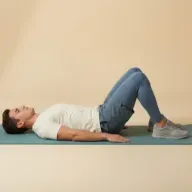
- Pelvic tilts. Lying on your back with knees bent, gently flatten and release the small of the back. Small, slow repetitions.
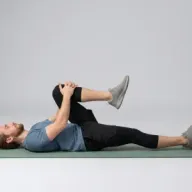
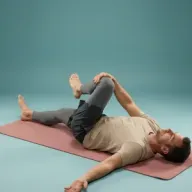
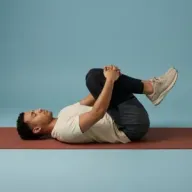
- Single knee to chest. Draw one knee gently towards the chest, hold briefly, then swap. Keep it comfortable.
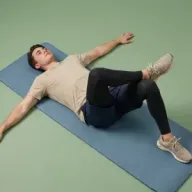
- Both knees to chest. If single-knee feels fine, hug both knees gently and rock a little from side to side.
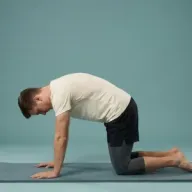
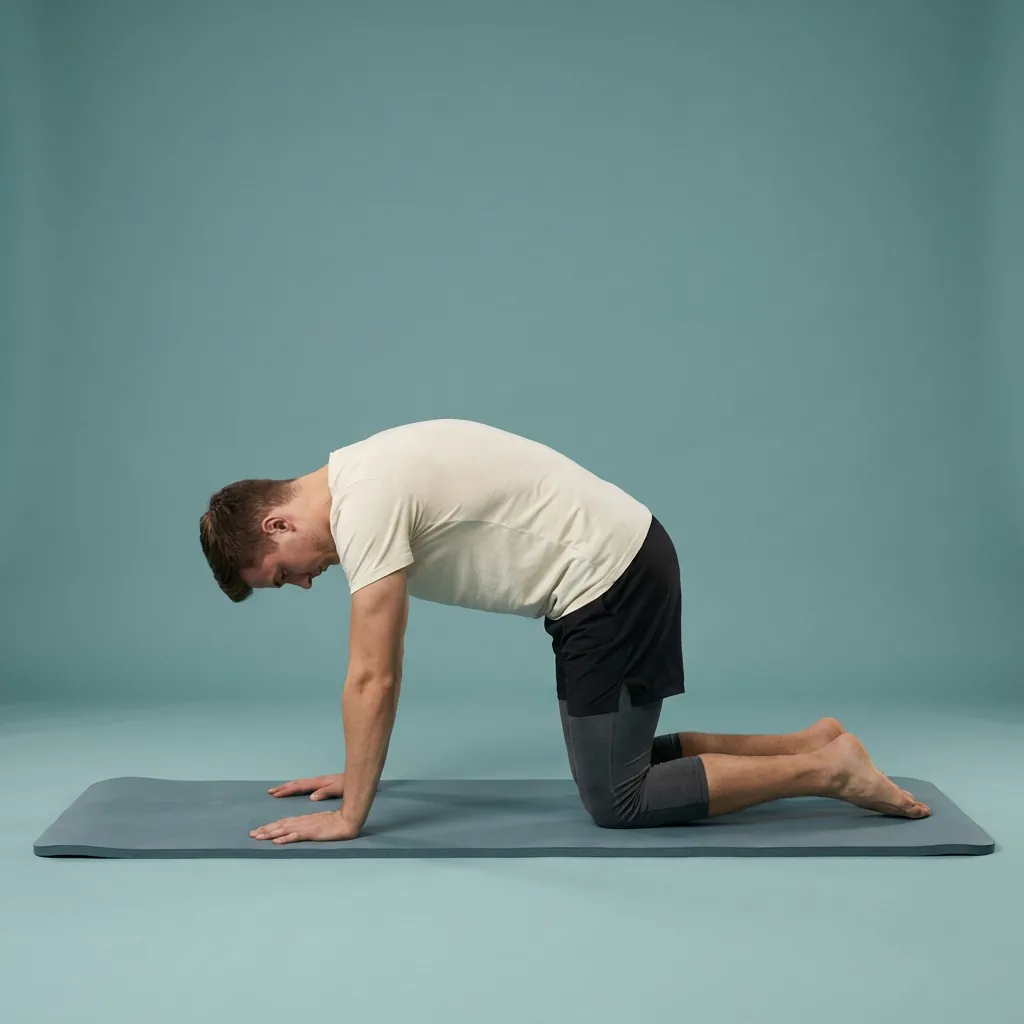
- Cat-cow. On all fours, move slowly between a soft round and a gentle arch, following your breath.
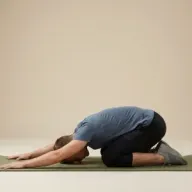
- Child's pose. Sit the hips back and reach forward to lengthen the back. Widen the knees if that feels easier.
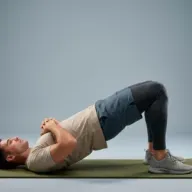
- Bridge. With knees bent, lift the hips a comfortable amount using the glutes, then lower slowly. This gently works the muscles that support the back.
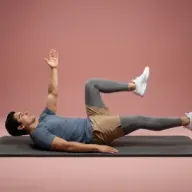
- Bird-dog. On all fours, extend one arm and the opposite leg with control, keeping the trunk steady, then swap. This builds gentle stability.
Modifications
- Place a cushion under the knees or head for comfort during floor work.
- Reduce the range everywhere; small movements often feel best on a sensitive back.
- Do cat-cow seated if getting to the floor is difficult.
When to stop
Stop if a movement sharply increases your pain, sends symptoms further down the leg, or causes numbness or tingling. A little muscular stretch is expected; escalating pain is not the goal.
Warning signs: when to seek emergency or medical help
The NHS advises emergency assessment if back pain comes with any of the following, which can indicate a serious problem:
- Numbness or tingling around the genitals or buttocks.
- Difficulty passing urine, or loss of bladder or bowel control.
- Pain, tingling, weakness or numbness in both legs.
- New changes in sexual sensation or function.
- Back pain with chest pain.
- Back pain after a serious accident.
For these signs, seek emergency help now: in the UK, call 999 or go to A&E; elsewhere, contact your local emergency service or emergency department. Do not wait for a routine appointment or try to stretch through them. Back pain with fever or feeling generally unwell needs urgent medical advice. Unexplained weight loss also needs assessment by a doctor.
Why backs get stiff, and why movement usually helps
Most lower back pain is described as non-specific when no particular underlying cause is identified. It often improves within a few weeks, although some episodes last longer or recur. Guidelines from the NHS and NICE consistently emphasise staying active. Prolonged rest tends to make stiffness worse, while gentle movement helps you keep confidence in your back and supports normal function. The movements above are one way to keep moving comfortably; walking, and simply changing position often, matter just as much.
Working within comfort and building tolerance
The aim is not to force range but to explore comfortable movement and gradually build your tolerance to it. Start with small ranges and few repetitions, and increase only as movements feel easier. It is common - and generally not harmful - to feel a bit of ordinary muscular stretch or mild discomfort while moving a stiff back. What you are looking for is that things feel a little easier over minutes and days, not sharper.
Pain that centralises versus pain that spreads
A helpful signal to watch is where symptoms go as you move. Discomfort that stays in the back, or eases back towards the spine, is generally more reassuring than pain that spreads further down into the buttock or leg. If a particular movement consistently pushes symptoms down the leg, leave that one out and favour the movements that keep things settled.
Building supportive strength over time
Once an acute flare settles, gently strengthening the muscles that support the trunk - through movements like the bridge and bird-dog above - can help the back feel more resilient. Progress slowly, keep it pain-free, and think in terms of weeks rather than days. Strength and gentle mobility together tend to serve a sensitive back better than stretching alone.
Related routines
For guided practice, preview Lower Back Comfort (intermediate) or Spine-Friendly Mobility (beginner). Both use floor positions and core movements: check that you can get into and out of them comfortably, and follow any individual clinical advice. Spine and Core Support is another beginner floor sequence focused on controlled trunk work. A beginner label does not tell you whether a routine suits your symptoms.
Sources
Put the guide into practice
Related Flexor routines
These guided routines are linked to the article topic. Review the difficulty and exercise list before starting.