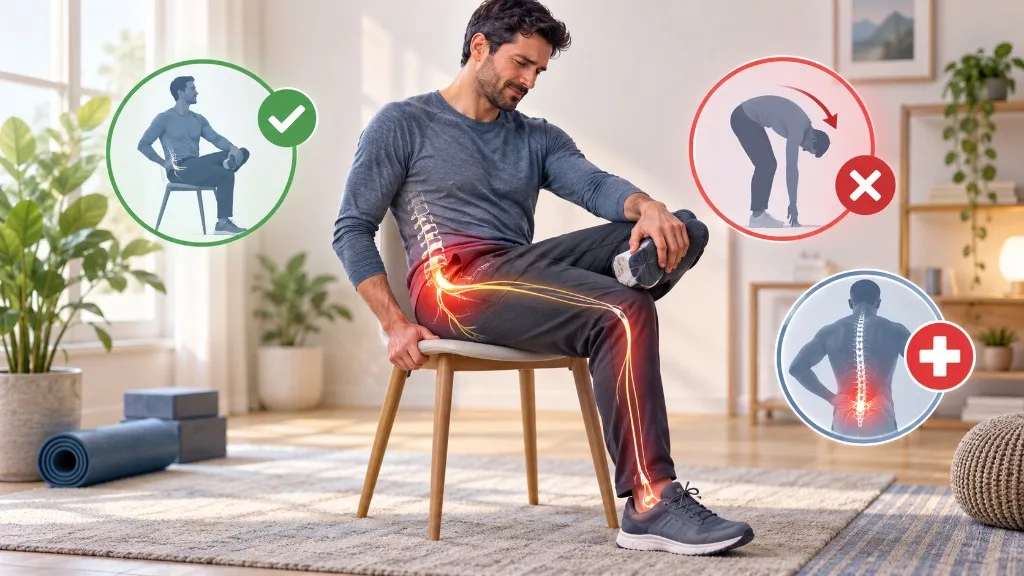
Back Pain by the Numbers: How Common Is It and Who Is Most Affected?
619 million people, a projected 843 million by 2050, and the facts behind the world’s leading cause of disability.

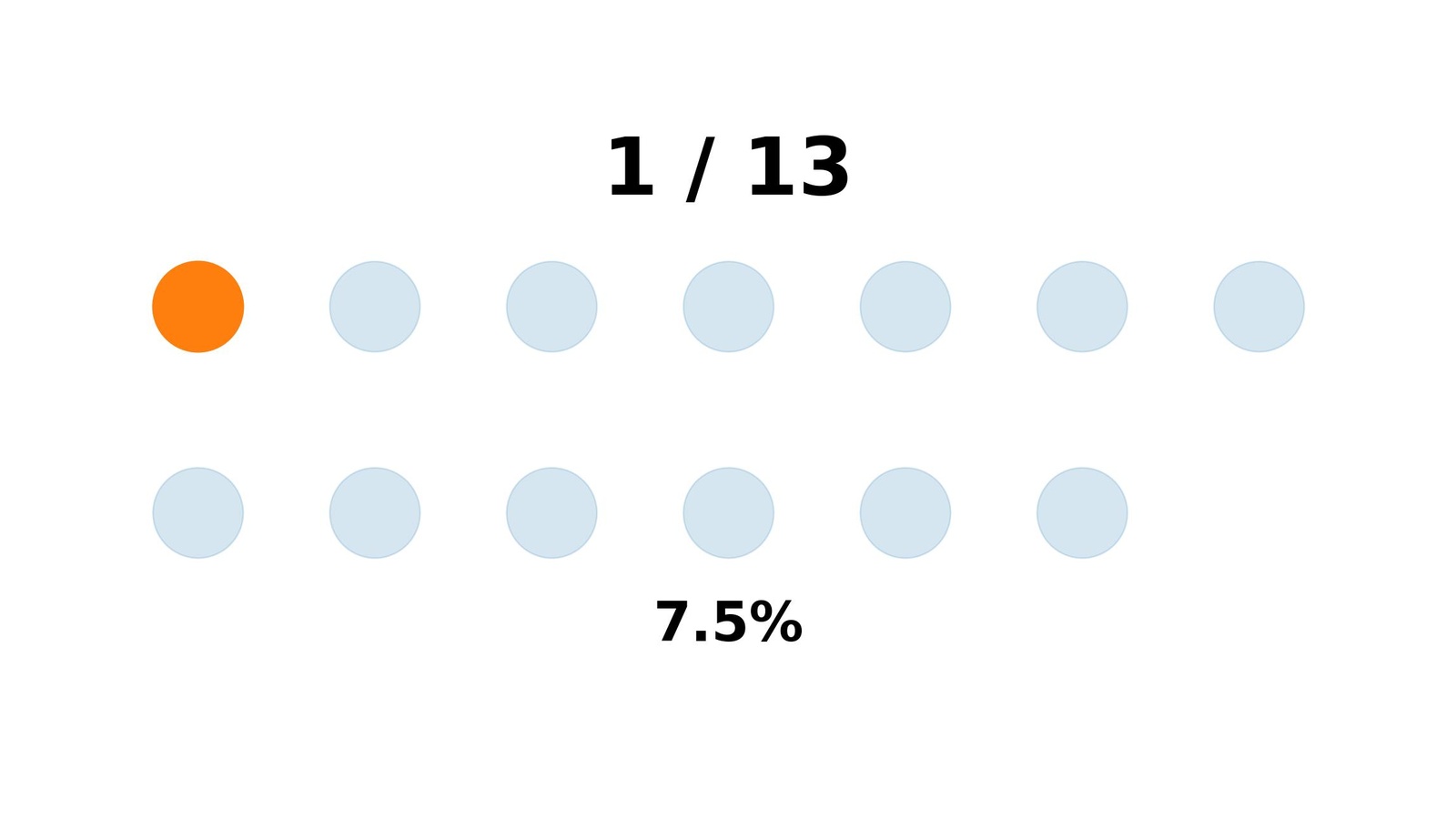
Low back pain is so common that it can feel ordinary, but the global numbers are anything but small. The World Health Organization estimates that 619 million people were living with low back pain in 2020. That is roughly one in every 13 people on Earth. By 2050, the number is projected to reach 843 million.
This article is about the scale of the problem rather than a list of stretches. It looks at how many people are affected, which groups carry the greatest burden, why the total is rising and where movement fits into evidence-based management.
Three numbers frame the scale
| Measure | Estimate | What it means |
|---|---|---|
| People affected in 2020 | 619 million | WHO estimate for global low back pain prevalence |
| Change since 1990 | about +60% | Increase in the absolute number of people affected, not proof that every individual is at 60% greater risk |
| Projected cases in 2050 | 843 million | Forecast driven largely by population growth and ageing |
These figures describe population burden. They should not be read as a personal forecast: a rising number of cases can occur even if individual risk stays similar because there are more people, and more people are living into age groups in which low back pain is common.
619 million people in 2020 — and 843 million projected by 2050
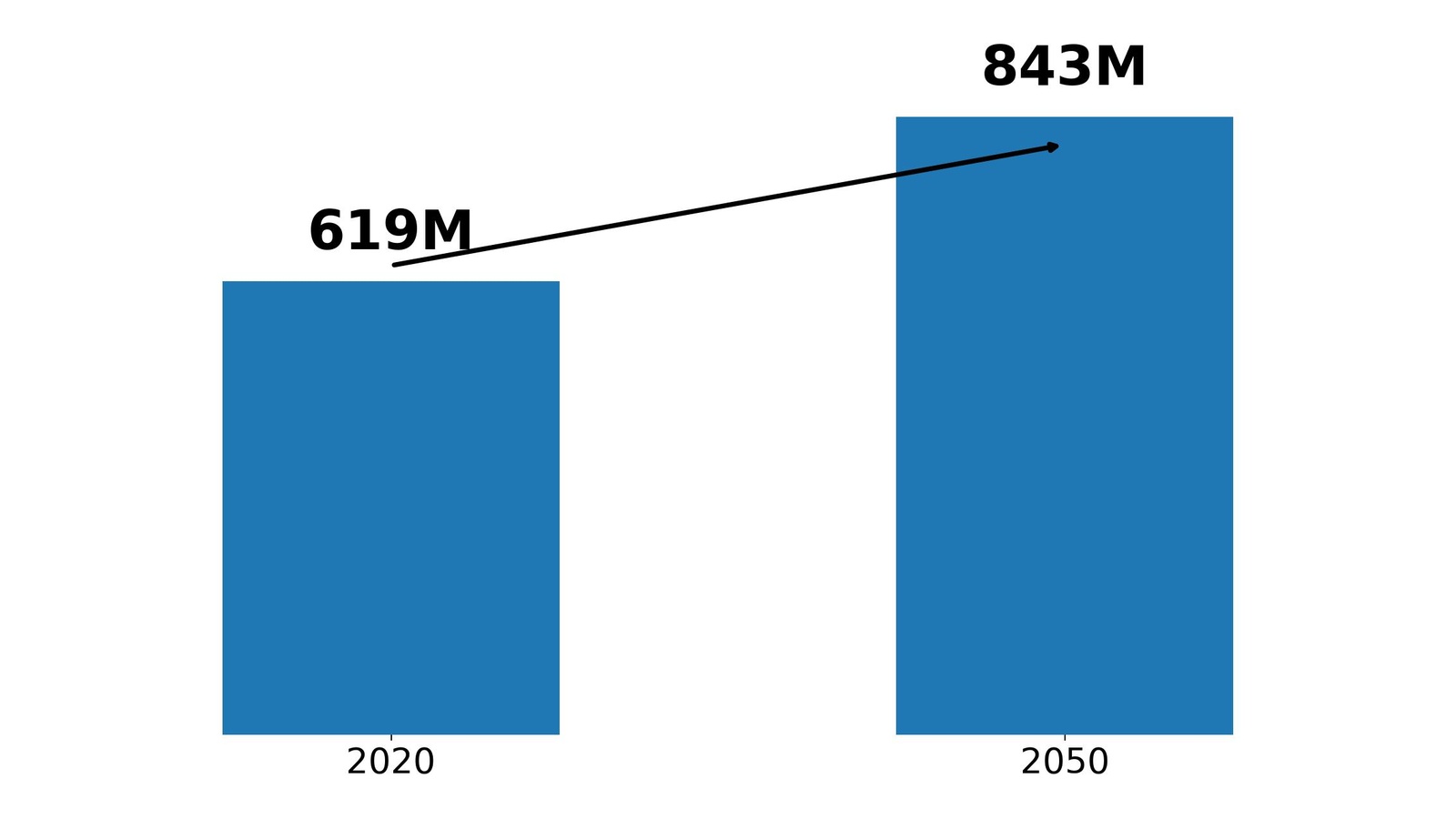
The difference between those two totals is 224 million additional cases. Relative to 2020, that is an increase of roughly 36%. WHO also reports that the 2020 total represented a 60% increase in the absolute number of cases compared with 1990.
Why low back pain matters beyond pain itself
WHO describes low back pain as the single leading cause of disability worldwide. Disability here refers to the effect a health condition has on functioning: moving, working, sleeping, caring for family and participating in daily life.
That distinction matters. Low back pain is rarely fatal, but it can consume an enormous amount of healthy life because it is common, recurrent and capable of limiting work and normal activity for weeks, months or years.
Across musculoskeletal health more broadly, WHO estimates that about 1.71 billion people live with musculoskeletal conditions. These conditions are major contributors to the global need for rehabilitation and to years lived with disability.
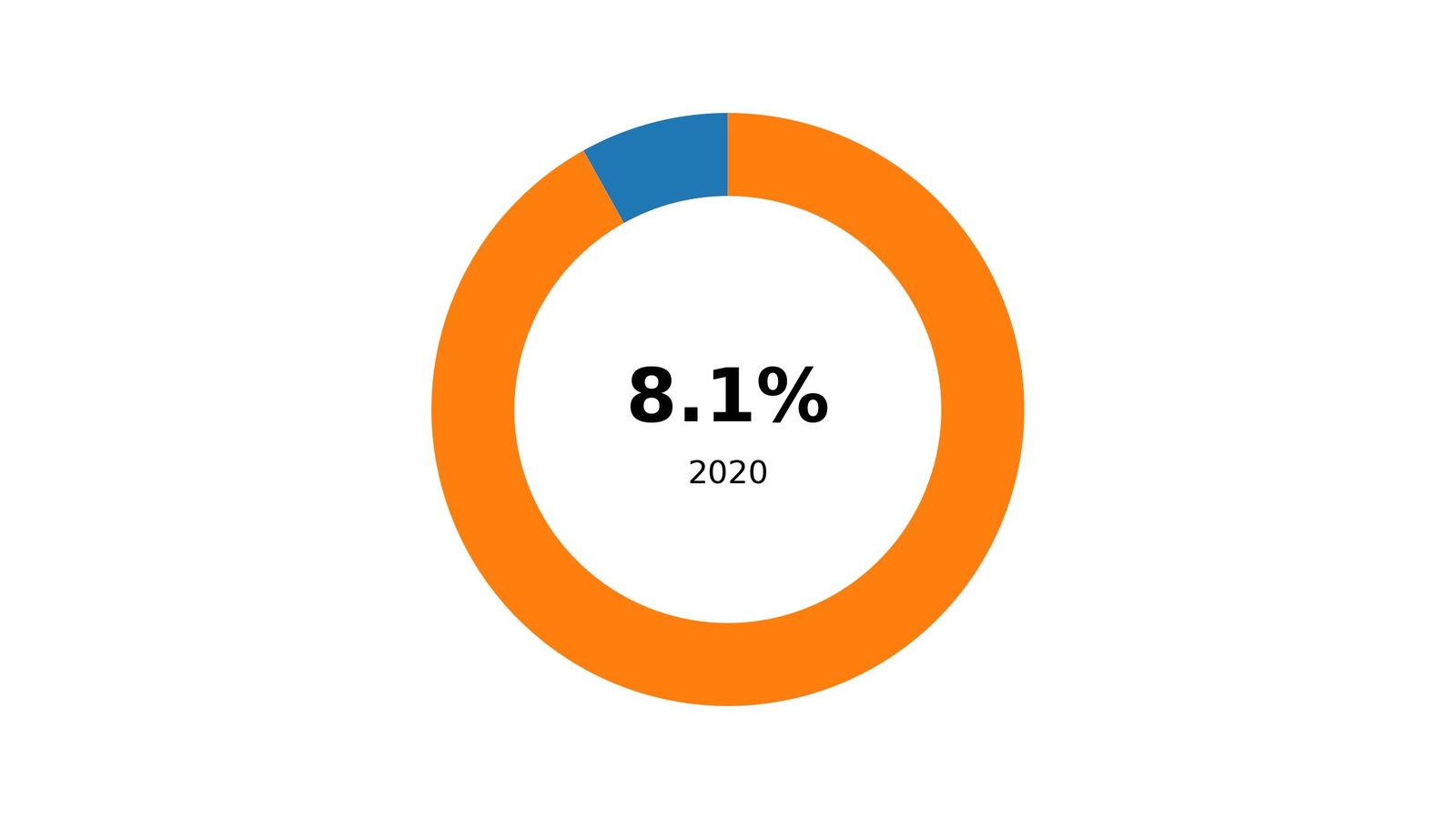
In 2020, low back pain accounted for 8.1% of all years lived with disability worldwide.
Most low back pain is “non-specific”
About 90% of low back pain is classified as non-specific. That means clinicians cannot confidently attribute the pain to one identifiable disease or structural lesion that explains the symptoms.
| Broad presentation | Approximate share | What it means |
|---|---|---|
| Non-specific low back pain | About 90% | No single specific disease or structural cause confidently explains the pain |
| Specific low back pain | About 10% | Pain is linked to a particular disease, fracture, structural problem or pain referred from elsewhere |
This is one reason scans and posture explanations can be misleading when presented as universal answers. Pain can be real and disabling even when there is no single damaged structure that accounts for it.
Who is most affected?
WHO reports that low back pain can occur at any age, that prevalence rises with age up to around 80, and that the largest number of cases occurs around ages 50–55. Women have a higher prevalence than men. These are population patterns, not destiny: they do not tell us whether a particular person's pain will persist or how disabling it will become.
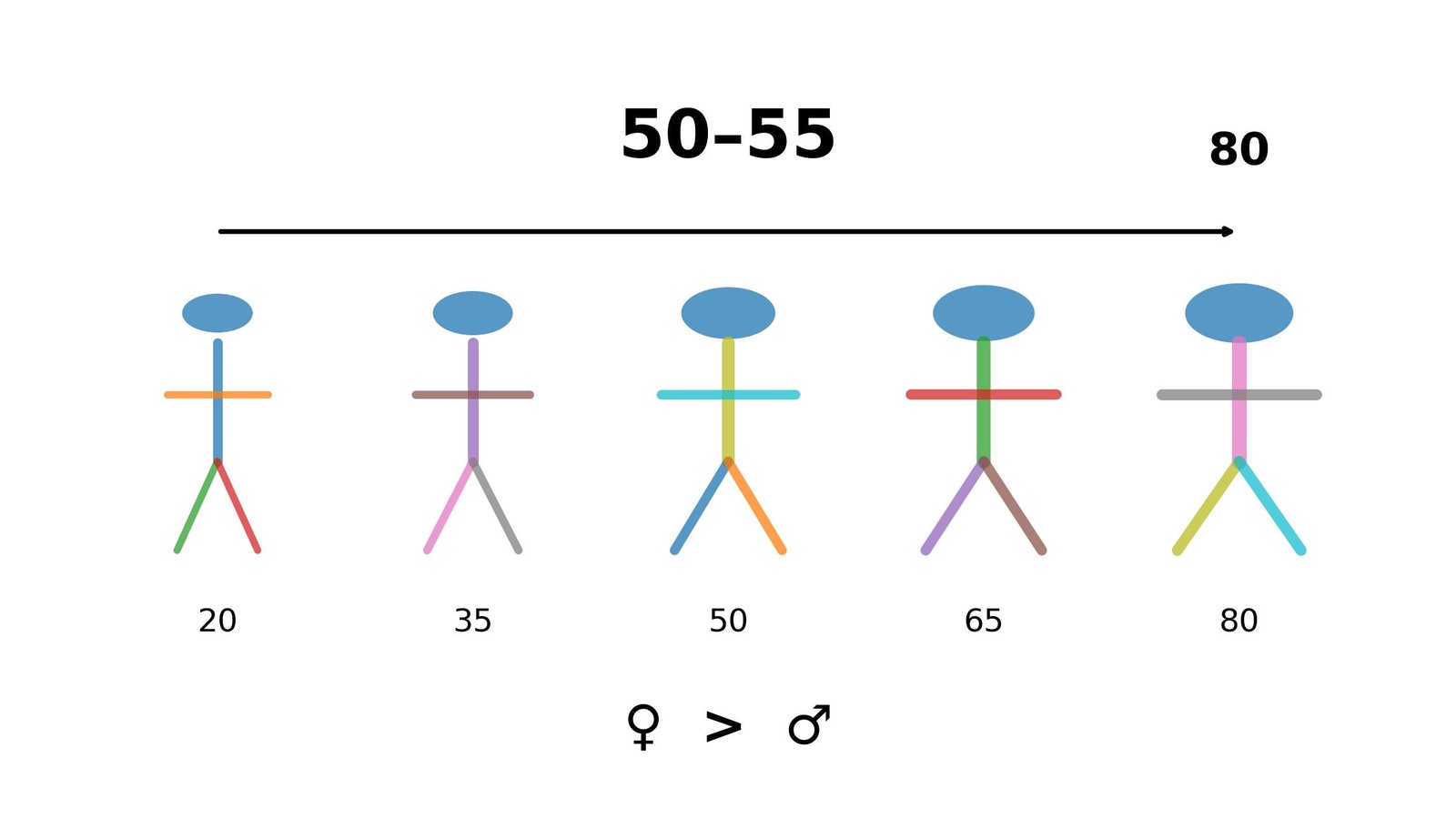
Those patterns matter for public health. The disability impact is greatest in older age groups, so a growing older population increases the number of people who may need rehabilitation, workplace adaptation and accessible ways to stay active.
Why the 2050 burden is expected to grow
The projected increase is also geographically important. WHO expects the largest growth in the absolute burden in Africa and Asia, where population growth and ageing are changing the number of people living in age groups at higher risk. That makes access to rehabilitation and active self-management a public-health issue, not simply a matter of individual exercise choice.
The 843-million projection is driven primarily by two global changes:
- Population growth: more people means more people exposed to common health problems.
- Population ageing: low back pain becomes more prevalent with age, and more countries are seeing larger older populations.
Risk factors are broader than “bad posture”
WHO lists several risk factors for non-specific low back pain, including low physical activity, smoking, obesity and high physical stress at work. None of these means that one behaviour inevitably causes an individual episode of back pain. They are population-level factors associated with higher risk.
This is a useful corrective to the common idea that low back pain can be explained by a single posture, one “tight” muscle or one weak muscle. Back pain is biopsychosocial: physical load and capacity matter, but so can sleep, stress, work demands, beliefs about pain and the ability to stay active.
Prevalence, case counts and disability are different numbers
Back-pain statistics can sound contradictory because researchers measure different things. Prevalence asks how many people have the condition at a point or over a period. Absolute case count is the number of people represented by that prevalence. Years lived with disability estimate how much healthy functioning is lost because of the condition.
WHO’s chronic-low-back-pain guideline cites an age-standardized 2020 point prevalence of about 7.5%, or roughly one in 13 people. Age-standardization allows populations with different age structures to be compared more fairly. The absolute number of cases can rise even when an age-standardized rate is relatively stable because the world population is growing and ageing.
This is why the 2050 projection should not be interpreted as evidence that modern life alone is making everyone’s spine progressively worse. Demography is a major part of the story.
Back pain is common, but severity is uneven
Most people experience low back pain at least once during life, according to WHO, but an episode that settles within days is very different from persistent pain that limits work and sleep for months. The public-health burden is driven disproportionately by people with recurrent or chronic symptoms and by the enormous number of individuals affected.
That also means a headline prevalence figure should not create fear. “Common” does not mean “inevitable disability”. Most acute episodes improve, and many people with recurrent symptoms remain active.
What about sitting?
Long periods of sitting often coincide with back discomfort, especially in desk-based jobs, but the research does not support a simple equation of “sitting equals back damage”. A systematic review of sedentary behaviour found a cross-sectional association between self-reported workplace sitting and low back pain, with an odds ratio of 1.47. Cross-sectional evidence cannot establish which came first: sitting could contribute to symptoms, people with pain could sit more, or both could be influenced by other factors.
The practical conclusion is not that sitting is inherently dangerous. It is that variety and regular movement are sensible, particularly when one position becomes uncomfortable.
Where does stretching fit?
Stretching can increase range of motion and can feel useful when stiffness is part of the problem. But a global article about low back pain should not imply that stretching is the primary treatment for 619 million people.
WHO’s low-back-pain guidance emphasizes a broader approach that can include physical therapies to improve strength and movement, resuming physical activity, psychological and social support, changes to physical work demands, sleep and other lifestyle factors. For chronic primary low back pain, WHO recommends person-centred non-surgical care rather than one universal exercise.
For someone who simply feels stiff after a long day, a gentle routine such as Lower Back Comfort or Spine-Friendly Mobility can provide structured movement. It should be framed as mobility and comfort work, not a cure.
Movement matters because avoiding movement can become part of the problem
When pain is frightening, people understandably begin protecting the back and avoiding tasks. In some cases that can reduce confidence and physical capacity over time. Rehabilitation commonly aims to help people return gradually to meaningful activity while managing symptoms.
This is also why the wording around back pain matters. “Your back is fragile” can encourage unnecessary fear. A more useful message is that back pain is common, most episodes improve, movement can usually be adapted rather than abandoned, and persistent or complex cases deserve individualized assessment.
What the numbers do not tell us
They also do not tell us that a scan finding explains the pain, that everyone with low back pain needs the same exercise, or that avoiding movement is protective. Population statistics are useful for understanding scale; clinical decisions still depend on symptoms, examination, medical history and the person's goals.
Global burden estimates are exceptionally useful for public health, but they cannot tell an individual why their back hurts today. Nor can a global statistic distinguish every cause, severity or personal experience.
The 619-million figure also does not mean 619 million people need the same treatment. Someone with short-lived muscular discomfort after travel, someone with persistent non-specific back pain, and someone with nerve symptoms from a specific condition may require very different management.
When back pain needs medical assessment
Seek medical advice for severe or worsening pain, significant trauma, fever or unexplained illness, new weakness, loss of bladder or bowel control, numbness around the saddle area, or other neurological symptoms. Persistent pain that substantially limits sleep, work or normal activity also deserves assessment.
What these numbers mean
Low back pain already affects hundreds of millions of people and is projected to become an even larger global rehabilitation challenge. The headline numbers are striking — 619 million people in 2020, 843 million projected in 2050, and about 90% of cases classed as non-specific — but they also point toward a more useful way to think about back health.
There is no single posture, stretch or scan finding that explains most back pain. Staying active, rebuilding movement and strength, managing work and lifestyle factors, and getting appropriate clinical care when needed are more realistic pieces of the picture.
Sources and further reading
Put the guide into practice
Related Flexor routines
These guided routines are linked to the article topic. Review the difficulty and exercise list before starting.
Lower Back Comfort
A 13-move active recovery back session — cat-cow, bridges, twists, and figure four for lingering lumbar stiffness.
-

-

-

-

-

- +8
Lower-Back Comfort Reset
A gentle 9-move lumbar reset — cat-cow, knees-to-chest, and legs-up-wall using traction and mild flexion-extension.
-

-
-

-

-

- +4
Spine-Friendly Mobility
A cautious 12-move back flow — bird dog, dead bug, and seated twists for comfortable spinal range without provoking guarding.
-
-
-
-

-

- +7