
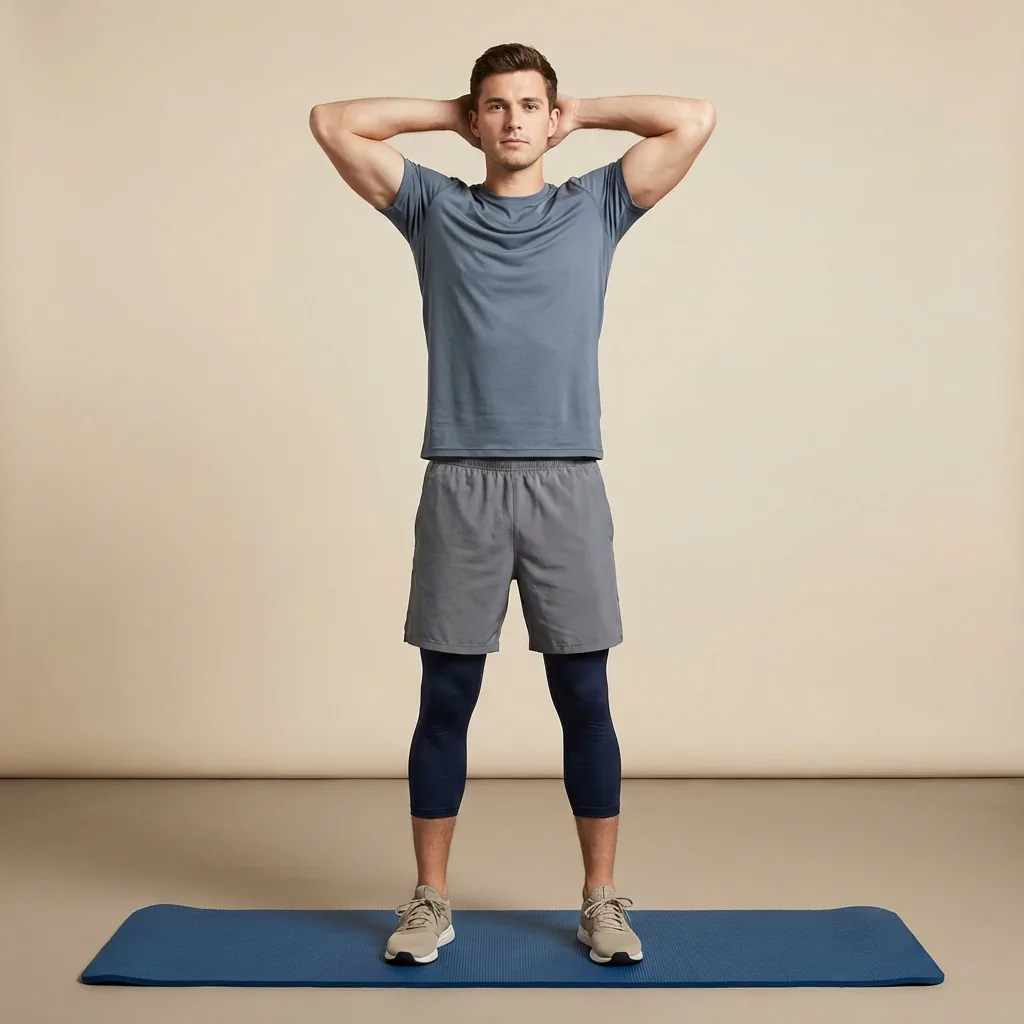
Muscles
Pectoralis major chest stretches and openers.
The pectoralis major is the main chest muscle behind pressing and drawing the arm across the body. Flexor gathers guided chest-opening stretches and mobility for it here to balance pressing work and ease the rounded-shoulder feel of long desk days.
About Pectoralis Major
Balance pressing with opening
The pectoralis major drives horizontal adduction and internal rotation of the shoulder, so plenty of pressing and desk time can leave the chest feeling tight and the shoulders rounded forward. Opening the chest while strengthening the upper back helps restore a more balanced posture.
Open the chest comfortably
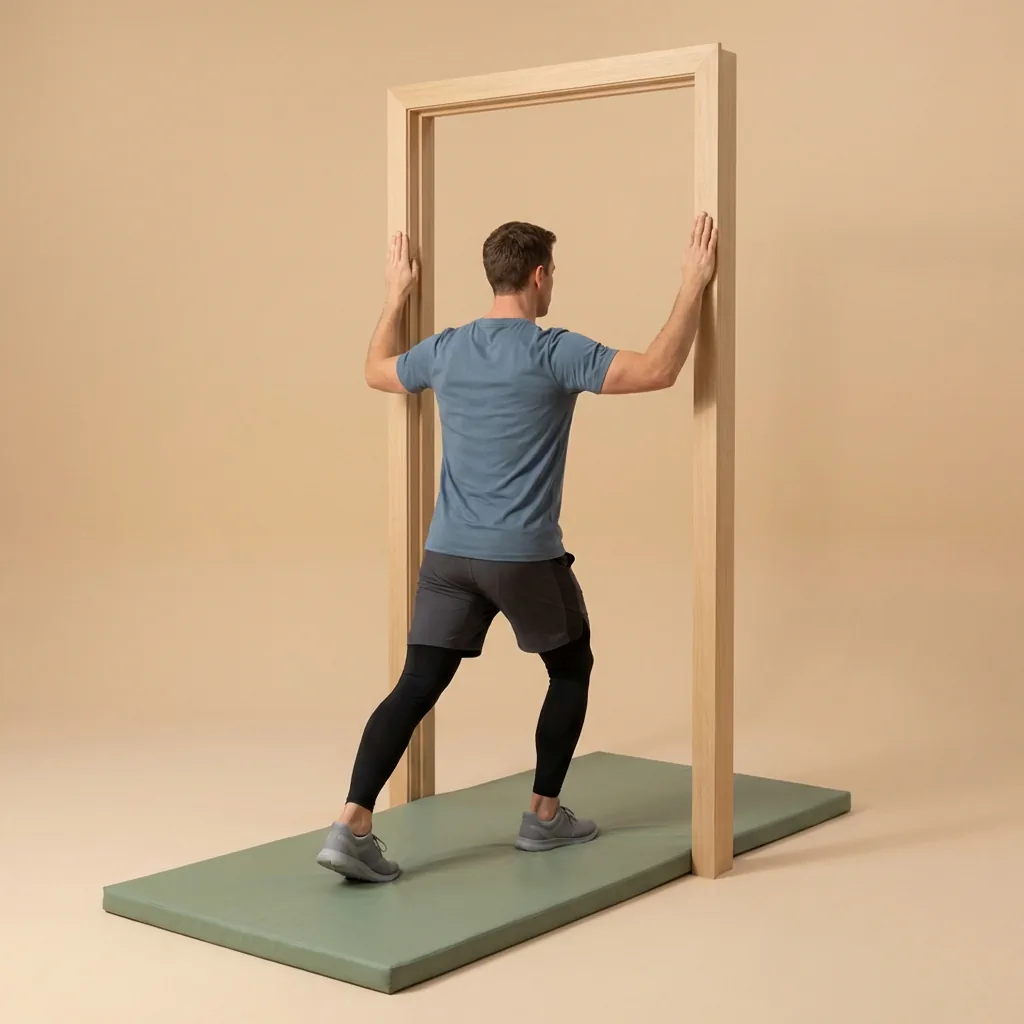
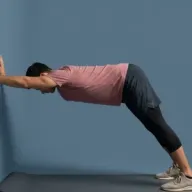
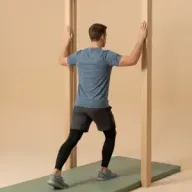
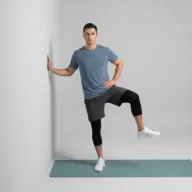
Doorway and wall chest openers work well when you keep the ribs down and the shoulder blade gently set, moving into a pain-free range rather than forcing the shoulder back. Pair the stretch with upper-back and scapular work below to keep the change lasting.
Move comfortably
Keep chest openers within a pain-free range and set the shoulder blade gently rather than forcing the shoulder back. This is general fitness guidance, not treatment — seek professional advice for shoulder pain or an injury.
Guided sessions
Routines for Pectoralis Major
Complete guided Flexor routines that include this muscle — open any session to follow along.
-
 8 min Intermediate
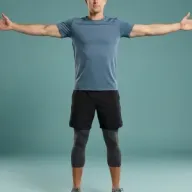
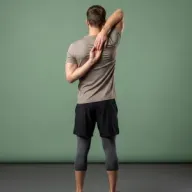
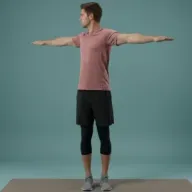
Evening Mobility Unwind
An 8-move evening unwind with chest flys, trunk twist, cow face, frog pose, and plow for a slower pre-bed mobility downshift.
-
-
-
-
-
- +3
-
-
 11 min Beginner
Overhead Mobility
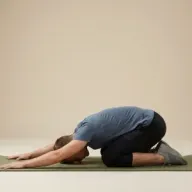
A beginner 12-move overhead prep — wall dog, puppy pose, and shoulder opener to support vertical arm path without low-back arching.
-
-
-
-
-
- +7
-
-
 9 min Advanced
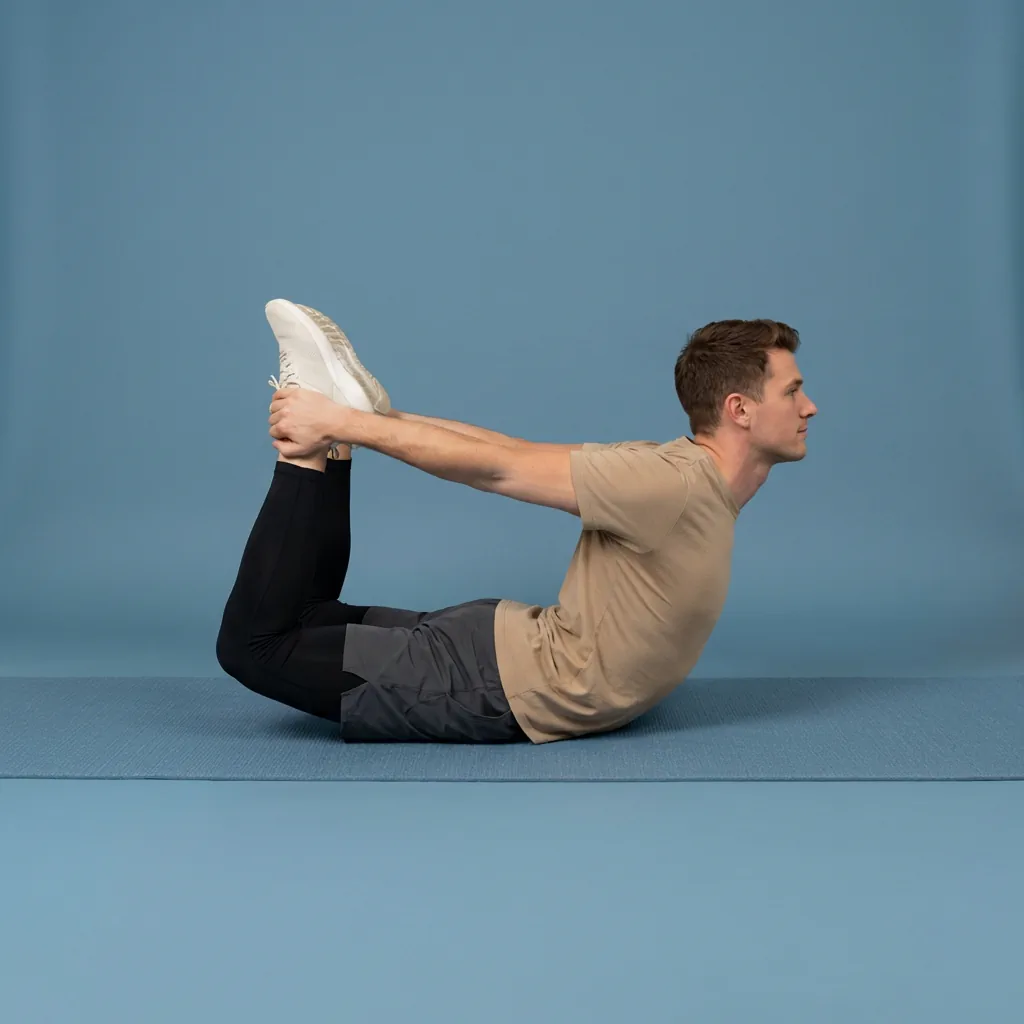
Post-Workout Stretch: Chest & Shoulders
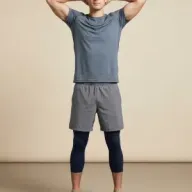
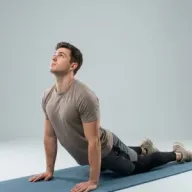
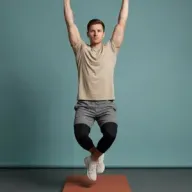
A 9-move advanced anterior stretch — dead hang, shoulder opener, and bow pose with static holds after heavy pressing.
-
-
-
-
-
- +4
-
-
 8 min Beginner
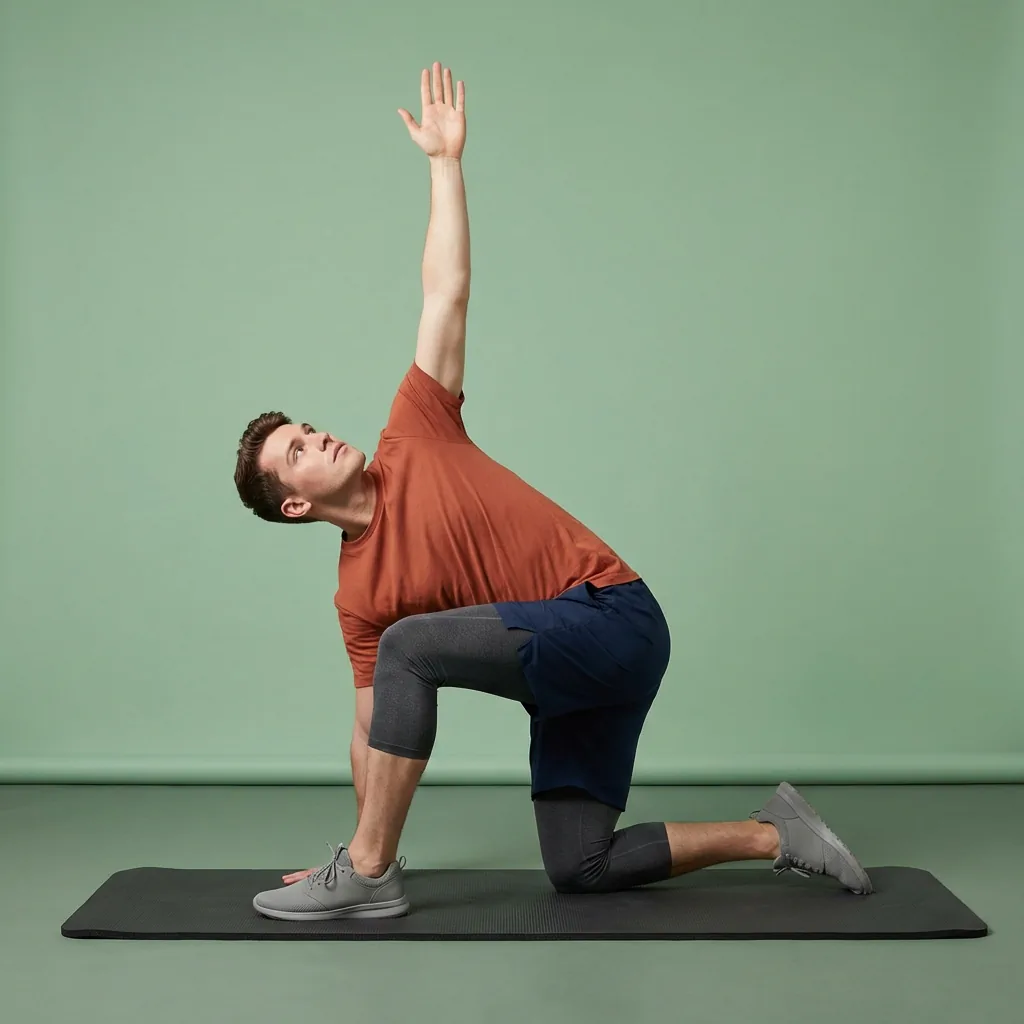
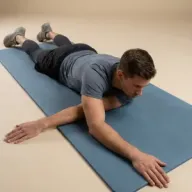
Post-Workout Stretch: Upper Body
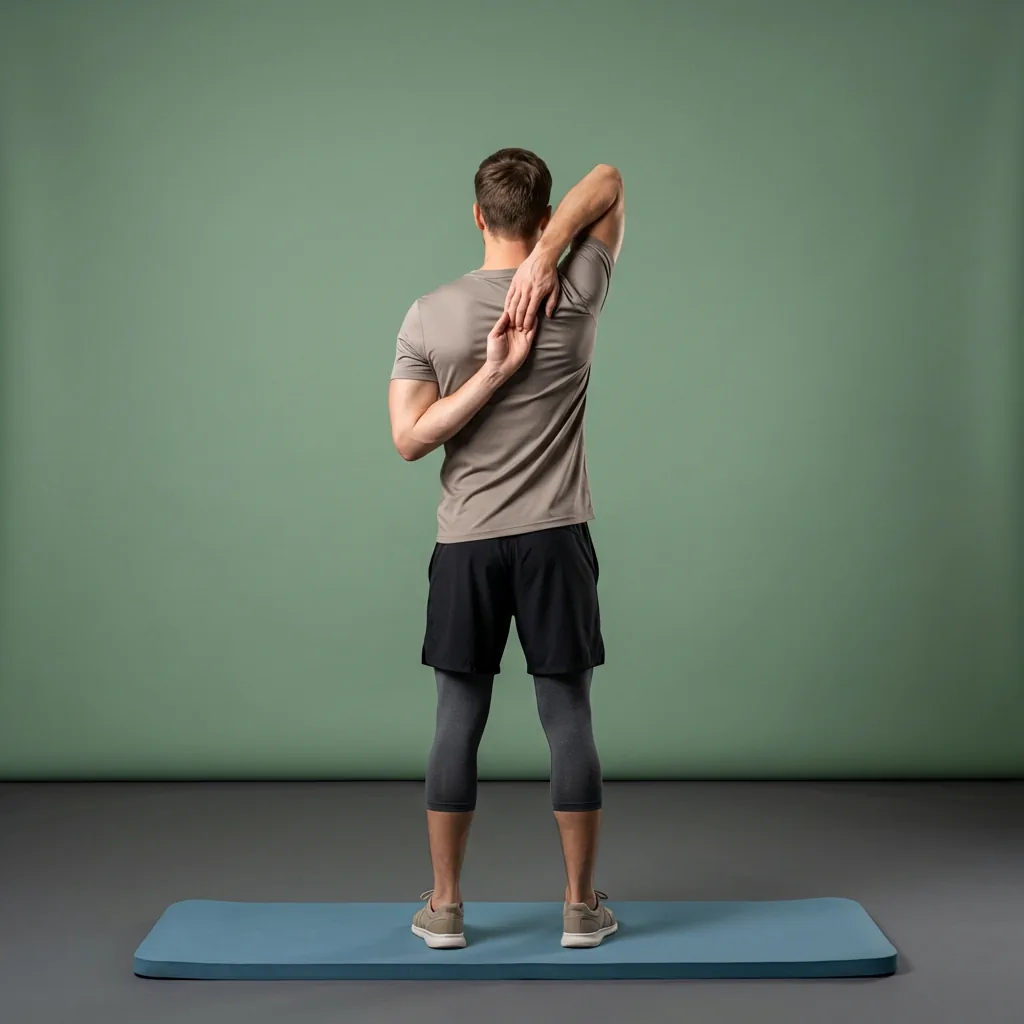
An 8-move post-lift upper stretch — doorway pecs, thread the needle, and chest opener balancing the front of the shoulders.
-
-
-
-
-
- +3
-
-
 8 min Advanced
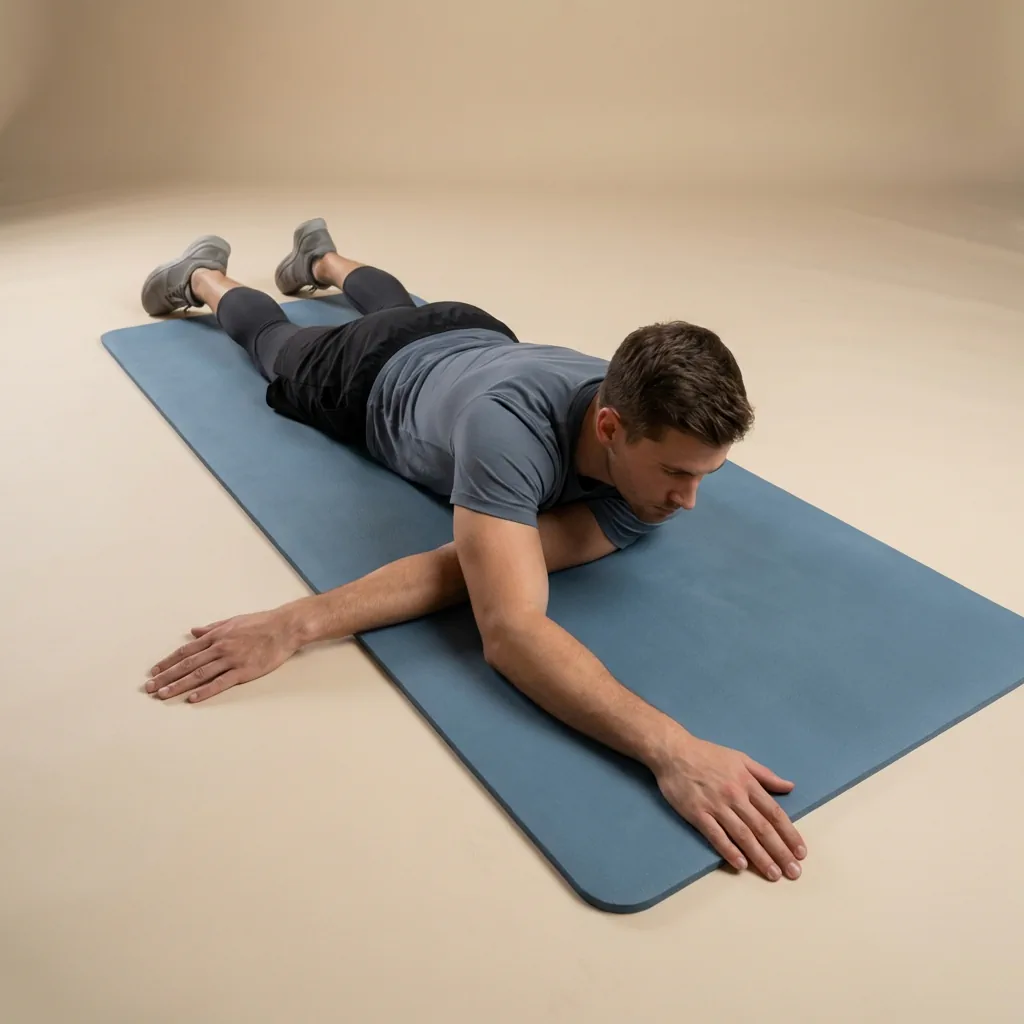
Pre-Workout Mobility: Shoulders
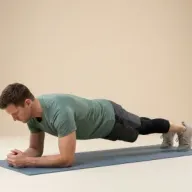
A 9-move shoulder primer — cactus arms, dynamic chest flys, and plank hold for scapular rhythm before upper-body load.
-
-
-
-
-
- +4
-
-
 7 min Beginner
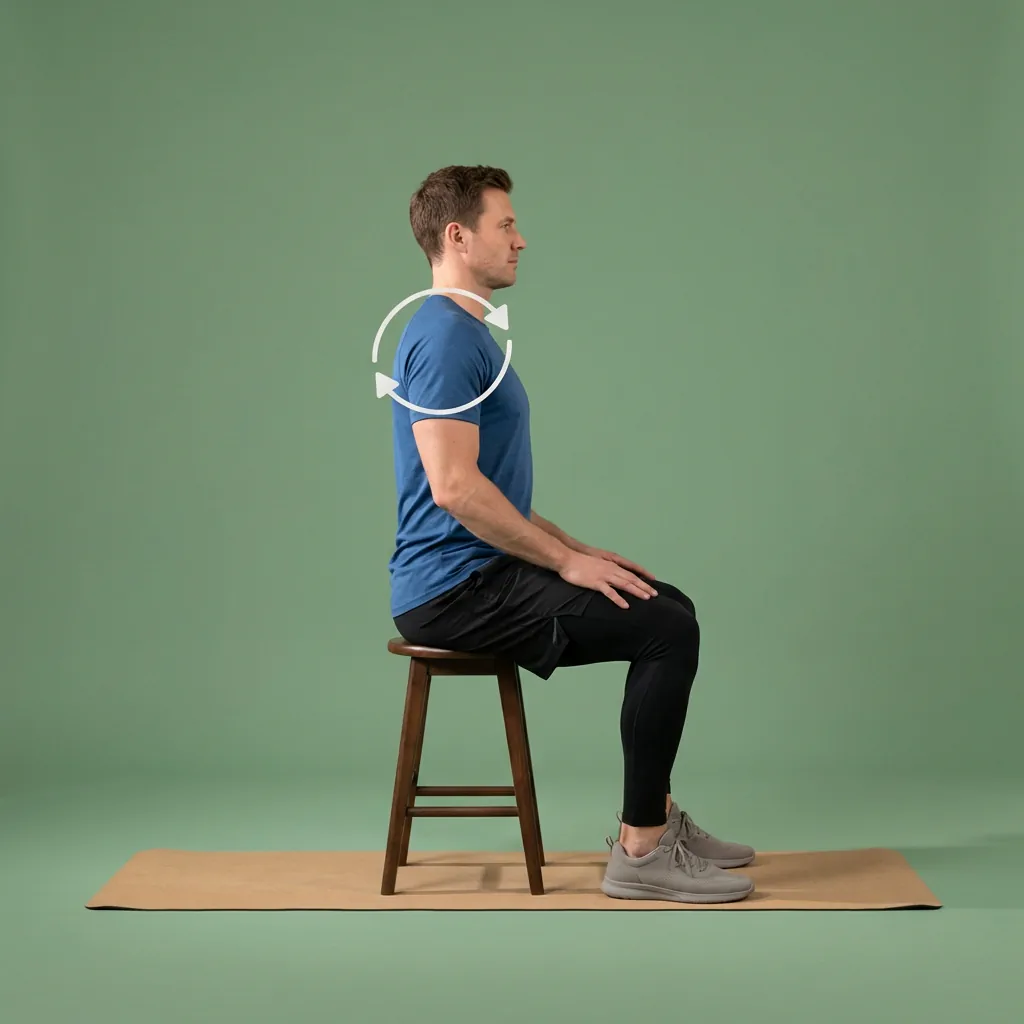
Quick Upper Back Unknot
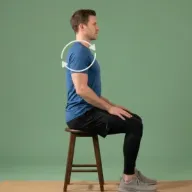
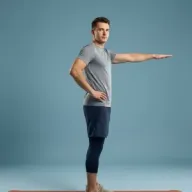
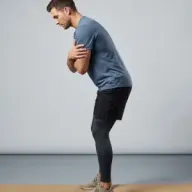
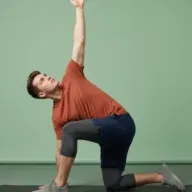
A 7-move mid-back express — scapula stretch, thread the needle, and camel pose for desk-slouch tension between the shoulder blades.
-
-
-
-
-
- +2
-
-
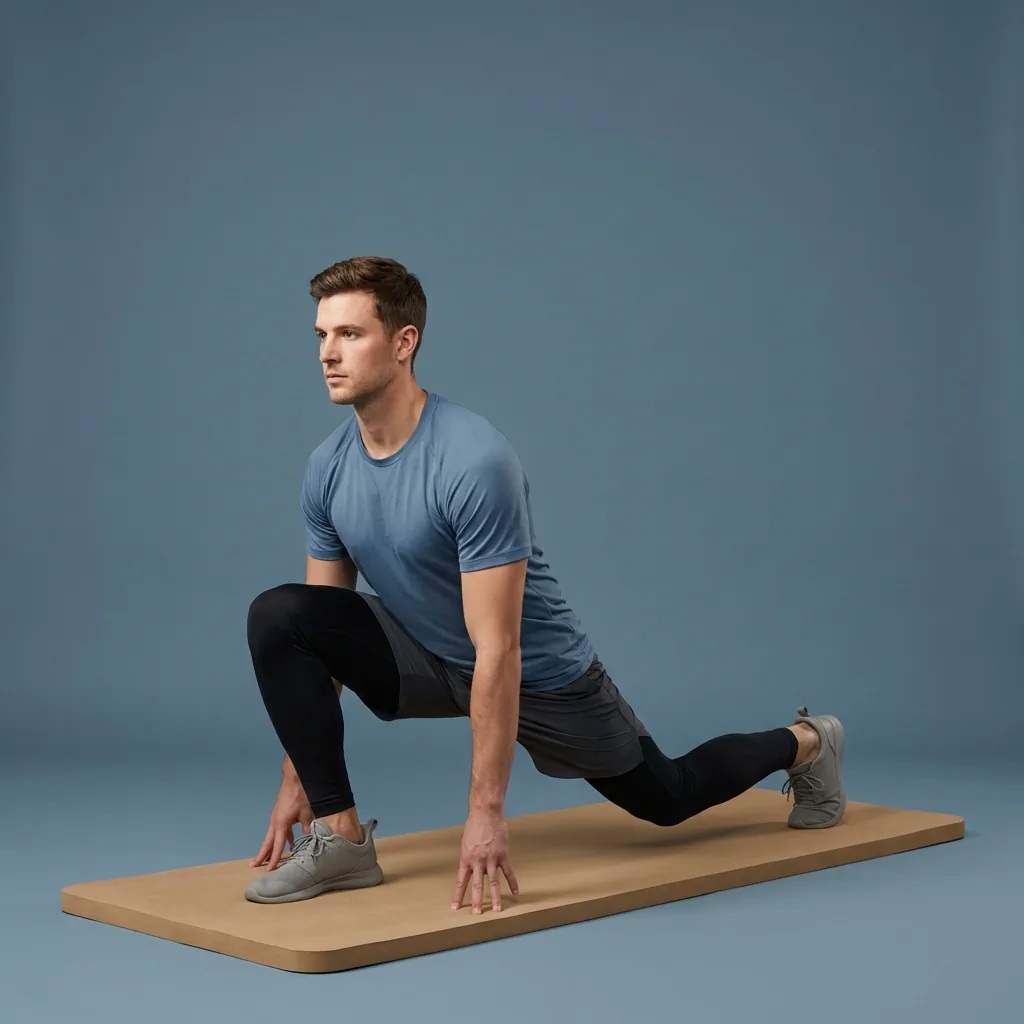 10 min Intermediate
Recovery: Breath and Reset
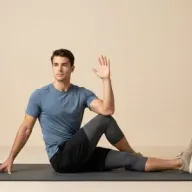
A 10-move breath-led recovery reset for chest, spine, and hips with doorway pecs, 90-90, couch stretch, cobra, camel, and puppy pose.
-
-
-
-
-
- +5
-
-
 8 min Beginner
Recovery: Post-Travel Unwind
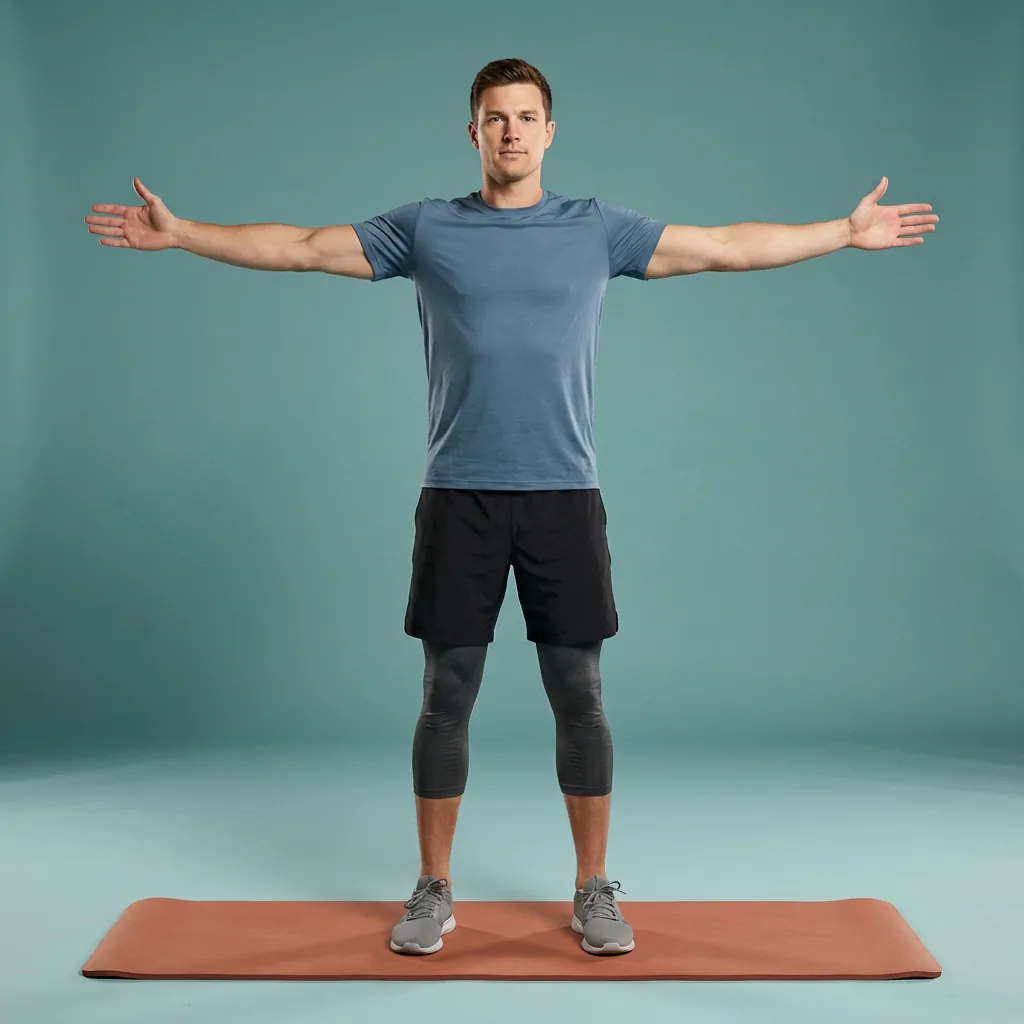
An 8-move post-travel unwind — dynamic chest flys, frog pose, and plow opening hips, neck, and lower back after long sitting.
-
-
-
-
-
- +3
-
-
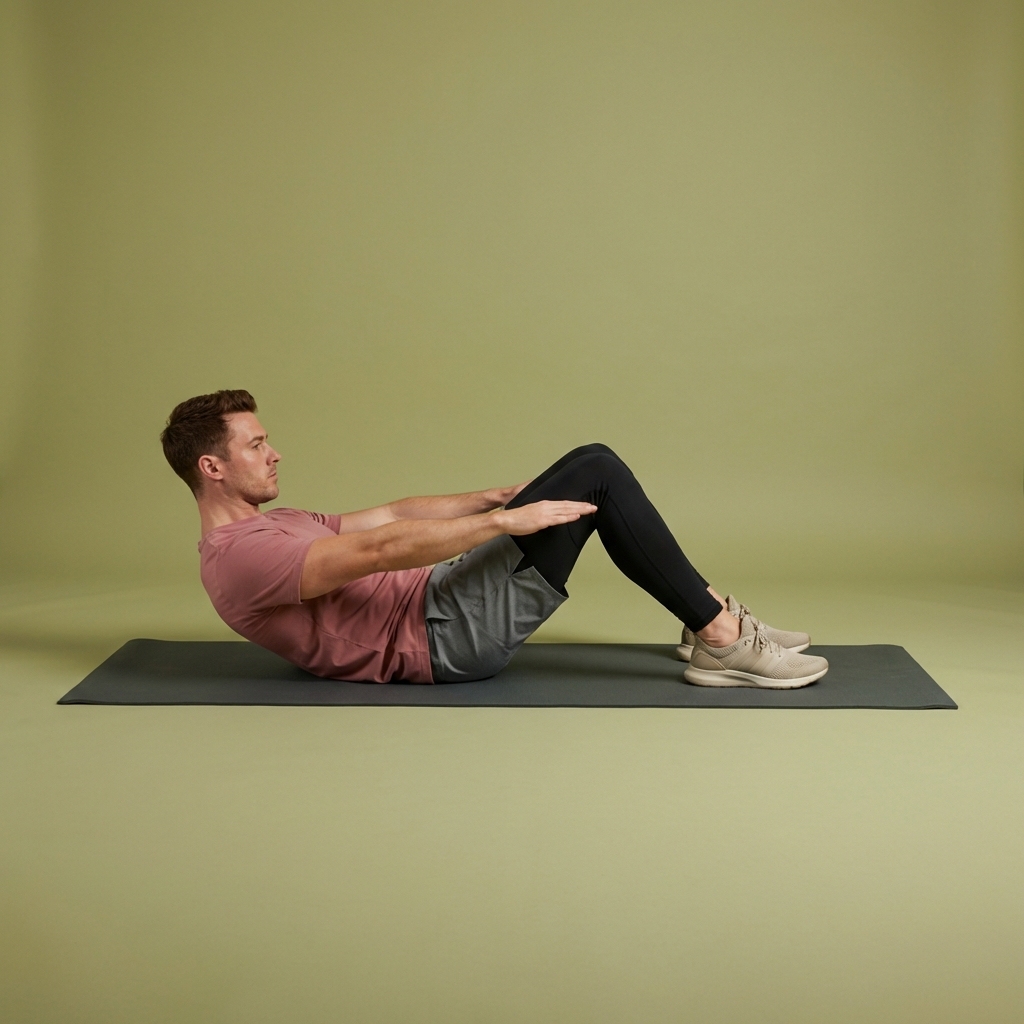 9 min Beginner
Rise and Shine
A bright morning mobility flow — upward salute, cat-cow, and air squats to wake joints from head to toe.
-
-
-
-
-
- +5
-
-
 14 min Intermediate
Shoulder Glide Routine
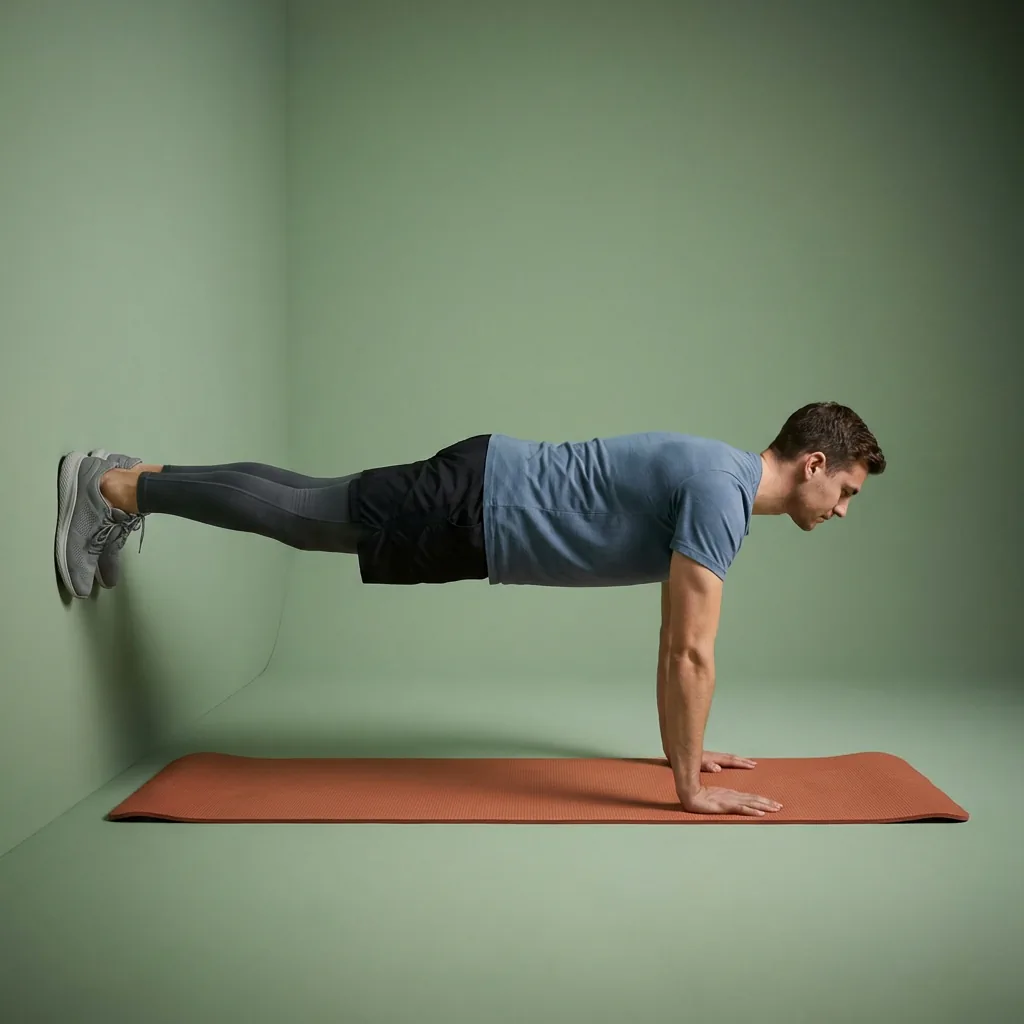
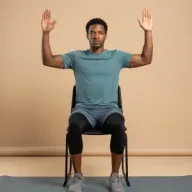
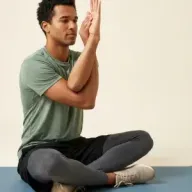
A rhythmic 15-move scapular flow — wall dog, eagle arms, and thread the needle for smoother shoulder-blade tracking.
-
-
-
-
-
- +10
-
-
12 min Advanced
Shoulder Space Builder
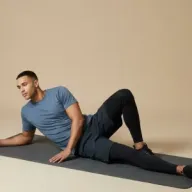
An advanced 13-move shoulder flow — wall plank, shoulder opener, and puppy pose to create space in the glenohumeral joint.
-
-
-
-
-
- +8
-
-
 14 min Advanced
Shoulder Stability & Ease
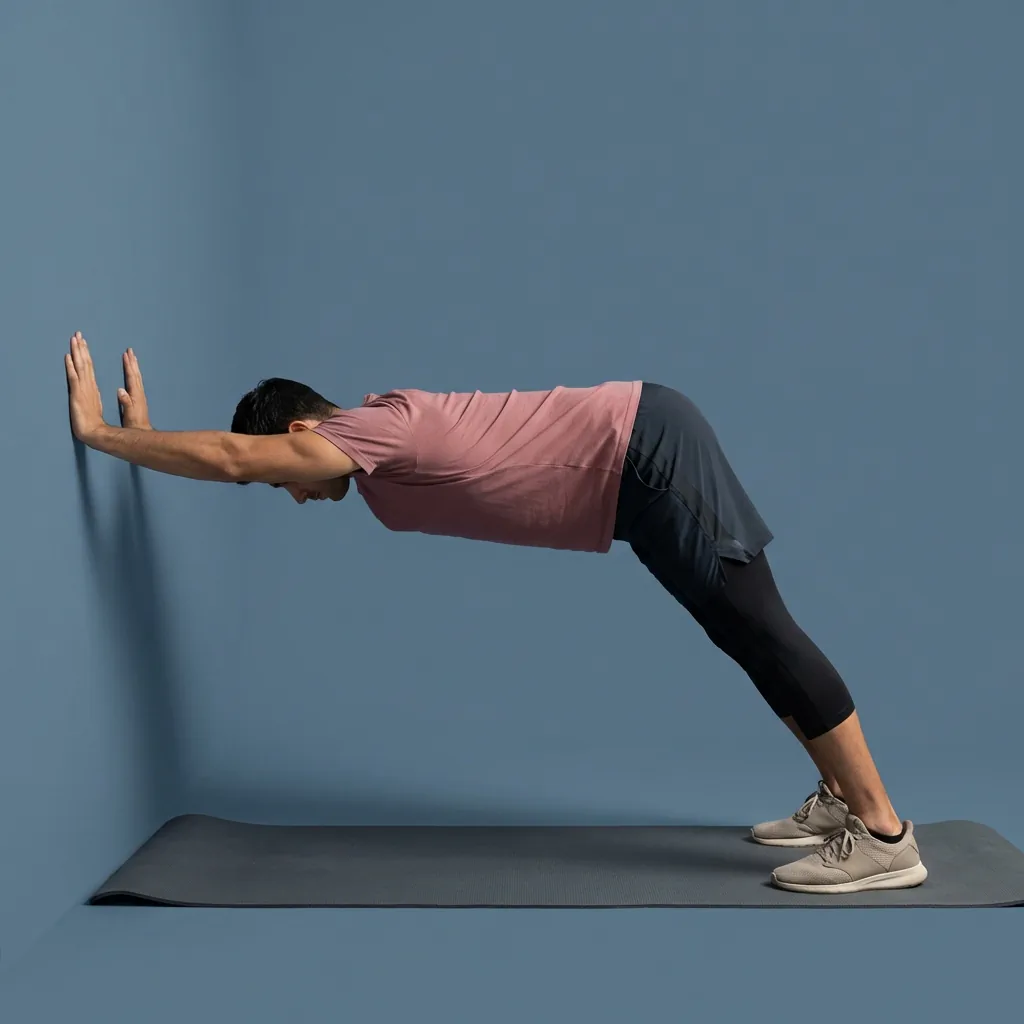
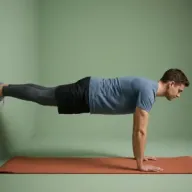
An advanced 15-move shoulder session — wall plank, rotator cuff activation, and controlled reaches for stable, mobile arms.
-
-
-
-
-
- +10
-
-
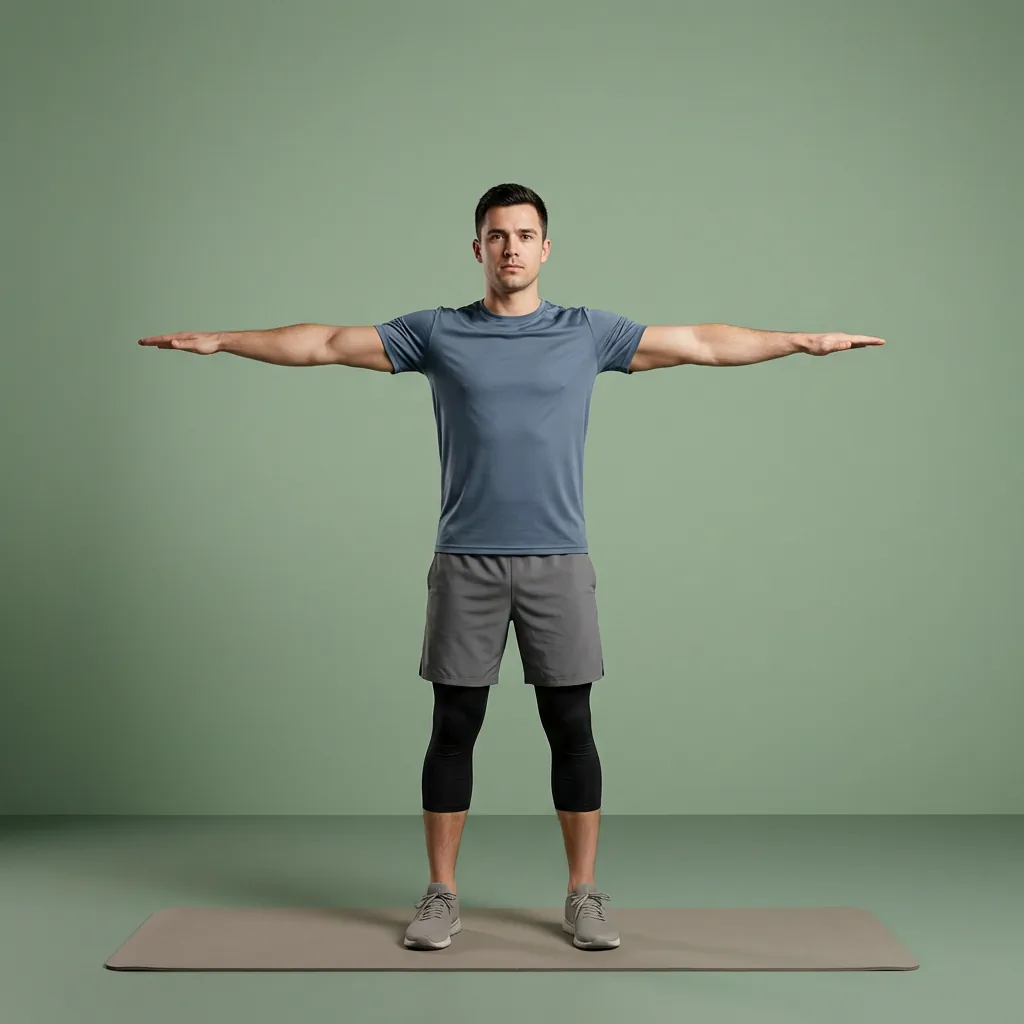 9 min Intermediate
The Chest Opener
A 10-move pec and shoulder opener — doorway pecs, wall pecs, and chest opener to counter rounded-shoulder posture.
-
-
-
-
-
- +5
-
Explore related pages
Common questions
How do I stretch my chest muscles?
A doorway or wall chest opener — forearm on the frame, then a small turn away — lengthens the pectoralis major comfortably. Keep the ribs down, breathe steadily, and stay in a pain-free range rather than forcing the shoulder backwards. Explore the guided chest exercises and routines below.
Why does my chest feel tight from desk work?
Long spells of sitting and pressing keep the chest in a shortened, rounded-forward position, which can feel tight even when it is not truly short. Regular chest openers combined with upper-back strengthening usually help more than stretching the chest alone.